

Among the diverse creatures that inhabit our gardens, few are as charming and beneficial as the ladybug. Known for their colorful, spotted appearance, ladybugs are a favorite among gardeners and nature enthusiasts alike. Beyond their delightful looks, these tiny insects play a crucial role in maintaining the health and balance of garden ecosystems. This article explores why ladybugs are considered your garden’s best friend, delving into their ecological role, the benefits they provide, and tips on attracting them to your garden.
Natural Pest Control

Ladybugs are voracious predators of common garden pests, making them invaluable allies for organic gardening. Aphids, small sap-sucking insects that can devastate plants, are a primary food source for ladybugs. A single ladybug can consume up to 5,000 aphids in its lifetime, significantly reducing pest populations without the need for chemical pesticides. In addition to aphids, ladybugs feed on mites, whiteflies, and scale insects, all of which can cause damage to flowers, vegetables, and fruit-bearing plants. By controlling pest populations, ladybugs help to reduce the spread of plant diseases and improve overall plant health.
Ecological Balancers
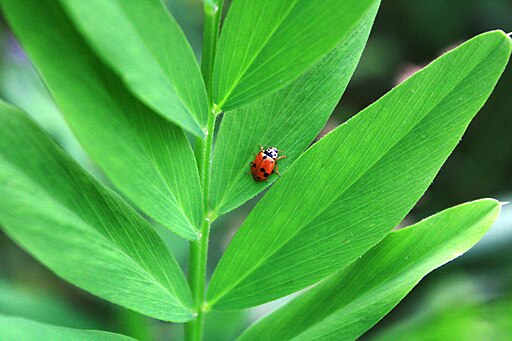
Beyond their role as pest controllers, ladybugs contribute to the ecological balance within gardens. They are part of a complex food web, serving as prey for birds, spiders, and other larger predators. By maintaining a healthy ladybug population, gardeners support biodiversity and encourage a balanced ecosystem where natural processes and interactions can thrive. This ecological balance helps create a harmonious environment where plants and animals can coexist and support each other.
Indicators of Environmental Health
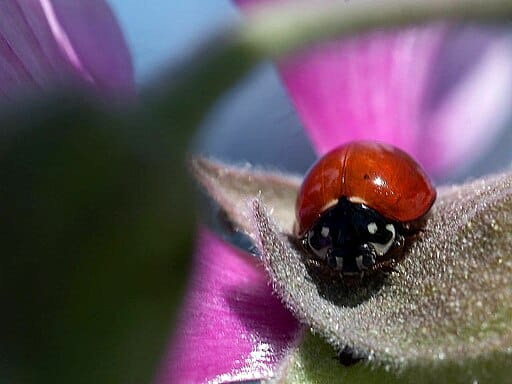
The presence of ladybugs can also serve as an indicator of environmental health. Ladybugs are sensitive to changes in their habitat, including the use of pesticides and the availability of food sources. A thriving population of ladybugs suggests a garden that is rich in plant diversity, has minimal chemical interference, and provides a suitable habitat for various species. Conversely, a decline in ladybug numbers can signal potential environmental issues, prompting gardeners to reassess their practices and work towards more sustainable methods.
Ladybug Varieties and Life Cycle

There are over 5,000 species of ladybugs (or ladybirds, as they are known in some regions) worldwide, each with unique characteristics and habitat preferences. In North America, the seven-spotted ladybug and the convergent ladybug are among the most common. Ladybugs undergo complete metamorphosis, passing through egg, larva, pupa, and adult stages. The larvae, often resembling tiny alligators, are especially effective at controlling aphid populations, devouring large numbers of pests before they reach adulthood. Understanding the life cycle of ladybugs can help gardeners recognize and protect these beneficial insects throughout their various stages.
Attracting Ladybugs to Your Garden

Encouraging ladybugs to visit and stay in your garden involves creating a welcoming environment. Planting a variety of flowering plants such as marigolds, daisies, and dill can attract ladybugs by providing nectar sources. Additionally, allowing a controlled growth of aphids can ensure a steady food supply for the insects. Provide shelter by incorporating bushes, shrubs, or even ladybug houses to offer protection from predators and harsh weather. Finally, reducing the use of pesticides will help maintain the health and safety of ladybugs and other beneficial insects.
Conclusion: A Tiny, Yet Mighty Ally
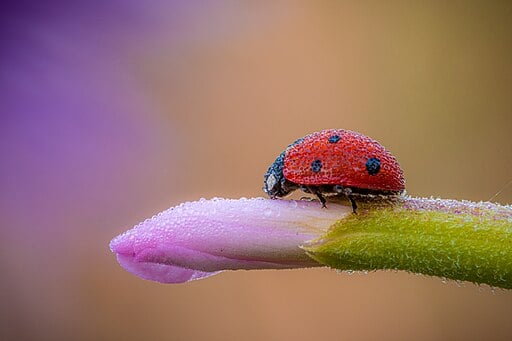
Ladybugs are more than just pretty insects; they are essential allies in promoting sustainable and healthy gardens. Their role as natural pest controllers, ecological balancers, and indicators of environmental health underscores their importance in any garden ecosystem. By understanding their preferences and life cycles, and by taking steps to foster their presence, gardeners can reap the rewards of having these incredible insects as part of their garden family. Embracing ladybugs not only enhances the beauty and vibrancy of a garden but also contributes to the broader goal of ecological preservation and sustainability.

- The Most Powerful Earthquake Ever Felt in the U.S. - July 19, 2026
- How Rhinoceros Males Compete for Mating Rights in the Wild - July 18, 2026
- 13 Spider Species Thriving in Changing Environments - July 18, 2026