

Horses are magnificent creatures that demand attention, care, and a deep understanding of their unique needs. Yet even the most devoted owners can unknowingly make mistakes that put their beloved companions at risk. From feeding mishaps to overlooked health routines, these errors might seem small at first, yet they can snowball into serious problems that affect performance, comfort, and even longevity.
Here’s the thing: many of these issues are entirely preventable once you know what to watch for. Let’s dive into the most critical care mistakes that horse owners make and explore how you can protect your equine partner from unnecessary suffering.
Neglecting Regular Farrier Appointments
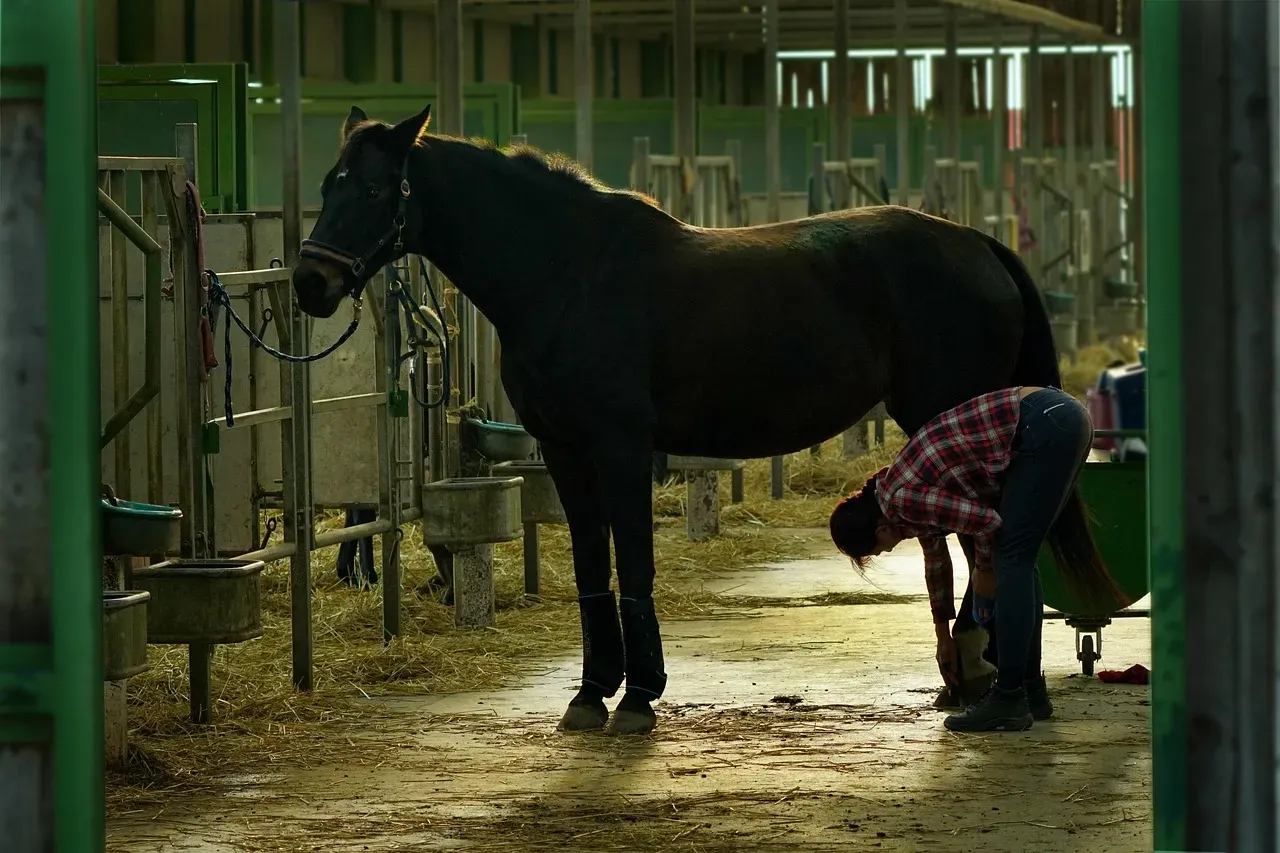
Poor farrier work changes the physics of every step your horse takes, creating strain that accumulates with each movement. Letting hoof trims slide can lead to imbalances, lameness, or worse. Think of it like ignoring tire maintenance on your car – eventually, the whole system suffers.
Proper hoof care plays a vital role in preventing lameness, and horse owners should schedule regular farrier visits every 6-8 weeks. Daily hoof inspections matter too. Check for heat, cracks, or unusual wear patterns that signal trouble brewing beneath the surface.
Failing to Provide Adequate Clean Water
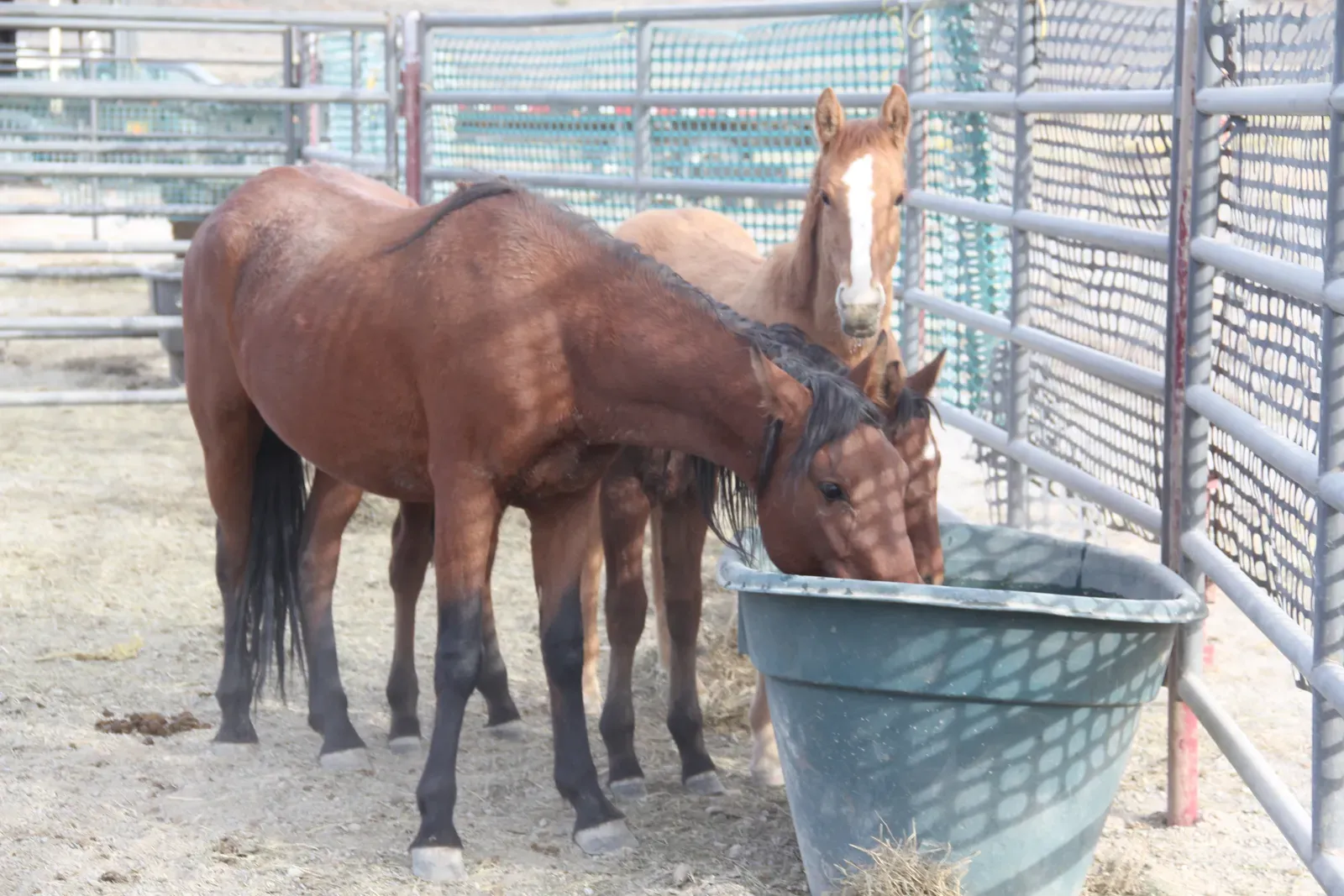
Horses drink approximately 25 to 55 litres of water per day depending on the weather, their diet and the level of work, and they should have access to fresh, clean water at all times to prevent dehydration. Yet I’ve seen far too many owners overlook this fundamental need.
Inadequate water access will reduce feed intake and increase the incidence of impaction colic, anhidrosis, and other metabolic disorders, and lack of water access for more than a few days may result in death. Dirty buckets and algae-filled troughs discourage drinking. Clean water sources daily, break ice in winter, and monitor consumption patterns closely.
Ignoring Dental Care Requirements
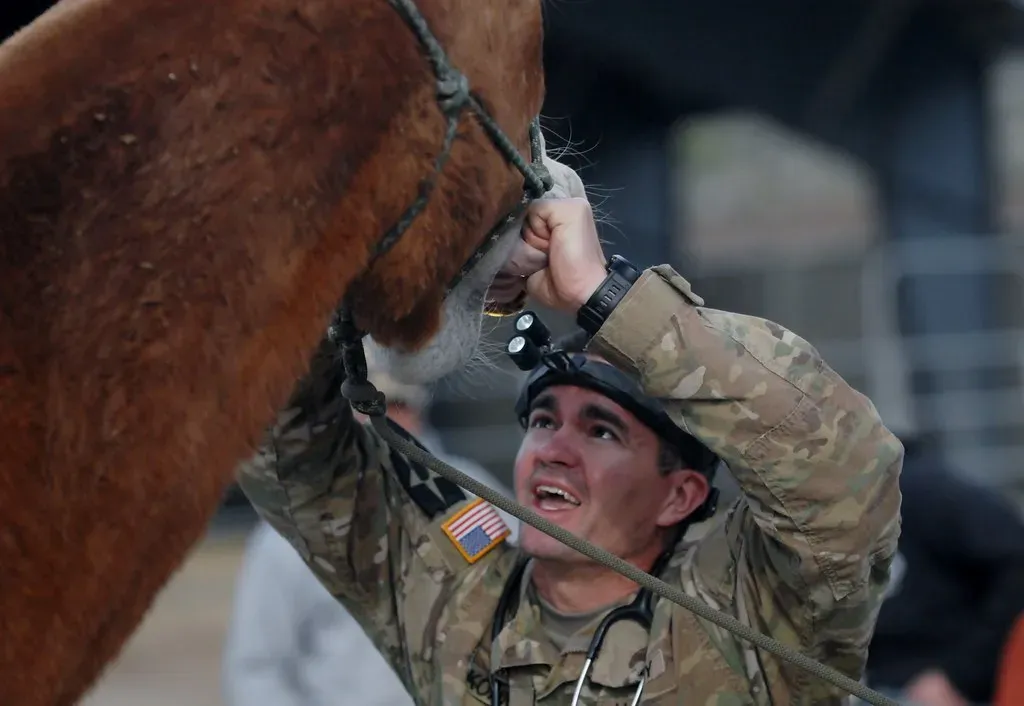
Horses have to physically chew to produce saliva, which is needed to start the digestive process, and if the horse’s teeth can’t chew well, this puts the horse more at risk of impaction colic. Dental problems affect far more than just eating – they influence behavior, weight maintenance, and overall comfort.
Dental problems in horses can cause pain, eating difficulties, and even behavioral issues, with the British Equine Veterinary Association reporting that up to 80% of horses have some form of dental abnormality. Annual exams aren’t optional luxuries. Watch for dropped feed, head tilting while eating, or unexplained resistance under saddle.
Making Sudden Dietary Changes
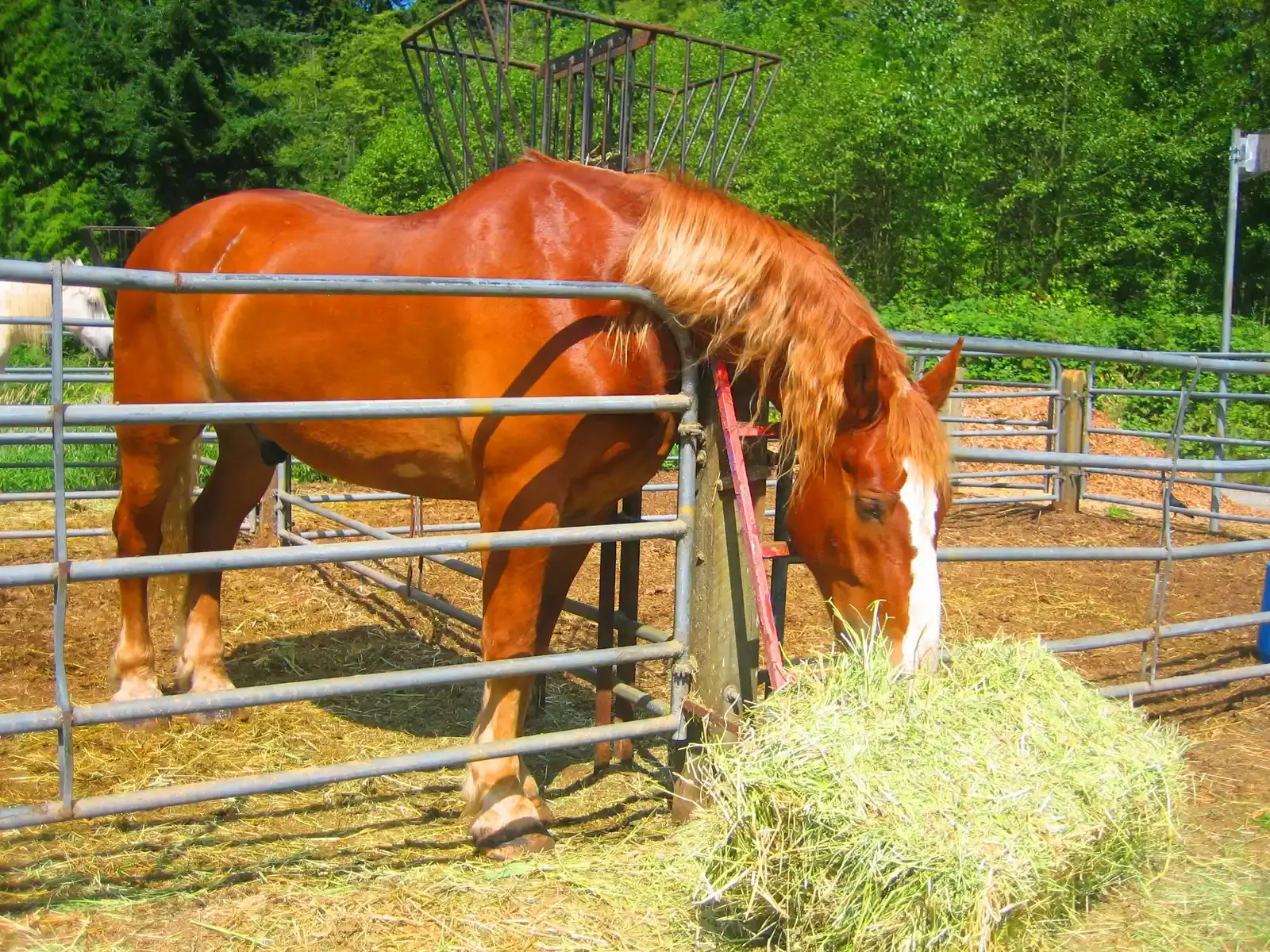
Sudden changes in the type or amount of feed can upset a horse’s digestive system, leading to potentially serious health problems, such as colic or founder, so it’s essential to introduce any changes gradually. Your horse’s gut bacteria need time to adapt, plain and simple.
Sudden changes can upset a horse’s gut bacteria, increasing the risk of colic, so speak to your vet or an equine nutritionist before making changes. Whether switching hay types or adjusting grain portions, take at least a week to transition gradually. Mix old and new feeds in increasing proportions rather than flipping the script overnight.
Underfeeding Forage and Overfeeding Grain
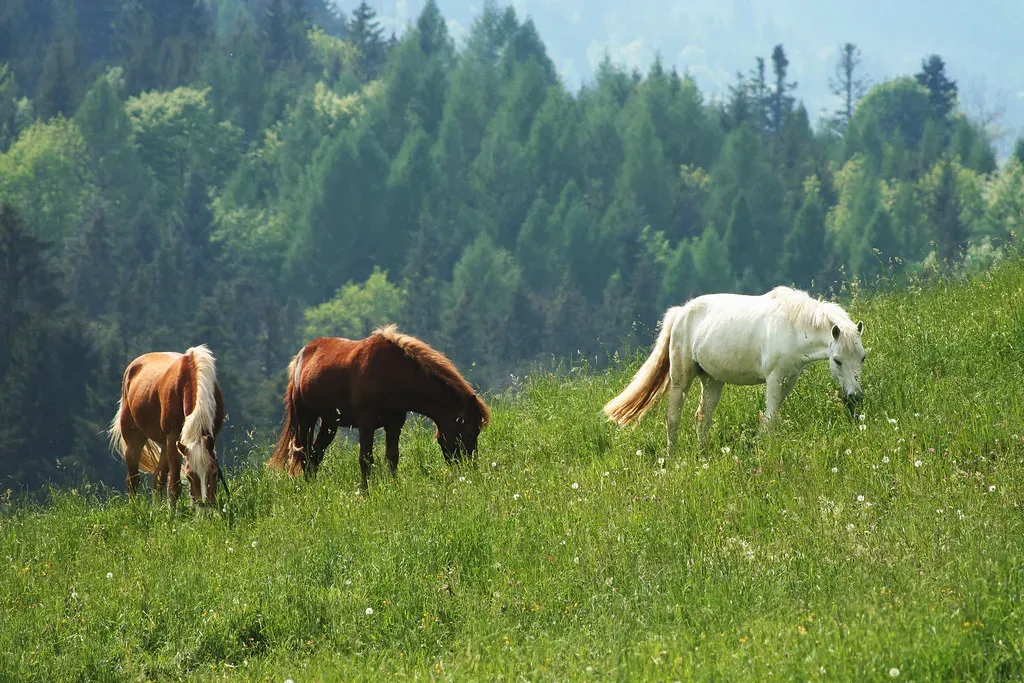
Improper feeding practices can lead to serious health issues, with overfeeding grains often resulting in obesity, laminitis, and metabolic disorders. Horses evolved as grazers, not feast-or-famine eaters. Their digestive systems crave constant fiber intake.
Horses thrive on forage-based diets that mimic their natural grazing patterns, and when high-quality, high-energy forages are fed, performance horses can be maintained on forage-only diets, with owners trying to provide at least 1.5% of their body weight in forage daily. Concentrates should supplement, not replace, roughage. Many performance issues stem from this single mistake.
Skipping Daily Health Observations
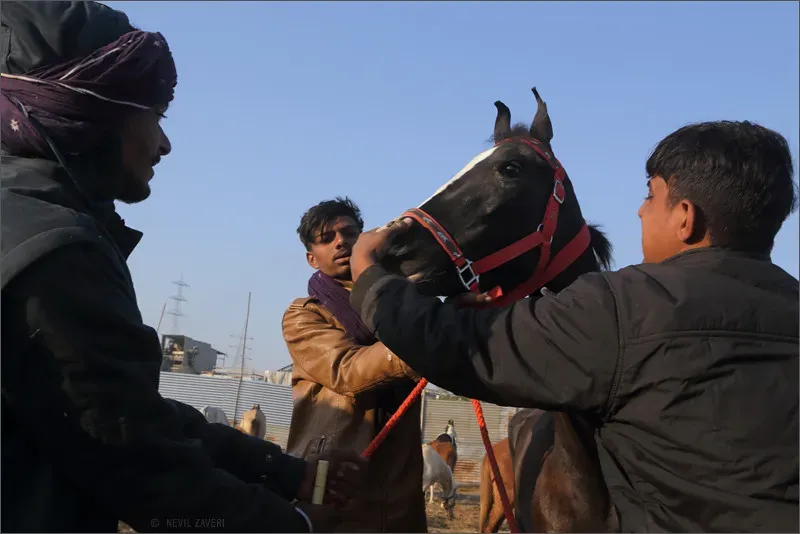
Overlooking small changes in behavior or appearance can delay the detection of serious health issues, so observe your horse daily for signs of discomfort or illness. You know your horse better than anyone – trust your instincts when something feels off.
A well-educated owner is a horse’s greatest health advantage, as you know your horse better than anyone else, and when you have the right information, you can catch problems earlier. Daily grooming sessions offer perfect opportunities for hands-on health checks. Run your hands over every inch, noting heat, swelling, cuts, or changes in muscle tone.
Providing Insufficient Sodium
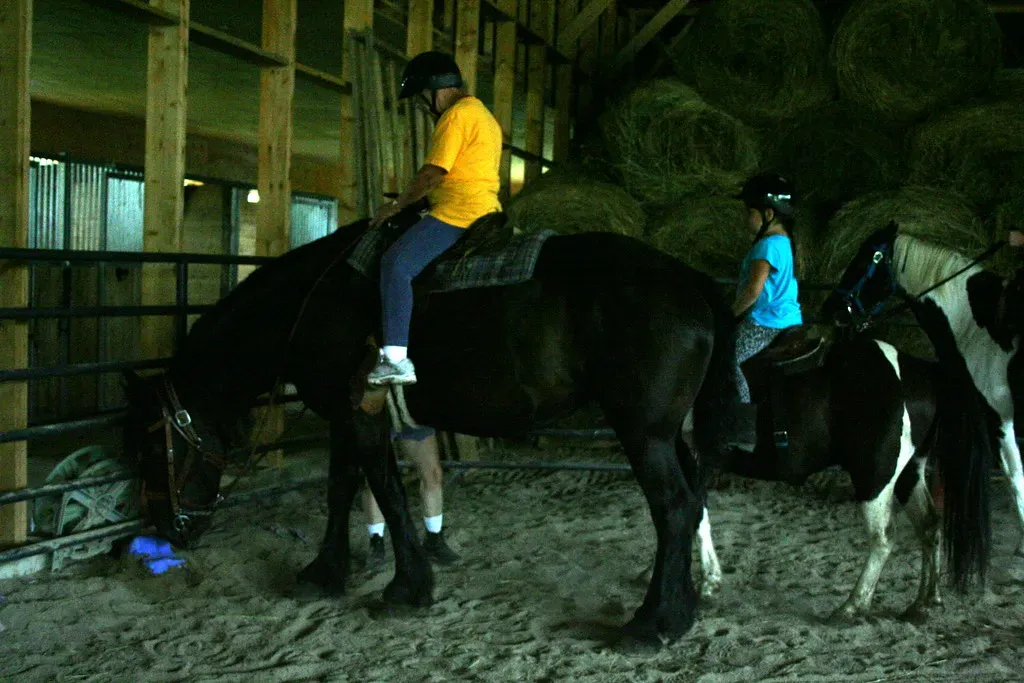
Sodium is one of the most commonly deficient nutrients in equine diets, as horses are typically provided with free choice access to a salt lick, but this rarely meets their sodium requirements because salt licks were originally designed for cattle. Honestly, this one surprised me when I first learned about it.
When sodium is deficient in the diet, it can contribute to dehydration and increase the risk of impaction colic. Loose salt added directly to feed ensures adequate intake. During hot weather or heavy work, electrolyte supplementation becomes even more critical for maintaining proper hydration and muscle function.
Neglecting Vaccination and Deworming Protocols
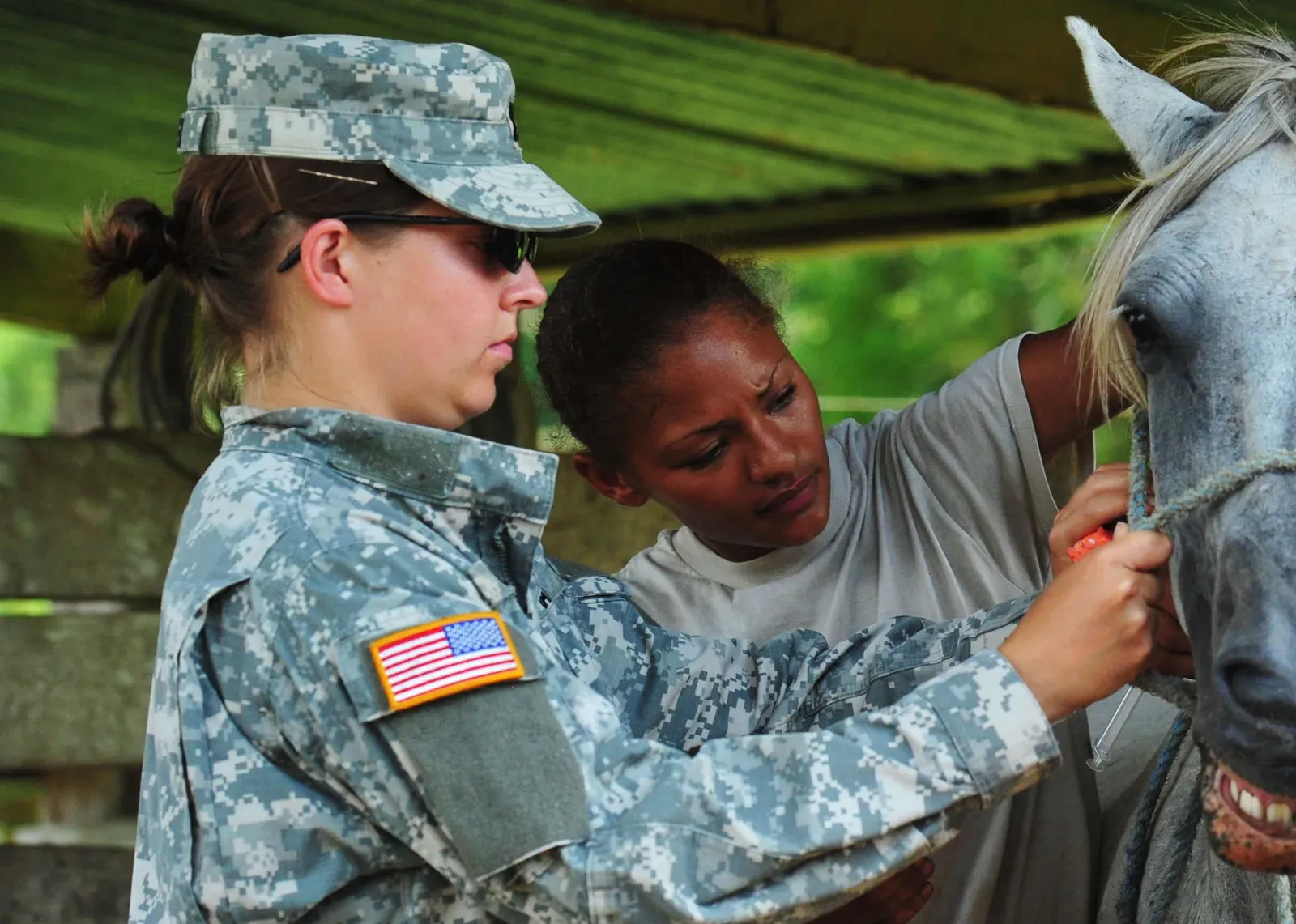
Vaccinations protect against diseases like tetanus, influenza, rabies, and strangles, while deworming should be scheduled regularly to eliminate internal parasites. Prevention always costs less than treatment, both financially and emotionally.
Veterinarians recommend five core vaccinations for all horses in North America to protect them against life-threatening diseases, with veterinary consensus groups choosing core vaccines based on severity of infection, risk to human health, and ease of spread. Work with your veterinarian to develop appropriate protocols based on your location, exposure risks, and individual circumstances.
Allowing Poor Stable Ventilation
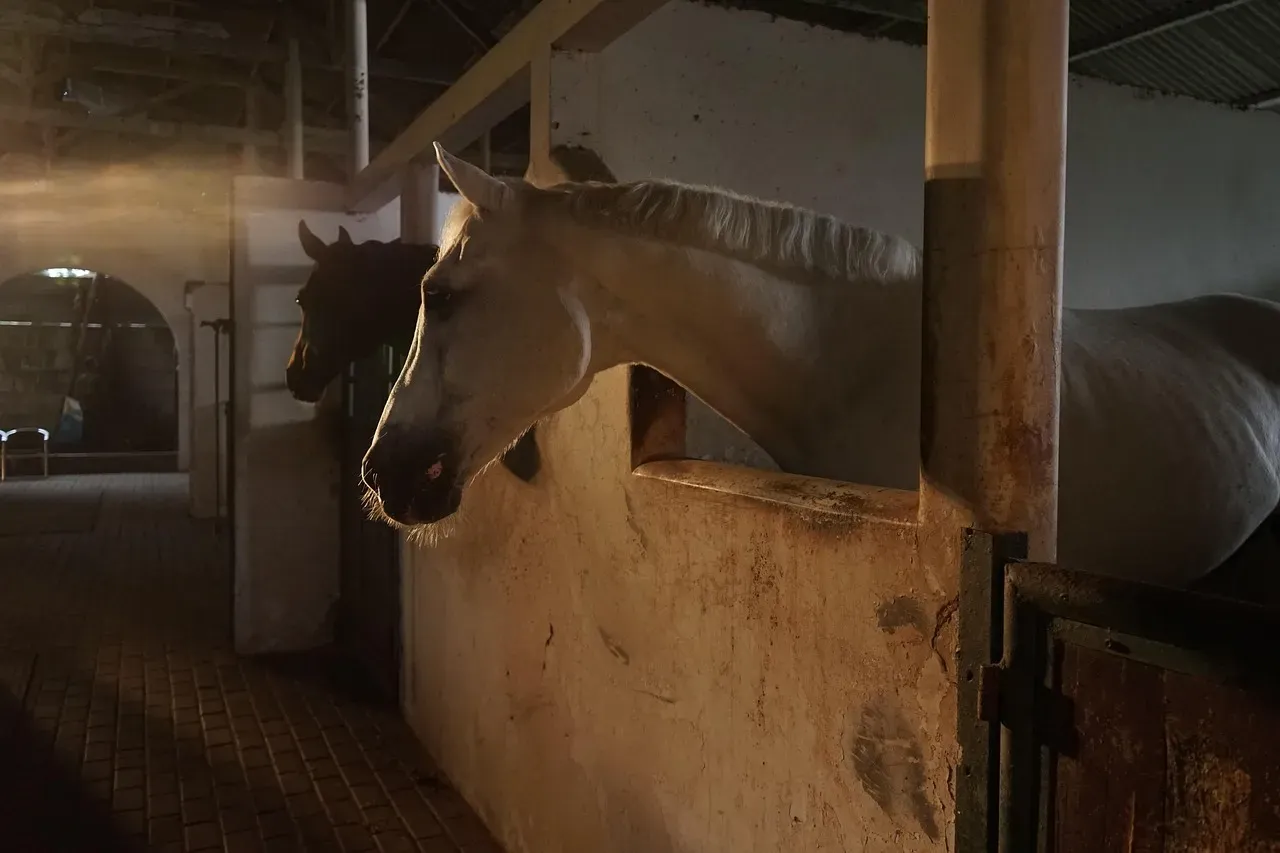
Poor stable conditions often lead to respiratory problems in horses, with a study in the Equine Veterinary Journal revealing that 14% of horses in training yards suffered from inflammatory airway disease. Stale air, dust, and ammonia fumes create a toxic environment for sensitive equine lungs.
To improve your horse’s respiratory health, ensure proper ventilation in stables, use dust-free bedding, and make sure to sweep when the horses are outside, as regular long turnout in fresh air also benefits lung health. Fresh air circulation doesn’t mean drafts – aim for consistent airflow that removes contaminants without chilling your horse.
Dismissing Minor Wounds Below the Knee
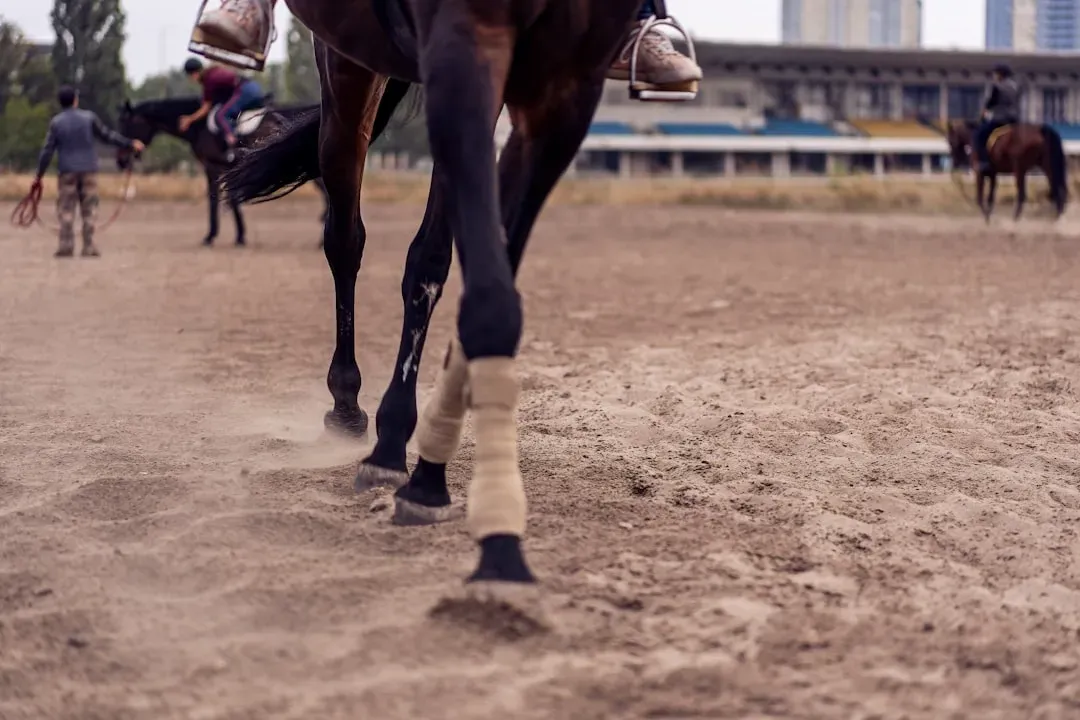
Horses have an unfortunate design flaw: tiny wounds below the knee or hock can be life-threatening. Limited blood supply and proximity to important structures make these areas particularly vulnerable to infection and complications.
Even pinprick-sized injuries deserve immediate veterinary attention in these regions. Clean wounds promptly with appropriate antiseptics, monitor for heat or swelling, and never adopt a wait-and-see approach with lower leg injuries. The stakes are simply too high.
Maintaining Inconsistent Schedules
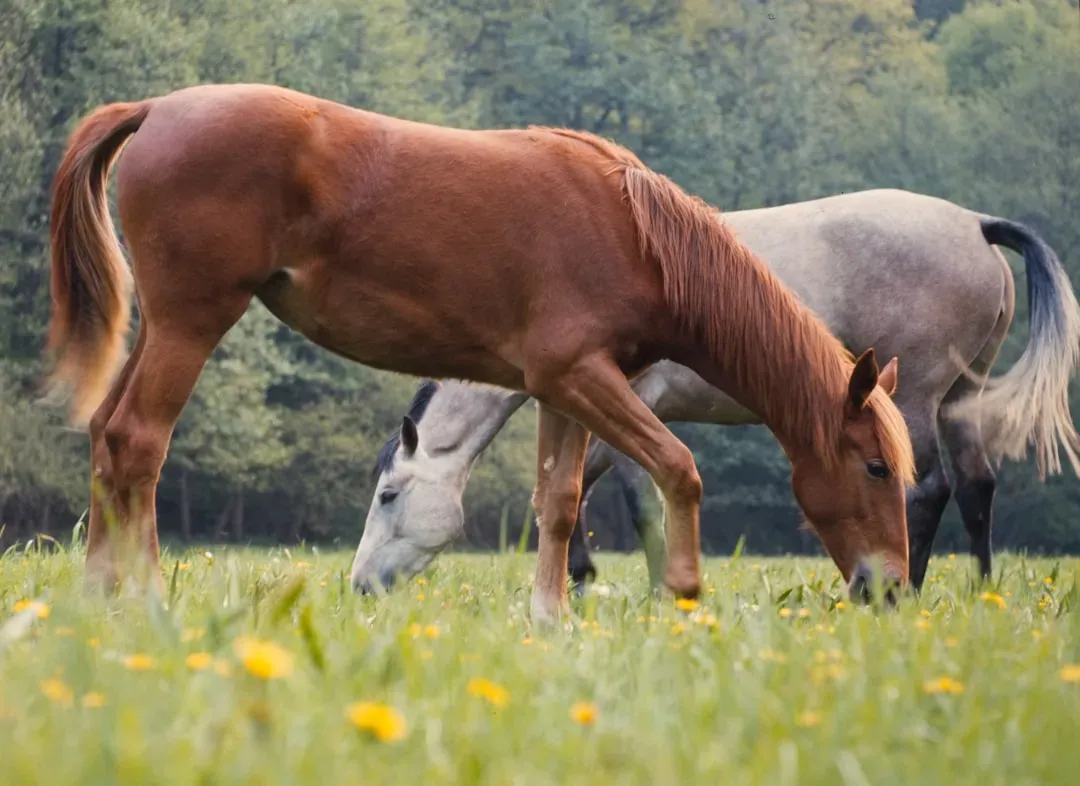
Horses thrive on consistency, and irregular feeding, exercise, or care routines can cause stress and anxiety, so stick to a predictable schedule. Their internal clocks run like Swiss watches – disruptions create unnecessary tension.
Feeding times, turnout routines, and exercise schedules should follow predictable patterns. Horses anticipate and prepare for regular events, both physically and mentally. Erratic management increases ulcer risk, behavioral problems, and metabolic stress.
Feeding Below Recommended Rates
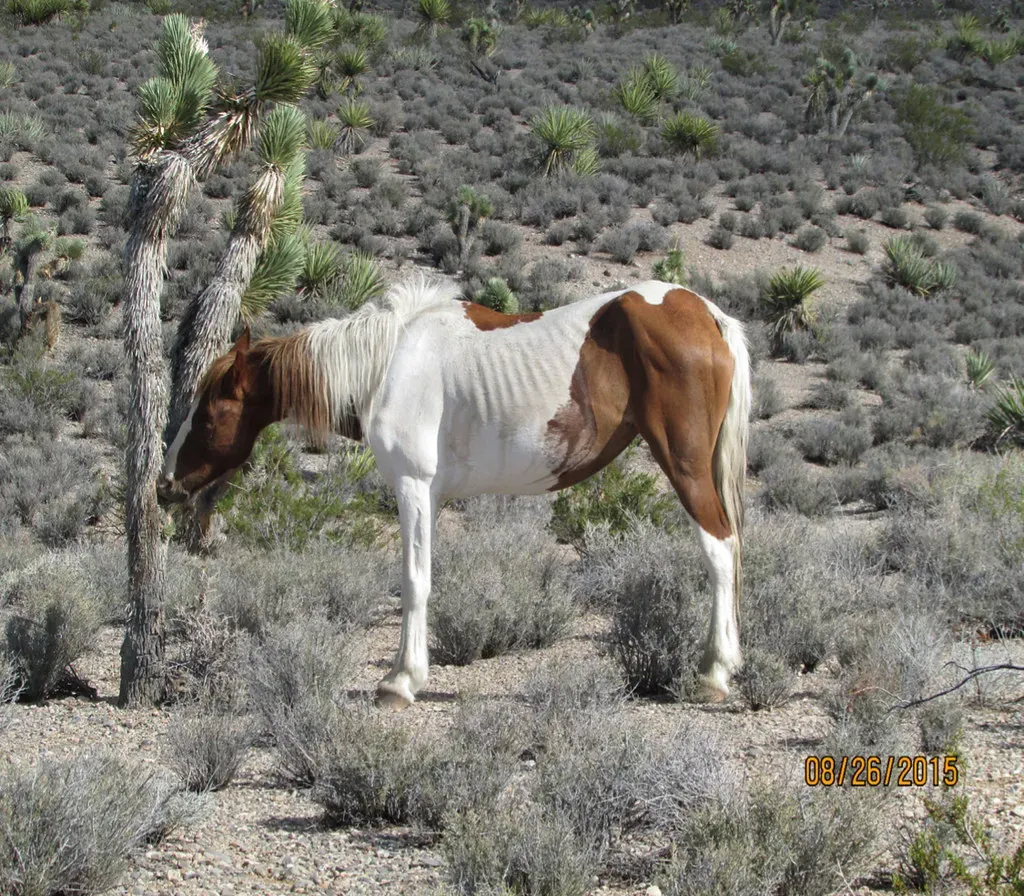
If your horse is receiving less than the recommended rate of a commercial feed, there are likely nutritional deficiencies present, so review the feeding instructions and weigh out the amount being fed daily with a scale. Eyeballing portions leads to chronic underfeeding more often than you’d think.
Commercial feeds from reputable companies have been designed by equine nutritionists to meet nutritional needs based on factors like age, weight and workload, so either increase the amount fed or combine with a more concentrated source of vitamins and minerals. A simple kitchen scale eliminates guesswork and ensures your horse receives proper micronutrient levels regardless of caloric needs.
Conclusion
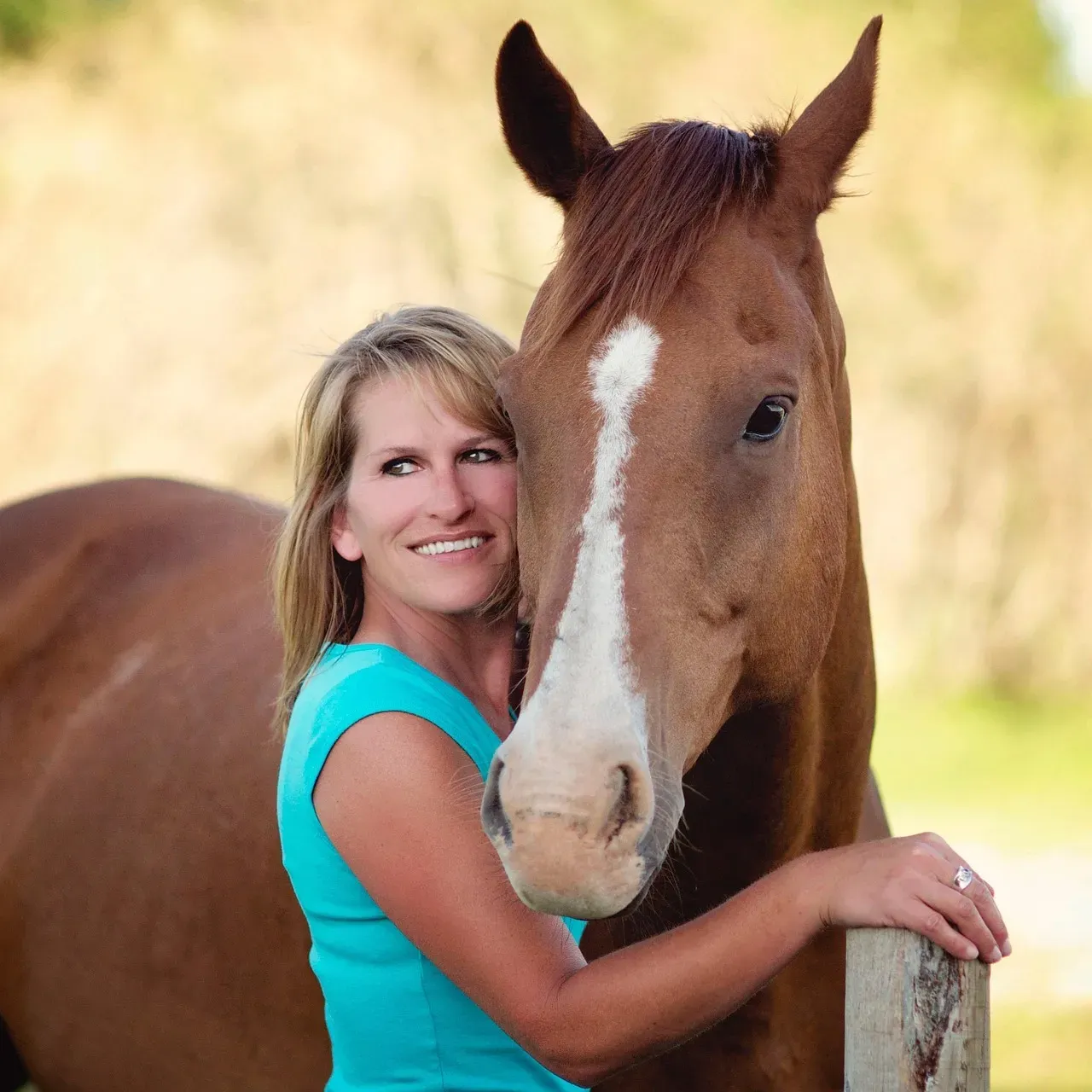
Caring for horses demands knowledge, consistency, and attention to detail that goes beyond simply providing food and shelter. The mistakes outlined here share a common thread – they’re all preventable with education and awareness. Horse owners make informed decisions every day about their horses’ diets, exercise, training, socialization, and health care, and by familiarizing yourself with the most common equine health concerns, you can take proactive steps to prevent them.
Small adjustments in your daily routine can mean the difference between a thriving athletic partner and one plagued by preventable health issues. Which of these mistakes caught your attention? What changes will you make in your barn today?
