
In the vast kingdom of animals, nature has equipped certain species with deadly biochemical weapons—venoms and poisons that can kill with terrifying efficiency. From the depths of the ocean to tropical rainforests, these toxic creatures have evolved sophisticated delivery systems and potent compounds that can cause everything from mild discomfort to rapid death in humans. This article explores the world’s most lethal venomous and poisonous animals, ranked by their potential to cause human fatalities, the potency of their toxins, and their overall danger to humans.
Before diving into our deadly countdown, it’s important to understand the distinction between venomous and poisonous creatures. Venomous animals actively deliver toxins through specialized structures like fangs or stingers, while poisonous animals are toxic when touched or consumed. Both categories contain some of nature’s most fascinating—and dangerous—species. Let’s explore these remarkable yet deadly creatures and learn what makes them the most lethal organisms on Earth.
Understanding Toxicity Measurements
To meaningfully rank the world’s most poisonous creatures, we need to understand how toxicity is measured. Scientists typically use LD50 (Lethal Dose 50%), which represents the amount of venom required to kill 50% of a test population, usually measured in milligrams of toxin per kilogram of body weight. The lower the LD50 value, the more potent the venom. For example, an LD50 of 0.01 mg/kg is far more lethal than one of 10 mg/kg because it takes much less of the substance to kill.
However, lethality rankings aren’t solely determined by LD50 values. Other important factors include toxin delivery efficiency, the amount of venom injected in a typical strike, the creature’s aggression level, and its proximity to human populations. A highly toxic creature that rarely encounters humans or injects minimal venom may pose less real-world danger than a moderately venomous species that frequently bites people and delivers large venom doses. This comprehensive approach gives us a more accurate picture of which creatures truly deserve their deadly reputations.
Box Jellyfish (Chironex fleckeri): The Ocean’s Deadliest

Topping our list is the infamous box jellyfish, particularly the Australian species Chironex fleckeri, widely considered the most venomous marine animal. These nearly transparent sea creatures possess tentacles that can grow up to 10 feet long, each armed with millions of microscopic cnidocysts—specialized cells that inject venom upon contact. What makes box jellyfish particularly lethal is not just their potent venom but their hunting behavior; unlike most jellyfish that drift passively, box jellyfish are active hunters with 24 eyes and can swim at speeds up to 4 mph.
The venom of a box jellyfish attacks the heart, nervous system, and skin cells simultaneously. A single encounter can cause excruciating pain, cardiac arrest, and death within minutes if left untreated. Australian beaches where these creatures are common stock antivenom and vinegar, which can deactivate unfired stinging cells. With an estimated 50-100 human deaths annually worldwide from various box jellyfish species, these gelatinous predators have earned their place at the top of our lethality ranking.
Inland Taipan (Oxyuranus microlepidotus): Drop-for-Drop Champion

The inland taipan, also known as the “fierce snake,” holds the title for the most toxic venom of any land snake. Native to arid central east Australia, this reptile possesses venom so potent that a single bite contains enough toxin to kill approximately 100 human adults or 250,000 mice. With an LD50 value estimated at 0.01 mg/kg, the inland taipan’s venom is primarily composed of neurotoxins, coagulants, and myotoxins that can cause paralysis, uncontrollable bleeding, muscle damage, and death within 30-45 minutes if left untreated.
Despite its incredibly lethal venom, the inland taipan ranks below the box jellyfish in our list because it’s naturally shy and rarely encounters humans due to its remote habitat. Unlike more aggressive species, it typically tries to avoid confrontation and only strikes when threatened. There have been no recorded human fatalities from this snake in recent decades, primarily because of its remote location and the availability of effective antivenom. However, its unparalleled venom potency earns it the second position in our ranking.
Blue-Ringed Octopus: Tiny but Terrifying
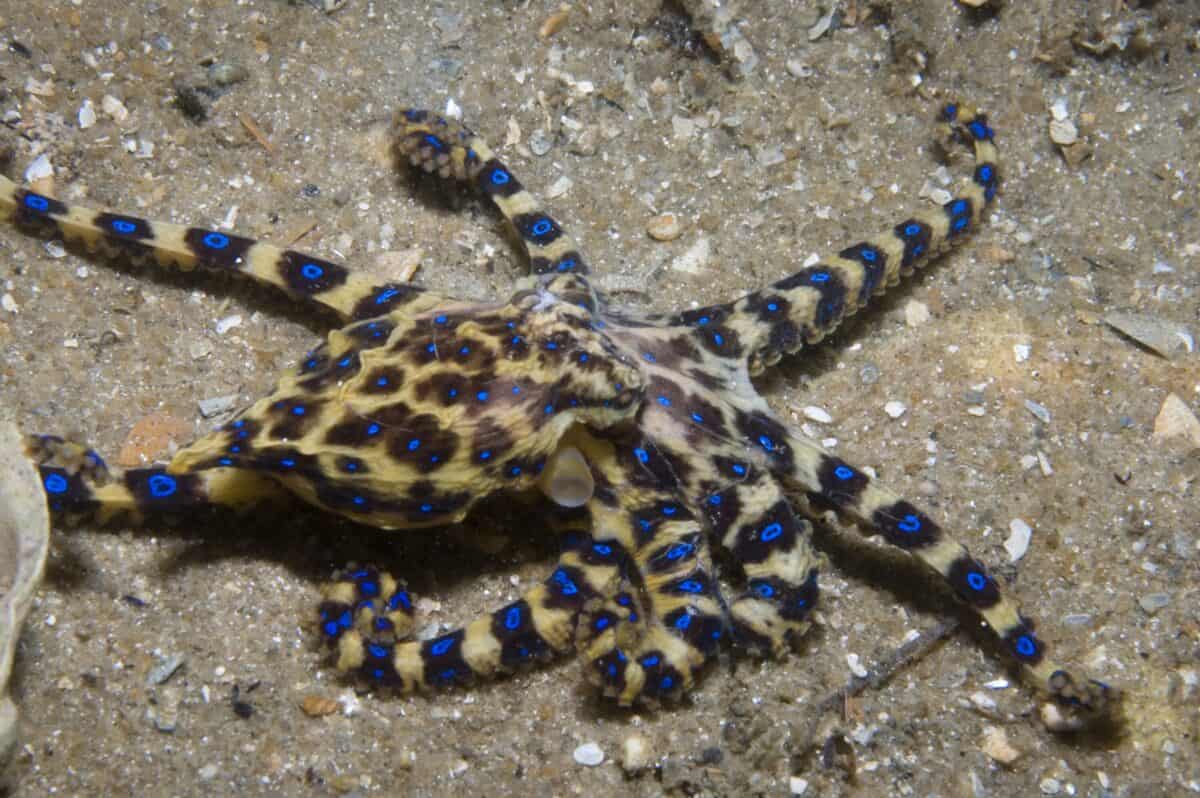
The blue-ringed octopus may be small—typically only 5-8 inches long—but it carries enough tetrodotoxin to kill 26 adult humans within minutes. Found in tide pools and coral reefs in the Pacific and Indian Oceans, particularly around Australia and Japan, these diminutive cephalopods display brilliant blue rings when threatened. Their venom contains tetrodotoxin (TTX), the same neurotoxin found in pufferfish, which is 1,200 times more powerful than cyanide. This toxin blocks sodium channels in nerve cells, causing respiratory arrest and paralysis.
What makes the blue-ringed octopus particularly dangerous is its painless bite, often leaving victims unaware they’ve been envenomated until symptoms begin. There is no antivenom available, and treatment is limited to supportive care including mechanical ventilation until the toxin wears off. Victims remain fully conscious but completely paralyzed—unable to speak or move, even to signal for help. Despite their deadly potential, these octopuses are not aggressive and typically only bite when handled or stepped on, which explains why fatalities are relatively rare, with fewer than 30 documented deaths.
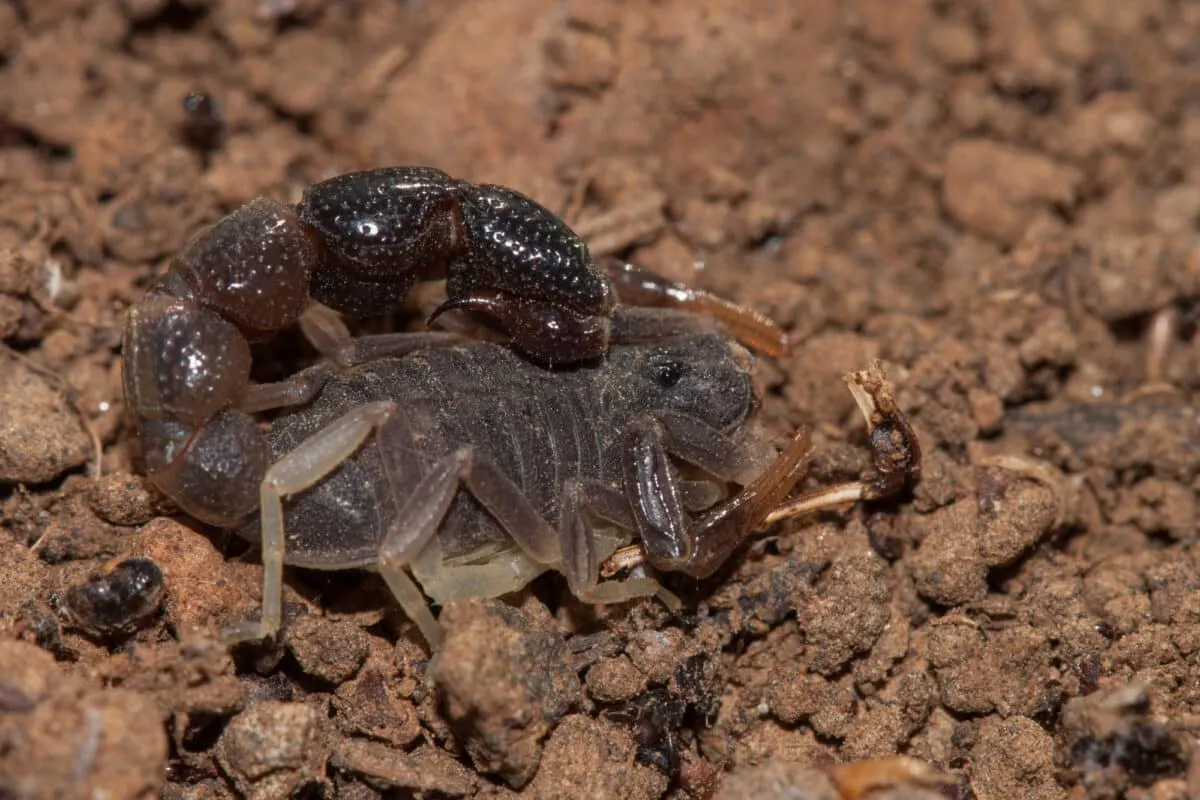
Death Stalker Scorpion (Leiurus quinquestriatus): Deadliest Scorpion

Native to North Africa and the Middle East, the death stalker scorpion has earned its ominous name. Though measuring only 3-4 inches long, it delivers venom that is a potent cocktail of neurotoxins, cardiotoxins, and nephrotoxins. Its sting causes intense, unbearable pain described by victims as feeling like being branded with a hot iron, followed by fever, convulsions, paralysis, and potentially death. The death stalker’s venom is particularly dangerous to children, the elderly, and those with heart conditions or allergies.
Despite its lethal potential, the death stalker scorpion is responsible for relatively few deaths in areas with access to modern medical care. Interestingly, components of its venom are being studied for potential medical applications, including treatments for brain tumors and autoimmune diseases. The scorpion’s venom contains peptides that can bind specifically to certain cancer cells while leaving healthy cells unharmed. With an estimated 3,000-5,000 deaths annually worldwide from various scorpion species, with the death stalker among the most dangerous, these arachnids represent a significant public health concern in regions where they’re common.
Stonefish (Synanceia): The Ocean Floor Assassin

The stonefish earns its place as the most venomous fish in the world. Masters of camouflage, these fish perfectly mimic rocks or coral on the ocean floor, with 13 sharp dorsal spines that deliver venom when stepped on. Found primarily in the coastal regions of the Indo-Pacific, stonefish venom contains stonustoxin, a protein that can cause excruciating pain, tissue necrosis, cardiovascular collapse, and potentially death. The pain from a stonefish sting is so intense that victims have been known to beg for amputation of the affected limb.
What makes stonefish particularly dangerous is their perfect disguise combined with their habit of lying partially buried in sand or mud in shallow waters frequented by humans. Their venom is temperature-stable, meaning it remains potent even after the fish has died, creating risks for fishermen and beach walkers alike. Stonefish antivenom is available and highly effective when administered promptly. To reduce risk, reef walkers are recommended in areas where these fish are common. Though deaths are now rare due to antivenom availability, the extreme pain and potential for fatality without treatment earns stonefish their high ranking on our list.
Poison Dart Frogs: Colorful Killers
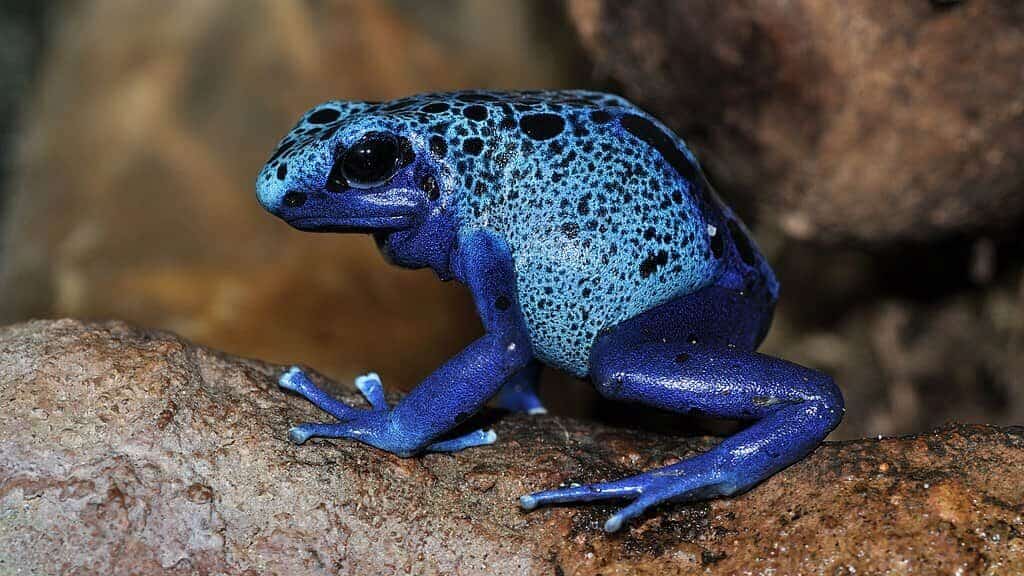
Among the most visually striking creatures on our list, poison dart frogs display brilliant aposematic coloration—warning patterns of bright colors that advertise their toxicity to potential predators. The most lethal species, the golden poison dart frog (Phyllobates terribilis), carries enough batrachotoxin in its skin to kill 10-20 adult humans or up to 10,000 mice. This potent neurotoxin prevents nerves from transmitting impulses, leading to heart failure. Just 2 micrograms—an amount that would fit on the head of a pin—is enough to kill a human, making it one of the most potent natural toxins known.
Interestingly, poison dart frogs don’t produce their toxins themselves but acquire them through their diet of specific insects, particularly ants and mites that contain alkaloids. Frogs raised in captivity without access to these insects don’t develop toxicity. Indigenous tribes in Colombia’s rainforests have used the golden poison frog’s toxins to tip their blowgun darts for hunting, giving these amphibians their common name. Despite their potential lethality, there are few documented human deaths from poison dart frogs because they don’t actively inject their toxin—it must be ingested or enter through a wound, and the frogs themselves avoid human contact whenever possible.
Cone Snails: Deadly Underwater Harpoons

Cone snails may look like harmless, beautiful shells, but they’re among the ocean’s most sophisticated predators. These marine gastropods, particularly species like the geography cone (Conus geographus) and textile cone (Conus textile), hunt using a modified radula—essentially a venomous harpoon—that they can shoot with remarkable speed and accuracy. Cone snail venom, called conotoxin, is a complex mixture of hundreds of different compounds that target the nervous system. These toxins are so precise in their action that they can cause paralysis almost instantly, allowing the slow-moving snail to capture much faster prey like fish.
Human victims of cone snail envenomation often report little or no pain initially—just a small prick sensation similar to a bee sting—followed by numbness, vomiting, vision changes, respiratory failure, and potentially death. There is no antivenom available for cone snail stings, making them particularly dangerous. The geography cone has earned the nickname “cigarette snail” because after being stung, you allegedly only have enough time to smoke a cigarette before dying. While deaths are relatively rare due to limited human interaction, the potency of their venom and lack of antivenom places cone snails high on our lethality ranking.
Brazilian Wandering Spider (Phoneutria): The Aggressive Arachnid

The Brazilian wandering spider, also known as the banana spider, has earned its place in the Guinness Book of World Records as the world’s most venomous spider. Unlike many venomous creatures that prefer to avoid humans, these spiders are known for their aggressive nature. Rather than building webs, they actively wander the forest floor at night (hence their name) and sometimes hide in banana bunches, which has led to them being accidentally transported worldwide. Their venom contains a complex mix of toxins, including PhTx3, which causes intense pain, breathing problems, paralysis, and potentially death.
One bizarre side effect of Brazilian wandering spider venom is priapism—painful, prolonged erections in male victims—caused by the toxin’s effect on nitric oxide levels. This property has led to scientific research into using components of the venom in treatments for erectile dysfunction. With leg spans reaching up to 7 inches and their tendency to raise their front legs in a threatening display before striking, these spiders create terror wherever they’re found. Antivenom exists and has greatly reduced the death rate, but without treatment, their bite can be fatal, especially to children and the elderly.
Pufferfish (Fugu): The Deadly Delicacy
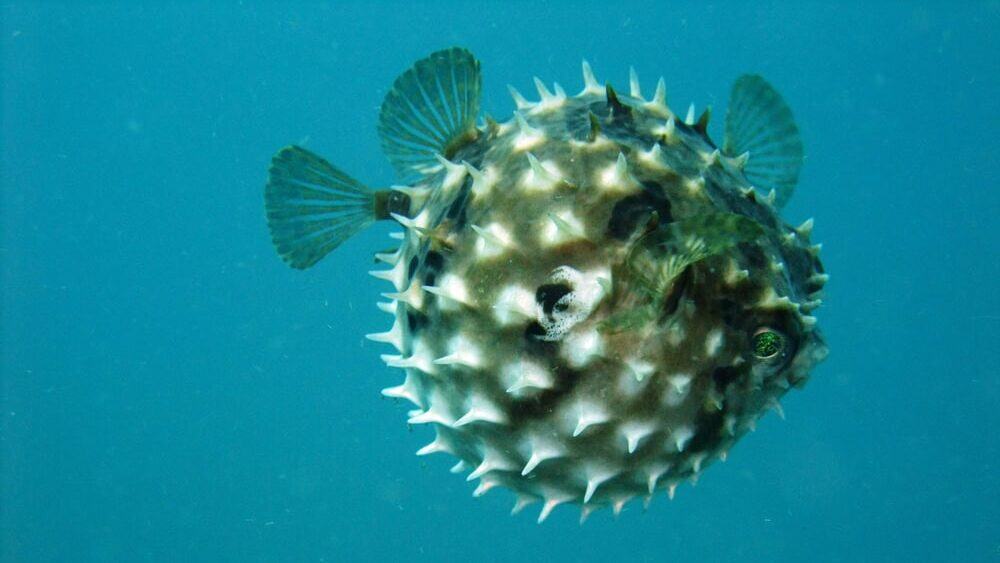
Pufferfish, particularly species from the Tetraodontidae family, contain tetrodotoxin (TTX) in their organs—a neurotoxin approximately 1,200 times more poisonous than cyanide. A single pufferfish can carry enough toxin to kill 30 adult humans, and there is no known antidote. What makes pufferfish uniquely dangerous is their status as a delicacy in Japanese cuisine (called fugu), where specially licensed chefs must train for years to learn how to safely prepare the fish by removing the toxic organs without contaminating the meat. Even with these precautions, accidental poisonings occur.
Tetrodotoxin works by blocking sodium channels in nerve cell membranes, preventing the transmission of nerve signals. Symptoms begin with numbness and tingling around the mouth, followed by paralysis that spreads throughout the body while the victim remains fully conscious. Death typically occurs from respiratory failure as the diaphragm becomes paralyzed. Approximately 50 people die annually from pufferfish poisoning worldwide, despite regulations on its preparation. Curiously, some species of pufferfish don’t produce the toxin themselves but acquire it through their diet or from symbiotic bacteria, similar to how poison dart frogs obtain their toxins.
King Cobra (Ophiophagus hannah): The Royal Killer
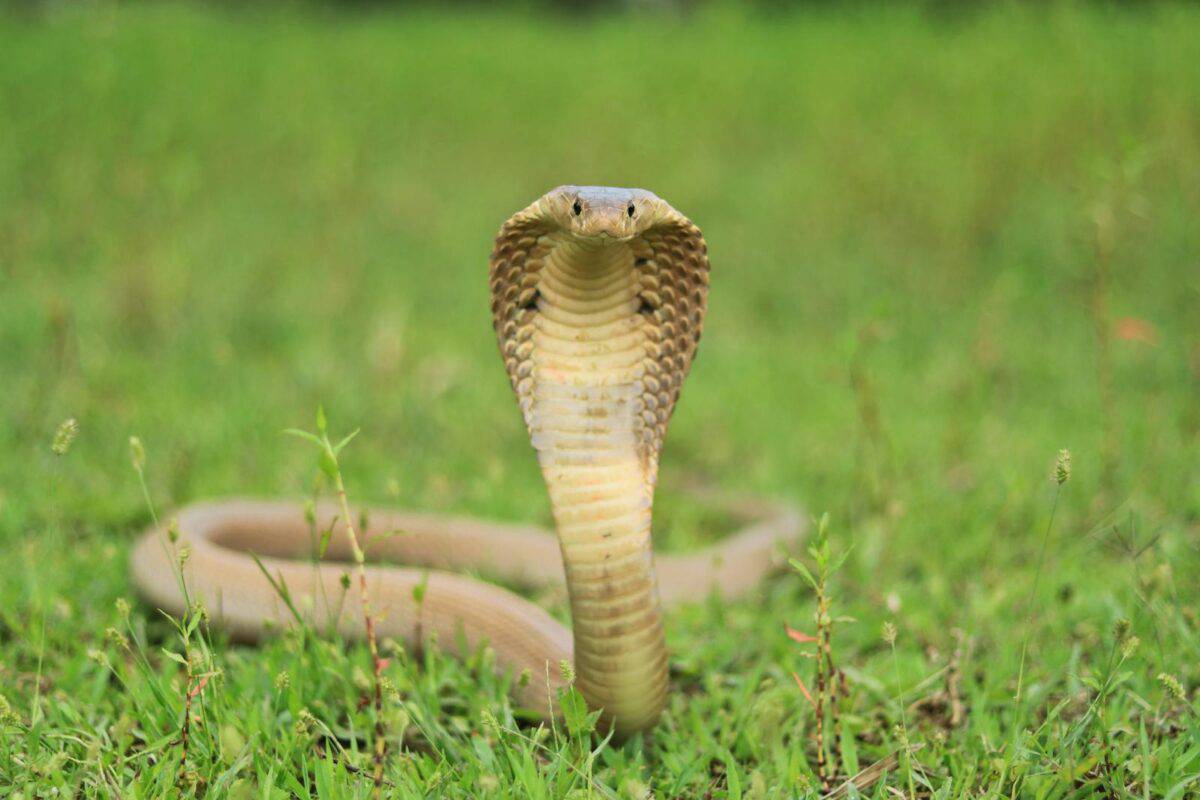
The king cobra earns its place on our list not necessarily for having the most potent venom, but for the sheer quantity it can deliver in a single bite. As the world’s longest venomous snake, reaching up to 18 feet, a king cobra can inject up to 7ml of venom in one strike—enough to kill 20-40 adult humans or an elephant. Their neurotoxic venom attacks the victim’s central nervous system, causing severe pain, blurred vision, vertigo, drowsiness, and eventually paralysis. Without antivenom, the mortality rate from a king cobra bite can exceed 75%, with death occurring in as little as 30 minutes.
What makes king cobras particularly dangerous is their intelligence, speed, and defensive behavior. When threatened, they can raise up to one-third of their body length off the ground and flare their distinctive hood. Unlike many snakes that flee from humans, king cobras may stand their ground and even pursue threats. They’re also the only snake species known to build nests for their eggs, which they aggressively defend. Despite their fearsome reputation, king cobras typically avoid human contact and primarily feed on other snakes—even venomous ones—earning them the species name “ophiophagus,” meaning “snake-eater.”
Sydney Funnel-web Spider (Atrax robustus): Australia’s Terror

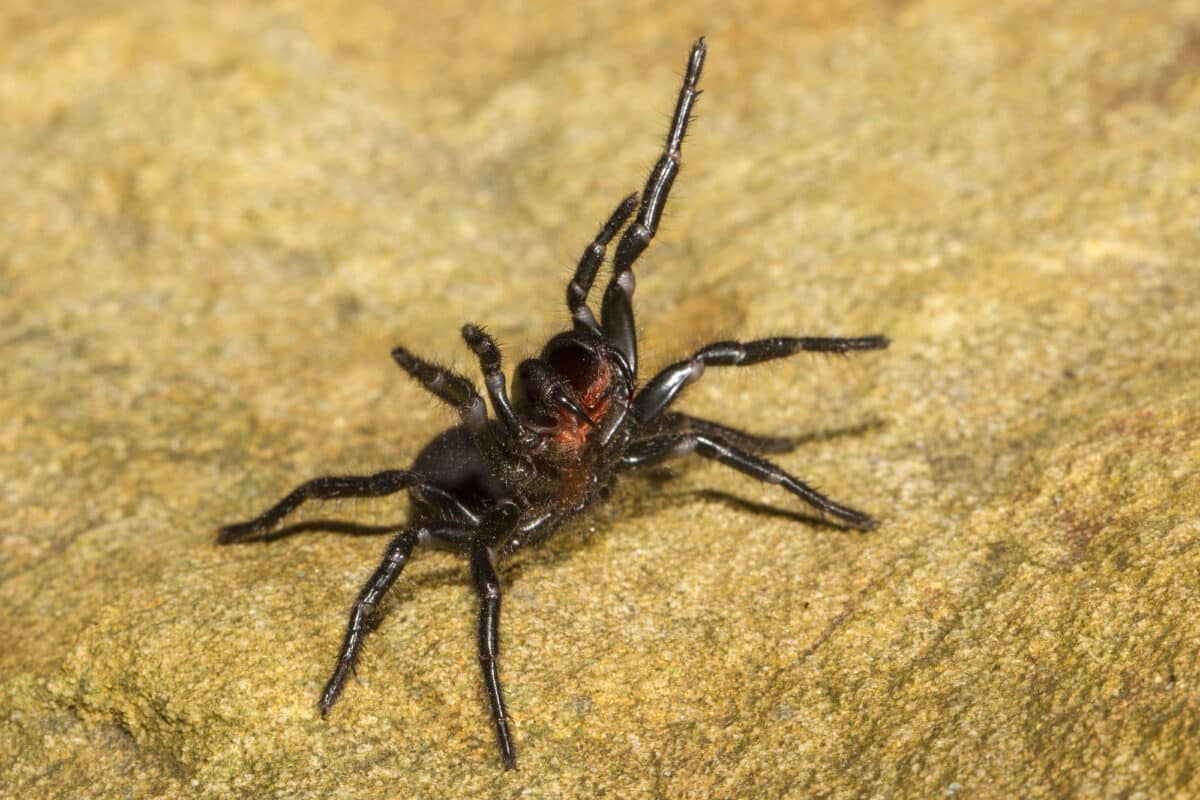
The Sydney funnel-web spider represents one of Australia’s most feared arachnids, with venom powerful enough to kill a human in as little as 15 minutes. Their venom contains a compound called delta-atracotoxin, which disrupts the human nervous system by preventing the normal deactivation of nerve cells. This causes an excessive release of neurotransmitters, resulting in severe pain, muscle spasms, profuse sweating, high blood pressure, and potentially death from either cardiac arrest or pulmonary edema. Curiously, while their venom is highly toxic to primates and humans, it has little effect on other mammals like cats and dogs.
Male Sydney funnel-web spiders are significantly more dangerous than females because they wander during mating season and are more likely to encounter humans. They’re also more aggressive and have fangs strong enough to penetrate fingernails and soft shoes. Since the development of antivenom in 1981, there have been no recorded deaths from their bites, but they remain potentially lethal without prompt medical treatment. Their habitat in and around Australia’s most populous city makes them particularly concerning from a public health perspective, despite their generally secretive nature and preference for hiding in silk-lined burrows.
Understanding Nature’s Deadliest Defenses
In the battle for survival, some of nature’s most unassuming creatures wield toxins so potent they can kill in minutes. From venomous reptiles to tiny invertebrates, these organisms have evolved complex chemical defenses not just to hunt, but to protect themselves from predators. Understanding how and why these poisons work offers insight into the delicate balance of ecosystems—and the astonishing power packed into nature’s deadliest defenses. In this section, we explore the biological purpose behind these toxins and what makes some creatures far more lethal than others.

- 10 Animals That Cheat Death in the Most Unexpected Ways - July 19, 2026
- The Shrimp That Punches Like a Bullet - July 19, 2026
- This Tiny Mammal Can Slow Its Heartbeat to One Beat Per Minute - July 19, 2026