


For centuries, humans have debated whether animals experience complex emotions like grief. While some dismissed animal mourning as anthropomorphism, science now confirms what many animal lovers have long observed: many species demonstrate recognizable grief behaviors. From elephants holding vigil over their dead to chimpanzees carrying deceased infants for weeks, the evidence of animal grief is both compelling and heart-wrenching. This exploration of animal grief reveals not only the depth of non-human emotional lives but also challenges our understanding of consciousness and connection in the animal kingdom.
The Science Behind Animal Grief
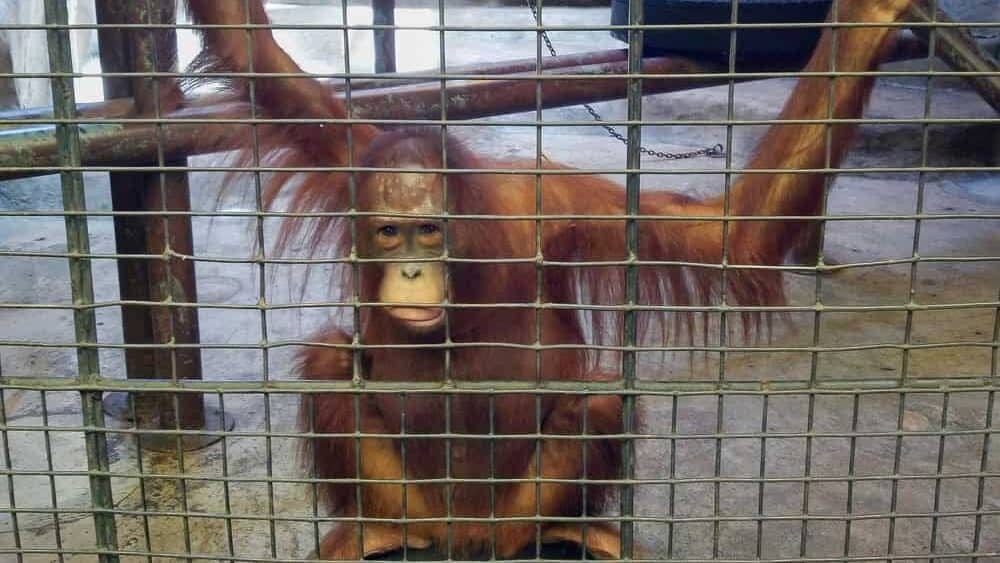
Animal grief isn’t just anecdotal—it has scientific backing. Neuroscience shows that many mammals possess the neural structures associated with emotional processing in humans, particularly in the limbic system. Animals like primates, elephants, dolphins, and domestic pets have well-developed limbic systems that process emotions. The presence of spindle neurons in some species (previously thought unique to humans) also supports their capacity for complex emotions. These specialized brain cells are linked to deep emotions, social awareness, and empathy. While researchers must be careful not to overinterpret animal behavior, the neurobiological evidence strongly suggests that many species have the hardware necessary for experiencing grief-like emotions, even if they process these feelings differently than humans do.
Elephants: The Iconic Mourners
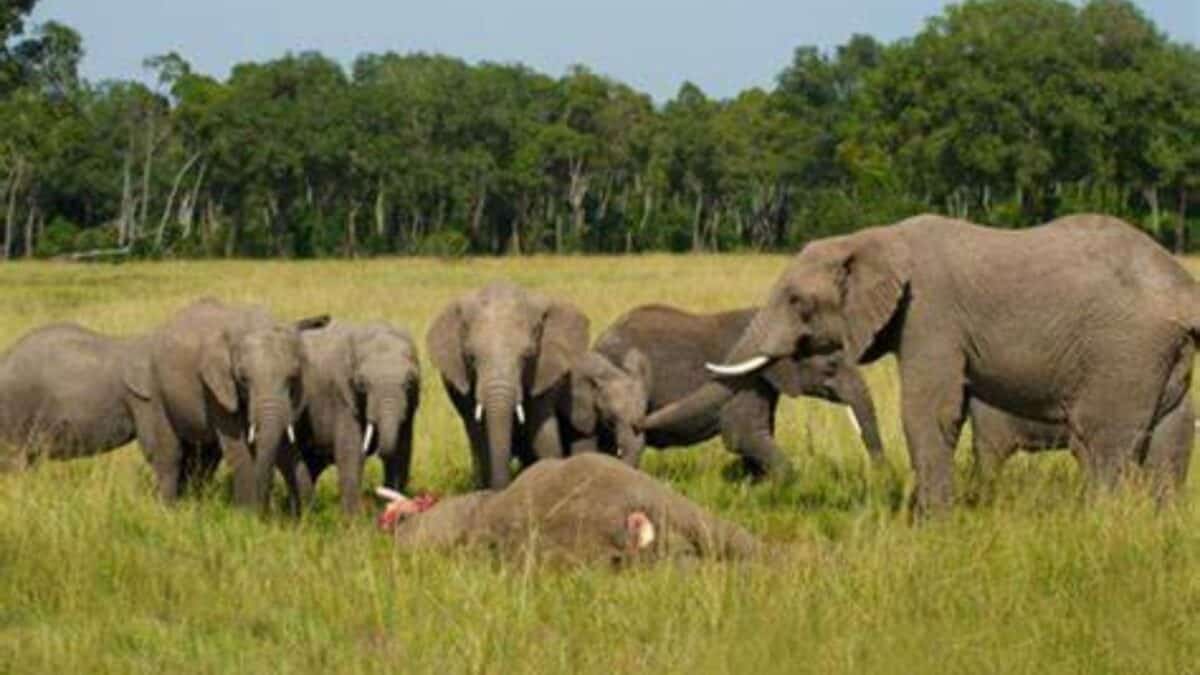
Elephants demonstrate perhaps the most documented and ritualistic mourning behaviors in the animal kingdom. When an elephant dies, family members often gather around the body, touching it with their trunks and feet in what appears to be a farewell ceremony. They may cover the deceased with branches and soil, revisit the bones for years, and even recognize elephant remains unrelated to their herd. In 2016, researchers documented a matriarch who stood guard over a dead companion for nearly a week, refusing to leave even to eat or drink. Elephants’ temporal lobe (the brain region associated with memory processing) is proportionally larger than humans’, possibly explaining their long-term grief responses and memory for lost companions. Their mourning rituals reveal not just emotional capacity but sophisticated social awareness and recognition of death’s permanence.
Primates and the Carrying of the Dead
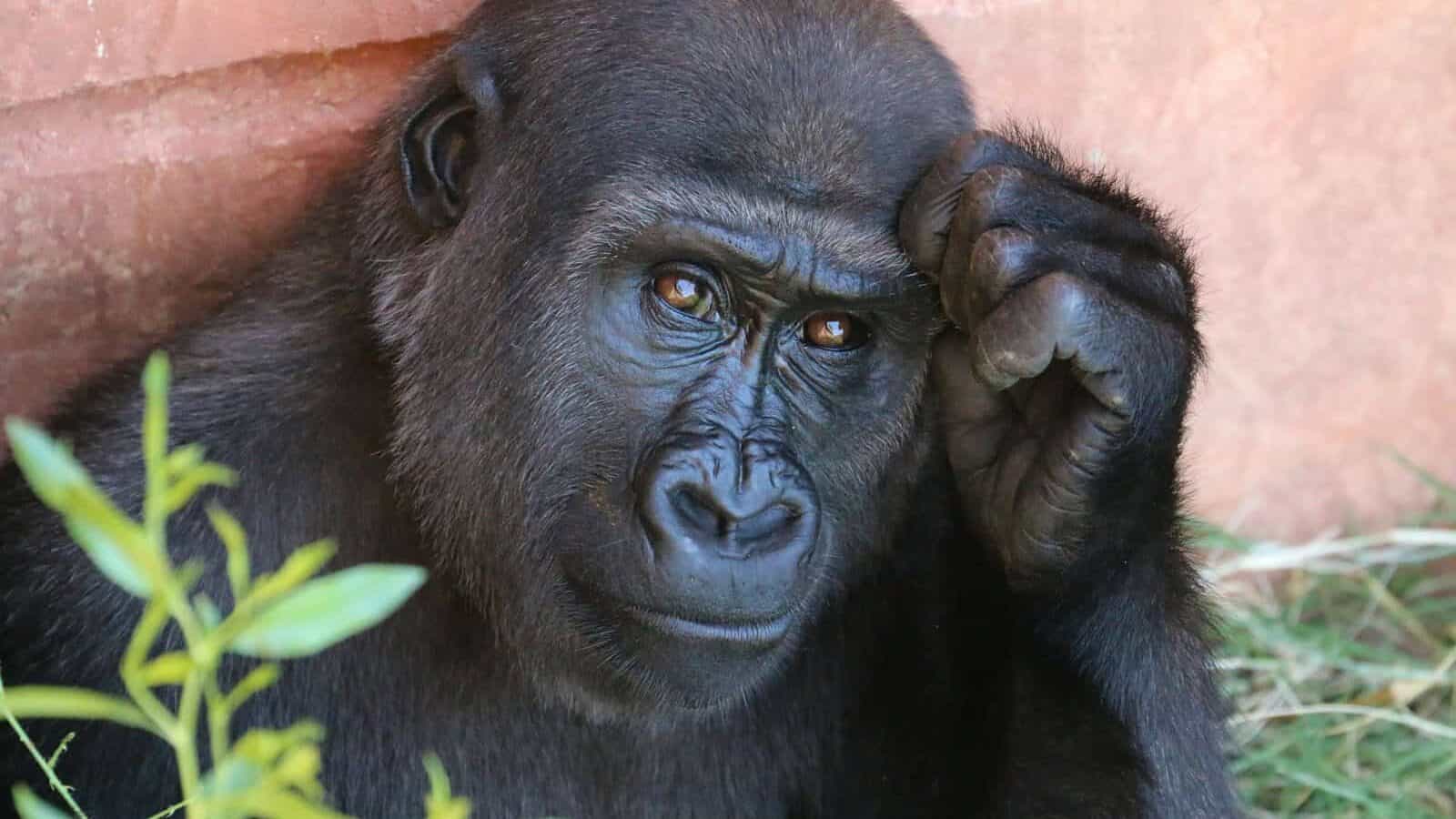
Our closest evolutionary relatives show some of the most human-like grief responses. Jane Goodall’s observations of chimpanzee Flint, who stopped eating and died shortly after his mother’s death, provided one of the first scientific documentations of grief in non-human primates. More recently, multiple primate species have been observed carrying dead infants—sometimes for weeks or months after death. This behavior, documented in chimpanzees, gorillas, baboons, and macaques, often continues long after decomposition begins. Researchers believe this represents not just confusion but active grieving. Mother primates have been observed grooming, protecting, and sleeping with deceased infants, gradually transitioning to acceptance. Some primates also demonstrate community responses to death, with group members gathering around a dying individual, becoming quieter, and showing apparent distress signals. These behaviors highlight the profound mother-infant bond and suggest awareness of death’s permanence.
Marine Mammals: Grief in the Ocean Depths
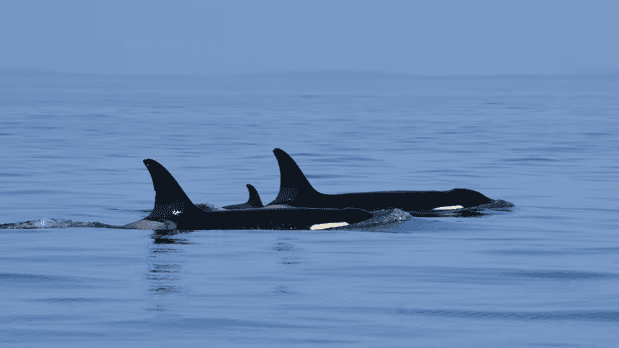
Marine mammals exhibit some of the most visually striking grief behaviors. Numerous dolphin species have been documented carrying dead calves, pushing them to the surface in what appears to be an attempt to help them breathe. In 2018, an orca named Tahlequah (J35) carried her dead calf for 17 days over approximately 1,000 miles, captivating global attention. Pod members took turns supporting the deceased calf when the mother needed to hunt. Beluga whales have been observed engaging in what researchers call “care-giving behavior” toward dead calves, and pilot whales will surround and support dying pod members, sometimes at the cost of their own lives during strandings. These behaviors suggest not just individual but collective grief responses in highly social marine species. The length and physical toll of these mourning behaviors suggest they go beyond simple confusion or instinct and represent genuine emotional attachment and loss processing.
Domestic Dogs: Man’s Grieving Best Friend

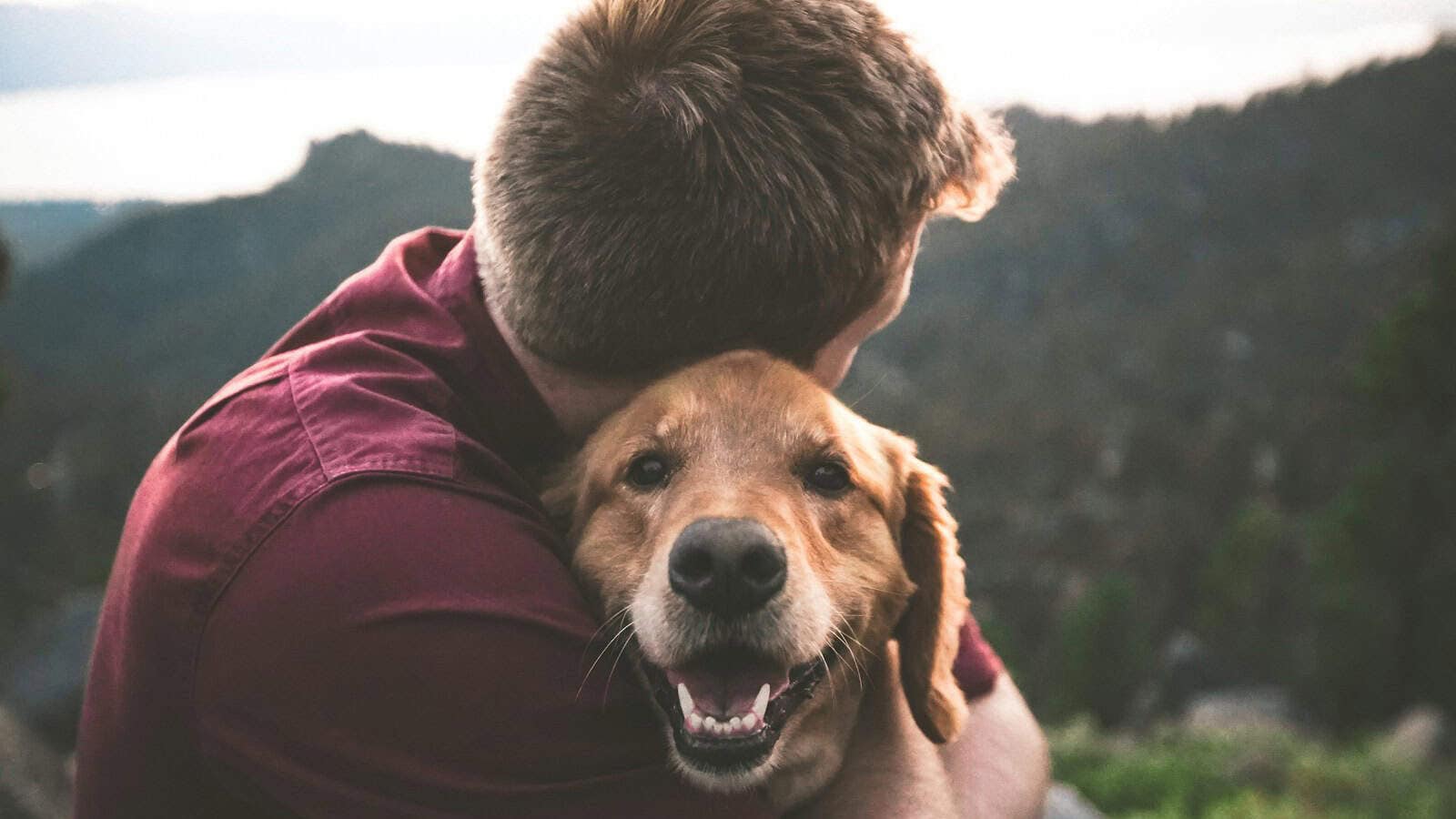
Perhaps the most relatable animal grief for many people comes from domestic dogs. Studies show approximately 66% of dogs exhibit behavioral changes after losing a canine housemate, including decreased play, appetite loss, increased sleeping, and attention-seeking behaviors. These changes typically last between 2-6 months. Dogs may search for their missing companion, wait by doors or windows, or become more clingy with their human companions. Some research indicates dogs may respond differently to death versus disappearance, suggesting an understanding of finality. The case of Hachiko, the Akita who waited at a train station for his deceased owner for nine years, represents an extreme example of canine grief. Dogs’ close evolutionary history with humans may have enhanced their emotional expression in ways we find particularly recognizable, though their grief experience likely differs from our own conscious awareness of mortality.
Cats: Silent Grievers

Contrary to their reputation for aloofness, cats demonstrate clear signs of grief when they lose animal or human companions. A study by the American Society for the Prevention of Cruelty to Animals found that 46% of cats experienced appetite decrease after losing a feline companion, while 70% became more vocal, with many meowing more frequently as if searching for their lost friend. Cats may exhibit excessive grooming, increased sleeping, restlessness, or heightened clinginess with their human caregivers. Some grieving cats will sleep in the deceased companion’s favorite spot or carry around items with their scent. Unlike more demonstrative species, cats tend to process grief more privately, making their suffering less obvious but no less real. Their grief behaviors typically last from a few weeks to several months, though some cats may show permanent personality changes after significant loss. These responses highlight the strong social bonds cats form despite their independent nature.
Birds: Feathered Mourners
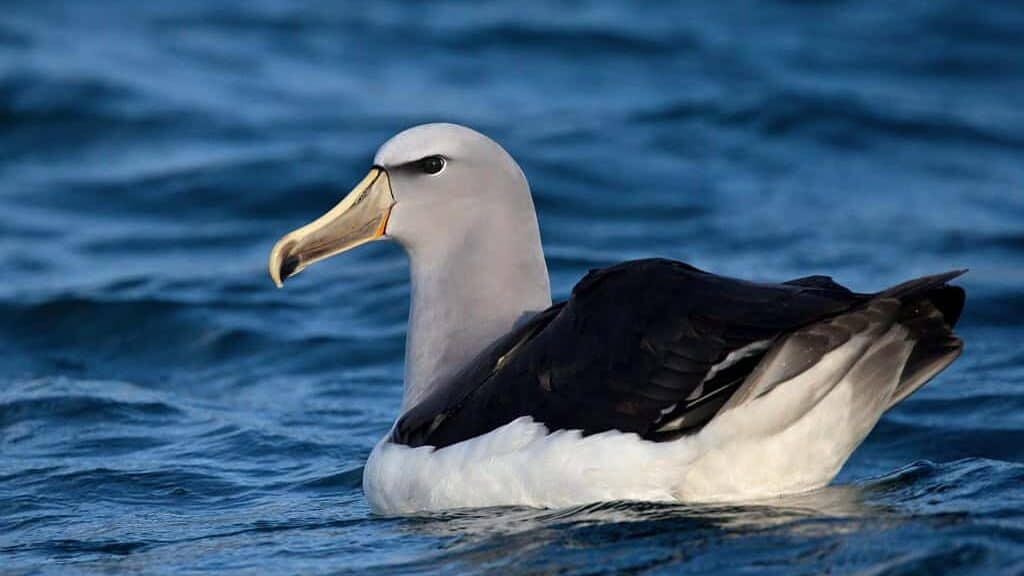
Despite their more distant evolutionary relationship to humans, birds display some of the most sophisticated grief responses in the animal kingdom. Corvids (crows, ravens, and jays) hold “funerals” where they gather around deceased flock members, calling loudly and sometimes placing objects near the body. Researchers believe these rituals may serve both emotional and practical purposes—expressing distress while warning others about potential dangers. Mated pairs in species like geese, swans, and albatrosses that partner for life often show dramatic behavioral changes after losing a mate. Greylag geese may withdraw from social groups and exhibit signs of depression, while Laysan albatrosses sometimes visit their former nesting sites for years after a mate’s death. Parrots, with their high intelligence and long lifespans, can show profound grief reactions, including self-harming behaviors like feather plucking, calling for the missing companion, and refusing food. These varied responses across bird species indicate that grief may have evolved independently multiple times across different animal lineages.
Farm Animals: Overlooked Mourners

Farm animals, though often overlooked in discussions of animal emotions, demonstrate significant grief responses. Cows form strong maternal bonds and may bellow for days after calves are removed, with studies showing elevated stress hormones during separation. In natural settings, cow-calf pairs maintain close bonds for years. Sheep recognize up to 50 individual faces and become distressed when flock members disappear. Pigs, among the most intelligent farm animals, show clear distress when separated from companions, with documented cases of pigs attempting to revive unconscious or deceased penmates. In one notable case on an organic farm, a group of pigs gathered around a dying companion, remaining silent and still until she passed—behavior markedly different from their typical vocalizations and movements. These observations are particularly significant considering the social disruption farm animals routinely experience in agricultural settings, suggesting their capacity for grief may be even more pronounced in natural conditions where long-term bonds can develop fully.
Distinguishing Grief from Other Behaviors
Scientific rigor requires careful distinction between genuine grief and behaviors that might mimic it. Researchers use several criteria to identify true grief responses: behavioral changes must be temporally connected to a death or disappearance; they should differ from normal stress responses; they typically diminish over time; and they often include searching behaviors, appetite changes, and social withdrawal. Some behaviors that appear grief-like may serve different evolutionary purposes—like a mother carrying a deceased infant to avoid attracting predators, or “funeral” gatherings that function as learning opportunities about environmental dangers. Animals may also show temporary confusion rather than grief when a companion disappears suddenly. However, the persistence, consistency, and cross-species similarities of many grief behaviors suggest they represent genuine emotional responses rather than mere instinct or confusion. The most compelling evidence comes from cases where animals engage in energetically costly, non-adaptive behaviors like carrying dead young or refusing food—actions that offer no survival advantage and may even reduce fitness, suggesting they stem from emotional attachment rather than evolutionary strategy.
The Evolutionary Purpose of Grief

While grief may seem maladaptive—consuming energy and potentially reducing survival chances—its widespread presence across species suggests evolutionary benefits. Most researchers believe animal grief evolved as a byproduct of social bonding mechanisms that promote group cohesion. Species that form strong attachments gain survival advantages through cooperation, protection, and resource sharing. The pain of broken bonds (grief) may be the necessary cost of these attachment systems. Grief might also serve as a learning mechanism, helping animals avoid dangerous situations that caused companions’ deaths. Additionally, visible grief may strengthen remaining social bonds—when group members observe others grieving, it may reinforce the importance of maintaining connections. In highly social species, grief behaviors might facilitate group reorganization after a significant loss, especially when the deceased was a leader or central figure. The fact that grief appears most pronounced in species with complex social structures, long lifespans, and extended juvenile periods supports the theory that it functions primarily to maintain the social fabric that these species depend on for survival.
Supporting Grieving Animals

Recognizing animal grief has important implications for animal welfare. For companion animals experiencing loss, maintaining routine provides crucial stability during emotional upheaval. Increasing interaction, gentle play, and positive attention can help, though forcing unwanted interaction may increase stress. Some grieving pets benefit from having items with the deceased’s scent, while others recover better when these reminders are removed—highlighting the importance of observing individual responses. In zoo settings, allowing surviving animals to see deceased companions may facilitate grief processing and prevent prolonged searching behaviors. The timing of introducing new companions requires careful consideration—too soon may compound stress, while waiting too long may prolong isolation for social species. For farm animals, maintaining stable groups and allowing maternal bonds to develop naturally improves both welfare and productivity. Veterinary settings are increasingly incorporating grief support in end-of-life protocols, allowing surviving animals to investigate deceased companions when possible and safe. These approaches acknowledge that respecting the grief process in animals isn’t sentimental but based on their genuine emotional needs.
Ethical Implications of Animal Grief

Acknowledging animal grief raises profound ethical questions about how we treat various species. If animals form bonds and mourn their breaking, what responsibilities do humans have toward these emotional lives? In research settings, recognizing grief has led to improved protocols that consider not just physical but emotional impacts on study animals. For endangered species conservation, understanding grief dynamics helps develop more effective preservation strategies that maintain crucial social structures. The most challenging ethical questions arise in settings where animal suffering is normalized—industrial agriculture, captive entertainment, and some forms of animal testing. The evidence of grief in farm animals, for instance, raises questions about practices like early mother-offspring separation and frequent regrouping. Similarly, recognizing grief in zoo animals prompts reconsideration of breeding programs that may separate bonded individuals. While acknowledging animal grief doesn’t automatically dictate specific policies, it does demand that emotional suffering be factored into our ethical calculations about animal treatment across all contexts.
The Future of Animal Grief Research
Research into animal grief faces both exciting opportunities and significant challenges. Advances in non-invasive neuroscience techniques may soon allow researchers to better understand the brain activity associated with grief-like states in animals without causing additional stress. Long-term observational studies, particularly those using modern tracking technologies and AI-assisted behavior analysis, promise to reveal grief patterns in wild populations that were previously inaccessible to researchers. The growing field of comparative thanatology—the study of death-related behaviors across species—is creating standardized frameworks for comparing grief responses across widely different animals. However, fundamental questions remain about the subjective experience of animal grief. Without language, researchers must infer emotional states from behavior, physiology, and neurology, leaving some uncertainty about how grief feels to different species. The most promising research integrates multiple approaches—from field observation to controlled studies to brain imaging—to build a comprehensive picture of how animals process loss. As this research progresses, it continues to narrow the assumed emotional gap between humans and other animals, challenging us to reconsider what we share with our fellow creatures.
The evidence for animal grief across diverse species reveals a profound truth: the capacity to form bonds and mourn their loss is not uniquely human but a widespread feature of animal consciousness. From elephants to magpies, from orcas to domestic cats, grief behaviors demonstrate that many animals live rich emotional lives previously underestimated by science. This recognition doesn’t just change how we understand animals—it transforms how we see ourselves, placing human grief on a continuum of emotional experience that spans the animal kingdom rather than standing apart from it. As research continues to illuminate the depth and variety of animal grief, it challenges us to extend our circle of moral concern and reconsider our relationships with the creatures who share our capacity for attachment and loss. In recognizing animal grief, we acknowledge a fundamental connection that transcends species boundaries: the universal experience of loving and losing those we hold dear.

- How Crickets Chirp Using Their Wings - July 20, 2026
- The Largest Sea Turtle Ever Rescued Off North Carolina - July 20, 2026
- The Ocean’s Escape Artist: Why Octopuses Outsmart Us All - July 20, 2026