

Somewhere out there, deep in the forests of New Zealand or the remote swamps of the American South, a creature exists that almost no living human will ever lay eyes on. Across the planet, some birds are so scarce that seeing one in the wild is a once-in-a-lifetime event, pushed to the brink by habitat loss, hunting, climate change, and invasive species, leaving only a few hundred or even a few dozen individuals surviving in remote corners of the world.
There are over 10,000 species of birds on the planet, from the largest hawks and vultures to the smallest finches and hummingbirds, and unfortunately, many of them are on the brink of extinction. These nine species are not just statistics on a spreadsheet. They are living, breathing miracles of evolution, each one clinging to survival by the thinnest of threads. Let’s dive in.
1. The Kakapo: The World’s Only Flightless Parrot
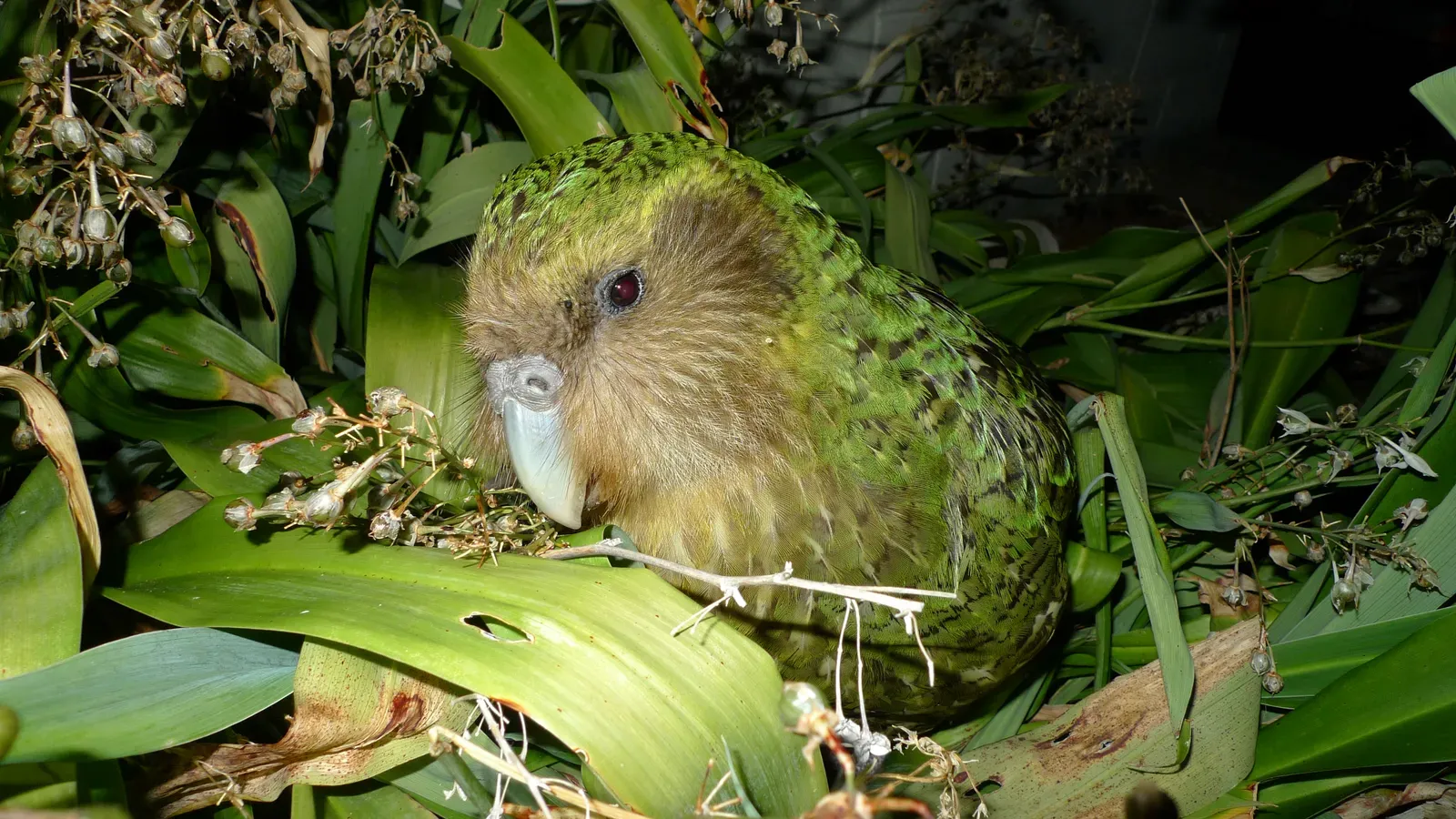
Imagine a parrot that doesn’t fly, stays up all night, and smells oddly sweet like a flower shop. That’s the Kakapo. The Kakapo is a large, flightless parrot native to New Zealand, and arguably one of the rarest birds in the world. With a round body, green mossy feathers, and a nocturnal lifestyle, it resembles something out of a fantasy novel. Unlike most parrots, it cannot fly and instead waddles through the forest floor, climbing trees with its strong legs and beak.
The Kakapo evolved to be flightless due to the lack of mammalian predators in its native New Zealand habitat, allowing it to adapt to a ground-dwelling lifestyle. That strategy worked beautifully for millions of years. Then humans arrived and everything changed.
The primary threats to its survival are habitat loss and predation by invasive species such as rats, stoats, and possums. The introduction of these predators to New Zealand has led to a catastrophic decline in the Kakapo population, which now hovers around 200 individuals. In response, the New Zealand Department of Conservation established the Kakapo Recovery Programme in 1990, which focuses on intensive monitoring, with conservationists equipping each Kakapo with a radio transmitter to track their movements and health. Honestly, each individual bird has its own name and dedicated human caretaker. There is something deeply humbling about that.
2. Spix’s Macaw: The Real-Life “Blu” from Rio
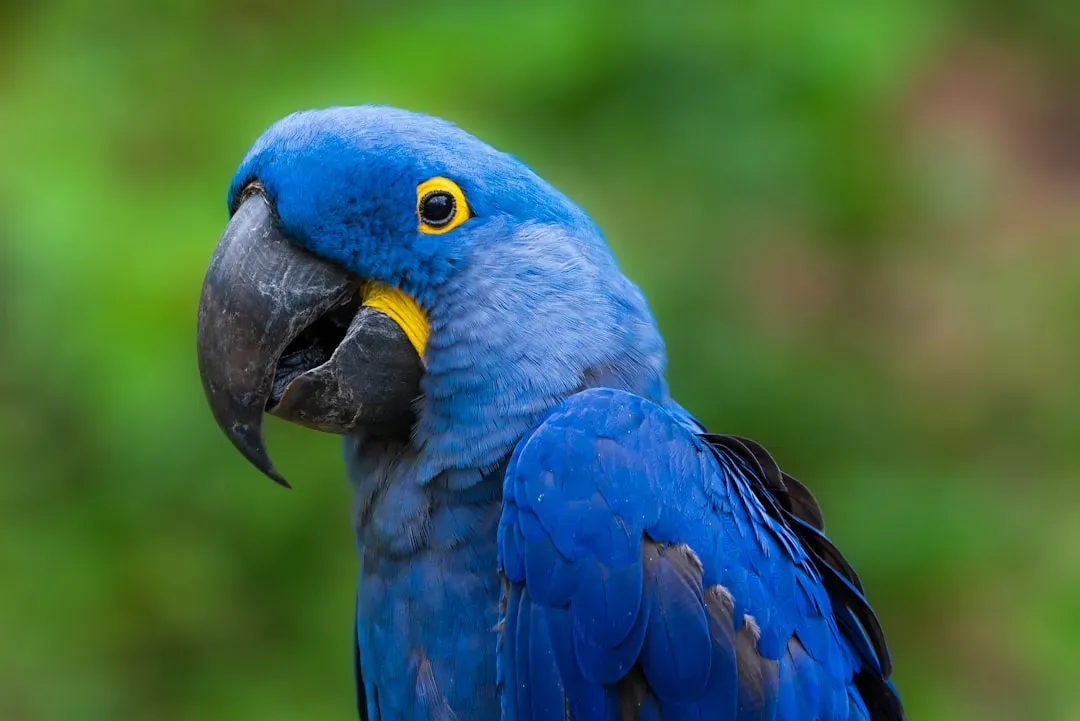
If you watched the animated film “Rio,” you already know this bird, though perhaps not under its scientific name. The Spix’s Macaw is often considered the rarest bird in the world, as it is extinct in the wild with only about 160 individuals surviving in captivity. Its vibrant, electric blue plumage is so striking that it made it a target for the pet trade for decades.
Native to Brazil, these macaws were coveted as pets due to their bright colors and ability to mimic speech, which led to overhunting. Habitat loss further reduced their numbers, and today they are only found in small areas of the Caatinga dry forest.
The Spix’s macaw, once declared extinct in the wild, has recently been reintroduced with 20 individuals released in 2022, a rare conservation success that still hangs by a thread. Recent reintroduction efforts have seen the first Spix’s Macaws born in the wild in over 20 years, offering hope for this critically endangered bird, and its journey from extinction in the wild to potential reintroduction is a remarkable conservation story. Whether it’s truly enough remains to be seen.
3. The Ivory-Billed Woodpecker: Ghost of the American Forest
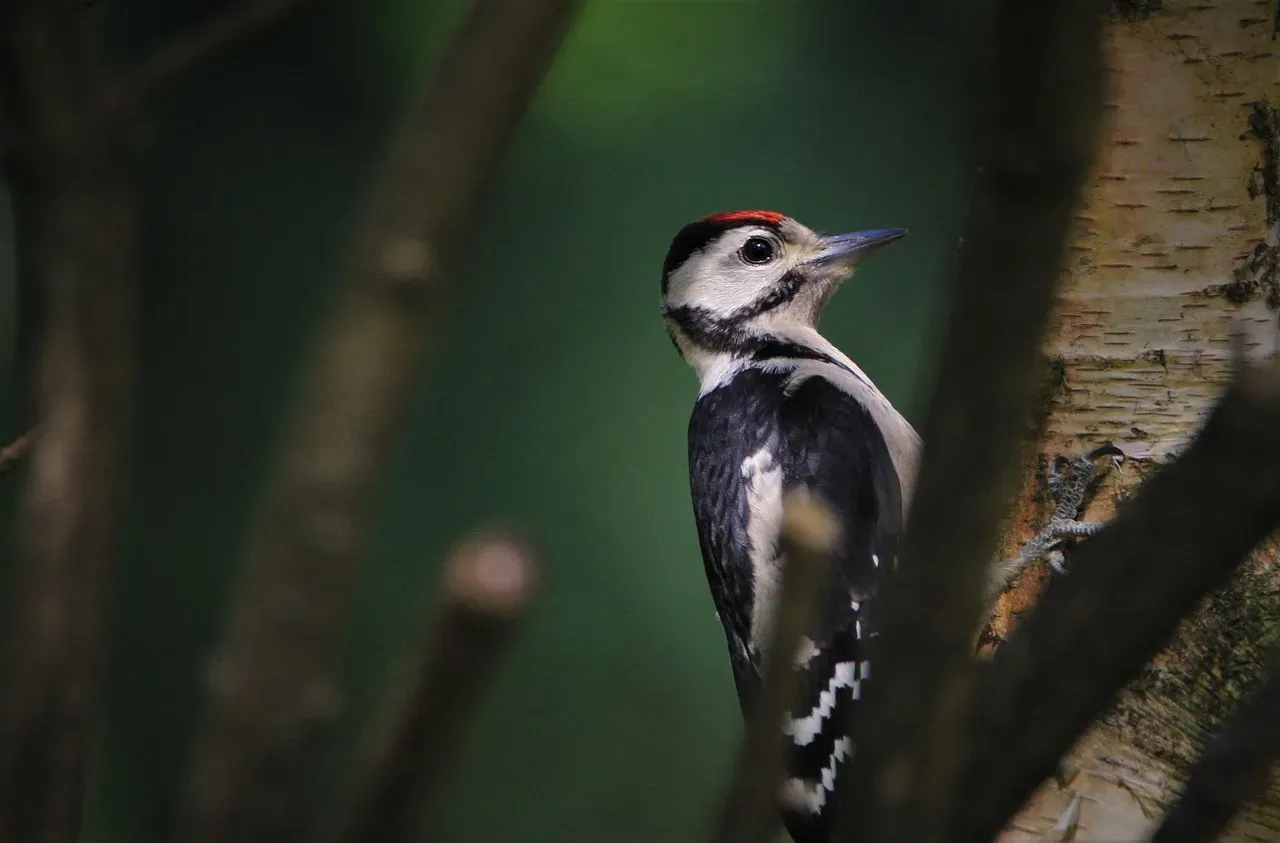
Here’s where things get genuinely eerie. Dubbed “the Lord God Bird” for its awe-inspiring appearance, the Ivory-billed Woodpecker is possibly extinct, though some enthusiasts and scientists believe it may still exist in remote forests. The nickname alone tells you everything about how people reacted when they first saw one.
The IUCN lists ivory-billed woodpeckers as Critically Endangered, possibly extinct. However, unconfirmed sightings have given researchers hope that these rare birds may still exist in the forests and swamps of the southeastern U.S. and Cuba.
Extensive surveys after 1944 failed to find them, but sporadic sightings continued. A 2005 film showing an Ivory-bill in Arkansas rekindled search efforts. However, recent studies have cast doubt on these sightings, suggesting the species may be extinct. I think the most haunting part is that we genuinely don’t know. It’s like searching for a ghost in a forest, except the stakes are real, and the ghost is a woodpecker the size of a crow.
4. The California Condor: Saved From the Very Edge
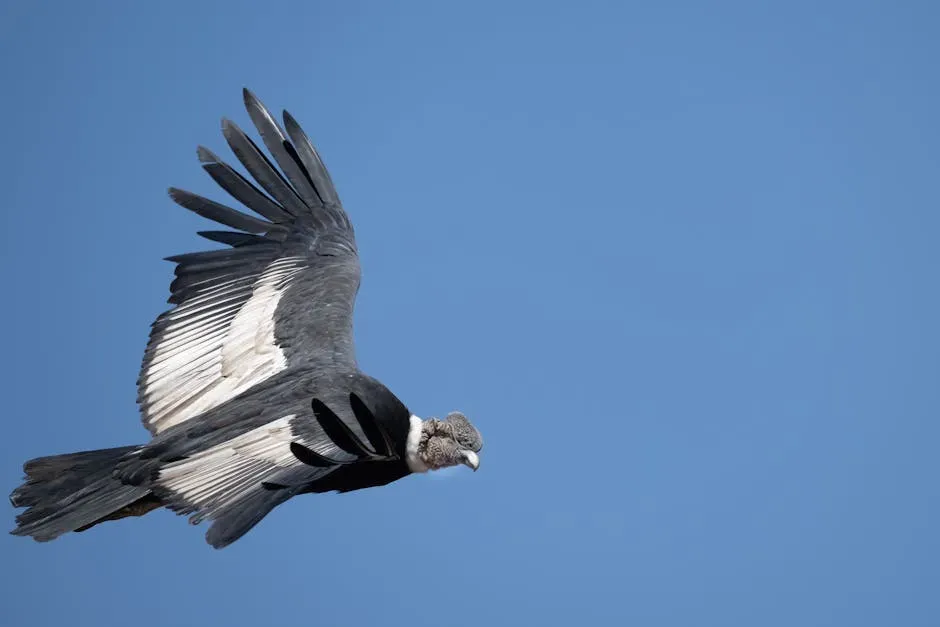
The California Condor story is one of conservation’s most dramatic rescues. Think of it as an emergency operation carried out at the very last second. Once widespread across North America, the California condor was driven to the brink of extinction by habitat destruction, poaching, and lead poisoning. By 1987, only 27 individuals remained, all of which were taken into captivity in a last-ditch effort to save the species.
Thanks to a long-running and highly coordinated recovery program, the population has slowly increased. By 2025, there were 566 California condors, including 369 living in the wild across select regions of the U.S. and Mexico. Though no longer extinct in the wild, the condor remains one of the rarest birds in North America, and its recovery depends entirely on intensive human intervention.
One study found that roughly one third of California condors had toxic levels of lead in their blood. Chicks often suffer from ingesting microtrash, and collisions with power lines are a persistent threat. Disease outbreaks, especially avian influenza, have introduced new risks in recent years. It is, in every sense, a species on life support, and the machines are still running.
5. The Night Parrot: Australia’s Most Mysterious Bird
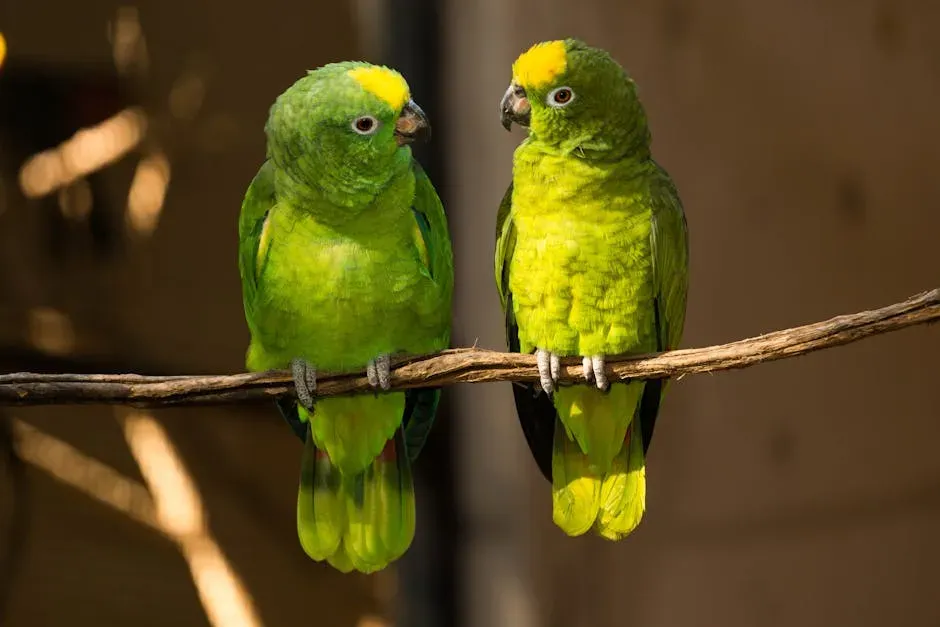
You could argue that Australia’s Night Parrot is the bird world’s equivalent of Bigfoot. The Night Parrot is possibly the rarest bird in the world today. It is a medium-sized, nocturnal parrot with brownish-grey upperparts and barred underparts. It was thought extinct until 2013, when one was discovered alive in a remote area of Queensland, Australia. Since then, only a few sightings and sounds have been reported.
It prefers sparse grassland and shrubland, foraging on grass seeds at night and sheltering in spinifex during the day. The reasons for its extreme rarity are unclear, but threats include predation by feral cats and changes to the fire regimes it depends on.
Researchers hope that with more information about the Night Parrot’s basic biology, targeted conservation can help prevent its return to extinction. The bird has become something of a legend in birdwatching circles. A confirmed sighting is practically treated like a religious experience.
6. The Madagascar Pochard: Risen From the Dead
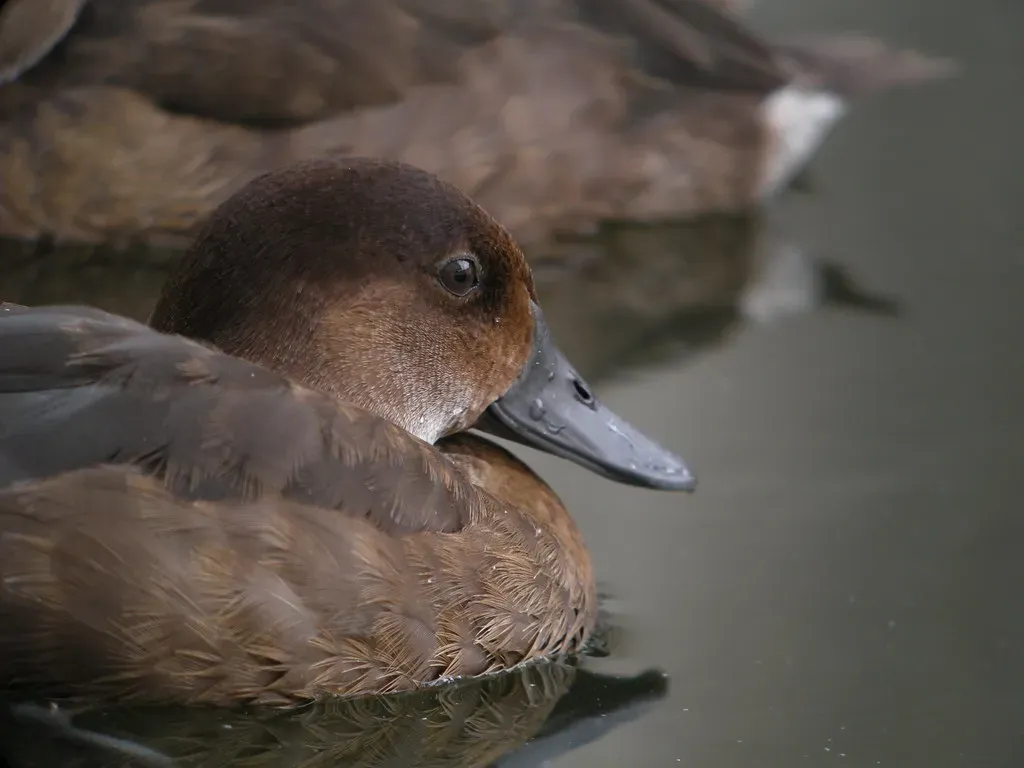
Some species make dramatic comebacks. The Madagascar Pochard is one of those stories that sounds almost too good to be true. The Madagascar Pochard is a large, extremely rare diving duck with black upper parts, white underparts, and a chestnut head. Native to Madagascar, it was once found across the highland lakes of the country. However, hunting pressure and habitat degradation dramatically reduced populations such that by 1990, only two remained.
This duck species landed itself on the list as one of the rarest birds in the world after reemerging in 2006 from what was believed to be extinction. That discovery caused genuine celebration in the scientific community. Still, survival is far from guaranteed.
Only a few individuals exist in the wild, all at Lake Sofia in Madagascar. A breeding center in Antsohihy fights for their longevity, rearing more birds in captivity. Wild Pochards face threats including invasive weeds, water quality issues, and illegal fishing which reduces their food supply. It’s a fragile second chance, and the world cannot afford to squander it.
7. The Imperial Amazon: A National Symbol in Crisis
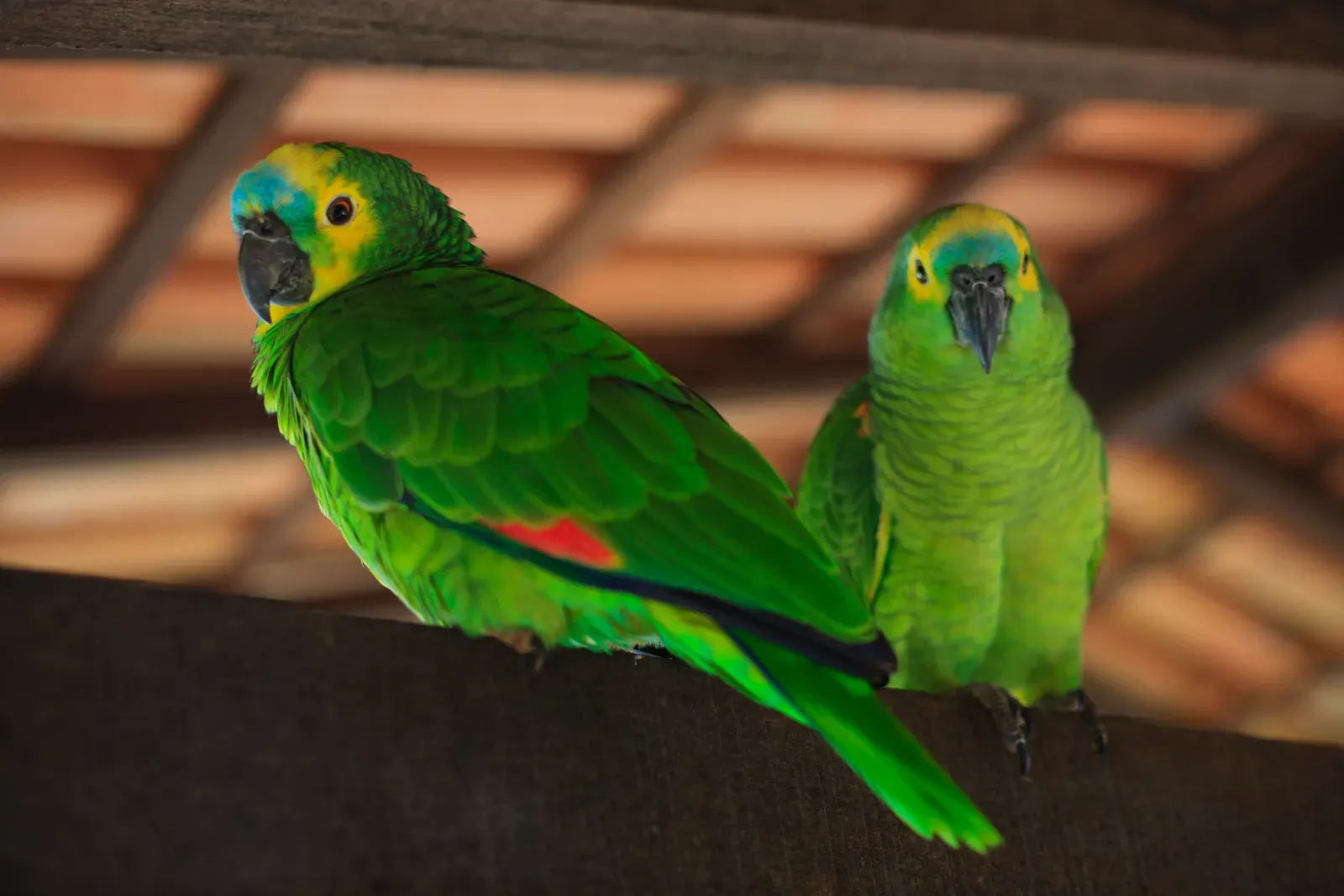
There is something especially heartbreaking about a country’s national bird teetering on the edge of extinction. The Imperial Amazon, locally known as the sisserou, is endemic to the Caribbean island of Dominica and is its national bird. The species is critically endangered, and in 2019, it was estimated there were only about 50 mature individuals left in the wild, down from a previous count of hundreds. The reason was twofold: a serious loss of natural habitat and, to make things worse, Hurricane Maria.
These birds are very shy and travel in groups of three at most. Sometimes they feel comfortable enough to flock together with red-necked amazons. They are good climbers and strong flyers with powerful wings, preferring to perch on the tops of trees. They are difficult to detect, as they are well camouflaged by their plumage.
Among parrots that can still be found in the wild, the imperial amazon stands out as one of the most threatened, having suffered repeated population crashes and now numbering just around 50 mature individuals. Fifty individuals. For a national symbol. Let that sink in for a moment.
8. The Yellow-Eyed Penguin: The Rarest Penguin on Earth
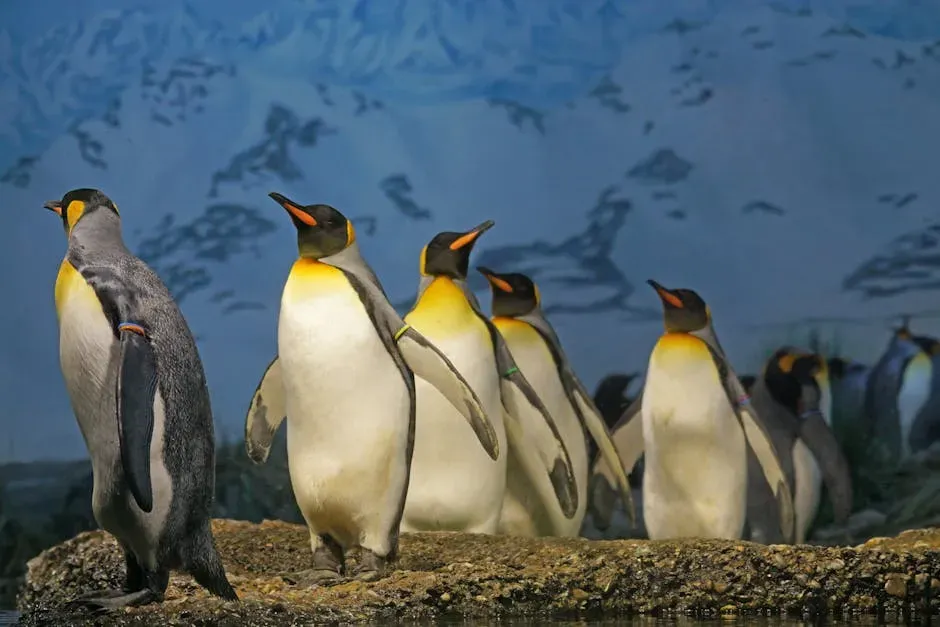
Most people picture penguins in Antarctica, waddling in vast colonies. The Yellow-Eyed Penguin could not be more different. Only found in the coastal regions of New Zealand, the Yellow-Eyed Penguin is the rarest species of penguin on the planet, considered endangered with an estimated 3,000 mature individuals.
Adults have distinctive yellow eyeballs as well as yellow feathers on their heads. The Māori people of New Zealand called this bird Hoiho, meaning “noise shouter,” for the volume of its calls. There is something endearing about a penguin with a nickname like that.
Native to New Zealand, the Yellow-eyed penguin is facing serious threats from habitat loss and introduced predators, making it one of the most endangered penguin species. Unlike many birds on this list, this one is visible enough that wildlife tourism has grown around it. Yet visibility hasn’t made it safe. Sometimes, being seen is not the same as being protected.
9. The Northern Bald Ibis: A Medieval Relic Hanging On
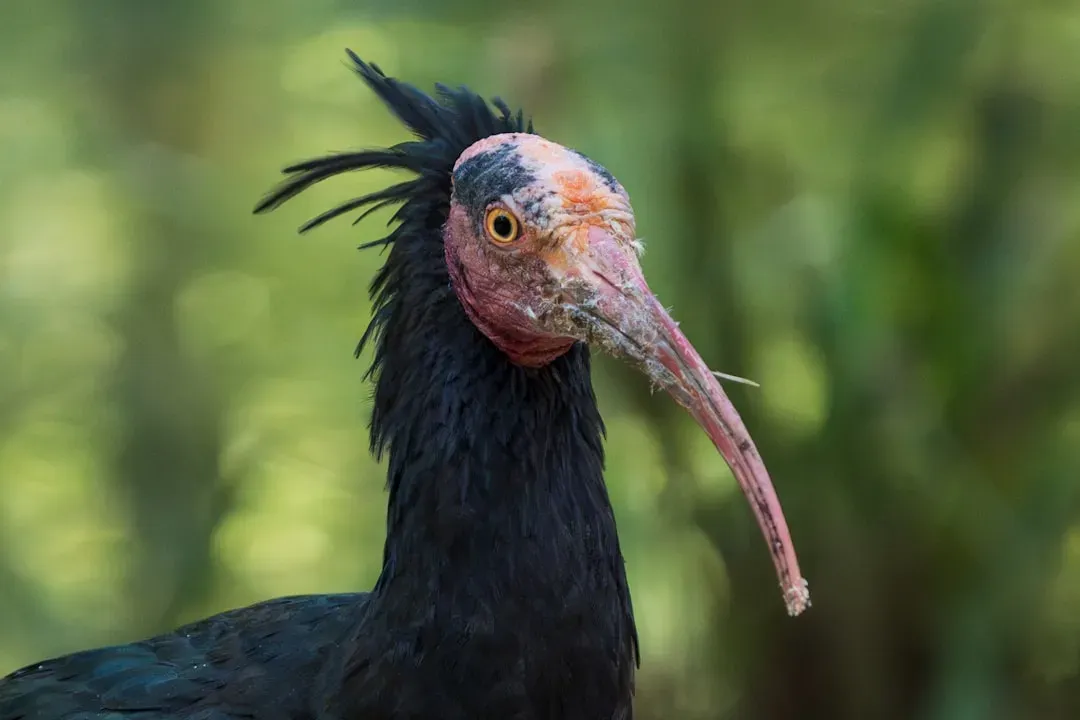
This bird looks like something painted on an ancient Egyptian wall, because it practically was. Only about 200 to 250 northern bald ibises are left in the wild in Morocco. Populations in northern Algeria and Syria, Turkey, and Iraq have gone extinct. In some parts of the Middle East and North Africa, their presence is uncertain, while they have been recently observed on their migration route in the Arabian Peninsula, Ethiopia, and Eritrea.
In Turkey, poisoning and reduced breeding success due to pesticides has posed a major threat. The Morocco population has faced illegal building and changes in farming that have disturbed their habitats. Illegal hunting was the cause of this bird’s disappearance from Italy in the 19th century.
It’s hard not to feel a kind of aching sadness about a species that survived for millions of years only to be destroyed within a few human generations. Habitat loss, hunting, climate change, and invasive species have pushed many to the brink of extinction, leaving only a few hundred or even a few dozen individuals surviving in remote corners of the world. The Northern Bald Ibis is perhaps the most vivid emblem of that reality. Ancient, striking, and fading quietly from a world that barely noticed it was there.
A Final Thought: The Silence That Would Follow
As of 2025, hundreds of bird species are at risk, with the International Union for Conservation of Nature reporting that approximately 1,400 bird species are currently threatened worldwide. That is not a small number. That is a crisis wearing the face of a statistic.
The 2024 Red List update saw 25 species uplisted to higher threat categories due to a genuine deterioration in status, while just seven were downlisted to lower threat categories due to an improvement in status. The math is brutal. Yet there are reasons, however fragile, for hope.
Technology is also playing a role in conservation, from GPS tracking and drones to AI-driven conservation planning. One promising approach is the concept of rewilding, restoring natural landscapes to their original state, complete with native species. On some islands, entire ecosystems have been brought back to life after invasive predators were removed. The California Condor pulled back from 27 individuals. The Madagascar Pochard reappeared from apparent extinction. Change, slow and imperfect as it is, remains possible.
These nine birds are not just animals. They are mirrors. What we choose to do about them says something precise about who we are. What would it feel like to know that one of these species vanished during your lifetime, and the last chance slipped by quietly while the world looked the other way? That question is worth sitting with. What do you think we owe them?

- Why Veterinarians Say If Your Cat Sleeps With Their Back to You, It's the Highest Form of Trust in Feline Behavior - July 20, 2026
- Animal Science Says Ravens Remember Human Faces for Years and Warn Other Ravens About Dangerous People - July 20, 2026
- Marine Biology Says When Dolphins Suddenly Go Silent in Open Water It's Not Rest – They've Detected a Predator You Cannot See and Their Survival Strategy Reveals How They Read Danger - July 20, 2026