

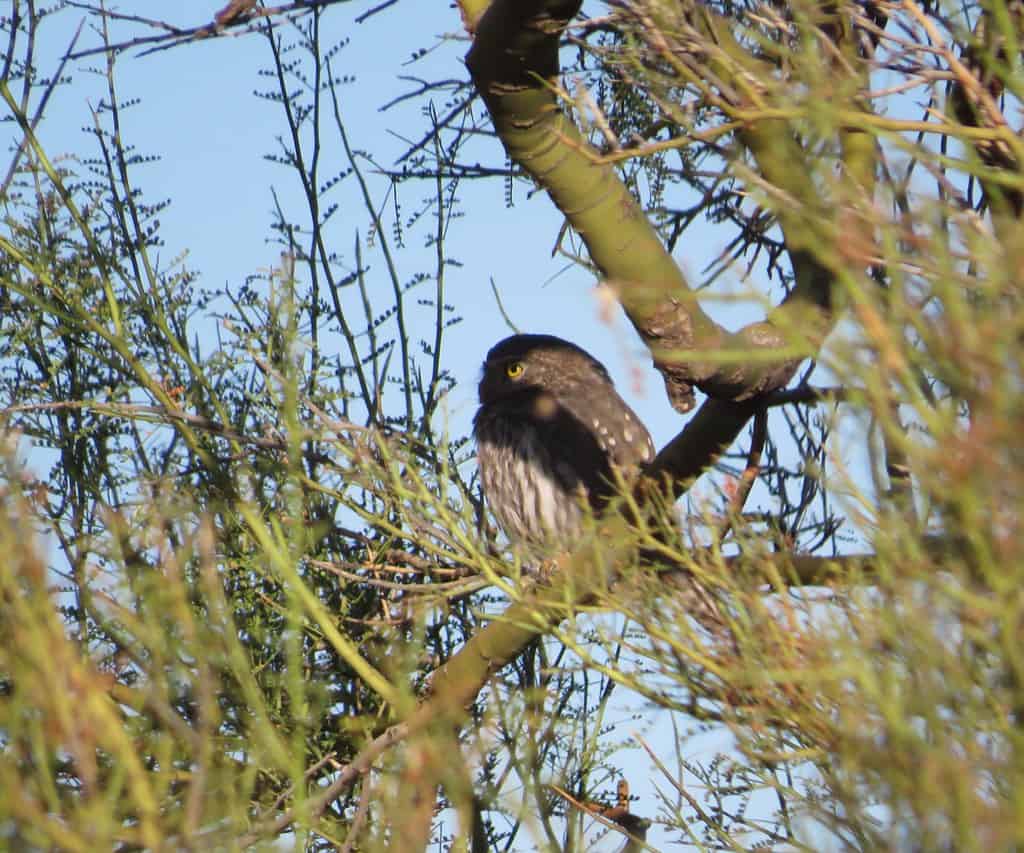
In the heart of the Sonoran Desert, a tiny feathered guardian with fierce yellow eyes and a diminutive stature is staging an impressive recovery. The cactus ferruginous pygmy owl, weighing less than 3 ounces and standing at a mere 6.5 inches tall, is the world’s smallest owl species. Once facing the threat of extinction, this remarkable bird is now making a notable comeback through dedicated conservation efforts. Despite its size—no larger than a sparrow—this miniature predator plays a crucial role in its ecosystem and has become a symbol of resilience in the face of habitat loss and environmental change. Its journey from the brink of disappearance to recovery represents one of conservation’s most inspiring success stories and highlights the importance of protecting even the smallest creatures in our natural world.
Meet the Cactus Ferruginous Pygmy Owl

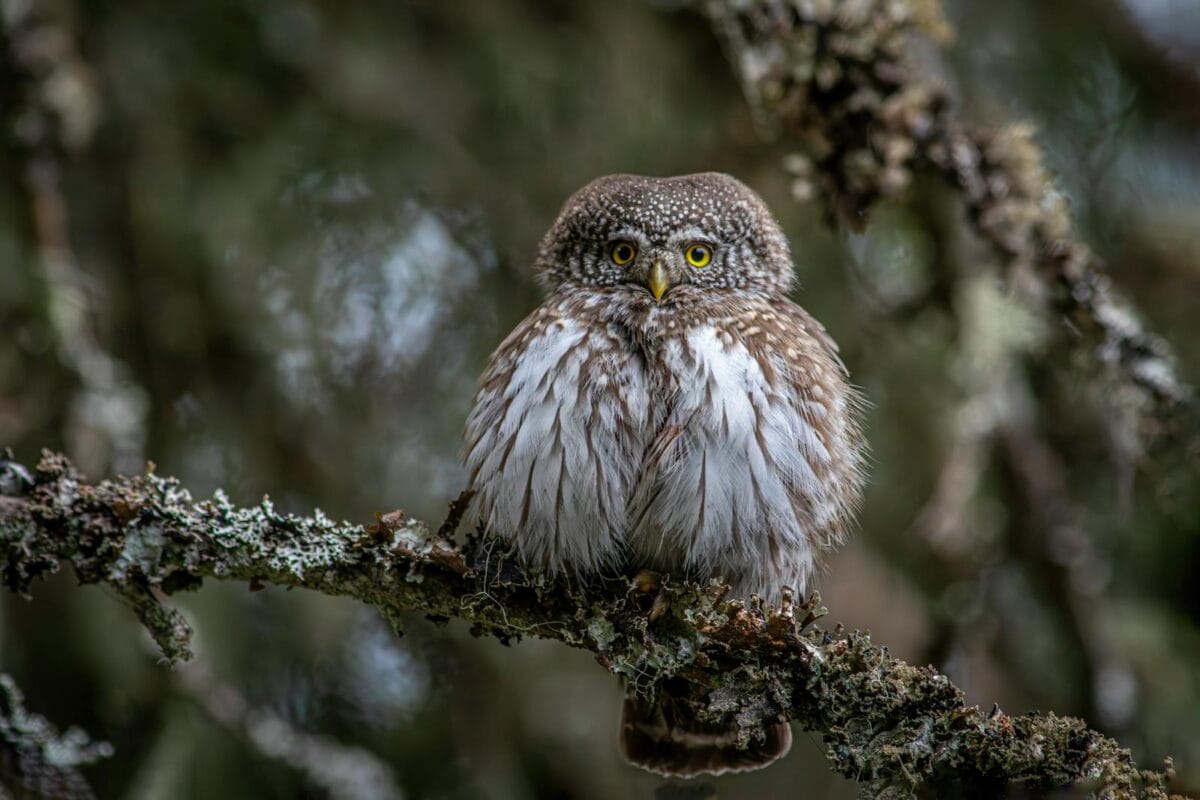
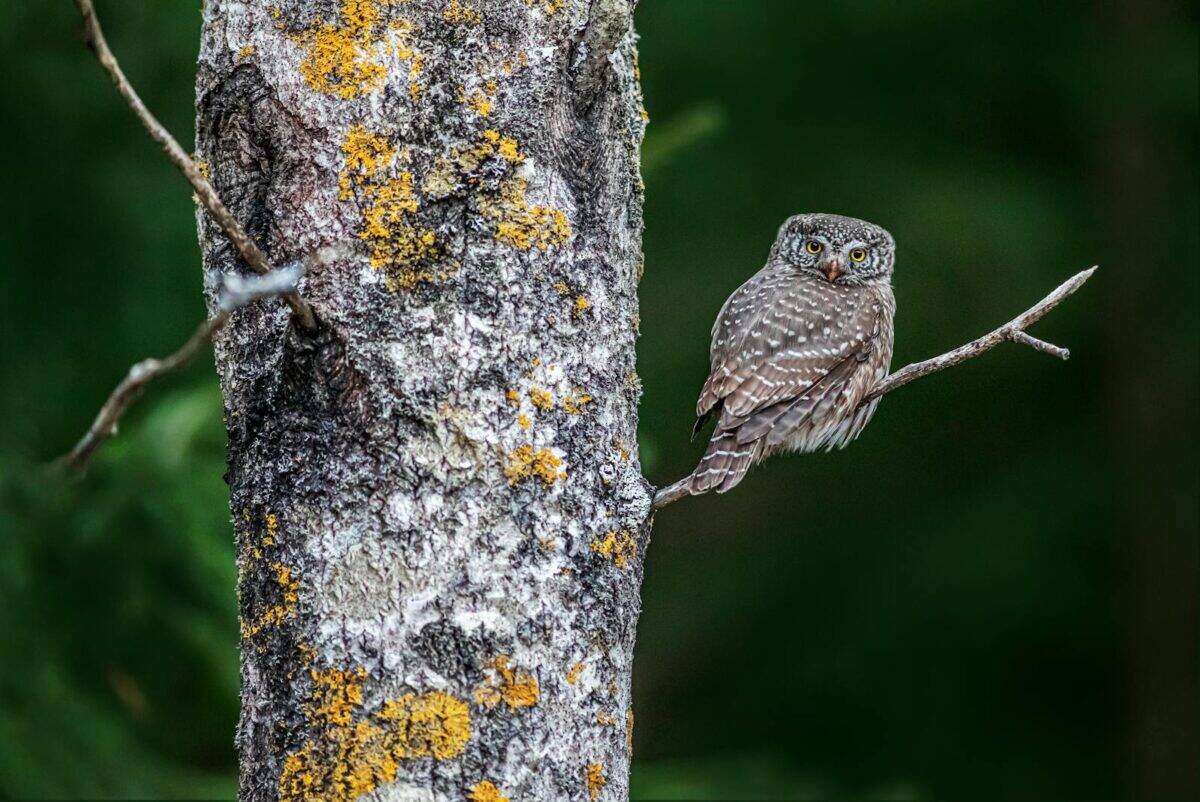
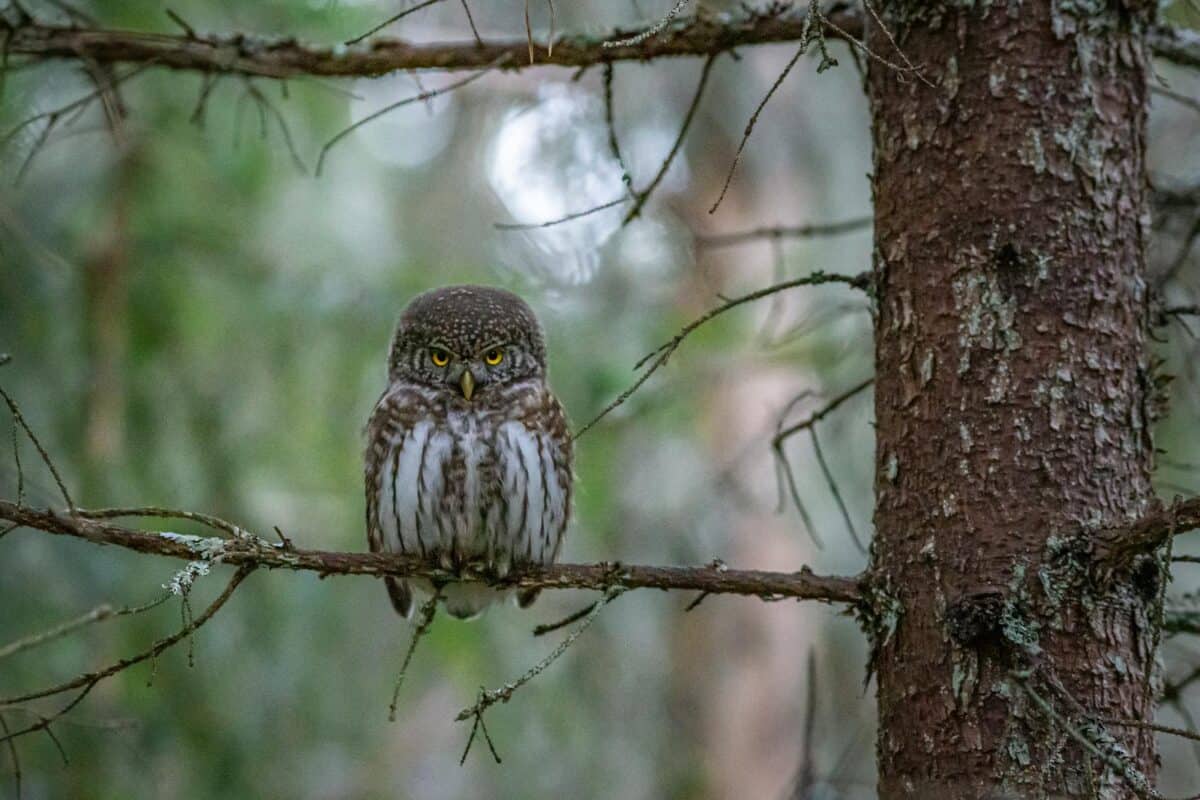
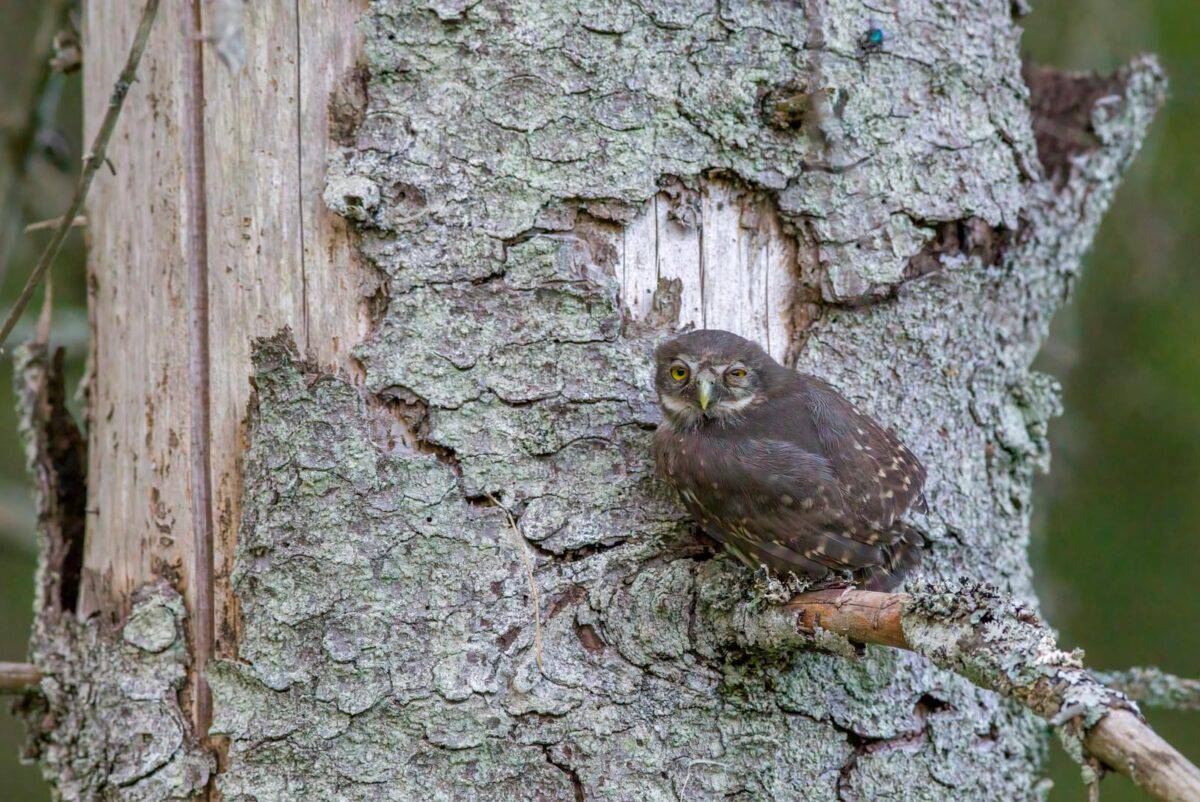
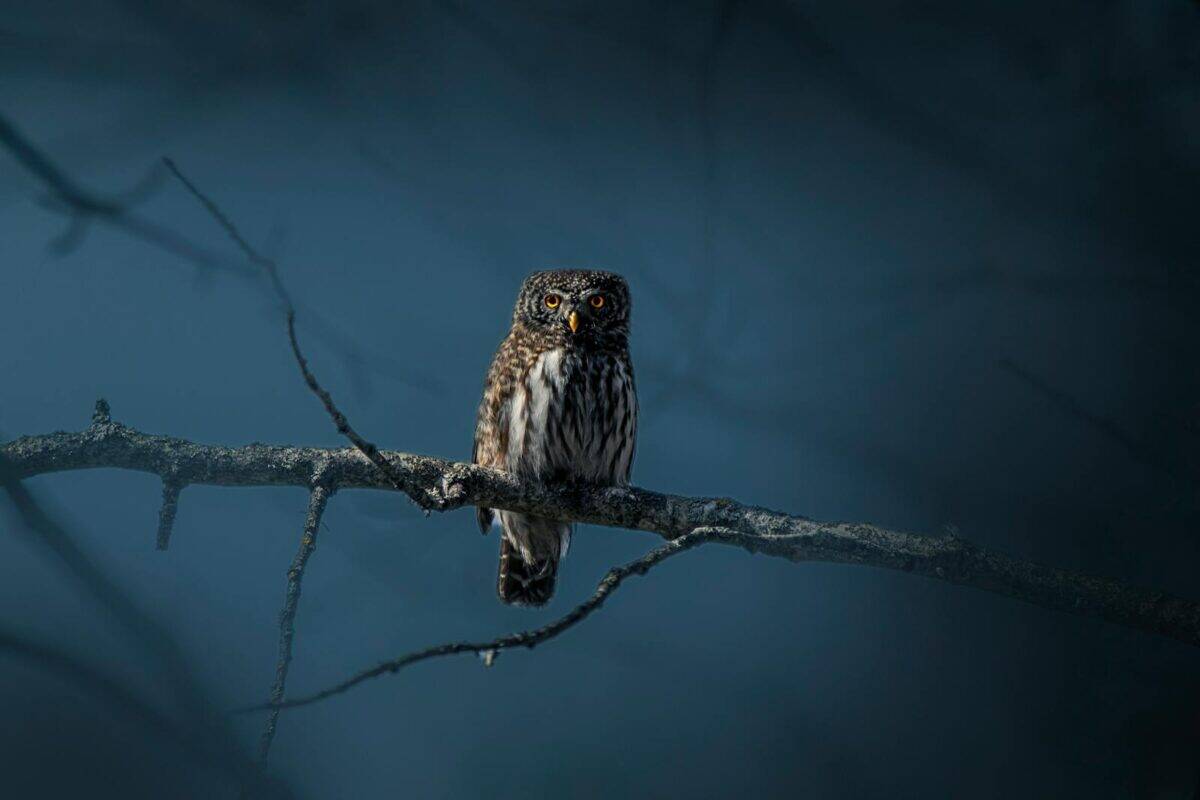
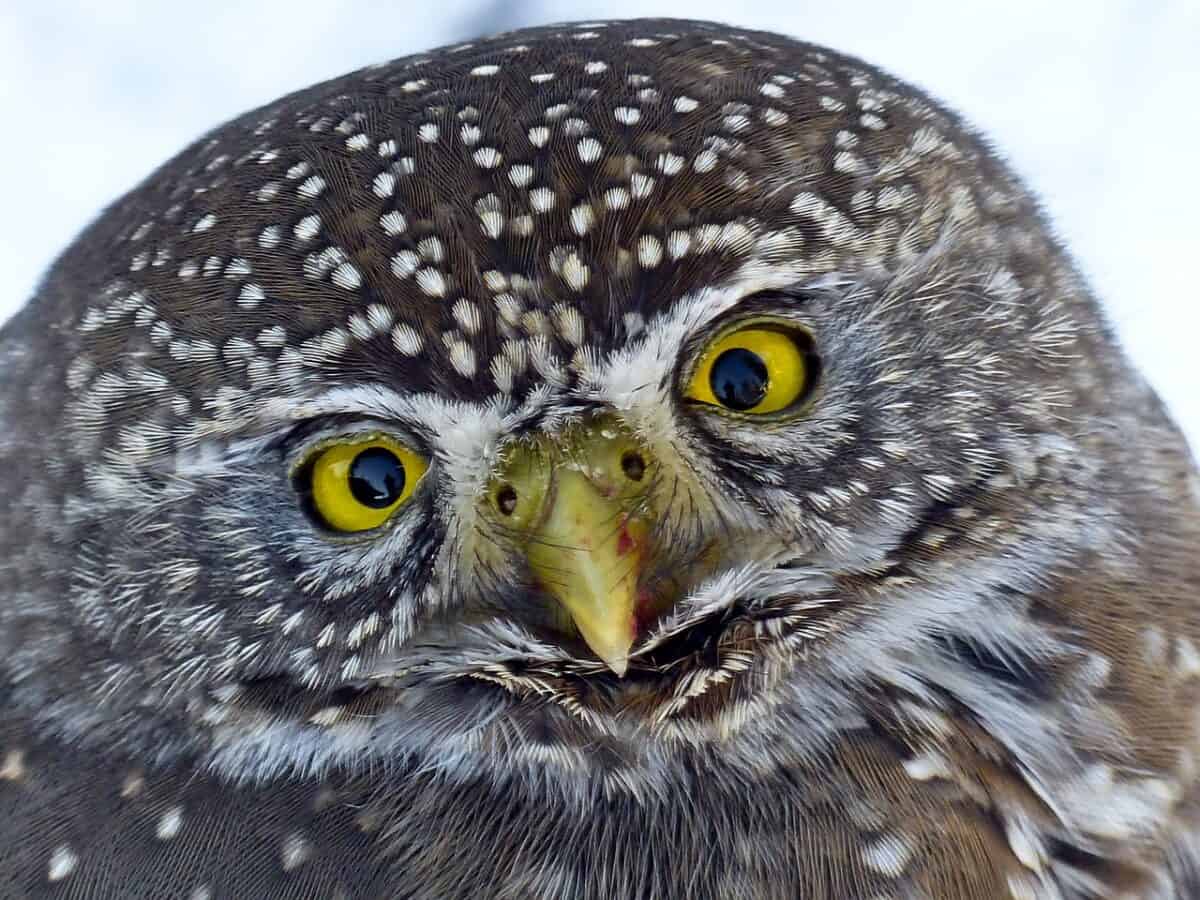
The cactus ferruginous pygmy owl (Glaucidium brasilianum cactorum) is a subspecies of the ferruginous pygmy owl native to the Sonoran Desert regions of Arizona and northern Mexico. As the world’s smallest owl, it measures just 6.5 inches in length with a wingspan of about 14.5 inches and weighs between 2.2 and 2.8 ounces. Despite its tiny stature, this owl possesses remarkable hunting abilities. Its plumage features a rusty-brown coloration with white spotting on the back and crown, while its underparts display white streaking on a rufous background. Perhaps its most distinctive features are its bright yellow eyes and the pair of black “false eyes” on the back of its head—a natural adaptation believed to deter potential predators approaching from behind.
Historical Range and Decline

Historically, the cactus ferruginous pygmy owl inhabited riparian areas, mesquite bosques, and Sonoran Desert scrub throughout southern Arizona, extending south into Mexico. By the early 20th century, these tiny owls were common residents in many areas of southern Arizona, particularly along the Santa Cruz and Rillito rivers. However, the species began experiencing a dramatic decline starting in the mid-1900s. By the 1990s, surveys found fewer than 30 birds in Arizona.
This catastrophic population crash was primarily attributed to extensive habitat loss and fragmentation resulting from urban development, agricultural expansion, and the degradation of riparian ecosystems. In 1997, recognizing this precipitous decline, the U.S. Fish and Wildlife Service listed the Arizona population as endangered under the Endangered Species Act, providing federal protection for the remaining birds and their habitat.
Unique Hunting Behavior
Unlike many owl species that rely on nocturnal hunting, the cactus ferruginous pygmy owl is primarily diurnal, conducting most of its hunting activities during daylight hours, particularly at dawn and dusk. This small owl employs a “perch-and-pounce” hunting strategy, patiently observing from an elevated position before swiftly descending upon prey. Despite its diminutive size, the pygmy owl is an aggressive and effective predator with a remarkably diverse diet.
It preys on insects, lizards, small snakes, rodents, and even birds that may exceed its own body weight. Research has documented these tiny owls successfully capturing mourning doves and Gambel’s quail—prey that can weigh significantly more than the owl itself. This impressive hunting prowess is facilitated by powerful talons and a strong beak, allowing the pygmy owl to punch well above its weight class in the predator hierarchy of the Sonoran Desert ecosystem.
Nesting in the Desert
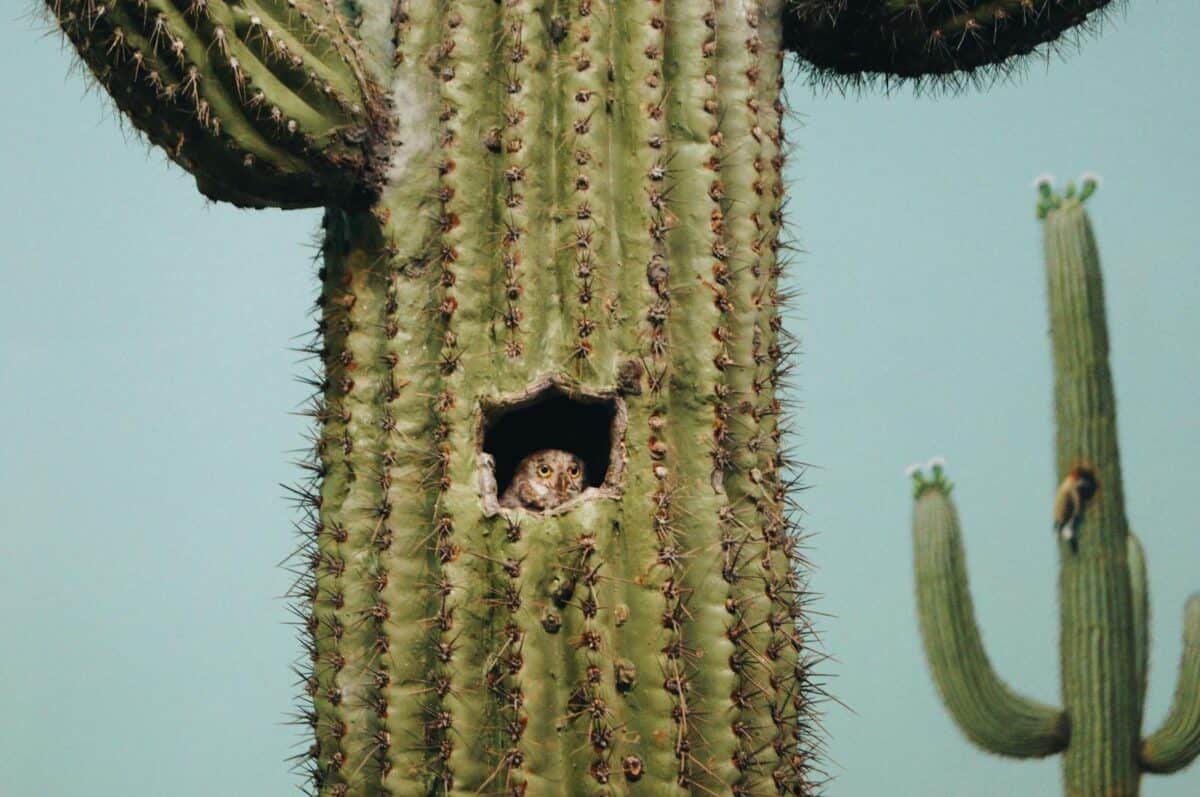
The reproductive strategy of the cactus ferruginous pygmy owl is intimately tied to the unique landscape of the Sonoran Desert. Unlike many owl species that construct nests, these pygmy owls are secondary cavity nesters, meaning they depend on existing hollows created by other animals or natural processes. In their desert habitat, they primarily utilize abandoned woodpecker holes in saguaro cacti, which provide essential protection from predators and the extreme desert temperatures. The breeding season typically begins in late February to early March when males establish territories through persistent calling.
After pair formation, females lay 2-5 white eggs, which are incubated for approximately 28 days. The male takes primary responsibility for hunting during this period, providing food for the incubating female. After hatching, the owlets remain in the nest for about 27-30 days before fledging, though they continue to depend on parental care for several more weeks as they develop their hunting skills. This specialized nesting behavior demonstrates the species’ remarkable adaptation to the harsh desert environment but also highlights its vulnerability when suitable nesting sites become scarce.
Ecological Importance

Despite its small stature, the cactus ferruginous pygmy owl plays a disproportionately significant role in the Sonoran Desert ecosystem. As a mid-level predator, it helps regulate populations of insects, small mammals, and reptiles, contributing to the overall biodiversity and ecological balance of the region. The owl’s presence indicates a healthy, functioning ecosystem with intact food webs and sufficient habitat diversity. Conservation biologists classify the pygmy owl as an “umbrella species”—protecting it necessitates the conservation of large tracts of intact desert habitat, which subsequently benefits numerous other species that share the same ecosystem.
Additionally, the owl serves as an indicator species whose population trends can provide early warnings about environmental changes and habitat degradation. Research has shown that areas supporting healthy pygmy owl populations typically demonstrate greater overall biodiversity, highlighting the interconnected nature of desert ecosystems and the cascading positive effects that protecting this tiny predator can have on the entire ecological community.
The Path to Endangered Status
The journey of the cactus ferruginous pygmy owl to endangered status reflects the complex challenges facing many species in rapidly developing regions. By the mid-1990s, comprehensive surveys documented fewer than 30 individual owls in Arizona, with populations fragmented into small, isolated groups. This alarming decline prompted the U.S. Fish and Wildlife Service to list the Arizona distinct population segment as endangered in 1997.
This designation triggered significant conservation actions, including the establishment of critical habitat and the requirement for federal agencies to consult with USFWS before authorizing activities that might affect the owl or its habitat. However, the listing faced legal challenges from development interests, leading to a controversial delisting in 2006 based on a technical interpretation that the Arizona population did not qualify as a “distinct population segment” separable from Mexican populations. This decision was met with concern from conservation organizations and biologists who argued that the owl still faced significant threats regardless of its taxonomic classification. The rollercoaster of protection status highlighted the tensions between conservation needs and development pressures that continue to affect many endangered species management decisions.
Conservation Challenges
Conserving the cactus ferruginous pygmy owl presents several distinct challenges that have required innovative approaches from wildlife managers and conservation organizations. Habitat fragmentation remains perhaps the most significant obstacle, as urban development in the rapidly growing Tucson metropolitan area has created barriers to owl dispersal and reduced the availability of suitable habitat corridors. Young owls typically need to disperse between 1-6 miles from their natal territories, but roads, housing developments, and other infrastructure impede these critical movements.
Additionally, the species faces threats from invasive species, with non-native plants altering the structural composition of the desert ecosystem and reducing prey availability. Climate change presents another looming threat, as increasing temperatures and more frequent drought conditions stress saguaro cacti and affect the timing of prey availability. Conservation efforts must also navigate complex land ownership patterns, with owl habitat spanning private lands, tribal territories, and multiple government jurisdictions. Each of these challenges requires tailored solutions and highlights the multifaceted nature of modern conservation efforts for endangered species.
Recovery Efforts and Successes
The path to recovery for the cactus ferruginous pygmy owl has been marked by innovative conservation strategies and collaborative efforts. A cornerstone of these initiatives has been habitat preservation and restoration. The Altar Valley Conservation Alliance, a coalition of ranchers, conservation organizations, and government agencies, has worked to protect and enhance over 600,000 acres of working landscapes that provide crucial owl habitat. Complementing these landscape-scale efforts, targeted habitat restoration projects have focused on revitalizing degraded riparian areas and desert washes, with thousands of native plants reintroduced to create suitable hunting grounds and dispersal corridors for the owls.
Perhaps most promising has been the captive breeding program established in 2006 by the Arizona Game and Fish Department in partnership with the Phoenix Zoo. This program has successfully reared and released dozens of owls into carefully selected habitat, with monitoring showing encouraging survival and reproduction rates among these reintroduced birds. Recent surveys indicate that the Arizona population has grown to approximately 100 individuals across southern Arizona—still precarious but a significant improvement from the nadir of fewer than 30 birds in the 1990s. These multi-faceted approaches demonstrate that recovery is possible with sustained, coordinated conservation action.
Cross-Border Conservation
The recovery of the cactus ferruginous pygmy owl represents a compelling case study in international conservation cooperation. Since this subspecies ranges across the U.S.-Mexico border, effective conservation requires coordinated binational efforts. In recent years, conservation organizations including the Sonoran Joint Venture and the Arizona-Sonora Desert Museum have facilitated productive partnerships between Mexican and U.S. biologists. These collaborations have resulted in standardized survey protocols, shared monitoring data, and coordinated habitat protection strategies. In Sonora, Mexico, where larger populations of the owl persist, conservation efforts have focused on documenting population dynamics and protecting key habitat areas.
Mexican researchers have contributed valuable insights regarding the owl’s ecology in less disturbed landscapes, providing important reference conditions for habitat restoration efforts north of the border. Joint training workshops have built capacity among biologists and land managers on both sides of the border, creating a community of practice dedicated to the owl’s recovery. These cross-border initiatives demonstrate how conservation can transcend political boundaries when stakeholders unite around shared ecological goals. The future of the pygmy owl will likely depend on maintaining and strengthening these international partnerships as both countries continue facing development pressures and environmental challenges.
The Role of Citizen Science

Citizen science has emerged as a powerful force in the conservation of the cactus ferruginous pygmy owl, enabling data collection on a scale that would be impossible for professional scientists alone. The Tucson Audubon Society’s Owl Monitoring Network has trained hundreds of volunteers to conduct standardized surveys across potential habitat areas, greatly expanding the geographic scope of monitoring efforts. These citizen scientists follow strict protocols to minimize disturbance while documenting owl presence through their distinctive calls and visual sightings. Their efforts have led to several important discoveries, including documenting previously unknown territories and gathering valuable data on seasonal movements.
Beyond data collection, citizen science initiatives have created a constituency of informed advocates who bring personal experience and commitment to conservation policy discussions. The Arizona-Sonora Desert Museum’s “Owl Ambassadors” program takes this engagement further by training volunteers to conduct educational outreach in communities near owl habitat, building local support for conservation measures. Digital platforms like eBird have also played a role, with careful protocols established to protect sensitive nest locations while still allowing the broader scientific community to benefit from observations. These diverse citizen science programs demonstrate how public participation can simultaneously advance scientific understanding and build the social capital necessary for successful conservation.
Scientific Research Breakthroughs

Scientific research has been instrumental in guiding conservation strategies for the cactus ferruginous pygmy owl, with several breakthrough studies providing critical insights for recovery efforts. Genetic analysis conducted by University of Arizona researchers in 2018 revealed that the Arizona population maintains sufficient genetic diversity despite its small size, partly due to occasional genetic exchange with Mexican populations. This finding underscored the importance of maintaining habitat connectivity across the international border. Groundbreaking telemetry studies using miniaturized transmitters weighing less than 0.2 grams have illuminated previously unknown aspects of the owl’s movement patterns, documenting that juveniles can disperse up to 12 kilometers from natal territories—further than previously estimated.
This discovery has informed the strategic placement of habitat corridors and conservation easements. Innovative bioacoustic monitoring using automated recording units has revolutionized survey methods, allowing researchers to monitor multiple locations simultaneously and detect owls with minimal disturbance. Perhaps most significantly, habitat modeling incorporating high-resolution satellite imagery and machine learning algorithms has identified previously overlooked habitat areas with high restoration potential. These scientific advances demonstrate how cutting-edge research methodologies, when applied to conservation challenges, can significantly enhance the effectiveness of recovery efforts for endangered species like the pygmy owl.
Looking to the Future

The future prospects for the cactus ferruginous pygmy owl balance promising signs of recovery with persistent challenges. Population modeling suggests that with continued habitat protection and restoration, the Arizona population could reach 250-300 individuals within the next decade—a level that would significantly reduce extinction risk. However, climate change projections indicate that the owl may face increasing pressure as rising temperatures and altered precipitation patterns affect both its desert habitat and prey availability.
Innovative adaptation strategies currently being implemented include the identification and protection of climate refugia—areas projected to maintain suitable conditions despite regional climate changes—and the establishment of habitat corridors oriented along north-south gradients to facilitate potential range shifts. Conservation planning is increasingly incorporating scenario-based approaches that consider multiple possible futures and develop flexible management responses. Encouragingly, the species has demonstrated greater adaptability than previously recognized, with recent documentation of successful nesting in mature mesquite bosques where saguaro cacti are absent. This behavioral plasticity provides hope that with sufficient habitat protection and thoughtful management, the world’s smallest owl can continue its remarkable recovery trajectory and adapt to changing environmental conditions in the decades ahead.
Conclusion
The comeback story of the world’s smallest owl represents one of conservation’s most encouraging narratives, demonstrating that even species on the brink of extinction can recover when provided with dedicated protection and scientifically-informed management. The cactus ferruginous pygmy owl’s journey from fewer than 30 individuals in Arizona to a growing population approaching 100 birds highlights the effectiveness of comprehensive conservation strategies that combine habitat protection, restoration, captive breeding, and cross-border collaboration.
Though challenges remain, particularly from ongoing development pressures and climate change, the owl’s demonstrated resilience offers genuine hope for its long-term persistence in the Sonoran Desert ecosystem. Beyond the species itself, the pygmy owl’s recovery illustrates broader principles about conservation in the 21st century: the importance of engaging diverse stakeholders from ranchers to citizen scientists, the value of international cooperation in protecting shared biodiversity, and the critical role of cutting-edge research in guiding effective management decisions. As this tiny owl continues its upward population trajectory, it serves as both an ecological sentinel for the health of the Sonoran Desert and an inspiring symbol of what committed conservation action can achieve.

From exploring the marine wonders in the Azores and witnessing the vast savannas of Kenya, to delving deep into the rich biodiversity of South Africa and traversing iconic landscapes in Australia and the US like Yellowstone, Chris's experiences are vast.
With a penchant for diving alongside sharks, the ocean holds a special place in his heart.
Through his academic insights, he champions wildlife conservation, striving with 'Animals Around The Globe' to cultivate a profound connection between humans and animals, enhancing our mutual appreciation.
Connect with him at Feedback@animalsaroundtheglobe.com.
- How Bison Are Reshaping the American Prairie - July 10, 2026
- How Ocean Animals Are Affected by Climate Change - July 10, 2026
- 23 Popular Dog Breeds Illinois Vets Secretly Wish You’d Stop Choosing - July 10, 2026