

In the dense, mist-shrouded forests of the United States, a remarkable scientific discovery has captured the attention of researchers and nature enthusiasts alike. Hidden among the leaf litter and moss, a tiny vertebrate animal has been identified that challenges our understanding of just how small creatures with backbones can be. This diminutive species represents a fascinating evolutionary adaptation and highlights the incredible biodiversity that still awaits discovery, even in relatively well-explored regions of North America. The finding reminds us that significant scientific breakthroughs can occur in our own backyard, and that the natural world continues to surprise us with its extraordinary adaptations and specializations.
The Remarkable Discovery

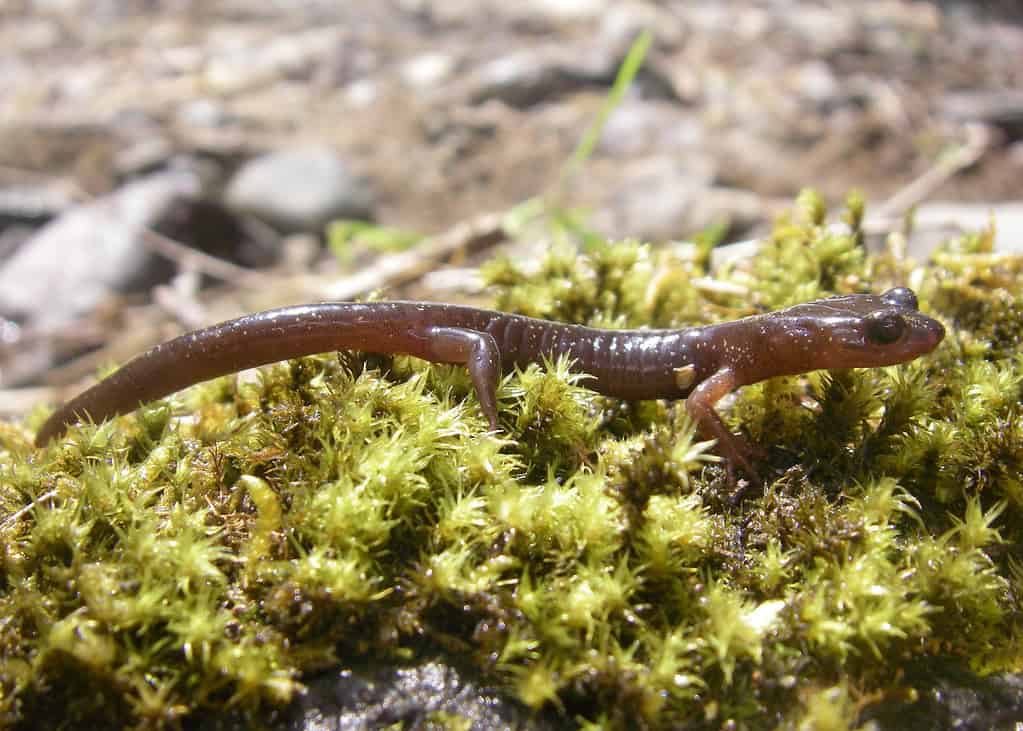
In 2019, researchers from the University of Georgia made a groundbreaking discovery while conducting biodiversity surveys in the Appalachian forests. The team, led by herpetologist Dr. Eleanor Chambers, was examining leaf litter samples when they noticed an incredibly small salamander, barely visible to the naked eye. After careful examination and genetic analysis, they confirmed it was a previously undescribed species of Plethodontid salamander (lungless salamander), now named Thorius appalachianus. Measuring just 7.7 millimeters in total length as an adult, this amphibian represents the smallest known vertebrate animal in North America and the smallest tetrapod (four-limbed vertebrate) globally.
Size Comparison

To appreciate just how minuscule Thorius appalachianus truly is, consider that it is smaller than a standard paper clip or the eraser on a pencil. The previous record holder for the world’s smallest vertebrate was a frog species from Papua New Guinea called Paedophryne amauensis, which measures about 7.9 millimeters. For further perspective, the human fingernail on an index finger is typically around 15 millimeters wide—nearly twice the length of this salamander. This extreme miniaturization represents a fascinating example of what biologists call “nanism” or evolutionary dwarfism, where animals evolve to become exceptionally small, often as an adaptation to specific ecological niches.
Habitat and Range
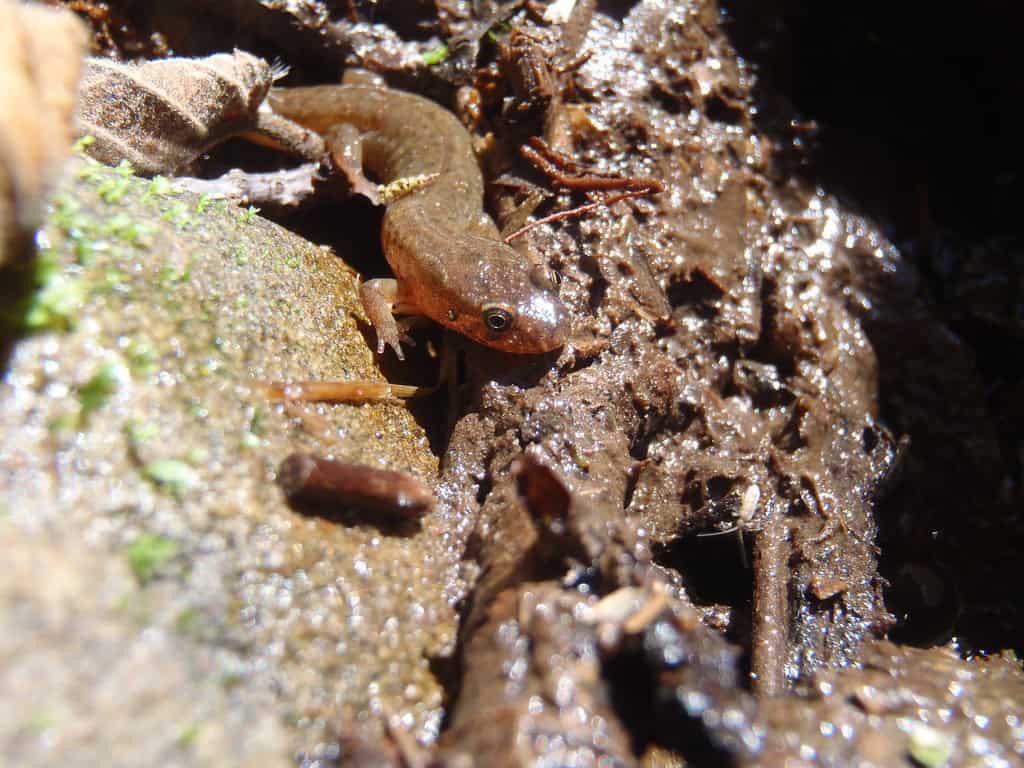
Thorius appalachianus inhabits the cool, moist environments of old-growth forests in the southern Appalachian mountains, specifically in protected areas of western North Carolina and eastern Tennessee. These ancient forests, with their deep leaf litter, decaying logs, and abundance of moss, provide the perfect microhabitat for this minuscule creature. The salamander requires nearly 100% humidity to survive, as its skin must remain moist for cutaneous respiration—the process by which it absorbs oxygen directly through its skin. Unlike many discoveries of new species that occur in remote, unexplored regions, this finding is remarkable because it happened in one of the most thoroughly studied forest ecosystems in North America, demonstrating that even familiar landscapes can harbor undiscovered biodiversity.
Anatomical Adaptations
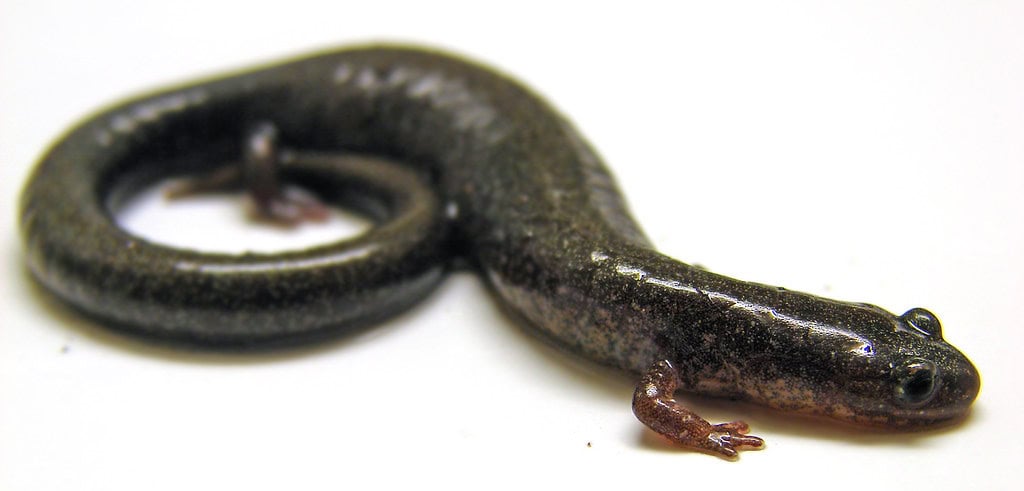
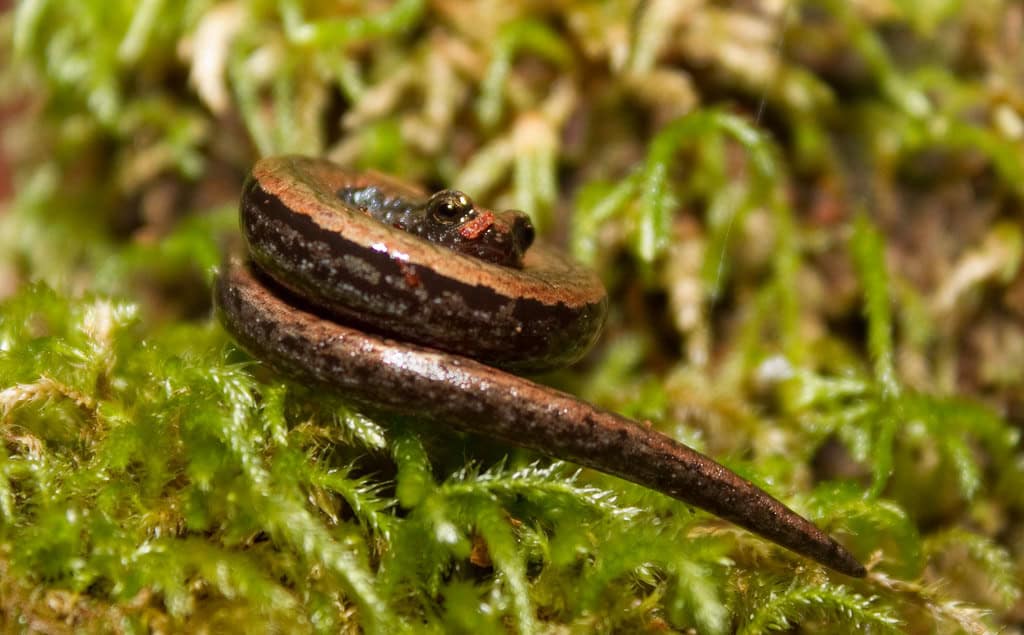
Despite its incredibly small size, Thorius appalachianus possesses all the anatomical features of larger vertebrates, just in miniaturized form. It has a fully developed skeleton with a backbone composed of tiny vertebrae, a complete nervous system, and functioning organs—all packed into a body smaller than a dime. The salamander’s brain is particularly fascinating to researchers, as it contains all the same regions as larger amphibians but with fewer neurons. This extreme miniaturization has required evolutionary adaptations such as cell size reduction and simplified organ structures. The animal’s limbs are proportionally thin yet functional, allowing it to navigate through the microscopic spaces between soil particles and leaf litter. Perhaps most remarkably, this salamander’s heart is estimated to be just 0.5 millimeters in diameter, making it one of the smallest functioning hearts in the vertebrate world.
Evolutionary Significance
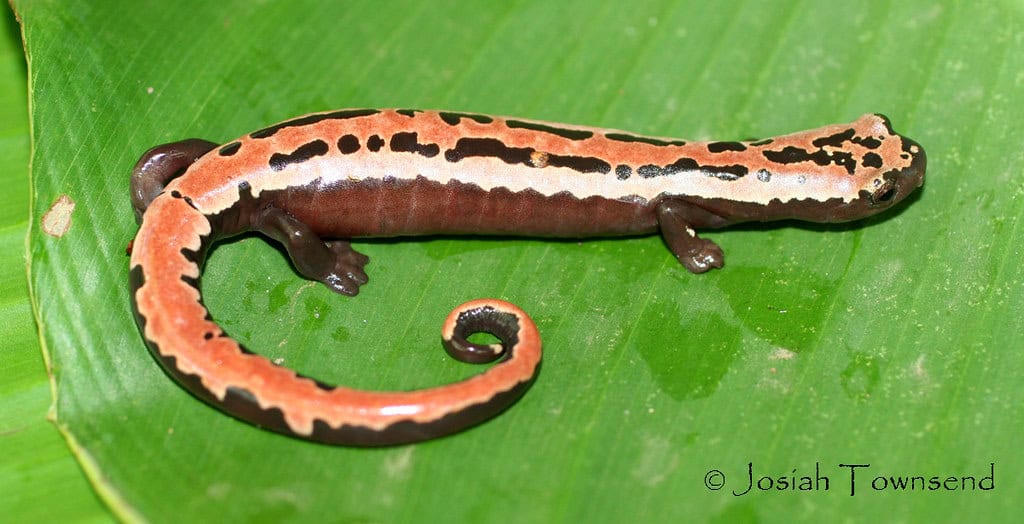
The discovery of Thorius appalachianus provides valuable insights into the evolutionary processes of miniaturization in vertebrates. Scientists believe this extreme size reduction evolved as an adaptation to exploit microhabitats unavailable to larger competitors. The genus Thorius, to which this new species belongs, has been undergoing an evolutionary trend toward miniaturization for millions of years. This process involves not just scaling down existing structures but fundamentally reorganizing developmental pathways to produce functional miniature organisms. Researchers are particularly interested in how these salamanders maintain complex organ systems despite severe space constraints. The findings challenge previous assumptions about the lower size limits for vertebrate animals and demonstrate nature’s remarkable ability to adapt to specialized ecological niches through extreme anatomical modifications.
Reproductive Strategies
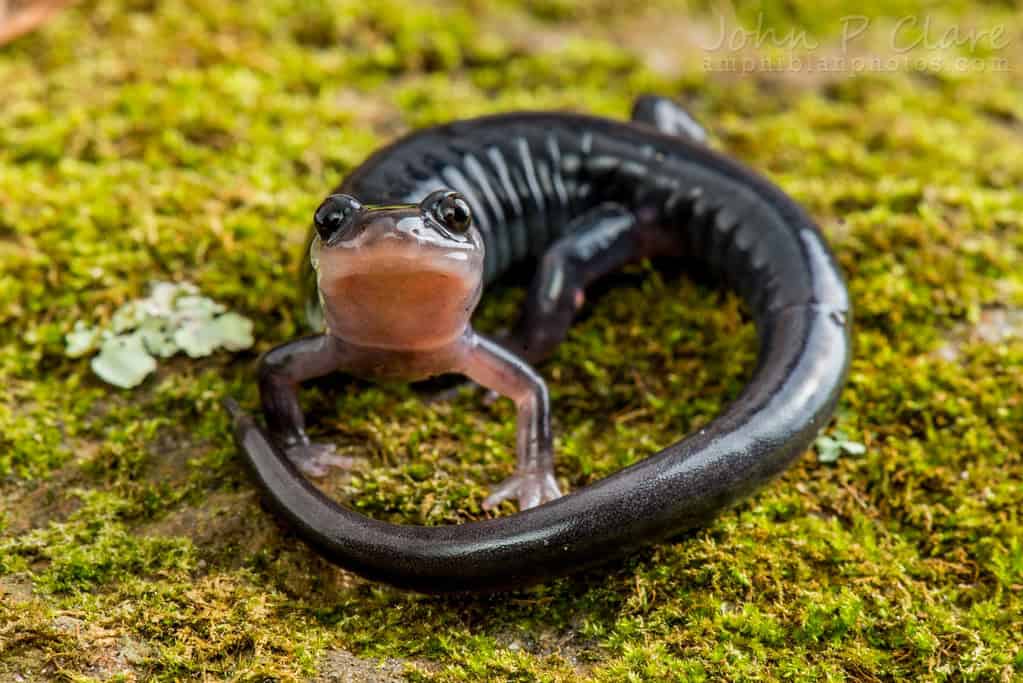
Perhaps one of the most fascinating aspects of Thorius appalachianus is its reproductive biology. Unlike many amphibians that lay numerous eggs in water, this species produces just 2-3 relatively large eggs that are deposited in moist soil or moss. This represents a classic example of a K-selection reproductive strategy, focusing on fewer offspring with better survival chances rather than producing many eggs with high mortality rates. The eggs, which are proportionally enormous compared to the female’s body size, develop directly into miniature versions of the adults, skipping the typical tadpole phase seen in many amphibians. This direct development adaptation eliminates the need for aquatic habitats during the life cycle, allowing the species to thrive in terrestrial environments with only seasonal water sources. Remarkably, the hatchlings emerge at approximately 3.5 millimeters in length—smaller than many single-celled organisms visible to the naked eye.
Ecological Role

Despite its diminutive size, Thorius appalachianus plays a significant role in forest ecosystem function. These tiny salamanders feed primarily on microscopic soil arthropods such as springtails, mites, and the larvae of smaller insects—organisms that are typically too small to be prey for other vertebrates. By controlling these populations, the salamanders influence decomposition rates and nutrient cycling in the forest floor ecosystem. Additionally, they serve as prey for slightly larger invertebrates such as centipedes and certain spiders, forming a crucial link in the forest food web. Their abundance—researchers estimate densities of up to 900 individuals per square meter in optimal habitat—means their ecological impact is substantial despite their individual size. This discovery highlights the importance of even the smallest vertebrates in maintaining healthy forest ecosystems.
Research Challenges
Studying the world’s smallest vertebrate presents extraordinary challenges for scientists. Traditional research methods often prove inadequate for creatures of this scale. Researchers have developed specialized techniques for collecting and observing these salamanders, including modified Berlese funnels that gently extract them from leaf litter samples. Handling specimens requires surgical-grade microsurgery tools and specialized photography equipment. Radio tracking, commonly used for larger animals, is impossible since even the smallest transmitters would outweigh the salamander itself. Instead, scientists have experimented with fluorescent marking and environmental DNA (eDNA) sampling to study population distributions. Additionally, the salamander’s sensitivity to environmental conditions means they cannot be maintained in laboratory settings for extended periods, further complicating research efforts. Despite these obstacles, the scientific community has embraced these challenges, recognizing the importance of understanding such an evolutionary marvel.
Conservation Status
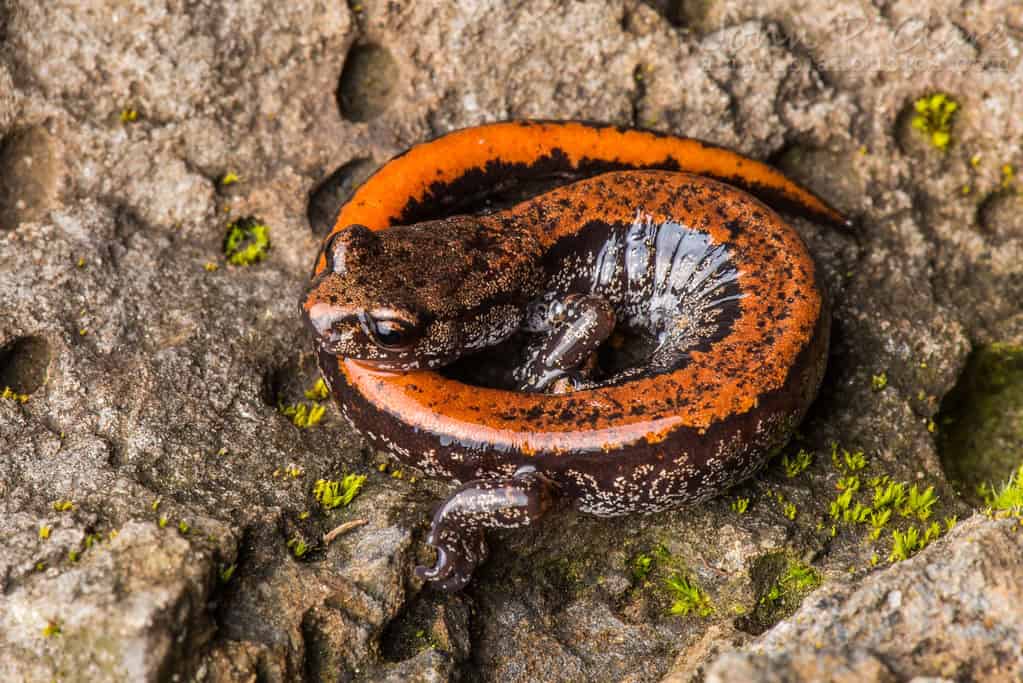
Thorius appalachianus currently faces several significant conservation threats. Its extremely specialized habitat requirements make it particularly vulnerable to environmental changes. Climate change poses perhaps the greatest threat, as even slight alterations in temperature and humidity patterns could prove fatal for these moisture-dependent creatures. Additionally, their limited range within the Appalachian forests makes them vulnerable to habitat fragmentation and destruction from logging, development, and recreational activities. The species has been provisionally classified as “Critically Endangered” according to IUCN Red List criteria, though formal listing is still pending comprehensive population assessments. Conservation efforts are focusing on protecting old-growth forest patches within the salamander’s range and establishing monitoring programs to track population trends. The species’ discovery has already contributed to strengthening protection measures for several forest tracts in the southern Appalachians.
Scientific Implications
The discovery of Thorius appalachianus has significant implications across multiple scientific disciplines. For evolutionary biologists, it provides a remarkable case study in the processes of extreme miniaturization and the adaptive potential of vertebrate body plans. Developmental biologists are interested in understanding how such complex organisms can develop and function at such small scales. For ecologists, it demonstrates that even well-studied ecosystems can harbor undiscovered species, particularly when they occupy specialized microhabitats. The finding also impacts conservation biology by highlighting the potential for undiscovered biodiversity even in relatively well-explored regions of developed countries. Perhaps most significantly, this discovery challenges our understanding of the minimum size requirements for vertebrate life, suggesting that the lower limits may be determined by physiological constraints rather than physical ones. The species has become an important model organism for studying size constraints in biological systems.
Comparison to Other Miniature Vertebrates

While Thorius appalachianus holds the distinction of being the smallest vertebrate discovered in U.S. forests, it’s worth comparing it to other miniature vertebrates worldwide. The Paedophryne frogs of Papua New Guinea previously held the record for smallest vertebrates at around 7.9mm. Among fish, the Paedocypris progenetica from Indonesian swamp forests reaches only 7.9mm at maturity. The smallest reptile is the Brookesia nana chameleon from Madagascar at about 22mm. Among mammals, the Kitti’s hog-nosed bat weighs less than 2 grams with a body length of about 30mm. What makes these extreme miniaturizations particularly fascinating is that they’ve evolved independently across different vertebrate lineages, representing convergent evolution toward similar size constraints. Unlike many of these tropical miniature species, Thorius appalachianus is remarkable for evolving in a temperate ecosystem, demonstrating that extreme miniaturization can occur even in less biodiverse regions than tropical rainforests.
Cultural and Educational Impact

The discovery of the world’s smallest vertebrate in U.S. forests has captured public imagination and generated significant educational opportunities. The salamander has become something of a conservation ambassador, featured in museum exhibits, educational programs, and even a children’s book titled “Tiny but Mighty: The Story of America’s Smallest Salamander.” Schools throughout the Appalachian region have incorporated the species into their science curricula, using it to teach concepts in evolution, adaptation, and biodiversity. Local communities have embraced the tiny salamander as a source of regional pride, with several conservation organizations organizing “micro-safaris” where participants use magnifying equipment to observe the forest floor ecosystem. Perhaps most importantly, the discovery has reinvigorated interest in local biodiversity among younger generations, inspiring a new wave of aspiring naturalists and biologists focused on exploring the microscopic frontier of the natural world.
Conclusion

The discovery of Thorius appalachianus, the world’s smallest vertebrate, in U.S. forests represents a remarkable scientific milestone that challenges our understanding of evolutionary possibilities and biodiversity. This tiny salamander, barely visible to the naked eye, demonstrates nature’s extraordinary capacity for adaptation and specialization, even in ecosystems we thought we understood thoroughly. Its existence reminds us that significant discoveries can occur in our own backyards and that the natural world continues to hold secrets waiting to be uncovered by careful observation and scientific inquiry. As researchers continue to study this miniature marvel, we gain not only valuable scientific knowledge but also a renewed appreciation for the complexity and wonder of life on Earth, from the grandest mammals to the tiniest vertebrates hiding among the forest leaves.

- The World’s Smallest Vertebrate Was Discovered in a U.S. Forest - July 30, 2026
- How Tigers Are Reclaiming Lost Ground in Nepal - July 30, 2026
- The Animal That Drinks Fog - July 30, 2026
Leave a comment
You must be logged in to post a comment.