

Picture yourself driving along a quiet road when suddenly the pavement transforms into a writhing carpet of bright red creatures. Roads close down. Airports pause operations. Traffic comes to a complete standstill. This isn’t science fiction or a natural disaster.
This is nature’s most mind-bending commute. Across our planet, creatures embark on journeys so bizarre they challenge everything we think we know about the animal kingdom. Let’s dive into seven of the most extraordinary migrations that prove truth truly is stranger than fiction.
The Christmas Island Red Crab Highway Takeover
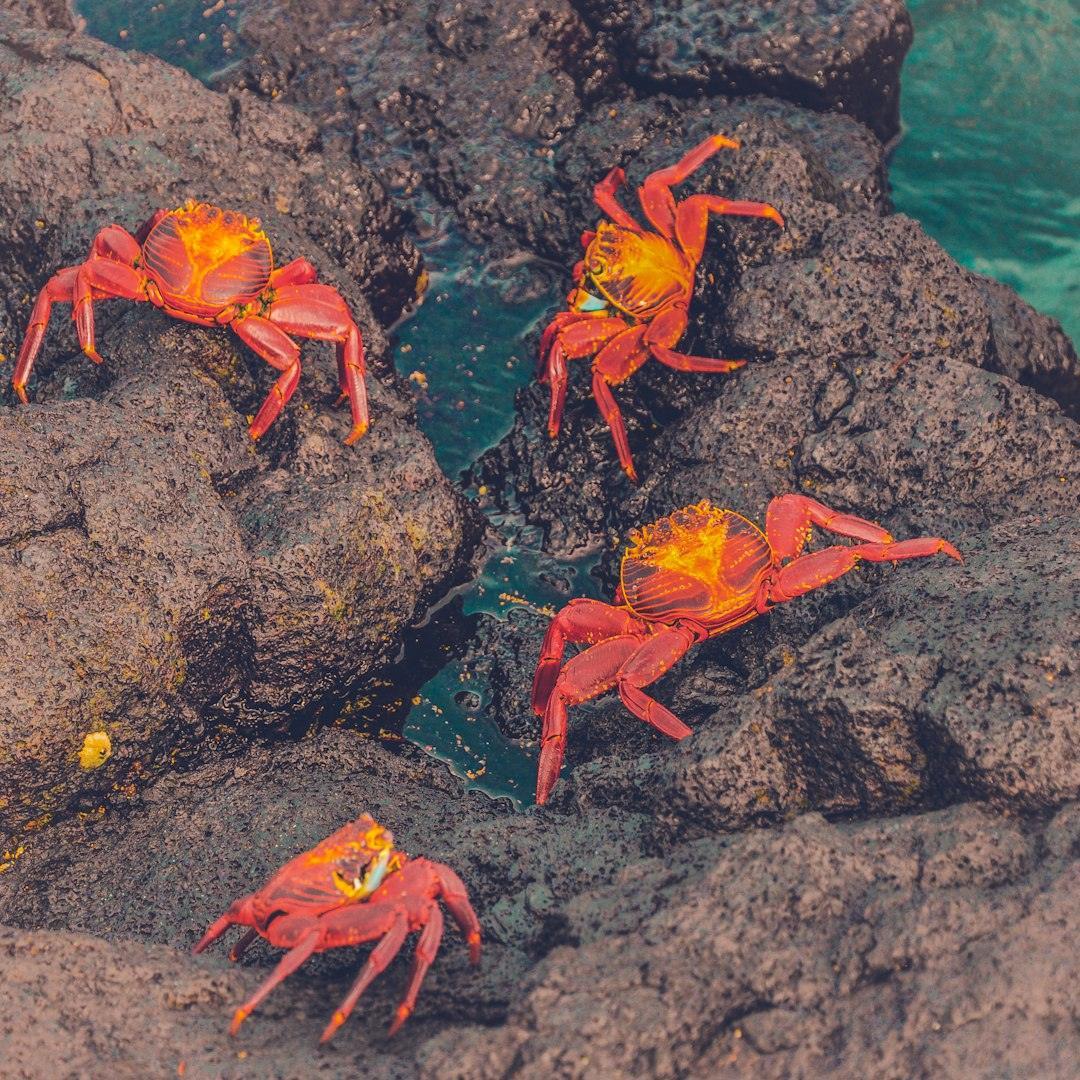
During the annual mass migration to the sea for spawning, millions of crabs emerge at the same time, halting road traffic and thickly carpeting the ground. Imagine your neighborhood streets suddenly swarming with forty to fifty million bright red crabs all marching in perfect synchronization.
Every year on Christmas Island, this spectacular invasion begins with the first rainfall of the wet season. The exact timing and speed of the migration is determined by the phase of the moon. Red crabs always spawn before dawn on a receding high-tide during the last quarter of the moon. Incredibly, they know exactly when to leave their burrows to make this lunar date.
During their annual breeding migration, red crabs will often have to cross several roads to get to their breeding grounds and then back to the forest. As a result, thousands of red crabs are crushed by vehicles and sometimes cause accidents due to their tough exoskeletons which are capable of puncturing tires.
The island’s residents have learned to drive differently during crab season. Other infrastructure to assist the crab migration includes a five-metre-high “crab bridge”. In recent years, the human inhabitants of Christmas Island have become more tolerant and respectful of the crabs during their annual migration and are now more cautious while driving, which helps to minimise crab casualties.
Arctic Terns: The Ultimate Frequent Flyers
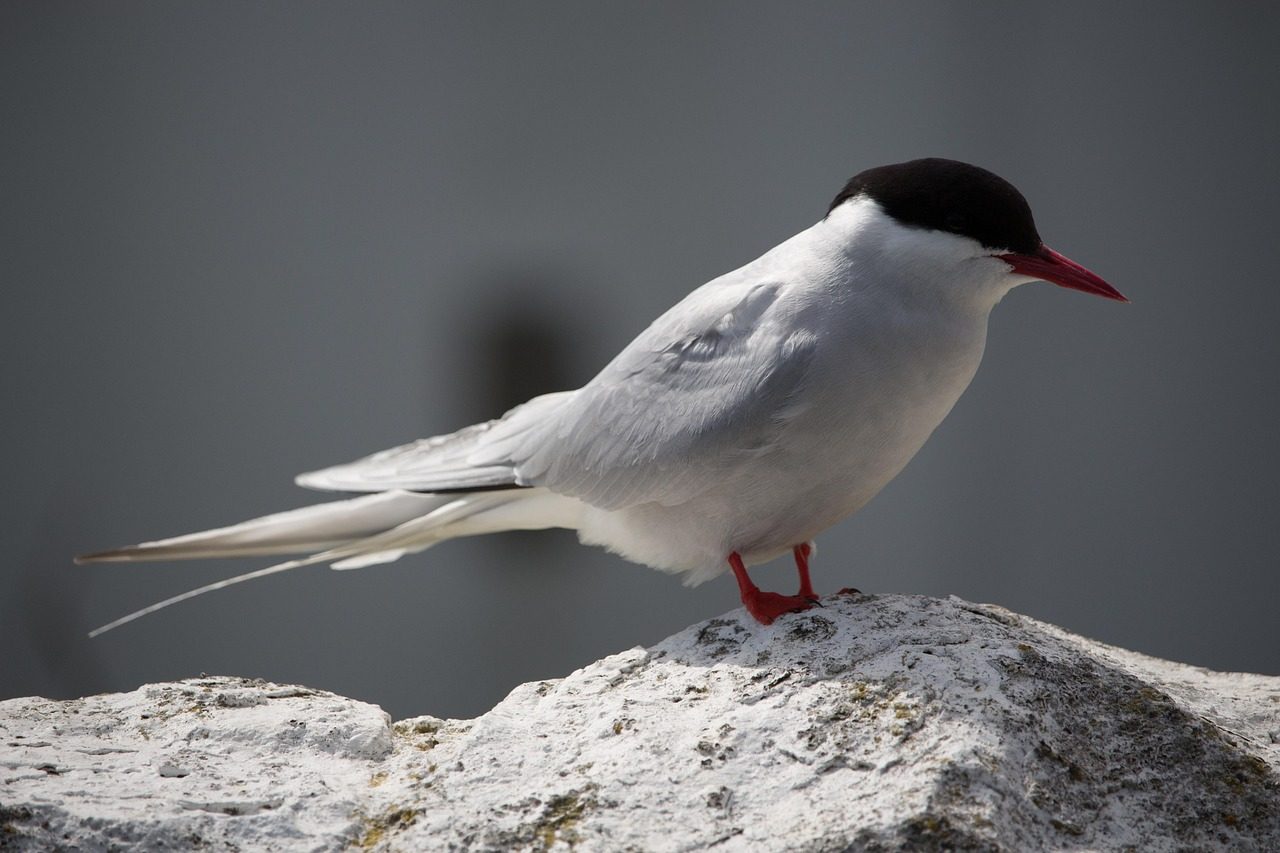
For Arctic terns, it means departing their summer breeding grounds in Greenland to fly all the way to the Weddell Sea on the shores of Antarctica before returning again at the end of the Antarctic “summer” in what is known as the longest migration route of any animal on earth. The birds, which feed on the water while on the wing, don’t even fly direct, taking a 43,000-plus mile (over 70,000km) S-shaped route both ways, a journey thought to amount to three return trips to the moon over the average tern’s 34-year lifespan.
These feathered marathon champions essentially live in eternal summer, chasing daylight from one end of the planet to the other. Think of it as the ultimate seasonal lifestyle.
What makes this journey even more remarkable is that these seabirds weigh less than four ounces yet manage to traverse distances that would challenge modern aircraft. They ride air currents like invisible highways in the sky.
During their lifetime, a single Arctic tern will fly roughly the equivalent distance of going to the moon and back three times. That’s dedication to following the sun.
Monarch Butterflies: The Generational Relay Race
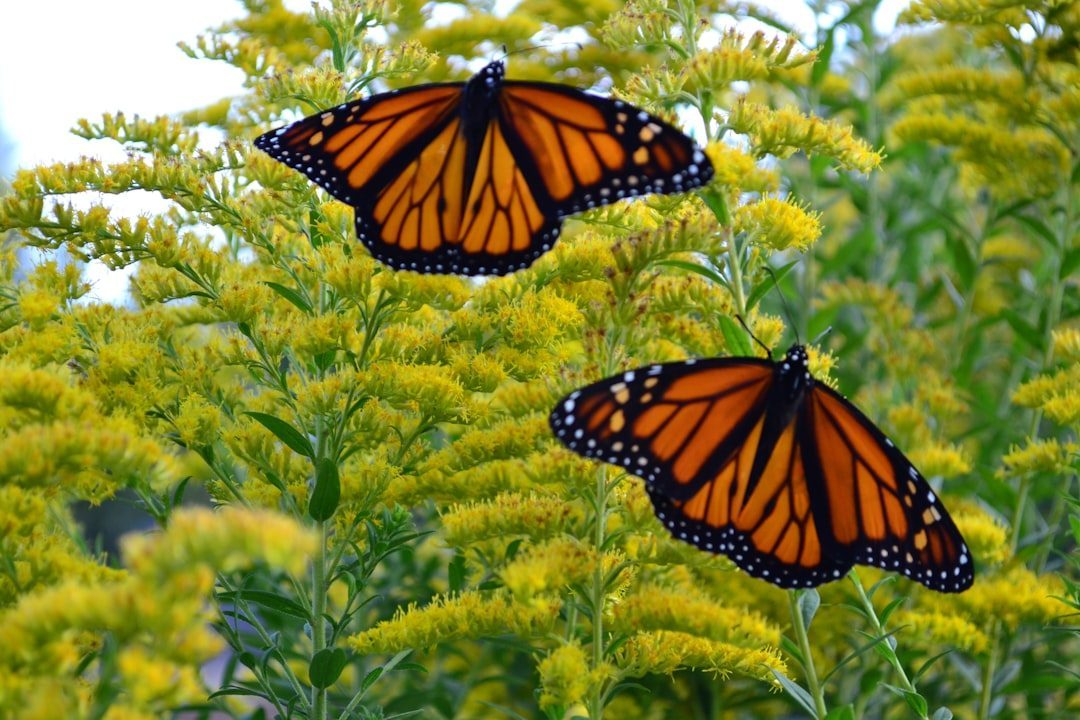
Every September or October, distinctive black-and-gold monarch butterflies begin their mass migration from their southern Canada and eastern US breeding grounds to overwintering sites in central Mexico and California, where they huddle together in trees by the millions. But unlike other animals that perform epic migrations, these individual butterflies will never return. When the insects start to flutter home again around May, females will stop en route to lay eggs. In a few days, the eggs hatch into striped caterpillars and consume vast amounts of milkweed before forming a chrysalis and transforming into adult butterflies. The new butterflies then take to the skies to fly another few hundred miles north before repeating the process for as many as five generations to complete the journey.
Here’s the mind-bending part: no single butterfly completes the entire round trip. It takes three to four generations to reach the northern range, and then an extraordinary “super generation” emerges in late summer. These special monarchs live eight times longer than their parents and grandparents and make the entire southern journey back to Mexico, despite never having been there before. Scientists believe they navigate using a combination of the sun’s position and Earth’s magnetic field, representing one of the most remarkable examples of genetically programmed behavior in the animal kingdom.
Bar-Headed Geese: The High-Altitude Champions
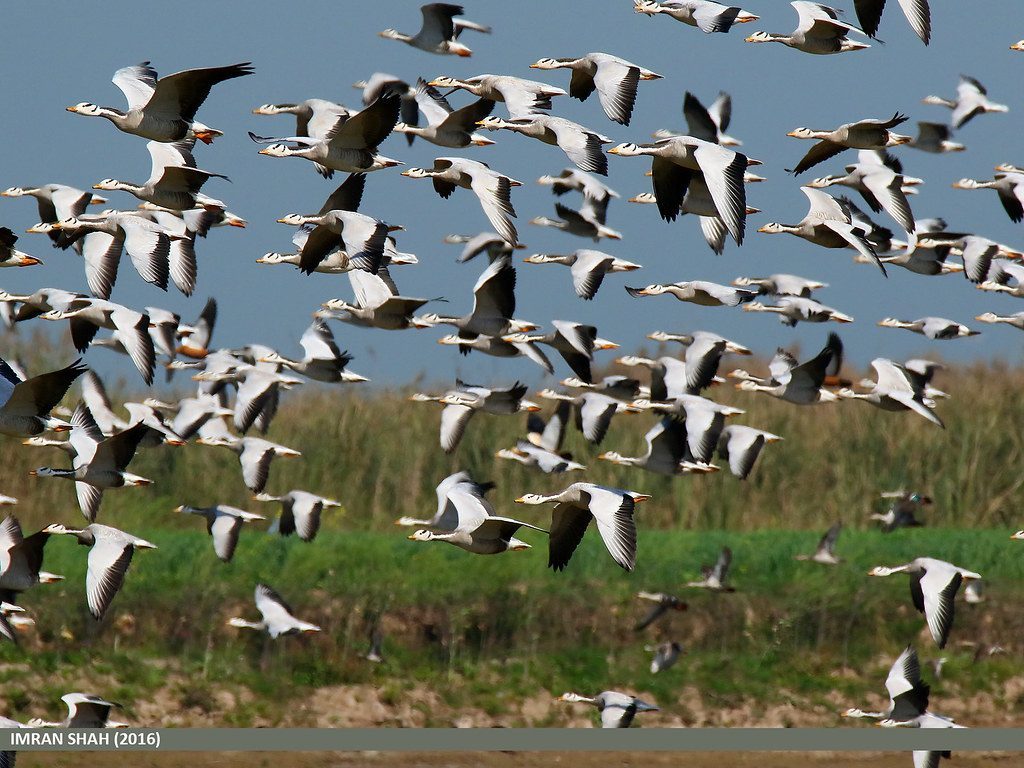
Imagine climbing Mount Everest without oxygen tanks. Now, imagine doing it twice a year. Bar-headed geese make this journey regularly, flying over the Himalayas at heights where the air is so thin that human climbers need supplemental oxygen. These avian athletes have evolved special hemoglobin that allows them to extract oxygen from the thin air with extraordinary efficiency.
These remarkable birds treat the world’s highest mountain range like a minor detour on their commute between breeding grounds in Central Asia and wintering areas in India.
At altitudes where jet engines struggle to function efficiently, these geese cruise along as if they’re flying at sea level. Their blood chemistry has been completely reengineered by evolution to handle extreme conditions.
Mountain climbers spend months acclimatizing to high altitude, yet these geese simply flap their way over peaks that tower above twenty-nine thousand feet like it’s just another day at the office.
Gray Whales: The Marine Marathon
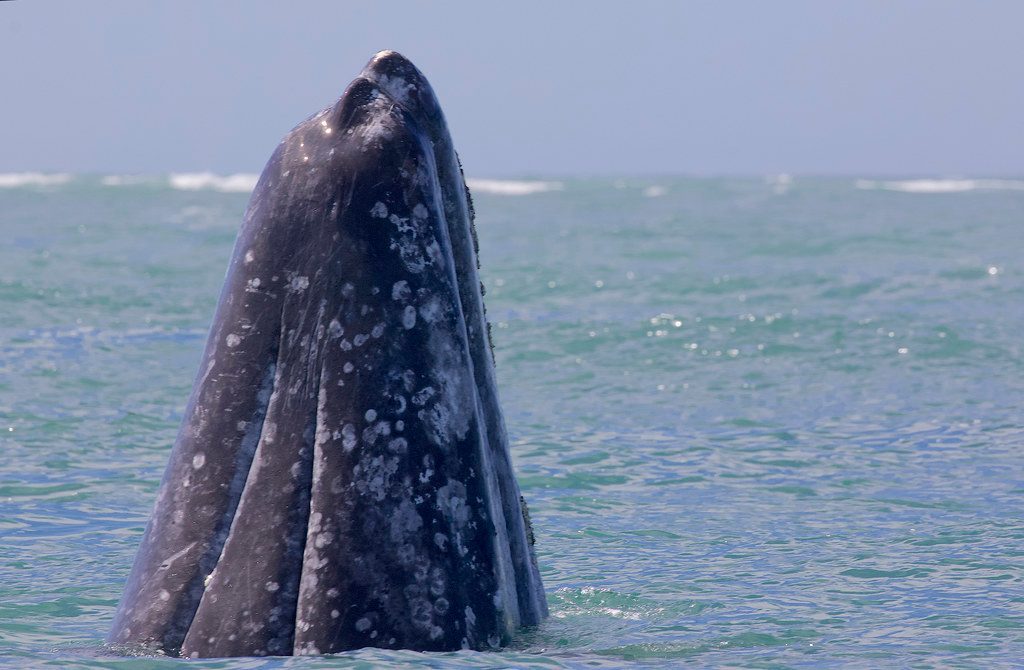
Gray whales are thought to perform the longest of all mammals, approximately 19,300km (12,000 miles) annually from the northern Bering and Chukchi Seas of the Arctic (where they feed) to the warm-water lagoons of Baja California where they give birth to their calves and mate. A much smaller population of gray whales – about 200 to 300 individuals – migrates along the coast of Asia to the seas off Japan, China and occasionally as far south as Vietnam.
These ocean giants undertake what amounts to swimming from Alaska to Mexico and back every single year. Imagine if your daily commute involved crossing multiple countries.
The most remarkable aspect isn’t just the distance. During their migration, these whales fast for months, relying on their blubber reserves for energy.
These whales essentially fast for months while swimming distances equivalent to circumnavigating the United States. Talk about commitment to family planning.
Globe Skimmer Dragonflies: The Oceanic Island Hoppers
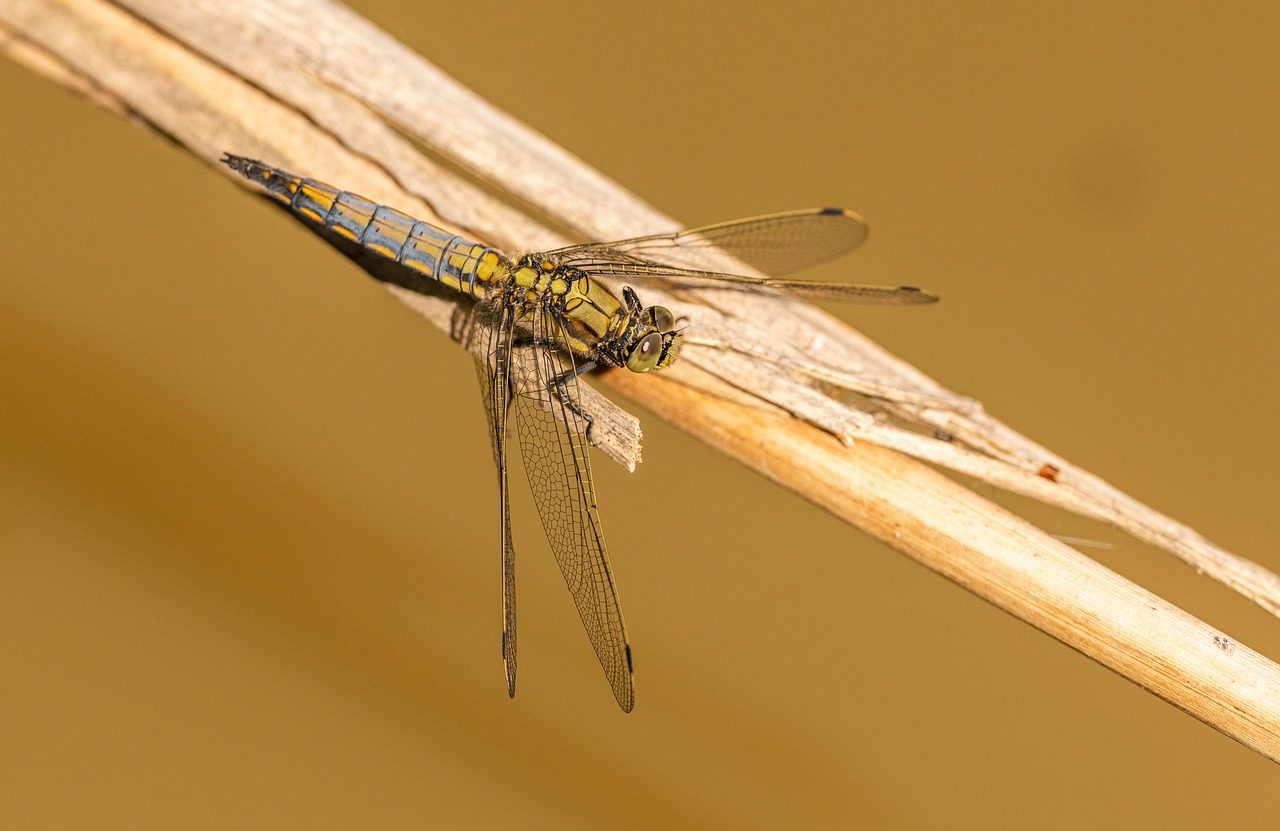
Birds aren’t the only winged creatures capable of migrating great distances. In 2009, biologist Charles Anderson deduced that millions of dragonflies – mostly wandering gliders – undertake a 8,700- to 11,000-mile round-trip journey from India to East Africa, with key refueling stops in the Maldives and Seychelles (That’s about twice as long as the famed monarch migration in North America.) Anderson monitored when swarms of dragonflies were arriving and departing from multiple locations along the route to build his hypothesis. Three years later, Anderson revealed that the wandering glider’s migration might even include a high-altitude traverse over the Himalayas.
Just like with monarchs, no single wandering glider (also aptly called the “globe skimmer”) completes the long journey on its own. Instead, it flies as part of a relay race; each generation completes a designated leg, lays its eggs, and then dies.
Picture insects no bigger than your thumb crossing the entire Indian Ocean. They navigate using tiny island chains as stepping stones, somehow finding specks of land in the vast blue expanse.
“The very broad hind wings probably contribute to its ability to glide on air currents and stay airborne for days at a time,” Kenn Kaufman, Audubon’s field editor, says of this globally widespread species, which he sees regularly in his Ohio backyard.
African Straw-Coloured Fruit Bats: The Sky-Darkening Swarm
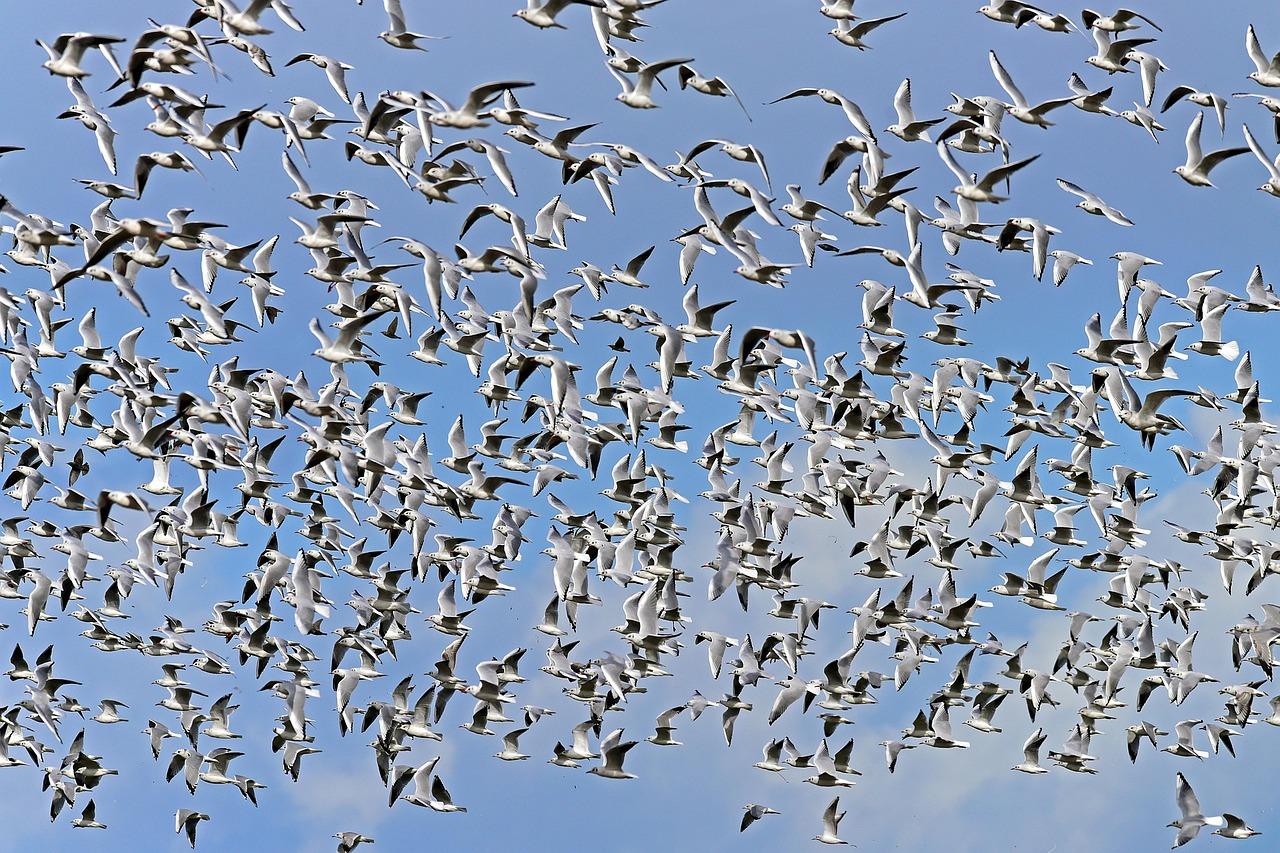
The world’s most populous mammal migration by just a few MILLION is that of straw-coloured fruit bats in Zambia. The world’s biggest mammal migration numerically is the annual migration of African straw-coloured fruit bats to Zambia. Every year around October up to ten million fruit bats fly south from the forests of equatorial Africa to converge in Zambia’s Kasanka National Park. They come to hang out (pun intended) till December, spending their time eating the pods of the mahogany, musuku, mufinsa and milkwood tees in the park’s swamp forest.
When ten million bats take flight simultaneously, they literally darken the sky like a living storm cloud. The sound alone is unforgettable – a thunderous whooshing that can be heard from miles away.
During their brief two-month stay, they consume vast quantities of fruit and disperse millions of seeds across the landscape, making them crucial ecosystem engineers. Despite their ecological importance, these bats face significant threats from habitat loss and hunting. The spectacle of millions of fruit bats darkening the evening sky represents one of Africa’s least-known but most impressive wildlife migrations, vital for maintaining forest health across the continent.
These flying mammals transform entire ecosystems simply by showing up to eat. They’re like nature’s most efficient reforestation team, working the night shift.
Conclusion: Nature’s Incredible Journey Continues
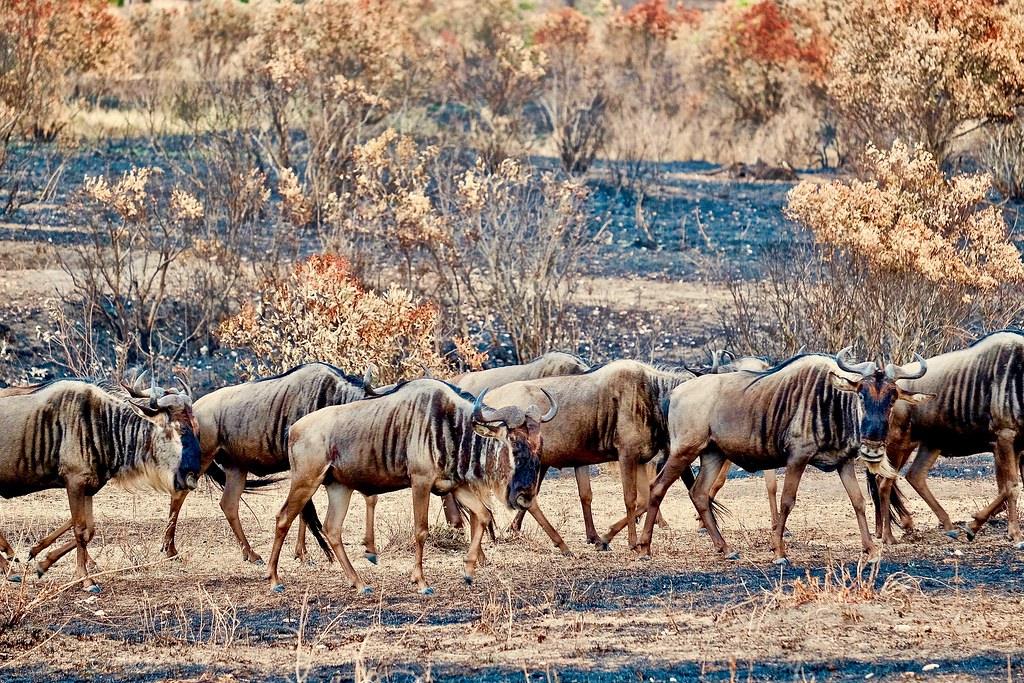
These extraordinary journeys remind us that nature’s ingenuity knows no bounds. From the depths of the ocean to the highest mountains, animals have developed migration strategies that continue to surprise and delight scientists and nature enthusiasts alike. As our world changes, many of these remarkable travelers face new challenges, but their adaptability gives hope that they’ll find new ways to keep their ancient traditions alive.
These incredible migrations prove that the natural world still holds mysteries that can leave us speechless. From crabs timing their movements to lunar cycles to butterflies navigating using genetic memories they’ve never experienced, nature continues to challenge our understanding of what’s possible.
Next time you’re stuck in traffic complaining about your commute, remember the Arctic tern flying to Antarctica or the Christmas Island crabs shutting down entire roads. What’s your most unforgettable animal encounter been? Share your wildest wildlife story in the comments below.
