
Have you ever imagined what it would be like to taste music or see someone’s voice as a splash of crimson? It sounds like science fiction. Yet for certain creatures across the animal kingdom, crossing sensory boundaries isn’t just possible – it’s how they survive.
Multisensory integration allows animals to perceive a world of coherent perceptual entities, letting them navigate environments that would otherwise remain incomprehensible. We’re talking about abilities that blur the lines between what we consider separate senses. This isn’t about having better vision or sharper hearing. It’s about merging sensory streams in ways that fundamentally reshape how reality is experienced.
Bats Transform Sound Into Spatial Vision
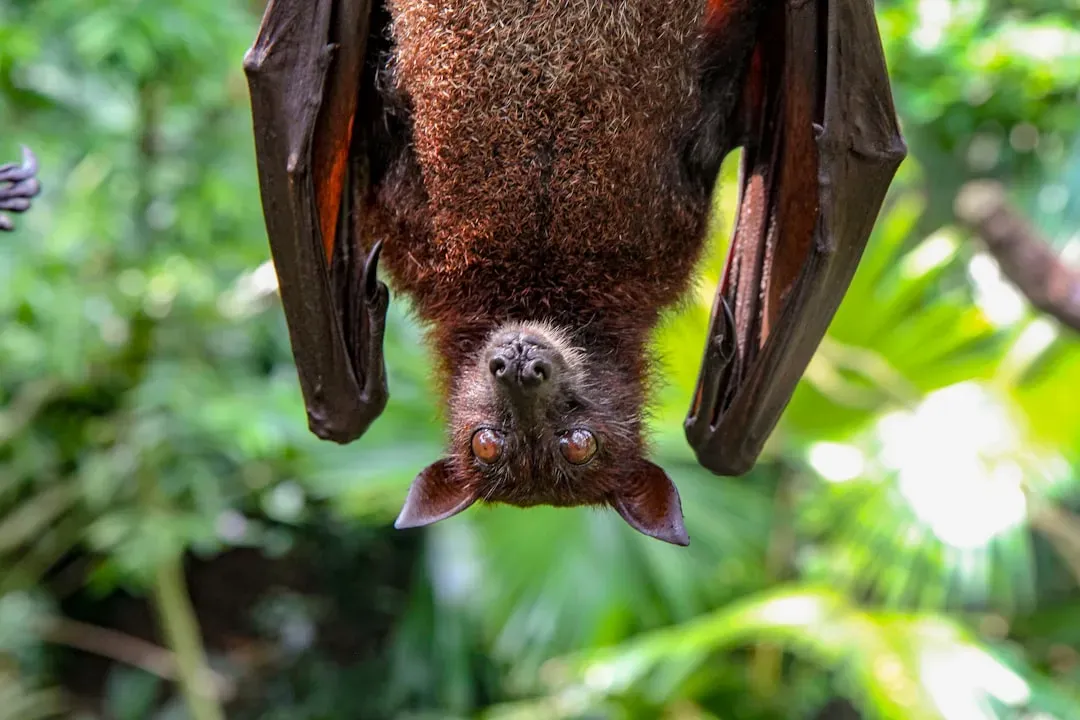
Bats navigate complex environments in complete darkness with remarkable precision, and while they use biosonar known as echolocation to map their surroundings, how they process thousands of overlapping echoes in real time when navigating complex habitats like forests has long remained a mystery. Think about that for a moment. Thousands of echoes arriving simultaneously, each containing spatial information, and somehow the bat’s brain weaves them into a coherent picture.
Bats can detect an insect up to 5 meters away, work out its size and hardness, and can also avoid wires as fine as human hairs, cranking up their calls to pinpoint the prey as they close in for the kill. What’s fascinating is that this isn’t just hearing in the traditional sense. Bat sensory integration means echolocation provides spatial detail while vision aids obstacle detection and navigation, with combined senses improving hunting success in cluttered environments.
Honestly, it’s hard to wrap your head around experiencing space through sound waves. Their world is painted in acoustic textures rather than colors. Every echo carries information about distance, shape, texture, and movement, creating what might be the closest thing to “hearing vision” in nature.
Dolphins Create Three-Dimensional Sound Pictures
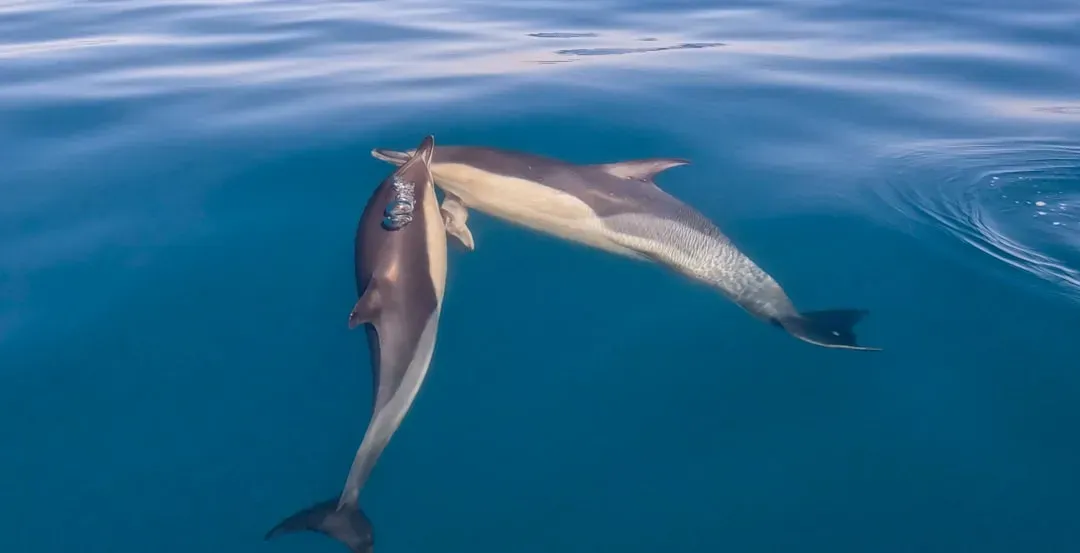
Dolphins are so good at echolocation that they can distinguish between different objects based on size, shape, and material even up to a difference of only 0.6 millimeters, and even recognize an object visually on a TV screen after using echolocation to find it without ever having seen it. Let that sink in – they can identify something they’ve only “heard” when they later see it on a screen.
When dolphins echolocate, they produce rapid sequences of high-frequency clicks using structures in their nasal passages. Research attempting to create visual images of what dolphins see using echolocation suggests that dolphins can create a 3D picture of a human diver so detailed that they can even make out the diver’s weight belt all using only sound. It’s like having X-ray vision, but made from acoustics instead of electromagnetic radiation.
The findings suggest that dolphin echolocation is more like touching with sound than seeing with sound. This blurs yet another sensory boundary. They’re essentially feeling objects from a distance, using pressure waves as invisible fingers that reach out and probe every surface they encounter.
Weakly Electric Fish Merge Vision and Electricity
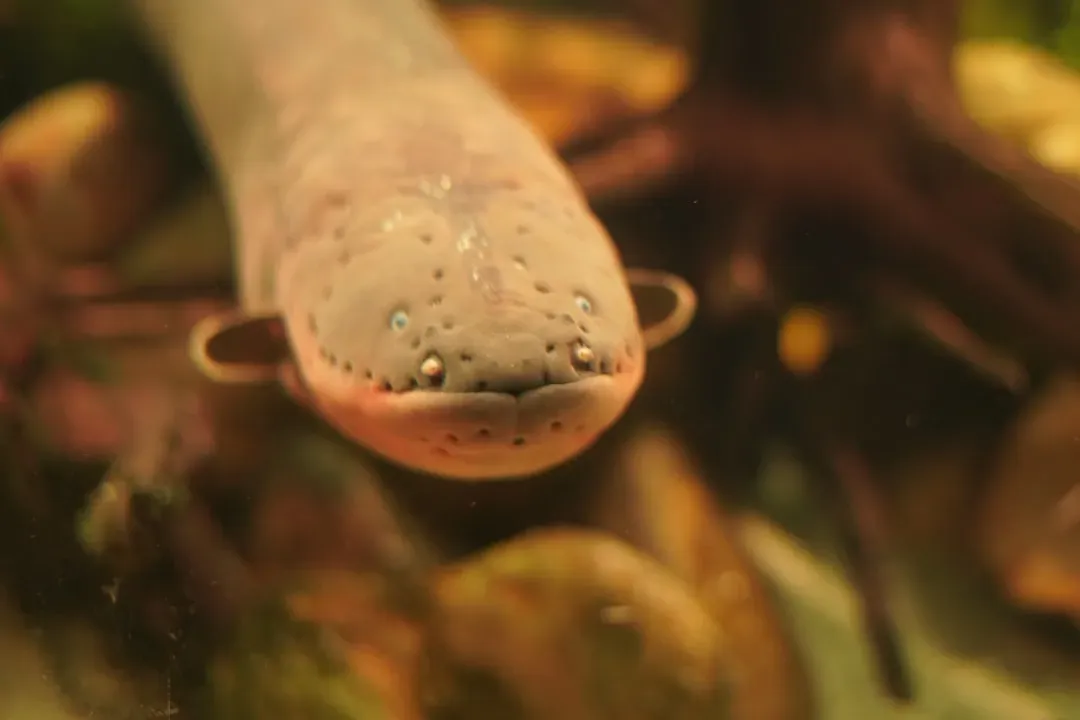
The weakly electric fish Gnathonemus petersii is capable of performing spontaneous cross-modal object recognition, and fish trained to discriminate between two objects with either vision or the active electric sense were subsequently able to accomplish the task using only the untrained sense. This is a big deal because it demonstrates that a creature without a cerebral cortex can achieve what was once thought to be a uniquely mammalian ability.
Cross-modal object recognition is influenced by a dynamic weighting of the sensory inputs. What this means is that these fish constantly adjust which sense they trust more depending on the situation. In murky water? Rely more on electric fields. In clear conditions? Trust vision more. It’s an ongoing negotiation happening beneath conscious awareness.
The implications are profound. These fish don’t just have two separate senses. They’ve integrated them so thoroughly that an object learned through electricity becomes instantly recognizable through vision. The boundaries between senses have dissolved into something unified and fluid.
Their brains are creating unified representations of objects that transcend any single sensory modality.
Zebrafish Link Smell to Enhanced Vision
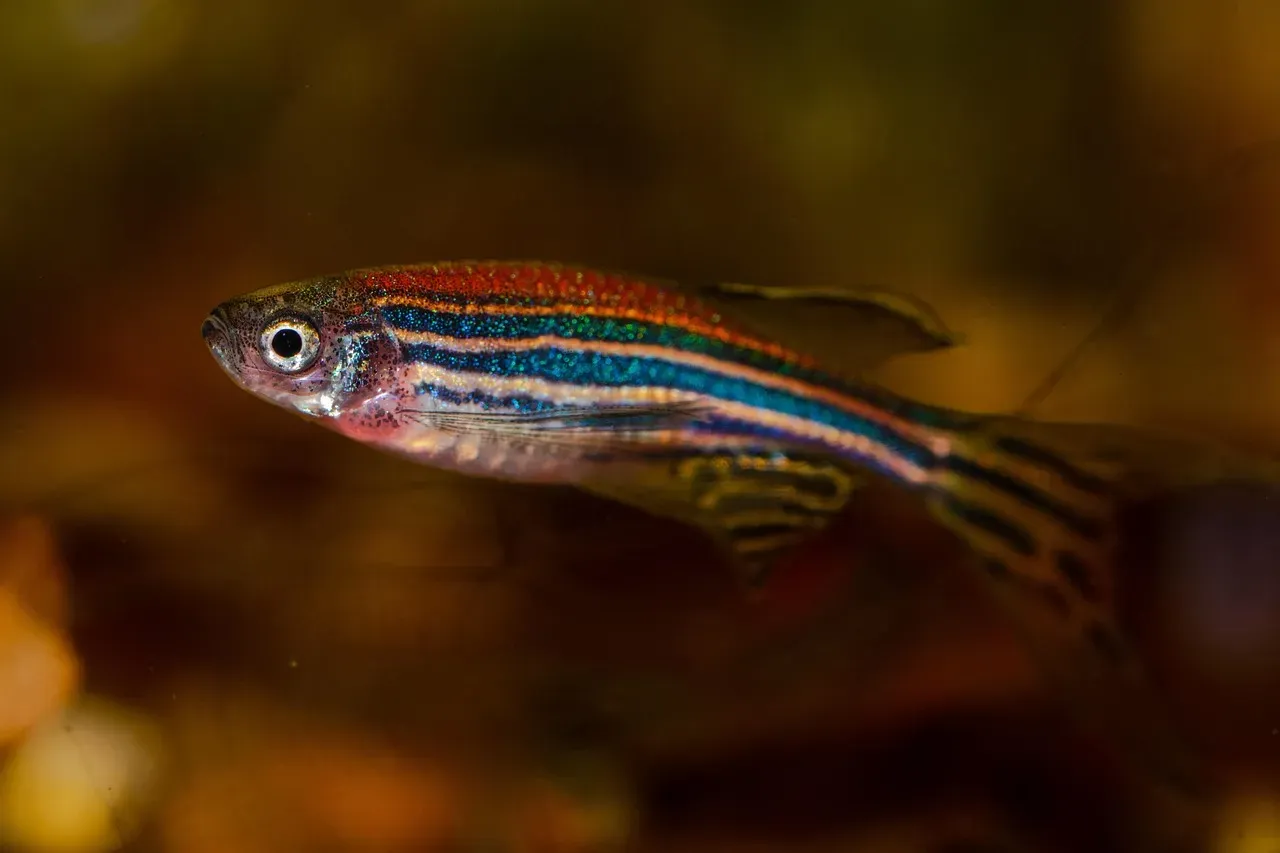
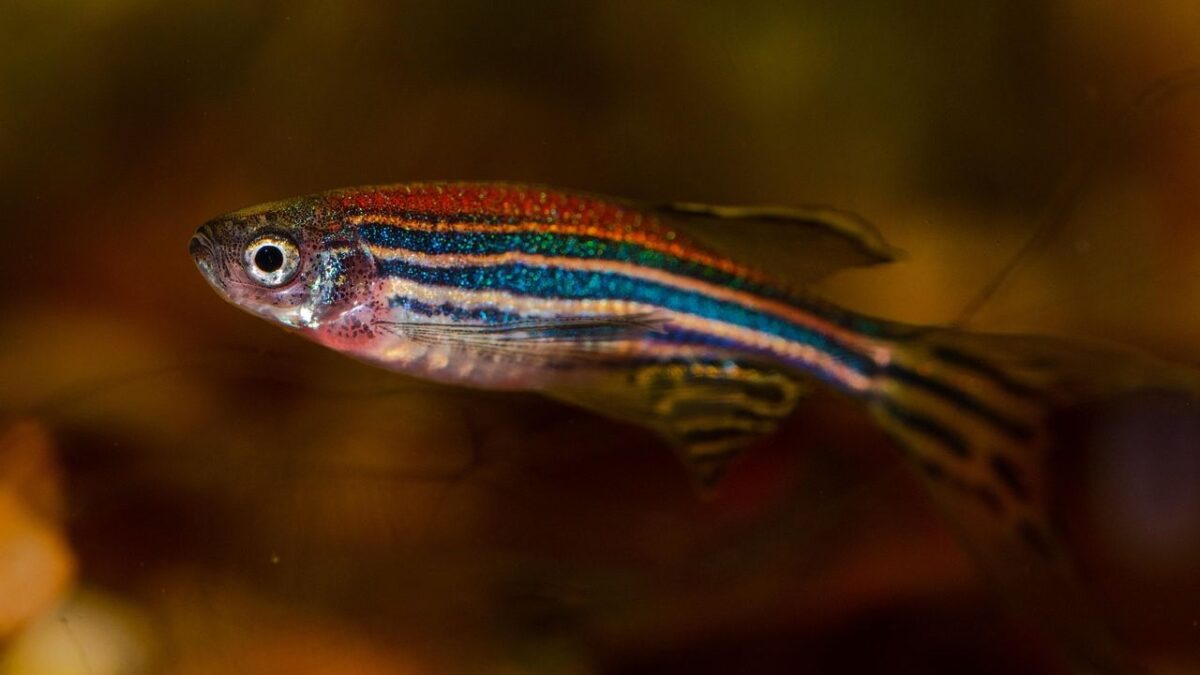
In zebrafish, cross-modal sensory integration occurs between the olfactory and visual systems. Here’s where it gets interesting. When tested, visual sensitivity increases in response to olfactory stimulation with amino acids, meaning that smelling certain chemicals actually makes them see better.
This isn’t just a coincidence or a side effect. It’s an integrated system where one sense actively modulates another. The presence of food chemicals in the water doesn’t just tell the zebrafish that dinner is nearby – it literally sharpens their vision to help them locate it.
Let’s be real: this challenges our neat categories of separate senses. The zebrafish brain treats smell and sight as interconnected channels that should influence each other. When amino acids hit the olfactory receptors, signals travel to the visual system and dial up sensitivity. It’s sophisticated biological engineering that most of us never think about.
The olfactory stimulation essentially prepares the visual system for the task ahead. Think of it as biological anticipation – the brain predicting what information will be needed next and preemptively adjusting.
Fruit Flies Bind Odors and Colors Into Memory
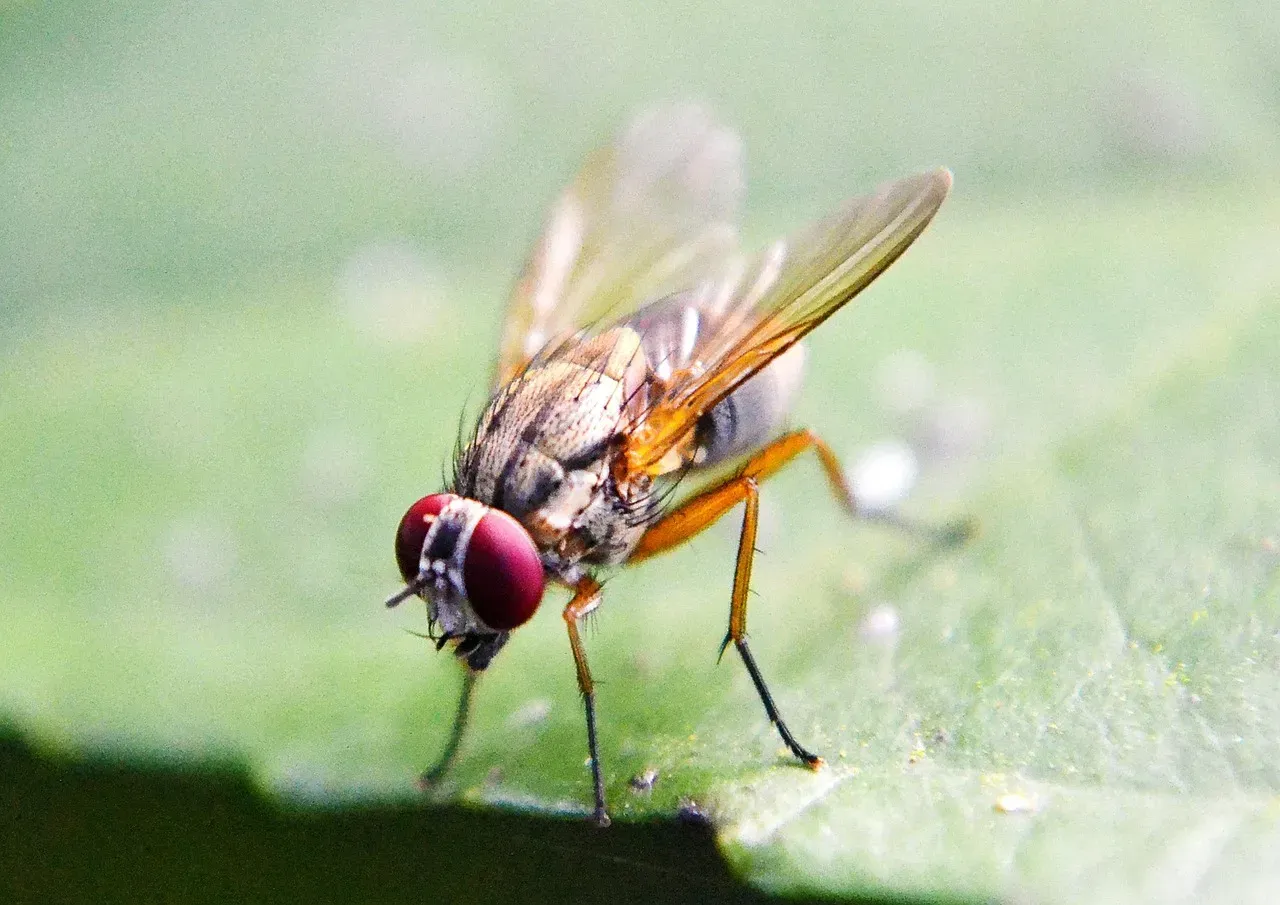
Drosophila demonstrates multisensory appetitive and aversive memory, and combining colours and odours improved memory performance, even when each sensory modality was tested alone. This is pattern completion at work – like how a whiff of perfume can instantly transport you to a specific memory, complete with visual details.
Voltage imaging in head-fixed flies showed that multisensory learning binds activity between streams of modality-specific neurons so that unimodal sensory input generates a multimodal neuronal response. In simpler terms, after learning that a certain color and odor go together, seeing just the color activates both the visual and smell circuits. The fly’s brain has wired them together.
Trained flies can evoke a memory of a visual experience with the learned odour, and memory of an odour with the learned colour. Each sensory feature becomes a doorway to the complete experience. This is remarkably similar to human memory, where a single cue can unlock an entire scene.
What’s happening inside the fly brain is a kind of sensory democracy. Vision and smell are no longer separate information streams – they’re partners sharing representations.
Bottlenose Dolphins Recognize Identity Through Taste and Sound

Dolphins can identify others by taste alone and link those inputs to vocal cues to form multimodal, labeled concepts. This means a dolphin can taste a tiny bit of urine in the water, immediately know which individual it came from, and connect that to the signature whistle of that dolphin.
Cross-modal recognition requires the integration of information received via different sensory pathways, possibly facilitated by a kind of mental model of the perceived entity. The dolphin isn’t just reacting to stimuli. It’s maintaining a mental representation – a concept – of each individual that includes taste, sound, and probably vision as well.
This is conceptual thinking revealed through sensory integration. Each dolphin has a mental file on their pod mates that transcends any single sense. The taste triggers the concept, which then activates the expected vocal signature. It’s like having a directory in your brain where entries are indexed by multiple sensory keys.
I think this raises questions about consciousness and identity recognition that we’re only beginning to explore. When a dolphin recognizes another through taste and predicts their voice, what exactly is happening subjectively?
Crows Match Voices to Faces Across Modalities
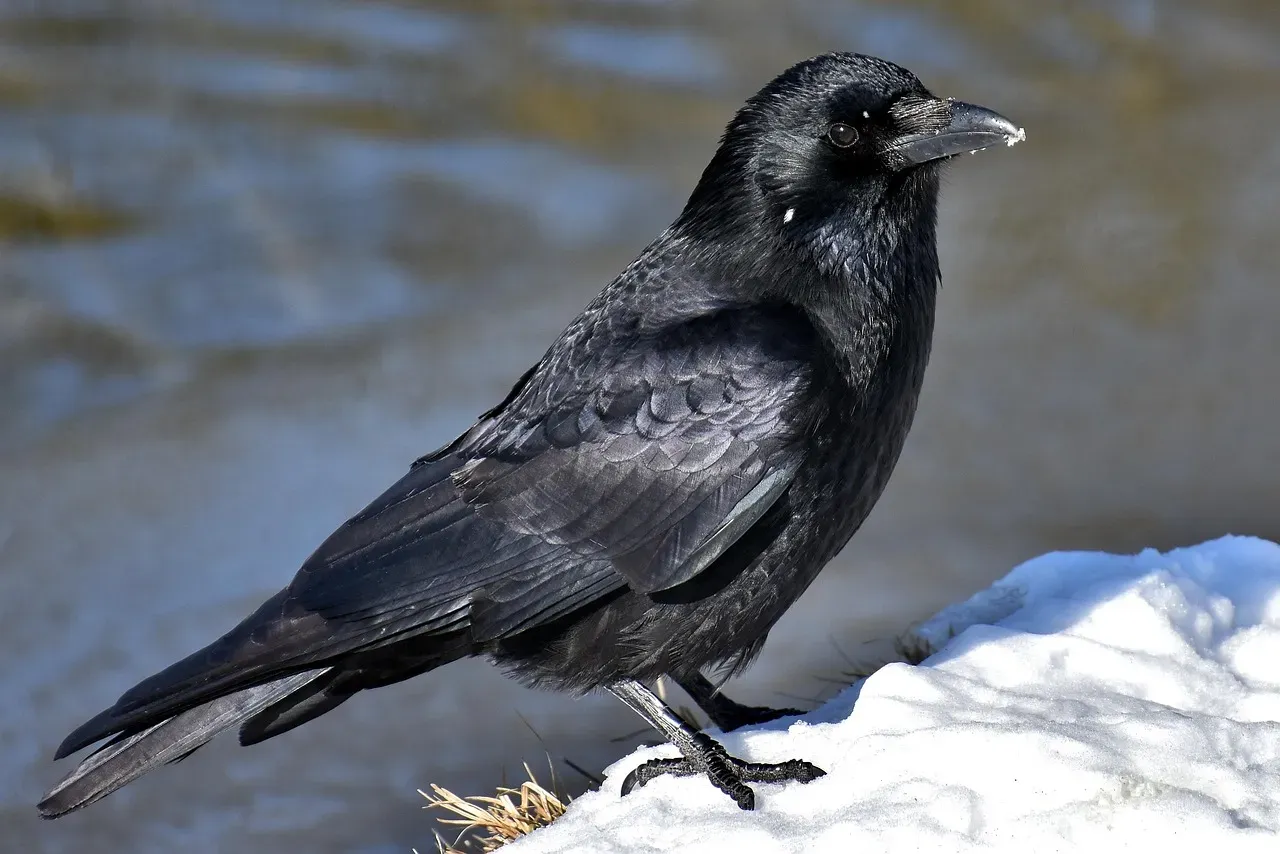
Crows cross-modally recognize group members but not non-group members. They’ve built mental profiles of their social network that link what someone looks like with how they sound. This selectivity is telling – it’s not a general ability but a targeted one reserved for socially relevant individuals.
Birds have relatively small brains compared to mammals, yet they’ve independently evolved sophisticated cognitive abilities including cross-modal recognition. Evolution has arrived at similar solutions through different pathways. The neural hardware looks different, but the functional outcome is remarkably similar.
Crows combine auditory and visual information about individuals to form unified representations. When they hear a familiar crow’s call, they expect a specific visual appearance. When those expectations are violated, they notice.
This ability probably evolved to navigate complex social hierarchies where recognizing allies and rivals quickly provides survival advantages. Whether you hear them first or see them first, you need immediate identification.
Domestic Horses Link Faces to Vocalizations
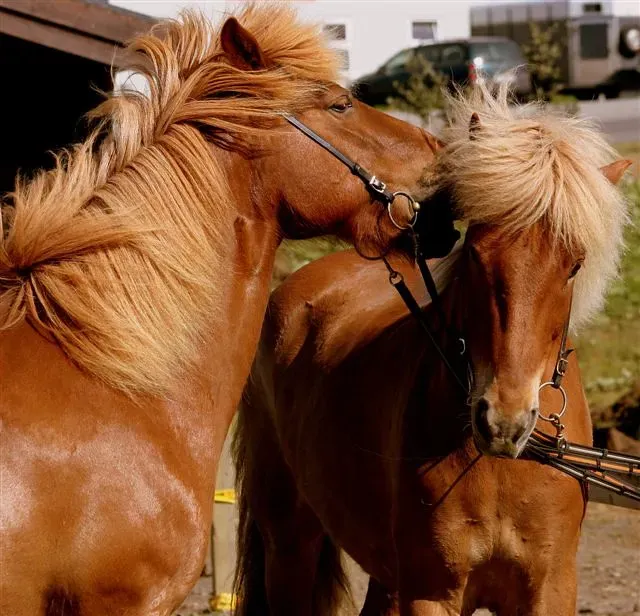
Cross-modal individual recognition exists in domestic horses. Horses can match a whinny to the correct horse face, demonstrating that they maintain mental representations of herd members that integrate sight and sound.
This makes perfect sense for a prey animal living in social groups. Quick identification of who’s approaching – friend or potential threat – could mean the difference between staying calm and bolting. Multi-sensory recognition provides redundancy and speed.
Horses don’t need to see the whole animal to know who it is. A voice from behind a barrier immediately activates their mental representation including visual features. The senses inform each other continuously, creating a richer, more reliable perception than either could alone.
Social animals across many lineages have independently evolved this ability, suggesting that integrating sensory information about individuals provides powerful adaptive advantages in group living scenarios.
Dogs Cross-Modally Perceive Body Size

Cross modal perception of body size exists in domestic dogs. When dogs hear a growl, they form expectations about the size of the dog who made it – and they’re surprised when a small dog makes a big-dog growl or vice versa. Sound creates a visual expectation.
This is another example of the brain making predictions based on learned associations. Deeper, louder sounds typically come from larger animals. Dogs have learned this correlation so well that violations trigger surprise and reassessment.
Large objects make bigger and louder sounds on impact than smaller ones, and higher pitches are associated with smaller animals, with pairings between pitch and size based on the individual’s prior knowledge that these cross-modal associations go together in the natural environment. This isn’t arbitrary – it’s grounded in physics. Evolution has tuned perceptual systems to track reliable correlations in the physical world.
The interesting thing is that this shows how different senses feed into unified perceptions of objects or beings. Size isn’t purely visual or purely auditory – it’s a multisensory concept reconstructed from whatever information is available.
Tortoises Associate Sounds With Shapes

Reptiles demonstrate spontaneous associations between two different sensory modalities, with tortoises associating low sounds with large shapes and high pitch with different forms. This wasn’t trained behavior. The tortoises naturally expected that deeper sounds should correspond to bigger shapes.
These associations mirror what we find across the animal kingdom and even in humans. There’s something about how brains process information that links certain auditory features with certain visual features. Perhaps it reflects fundamental properties of how physical events generate multisensory signatures.
Even reptiles, whose brains are quite different from mammalian brains, show these cross-modal correspondences. This suggests the phenomenon is ancient, preserved across hundreds of millions of years of evolution, and potentially rooted in basic principles of neural processing.
Tortoises aren’t known for cognitive sophistication, yet here they are intuitively matching sounds to shapes in predictable ways. It makes you wonder how deep these sensory connections really go.
Star-Nosed Moles Fuse Touch and Echolocation
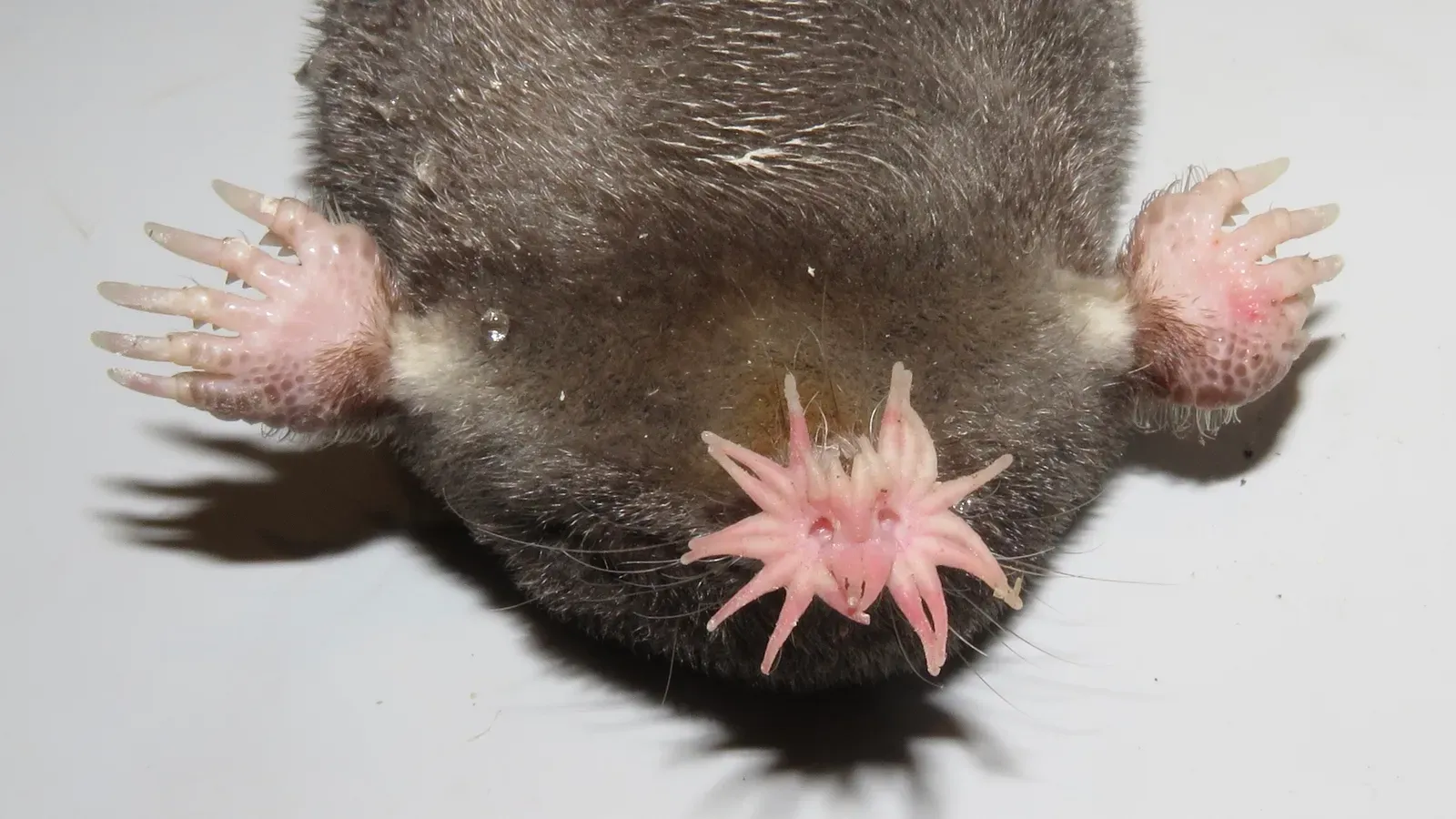
Star-nosed moles combine touch and echolocation, processing information in under 100 milliseconds to identify prey. That’s almost unbelievably fast – faster than a blink. Their bizarre nose with its ring of fleshy appendages is actually an incredibly dense array of touch receptors, one of the most sensitive organs in the animal kingdom.
They also produce ultrasonic sounds and may use the returning echoes to supplement their tactile exploration, though this is still being studied. Either way, multiple sensory streams are being processed in parallel and integrated nearly instantaneously.
This fusion maximizes efficiency in low-visibility environments. When you live underground in darkness and hunt tiny prey in mud, you can’t afford to be picky about sensory modalities. You use everything available and combine it all for maximum speed and accuracy.
It’s hard to say for sure, but their perception of a worm might be simultaneously tactile and acoustic, with no clear boundary between feeling and hearing. The mole’s world is one of texture, pressure, and sound waves blending seamlessly.
Electric Fish Integrate Electroreception With Other Senses
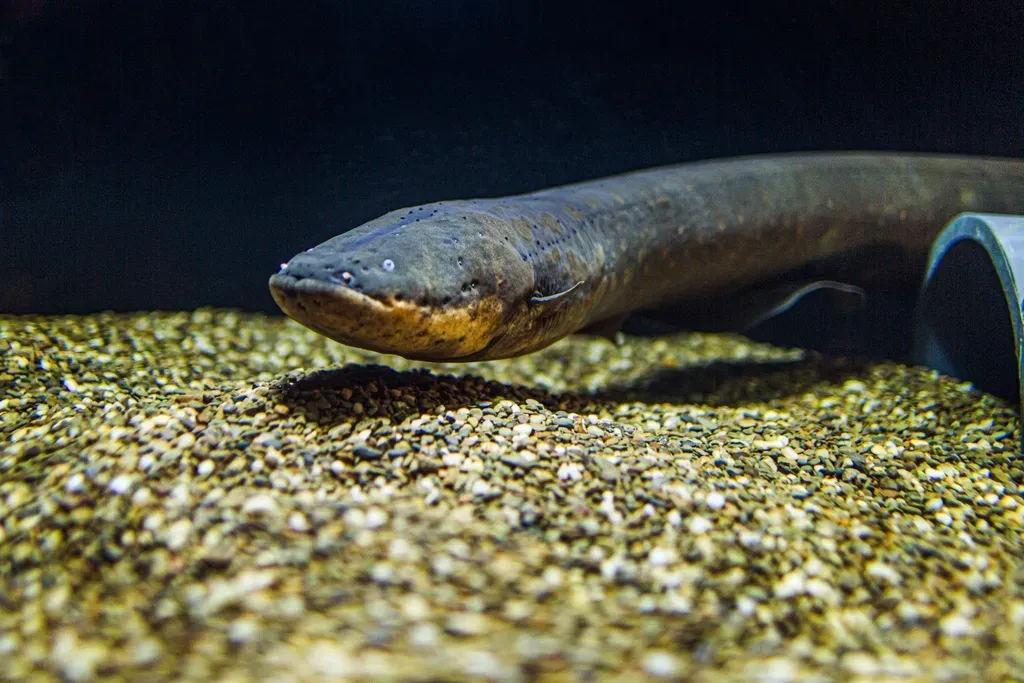
Shark sensory fusion involves electroreception, smell, and lateral line mechanoreception working together during predation, with electrical sensing revealing precise prey location through muscle contractions. Sharks and certain fish can detect the weak electric fields generated by muscle activity and heartbeats, a sense completely alien to humans.
This electric sense doesn’t operate in isolation. It works alongside smell, which detects blood and prey from long distances, and the lateral line system, which tracks water pressure changes. Survival depends on the right sensory combination, not the strongest single sense.
What’s happening is dynamic sensory weighting. In one moment, smell might dominate as the shark follows a scent trail. As it closes in, electroreception takes over, guiding the final strike toward the bioelectric signature of prey buried in sand or hiding in darkness. Each sense contributes its strength when conditions favor it.
This is multisensory integration at its most pragmatic. Evolution doesn’t care about sensory purity – it cares about catching dinner.
The Tiny Nematode Worm Integrates Multiple Inputs

Despite having just 60 sensory neurons, C. elegans exhibits an array of highly sensitive sensory modalities and displays diverse paradigms of multisensory integration, with paradigms divided into exposing the worm to two sensory modalities of opposing valence to study decision-making, or examining how behavior evoked by one stimulus is altered by a second stimulus. This microscopic worm has one of the simplest nervous systems on Earth, yet it still finds multisensory integration essential.
If a creature with only 302 total neurons needs to integrate sensory information, it tells us something fundamental about nervous systems. Integration isn’t a luxury of complex brains – it’s a basic operating principle that appears even in the simplest neural architectures.
All the paradigms found in C. elegans seem to be consistent in that multisensory integration can change perception. One sense modulates how another sense is interpreted. The presence of food odors changes how the worm responds to touch, for instance.
This demonstrates that sensory boundaries are permeable at every level of nervous system complexity. From worms to whales, brains are designed to let senses communicate and influence each other.
Conclusion: Perception Beyond Boundaries
What we call “senses” are really just convenient categories we impose on continuous, interacting neural processes. Multisensory integration is central to adaptive behavior because it allows animals to perceive a world of coherent perceptual entities. Without it, the world would be a confusing jumble of disconnected sensations.
From bats painting spatial pictures with sound to dolphins recognizing individuals through taste and voice, the natural world is full of creatures whose perceptual experiences blend sensory boundaries we think of as fixed. These aren’t rare anomalies. They’re glimpses into how perception actually works – as an integrated whole rather than isolated channels.
For both humans and other animals, the ability to combine information obtained through different senses is fundamental to the perception of the environment, and humans form systematic cross-modal correspondences between stimulus features that can facilitate the accurate combination of sensory percepts. We experience it too, though usually below conscious awareness. Music might evoke colors in some of us. Shapes have sounds. Touch has temperature but also emotional valence.
The animals we’ve explored remind us that reality isn’t transmitted to brains as separate sensory channels. It’s reconstructed as unified experience through constant cross-talk between neural systems. Vision influences hearing. Smell enhances sight. Touch and sound merge. The boundaries exist more in our textbooks than in actual nervous systems.
What do you think it would be like to truly experience the world through a bat’s acoustic vision or a dolphin’s sonic touch? How might our understanding of consciousness shift if we took these cross-modal experiences seriously?

- 8 US States With the Most Horseshoe Crab Spawning Beaches - August 6, 2026
- The 10 Worst US Cities For Seniors To Retire In - August 6, 2026
- 7 Incredible U.S. National Parks You Haven’t Heard Of (But Should Visit) - August 6, 2026