

We used to think we were pretty special. The only species clever enough to pick up a stick and turn it into something useful. Turns out, that smugness was wildly misplaced. The animal kingdom is teeming with ingenious creatures that have mastered the art of tool use in ways that would make even the most resourceful human pause. From the dense rainforests to the vast oceans, animals are manipulating their environments with a level of sophistication that constantly challenges what we thought made us unique.
Originally thought to be a skill possessed only by humans, some tool use requires a sophisticated level of cognition. Yet scientists have now documented everything from primates fashioning spears to dolphins using marine sponges as protective gear. The realization that we’re not alone in this ability has fundamentally shifted how we understand intelligence itself. Let’s dive into five remarkable animals whose tool-using abilities blur the line between instinct and intellect.
1. Chimpanzees: The Master Craftsmen of the Animal World
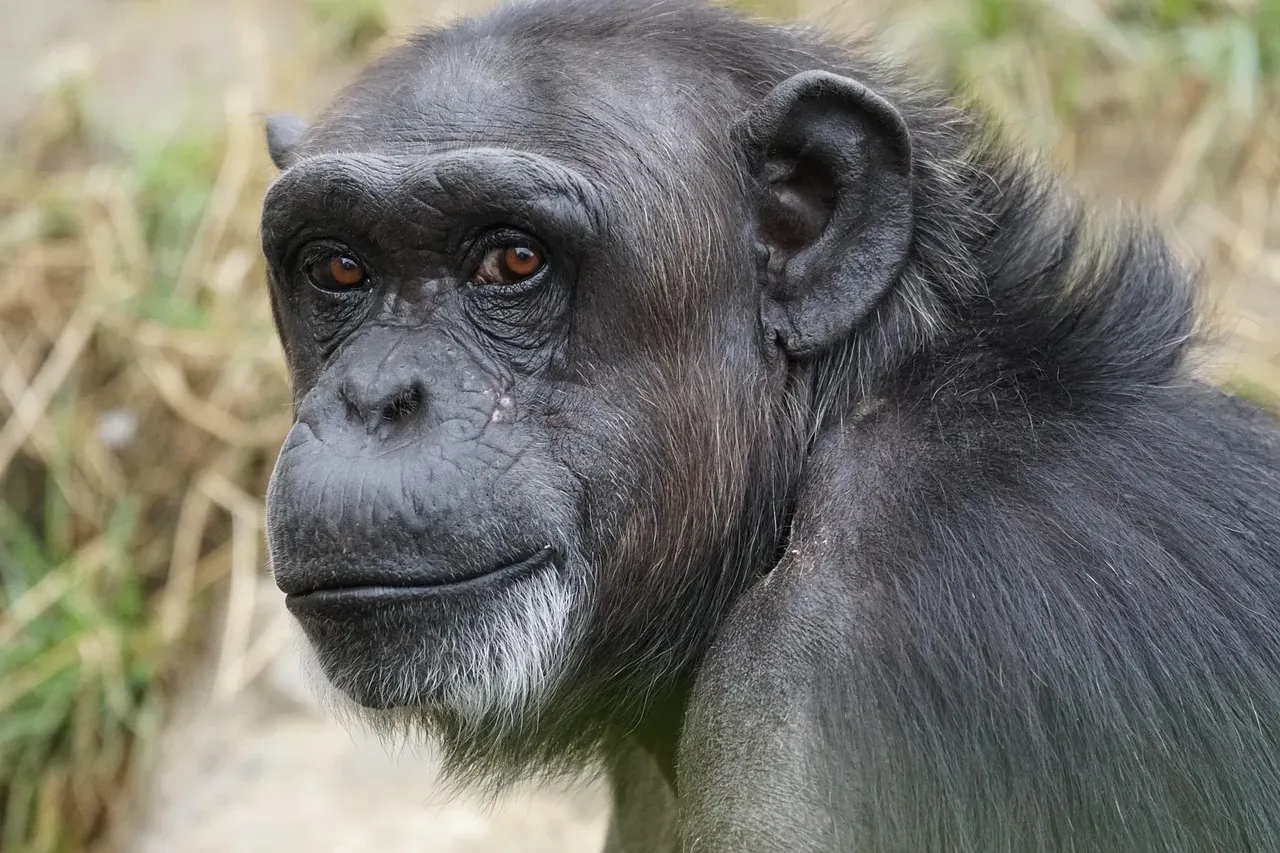
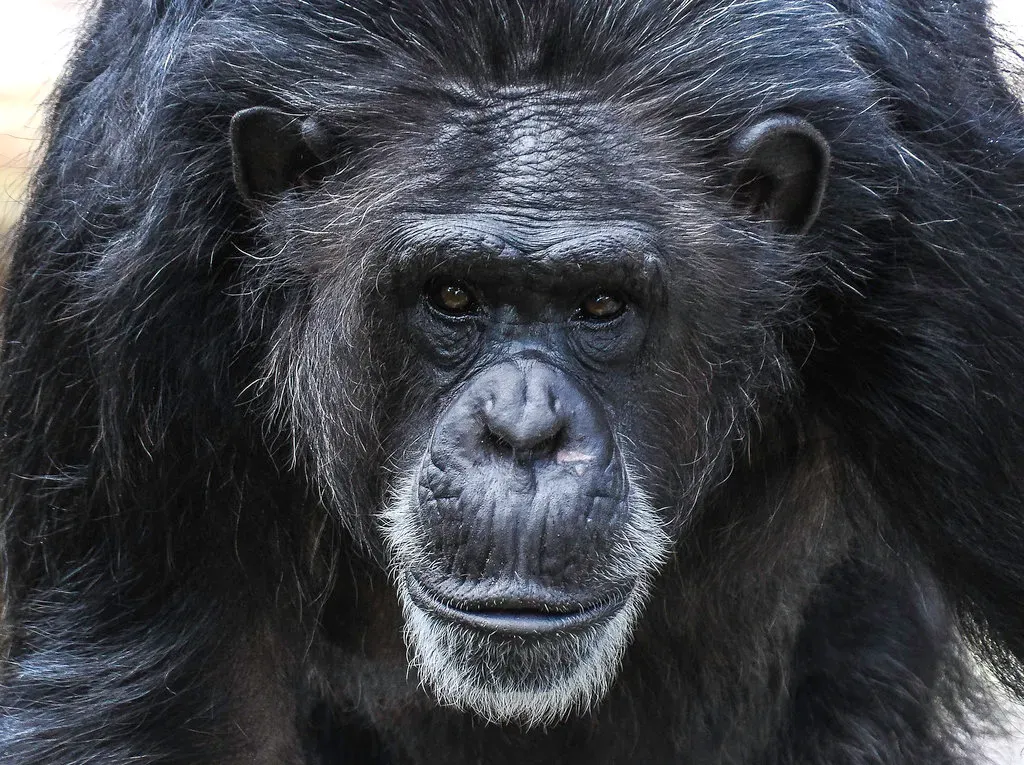
Let’s be real, when it comes to tool use in the animal kingdom, chimpanzees are absolutely in a league of their own. Aside from humans, chimpanzees are thought to show the greatest diversity of tool-use behaviours in the animal kingdom. These incredible primates don’t just use tools; they manufacture them with deliberate precision and pass that knowledge down through generations like a primitive form of culture.
In 1960 famous primatologist Dr Jane Goodall made an incredible discovery. She witnessed one of her wild chimpanzee subjects stripping the leaves off a twig and then, with great deliberation, poking it into a termite mound. After pulling it out he carefully plucked the insects off the twig with his lips, gaining himself a nutritious little meal. This single observation shattered decades of scientific certainty about human uniqueness. Honestly, it was a watershed moment that forced us to completely rethink what separates us from other species.
Their tool repertoire extends far beyond termite fishing. They also use rocks to crack nuts for eating and crush up leaves to use as sponges to obtain water. Some chimp communities have even developed specialized hunting techniques. Some chimp communities even sharpen sticks to spear small animals like bushbabies – one of the few examples of hunting with weapons outside the human lineage.
Chimps teach their young to craft and use tools, passing knowledge across generations. In doing so, they demonstrate a primitive form of culture – proof that the roots of civilization stretch far deeper than we once imagined. Watching them work, you realize these aren’t just animals following instinct. They’re thinking, planning, adapting.
2. New Caledonian Crows: Feathered Engineers with Serious Brainpower
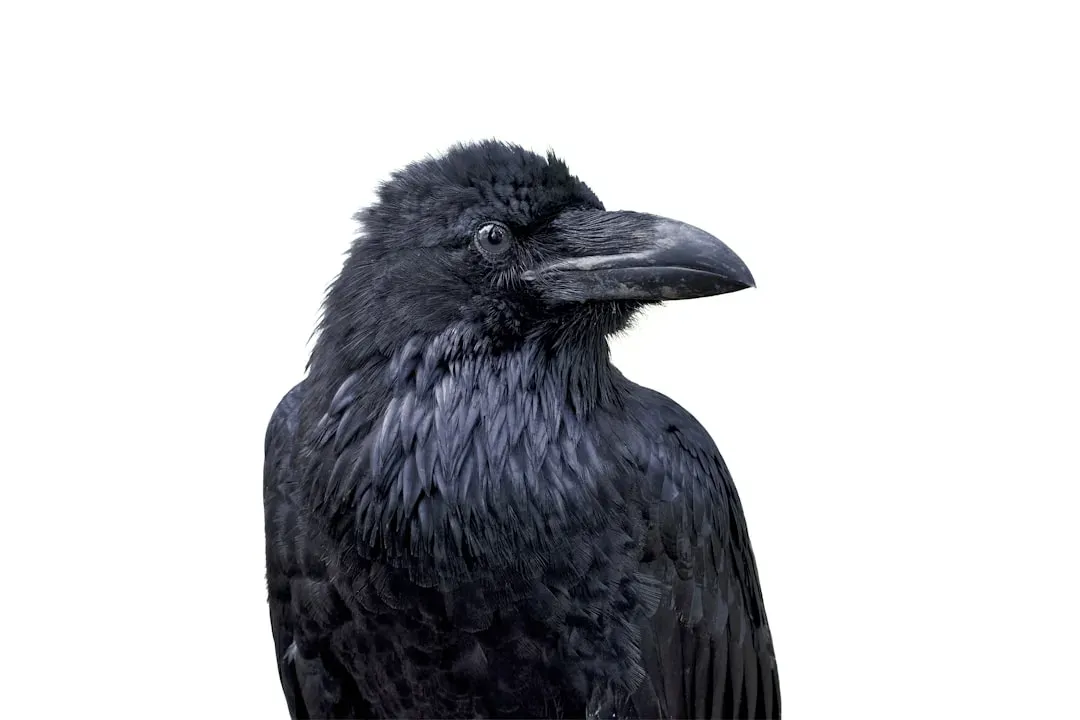
If you thought intelligence required a certain brain size, New Caledonian crows are here to prove you wrong. Corvids (such as crows, ravens and rooks) are well known for their large brains (among birds) and tool use. New Caledonian crows are among the only animals that create their own tools. They mainly manufacture probes out of twigs and wood (and sometimes metal wire) to catch or impale larvae.
What makes these birds truly remarkable isn’t just that they use tools, it’s how creatively they approach problems. In laboratory settings, they’ve been observed bending wire into hooks to retrieve food from tubes. Think about that for a moment. A bird, without hands, manipulating metal wire into a functional tool. That’s not just intelligence; it’s problem-solving on a level that rivals young human children.
Their wild behavior is equally impressive. These crows are famous for shaping sticks and even leaves into hooks to fish grubs out of tree holes. In the wild, they will select just the right branch, strip off the leaves, and fashion a tool with practiced skill. The precision involved is staggering. They don’t just grab any stick; they carefully choose the right material, modify it to fit their needs, and use it with remarkable dexterity.
New Caledonian crows will spontaneously use a short tool to obtain an otherwise inaccessible longer tool that then allows them to extract food from a hole. This use of a meta-tool demonstrates forward planning and multi-step reasoning. It’s hard to say for sure, but watching these crows work feels like witnessing the spark of true intelligence.
3. Bottlenose Dolphins: Ocean Dwellers with Protective Gear
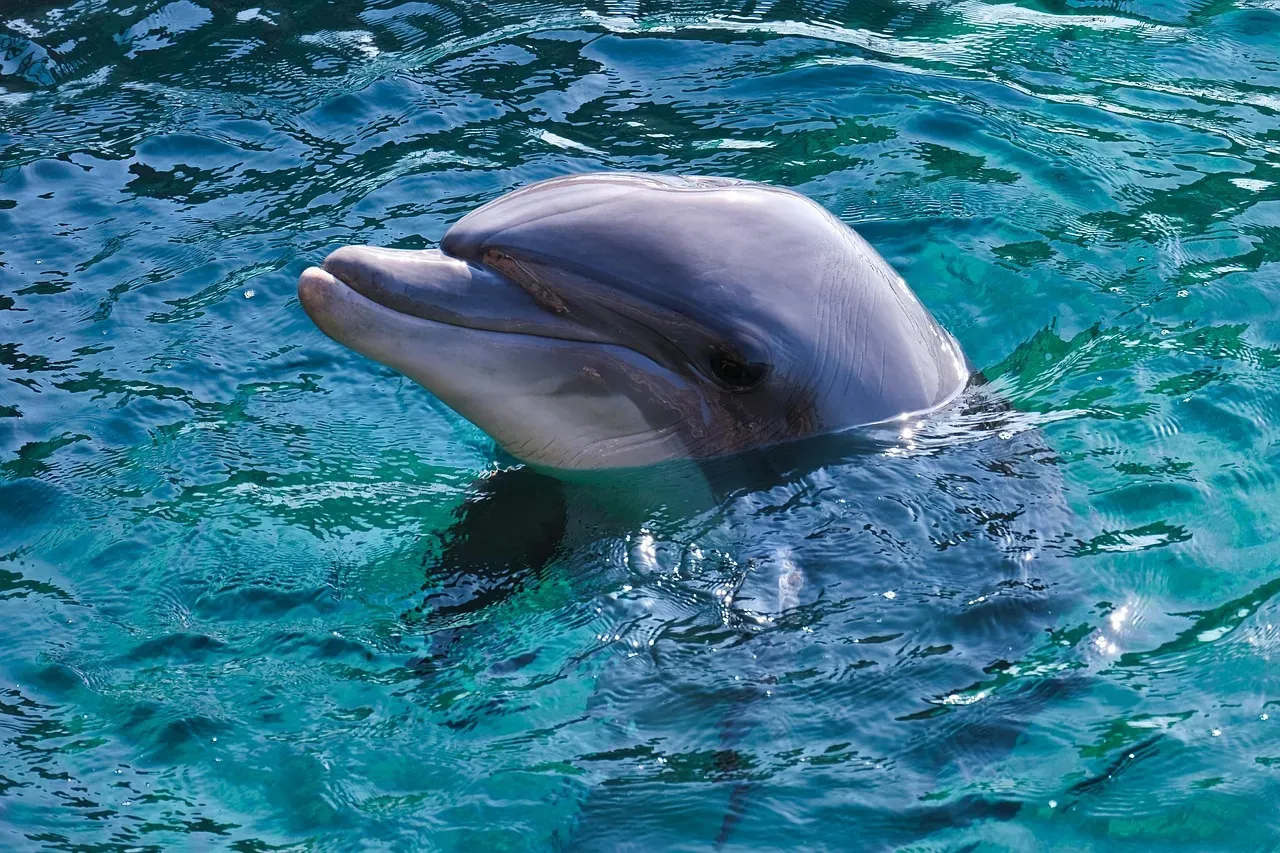
Bottlenose dolphins in Shark Bay, Australia, carries marine sponges in their beaks to stir ocean-bottom sand and uncover prey, spending more time hunting with tools than any animal besides humans. Let that sink in. These marine mammals have essentially invented protective gloves for foraging, using sponges to shield their sensitive rostrums from sharp rocks and coral while digging for bottom-dwelling fish.
Here’s the thing that makes this behavior particularly fascinating: it’s culturally transmitted. Some bottlenose dolphins in Shark Bay, Australia, began using marine sponges as tools less than 200 years ago, according to research. Mostly female dolphins use this technique, passing it from mothers to daughters across generations. It’s not instinct; it’s learned tradition.
The deliberate nature of their tool selection is striking. Wild dolphins in Australia sometimes flush out their prey with a sponge. They hold the sponge on their rostrum, and then they use that as they disturb the sandy bottom to get fish like flounder that are down in the sand. Each dolphin seems to personalize their choice, selecting the right size and shape for the job at hand.
It’s a reminder that intelligence in the ocean looks different from intelligence on land, yet the underlying cognitive abilities – problem-solving, cultural learning, tool modification – remain remarkably similar. Dolphins continue to surprise researchers, constantly expanding our understanding of non-human minds.
4. Sea Otters: The Adorable Toolkits of the Pacific
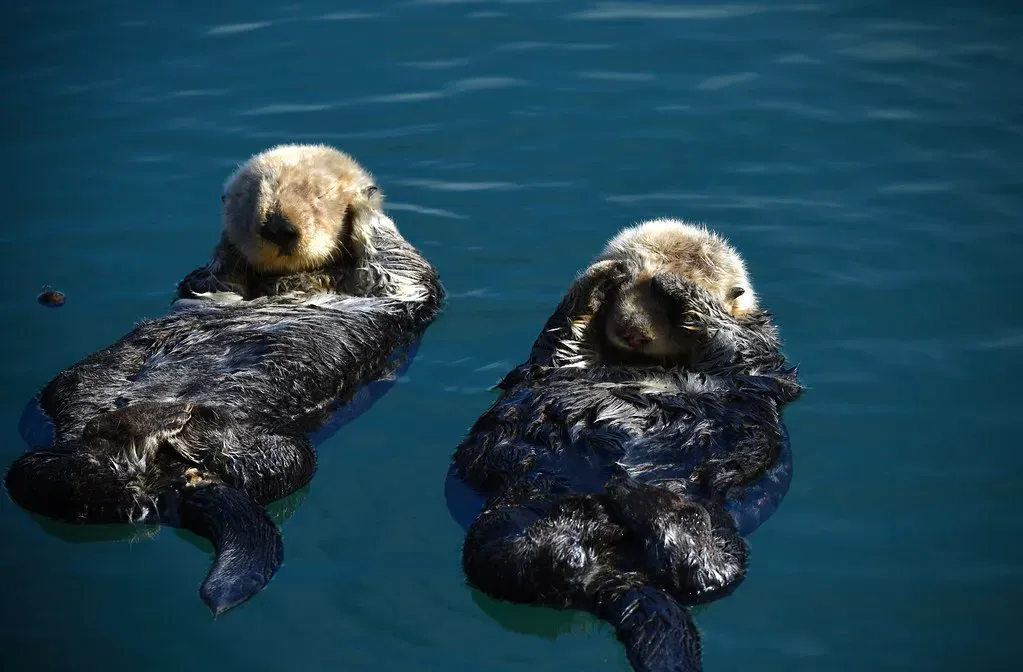
If there’s an animal that made tool use look downright charming, it’s the sea otter. Perhaps one of the more well-known animal tool use examples is that of the stone tools of sea otters. These marvellous mustelids use rocks to bash open the hard shells of marine molluscs to get at the tasty flesh within. Picture them floating on their backs in the cold Pacific waters, methodically cracking shellfish against stones balanced on their chests like natural craftsmen at work.
They even have a favourite tool rock that they will keep in a specialised pocket in their fur! This makes them one of the few animals that carry personal toolkits. They’re not just using whatever happens to be nearby; they’re selecting specific rocks, keeping them, and reusing them over time. That level of attachment to a particular tool suggests they understand its value and utility.
To break open the shellfish they lie on their backs on the water’s surface, place it on their chests, and hit repeatedly with the rock. They can do this with incredible speed and force, making them able to crack open even really hard shells that would be impossible to break using their teeth. The dexterity involved is remarkable, especially considering they’re doing all this while floating in open water.
Watching a sea otter work is like watching a tiny, furry blacksmith. There’s rhythm, precision, and clear intent. Tool use therefore enables this species to obtain valuable food that would otherwise be inaccessible to them. Without their rocky companions, an entire food source would remain locked away. Evolution found a workaround, and sea otters ran with it.
5. Elephants: Gentle Giants with Problem-Solving Prowess
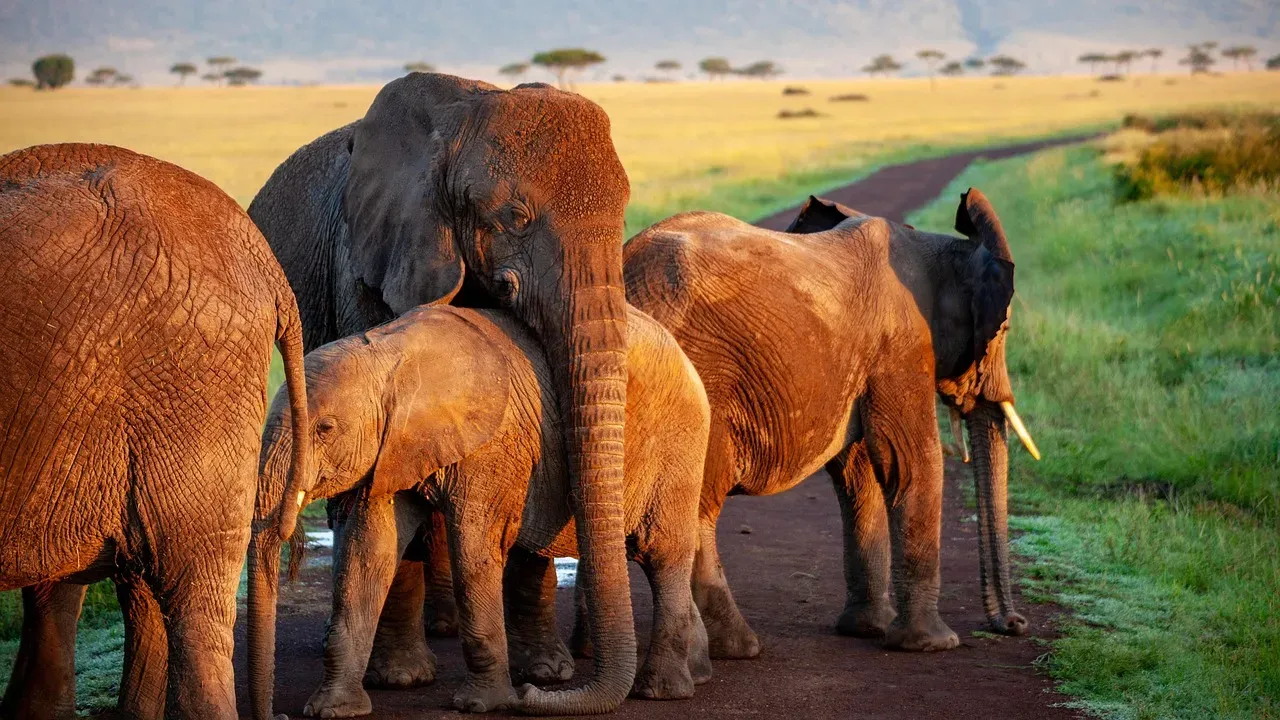
Elephants are incredibly intelligent and have been known to show emotion and use logic. Elephants have brains that are larger than any other land mammal, and they are also one of the smartest animals in the world. Their tool use might not be as flashy as some other species, yet it reveals a deep understanding of their environment and how to manipulate it to their advantage.
Asian elephants are even known to systematically modify branches to swat at flies, breaking them down to ideal lengths for attacking the insects. They don’t just grab any branch; they carefully select one, strip off excess foliage, and adjust the length until it’s perfect for the task. That’s not random behavior. That’s engineering.
There are even documented cases of elephants demonstrating insight and planning. In one remarkable instance, an elephant named Kandula at the Smithsonian’s National Zoo stacked boxes to reach fruit hanging overhead, proving a capacity for problem-solving and insight. Using multiple objects to create a stable platform requires understanding spatial relationships and cause-and-effect reasoning. It’s the kind of task that would challenge many animals.
Their intelligence goes beyond mere tool use. Elephants show empathy, remember locations and individuals for years, and communicate through infrasound over vast distances. When you watch an elephant carefully modify a branch or strategically move an object, you’re witnessing an ancient intelligence at work. These are creatures that understand their world deeply and know exactly how to shape it to meet their needs.
Conclusion
The more we study the animal kingdom, the more we realize that tool use isn’t some rare quirk limited to humans and a handful of smart primates. It’s a widespread phenomenon that cuts across species, habitats, and evolutionary lineages. From crows crafting hooks to dolphins wearing sponges like protective gear, the natural world is filled with innovators who’ve figured out how to turn their environments into toolboxes.
What was once considered an exclusively human trait now appears to have evolved independently multiple times throughout the animal kingdom, suggesting that the cognitive foundations for technology may be more widespread than previously thought. These discoveries force us to reconsider what makes us special. Maybe it’s not that we use tools, it’s just that we use them more elaborately.
These five animals remind us that intelligence comes in many forms. It doesn’t always look like human intelligence, yet it’s no less remarkable. The next time you pick up a hammer or a smartphone, remember that somewhere in the world, a crow is bending wire, a dolphin is selecting the perfect sponge, and an otter is cracking open dinner with its favorite rock. What do you think separates human tool use from theirs? Is it really as clear-cut as we’d like to believe?

- American Crocodiles Are Expanding Their Range in Florida’s Warm Waters - July 18, 2026
- 9 Common Myths About Wild Animals That Are Simply Not True - July 18, 2026
- 15 Signs Your Pet Is Secretly a Genius (And How to Spot Them) - July 18, 2026