
Worried about unexpected vet bills?
Pet insurance can cover thousands in unexpected vet costs. Get a free quote from Lemonade in under 2 minutes.
Get My Free Quote →Sponsored · Opens Lemonade.com
Nature can be beautiful. It can also be absolutely terrifying.
When it comes to romance, the animal kingdom has some habits that would make even the boldest among us squirm. We’re talking about mating rituals so strange, so shocking, that they defy everything we thought we knew about attraction. From permanent bodily fusion to literal knife fights over who gets to be the father, these creatures have taken reproduction to extremes that seem almost fictional.
So let’s dive into the wild world of animal courtship. Be surprised by what these six remarkable species do in their quest to pass on their genes.
The Anglerfish: When Love Means Losing Yourself
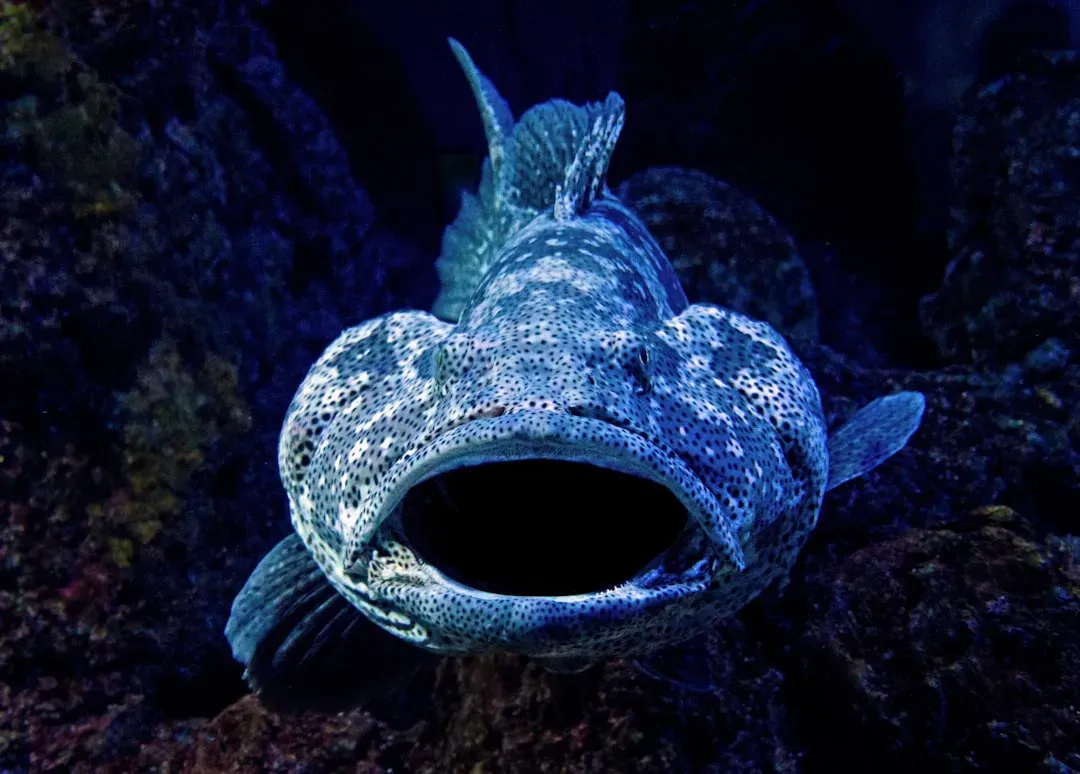
Picture the deepest, darkest parts of the ocean. No sunlight penetrates here, and potential mates are incredibly rare to find. Reproduction in certain deep-sea anglerfishes involves the permanent attachment of dwarf males to much larger females and fusion of their tissues leading to the establishment of a shared circulatory system, enabling anglerfishes to maximize reproductive success in the vast and deep oceans.
Once a male finds a female, he will bite down and latch onto her body, where his tissues and circulatory systems will fuse with hers, and in exchange for nutrients from the female’s blood, the male loses his eyes, fins, teeth, and most internal organs, only serving as a sperm bank. The male essentially becomes a permanent appendage. He’s no longer an independent creature but rather a living reproductive organ attached to her body.
A female can carry up to eight mates at a time, attached to various parts of her body. It’s hard to say for sure, but this may be one of the most extreme examples of commitment in the entire animal kingdom. The male literally gives up his entire existence for the chance to reproduce.
The Praying Mantis: A Deadly Game of Romance
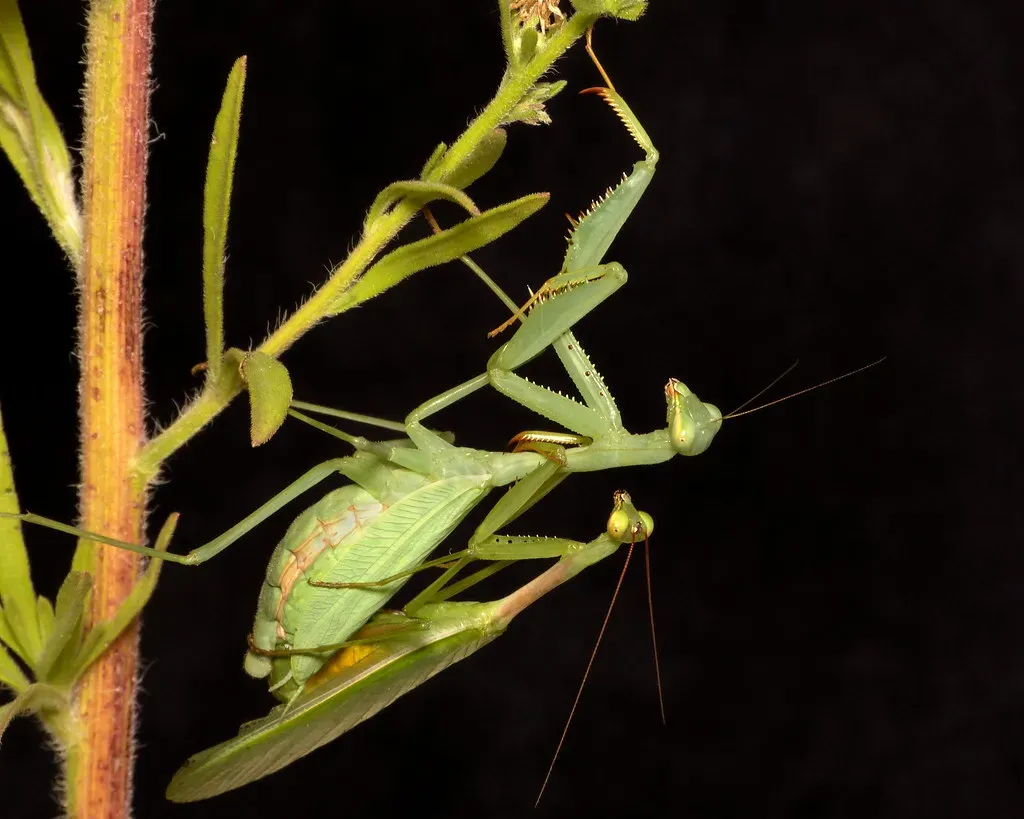
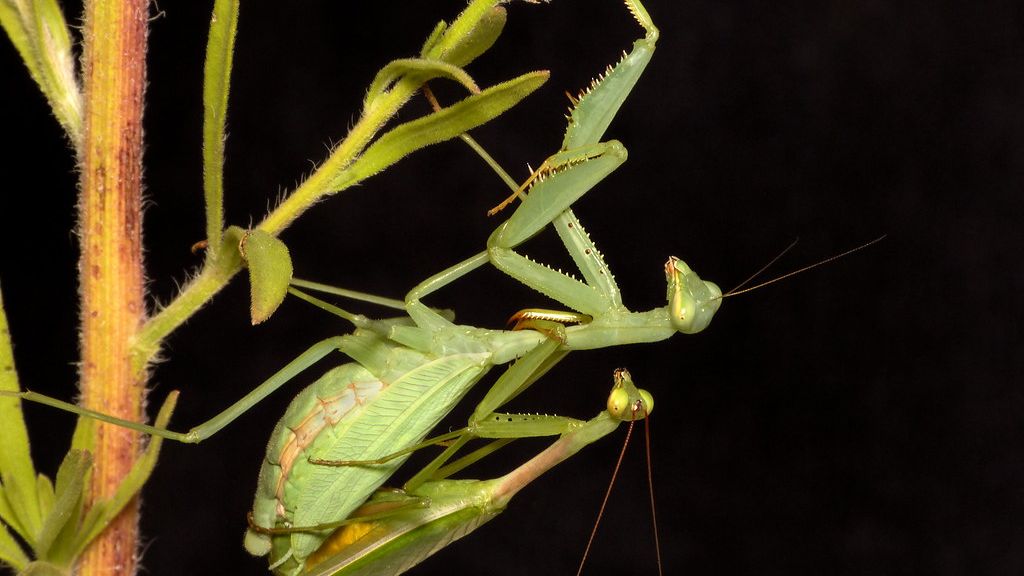
Everyone’s heard the story about female praying mantises eating their mates. Turns out, it’s not just a myth.
Female mantises sometimes eat males during or after mating, and some male bordered mantises are able to mount a female and initiate mating even after getting their heads completely bitten off. Yes, you read that correctly. Headless males can continue to mate successfully. In about a quarter of the encounters where a male approaches a female, he gets eaten, and about half of the males that are killed while attempting to mate are decapitated but continue on to finish the job without their heads.
Female praying mantises have an increased energy requirement to lay their eggs, and by consuming the male, they acquire an optimal nutritional intake, thus promoting the production of viable eggs. From an evolutionary standpoint, being eaten by your mate isn’t always a bad thing. The mother of your offspring will be more well-fed and may therefore lay more and healthier eggs.
Honestly, it’s a sacrifice most males would prefer to avoid. In the wild, scientists estimate that females eat the males less than 30% of the time. Still, those aren’t exactly comforting odds.
Flatworms: The Ultimate Battle of the Sexes
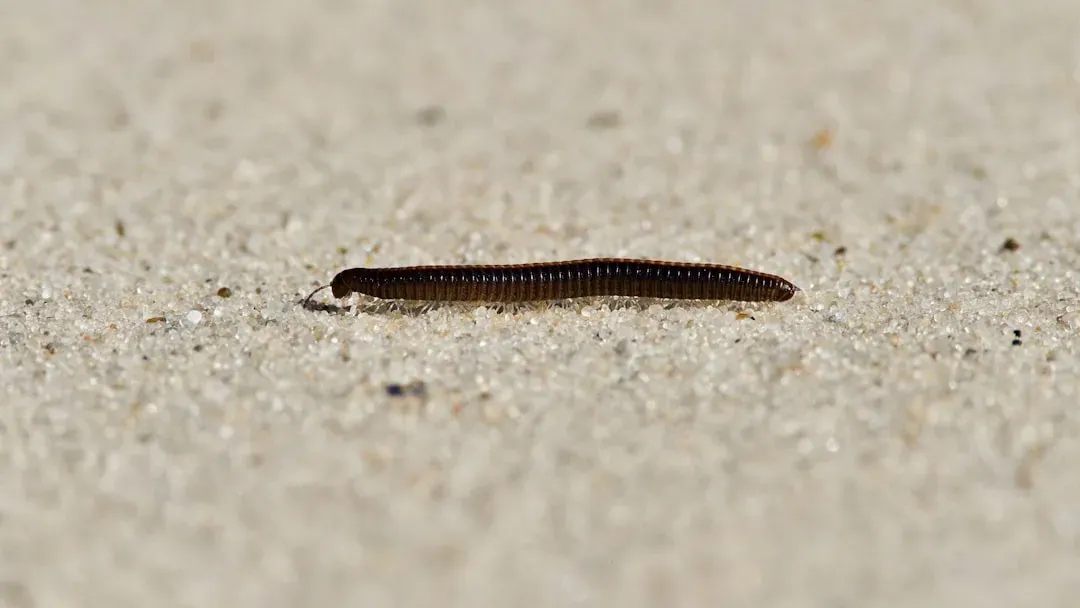
Penis fencing is a mating behavior engaged in by many species of flatworm, and species which engage in the practice are hermaphroditic, with each individual having both egg-producing ovaries and sperm-producing testes. Here’s the thing: nobody wants to be the one carrying the eggs. It’s energetically expensive and risky.
The flatworms fence using extendable two-headed dagger-like stylets which are pointed (and in some species hooked) in order to pierce their mate’s epidermis and inject sperm into the haemocoel in an act known as intradermal hypodermic insemination, or traumatic insemination. During the often hour-long battle, the two flatworms rear up and attempt to pierce the skin of the other immediately ejaculating.
The winner gets to be the father. The loser becomes pregnant and has to invest all those resources into offspring. Penis fencing can last an hour and result in the flatworms being stabbed multiple times, with one ultimately depositing sperm into the other and emerging victorious. It’s literally a fight to determine reproductive roles.
The Bowerbird: Nature’s Interior Designers
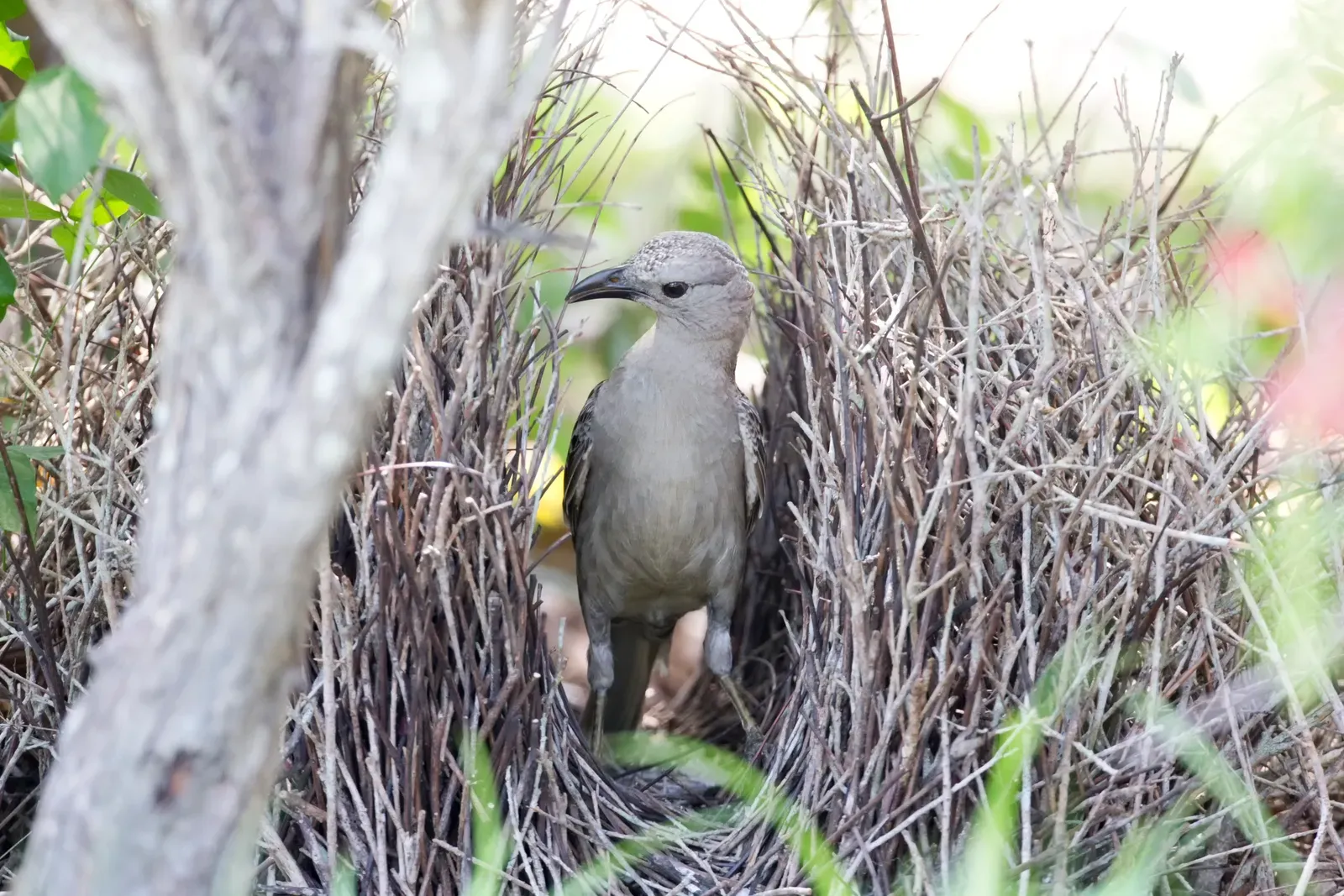
Not all bizarre mating rituals involve violence or fusion. Some are just remarkably artistic.
Males build a structure and decorate it with sticks and brightly coloured objects in an attempt to attract a mate. In and around the bower, the male places a variety of brightly colored objects he has collected, which may include hundreds of shells, leaves, flowers, feathers, stones, berries, and even discarded plastic items, coins, nails, rifle shells, or pieces of glass.
What’s more, these birds use optical illusions. They arrange objects in the bower’s court area from smallest to largest, creating a forced perspective which holds the attention of the female for longer, and males with objects arranged in a way that have a strong optical illusion are likely to have higher mating success.
The female tours multiple bowers before making her choice. She’s looking for architectural skill, creativity, and attention to detail. Male bowerbirds frequently sneak into one another’s territory to steal trinkets and even destroy other bowers, while juvenile males take around seven years to reach maturity, during which time they practice building bowers and work in gangs to steal from adults. Competition is fierce in the world of avian architecture.
Bed Bugs: Traumatic Insemination
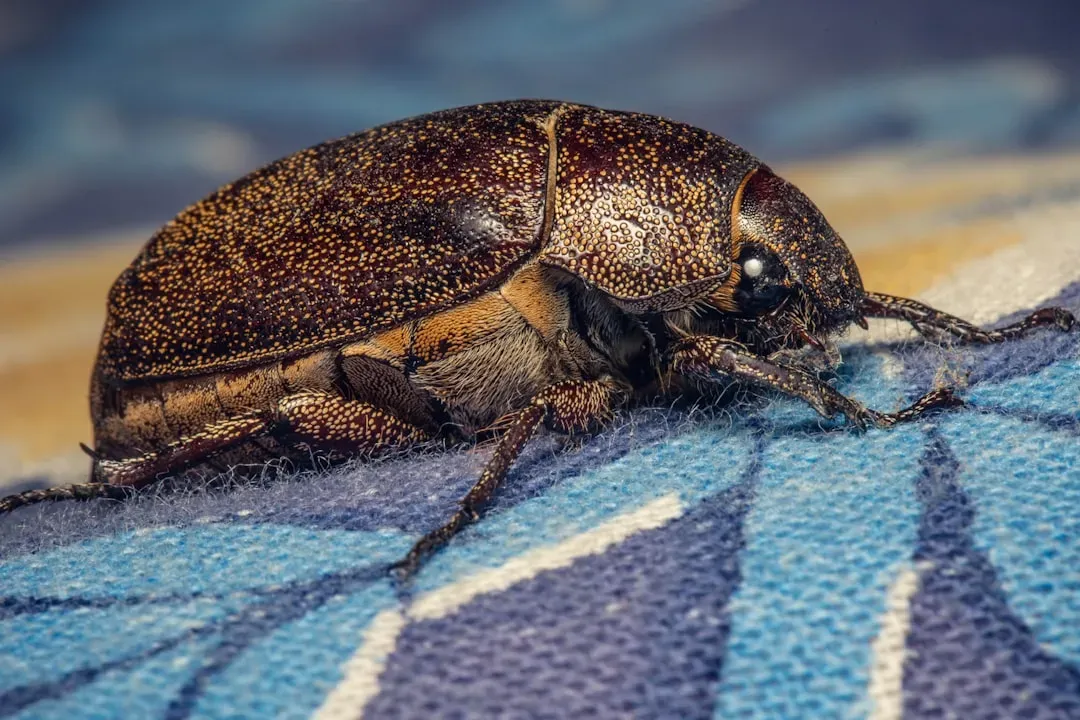
Let’s be real: bed bugs already have a terrible reputation. Their mating habits don’t help.
Instead of mating through conventional means, male bed bugs practice something called traumatic insemination. The male literally stabs through the female’s abdomen with his reproductive organ and deposits sperm directly into her body cavity. The sperm then travels through her bloodstream to reach her eggs. It’s as violent as it sounds.
This method causes physical damage and increases the risk of infection for females. Over time, females have evolved thicker abdominal walls as a defense mechanism. The male, however, hasn’t changed his approach. It remains one of the most physically damaging mating strategies in the insect world.
Scientists believe this bizarre behavior evolved because it bypasses the female’s control over fertilization. By injecting sperm directly into her body, males ensure their genetic material has a better chance of success, even if it comes at the female’s expense.
Honey Bees: The Fatal Flight
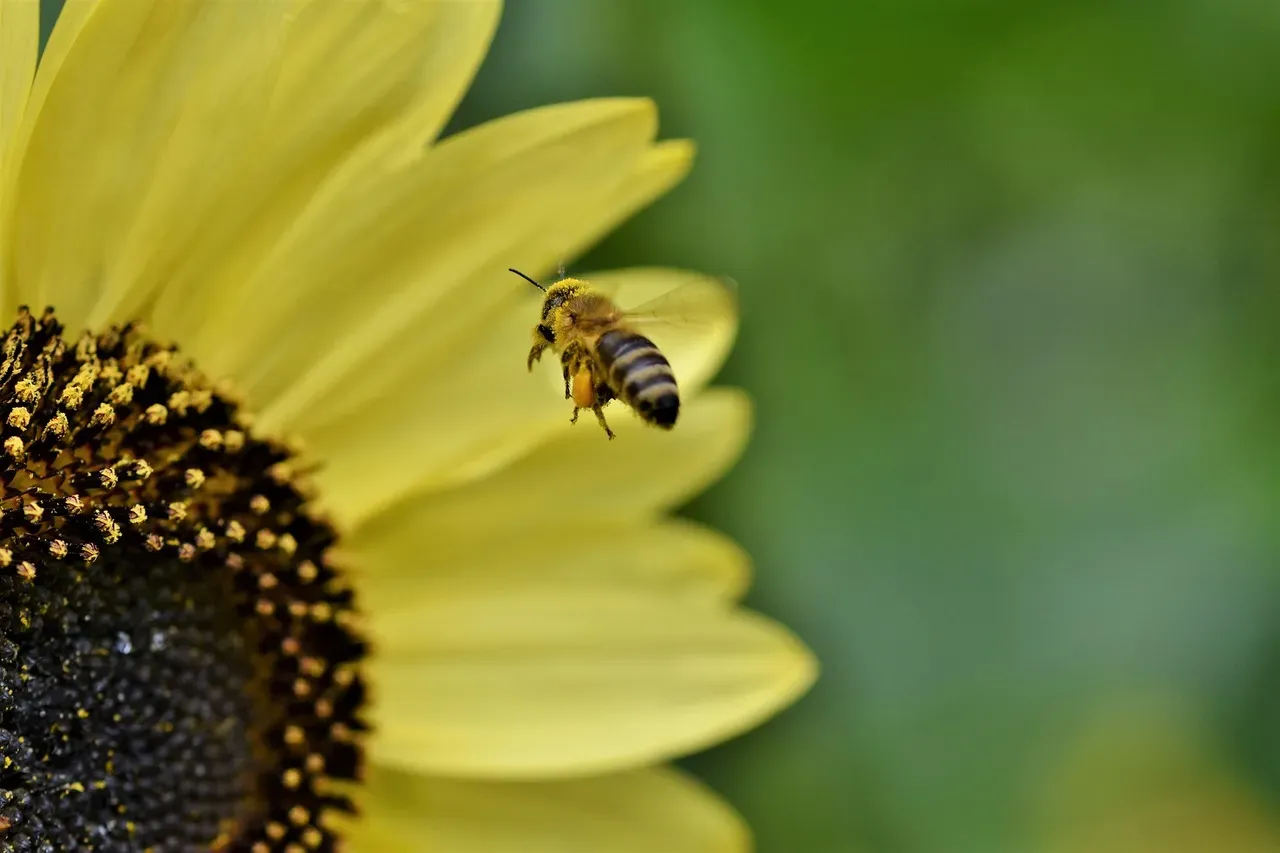
When a male bee successfully mates with a queen bee in mid-air, his reproductive organs explode, releasing his sperm and a portion of his detached phallus into the queen, which may serve as a barrier to prevent other males from entering. The drone ultimately sacrifices its life in the pursuit of love.
It happens during the queen’s nuptial flight, where she mates with multiple drones in succession. Each male experiences the same explosive fate. The queen stores the sperm from these encounters and uses it to fertilize eggs for the rest of her life, which can span several years. The males? They get one shot at reproduction and die immediately afterward.
This is nature’s version of going out with a bang. The male’s entire existence is geared toward this single moment. From an evolutionary perspective, it makes sense: his genes get passed on, even if he doesn’t survive the experience. Still, it’s an undeniably brutal way to go.
Conclusion

The animal kingdom’s approach to romance is endlessly fascinating and often deeply unsettling. From anglerfishes fusing together for life to flatworms literally fighting over reproductive roles, nature has crafted mating strategies that range from the beautifully artistic to the downright horrifying. These rituals remind us that survival and reproduction drive evolution in unexpected directions.
What would you have guessed about these creatures before reading this? Did any of these surprise you more than the others?
Worried about unexpected vet bills?
Pet insurance can cover thousands in unexpected vet costs. Get a free quote from Lemonade in under 2 minutes.
Get My Free Quote →Sponsored · Opens Lemonade.com
