
Nature has no shortage of tricksters and illusions. Walking through a jungle, diving beneath ocean waves, or wandering the forest floor seems straightforward enough until you realize that half of what you thought was a leaf is actually alive. Some creatures have become so skilled at vanishing into their surroundings that even trained researchers sometimes miss them. It’s not about fancy technology or clever tricks. This is pure evolution at work, millions of years of fine-tuning the ultimate survival skill.
Here’s the thing about camouflage. It goes way beyond just matching colors. Camouflage is essential to surviving in the wild, serving both as a built-in defence mechanism and a cunning tactic for attack, helping animals hide from dangerous predators and catch unsuspecting prey. For the animals on this list, blending in isn’t just a neat party trick. It’s the difference between life and death, between eating and becoming someone else’s dinner. So let’s dive in.
The Mimic Octopus Switches Identities Like a Hollywood Actor
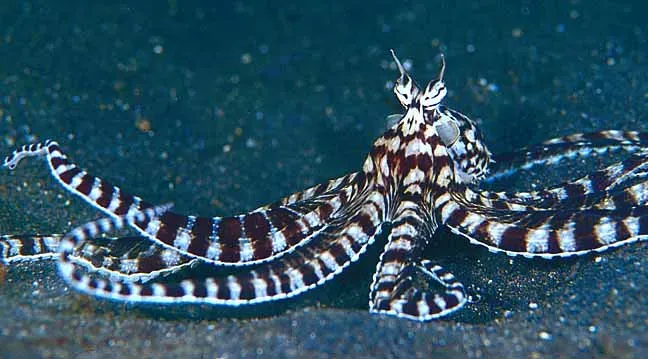
Most octopuses are decent at camouflage. The mimic octopus, though? It takes things to another level entirely. While most species that are able to mimic can only mimic a single animal, the mimic octopus can switch between various disguises, up to 18 different marine animals, and does this not just by changing color but also their shape and behavior. It doesn’t just blend into the seafloor. It impersonates lionfish, sea snakes, jellyfish, even flatfish.
The mimic octopus was discovered in 1998 off the coast of Sulawesi, Indonesia, living on shallow sandy bottoms near river mouths, which are extremely exposed habitats with lots of predators. Scientists were stunned. When threatened by damselfish, it shape-shifts into a banded sea snake, which happens to be a predator of damselfish. That’s not just intelligence. That’s strategic thinking.
When swimming in the open water, they take on black and white bands and trail their arms behind them like the flared poisonous spines of a lionfish, and when moving rapidly from place to place, they turn the mottled brown of the sandy bottom and swim like a sole, a populous and poisonous flatfish in the area. Honestly, it’s hard to say for sure, but this might be consciousness at play. Some scientists think so.
Satanic Leaf-Tailed Gecko Looks Eerily Like Dead Foliage
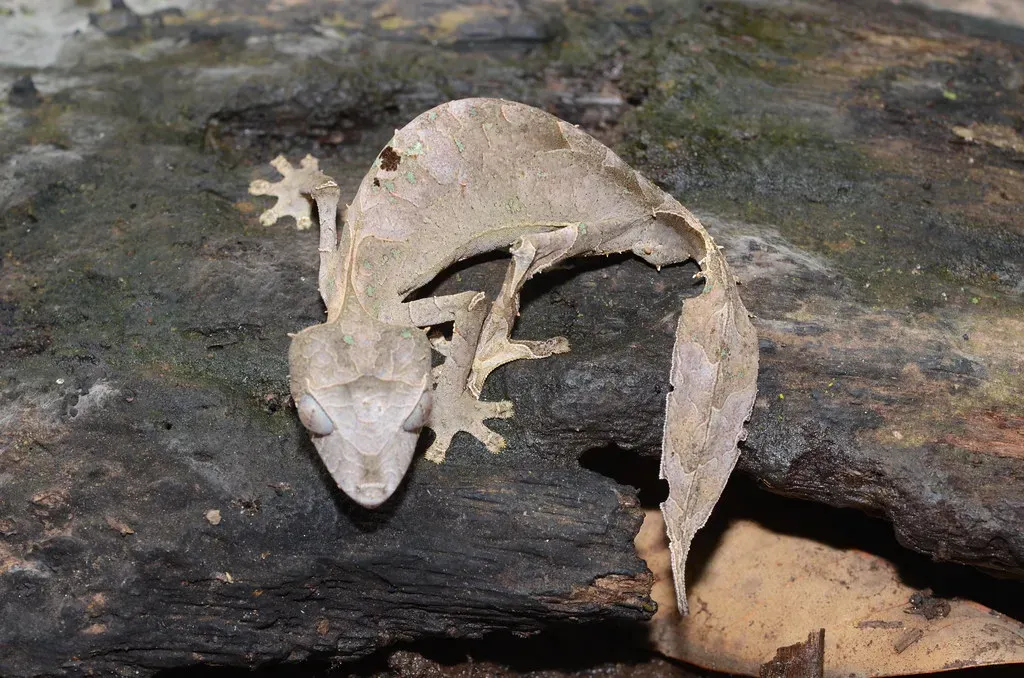
Madagascar is packed with weird reptiles, but the satanic leaf-tailed gecko might be the strangest. First described in 1888 by George Albert Boulenger, its specific name phantasticus is the Latin word for imaginary, based upon the gecko’s unique appearance which led Boulenger to describe it as mythical, and it is an arboreal animal that relies on its natural camouflage in the northern and central tropical forests of Madagascar. Its body, tail, and even skin texture perfectly mimic a decaying leaf.
This lizard’s elaborate camouflage includes patches that resemble lichen, ridges that look like leaf veins, and missing chunks to mimic bits of a dead leaf that have broken off. The attention to detail is ridiculous. Some males even have notches in their tails to further sell the illusion of decay. Little horns protrude above each eye, lending them their devilish nickname, though they’re completely harmless to people.
During daylight hours, these adaptations help the gecko blend into its surroundings. They spend most of their time motionless, low in the understory, waiting for insects. Finding one in the wild requires a sharp-eyed guide and more than a little luck. Let’s be real, they’re nearly invisible even when you know where to look.
Cuttlefish Can Change Color and Texture in Milliseconds
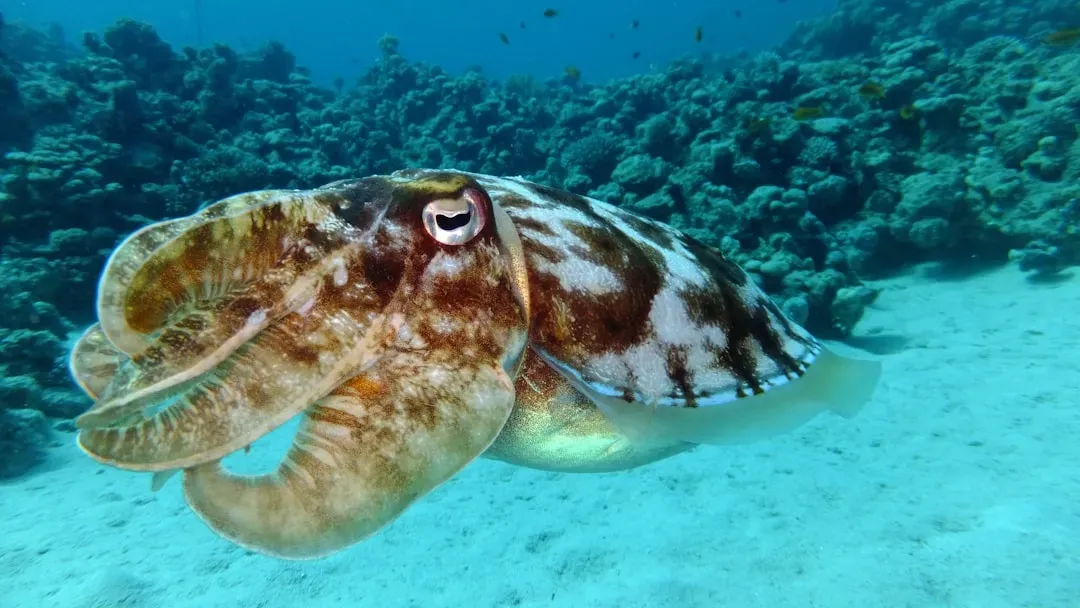
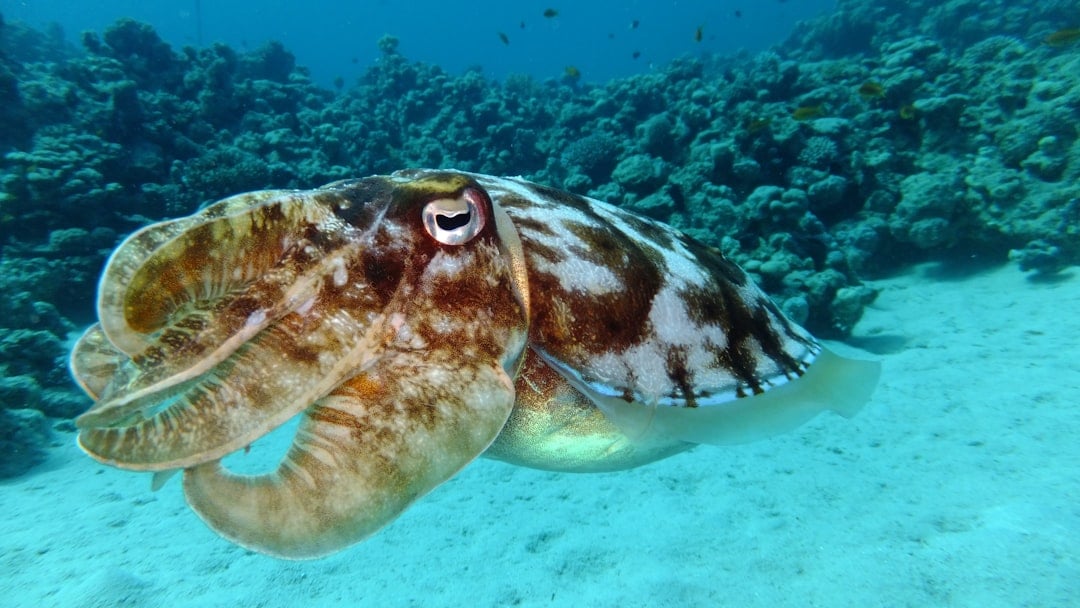
Octopuses and other cephalopods make the fastest transformations in the animal kingdom, and almost all cephalopods have an incredible ability not just to change the color and patterns on their skin but also to transform their body’s shape and texture, changing their appearance faster than the blink of an eye, the swiftest known change in the animal kingdom. Cuttlefish stand out as perhaps the most skilled.
Cuttlefish are the chameleons of the sea, using specialized cells called chromatophores to match their surroundings with astonishing accuracy. They can ripple dark patterns across their bodies to mesmerize prey before striking. What’s genuinely mysterious? Cephalopods are believed to be colorblind, yet they can mimic color incredibly well despite being colorblind in their eyes and even being capable of mimicking color when the eyes are removed. That’s wild.
Their skin is covered with millions of tiny chromatophores, iridophores, and leucophores, creating texture and color on demand. They can look smooth as glass one moment, then rough and bumpy the next. Some researchers even study their camouflage to develop military technology. Nature figured this out hundreds of millions of years ago.
Stonefish Sits Motionless Like a Rock With Deadly Spines
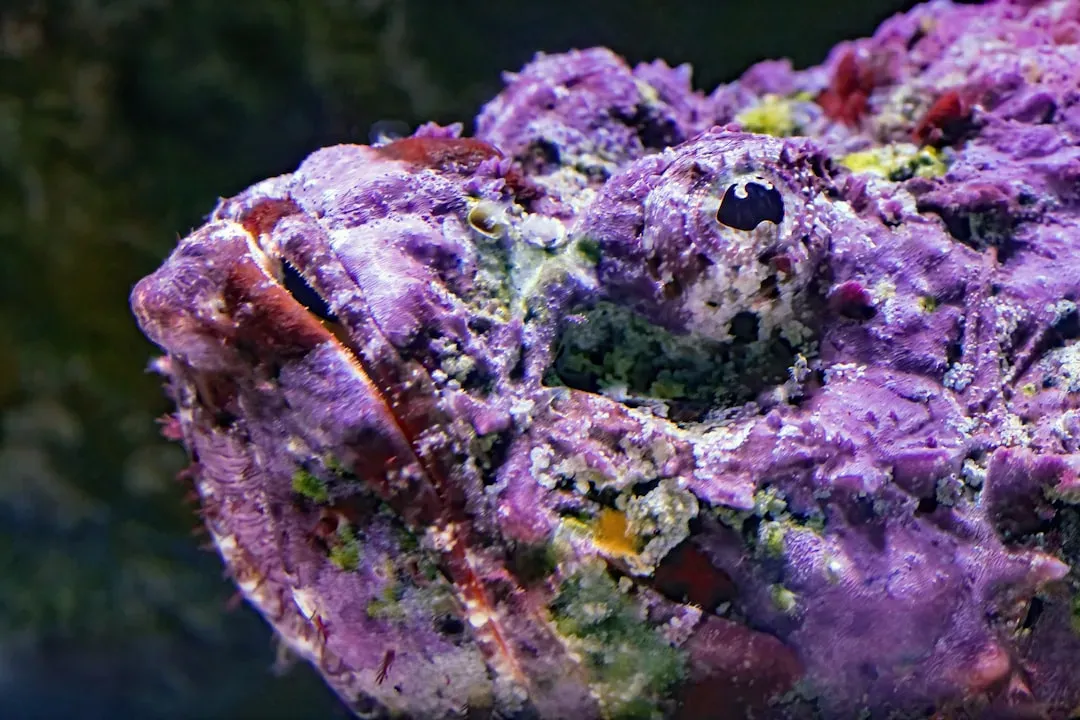
The vernacular name of the species, the stonefish, derives from its grey and mottled camouflage similar to the color of a stone. This fish doesn’t just resemble a rock. It becomes one. Stonefish are masters of camouflage and can blend in so perfectly with their surroundings that their prey, predators, and even human SCUBA divers have trouble seeing them at all, almost always sitting perfectly still on the sea floor in their preferred habitat of coral and rocky reefs, and their colors are often a perfect match for the substrate, with some individuals even observed with algae growing on them.
Here’s where things get dangerous. Stonefish are the most venomous fish known; stings can be fatal to humans. They have thirteen sharp spines along their backs loaded with potent venom. Step on one while wading in shallow water and you’ll experience excruciating pain and potentially worse. They don’t hunt actively. Instead, they wait for prey to swim close, then strike with lightning speed.
One story comes from a marine biologist who once accidentally picked up a stonefish, thinking it was a rock, though fortunately the stonefish remained calm, and the biologist quickly dropped it back into the water without getting stung, with these kinds of encounters highlighting the incredible ability of stonefish to blend into their surroundings, even fooling experienced divers and researchers. If experts get fooled, imagine what happens to the average beachgoer.
Pygmy Seahorse Matches Its Coral Home Perfectly
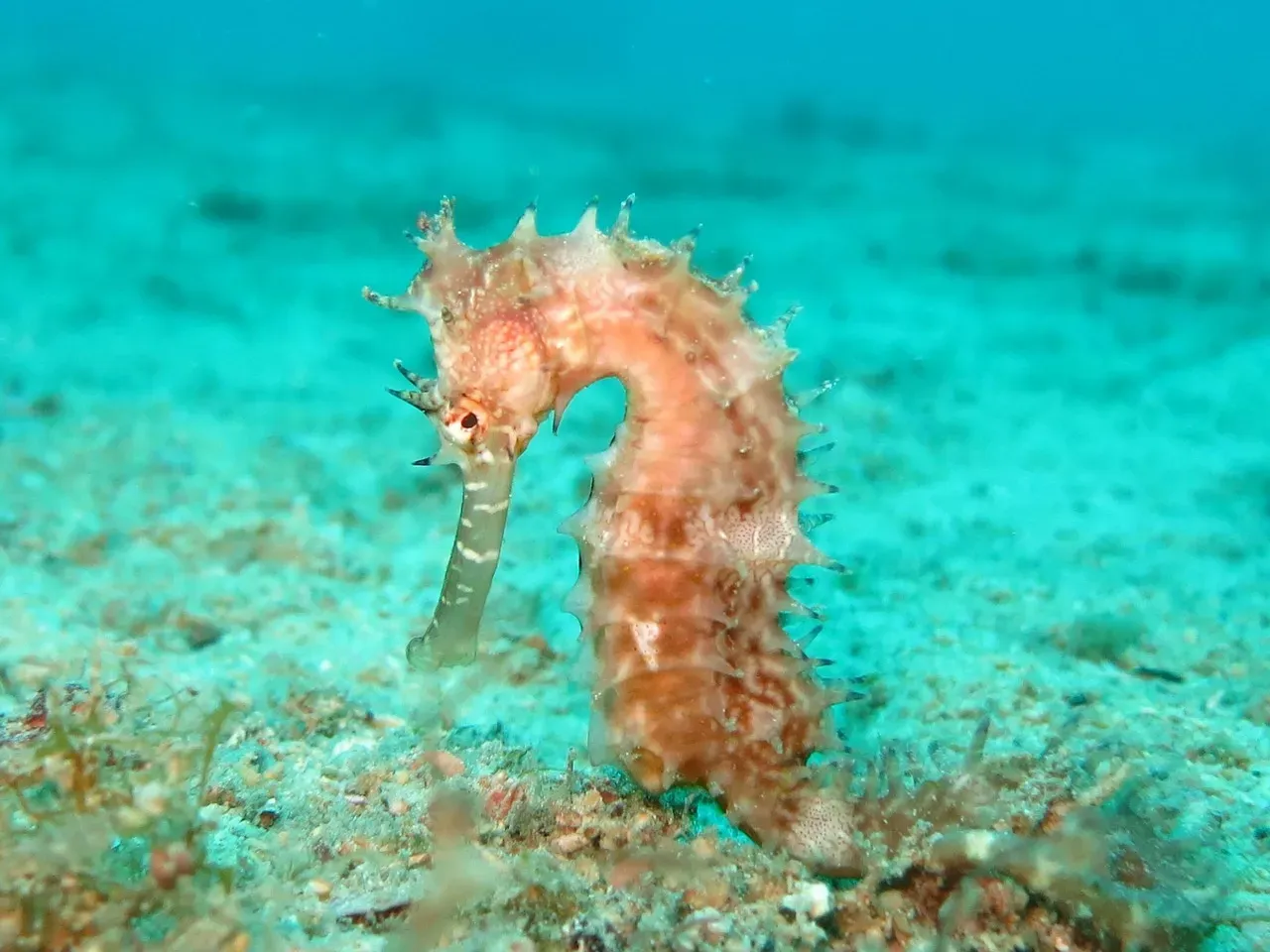
Pygmy seahorses are some of the smallest seahorses in the world, smaller than a paperclip, and camouflage is critical to their survival as it’s how they hide from predators. These tiny fish spend their entire adult lives clinging to sea fans, coral structures that sway gently in ocean currents. Orange seahorses live on orange coral. Purple ones on purple coral. The match is uncanny.
Scientists long wondered whether the seahorses chose coral matching their color or if something else was happening. The babies all started out a dull brown color, and when scientists provided a purple sea fan to the offspring of orange sea horses, the babies turned purple and grew calcified bumps called tubercles to match the coral’s texture. So they adapt to their environment, changing not just color but texture too.
These tiny marine vertebrates, often no bigger than two centimeters in size, are masters of camouflage, able to match the texture and color of the coral in which they live, with some species even having tiny bumps on their skin that mimic the polyps of gorgonian sea corals. Without this skill, they’d be easy pickings. They’re too fragile to defend themselves any other way.
Walking Stick Insect Sways Like a Twig in the Breeze
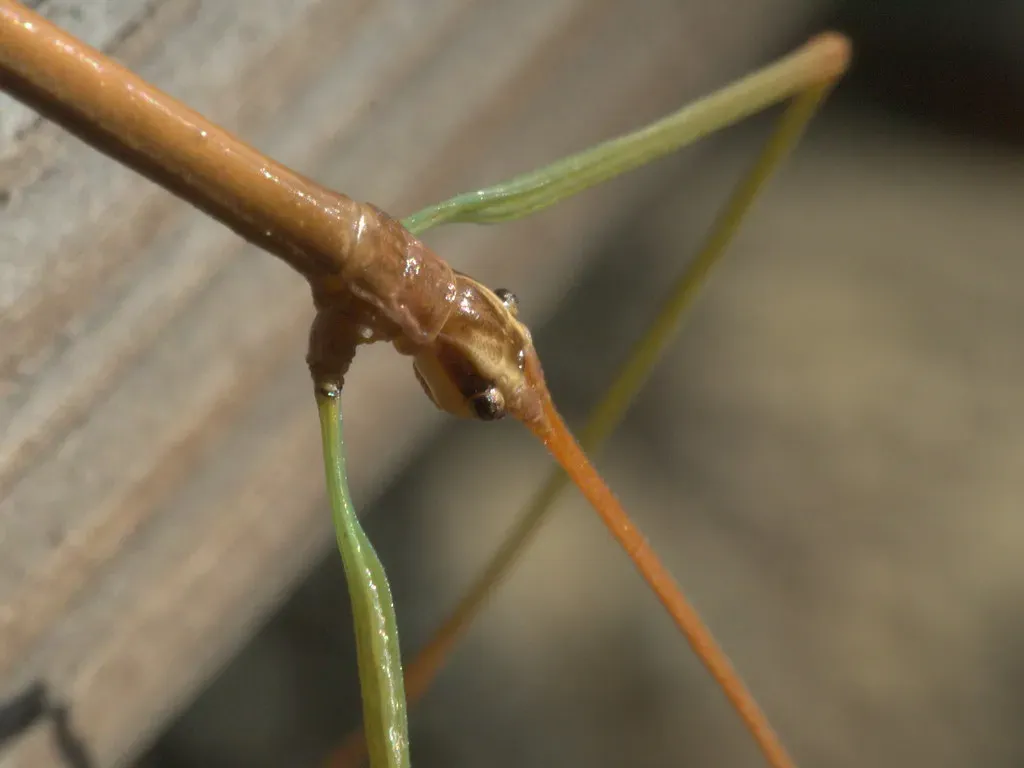
Phasmids are the ultimate masters of disguise among insects, with bodies that mimic twigs and leaves so perfectly that they often go unnoticed even by the keenest observers, and some species can even sway gently to mimic the movement of branches in the wind. Walking sticks take the concept of hiding in plain sight to extremes. Their long, slender bodies, muted colors, and jointed legs make them indistinguishable from the plants they live on.
The bizarre-looking, slow-moving, plant-eating walking stick has raised camouflage, mimicry and defense to a veritable art form, and through an adaptation called crypsis, it blends in so perfectly with its natural habitat that it often goes completely undetected by would-be predators. Even birds, with their sharp eyesight, fly right past them. Some species add motion mimicry, gently rocking back and forth like a branch caught in a breeze.
There are thousands of species worldwide, each adapted to its local vegetation. They’re herbivores, munching on leaves with the casual pace of someone who knows they’re invisible. Not flashy, not fast, just perfectly evolved to disappear.
Baron Caterpillar Disguises Itself as a Leaf’s Midrib
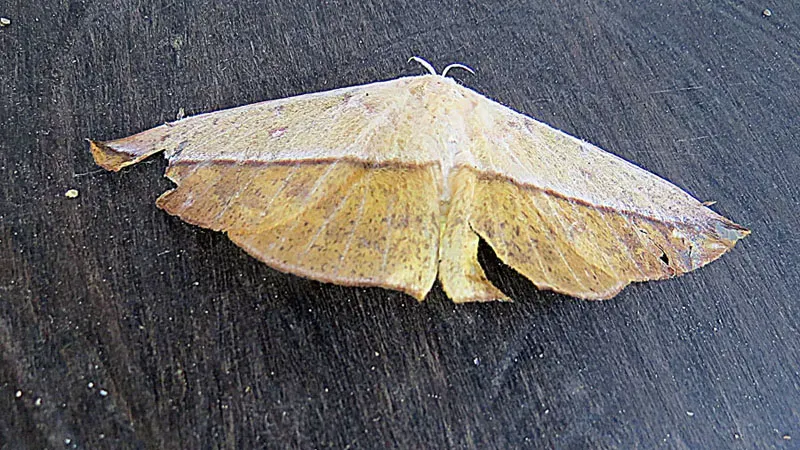
The caterpillar of the common baron butterfly is almost impossible to see on the plant thanks to its many hairy legs, and the stripe on its back looks like the thick midrib of a leaf, with lots of caterpillars having good camouflage skills but this one being a true master. Most people walk right past without noticing. The body positioning, the leg arrangement, even the stripe pattern all work together to create an optical illusion.
Baron caterpillars evolved their elaborate shapes and colors for the single purpose of hiding from predators, boosting their odds of surviving long enough to become common baron butterflies and therefore reproducing. Predation pressure on caterpillars is intense. Birds, spiders, wasps, all hunting constantly. Camouflage like this represents millions of years of evolutionary refinement.
As a butterfly, the baron trades its stealth for beauty, displaying shimmery green markings. The transformation is dramatic. But during the vulnerable caterpillar stage, invisibility matters most. Nature doesn’t waste resources. Every adaptation serves a purpose.
Conclusion: Nature’s Masters of Illusion
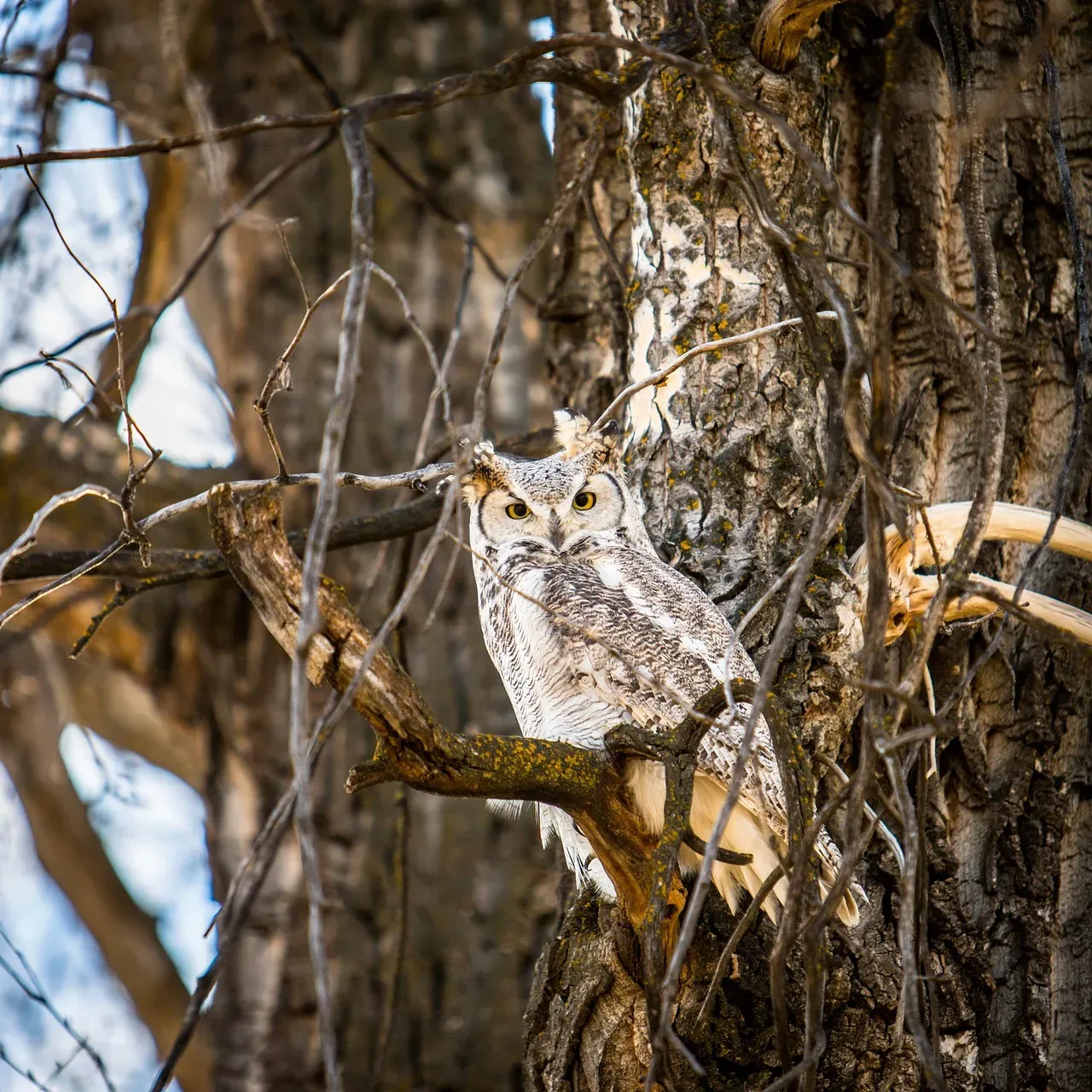
The masters of camouflage on this planet are universally accepted to be cephalopods, which can create optical illusions in the blink of an eye, and an octopus or cuttlefish on a coral reef can produce effective camouflage on any of the hundreds of backgrounds that it encounters in the most complex of nature’s habitats. Still, camouflage isn’t limited to the ocean. From Madagascar’s forests to shallow reefs, from jungle understory to rocky seafloors, animals have evolved remarkable ways to vanish.
These seven creatures represent just a fraction of nature’s disguise artists. What they share is an evolutionary commitment to invisibility so refined that even experts with training and technology get fooled regularly. It’s humbling, really. We think we’re observant, but these animals remind us how much we miss. Their survival depends on our inability to see them.
So next time you’re exploring nature, look twice. That leaf might blink. That rock might swim away. The natural world is far stranger and more deceptive than it appears at first glance. What do you think about these masters of disguise? Would you be able to spot them in the wild?
