
Ever walked through a city park and caught a flash of blue or scarlet overhead? Even a cardinal can stop you in your tracks. Now imagine multiplying that by a thousand. Picture feathers so vibrant they look photoshopped, colors so bold they seem borrowed from another dimension entirely.
Nature has a way of outdoing itself when it comes to birds. From tropical jungles to cloud forests, some species wear plumage so spectacular it almost feels like an insult to human fashion. These aren’t your average backyard visitors. Let’s dive into the world of birds that make rainbows look dull.
Scarlet Macaw
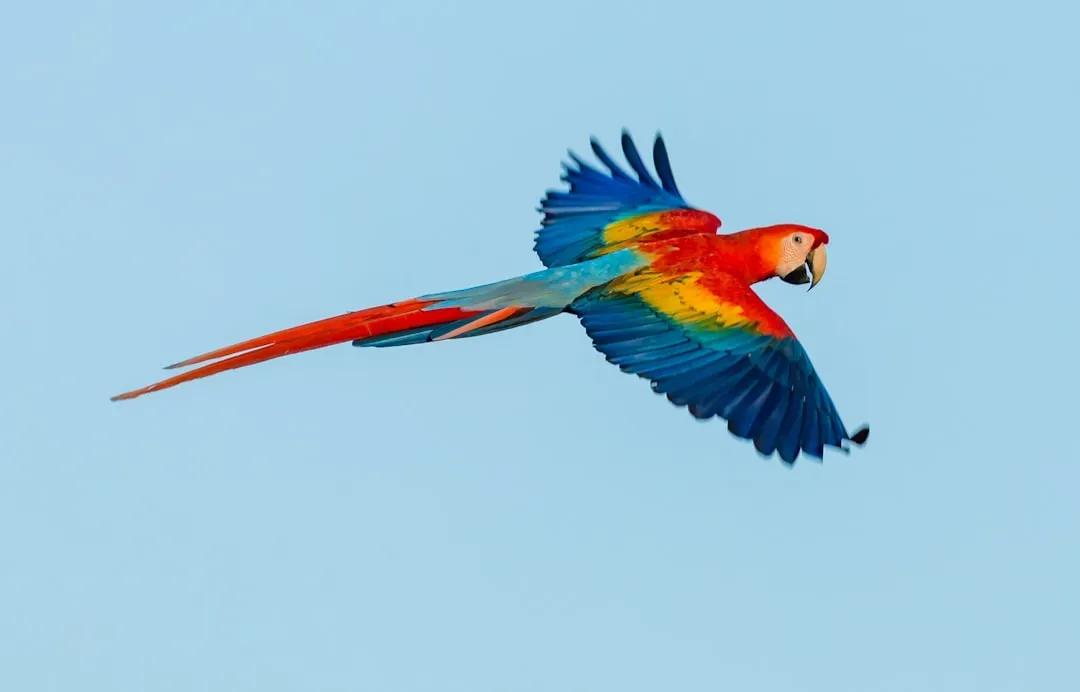
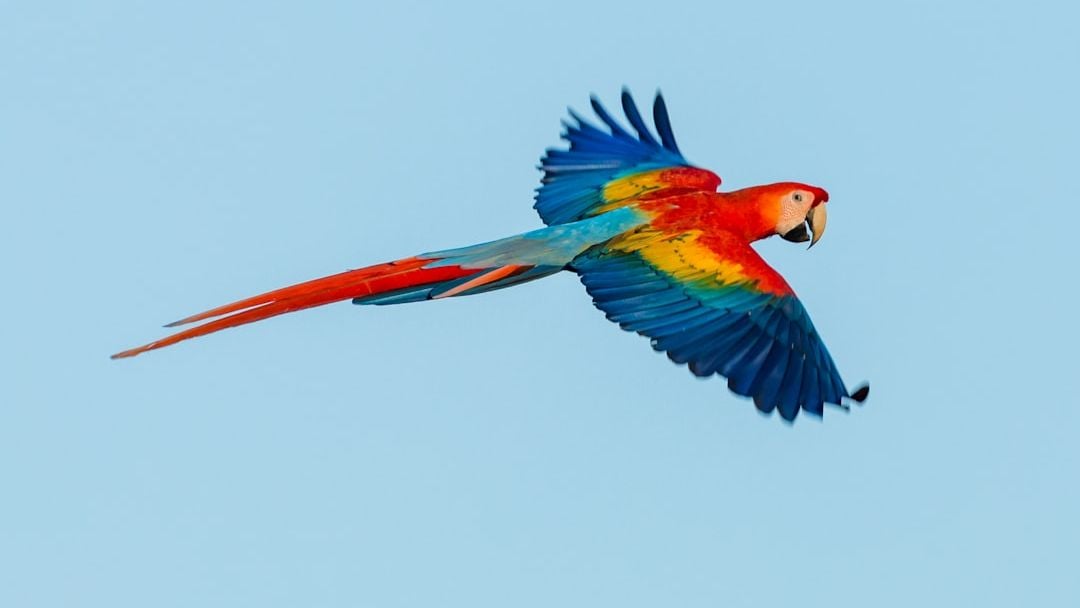
The Scarlet Macaw landed on this list for a reason: its brilliantly colored plumage features heads, shoulders, and upper tail feathers in beaming red, with blue dazzling on wings and lower tail feathers. Think of an artist who couldn’t decide on just one bold color and went wild with the entire palette. These magnificent parrots don’t just look stunning either.
These birds are not only visually stunning but also incredibly intelligent and social, often seen flying in pairs or small groups, with their loud, echoing calls heard across the forest canopy. The Scarlet Macaw’s coloration may seem flashy to us, but in its home it is camouflage, as the rainforests of Central and South America are vibrant places lushly covered in colorful fruits, flowers, and other plants, helping the bird blend in to avoid predators.
Hyacinth Macaw
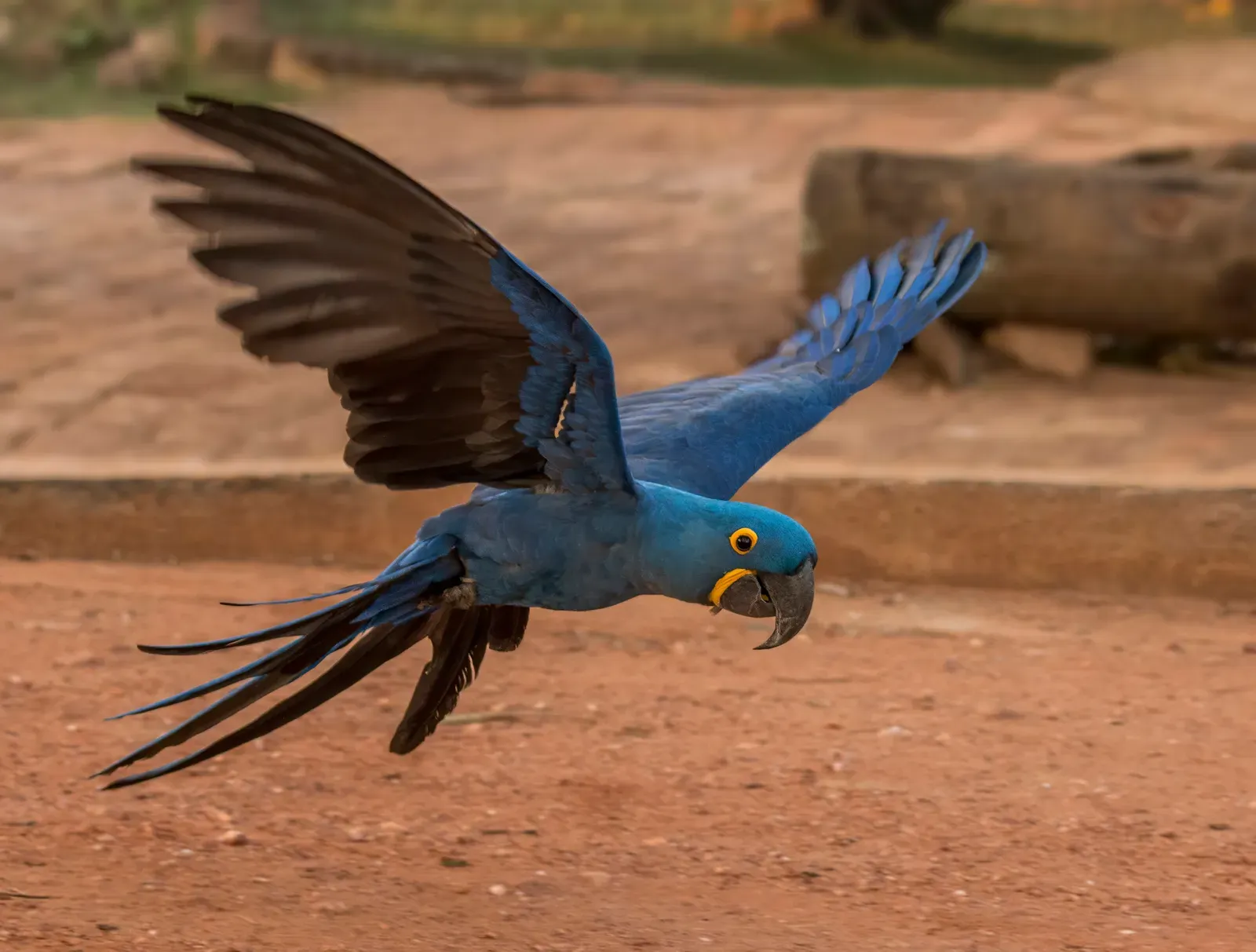
The hyacinth macaw is a parrot native to central and eastern South America, with a length of about one meter making it longer than any other species of parrot and the largest flying parrot species. Honestly, this bird looks like someone dipped it in cobalt paint and forgot to add any other colors. The effect is mesmerizing.
Its feathers are mostly blue, lighter above, with neck feathers sometimes slightly grey, and the ring around the parrot’s eyes and the area just underneath the beak are a strong, vibrant yellow. Because of their striking looks, Hyacinth macaws are popular in the exotic pet trade, and the capture of birds, together with habitat loss, are the main causes of these magnificent birds’ decline, though the Pantanal remains the best place to see them. To watch one of these gentle giants up close is an extraordinary experience.
Mandarin Duck
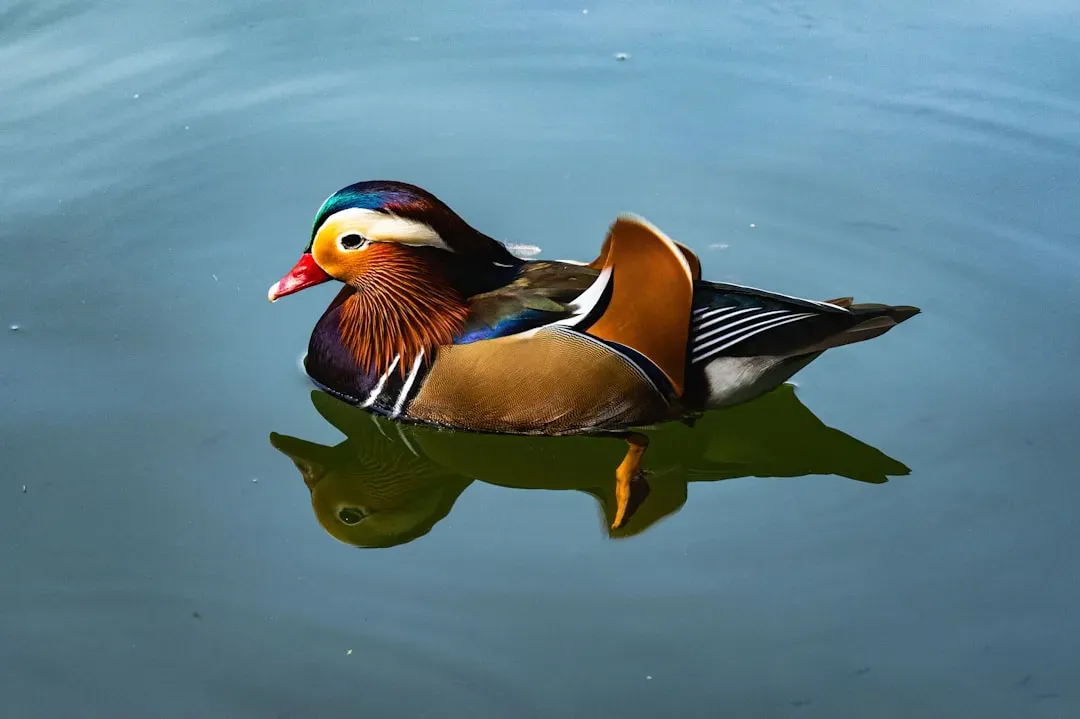
Let’s be real, most ducks get a bad reputation for being bland brown things paddling around ponds. Then there’s the Mandarin duck. People consider the plumage of this East-Asian duck the most ornate of all duck species, with males boasting iridescent feathers of red, brown, orange, and green.
The beautiful colors of male mandarin ducks appear only during mating season as a stunning display with hues of blue, gold, purple, green, and white, with males growing these colorful feathers only during mating season to assert their dominance and attract a female. Once they’ve found a partner, Mandarin ducks mate for life. I think that’s surprisingly romantic for such a flashy bird.
Indian Peacock
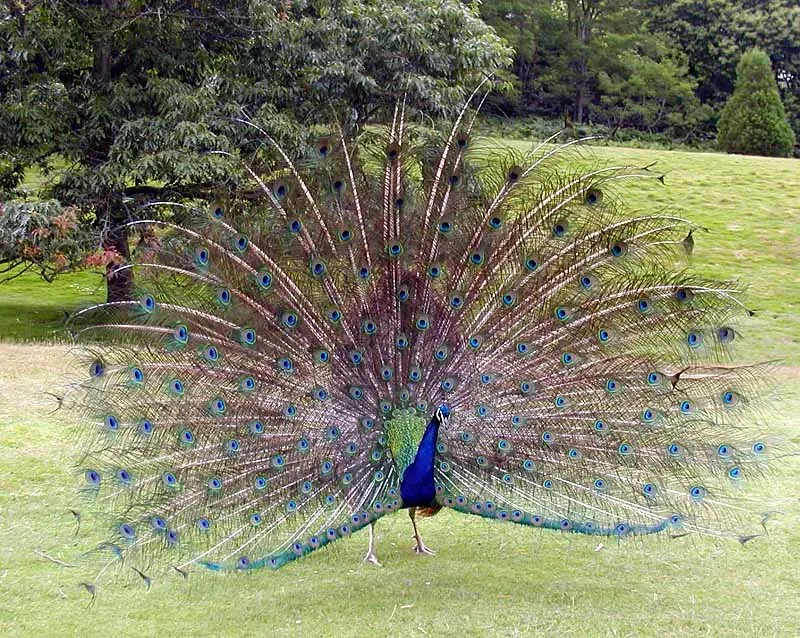
Male Indian peafowl, more commonly known as peacocks, are famous for their iridescent-blue feathers and eyespot-covered tails that they spread out to woo females. If there was ever a bird that screamed extravagance, this is it. When a peacock fans its tail, you can’t look away.
These birds have an ace up their sleeve: photonic crystals that can manipulate the light so you see different shades depending on the angle from which you’re viewing the bird, traits developed purely for sexual selection rather than as a means of survival. During mating season, the male performs an elaborate dance, fanning out its tail and shaking it to produce a rustling sound that attracts potential mates, and in Indian mythology the peacock symbolizes beauty, grace, and immortality.
Resplendent Quetzal
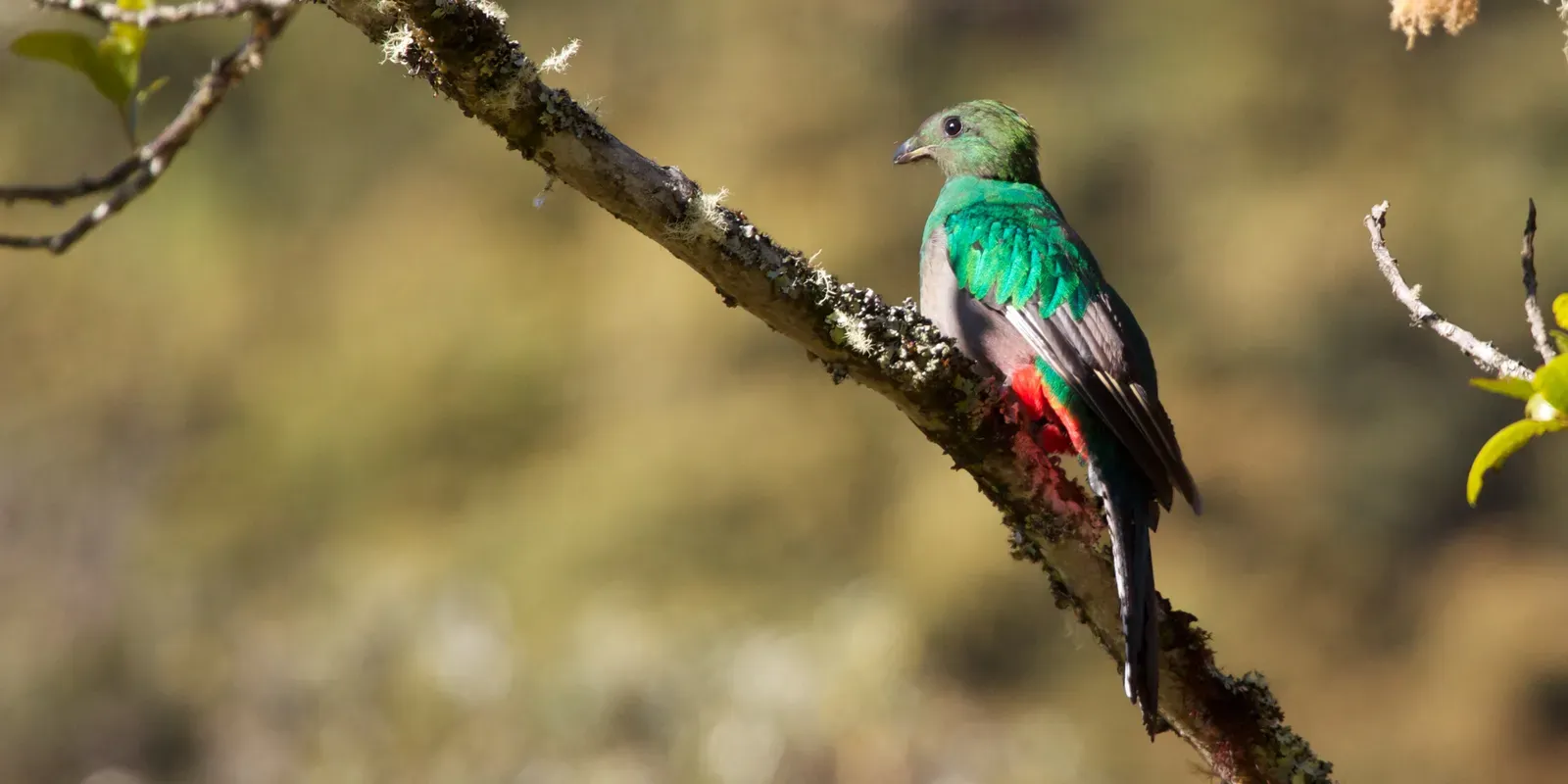
This colorful bird is the largest member of the quetzal family, measuring between 14 and 16 inches long, with iridescent plumage that appears green on their body and head but can also look gold, blue, or purple in a certain light, while their bellies are a reddish-purple color. It’s hard to say for sure, but this might be the most ethereal bird on the planet.
The male quetzal is especially stunning, with elongated tail feathers that trail behind it in flight creating a mesmerizing sight, and revered by ancient civilizations such as the Maya and Aztecs, the quetzal was seen as a symbol of freedom and was often associated with gods and royalty, remaining a national symbol of Guatemala today. Every glimpse of this bird feels like spotting a myth come to life.
Rainbow Lorikeet
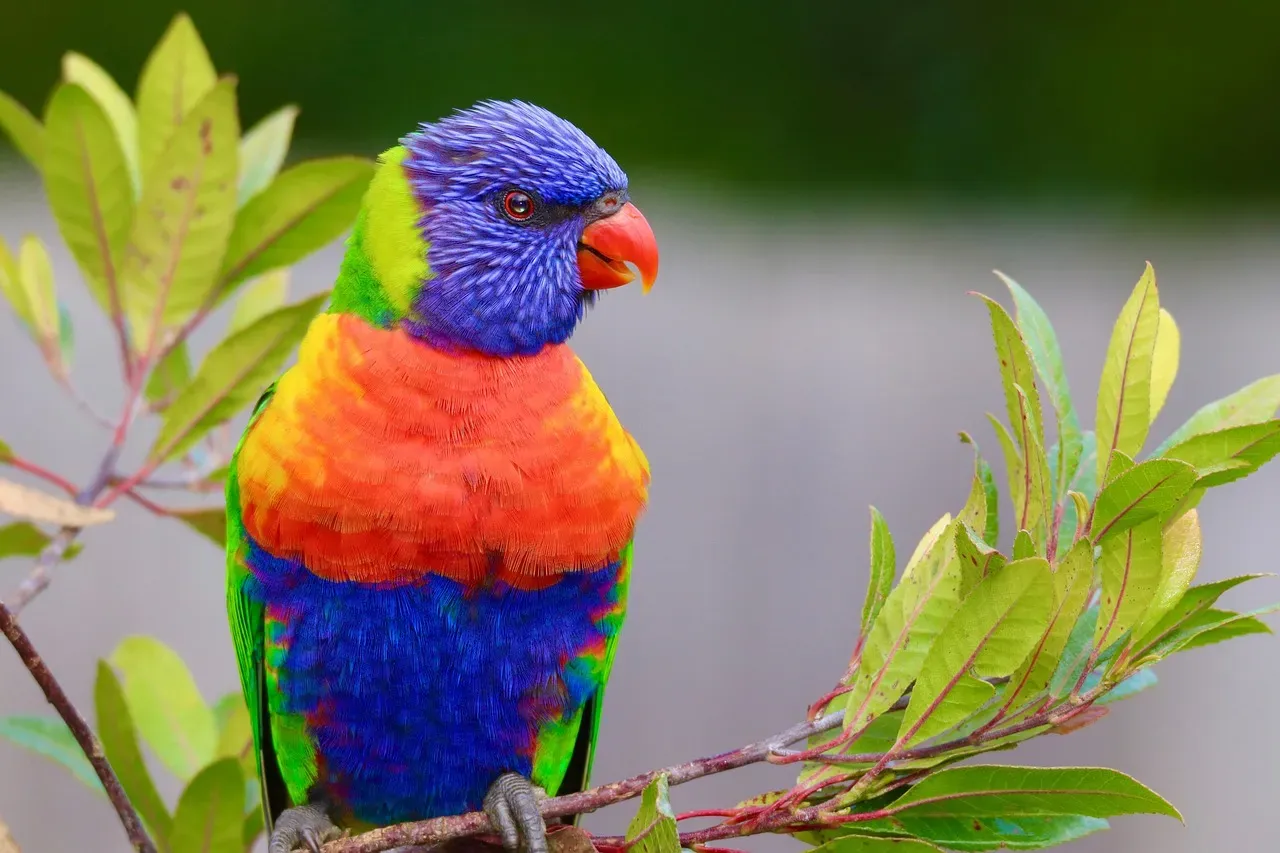
This small parrot is a splash of colors, with a bright blue head, green wings, orange chest, and yellow thighs, native to Australia and parts of Indonesia and widely recognized as one of the most colorful birds in the world. Imagine a flying bag of Skittles and you’re halfway there.
Energetic and sociable, the Rainbow Lorikeet brings a splash of color and sound to Australian landscapes, with joyful chirps and radiant feathers brightening up any environment, often seen darting through trees in noisy flocks feeding on nectar, pollen, and fruits, with their specialized brush-tipped tongues helping them extract nectar from flowers, making them important pollinators in their ecosystem.
Lilac-Breasted Roller
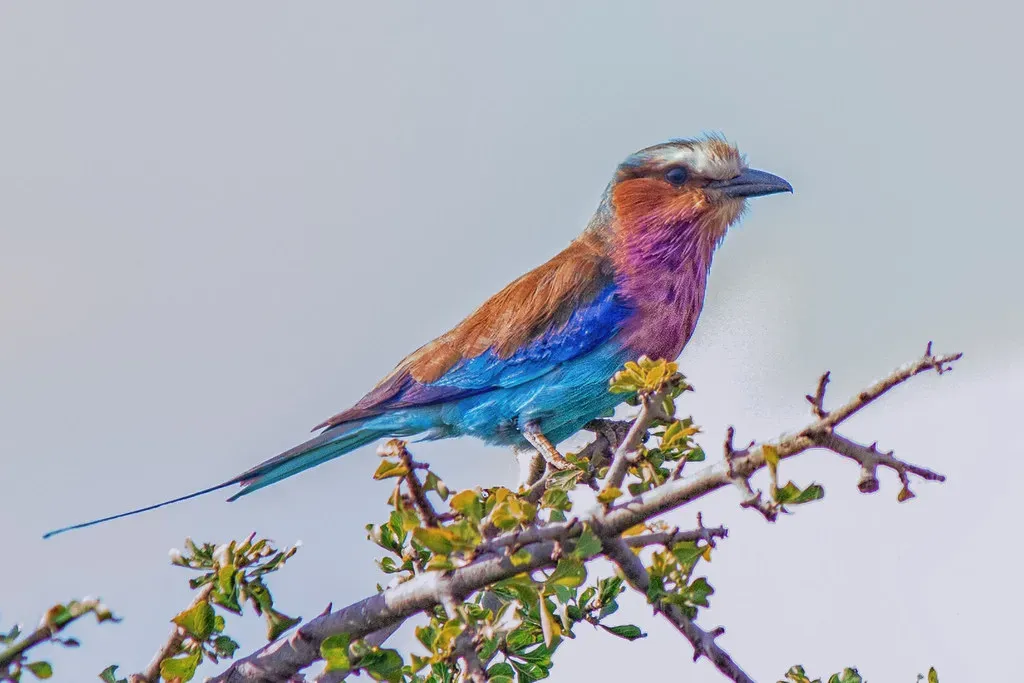
The Lilac-breasted Roller is a truly stunning bird, renowned for its vibrant plumage and dramatic aerial displays, boasting a breathtaking palette of colors with its most distinctive feature being the lilac-colored breast and throat. This African stunner doesn’t just sit pretty. It flies with purpose and style.
It also has a striking turquoise crown, a green-blue belly, and a rusty-orange face and cheeks, and to add to the kaleidoscope, its wings display a mix of vibrant blues and greens. The lilac-breasted roller gets its name from its acrobatic courtship display, which involves males repeatedly rising and plunging down with their wings tucked in to perform rolls. Watching one spin through the air is pure poetry in motion.
Conclusion
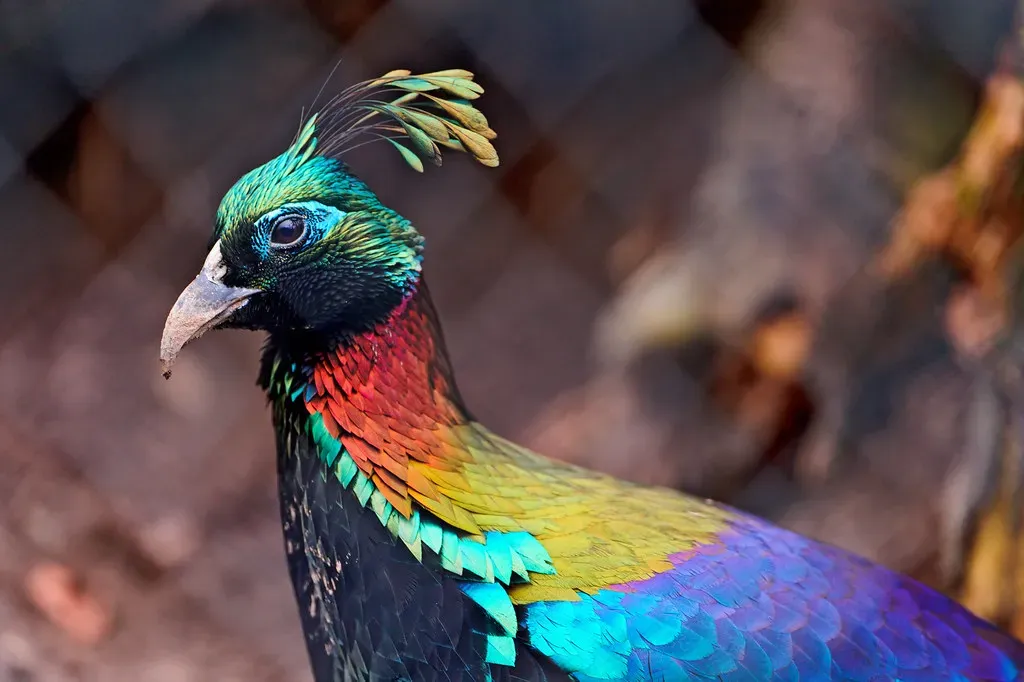
The world of colorful birds is proof that nature doesn’t need a reason to be extravagant. These seven species push the boundaries of what we think plumage can look like, each one a masterpiece painted by millions of years of evolution. From the cobalt depths of the Hyacinth Macaw to the kaleidoscopic brilliance of the Rainbow Lorikeet, they remind us that beauty exists in wild, untamed places.
Sadly, many of these birds face threats from habitat loss and illegal trade. Protecting them means protecting the forests, wetlands, and ecosystems they call home. What do you think about it? Have you ever seen one of these incredible birds in the wild? Tell us in the comments.

- There Is a Spot in the Pacific Ocean So Remote That the Nearest Humans Are Sometimes the Astronauts on the International Space Station Overhead - July 18, 2026
- The Oldest Living Animal Ever Documented Was Killed the Moment Scientists Discovered How Old It Was - July 18, 2026
- Wildlife Science Says a Wolf Howling Alone in the Dark Is Not Calling Its Pack – It Is Doing the Opposite and the Distinction Changes How We Understand Lone Wolves Entirely - July 18, 2026