

In the vast tapestry of avian evolution, certain birds have developed visual capabilities that far surpass our human limitations. These feathered marvels possess visual systems that allow them to spot prey from incredible distances, detect ultraviolet light invisible to human eyes, and process visual information at speeds we can barely comprehend. From the majestic eagles soaring high above mountain ranges to the nimble falcons diving at breathtaking speeds, birds with exceptional vision have adapted to dominate their ecological niches through the power of sight. This article explores the remarkable visual capabilities of the birds with the sharpest vision on Earth, examining the evolutionary adaptations, physiological mechanisms, and behavioral implications of their extraordinary visual prowess.
The Science Behind Avian Vision
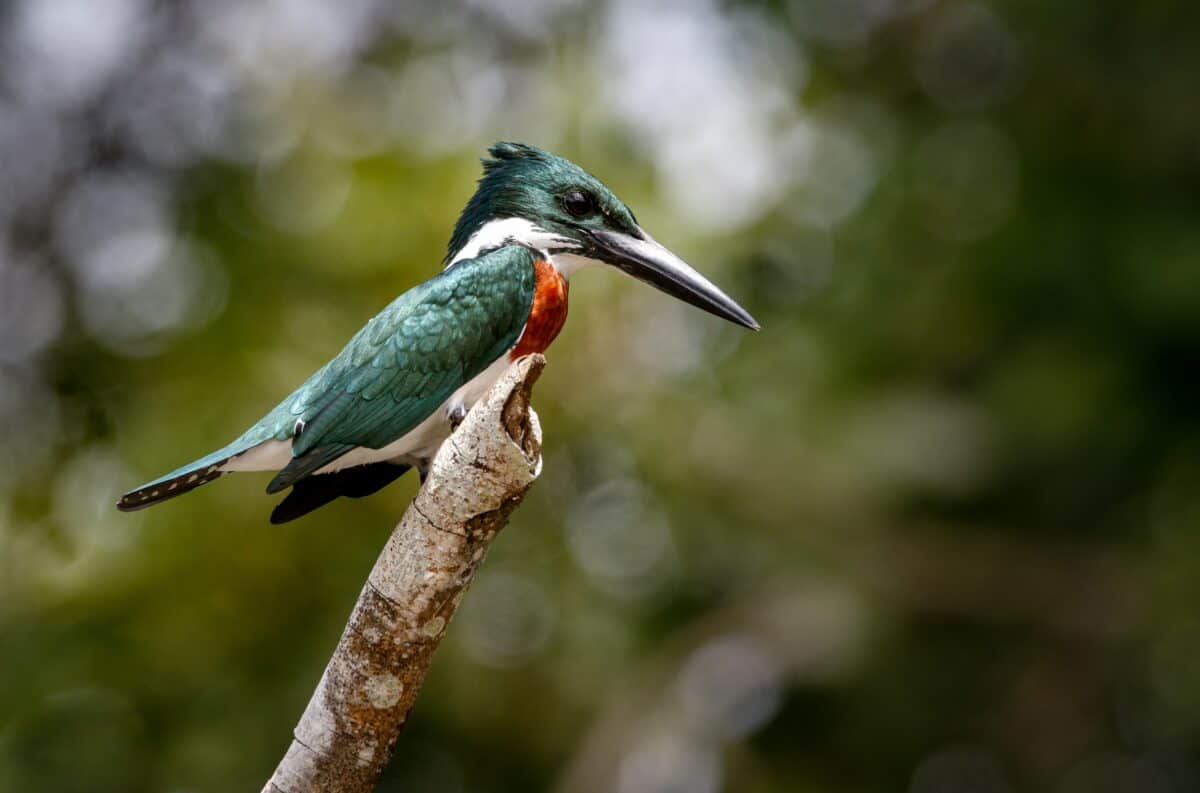
Birds’ exceptional vision begins with the anatomy of their eyes, which are proportionally larger relative to their body size than in almost any other vertebrate. The avian eye takes up a significant portion of the skull—in some species, the eyes weigh more than the brain. This size advantage provides room for specialized structures that enhance visual acuity. Unlike humans, who have three types of color-detecting cone cells, many birds possess four or even five types, including those sensitive to ultraviolet light. Additionally, birds have a higher density of photoreceptors in their retinas, with some species packing up to one million photoreceptors per square millimeter—five times more than humans. This dense arrangement of visual cells contributes to their extraordinary ability to discern fine details at distances that would render objects invisible to the human eye.
Eagles: The Undisputed Champions of Vision
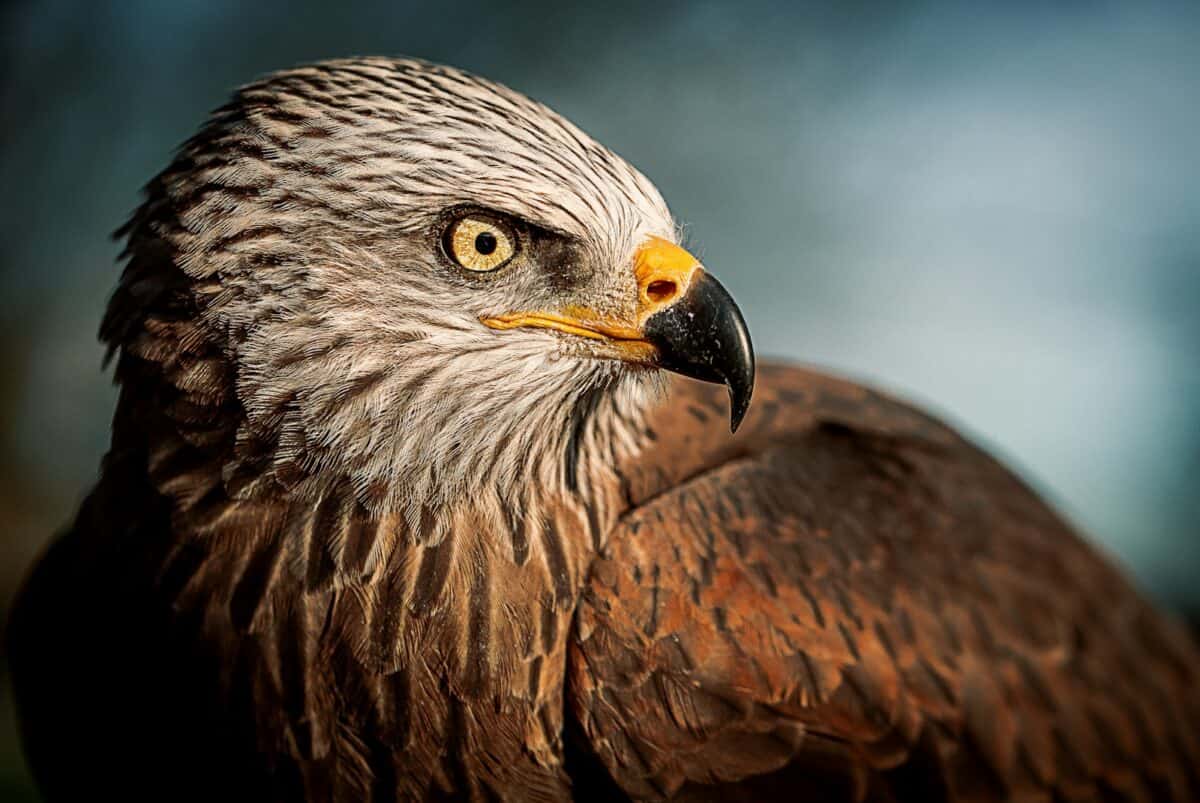
Among birds with exceptional vision, eagles stand supreme. The golden eagle and bald eagle possess visual acuity estimated to be 4-8 times sharper than that of humans with perfect 20/20 vision. This means an eagle can spot a rabbit from approximately two miles away. The secret to this remarkable capability lies partly in their specialized fovea—a depression in the retina packed with an extraordinary concentration of cone cells. While humans have a single fovea, eagles possess two foveae in each eye, allowing them to see forward and to the side simultaneously with exceptional clarity. Their eyes also contain more light-sensitive cells called cones, which are responsible for daytime vision and color perception. These adaptations make eagles among the most visually gifted hunters in the animal kingdom, capable of spotting the slightest movement of potential prey from astonishing heights.
Peregrine Falcons: High-Speed Visual Processing
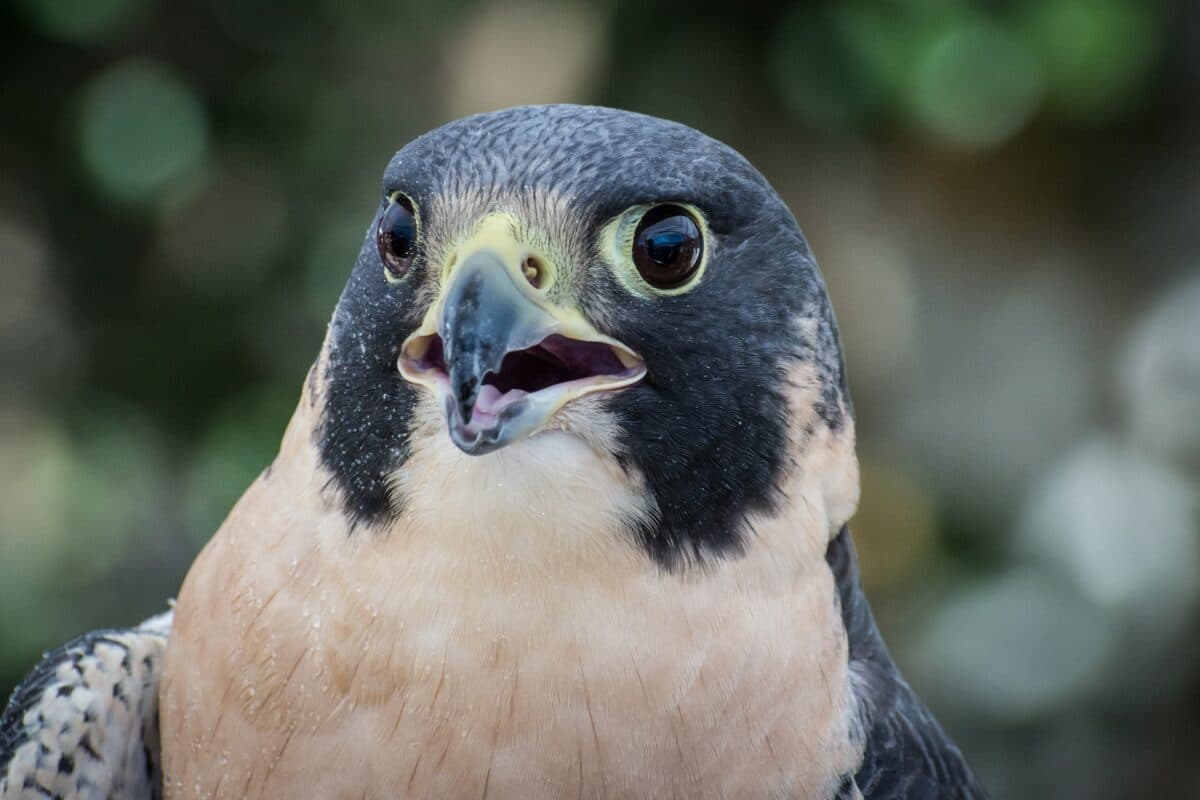
Peregrine falcons, renowned as the fastest animals on Earth, reaching speeds of over 240 mph during hunting dives, possess vision specifically adapted for their high-velocity lifestyle. Their visual processing speed is perhaps even more impressive than their visual acuity. While humans process about 60 visual frames per second, research suggests peregrines may process visual information at more than twice that rate, allowing them to track fast-moving prey with precision during their spectacular dives. Their eyes contain a higher proportion of rod cells, which are specialized for detecting movement, compared to most other diurnal birds. Additionally, peregrines have evolved a specialized protective mechanism—a translucent third eyelid called the nictitating membrane—that shields their eyes during high-speed dives while still allowing them to see. This combination of high visual processing speed and physical protection enables these raptors to maintain visual lock on targets during the most extreme hunting maneuvers.
Ospreys: Specialized for Underwater Vision
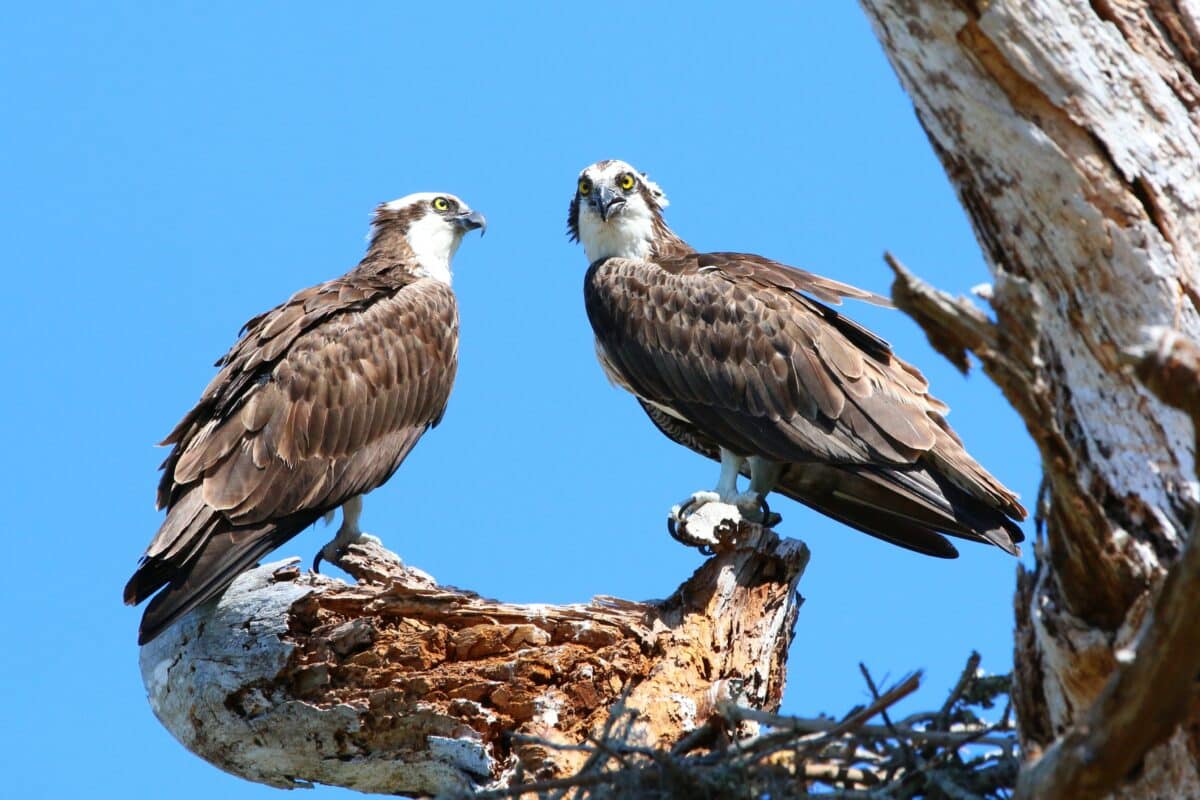
Ospreys have evolved specialized vision that allows them to spot fish underwater from heights of up to 130 feet. What makes their vision particularly remarkable is their ability to compensate for the refraction of light as it passes from air to water—a visual challenge that confounds most predators. Their eyes contain specialized oil droplets that filter light in ways that enhance contrast against the water’s surface, making fish more visible. Additionally, ospreys possess polarization sensitivity, which helps them cut through glare on the water’s surface that would blind most other birds. When an osprey dives toward water, its nictitating membrane—a specialized third eyelid—acts like built-in polarized sunglasses, further reducing glare. These adaptations collectively enable ospreys to make precise fishing dives with a success rate of approximately 70 percent—an extraordinary hunting efficiency that depends almost entirely on their specialized vision.
Hawks: Masters of Motion Detection

Hawks possess visual systems exquisitely tuned to detect motion, allowing them to spot small prey animals from considerable distances. The red-tailed hawk, for example, can detect the movement of a mouse from a perch 100 feet high. This motion sensitivity comes from a high concentration of rod cells in their retinas, specialized for detecting movement and functioning well in lower light conditions. Additionally, hawks have evolved neural circuitry that prioritizes motion processing, dedicating significant brain resources to analyzing movement patterns. Their visual field is enormous—some hawk species can see almost 360 degrees around them with minimal head movement, with a binocular overlap (the area seen by both eyes) of about 45 degrees, providing excellent depth perception for precisely judging distance to moving prey. This combination of motion detection, panoramic vision, and accurate depth perception makes hawks among the most efficient visual hunters in the avian world.
Kestrels: UV Vision Specialists

American kestrels employ a hunting strategy that relies on a visual capability invisible to humans—ultraviolet vision. These small falcons can detect the UV reflectance of rodent urine trails, which effectively glow like fluorescent highways against the landscape when viewed through UV-sensitive eyes. Research has demonstrated that kestrels preferentially hunt in areas with high concentrations of these UV indicators, essentially following the chemical footprints of their prey. This specialized vision results from a fourth type of cone cell in their retinas, specifically sensitive to ultraviolet wavelengths, along with specialized oil droplets that act as filters enhancing UV sensitivity. The kestrel’s remarkable UV adaptation represents a fascinating example of sensory evolution, where a predator has developed the ability to exploit a communication system used by its prey. Rodents, unaware that their territorial markings and mating signals are visible beacons to these predators, inadvertently create hunting maps that lead kestrels directly to them.
Vultures: Long-Distance Vision Specialists

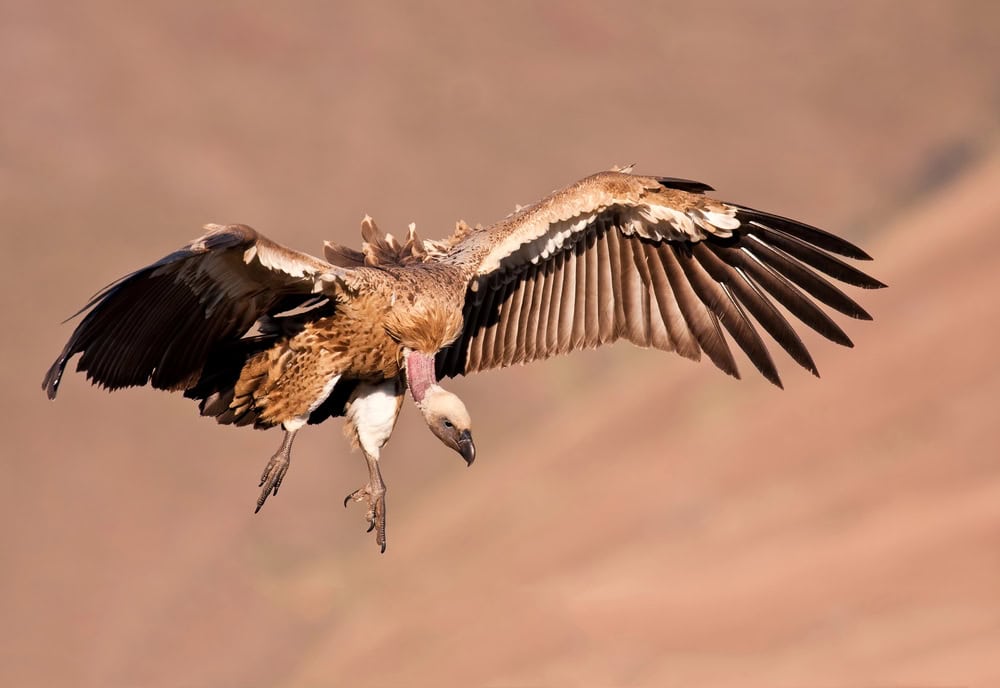
Vultures combine exceptional long-distance vision with specialized adaptations for soaring at great heights where they scan vast territories for carrion. These scavengers can spot a 3-foot animal carcass from up to 4 miles away while soaring at altitudes of 15,000 feet or higher. Their remarkable visual range allows them to efficiently search hundreds of square miles of territory each day. Vultures possess a visual adaptation called a “visual streak”—an elongated region of high visual acuity across their retina that creates a panoramic, high-resolution band of vision perfectly suited for scanning horizons while soaring. Additionally, their eyes contain a higher proportion of cone cells compared to most birds, enhancing color vision and detail discrimination, which helps them distinguish the subtle coloration changes that occur in decomposing animals. Some vulture species also appear to have sensitivity to the ultraviolet light spectrum, which may help them detect the early biochemical processes of decay before visual signs are apparent to other scavengers.
Owls: Night Vision Specialists
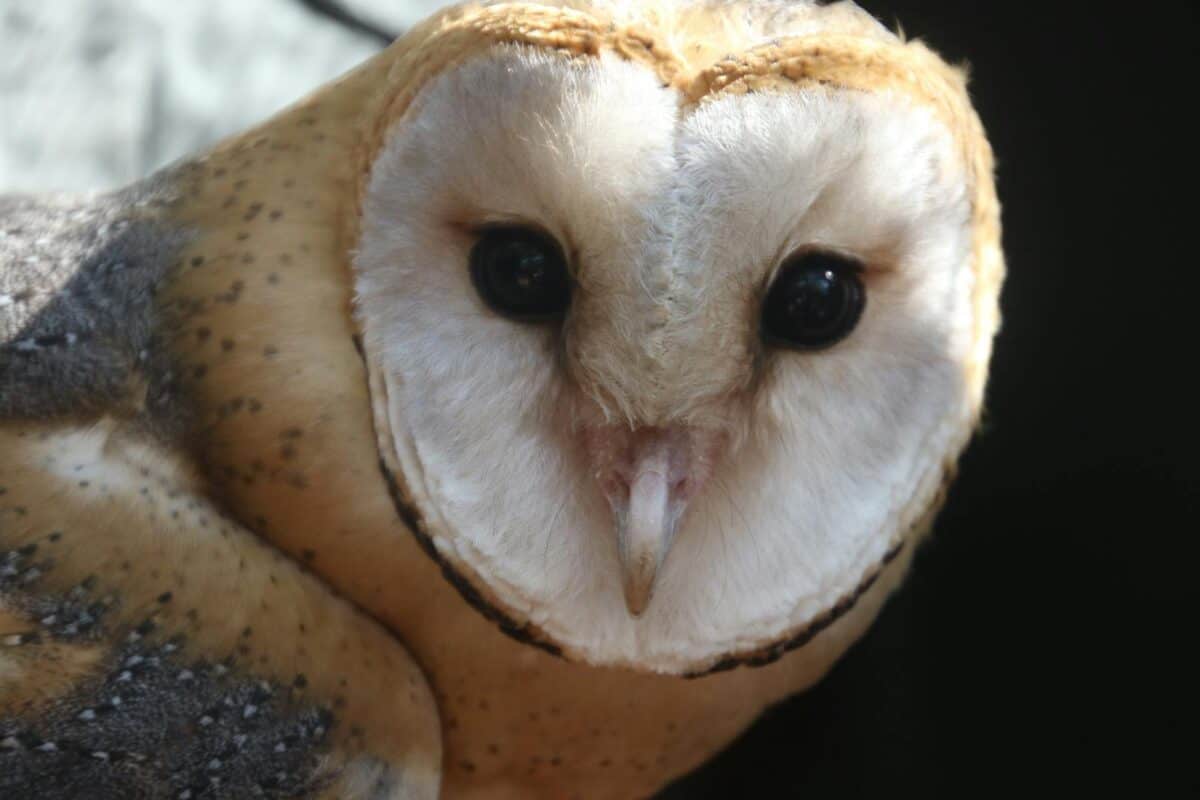
While not possessing the sharpest daylight vision, owls have evolved specialized visual systems optimized for nocturnal hunting. Their enormous eyes, which can account for up to 5% of their body weight, gather maximum available light in dim conditions. The great horned owl’s eyes are approximately 100 times more sensitive to light than human eyes. Unlike the color-detecting cone cells that dominate diurnal birds’ retinas, owls’ eyes contain an abundance of rod cells—specialized photoreceptors that function well in low light but sacrifice color vision. Their retinas also contain a reflective layer called the tapetum lucidum, which reflects light back through the retina, effectively giving photons a second chance to be detected. While their visual acuity isn’t comparable to eagles during daylight, owls can detect a moving mouse under starlight from more than 150 feet away. This extraordinary night vision, combined with their specialized hearing capabilities, makes owls formidable nocturnal predators.
Kingfishers: Refraction Compensation Experts

Kingfishers have evolved specialized vision that solves one of the most challenging optical problems in nature—accurately targeting prey underwater while observing from air. Water refracts light, causing objects beneath the surface to appear in different positions than where they actually are—a phenomenon that creates a significant hunting challenge. Kingfishers have developed neural adaptations that automatically compensate for this refraction, allowing them to dive with pinpoint accuracy. Their eyes contain specialized structures that enhance contrast and reduce glare on water surfaces, making submerged prey more visible. Some kingfisher species possess asymmetrical eye placement, with slightly different positions for each eye, which may further aid in accurate underwater targeting. The precision of their vision-guided dives is remarkable—kingfishers regularly plunge into water at speeds that would result in serious injury if their trajectory calculations were even slightly incorrect, yet they consistently capture small fish with their perfectly aimed strikes.
Hummingbirds: High-Speed Visual Processing Champions

Hummingbirds represent the extreme end of high-speed visual processing in the avian world. These tiny birds can process visual information at rates potentially exceeding 80 frames per second—significantly faster than most birds and dramatically faster than the human visual system. This rapid visual processing is crucial for their unique flight capabilities, allowing them to navigate complex three-dimensional environments at speeds of up to 60 mph and to hover with precision in front of flowers. Their eyes contain an unusually high proportion of cone cells dedicated to motion detection, and their brains dedicate significant neural resources to visual processing. Hummingbirds also possess exceptional color vision, with sensitivity extending into the ultraviolet range, enabling them to detect subtle patterns on flowers that are invisible to humans. Their remarkable visual system allows these avian acrobats to perceive the world in what amounts to ultra-slow motion compared to human perception, giving them the reaction time needed for their extraordinary aerial maneuvers.
Evolutionary Adaptations and Trade-offs

The extraordinary vision capabilities of birds represent evolutionary responses to specific ecological pressures, but they come with significant biological costs and trade-offs. The metabolic demands of maintaining highly developed visual systems are substantial—the eagle’s eyes require considerable energy to support their neural processing power. Brain tissue dedicated to visual processing competes with other potential brain functions for limited cranial space and metabolic resources. Additionally, specialization often narrows ecological niches; the osprey’s vision is superbly adapted for detecting fish but may be less effective for other hunting strategies. Some visual adaptations come with vulnerability trade-offs; the huge eyes of owls enhance night vision but are delicate and susceptible to injury. Perhaps most significantly, the genetic investment in extraordinary vision represents evolutionary resources that couldn’t be directed toward other potential adaptations. These trade-offs highlight the principle that exceptional adaptation in one area typically comes at the expense of capabilities in others—a fundamental concept in evolutionary biology demonstrated dramatically by birds with specialized vision.
Comparing Avian and Human Vision

The disparity between avian and human visual capabilities is profound and multidimensional. While humans with perfect vision have an acuity of 20/20, many birds of prey have visual acuity equivalent to approximately 20/5 or better—meaning they can clearly see at 20 feet what humans would need to be at 5 feet to see with the same clarity. Color perception represents another dramatic difference; humans possess three types of color receptors (trichromatic vision), while many birds have four or five types (tetrachromatic or pentachromatic vision), allowing them to perceive ultraviolet light and millions more color variations than humans can detect. The field of vision differs significantly as well—humans have a roughly 180-degree field of view with approximately 120 degrees of binocular overlap, while many birds have nearly 360-degree vision with varying degrees of binocular overlap depending on predatory needs. Visual processing speed also separates us; humans process approximately 60 visual frames per second, while many birds process visual information at rates exceeding 100 frames per second. These differences highlight how evolutionary pressures have shaped visual systems to match specific ecological needs and lifestyles.
The Future of Avian Vision Research

The study of avian vision continues to expand our understanding of both biological capabilities and potential applications for human technology. Advanced neuroimaging techniques are now revealing how birds’ brains process visual information, potentially providing insights for artificial vision systems. Research into the genetic basis of specialized visual adaptations may offer applications in treating human visual disorders or enhancing human vision capabilities through biomedical interventions. The study of birds’ ultraviolet vision has already influenced the development of specialized lighting systems in agriculture and pest management. Perhaps most significantly, understanding how birds achieve their remarkable motion detection and image processing capabilities is informing the development of more efficient computer vision algorithms for applications ranging from autonomous vehicles to medical imaging. As research tools become more sophisticated, we can expect to uncover even more remarkable aspects of avian vision, furthering our appreciation of these extraordinary sensory systems and potentially revolutionizing human visual technologies through biomimicry of nature’s most visually gifted creatures.
Conclusion
The extraordinary visual capabilities of birds represent one of evolution’s most remarkable achievements, demonstrating how sensory systems can be refined to extraordinary levels when driven by specific ecological pressures. From the eagle’s unmatched visual acuity to the kestrel’s ultraviolet sensitivity, from the osprey’s refraction compensation to the owl’s night vision, birds have evolved visual systems that dramatically outperform human sight in numerous specialized ways. These adaptations remind us that perception is not universal but is shaped by evolutionary needs, resulting in diverse ways of experiencing the same world. As we continue to study and understand avian vision, we not only gain appreciation for these remarkable creatures but also find inspiration for technological innovations that might enhance human capabilities or solve complex visual challenges. The birds with the sharpest vision on Earth stand as living examples of what specialized sensory evolution can achieve, setting a standard of visual excellence that continues to astonish scientists and bird enthusiasts alike.

- Could the Tasmanian Tiger Be Brought Back to Life? - July 21, 2026
- Why You Should Never Approach a Sleeping Hippo - July 21, 2026
- The Truth About Hyena Intelligence and Social Power - July 21, 2026