


In the scorching deserts of the American Southwest, the blistering salt flats of Death Valley, and the sun-baked badlands of the Great Basin, temperatures regularly soar past 120°F during summer months. These extreme environments seem uninhabitable to humans without modern technology, yet they teem with remarkable life. Specialized creatures have evolved extraordinary adaptations that allow them to not only survive but thrive in America’s hottest places. From dormancy strategies and specialized body structures to unique water conservation methods, these organisms represent some of nature’s most impressive examples of resilience and adaptation. Let’s explore the fascinating creatures that have mastered survival in America’s most extreme heat environments.
The Remarkable Desert Bighorn Sheep

Desert bighorn sheep (Ovis canadensis nelsoni) have evolved extraordinary physiological adaptations to survive in the scorching deserts of the southwestern United States, where temperatures routinely exceed 110°F. Unlike most mammals, these hardy ungulates can lose up to 30% of their body weight in water and still survive, compared to humans who can suffer severe health consequences after losing just 10%. Their specialized nasal passages cool the air they breathe before it reaches their lungs, conserving precious body moisture. Additionally, desert bighorns have developed remarkably efficient kidneys that produce highly concentrated urine, allowing them to conserve water to an extraordinary degree.
Perhaps most impressive is the bighorn sheep’s thermal regulation system. Their large, hollow horns act as radiators, with a network of blood vessels that help dissipate heat from the body. When temperatures rise to extreme levels, these sheep retreat to shaded areas under rock overhangs and in caves during the hottest parts of the day, emerging to feed during cooler morning and evening hours. Their specialized digestive systems can extract maximum moisture from even the most desiccated desert plants, enabling them to go for extended periods without drinking water directly. These adaptations allow desert bighorns to thrive in places like Death Valley, where summer temperatures can reach a blistering 130°F.
The Death Valley Pupfish: Masters of Extreme Environments
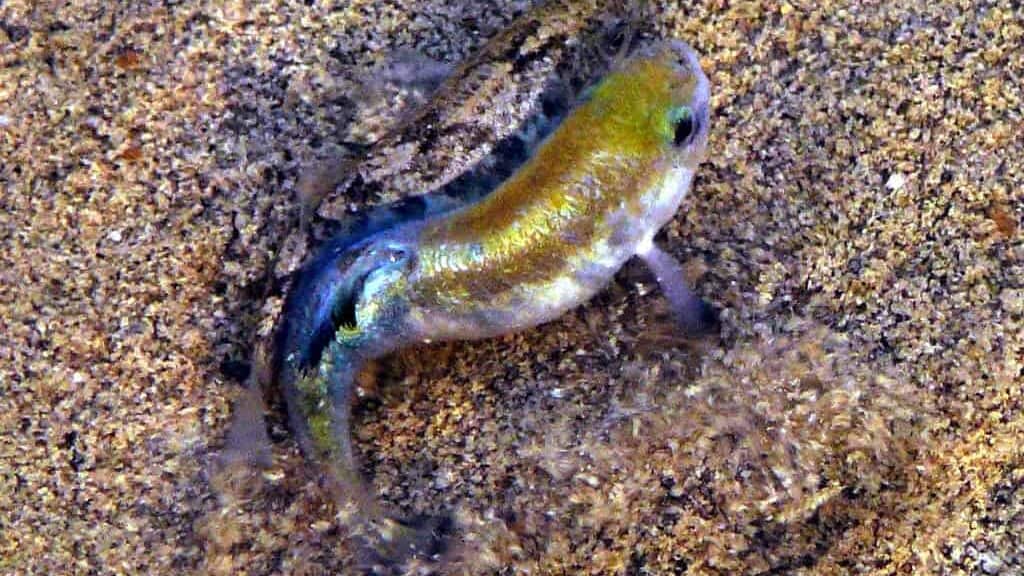
The Devil’s Hole pupfish (Cyprinodon diabolis) represents one of nature’s most remarkable stories of adaptation and survival. These tiny fish, barely an inch long, live in a single limestone cavern in Nevada’s Death Valley National Park area. What makes them extraordinary is their habitat—the water they inhabit fluctuates between 90°F and 93°F, which is near-lethal for most fish species. Their entire population, sometimes numbering fewer than 100 individuals, exists exclusively in this single water-filled cavern measuring just 10 feet by 60 feet with a small shallow shelf where they feed and reproduce.
These pupfish have evolved specialized metabolic adaptations that allow them to thrive in water with low oxygen content at high temperatures. They can function with less oxygen than virtually any other fish species, adjusting their metabolism to match the harsh conditions. Their bodies have adapted to tolerate the high mineral content of their native waters, which would be toxic to most other aquatic life. Scientists believe they have been isolated in this hostile environment for between 10,000 and 20,000 years, making them living examples of rapid evolutionary adaptation. The pupfish’s ability to survive in waters that reach temperatures exceeding 90°F makes them a scientific marvel and one of America’s most heat-tolerant creatures.
Sidewinder Rattlesnakes: Desert Movement Specialists

The sidewinder rattlesnake (Crotalus cerastes) has mastered life in America’s hottest desert sands through a suite of behavioral and physical adaptations. Most famous for its unique sidewinding locomotion, this small rattlesnake moves across scorching desert sands by throwing its body in J-shaped loops, minimizing contact with the superheated surface. On days when sand temperatures exceed 140°F—hot enough to cook an egg—this specialized movement ensures only small portions of the snake’s body touch the ground at any given moment, preventing potentially fatal overheating.
Beyond their distinctive movement, sidewinders possess specialized scales that help them retain moisture in the desert’s arid conditions. Their raised, horn-like scales above the eyes serve a dual purpose: they provide shade for the eyes and prevent sand from falling into them during sandstorms or when the snake buries itself. Sidewinders are primarily nocturnal, hunting during cooler night hours and spending daylight hours buried just beneath the sand’s surface with only their eyes and nostrils exposed. This behavior allows them to escape the most intense desert heat while remaining alert to potential prey. Their remarkable ability to detect infrared radiation enables them to sense prey’s body heat, making them efficient hunters in the pitch-black desert nights. These combined adaptations allow sidewinders to thrive in Death Valley, the Mojave Desert, and other extremely hot American desert regions.
Scorpions: Ancient Heat Warriors
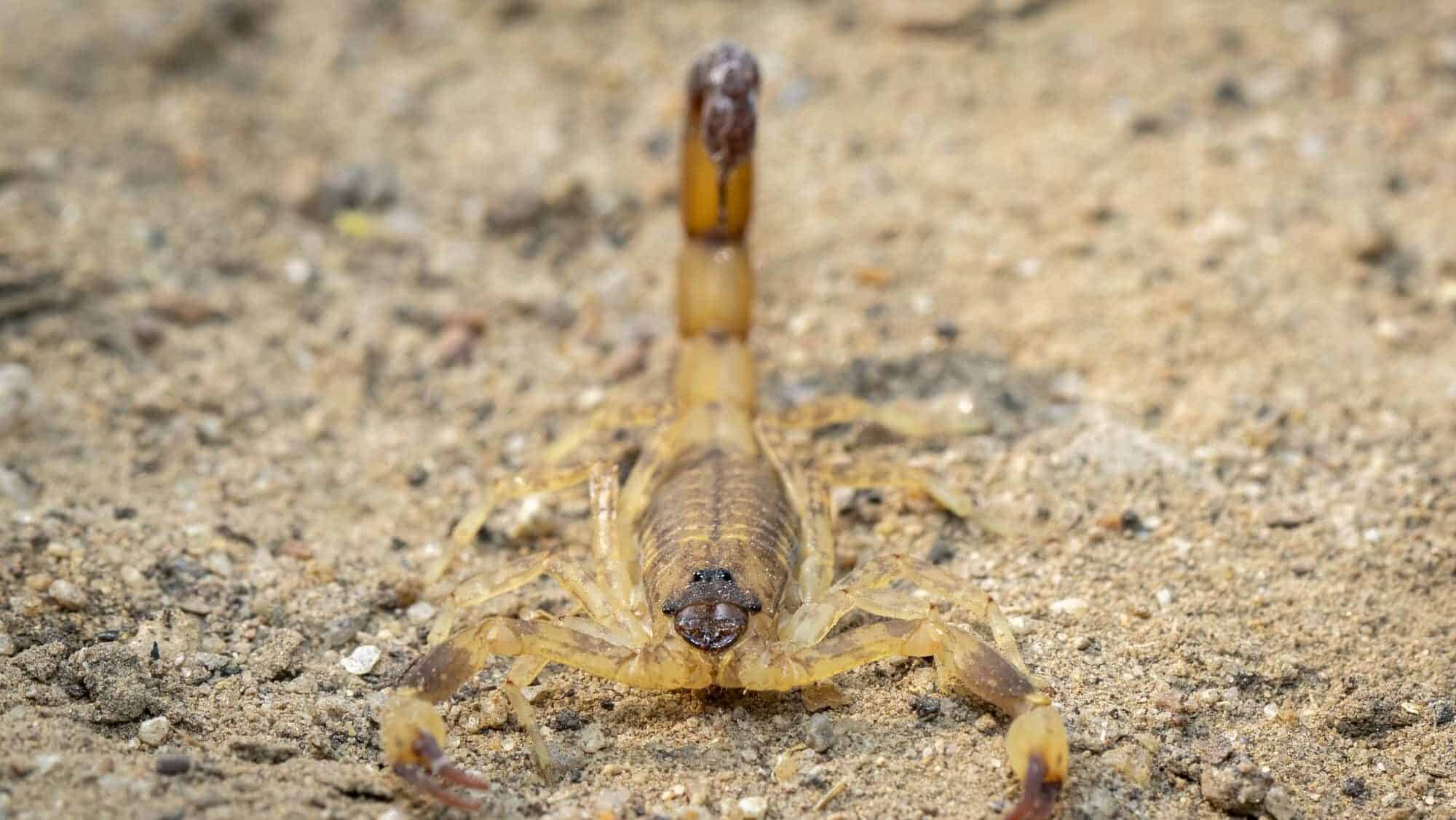
Scorpions, particularly the desert hairy scorpion (Hadrurus arizonensis), have perfected survival in America’s hottest regions over millions of years of evolution. These arachnids thrive in places like Death Valley and the Sonoran Desert where daytime temperatures regularly exceed 120°F. Their extraordinary heat tolerance stems from several evolutionary advantages. Their exoskeletons contain a substance called resilin, which reflects rather than absorbs heat, while a waxy coating prevents water loss. So effective are these adaptations that scorpions can survive temperatures that would kill most other creatures—experimental studies have shown some species can endure direct heat up to 117°F before experiencing distress.
Perhaps even more impressive is the scorpion’s behavioral adaptation to extreme heat. These creatures are predominantly nocturnal, emerging from their underground burrows only after sunset when temperatures drop to more manageable levels. During daylight hours, they retreat to burrows that can extend several feet below the surface, where temperatures remain relatively stable and cool. Their metabolism slows dramatically during periods of extreme heat or drought, allowing them to survive on minimal resources. Some desert scorpions can reduce their metabolic rate so significantly that they can survive for up to a year on a single meal. Their ability to fluoresce under ultraviolet light—glowing a brilliant blue-green—remains one of their most mysterious traits, potentially serving as a natural sunscreen that helps them detect and avoid harmful UV radiation. These combined adaptations make scorpions among the most successful heat-adapted creatures in America’s desert regions.
Kangaroo Rats: Water Conservation Champions
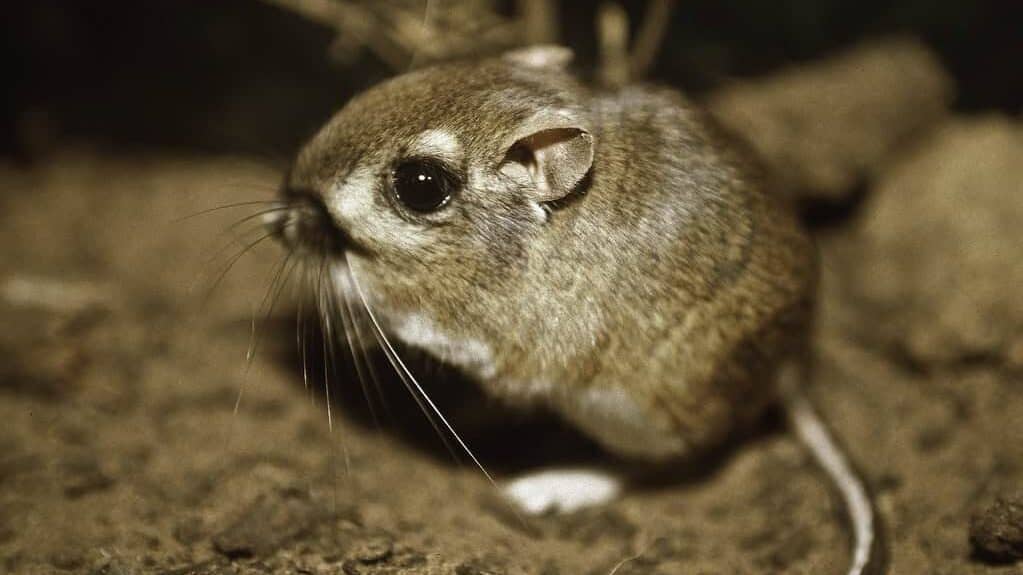
Kangaroo rats (Dipodomys species) represent perhaps the ultimate example of water conservation among mammals in America’s hottest deserts. These remarkable rodents have evolved to live their entire lives without ever drinking water directly. Instead, they derive all necessary moisture from the dry seeds and plants they consume, extracting every possible drop through their specialized metabolic processes. Their kidneys are so extraordinarily efficient that they produce the most concentrated urine of any mammal, allowing them to conserve virtually every molecule of water that enters their bodies. This adaptation is critical in places like Death Valley and the Sonoran Desert, where rainfall may be absent for years at a time.
Behaviorally, kangaroo rats are perfectly adapted to desert life. They spend daylight hours in complex underground burrow systems that can be 20°F cooler than the surface. These burrows feature multiple chambers and escape tunnels, providing protection from both heat and predators. The rodents plug their burrow entrances with soil during the day to maintain humidity and coolness inside. They emerge only after sunset to forage, when temperatures have dropped significantly. Their namesake hopping locomotion—using powerful hind legs to bound across the sand—minimizes contact with the hot ground and conserves energy. Perhaps most impressively, kangaroo rats have evolved specialized nasal passages that recapture moisture from exhaled breath, preventing water loss through respiration. This suite of adaptations allows these small mammals to thrive in America’s hottest places, where daytime temperatures regularly exceed 110°F and water is exceptionally scarce.
The Gila Monster: Desert’s Venomous Survivor
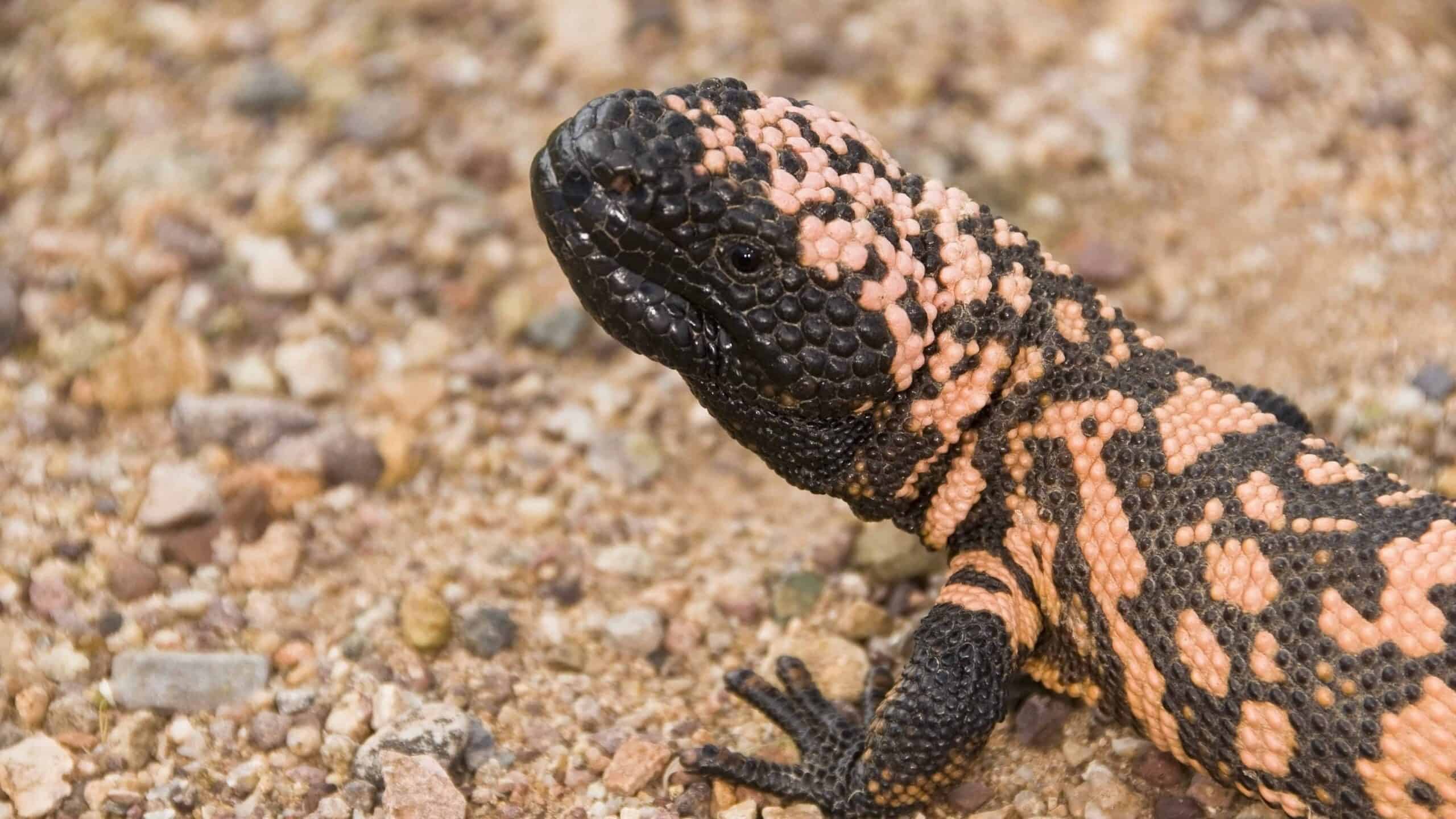
The Gila monster (Heloderma suspectum), one of only two venomous lizards in the world, has evolved remarkable strategies for surviving in the scorching deserts of the American Southwest. Unlike most reptiles that must constantly move between sun and shade to regulate their body temperature, Gila monsters have developed a unique physiological adaptation: their thick, beaded skin acts as thermal insulation, slowing the rate at which they heat up or cool down. This allows them to maintain relatively stable body temperatures despite the extreme fluctuations typical of desert environments, where daily temperatures can swing from below freezing to well over 100°F.
Perhaps the Gila monster’s most remarkable adaptation is its specialized fat storage system. These lizards can store up to one-third of their body weight as fat in their tails and bodies, allowing them to survive for months between meals. During the hottest summer months, when temperatures in places like Arizona’s Sonoran Desert regularly exceed 110°F, Gila monsters retreat to underground burrows where they enter a state of estivation—a summer dormancy similar to hibernation. Their metabolism slows dramatically, and they can subsist on their fat reserves. When they do emerge, usually after summer rains, they can consume up to one-third of their body weight in a single meal. Their low metabolic requirements are perfect for an environment where prey can be scarce and conditions hostile. The Gila monster’s black and orange/pink coloration may appear bright, but in the dappled light of the desert floor, it provides effective camouflage, helping them conserve energy by avoiding unnecessary movement during the hottest parts of the day.
Cactus Wrens: Avian Desert Specialists
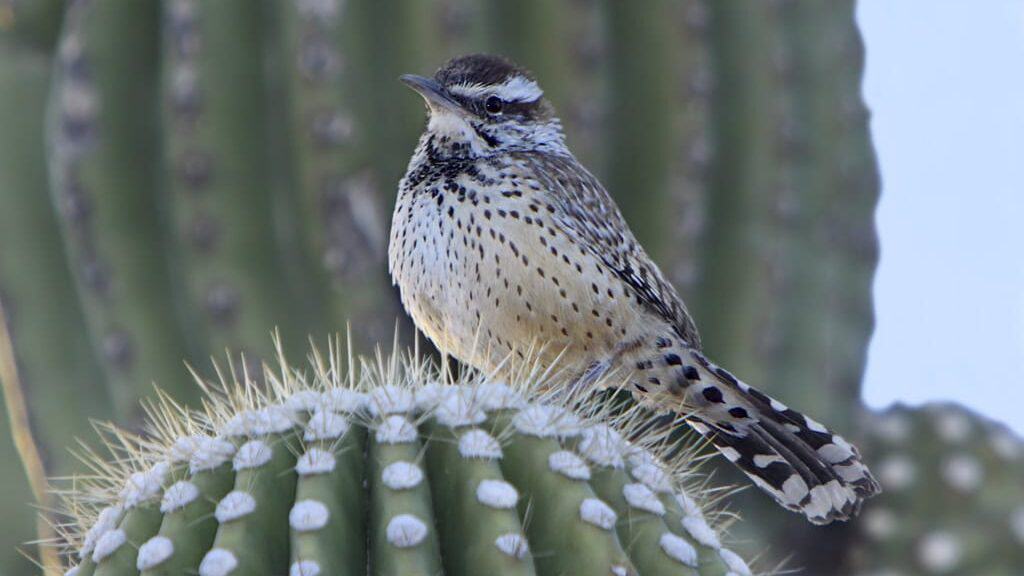
The cactus wren (Campylorhynchus brunneicapillus), the largest wren in North America, has perfected desert survival in some of America’s hottest environments. Unlike many desert birds that must migrate during extreme summer heat, cactus wrens remain year-round residents in places like Arizona’s Sonoran Desert, where temperatures regularly exceed 110°F. Their most impressive adaptation is behavioral: these birds construct specialized nests that serve as natural air conditioners. Built primarily in chollas, prickly pear cacti, or other thorny vegetation, their football-shaped nests feature thick walls that provide remarkable insulation against the scorching desert heat.
Physiologically, cactus wrens have evolved specialized cooling mechanisms. They can elevate their body temperature several degrees above normal to reduce the temperature gradient between their bodies and the surrounding air, minimizing heat absorption. During the hottest hours, they enter a state of controlled hyperthermia, allowing their body temperature to rise slightly while seeking shade. This adaptation reduces water loss from evaporative cooling—critical in an environment where water is scarce. Their diet has adapted to maximize water intake; they obtain most of their moisture from insects and fruits, particularly from cactus fruits which contain high water content. Remarkably, cactus wrens can reduce their activity levels during extreme heat waves without entering true torpor, a kind of specialized resting state that allows them to conserve energy while remaining alert to predators. This combination of behavioral and physiological adaptations enables cactus wrens to thrive year-round in America’s hottest desert regions, where many other bird species would perish without regular access to water.
Chuckwallas: Masters of Rock Crevice Survival
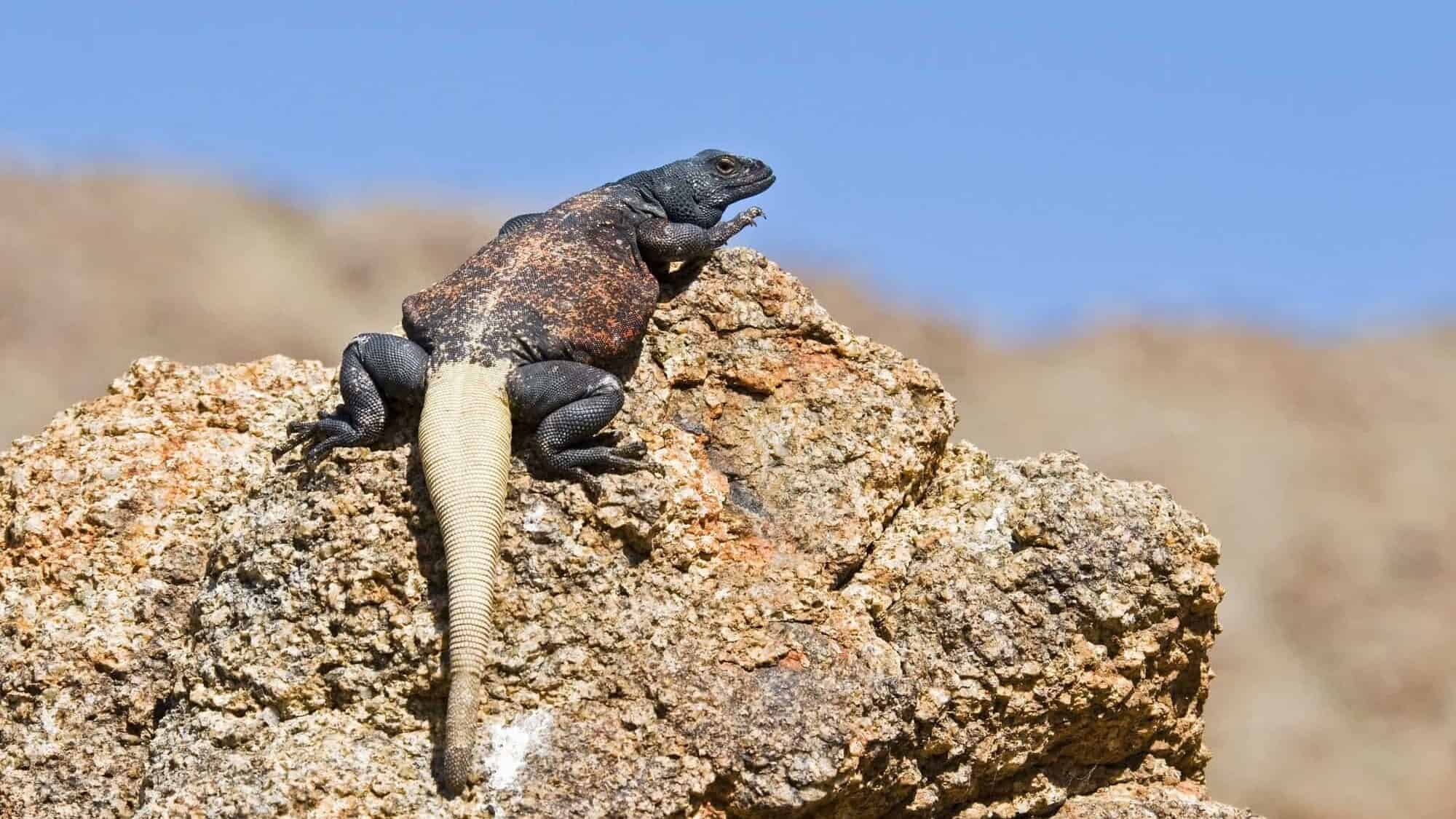
Chuckwallas (Sauromalus ater) have perfected a unique defensive strategy that doubles as a heat management system in the scorching deserts of the American Southwest. These large lizards, which can reach lengths of up to 16 inches, spend their lives among rocky outcrops in regions where surface temperatures regularly exceed 120°F. When threatened, chuckwallas retreat into narrow rock crevices and inflate their bodies by gulping air, wedging themselves so tightly that predators cannot extract them. This same behavior provides crucial protection from the lethal midday heat, as rock crevices maintain significantly cooler temperatures than exposed areas.
Remarkably adapted to desert conditions, chuckwallas are herbivores that derive nearly all their water from the plants they consume. Their specialized digestive systems extract maximum moisture from desert vegetation, including flowers, fruits, and leaves that other animals would find too dry to provide adequate hydration. During periods of extreme heat or drought, chuckwallas can enter a state of estivation, lowering their metabolic rate and remaining inactive for weeks or even months. Their skin has evolved to minimize water loss, with a thick, scaly exterior that prevents dehydration even in the driest conditions. Perhaps most impressively, chuckwallas can regulate their body temperature with extraordinary precision by adjusting their position relative to the sun and rock surfaces—moving to exposed positions when they need to warm up and retreating to shade when they risk overheating. This behavioral thermoregulation allows them to maintain optimal body temperatures even when ambient temperatures in places like Death Valley and the Mojave Desert reach levels that would quickly prove fatal to most other creatures.
Desert Tortoises: Ancient Heat Survivors
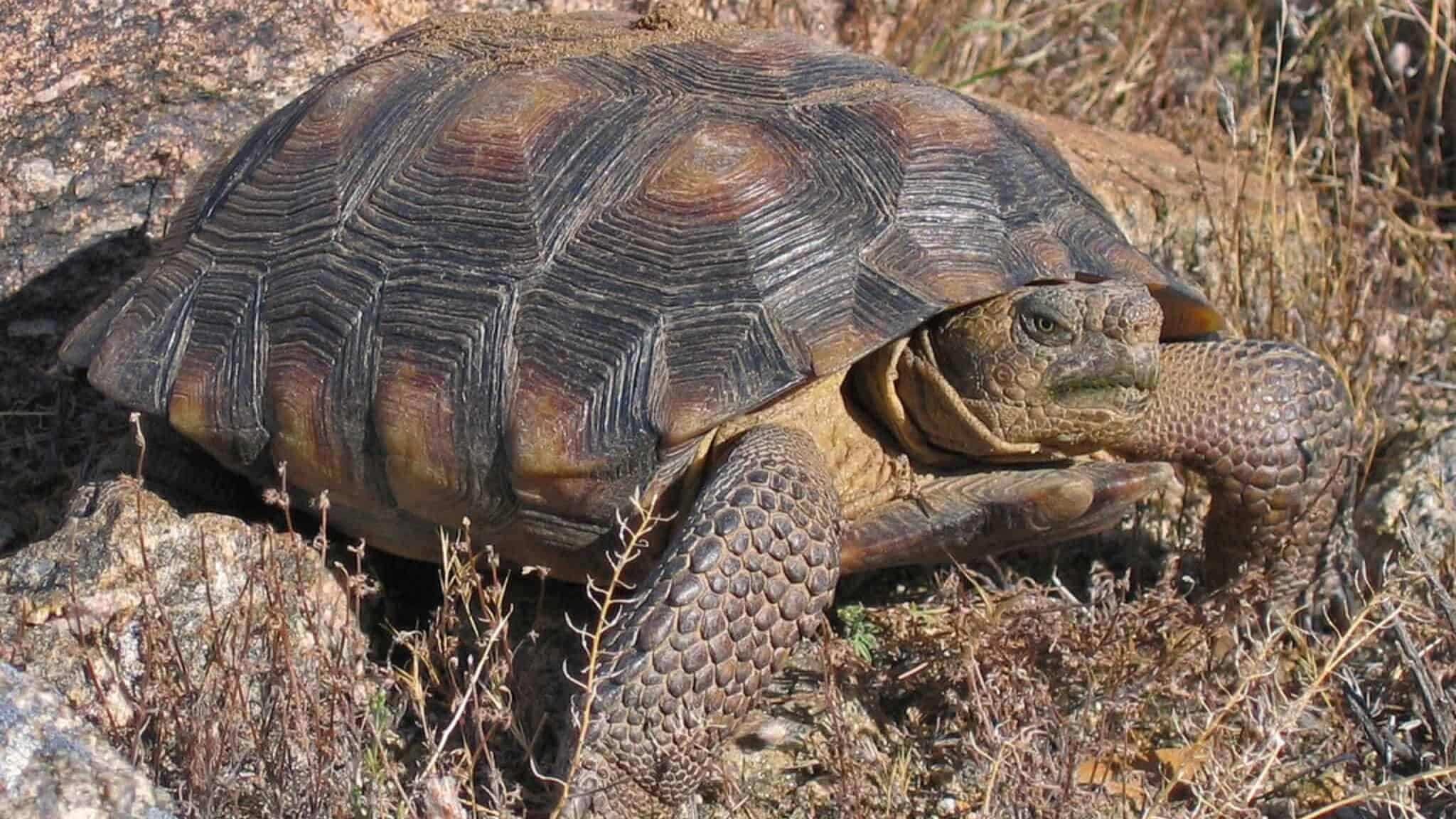
The desert tortoise (Gopherus agassizii) has perfected survival in America’s hottest deserts through adaptations developed over millions of years of evolution. These remarkable reptiles thrive in regions where summer ground temperatures can exceed 140°F through a combination of behavioral and physiological strategies. Their most significant adaptation is their ability to dig extensive burrow systems that extend up to 30 feet in length and reach depths where temperatures remain relatively stable. These burrows, which they share with other desert wildlife, can be 30-40°F cooler than the surface, providing crucial refuge during extreme heat waves. Desert tortoises spend up to 95% of their lives in these underground shelters, emerging primarily during the brief desert spring or after summer rains.
Physiologically, desert tortoises have evolved extraordinary water conservation mechanisms. Their bladders can store over 40% of their body weight in water, urine, and waste products—a living canteen they can draw upon during drought. This stored water can sustain them for over a year without drinking. Their metabolic rates can drop dramatically during both winter brumation (reptilian hibernation) and summer estivation, allowing them to survive on minimal resources. When they do feed, their digestive systems extract maximum moisture from even the driest desert plants. Their thick shells serve a dual purpose: protection from predators and insulation from temperature extremes. The shell’s bone structure stores water and minerals, while its shape maximizes heat reflection. These combined adaptations allow desert tortoises to survive in places like Death Valley and the Mojave Desert, where daytime summer temperatures regularly exceed 110°F and rainfall may be absent for years at a time. With lifespans potentially exceeding 80 years, these ancient creatures have witnessed countless scorching summers in America’s hottest landscapes.
Jack Rabbits: Desert’s Long-Eared Survivors
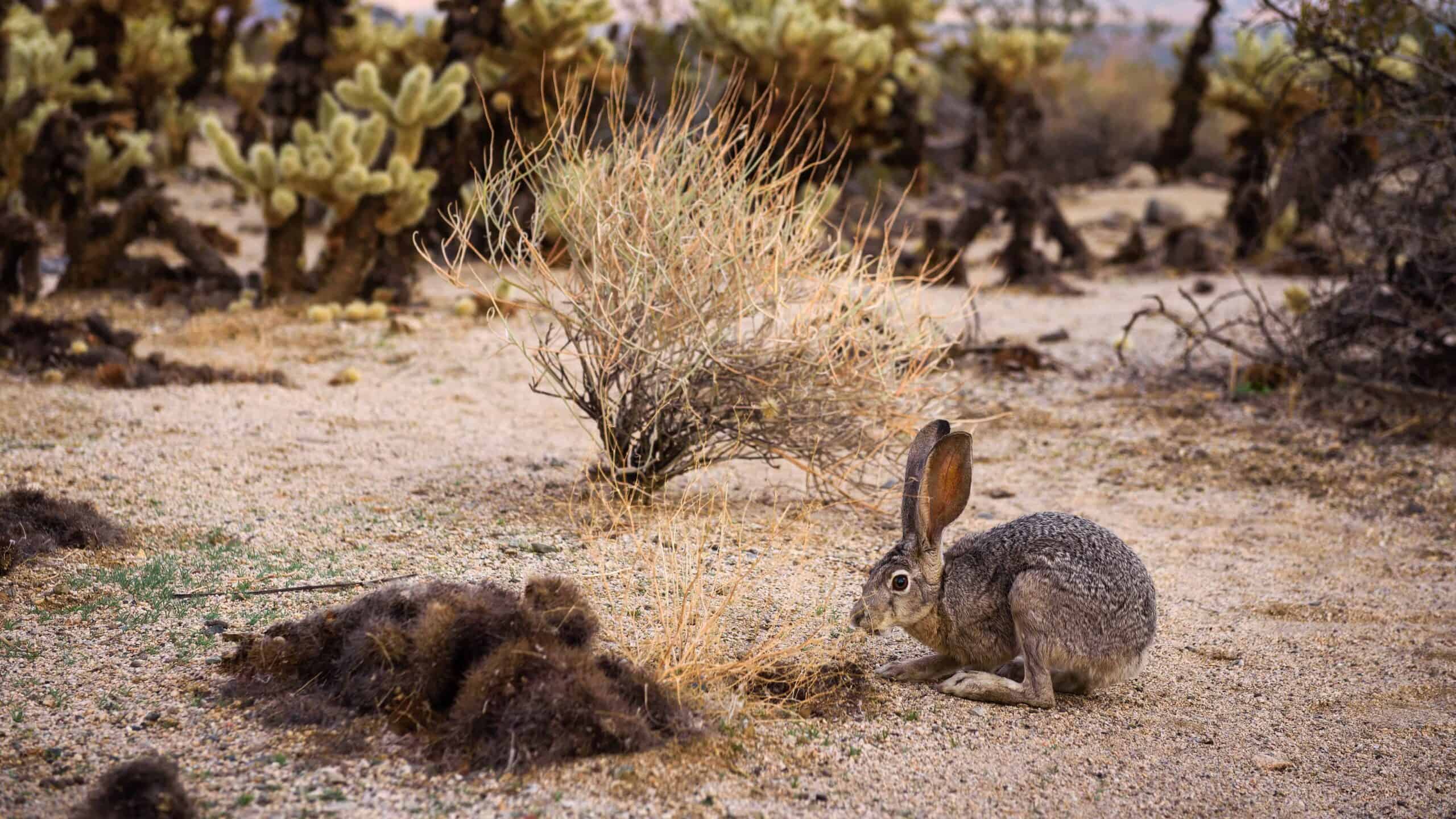
The black-tailed jackrabbit (Lepus californicus) has evolved remarkable adaptations for surviving in America’s hottest desert regions, where summer temperatures regularly exceed 110°F. Most noticeable are their extraordinarily long ears, which serve as highly efficient thermal regulators. These oversized ears contain a dense network of blood vessels that dilate in hot conditions, effectively increasing surface area for heat dissipation. By directing blood flow to these thin-skinned ears and allowing heat to radiate away from the body, jackrabbits can cool their core temperature by several crucial degrees—the difference between survival and heat stroke in the brutal desert summer.
Beyond their specialized ears, jackrabbits possess behavioral adaptations perfectly suited to desert life. They create shallow depressions in the soil called “forms” where they rest during daylight hours, often in the shade of desert shrubs where temperatures can be 15-20°F cooler than exposed areas. They are primarily crepuscular and nocturnal, becoming active during cooler evening and early morning hours and remaining relatively inactive during the scorching midday heat. Their large hind legs enable them to travel at speeds up to 40 mph in short bursts, allowing them to quickly move between shaded areas while minimizing time exposed to direct sunlight. Their diet has adapted to extract maximum moisture from desert vegetation; they can derive nearly all their water needs from the plants they consume, rarely if ever needing to drink free water. During periods of extreme heat, jackrabbits increase consumption of succulent plants to boost water intake. These combined adaptations allow jackrabbits to thrive in America’s hottest deserts, from Death Valley to the Sonoran and Chihuahuan regions, where most mammals would quickly succumb to heat stress and dehydration.

- This Lizard Can Breathe Underwater - July 22, 2026
- The Wild Horses of North Carolina’s Coast - July 22, 2026
- These Creatures Can Freeze Themselves to Survive - July 22, 2026