
Worried about unexpected vet bills?
Pet insurance can cover thousands in unexpected vet costs. Get a free quote from Lemonade in under 2 minutes.
Get My Free Quote →Sponsored · Opens Lemonade.com
Something subtle but significant is happening across the forests, marshes, and backyards of the northeastern United States. Animals that were once confined to warmer, more southern latitudes are quietly showing up in places they had no business being just a few decades ago. Trail cameras catch them. Wildlife biologists note them in field surveys. Homeowners spot them in the yard and reach for their phones to look them up.
While some species are expanding their ranges, the importance of factors like climate change, habitat change, and human behavior for explaining this expansion is not always straightforward. The Northeast, in particular, has become a kind of proving ground for animals on the move. Warmer winters, shifting forests, suburban food sources, and changing ecosystems are all part of the story. What follows is a look at some of the most fascinating critters making inroads into this region, and what their arrival tells us.
The Southern Flying Squirrel: A Small Animal Making a Big Move
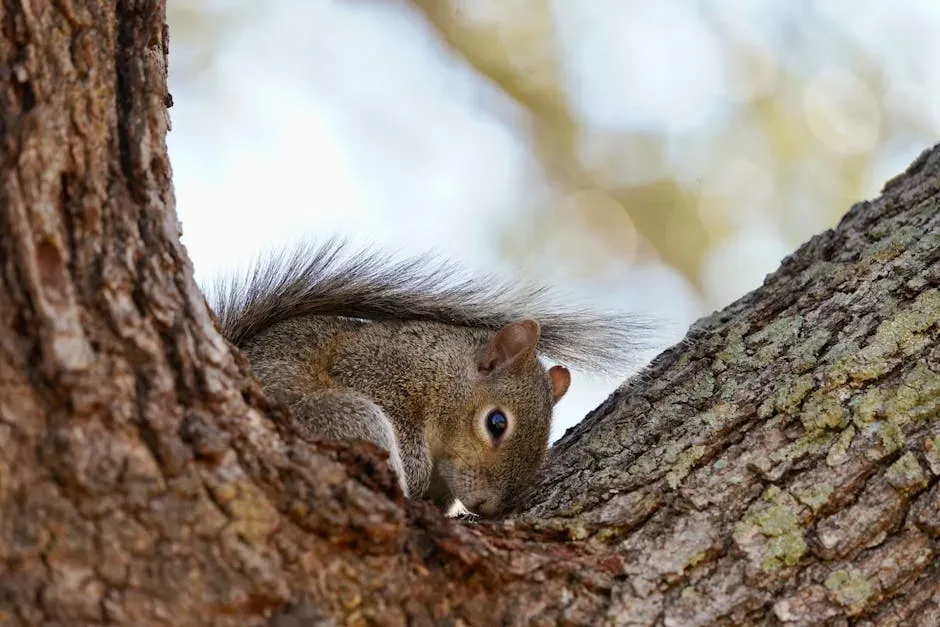
Of all the range expansions currently underway in the Northeast, few are as scientifically compelling as the southernflying squirrel’s quiet push northward. This palm-sized, nocturnal glider has been steadily encroaching on territory long held by its close relative, the northern flying squirrel.
Factors potentially enabling the expansion of southern flying squirrels into northern flying squirrel habitat include anthropogenic habitat disturbance and climate change, wherein historical land use alters forest composition, increasing habitat suitability for the southern species, while a warming climate allows them to expand their ranges northward into colder regions.
What’s really surprising is how fast the southern species’ range is expanding, up to about 12 miles a year, according to studies done in Ontario. That kind of speed is remarkable for a creature that glides rather than runs.
The northern flying squirrel, native to the Northeast, is being harmed by a parasite carried by the southern flying squirrel, a range shifter that has recently moved into northern regions. As a result, the northern flying squirrel is no longer found in the state of Massachusetts. It’s a stark reminder that range expansion by one species can quietly erase the presence of another.
A combination of milder winters and vegetation shifts induced by climate change may help southern flying squirrel establishment farther north, leading to northern flying squirrel extirpation in the southern latitudes of their range. The competition is ongoing, and the outcome is still unfolding.
The Virginia Opossum: North America’s Only Marsupial, Moving North
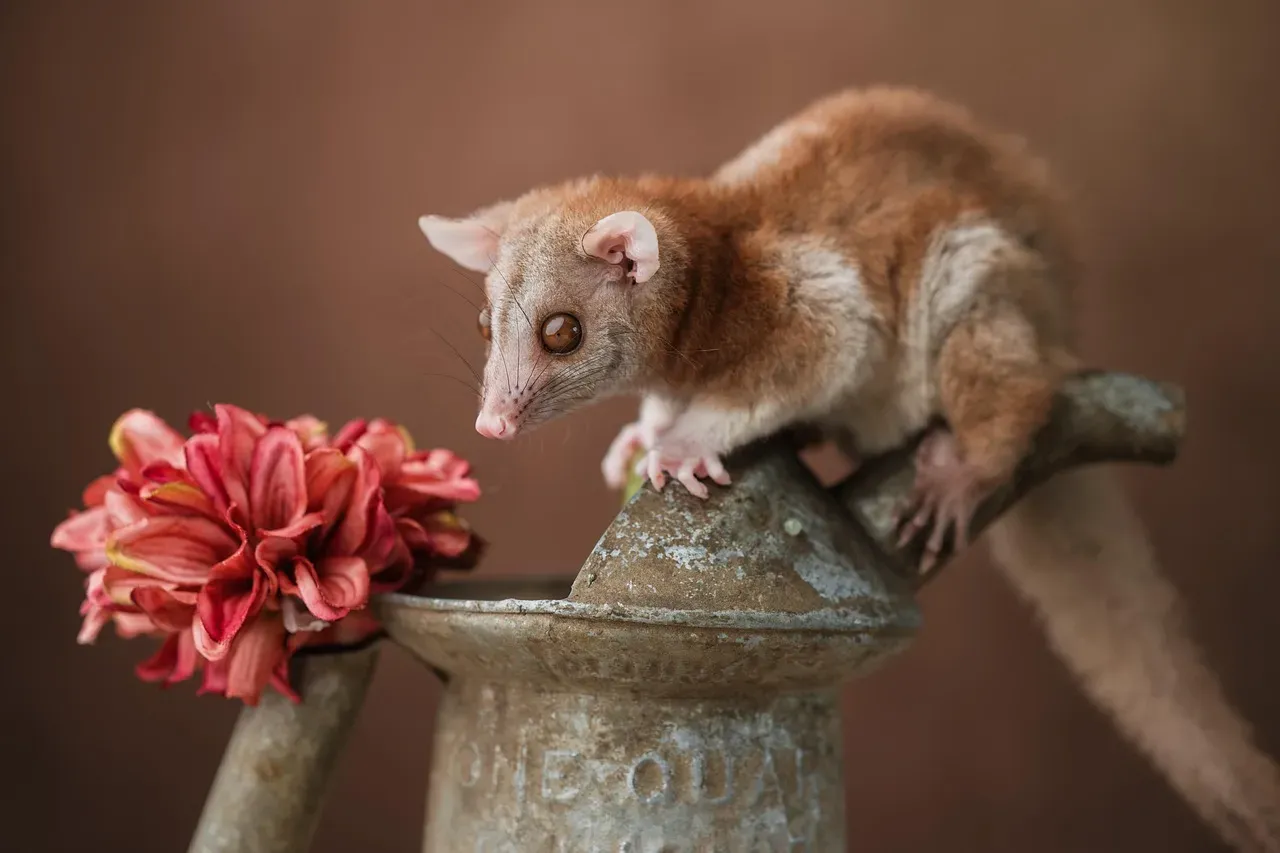
The Virginia opossum is a creature that looks like it wandered out of a different era entirely, which, in a sense, it did. The opossum’s ancestors evolved in South America, and the creature invaded this continent about 800,000 years ago, following the formation of the Isthmus of Panama. Now it’s finding new ground in the Northeast.
More direct anthropogenic factors may also be important for the opossum’s expansion, including resources easily available in agricultural and suburban landscapes. Garbage cans, bird feeders, and backyard compost piles have all served as reliable pit stops along its northward journey.
It was further confirmation that this range expansion is still happening and that these animals are probably going to keep moving even further northward as the climate warms and as humans continue to alter the landscape with more agriculture and urbanization.
Virginia opossums are generalist omnivores and will eat almost anything. That dietary flexibility is one of their greatest assets. An animal that can survive on nearly any food source available is an animal that can thrive in a changing landscape.
Black Bears: Spreading Into Backyards and Beyond
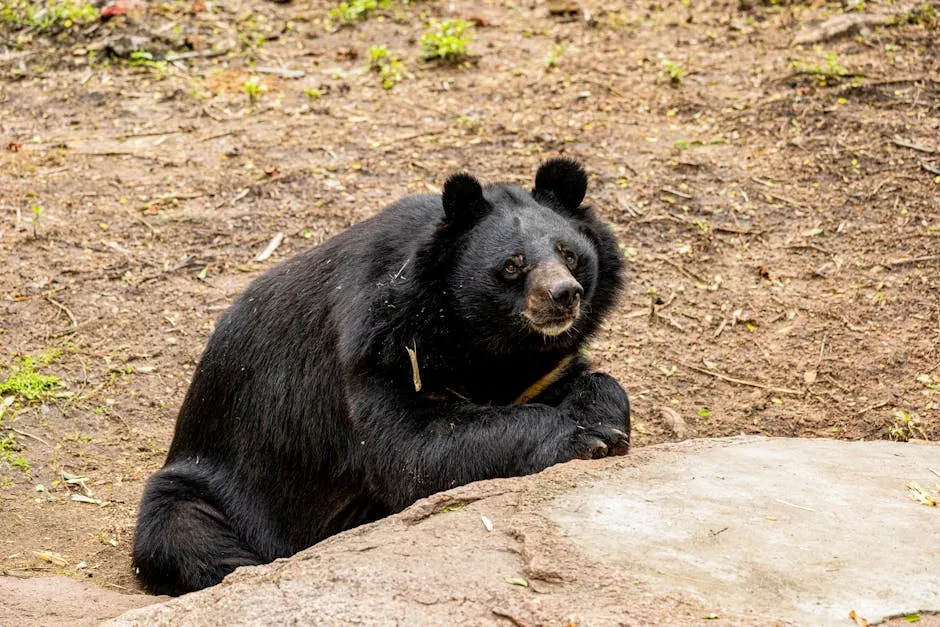
Black bears were largely absent from many parts of the populated Northeast just a generation ago. Their gradual return and expansion is one of the more visible wildlife stories of recent decades, and climate change is now adding a new wrinkle to an already complicated situation.
With a shift in climate and shortening winters in the Northeast, scientists and wildlife professionals are seeing cases where black bears are waking up earlier, sometimes before adequate food sources are available. An early exit from the den means a hungry bear searching for food in places it might not otherwise go.
As the bear population increases, they expand their range and get pushed into new areas. Fortunately, in Maine two-thirds of the state has no people living there, so other than visitors to those areas, there’s little human impact. Other states face a different reality.
In New Hampshire, complaints of black bears wandering around neighborhoods is a common occurrence. Wildlife officials receive 600 to 700 bear complaints each year, and it’s usually because a bear is in a backyard. Most encounters involve bird feeders, trash, or increasingly, free-range backyard chickens.
In Maine, food availability has actually improved for some black bears because of climate change. Climate change affects weather patterns, and that sometimes fares well for bears during foraging seasons. The picture is genuinely mixed, which makes managing bear populations all the more challenging.
The Eastern Coyote: A Hybrid Built for the Northeast
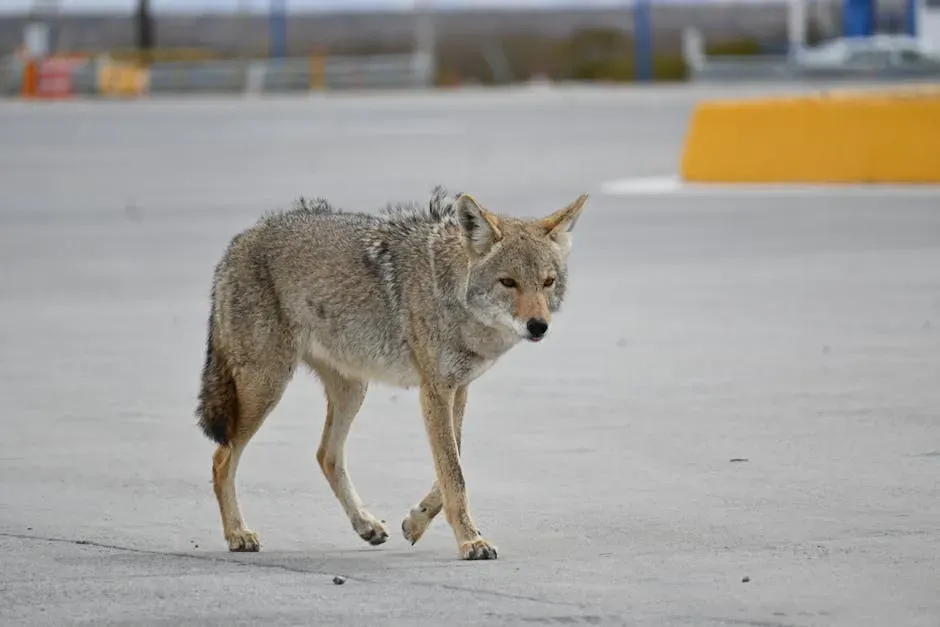
The coyote’s arrival in the Northeast is one of the most remarkable wildlife stories of the twentieth century, and the animal that showed up here wasn’t quite the same coyote that roamed the western plains. Something different emerged along the way.
In the Northeast, coyotes expanding eastward came into contact with low-density wolf populations, resulting in some interbreeding and hybridization. These “eastern coyotes” are larger than the western version and have a diet that relies more on white-tailed deer. The result is an adaptable, deer-hunting canid that fills an ecological niche left open after wolves were eliminated from the region.
A hybrid between coyotes and wolves, the coywolf, is rapidly expanding across the East as it combines the prowess of a wolf and the cunning of a coyote. Its spread into suburban neighborhoods, parks, and even city fringes has surprised even veteran wildlife biologists.
Bobcats, coyotes, fishers, foxes, and black bears live in close proximity to suburban and urban communities across much of the Northeast today. The eastern coyote, in particular, has proven itself exceptionally good at moving through fragmented, human-dominated landscapes with minimal friction.
Blue Crabs and the Warming Sea: A Coastal Range Shift
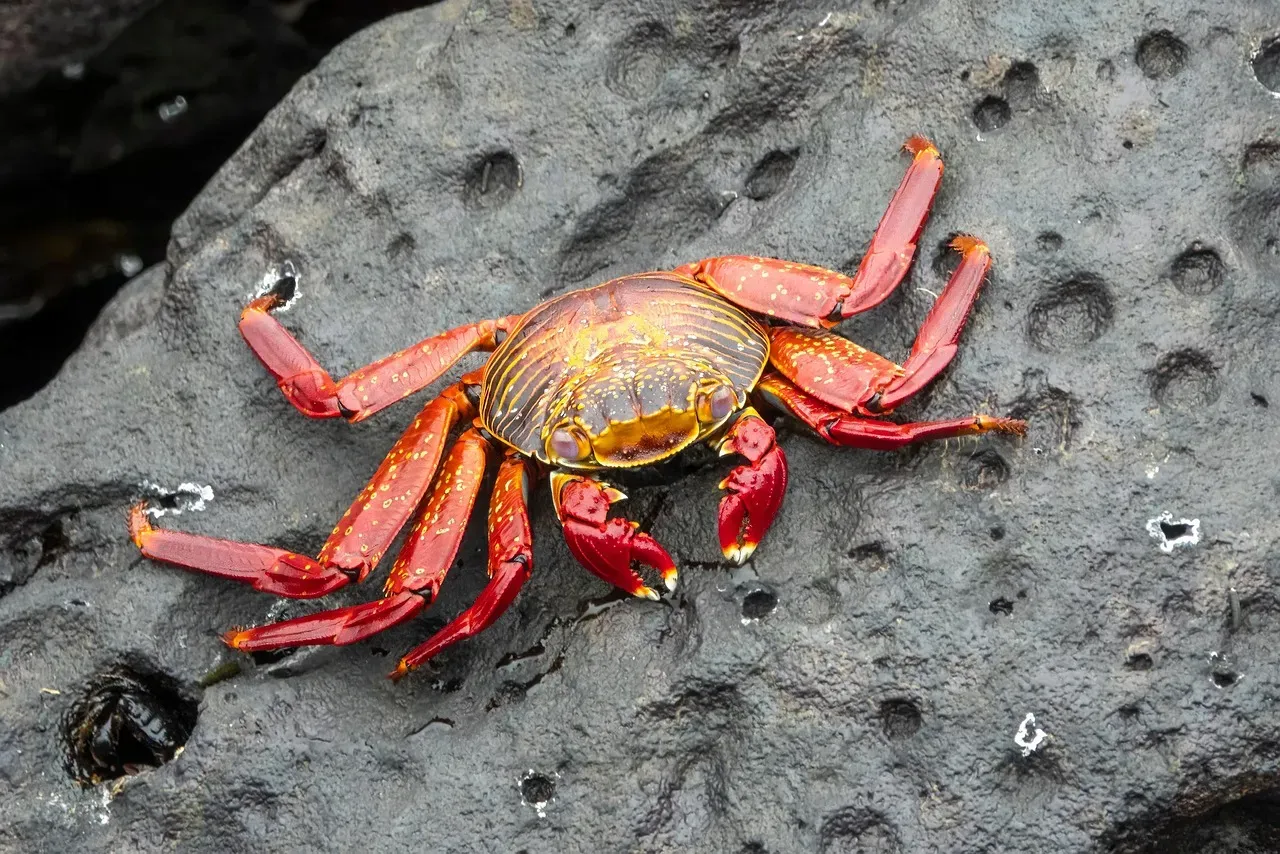
Range expansion in the Northeast isn’t happening only on land. Coastal waters are telling their own story, and the blue crab offers one of the clearest illustrations of what warming ocean temperatures can do to a species’ distribution.
The blue crab, one of Maryland’s oldest symbols, is heading north and can now be found as far as Maine. This marks the first time blue crabs are no longer exclusive to the Chesapeake Bay. That’s a significant geographic shift for an animal so closely associated with the mid-Atlantic.
As waters continue to warm in the northeast United States, populations of blue crabs have begun to establish themselves in the region. Scientists monitoring the Gulf of Maine, already one of the fastest-warming bodies of ocean water in the world, have been tracking this trend with close attention.
Climate change modifies the abundance and distribution of marine species, which can reshape patterns of species richness. The Northeast US Continental Shelf is a mid-latitude marine ecosystem experiencing changes in its physical environment and biota. Blue crabs are just one visible marker of those deeper changes.
Since blue crabs are primarily found in warmer waters, scientists believe the new migration pattern is largely due to climate change. Lobster fishermen, shellfish growers, and coastal ecologists are all paying attention to what this means for the existing web of marine life in northern waters.
What All of This Actually Means
Taken together, these range expansions paint a picture of a Northeast in genuine ecological transition. Some of the arrivals, like the eastern coyote, have slotted into the landscape with surprisingly little disruption. Others, like the southern flying squirrel, are displacing native species in ways that may take decades to fully understand.
Competition resulting from new species arriving to an area can decrease biodiversity and supplant native species in some regions. This is especially true for plants and animals of high-latitude and high-elevation ecosystems, which are facing an influx of species shifting their ranges northwards in response to climate change.
Accurately estimating species distributions is critical for tracking how biodiversity is shaped by global change. While some species are expanding their ranges, the importance of factors like climate change, habitat change, and human behavior for explaining this expansion is not well understood. Researchers continue to refine the picture, but it’s clear that no single explanation covers all cases.
What’s worth remembering is that nature has always been in motion. Species ranges have shifted across millennia in response to glaciers, fires, and changing vegetation. What’s different now is the pace, and the degree to which human choices, from land use to carbon emissions to the food left in an unsecured trash can, are accelerating the process. The critters on the move aren’t following a plan. They’re just following the conditions. In the Northeast, those conditions are changing fast enough that the map of who lives where may look noticeably different by the time the next generation of naturalists goes out with their field notebooks.
Worried about unexpected vet bills?
Pet insurance can cover thousands in unexpected vet costs. Get a free quote from Lemonade in under 2 minutes.
Get My Free Quote →Sponsored · Opens Lemonade.com
