


If you live with a pet, your home already has its own soundtrack: the tapping of paws down the hallway, a sudden thump from another room, that oddly specific meow when you open the fridge. Most of the time, we filter it out as background noise. But a lot of those little sounds are not random at all – they’re your animal talking to you in the only way it can.
Once you start hearing those noises as messages instead of “pet noise,” your relationship with your animal changes fast. You notice patterns, moods, even early signs that something’s wrong physically or emotionally. The magic is that you don’t need special training or fancy equipment, just paying closer attention and knowing what to look for. Let’s unpack some of the most common everyday sounds and what they’re likely trying to tell you.
The Subtle Language of Purring

There’s something almost hypnotic about a cat’s purr, but it’s not just a sign of simple happiness. Many cats purr when they’re content and relaxed, especially when they’re curled up on your lap or kneading a blanket, but they can also purr when they’re stressed, in pain, or trying to soothe themselves. Think of it a bit like humming under your breath: sometimes it’s joy, sometimes it’s comfort, sometimes it’s nerves.
Researchers have found that many domestic cats use a special “solicitation purr” toward humans, mixing a higher-pitched, almost cry-like note into the purr when they want food or attention. If your cat’s purr sounds slightly more urgent and is paired with staring, rubbing, or leading you toward the kitchen, it’s probably not just calm contentment. Over time, you’ll notice your cat has different “dial settings” of purr: soft, slow purrs for sleepy cuddle time, faster or more intense purrs for “Please, human, do something now.”
Barking: Not Just Noise, But Emotional Subtitles

To many people, a dog’s bark is just “barking,” but to the dog, it’s closer to having several different words. Short, sharp barks at a high pitch often mean excitement or alarm, like when the doorbell rings or a squirrel appears outside. Longer, lower-pitched barks can mean “I’m serious, something’s up” and may be a warning to strangers or other animals. The tempo matters too: a rapid series usually indicates intensity or urgency, while more spaced-out barks are often less serious.
If you listen over a few days, you’ll probably realize you can already guess the meaning of most of your dog’s barks without thinking about it. There’s the “Someone’s at the door!” bark, the “Play with me!” bark, and the more frustrated or lonely sound that tends to show up when they’re bored or left out. When you respond consistently – for example, calmly checking the window when they sound an alarm, or redirecting when they’re just noise-making to get a reaction – you’re basically having a back-and-forth conversation in their language.
Meows, Chirps, and Trills: The Cat’s Human-Only Dialect
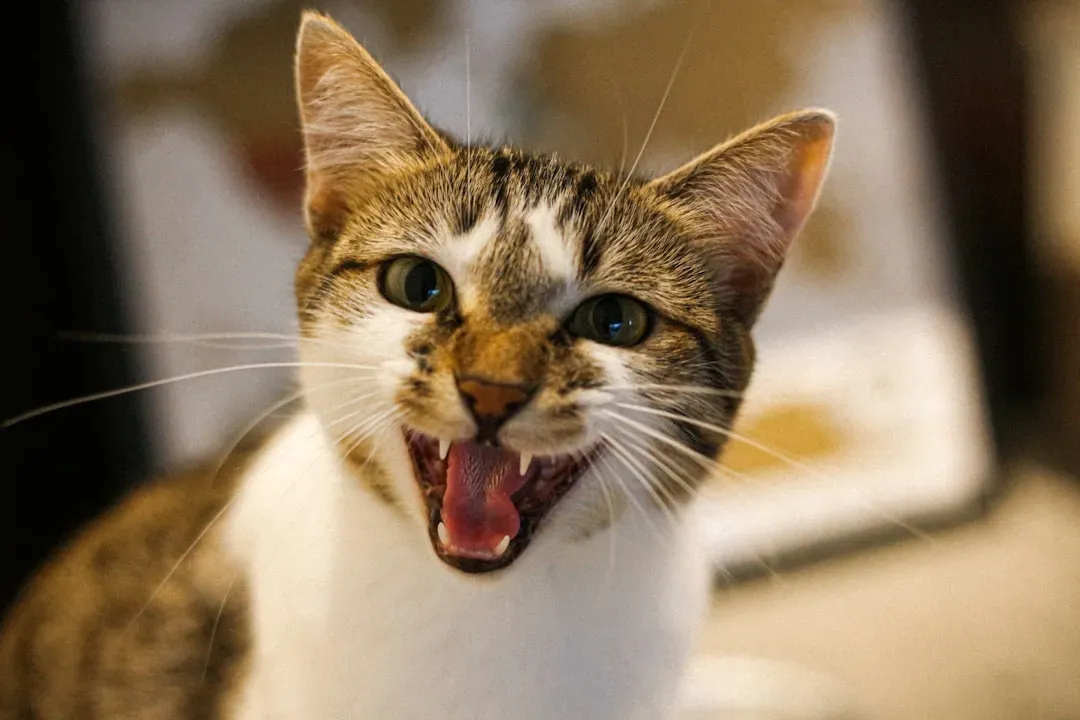
One of the strangest facts about cats is that adult cats rarely meow to each other; they mostly meow to humans. It’s like they’ve developed a private language just for us. The drawn-out, theatrical meow by the food bowl is different from the quick, bright “mep” at the door or the soft, questioning sound during evening cuddle time. Over time, you’ll probably notice that your cat uses certain types of meows almost like specific phrases: “open this door,” “notice me,” or “where did you go?”
Then there are the less obvious sounds, like chirps, trills, and the funny chattering noise at birds outside the window. Trills and chirps are often friendly greetings or “come with me” invitations, especially between mother cats and kittens, and many cats carry that into adulthood with their humans. That rapid, teeth-clicking chatter at a bird or squirrel may be a mix of hunting excitement and frustration. When you start responding – talking back, following when they trill and walk away – you’ll see how quickly they lean into that two-way communication.
Whining, Whimpering, and Sighing in Dogs

Whining is one of those dog sounds that can make people instantly anxious, but it’s not always a bad sign. Many dogs whine when they’re anticipating something exciting, like a walk or a car ride, almost like their emotions are spilling out vocally. Others whine to ask for contact, reassurance, or help, especially if they’re unsure about a situation or feeling left out. The key is to look at their body language: loose body and wagging tail with whining often means excitement, while tense muscles and ears pinned back lean more toward stress or fear.
On the softer side, dogs also sigh – those long, dramatic exhalations when they flop down on the floor. A relaxed sigh with a soft body usually means contentment or resignation, like “Fine, I guess we’re done playing for now.” If the sighing is paired with lots of restless shifting, licking, or avoiding eye contact, it may be frustration or discomfort instead. When you learn to match the sound with the context and posture, you can often step in earlier to calm them, distract them, or solve whatever problem they’re trying to tell you about.
Growls, Hisses, and Warning Sounds You Should Never Ignore
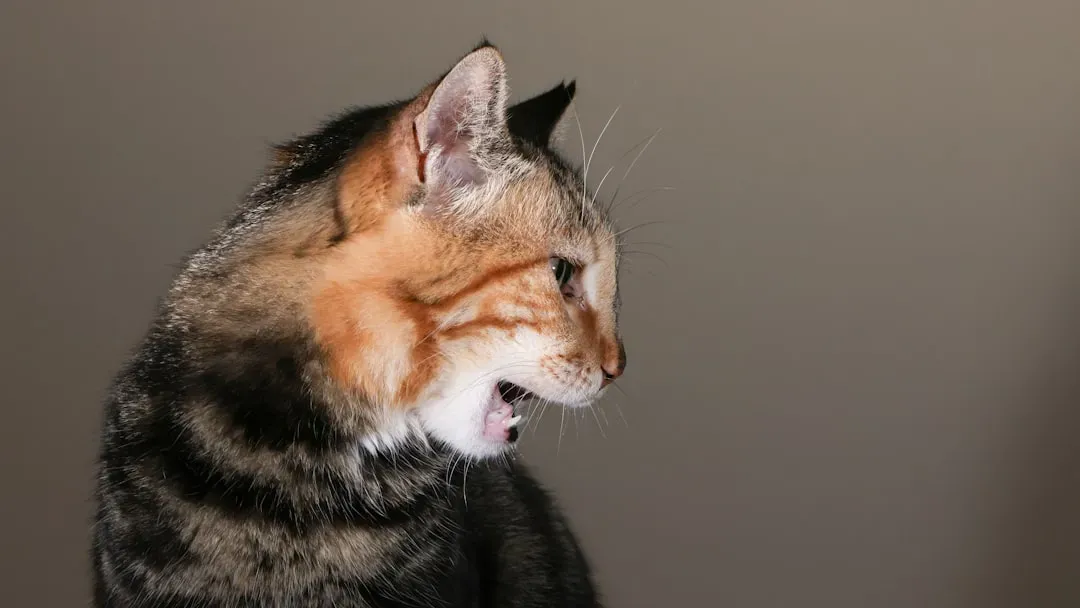
It’s tempting to scold or shut down growling or hissing because it sounds scary, but those warning sounds are actually a gift. A dog that growls or a cat that hisses is saying, very clearly, “I’m uncomfortable, please stop.” When we punish or ignore those signals, some animals eventually skip straight to snapping or scratching because they feel their earlier message never works. Respecting a growl or hiss as communication – not “bad behavior” – makes everyone safer.
A low, rumbling growl while your dog’s body is stiff and their gaze is hard means they’re serious about needing more space. A quick, playful growl during tug-of-war with a loose, wiggly body means something entirely different. For cats, a hiss paired with ears flattened and tail puffed up usually means they feel cornered or threatened. Instead of forcing interaction, backing off and adjusting the situation teaches your pet that they can rely on you to listen when they say “No, this is too much.”
Thumps, Scratches, and Paw-Taps Around the House

Not all communication comes from obvious vocal sounds; sometimes it’s that mysterious “thump” from the other room or the repetitive scratching at a door. Rabbits, for example, are known for thumping their back feet as a clear sign of alarm or irritation, and some cats and dogs develop their own version: kicking at a door, knocking something over, or doing a deliberate paw-slam on the floor when they’re worked up. These noises can be attention-seeking, but they can also be attempts to release stress or signal that something feels wrong in their environment.
Gentler versions of this show up as paw-taps on your leg, careful scratching at furniture you are near, or quiet tapping at a door your pet wants opened. One of my own cats learned that tapping the bedroom door with exactly the right rhythm was more effective than meowing endlessly at night – a tiny, persistent knock instead of a scream. When you notice these patterns, you can decide how to respond without accidentally rewarding the most disruptive versions. Often, teaching a calmer “signal” behavior gives your pet a clearer way to ask without having to escalate.
Sniffing, Snorting, and Odd Little Nose Sounds

Nose sounds are easy to dismiss, but they carry a lot of information about how your pet is feeling. Dogs, for instance, sometimes do a short, deliberate “snort” or strong exhale through the nose as a sort of reset during tension, a bit like a human sigh mixed with a laugh. Repeated sniffing of you, another animal, or a specific part of the room often means they’re gathering details about something new, or double-checking something that doesn’t feel quite familiar. When your normally relaxed dog suddenly becomes fixated on sniffing one spot obsessively, it might be worth a closer look.
With certain breeds, especially those with flatter faces, snorts and snoring can be common and usually harmless, but heavy, strained, or suddenly louder breathing can signal discomfort. Cats can make soft snorts or huffs too, often when slightly annoyed or trying to dislodge a mild irritation in the nose. If nose sounds become frequent, harsh, or come with coughing, lethargy, or changes in appetite, that “sound message” has likely shifted from normal communication into a health warning that needs a vet’s ear, not just yours.
Chirps, Tweets, and Clicks from Birds and Small Pets
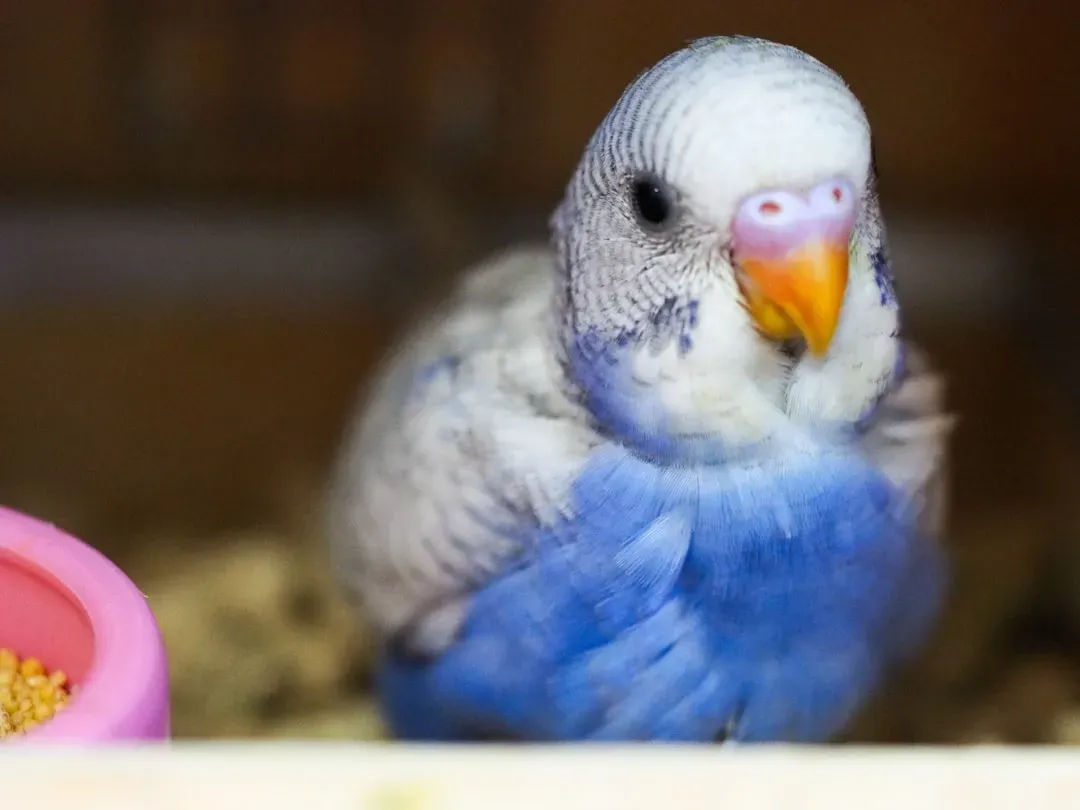
If you live with birds, guinea pigs, or other small animals, you’re surrounded by a whole different kind of sound language. Parrots, parakeets, and cockatiels use chirps, whistles, and soft chatter to show comfort and interest, especially when their favorite humans are nearby or talking to them. Sharper, louder squawks can signal fear, irritation, or boredom, particularly if they repeat in the same pattern for long stretches. A quiet, fluffed-up bird that suddenly stops making its usual sounds may be more concerning than a noisy one, since silence can be a sign of illness or stress.
Guinea pigs and similar small mammals are surprisingly expressive too: gentle, repetitive “wheeks” and purring-like sounds often show contentment, while high-pitched, insistent noises can be pleas for food or attention. Sudden teeth chattering, loud shrieks, or intense squeals may mean pain or panic and should never be brushed off. When you pay attention to how sound changes with different routines – feeding time, cleaning the cage, cuddle time – you start to recognize their personal dictionary of squeaks and chirps almost as easily as you recognize a friend’s tone of voice.
Silence, Hiding, and When Lack of Sound Is the Message

It’s easy to focus only on the obvious noises, but sometimes the most important message is the quiet. A dog that usually barks at everything suddenly going silent and withdrawn can be just as concerning as one that won’t stop vocalizing. Cats that hide and stop meowing, or birds that go quiet and sit puffed up at the bottom of the cage, may be in pain, sick, or deeply stressed. In many species, showing weakness or distress loudly would draw predators, so they’re wired to stay as subtle as possible when they’re not okay.
Think of your pet’s normal noise level and patterns as their “baseline soundtrack.” Any big shift – hyper-vocal to silent, or the other way around – is a message worth listening to. Sometimes it’s emotional, like a change in the household, a new pet, or someone moving out. Sometimes it’s physical, linked to pain, nausea, or breathing issues. When silence feels heavy rather than peaceful, it’s usually better to assume your pet is telling you something important and to involve a vet sooner rather than later.
How to Listen Better and Respond in a Way Your Pet Understands

Once you start noticing all these sounds as communication, it can feel a bit like learning a new language you should’ve known all along. A simple way to get better is to mentally tag sounds with situations: “This is the bark when the mail arrives,” “This is the meow when I use the can opener,” “This is the whine when the dog is worried.” Over a few weeks, patterns jump out. You don’t have to get it perfect; you just have to be curious and consistent. Even guessing and adjusting based on their reaction is a form of dialogue.
Responding calmly and predictably teaches your pet that their “words” matter. If the alarm bark makes you check the window and then you reassure them, they learn they can rely on you instead of escalating. If a hiss or growl makes you back off and change how you’re handling them, they learn it’s safe to signal discomfort instead of lashing out. Over time, that trust changes the whole relationship: your home becomes less a place full of random animal noise and more a shared conversation where both sides are finally being heard.
Conclusion: Your Home Is Already a Conversation

The next time your dog sighs dramatically on the couch, your cat trill-walks down the hallway, or your bird starts a burst of chatter when you walk in the door, try pausing for a second before you tune it out. Those sounds are not just quirks; they’re attempts to connect, to explain, to ask, and sometimes to warn. When we treat them as real communication, we stop seeing pets as mysterious little roommates and more as beings doing their best to bridge a language gap they never chose.
You don’t need to decode every sound like a scientist to make a difference – simply noticing, matching sound to situation, and responding with a bit more intention is enough to transform daily life together. Your pet is already talking; you’ve just been listening on low volume. Now that you know, what everyday sound in your home are you suddenly curious to listen to differently?

- Scientists Investigate Why Some Bearded Dragons Grow to Record Sizes - June 24, 2026
- What Research Reveals About a Cat’s So Called Sixth Sense - June 23, 2026
- 5 Essential Training Tricks to Quiet a Barking Dog - June 22, 2026