

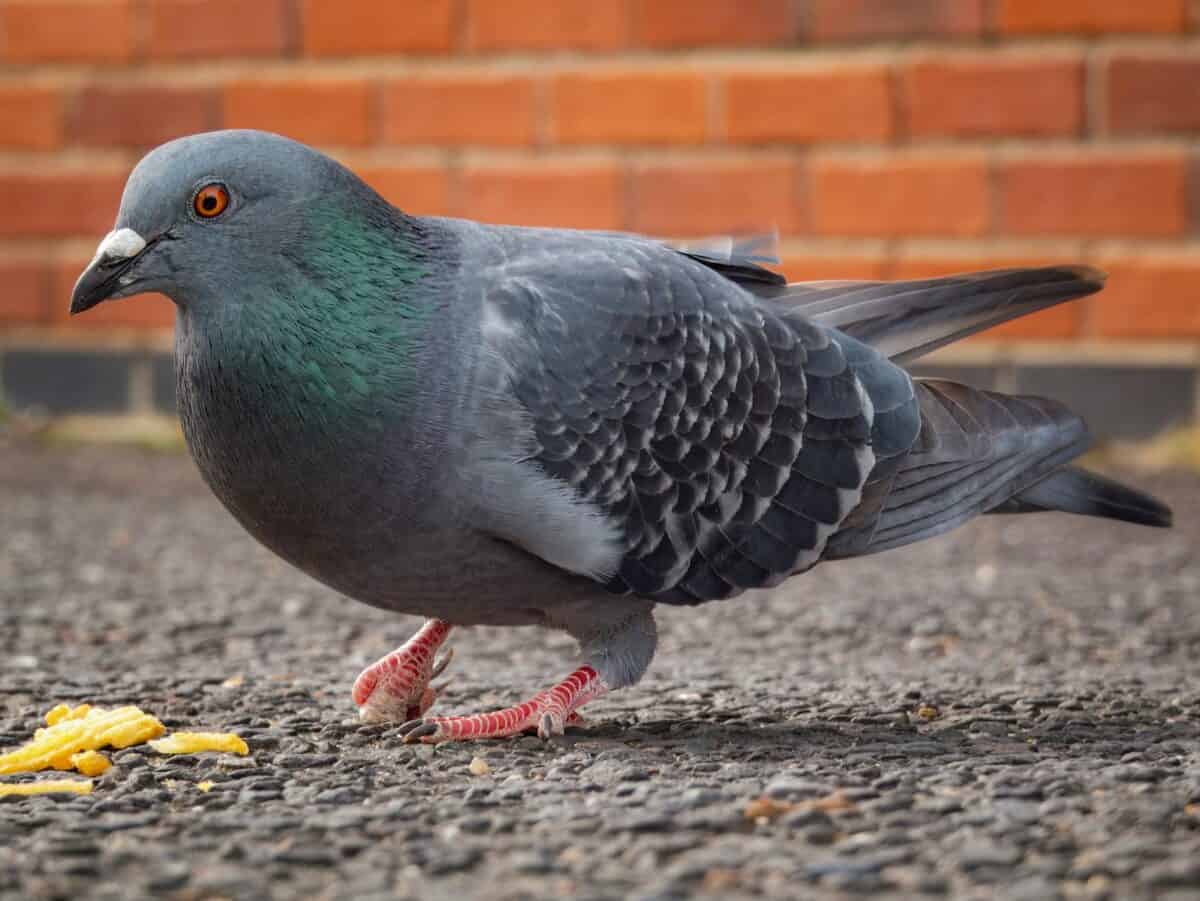
Bird die-offs are a concerning phenomenon with significant environmental implications. This article aims to shed light on the factors contributing to the largest bird die-off in America, unraveling the complexities behind this ecological crisis. By understanding these issues, we can better appreciate the interconnections within our ecosystems and the urgency of conservation efforts.
The Scale of the Crisis
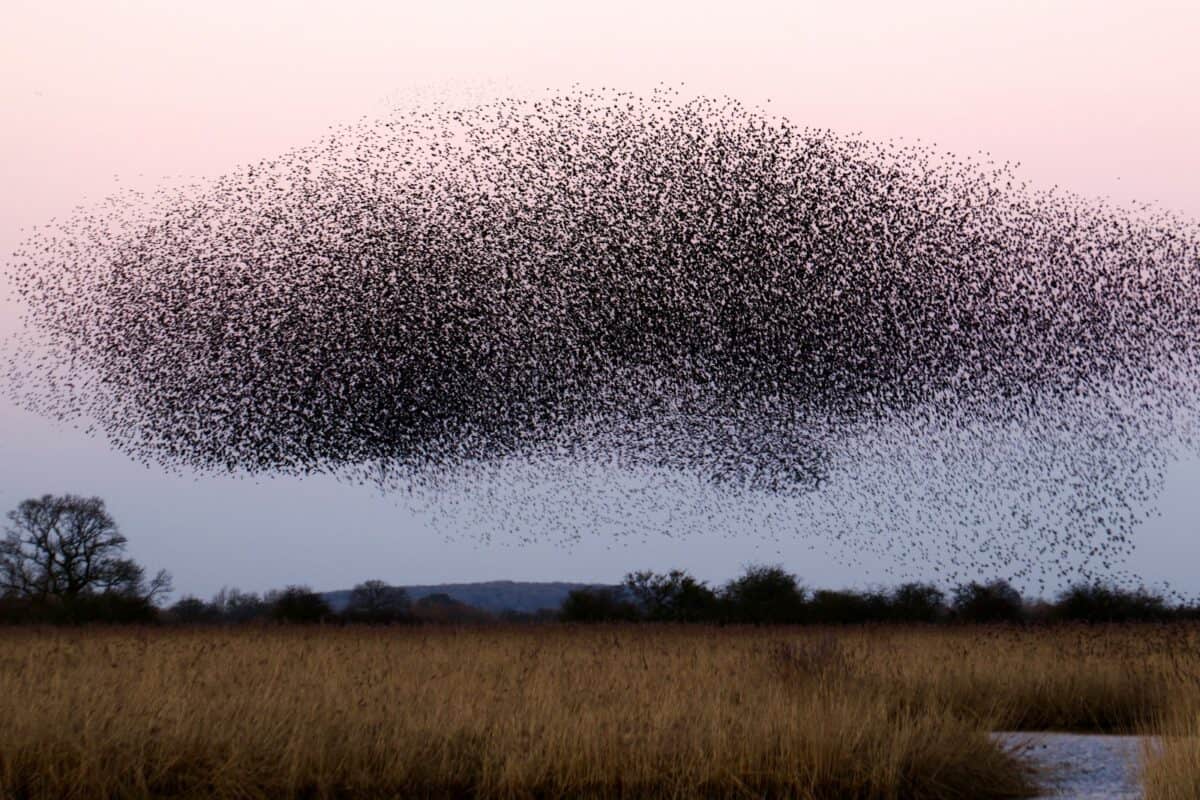
Bird populations in North America have seen a dramatic decline over the past few decades. According to a study published in Science, approximately 3 billion birds have vanished since 1970. This staggering loss represents nearly 30% of the continent’s avian population, raising alarms among conservationists and the general public alike.
Habitat Loss and Alteration
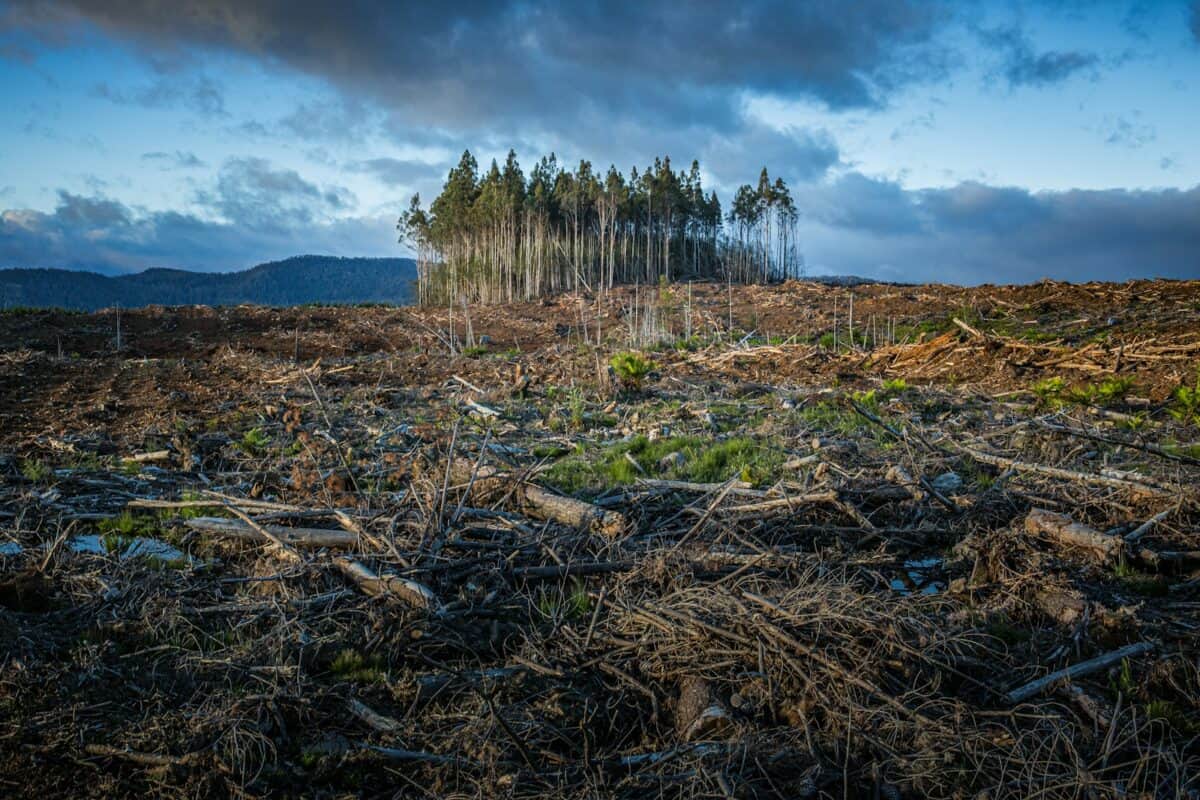
One of the primary drivers of the bird die-off is habitat destruction. Urban development, agriculture, and deforestation have significantly altered the landscapes that birds rely on. Without suitable nesting sites, food sources, or migration stopovers, bird populations struggle to maintain their numbers.
Climate Change Impacts

Climate change exacerbates the challenges faced by birds, altering weather patterns and affecting habitat suitability. Rising temperatures, severe weather events, and shifting seasons can disrupt migration patterns and breeding cycles, placing additional stress on bird populations.
Pesticide Use and Toxic Exposure

The use of pesticides in agriculture is another significant factor. Chemicals such as neonicotinoids can directly harm birds and eliminate their insect prey, depleting a crucial food source. The cumulative effects of numerous chemical exposures can be devastating to bird health and reproduction.
Collisions and Human-Built Structures

Birds frequently collide with man-made structures, such as windows, buildings, and wind turbines. It is estimated that hundreds of millions of birds die each year from such collisions. Efforts to design bird-friendly structures are ongoing but require widespread adoption to make a significant impact.
Invasive Species and Predation

Invasive species can wreak havoc on bird populations by competing for resources or introducing new predators. Cats, for instance, are responsible for billions of bird deaths annually in the U.S. alone. Control measures are vital in managing the impact of these non-native species on local ecosystems.
Disease Outbreaks
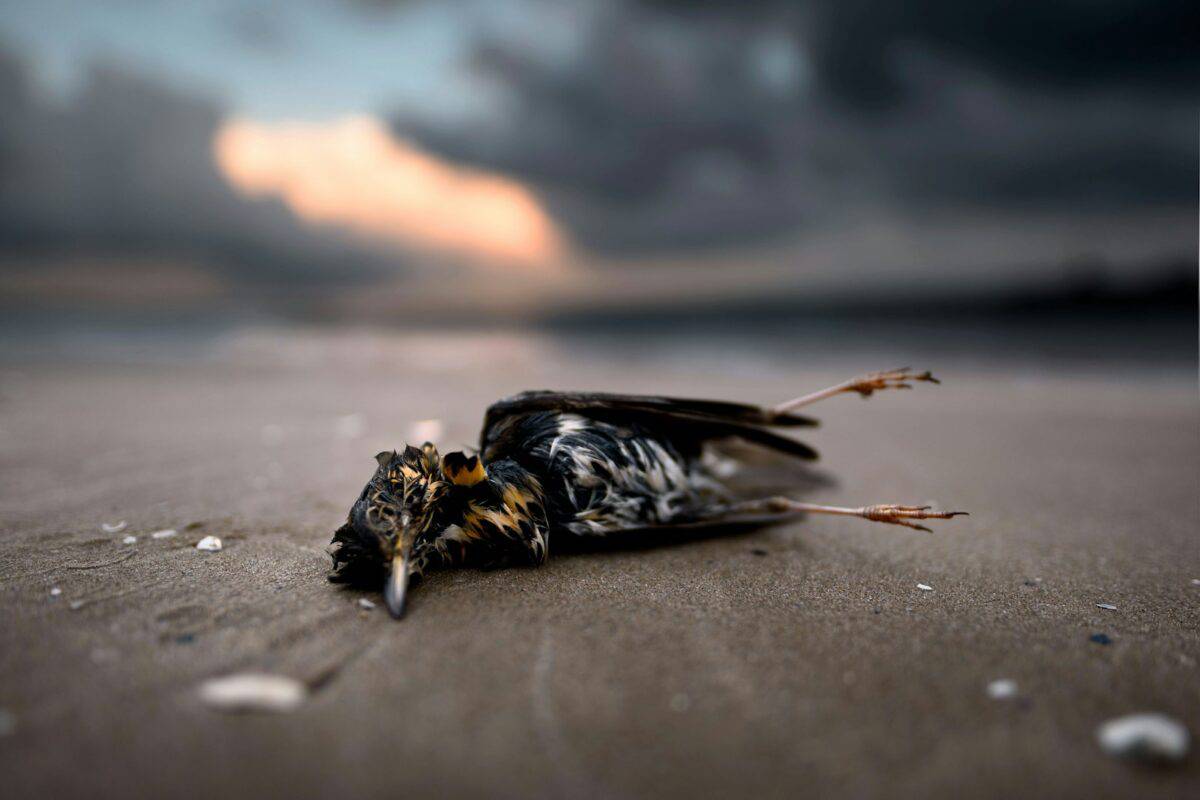
Disease is another factor contributing to bird die-offs. Conditions like avian flu and West Nile virus can rapidly reduce bird populations, particularly in dense nesting areas. Monitoring and managing wildlife health are essential components of bird conservation strategies.
Pollution and Environmental Hazards
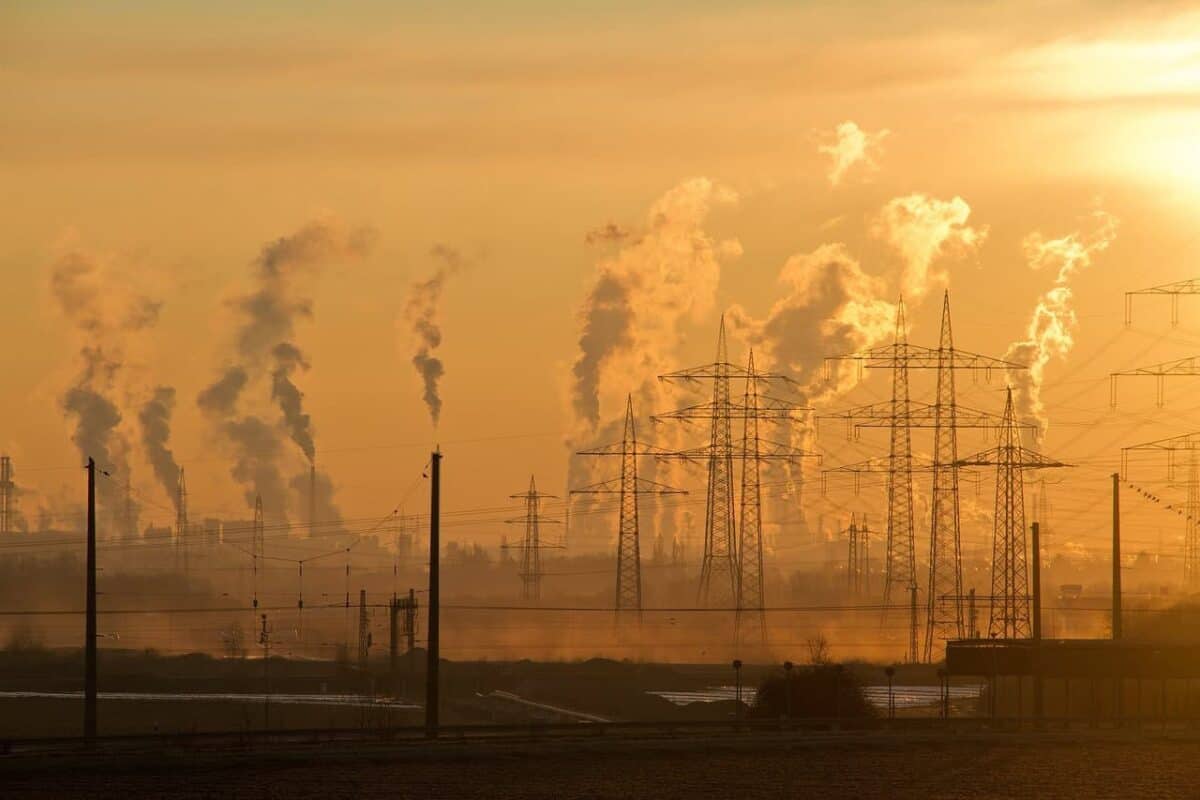
Pollution from industry and agriculture impacts birds through contaminated air, water, and soil. Heavy metals and other toxins can accumulate in bird’s bodies, leading to weakened immune systems and reproductive issues. Efforts to reduce environmental pollutants are crucial for the survival of avian species.
The Role of Citizen Science
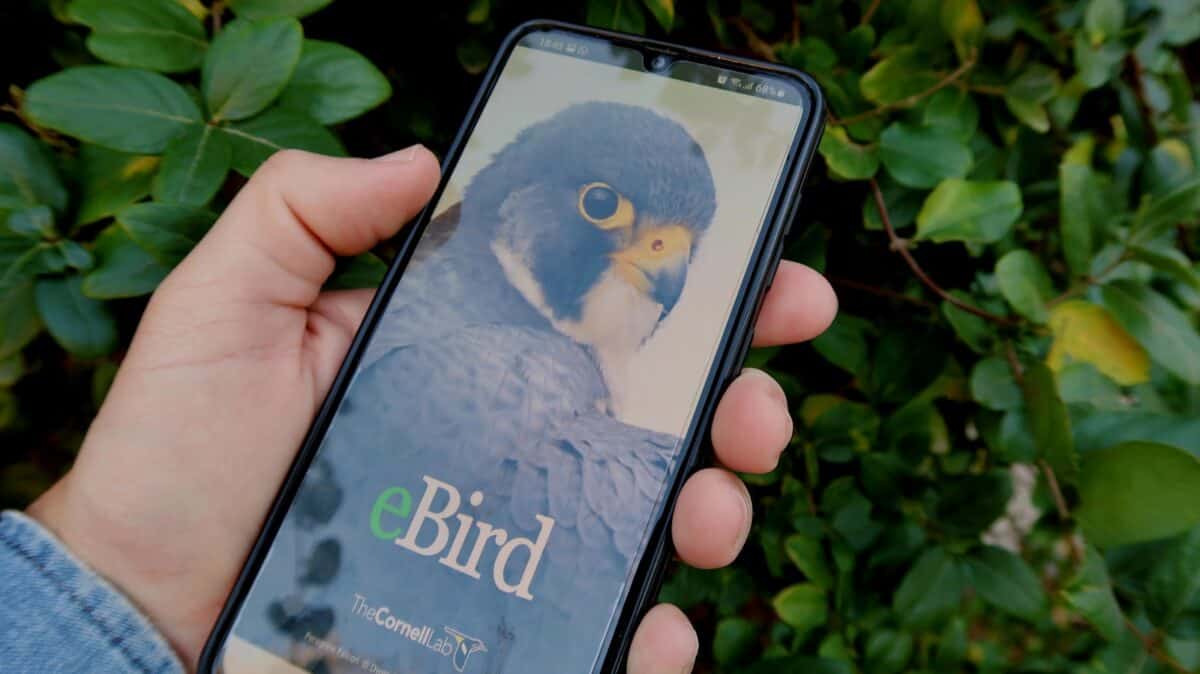
Citizen science initiatives allow individuals to contribute to bird monitoring efforts. Programs like the Audubon Christmas Bird Count and eBird provide valuable data that help track bird population trends. Public participation is instrumental in understanding and addressing the scope of bird declines.
Conservation Efforts and Policy Changes
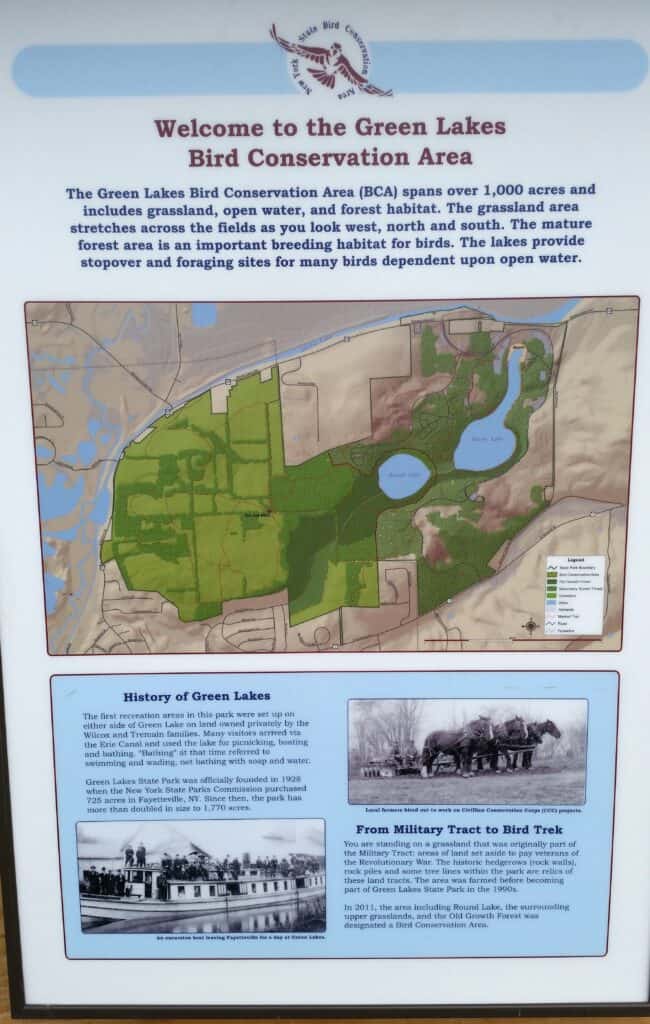
Conservation organizations are working to protect birds through habitat preservation, research, and advocacy. Policy changes, such as protecting critical habitats and regulating pesticide use, are vital for reversing bird population declines. Public awareness and support are essential in driving these initiatives forward.
Technological Innovations in Bird Protection

Advancements in technology offer new tools for bird conservation. Satellite tracking, for example, provides insights into migration patterns and habitat use. Innovations such as bird-friendly glass and smart agricultural practices help reduce human impacts, fostering safer environments for birds.
How Individuals Can Make a Difference
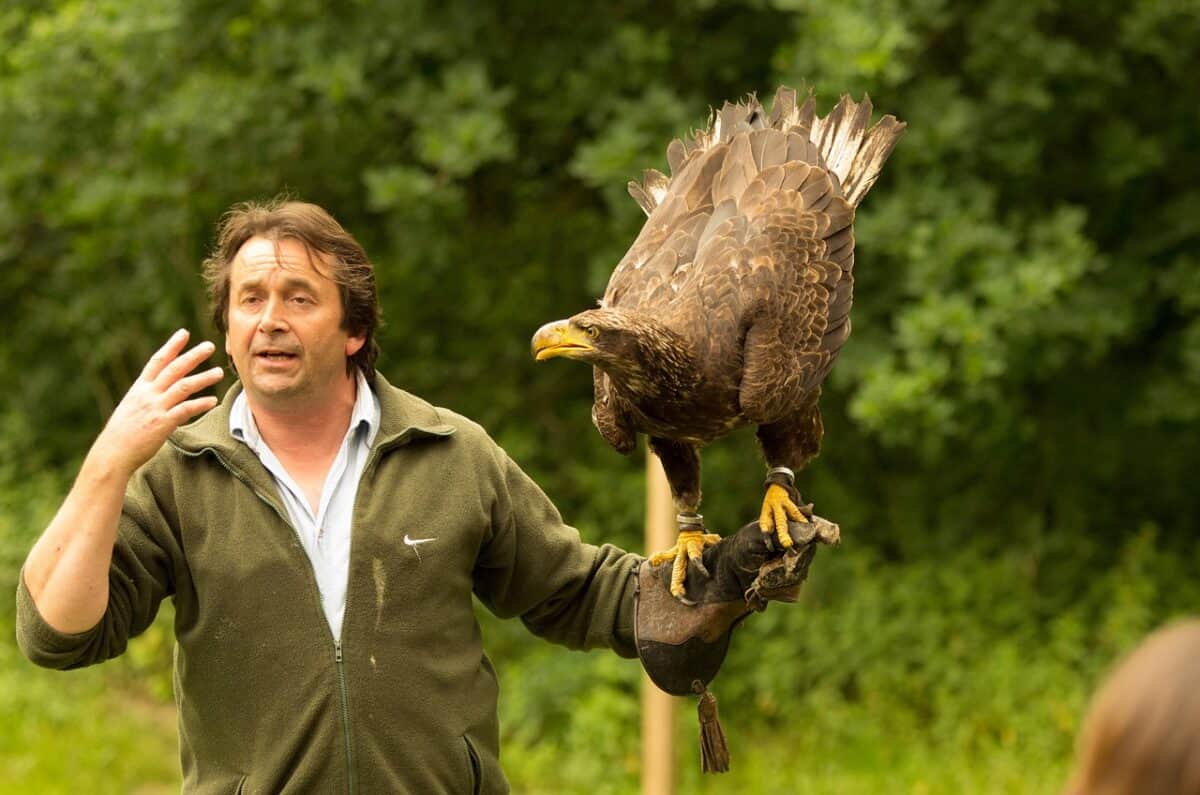
There are many ways individuals can contribute to bird conservation efforts. From creating bird-friendly gardens to supporting local conservation projects, each action helps. Educating oneself and others about the challenges birds face can inspire more people to become advocates for avian protection.
The largest bird die-off in America is a multifaceted issue that demands immediate attention and collaborative action. By addressing key factors like habitat loss, climate change, and pollution, we can work towards restoring bird populations. The survival of these avian species is crucial not only for biodiversity but for the health of our ecosystems. Through concerted efforts and awareness, we can halt the decline and ensure future generations can enjoy the rich diversity of birdlife.

- Why Bears Play—and What It Teaches Us - July 12, 2026
- Animals That Love Fruit as Much as You Love Chocolate - July 12, 2026
- How a Breed’s Adaptability Fits Frequent Moves - July 12, 2026