

Picture countless herds of thundering buffalo stretching beyond the horizon, their hooves drumming the earth like ancient heartbeats. For generations of Native American tribes across the Great Plains, these magnificent creatures weren’t merely animals to be hunted. They were spiritual beings, sacred relatives, and the very foundation of entire civilizations.
The relationship between Native Americans and buffalo runs deeper than most people realize. These majestic creatures were more than just a source of sustenance; they were integral to the spiritual, economic, and social fabric of many Native American tribes. This profound connection shaped ceremonies, art, daily life, and worldviews for thousands of years. Let’s dive into the remarkable stories of the tribes that held the mighty buffalo as sacred.
The Lakota: Guardians of the Sacred Tatanka
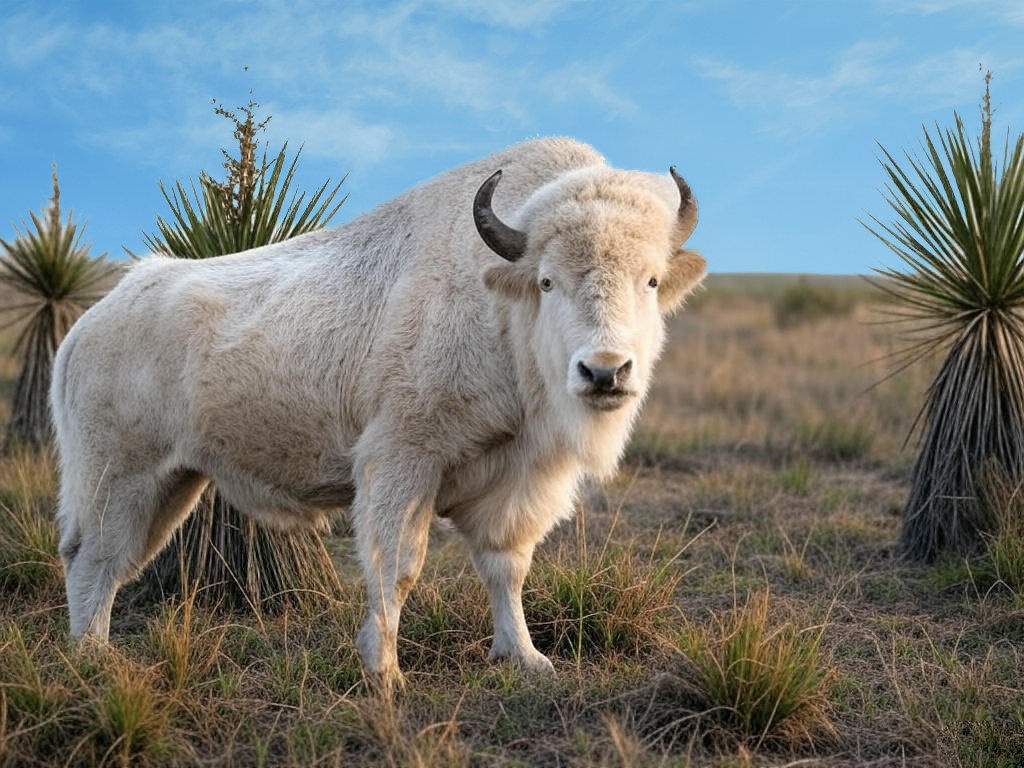
The Lakota people, part of the Great Sioux Nation, developed perhaps the most famous spiritual connection to the buffalo. The Lakota word for buffalo is tatanka, a term that carries far more weight than simple identification. To the Lakota, tatanka embodied strength, generosity, and the sacred circle of life itself.
Famous figures such as White Buffalo Calf Woman embody this spirit of generosity as she is understood by the Sioux as an intermediary who gave the people the rituals necessary for communing with the Great Mystery, the Creator God. After giving the people the seven sacred rites of the Lakota Sioux, White Buffalo Calf Woman departed, but, as she left, she transformed into her true form of a buffalo. This powerful legend demonstrates how deeply the buffalo was woven into Lakota spirituality and identity. The animal wasn’t just revered; it was seen as a direct link between the earthly and divine realms.
The Cheyenne: Master Hunters of the Plains
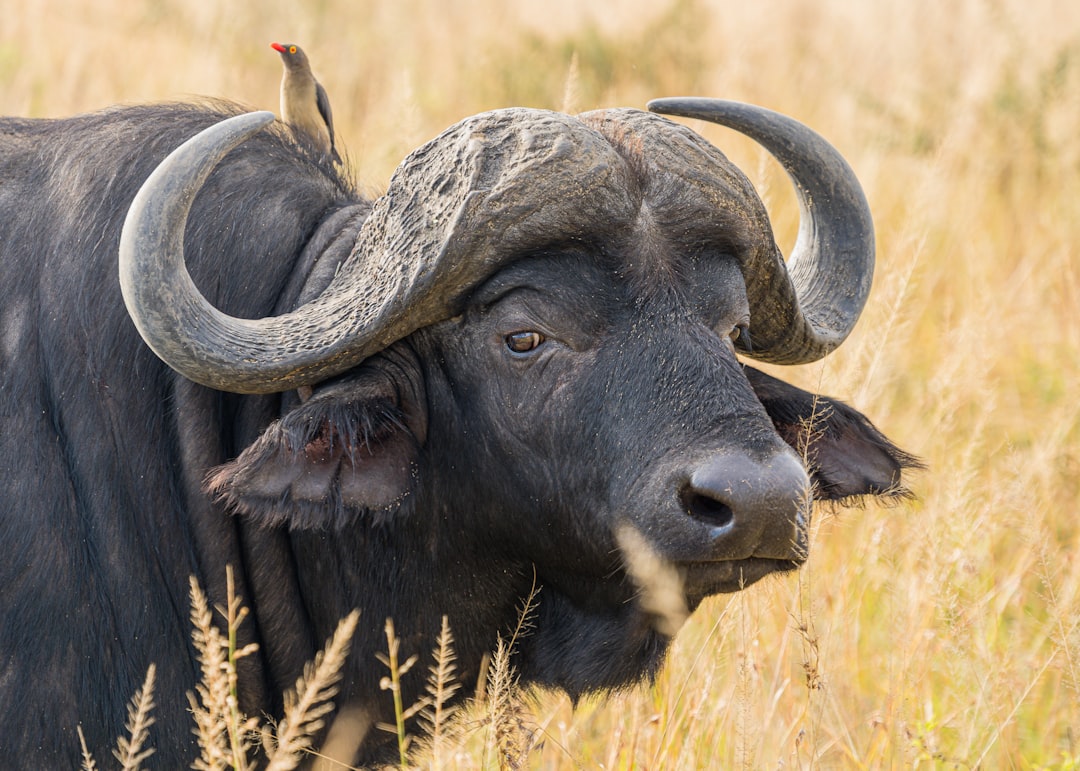
The Cheyenne nation built their entire way of life around following the great buffalo herds. With the arrival of the horse, some tribes, such as the Lakota and Cheyenne, gave up agriculture to become full-time, buffalo-hunting nomads. This decision speaks volumes about how central these animals were to their survival and prosperity.
The Cheyenne, Crow, Arapaho, and other Plains nations all maintained similar sacred narratives that positioned the buffalo as central to their very existence, creating a relationship of reciprocal respect rather than exploitation. The Cheyenne developed sophisticated hunting strategies and ceremonies that honored the buffalo’s sacrifice. Their warriors believed that showing proper respect to the buffalo spirits would ensure successful hunts and the continued abundance of the herds.
The Blackfoot: Keepers of Ancient Buffalo Wisdom
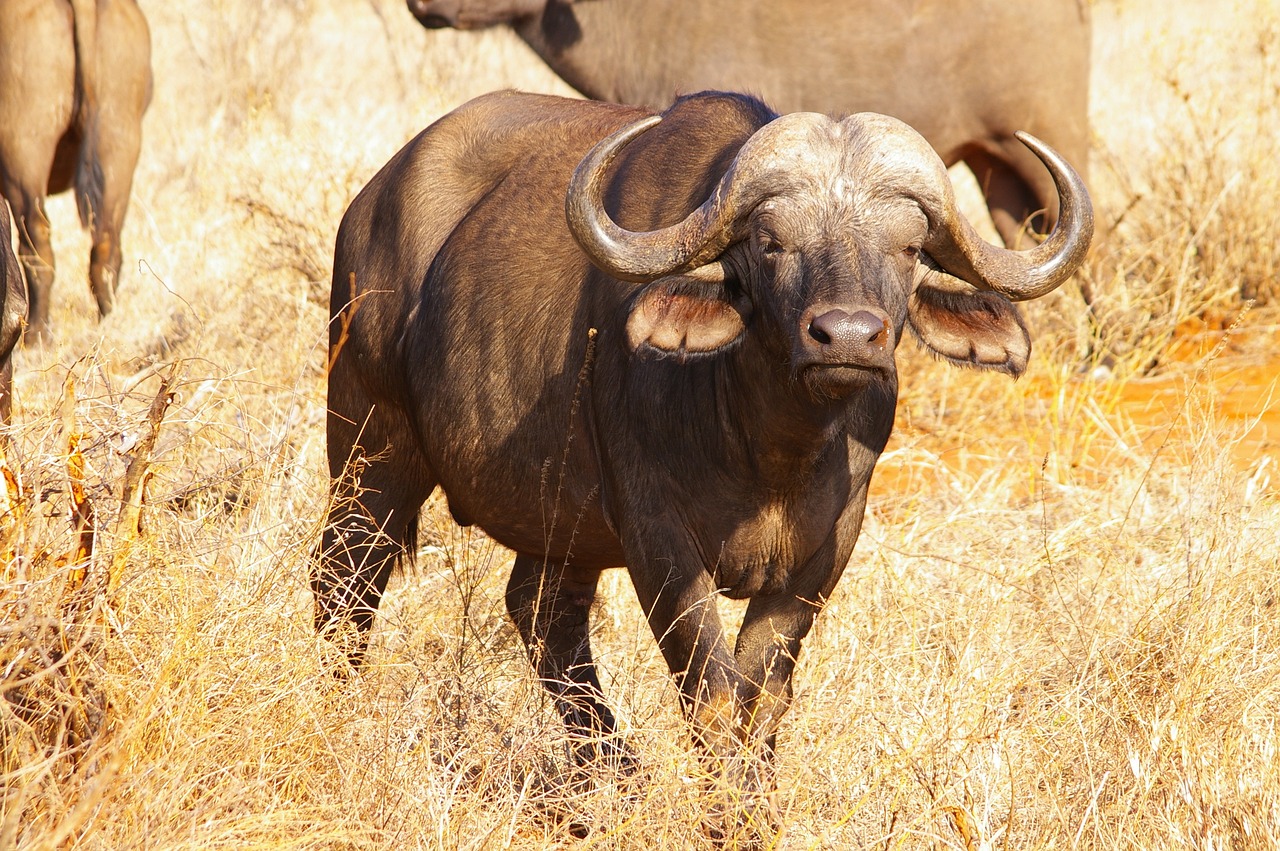
Living in the northern Great Plains, the Blackfoot Confederacy maintained one of the most intricate spiritual relationships with buffalo. The Blackfoot conducted the Iniskim (buffalo stone) ceremony, where specially discovered stones resembling buffalo were used in sacred rituals. The Blackfoot employed a ritual object called a buffalo stone (iniskim) in healing and blessing ceremonies. Many tribes maintained medicine bundles containing sacred buffalo items passed down through generations, each carrying specific powers and responsibilities.
During this period the buffalo, a main food source for the Blackfoot, was hunted nearly to extinction. In the Starvation Winter of 1883–84 almost 600 Blackfoot in Montana died – nearly a quarter of the total number of Blackfoot in Montana at that time – along with about 1,000 individuals in Canada. This devastating period shows just how dependent the Blackfoot were on buffalo for their survival.
The Crow: Artists of Buffalo Culture
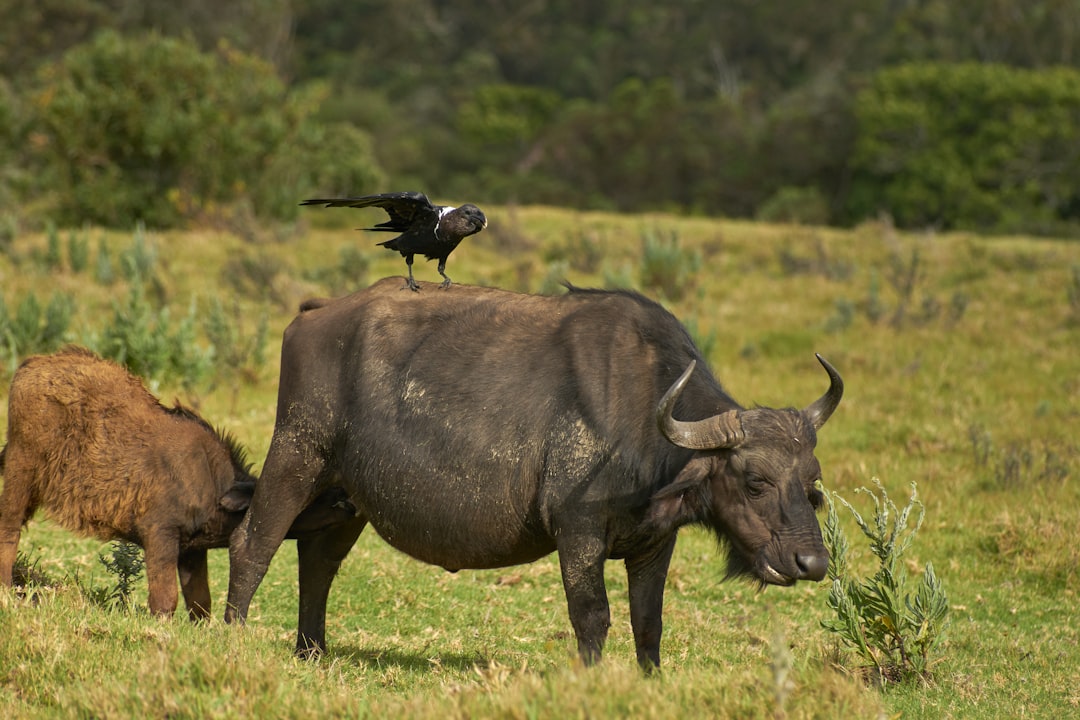
The Crow Nation developed remarkable artistic traditions centered around buffalo reverence. These skilled hunters and warriors created some of the most beautiful buffalo-themed artwork on the Plains. The buffalo’s sacred status manifested powerfully in the material culture and artistic expressions of Plains tribes. Buffalo imagery dominated visual arts – appearing on parfleches (rawhide containers), winter counts (pictographic calendars), shields, and clothing. These depictions were rarely merely decorative but carried specific spiritual meanings and powers.
Crow warriors believed that incorporating buffalo imagery into their war regalia would grant them the animal’s legendary strength and endurance in battle. Their medicine bundles often contained buffalo hair, teeth, or small bones that were passed down through generations as sacred family heirlooms.
The Pawnee: Visionaries of Buffalo Medicine
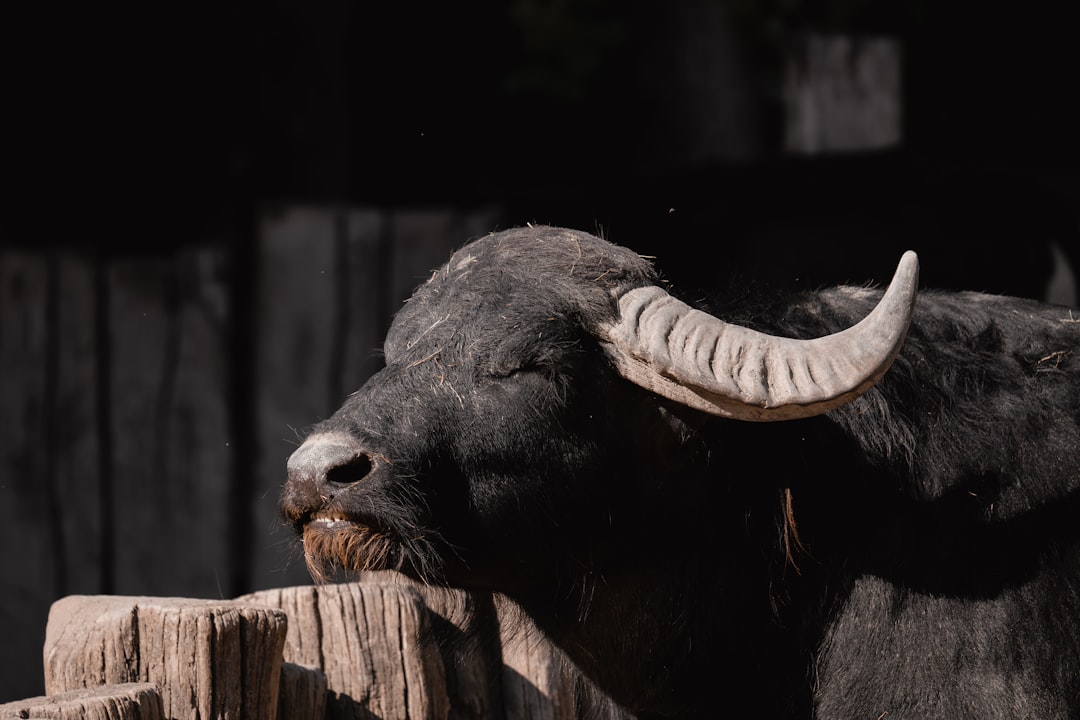
The Pawnee developed unique spiritual practices that set them apart from other Plains tribes in their buffalo worship. The Pawnee origin story, Making the Sacred Bundle, relates how the buffalo were responsible for the development of the medicine bag and the sacred objects one carries for protection, spiritual strength, and guidance. This creation story positioned buffalo as the original teachers of sacred knowledge.
Pawnee shamans believed that buffalo possessed special healing powers. They used every part of the animal in their medicine practices, from buffalo fat for healing salves to ground buffalo bones for ceremonial paints. Their star-based astronomy was often connected to buffalo migration patterns, showing how deeply they understood the animals’ natural rhythms.
The Comanche: Masters of Buffalo Hunting
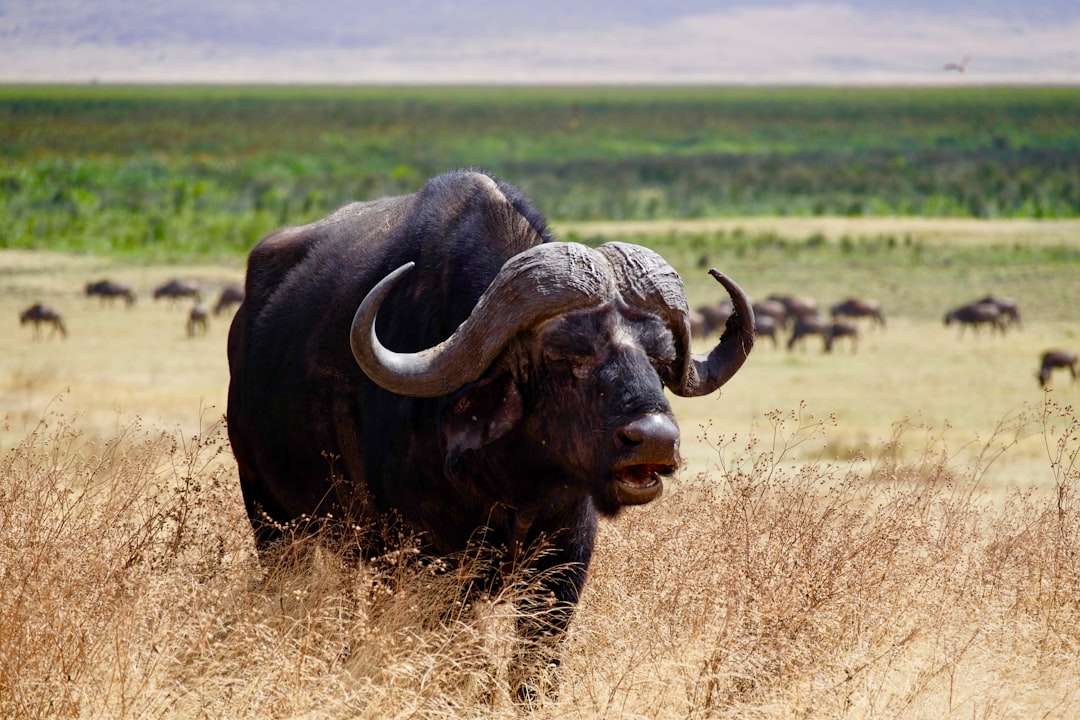
Known as the “Lords of the Plains,” the Comanche became legendary for their buffalo hunting skills on horseback. When horses arrived in the late seventeenth century, they revolutionized life on the Plains. They allowed hunters and their bands to travel farther and faster in pursuit of game. Along with guns, horses gave rise to newer, more efficient hunting strategies. Suddenly, two or three hunters could provide for a group of one hundred in a single day.
The Comanche developed the most efficient buffalo hunting techniques of any Plains tribe. Their warriors could shoot arrows with deadly accuracy while riding at full gallop alongside a stampeding herd. They viewed successful buffalo hunting as the ultimate test of manhood, and young warriors spent years perfecting these dangerous skills. For the Comanche, the buffalo hunt wasn’t just about food; it was about honor, courage, and maintaining their reputation as the fiercest fighters on the Plains.
The Tragic End and Hopeful Revival
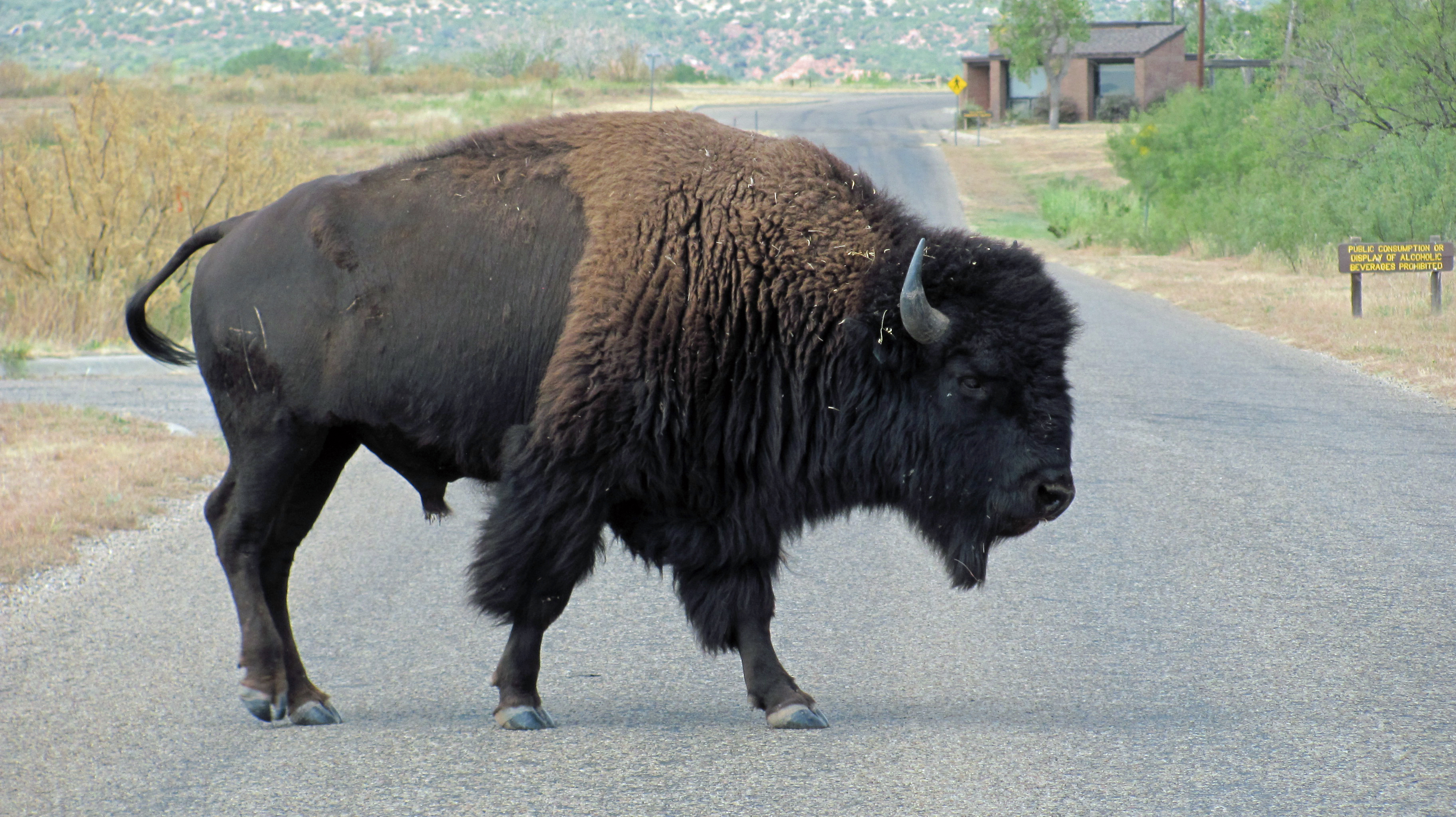
The systematic destruction of buffalo herds in the late 1800s devastated all these tribes. Before settlers pushed west, the American bison population was estimated at 60 million. By the mid-1880s, that number was reduced to a few hundred. This wasn’t just an ecological disaster; it was a deliberate attempt to destroy Native American independence and culture.
Yet hope wasn’t lost. In 1990, tribes from over twenty states united to form the InterTribal Buffalo Council. Representatives from the Lakota, Crow, Shoshone-Bannock, Gros Ventre/Assiniboine, Blackfeet, Pueblo, Winnebago, Choctaw, Round Valley, and other tribes convened in South Dakota, uniting to restore bison populations on tribal lands for cultural and spiritual enhancement and preservation. Today, these efforts continue to heal both the land and the spirit of Native peoples.
The mighty buffalo once again walks on tribal lands, carrying with it the hopes and prayers of generations. The sacred relationship between these magnificent animals and the Native tribes who revered them lives on, stronger than ever. What do you think about this incredible bond between Native Americans and buffalo? Tell us in the comments.
