
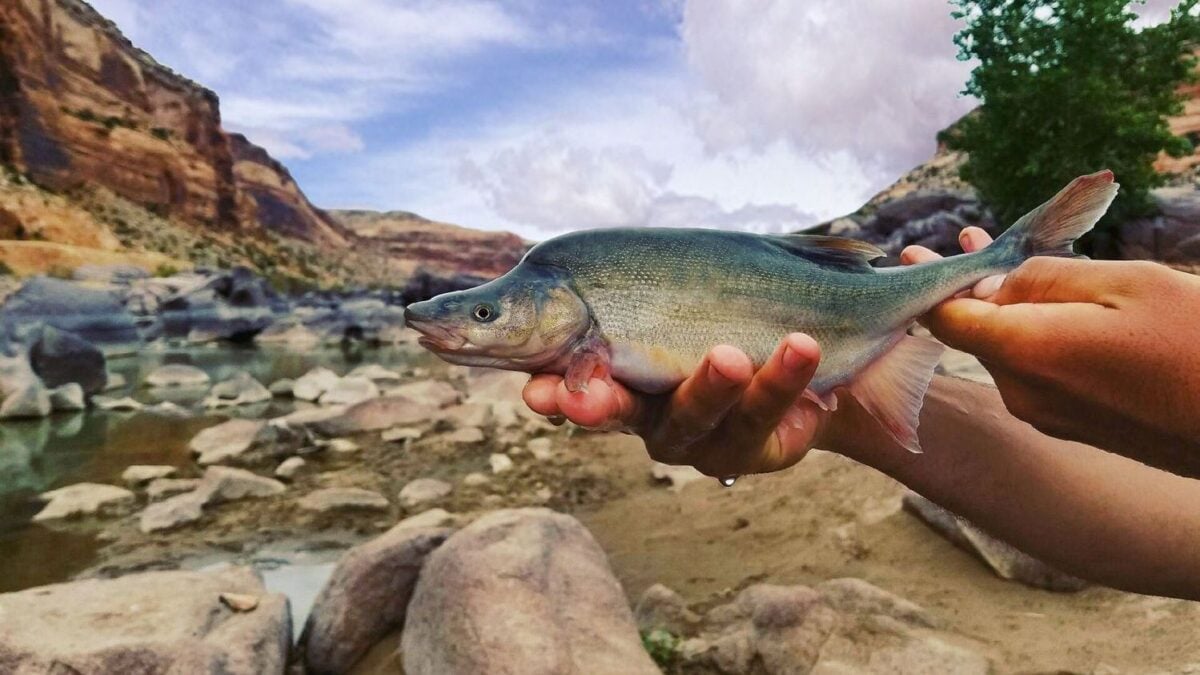
There’s something quietly extraordinary happening beneath the surface of America’s rivers. After decades of decline driven by dam construction, habitat loss, and poor water quality, a growing number of fish species are reclaiming waterways they haven’t touched in generations. In some cases, literally a century or more has passed since their last visit.
The scale of what’s being accomplished is not small. Since 1999, the National Fish Passage Program has worked with more than 2,000 local communities, tribes, and private landowners to remove or bypass more than 3,500 barriers to fish passage and reopened more than 64,000 miles of once inaccessible upstream habitat. These aren’t just conservation milestones; they’re signs that, given a real chance, nature tends to show up.
Chinook Salmon: The Klamath River’s Stunning Return
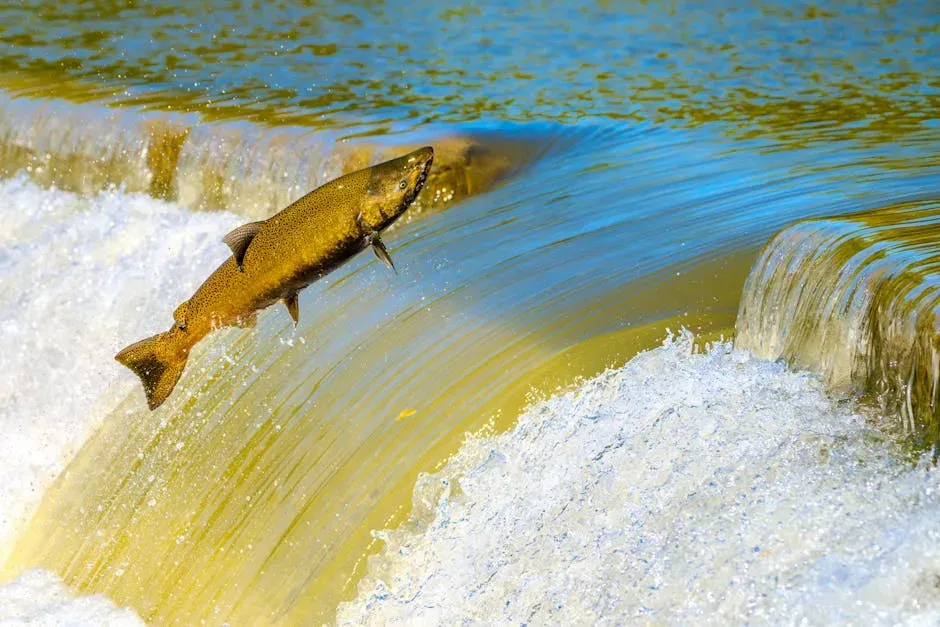
Few recovery stories in recent memory have moved as quickly or as dramatically as what’s unfolding on the Klamath River. The removal of four large dams from the Klamath River allows salmon to again reach about 400 miles of their original habitat that had been blocked for many decades. The response from the fish was faster than most scientists dared hope.
Just one year after the removal of the Klamath River dams, new monitoring results showed thousands of Chinook salmon pushing deep into newly reopened habitat, some reaching more than 360 river miles from the ocean into the Upper Klamath Basin. That kind of range expansion, in that little time, is genuinely rare.
Early-season preliminary data revealed a strong fall run in 2025, with more than 10,000 fish over two feet long, likely Chinook salmon, passing the former Iron Gate Dam site, substantially more than in 2024. Perhaps most striking of all, monitoring crews found a group of fall Chinook that swam all the way up into the Williamson and Sprague rivers above Upper Klamath Lake for the first time in more than a century.
The Klamath River was once the third most abundant salmon-producing river on the West Coast of the continental United States, and six federally recognized Native American tribes had for millennia relied on the bounty of the Klamath River for sustenance and spiritual practices central to their identity. The tribes, who played a leading role in advocating for dam removal, are now witnessing their river breathe again.
Humpback Chub and Razorback Sucker: Colorado River Underdogs Gaining Ground
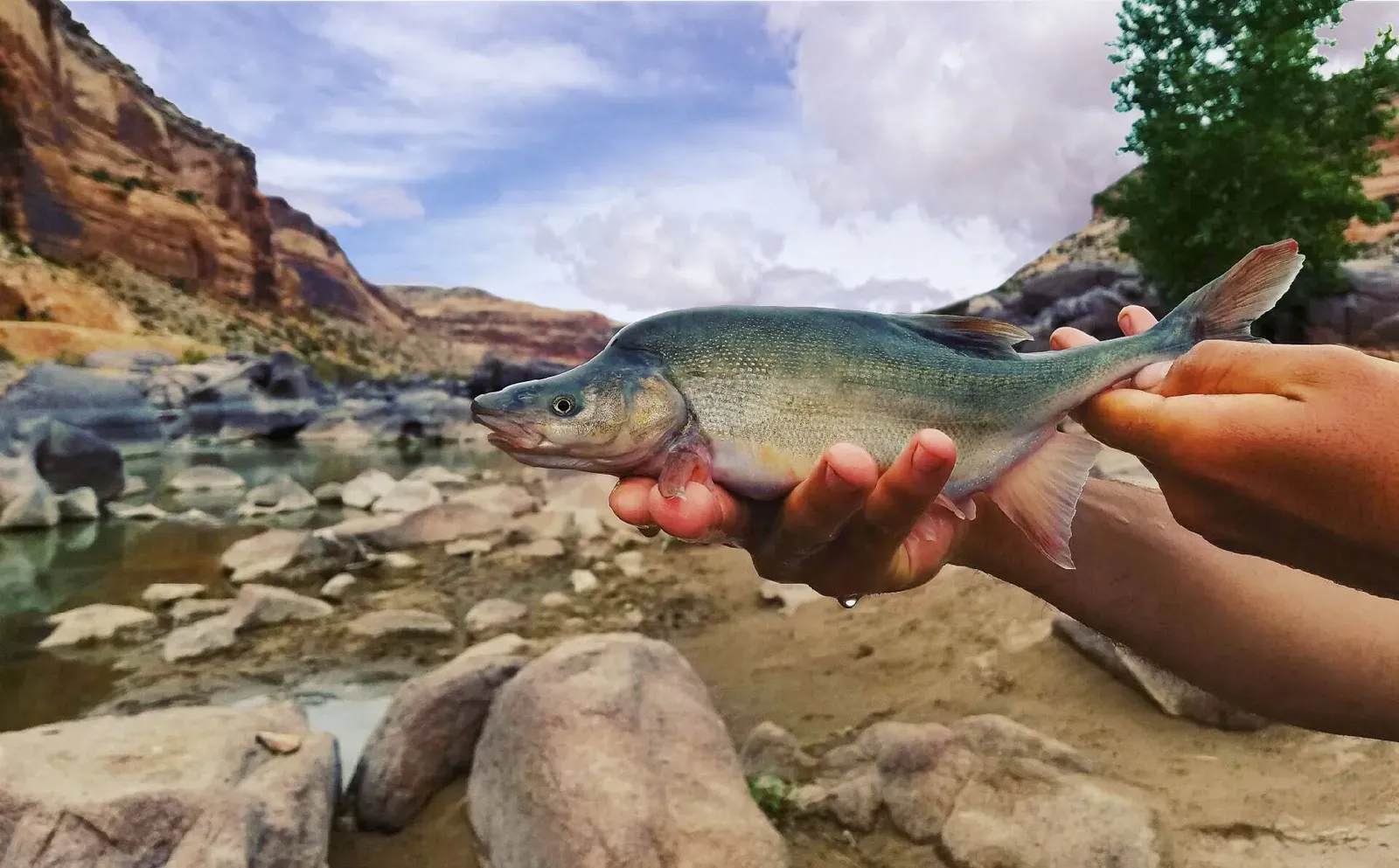
While salmon tend to attract the spotlight, some of the most meaningful recoveries are happening in the less glamorous stretches of the Colorado River system. The humpback chub, a strange-looking ancient fish adapted to the powerful currents of the Grand Canyon, was once considered on the edge of disappearing entirely.
The largest population of humpback chub, which is found in the Colorado and Little Colorado rivers in the Grand Canyon of Arizona, is now a stable population of about 12,000 adults. Crucially, all five populations are wild, persisting without the need for hatchery stocking. That detail matters more than it might seem; a wild, self-sustaining population is a fundamentally different achievement than a managed one.
The razorback sucker, a native fish found in the Colorado River basin, is also making a comeback thanks to conservation partnerships between the U.S. Fish and Wildlife Service, states, federal agencies, tribes, industry, and environmental groups. Large populations of adults have been re-established in the Colorado, Green, and San Juan Rivers, with populations also present in Lake Powell, Lake Mead, Lake Mohave, and Lake Havasu.
Steelhead and Coho Salmon: The Elwha River Blueprint
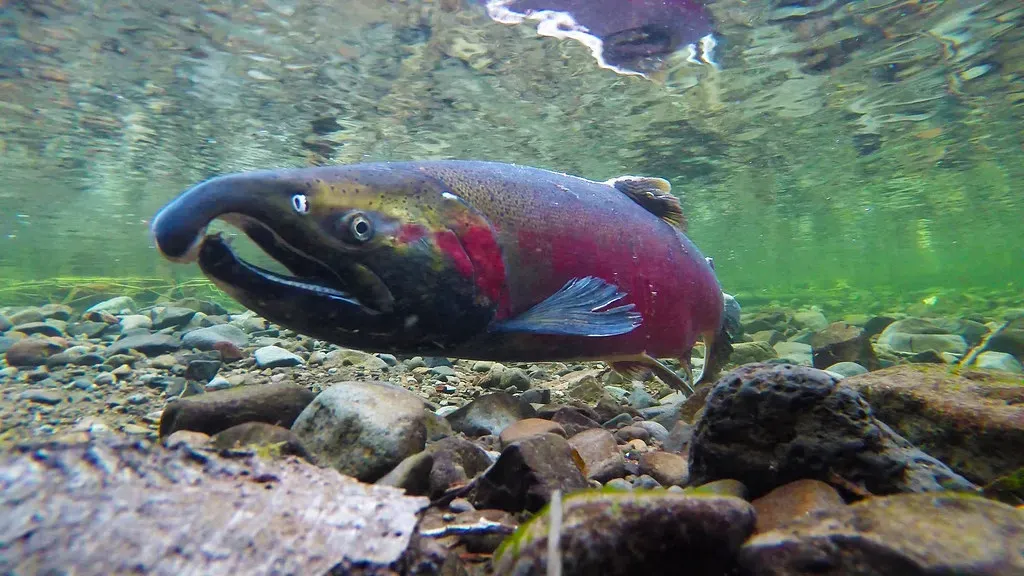
Before the Klamath made headlines, Washington State’s Elwha River quietly became the template for what large-scale dam removal could achieve. In 1992, the Elwha River Ecosystem and Fisheries Restoration Act called for the full restoration of the Elwha River ecosystem and native anadromous fisheries, authorizing the Department of the Interior to acquire and remove the Elwha and Glines Canyon dams.
The Elwha River in Washington State represents the world’s largest dam removal to date, and salmon returned upstream after 100 years. Fish passage efforts in the region now support ESA-listed species like coho and Chinook salmon, steelhead, Pacific lamprey, and Green sturgeon. The river’s recovery helped establish a replicable model that other watersheds across the country could follow.
Dam removal can lead to rapid ecosystem responses, such as downstream changes in spawning and rearing habitats, the re-emergence of river channels in former reservoirs, and restored fish passage. The Elwha demonstrated all of this in real time, offering a living proof-of-concept that decades of habitat loss don’t have to be permanent.
Sturgeon and River Herring: Quiet Comebacks in Eastern Waterways
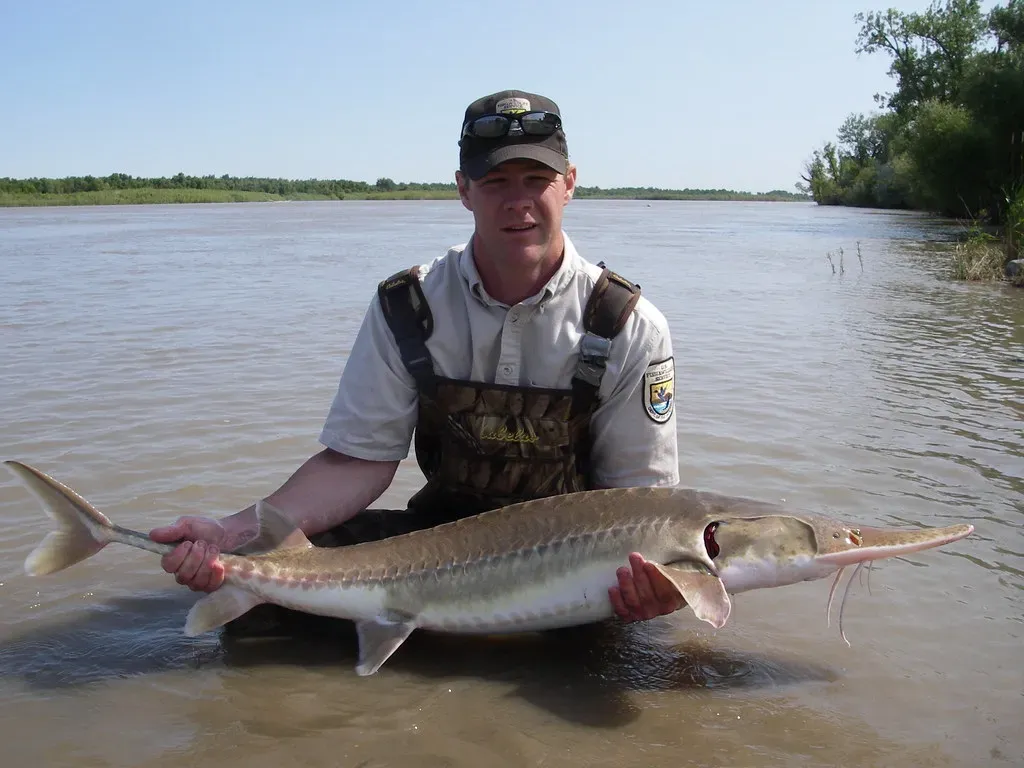
On the East Coast, recovery efforts are targeting some of the most ancient fish in North American rivers. Sturgeon species, which have survived for hundreds of millions of years, were pushed to the edge by dam construction and poor water quality throughout the 20th century. Research suggests that conditions for recovery for both Atlantic and Shortnose sturgeon are improving because of dam removals in historic habitat and legislation such as the Clean Water Act, though many threats still exist, including vessel strikes, habitat degradation, and unintentional harvest as bycatch.
The Cape Fear River basin, the largest within North Carolina, is home to several migratory fish species including endangered shortnose and Atlantic Sturgeon, whose populations have drastically declined due to dams blocking access to spawning habitat and water quality impacts from agricultural operations and development. Restoration work there involves a coalition of nearly 30 partners taking a holistic approach across the whole river system.
River herring tell a similarly cautious but hopeful story in Maine. A collaborative project on the Lower Skutik/St. Croix River with the State of Maine, Passamaquoddy Tribe, and other partners has the potential to support tens of millions of adult river herring returns annually, making their population the biggest in the United States and Canada. Progress like this doesn’t happen overnight, but the trajectory is pointing the right direction.
The Bigger Picture: What’s Driving These Recoveries
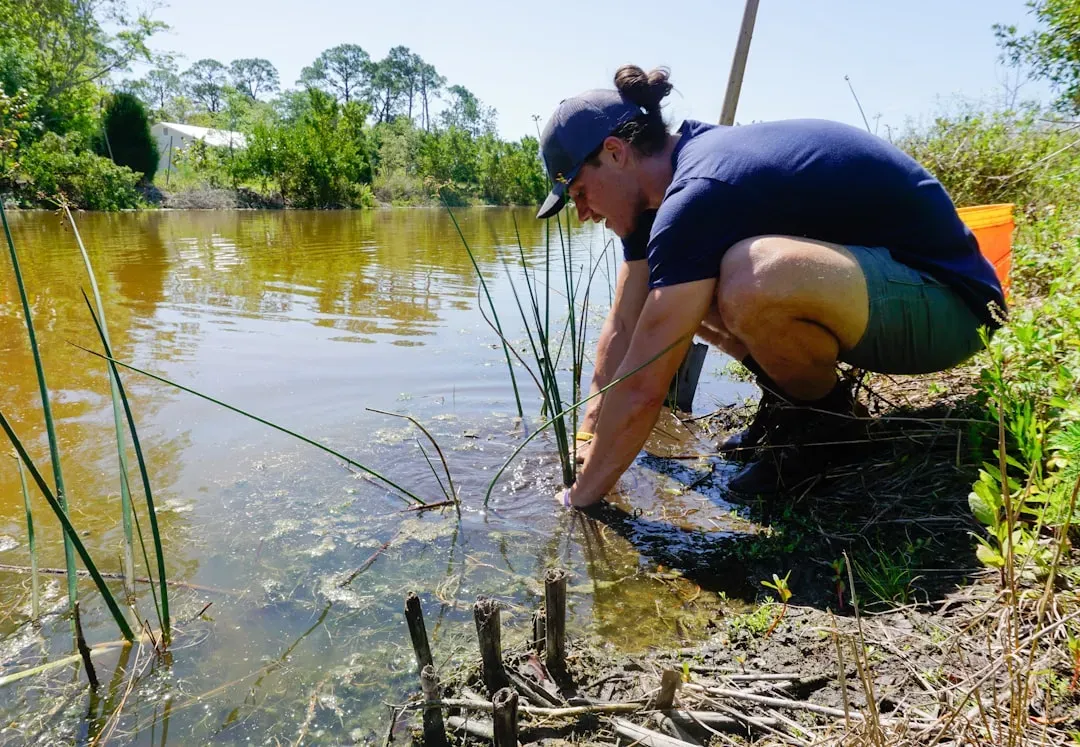
None of these individual recoveries happened by accident. The broader pattern across the country points to a consistent set of drivers: barrier removal, water quality improvements, tribal and federal partnership, and sustained monitoring. Removing a dam is one of the fastest and most effective ways to bring a river back to life. Within days of removal, bugs return, and within weeks, native fish are swimming reaches they haven’t accessed in generations.
In 2024 alone, the National Fish Passage Program removed or bypassed 97 barriers that prevented fish from moving freely, reopened access to 2,939 miles of stream habitat, and restored 15,026 acres for fish and other wildlife. Meanwhile, the Southeast alone reconnected 2,424 upstream river miles in 2025, while the Great Lakes and Central regions added more than 1,446 miles.
Reconnecting rivers helps restore the natural processes that sustain ecosystems, improving habitat diversity, supporting wildlife populations, and even enhancing nutrient cycling. The economic ripple effects are real too. These programs support roughly 2.1 billion dollars in economic output benefiting families in countless communities, and every one million dollars invested generates over 2.5 million dollars in local output and more than 17 private-sector jobs.
Conclusion: A River’s Memory Is Long
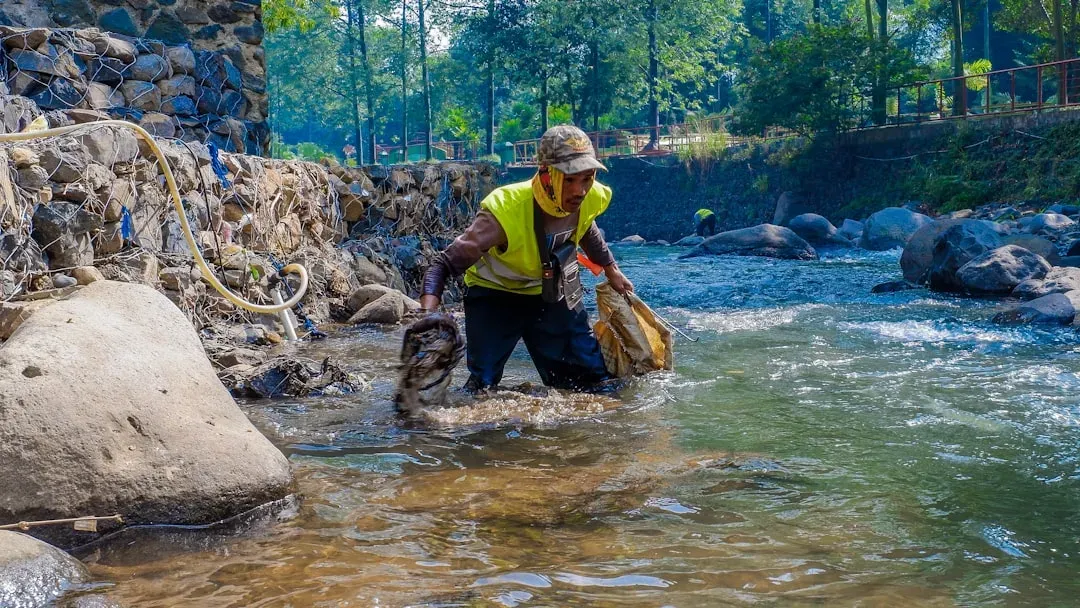
What these recoveries reveal, above all else, is that rivers have a kind of ecological memory. Given the right conditions, fish don’t need to be convinced to come back. They simply do. The Chinook pushing past the former Iron Gate Dam site, the humpback chub holding its own in wild Grand Canyon waters, the sturgeon slowly reclaiming Atlantic coastal rivers – each tells a version of the same story.
The science is consistent: when barriers come down and water quality improves, nature responds faster than most people expect. The harder truth is that many threats remain. The US has more than 500,000 dams in its national inventory, and a staggering number of them are no longer generating power, no longer supplying water, nor serving any practical purpose – what they are doing is blocking fish from reaching spawning habitat, warming water in stagnant reservoirs, and threatening public safety.
The momentum exists. The tools exist. What these resilient fish species have proven is that the rivers themselves are ready. Whether the effort continues at the pace needed is a question of sustained will, not ecological possibility.

- These Resilient Fish Species Are Making a Remarkable Comeback in US Rivers - July 15, 2026
- 12 Things Owls Notice Long Before Humans Do - July 15, 2026
- 6 Endangered Species That Have Found a New Home in US National Parks - July 15, 2026