
In recent years, the issue of microplastic pollution has garnered increasing attention. These minuscule plastic particles have infiltrated ecosystems worldwide, raising concerns about their impact on environmental health and biodiversity. A striking revelation in this domain is the alarming level of microplastic pollution in a particular European lake, which surpasses that of any lake in the United States. This article delves into the key aspects of this pressing issue, offering insights into the detrimental effects and possible solutions to combat this global challenge.
Understanding Microplastics
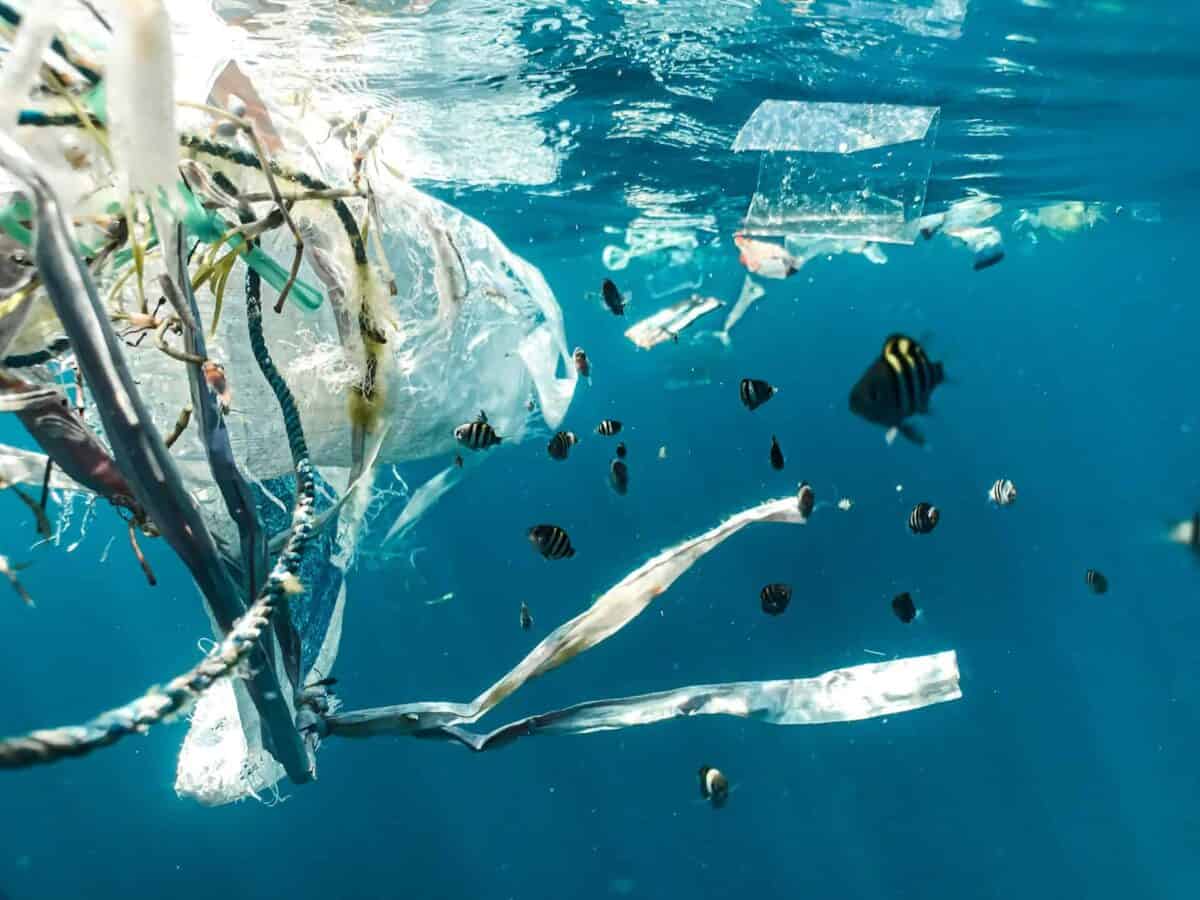
Microplastics are tiny plastic fragments, typically less than 5 millimeters in diameter, that result from the degradation of larger plastic products or are manufactured as tiny pellets or beads. These particles can originate from a myriad of sources, such as cosmetics, clothing fibers, and industrial processes. As they accumulate in aquatic environments, they pose a significant threat to marine and freshwater ecosystems.
Lake Geneva: A Surprising Hotspot

Among Europe’s many lakes, Lake Geneva has been identified as having extraordinarily high levels of microplastic pollution. Situated on the border between Switzerland and France, this scenic body of water is renowned for its beauty and ecological significance. However, recent studies have highlighted a darker side, revealing a staggering concentration of microplastics that exceeds that found in any American lake.
Sources of Pollution in Lake Geneva

Numerous factors contribute to the high levels of microplastics in Lake Geneva. The densely populated urban regions surrounding the lake, coupled with significant tourism, lead to a rise in plastic waste, which eventually breaks down into microplastics. Additionally, the extensive industrial activities in the area, including textiles and manufacturing, contribute to the release of these particles into the water.
Environmental Impact of Microplastics

The pervasive presence of microplastics in Lake Geneva raises substantial concerns for the environment. These particles have been found to leach harmful chemicals, which can disrupt ecosystems and harm aquatic life. Fish and other aquatic organisms often ingest microplastics, mistaking them for food, leading to physical and chemical harm.
Human Health Concerns

The implications of microplastic pollution extend beyond aquatic ecosystems, posing potential risks to human health. As fish and other seafood from contaminated waters are consumed, people are inadvertently ingesting microplastics and the toxins they carry. This exposure could lead to various health issues, including endocrine disruption and other chronic ailments.
Comparison with U.S. Lakes

When compared to U.S. lakes, the degree of microplastic pollution in Lake Geneva is exceptionally high. While many American lakes have recorded significant levels of microplastics, none have yet matched the concentrations found in this European lake. This disparity can be attributed to differing environmental regulations, waste management practices, and levels of industrial activities between regions.
The Role of Tourism
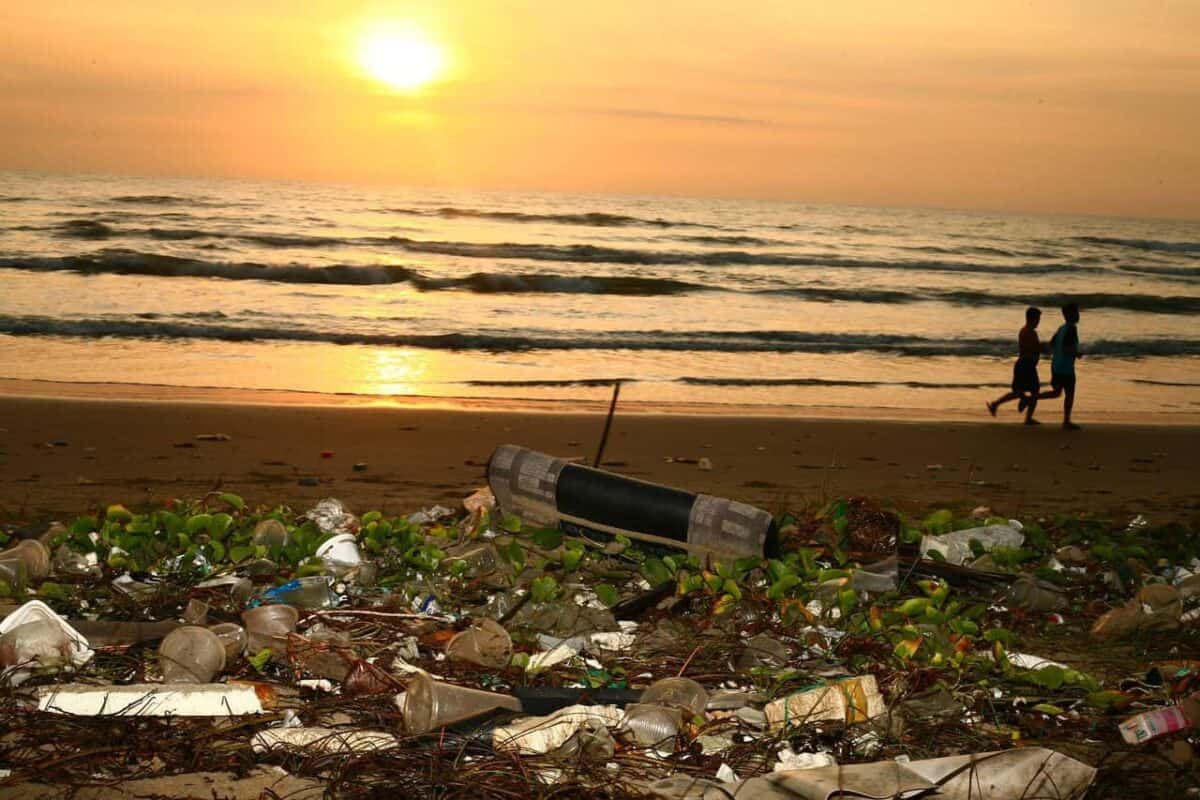
Tourism is a double-edged sword for regions like Lake Geneva. On one hand, it brings economic benefits, but on the other, it contributes to increased pollution levels. Tourists often bring with them consumer goods, which add to the plastic waste burden, ultimately accelerating the breakdown of these items into microplastics.
Efforts to Mitigate the Problem

Addressing the microplastic crisis in Lake Geneva requires a multifaceted approach. Local governments, environmental organizations, and the private sector have been working together to implement stricter waste management and reduction policies. Educational initiatives are also being rolled out to raise awareness among residents and visitors alike.
The Importance of Policy and Regulation
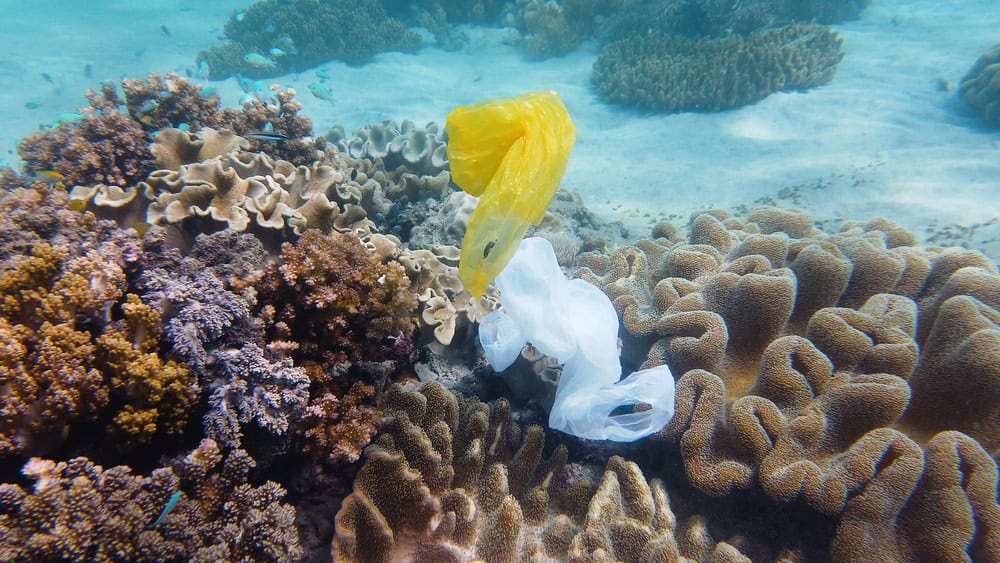
Effective policy implementation is crucial in combating microplastic pollution. Environmental regulations that limit the use of single-use plastics and improve waste management systems are vital. Additionally, regulations targeting industrial discharges can help reduce the influx of microplastics into water bodies.
Technological Innovations

Innovative technologies have emerged as potential solutions to tackle microplastic pollution. Advanced filtration systems and innovative capture techniques are being explored to remove microplastics from aquatic environments. Additionally, research into biodegradable alternatives to conventional plastics is gaining momentum.
The Role of Public Participation

Public involvement is essential in addressing the microplastic issue. Consumers can make conscious choices to reduce their plastic footprint by opting for reusable items and participating in clean-up initiatives. Moreover, public pressure can influence policymakers to prioritize sustainable practices and stricter regulations.
The Future of Lake Geneva

While Lake Geneva faces significant challenges due to microplastic pollution, efforts are underway to safeguard its future. With continued collaboration between governments, organizations, and individuals, it is conceivable that the tide can be turned, restoring the lake to a healthier, cleaner state. The story of Lake Geneva serves as a reminder of the broader global imperative to address plastic pollution and protect our planet for future generations.
In conclusion, Lake Geneva’s plight underscores the urgent need for comprehensive strategies to combat microplastic pollution. Through collective action and innovative solutions, we can curb the spread of microplastics and preserve the beauty and biodiversity of our world’s precious water bodies.

- 10 Animals That Cheat Death in the Most Unexpected Ways - July 19, 2026
- The Shrimp That Punches Like a Bullet - July 19, 2026
- This Tiny Mammal Can Slow Its Heartbeat to One Beat Per Minute - July 19, 2026