

Worried about unexpected vet bills?
Pet insurance can cover thousands in unexpected vet costs. Get a free quote from Lemonade in under 2 minutes.
Get My Free Quote →Sponsored · Opens Lemonade.com
In the vast world of evolutionary adaptations, few are as remarkable as the ability of certain fish species to survive extended periods without water. While the concept seems contradictory to everything we understand about fish biology, several extraordinary species have developed mechanisms that allow them to endure drought conditions, land excursions, and even hibernation-like states. These water-defying fish represent some of nature’s most impressive examples of resilience and adaptation, showcasing the incredible diversity of survival strategies in the animal kingdom.
The African Lungfish: Master of Aestivation

The African lungfish (Protopterus sp.) stands as perhaps the most impressive water-free survivor in the fish world. When faced with drought, these remarkable creatures can survive without water for up to four years by entering a state called aestivation. As their habitat dries up, the lungfish burrows into the mud and secretes a mucus cocoon around its body that hardens into a protective case. Inside this cocoon, the fish’s metabolism slows dramatically—its heart rate drops to just a few beats per minute, and it breathes air through a small tube connecting to the surface. The lungfish essentially shuts down all non-essential bodily functions, living off fat reserves stored in its tail and organs while awaiting the return of water. This extraordinary adaptation has allowed lungfish to survive in seasonally dry environments across Africa for millions of years.
Walking Catfish: The Overland Traveler

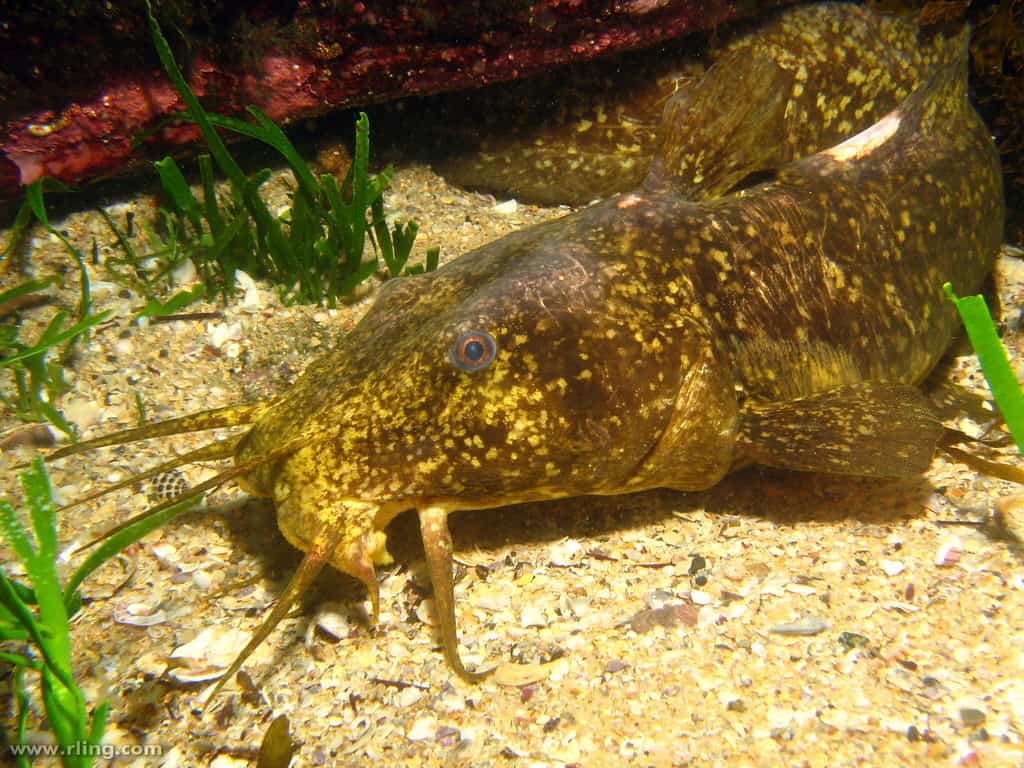
The walking catfish (Clarias batrachus) has developed a different approach to water scarcity—it simply travels to find more. Native to Southeast Asia, these invasive fish can wriggle across land using stiff pectoral fins to push their bodies forward in a serpentine motion. More importantly, walking catfish possess specialized suprabranchial organs—extensions of their gill chambers that function similar to primitive lungs. These organs allow them to extract oxygen from air, enabling overland journeys of up to 1.2 kilometers that can last several days. Their skin also remains moist during these excursions, providing supplementary oxygen absorption. This remarkable ability not only helps them survive drought but has made them successful invasive species in places like Florida, where they can migrate between water bodies with ease.
Mangrove Killifish: The Amphibious Wonder

The mangrove killifish (Kryptolebias marmoratus) takes air breathing to an extraordinary level, qualifying as one of the most amphibious fish species on Earth. These tiny fish can spend weeks—up to 66 days—completely out of water, breathing through their skin and gills. They’ve been documented living in rotting logs, moist leaves, and even inside coconut shells in the mangrove forests they call home. What makes this adaptation particularly fascinating is that the mangrove killifish maintains fully functional gills while developing the ability to breathe air, representing an evolutionary middle ground between aquatic and terrestrial life. They can even modify their gills to retain water and prevent collapse when exposed to air, a unique adaptation not seen in many other air-breathing fish.
The Miraculous Mudskippers

Mudskippers (Oxudercinae subfamily) have perhaps embraced terrestrial living more than any other fish. These remarkable creatures spend up to 90% of their lives out of water, using specialized pectoral fins to “skip” across mudflats during low tide. Their most impressive adaptation is their multifaceted breathing system. Mudskippers can breathe through their skin, the lining of their mouths and throats, and even through specialized chambers around their gills that store water. When on land, they periodically roll their eyes backward to moisten them with water stored in specialized cavities. Some species have even developed the ability to climb trees and vegetation to escape predators or find food. With their bulging eyes and distinctive appearance, mudskippers represent one of evolution’s most successful experiments in transitioning from water to land.
Desert Pupfish: Surviving Extreme Conditions

The desert pupfish (Cyprinodon sp.) demonstrates remarkable tolerance for environments most fish would find impossible. Native to desert springs and streams in the American Southwest, these hardy fish can survive in puddles just inches deep as their habitats evaporate during drought seasons. They withstand extraordinary temperature fluctuations—from near freezing to up to 42°C (108°F)—and can tolerate water three times saltier than the ocean. While they can’t survive completely without water, their ability to persist in the smallest water bodies with extreme conditions showcases their incredible resilience. Some desert pupfish populations have been known to survive in spring-fed pools that shrink to mere puddles during drought, only to rebound when water returns. Their remarkable physiological adaptations make them living examples of how life can adapt to the harshest environments.
Annual Killifish: Masters of Embryonic Diapause
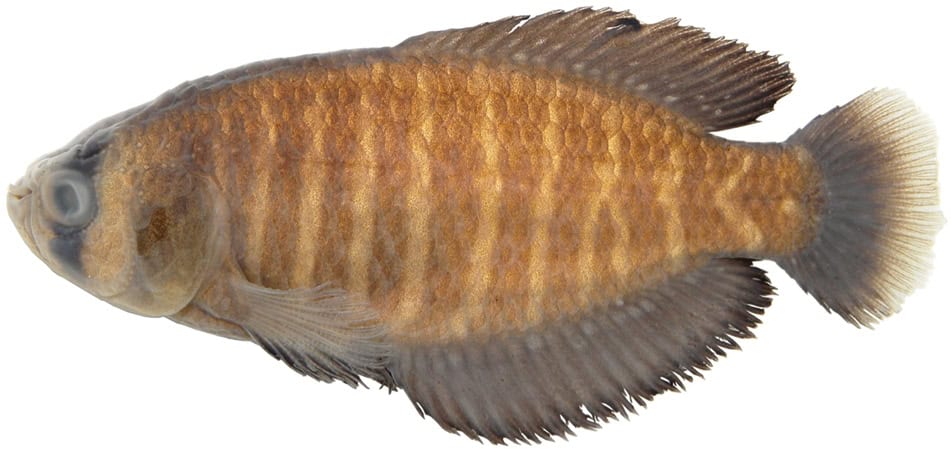
Annual killifish, particularly from the genera Nothobranchius and Austrofundulus, have evolved perhaps the most forward-thinking solution to water scarcity. These fish live in temporary pools that completely dry up annually. Rather than trying to survive the dry period as adults, they lay drought-resistant eggs that enter a state of suspended animation called diapause. The adult fish die when the water disappears, but their embryos remain viable in the dry soil for months or even years, effectively skipping generations through time until rain returns. When water fills their habitat again, the eggs hatch rapidly, and the fish grow and reproduce at an accelerated pace before the next dry season. This remarkable life cycle allows annual killifish to persist in environments where water is a temporary resource, essentially surviving as a species through their embryos’ ability to withstand complete desiccation.
The West African Lungfish’s Remarkable Cocoon
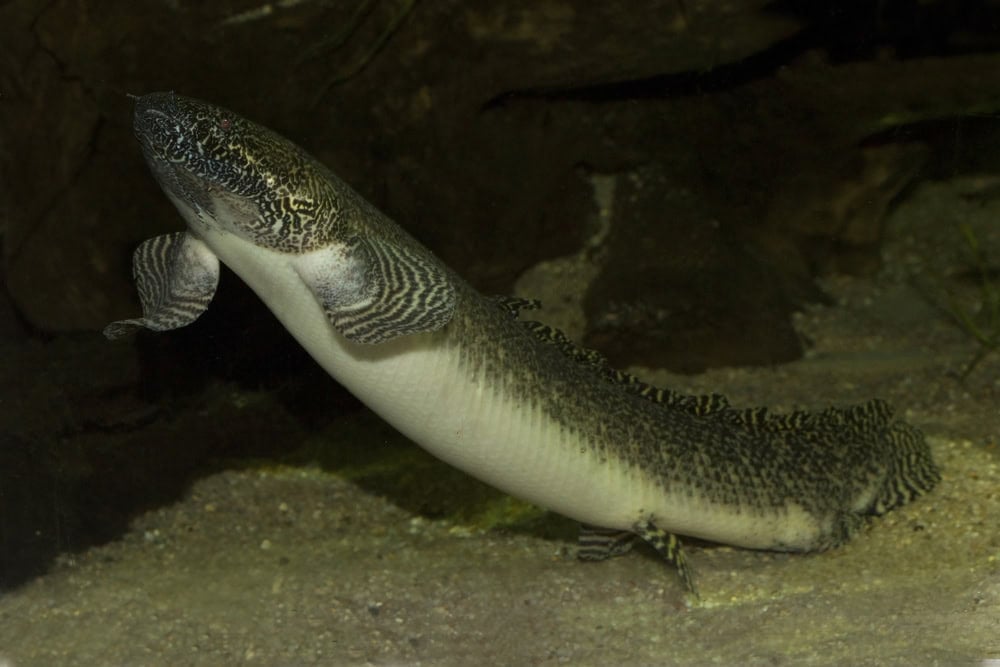
The West African lungfish (Protopterus annectens) deserves special attention for its extraordinary cocoon-forming ability. As water levels decline, this lungfish secretes a mucus envelope around its body that hardens into a paper-like cocoon, leaving only a small opening for its mouth to access air. Within this protective case, the fish enters a state of torpor where its metabolism drops by up to 60%. Its body produces urea instead of toxic ammonia as a waste product, which is retained in tissues rather than excreted—a crucial adaptation since the fish has no access to water for dilution and elimination of waste. Scientists have documented specimens surviving in these cocoons for over four years in laboratory settings, making them among the champions of waterless survival. When rain returns, the lungfish absorbs water through its skin, breaking down the cocoon and returning to active aquatic life within hours.
Climbing Perch: The Oxygen Innovator

The climbing perch (Anabas testudineus) combines impressive respiratory adaptations with remarkable mobility. Native to Southeast Asia, these fish possess labyrinth organs—maze-like structures above their gills that allow them to extract oxygen from air. This adaptation enables them to survive in oxygen-depleted water and travel across land for up to six days. The climbing perch can use its gill plates, which are equipped with spines, along with its pectoral fins to wriggle across land and even climb up tree trunks—hence their name. Their ability to breathe air is so developed that they sometimes drown if prevented from reaching the water’s surface. In extreme drought conditions, climbing perch can bury themselves in moist soil and enter a reduced metabolic state, emerging when rain returns. This combination of respiratory innovation and physical adaptations makes them extraordinarily successful survivors in variable environments.
The Cellular Adaptations Behind Air Breathing
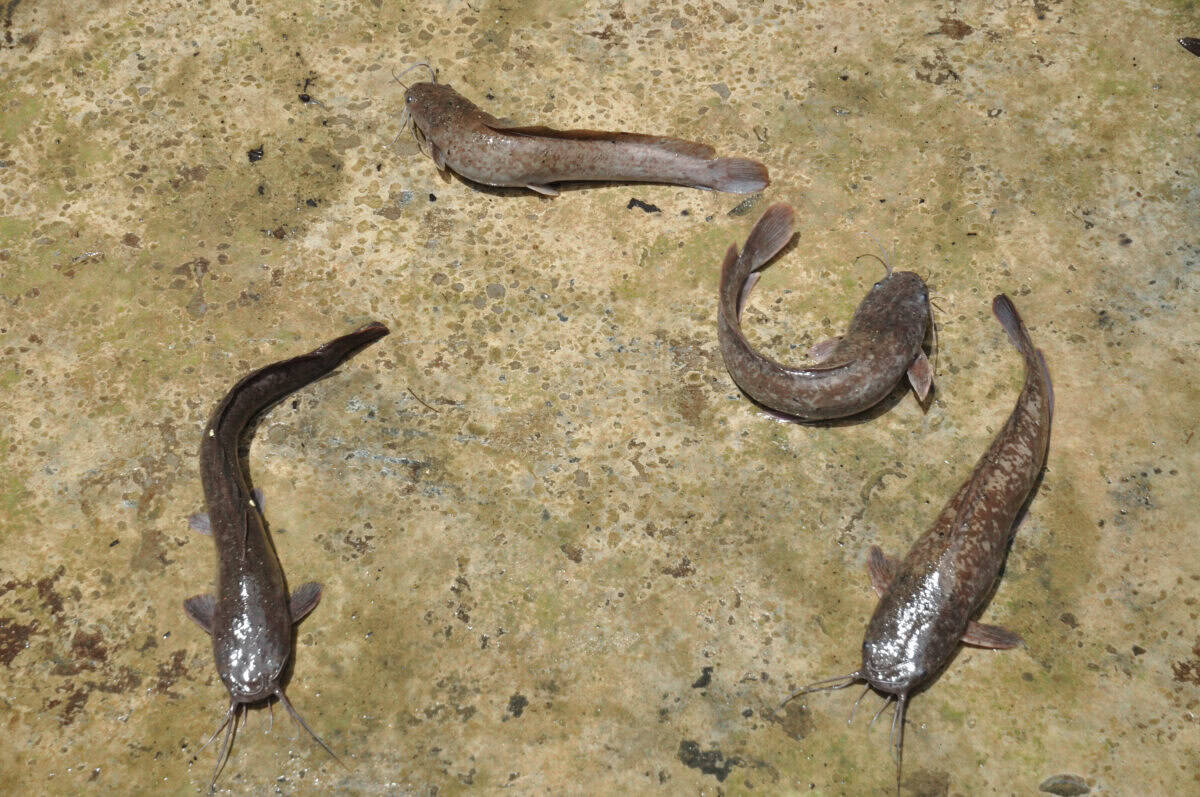
The ability of certain fish to breathe air represents a fascinating series of adaptations at the cellular level. Air-breathing fish have developed specialized tissues rich in blood vessels that can extract oxygen directly from the atmosphere. These tissues are often found in modified swim bladders, specialized chambers of the mouth or throat, or even adapted skin surfaces. At the cellular level, these fish have higher concentrations of oxygen-binding proteins and modified cell membranes that facilitate gas exchange in air. Their blood chemistry also differs from strictly aquatic fish, with adaptations that prevent blood pH changes when switching between water and air breathing. Perhaps most impressively, their brain cells have developed resistance to the damage typically caused by oxygen fluctuations, allowing them to survive conditions that would be fatal to most other fish species. These cellular adaptations represent millions of years of evolutionary fine-tuning that makes terrestrial excursions possible.
The Evolution of Air Breathing in Fish
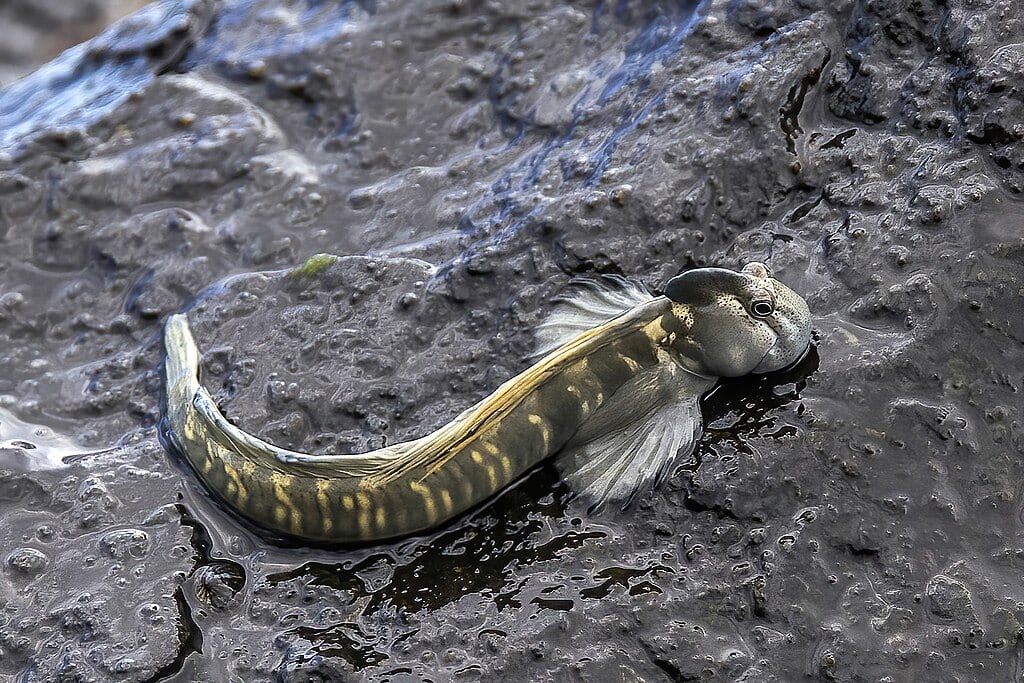
The ability to survive without water didn’t develop overnight—it represents the product of millions of years of evolutionary pressure. Interestingly, air breathing in fish is believed to have evolved independently at least 38 different times, showcasing its value as a survival strategy. The first air-breathing fish likely emerged during the Devonian period (approximately 390 million years ago) when seasonal droughts created selection pressure for fish that could survive in oxygen-depleted waters. Fossil evidence suggests that primitive lungfish were among the earliest to develop this ability. This adaptation proved so successful that it eventually led to the evolution of tetrapods—the first vertebrates to walk on land. Modern air-breathing fish therefore represent living examples of a transitional evolutionary state, providing scientists with invaluable insights into how vertebrate life made the monumental transition from water to land. Some scientists even suggest that studying these remarkable fish could help us understand how complex physiological systems evolve in response to environmental challenges.
Conservation Challenges for Air-Breathing Fish
Despite their remarkable adaptations, many air-breathing fish face significant conservation challenges. Ironically, their ability to survive in extreme conditions has sometimes worked against them. The African lungfish, for example, is increasingly threatened by habitat loss as wetlands are drained for agriculture. Desert pupfish populations have been decimated by groundwater pumping that has dried up their spring habitats completely. Even the hardy walking catfish faces threats from pollution, which can be more concentrated in the small water bodies they inhabit during dry seasons. Climate change poses another serious threat, as extended droughts may exceed even these species’ remarkable tolerance limits. Many of these unique fish now appear on endangered species lists, with some populations already extinct in the wild. Conservation efforts focus on habitat protection and captive breeding programs, but saving these evolutionary marvels requires addressing the larger issues of wetland conservation and climate change mitigation.
Conclusion: Nature’s Remarkable Adaptability

The fish that can survive without water represent some of nature’s most impressive examples of evolutionary adaptation and resilience. From the four-year dormancy of the African lungfish to the tree-climbing abilities of mudskippers, these species showcase the remarkable diversity of strategies that have evolved to overcome environmental challenges. Their adaptations offer valuable scientific insights, from understanding how vertebrate life transitioned to land millions of years ago to developing new approaches for medical applications in tissue preservation and metabolic regulation. As we face a changing climate with increasing environmental extremes, these extraordinary fish remind us of life’s remarkable adaptability while simultaneously warning us about the limits of even the most resilient organisms. By protecting these living examples of evolutionary innovation, we preserve not only unique species but also windows into the processes that have shaped life on our planet.
Worried about unexpected vet bills?
Pet insurance can cover thousands in unexpected vet costs. Get a free quote from Lemonade in under 2 minutes.
Get My Free Quote →Sponsored · Opens Lemonade.com

- 15 Common Snake Species Found in the US - June 5, 2026
- Ancient DNA Found in Cave Dirt May Rewrite Animal History - June 5, 2026
- What Steve Irwin Taught Us About Crocodiles - June 5, 2026