

Nestled in the dense forests of Oregon lies a serene pond that harbors one of the state’s most elusive amphibians—the rare Northwestern Salamander. This gentle creature, with its cryptic habits and restricted habitat, offers a fascinating glimpse into the delicate balance of ecosystems and the wonders of local biodiversity. Let’s delve into the life and significance of this remarkable salamander.
The Enigmatic Pond Habitat
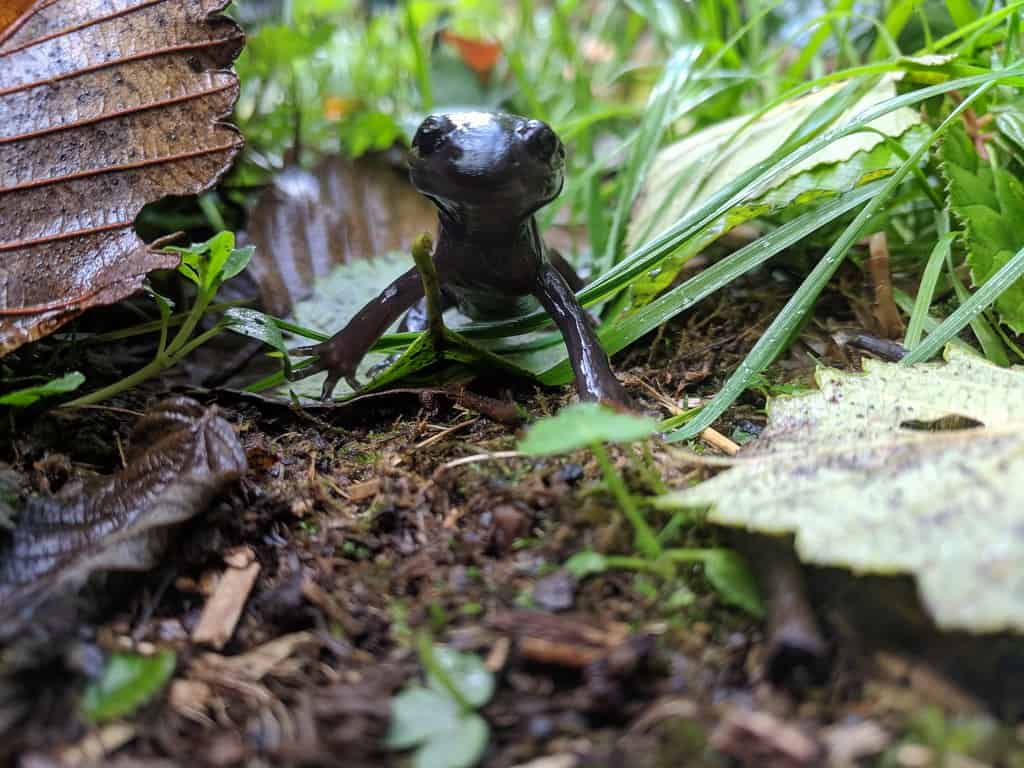
The secluded pond thrives in an environment shaped by the dynamic interplay of water, land, and climatic conditions. Surrounded by towering evergreens and lush undergrowth, this aquatic oasis provides the perfect sanctuary for the rare Northwestern Salamander. The pond’s clean, cool waters and abundant aquatic vegetation offer both a haven and a hunting ground for these salamanders, ensuring their survival in an ever-changing landscape.
Discovering the Northwestern Salamander
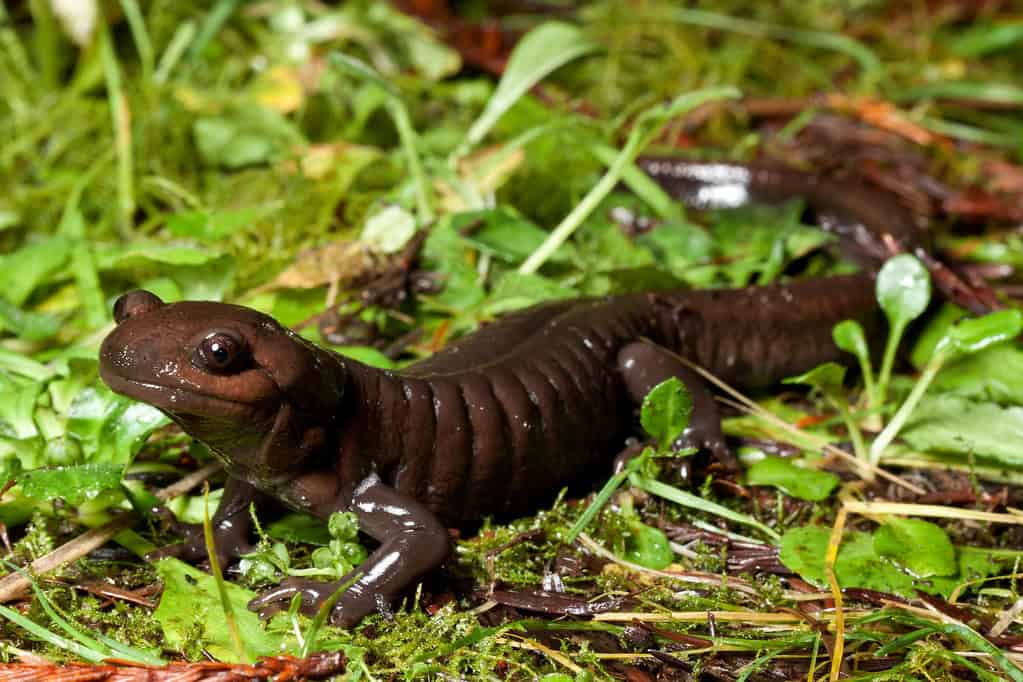
Named scientifically as Ambystoma gracile, the Northwestern Salamander is a member of the Ambystomatidae family, known for its distinctive appearance and secretive lifestyle. It is primarily found along the Pacific Coast, with Oregon boasting some of the most viable habitats for this rare species. Hidden from plain sight, these salamanders evade human contact, often limiting their activity to evenings or rainy periods.
Physical Characteristics of the Northwestern Salamander

The Northwestern Salamander has a smooth, dark-brown to black external appearance, often accompanied by subtle white or silvery speckles. Its robust body can range from 6 to 9 inches in length, with a sturdy tail making up a significant portion of its size. Its skin is moist, aiding in respiration and maintaining hydration, as is common in most amphibian species.
Life Cycle: From Larva to Adult
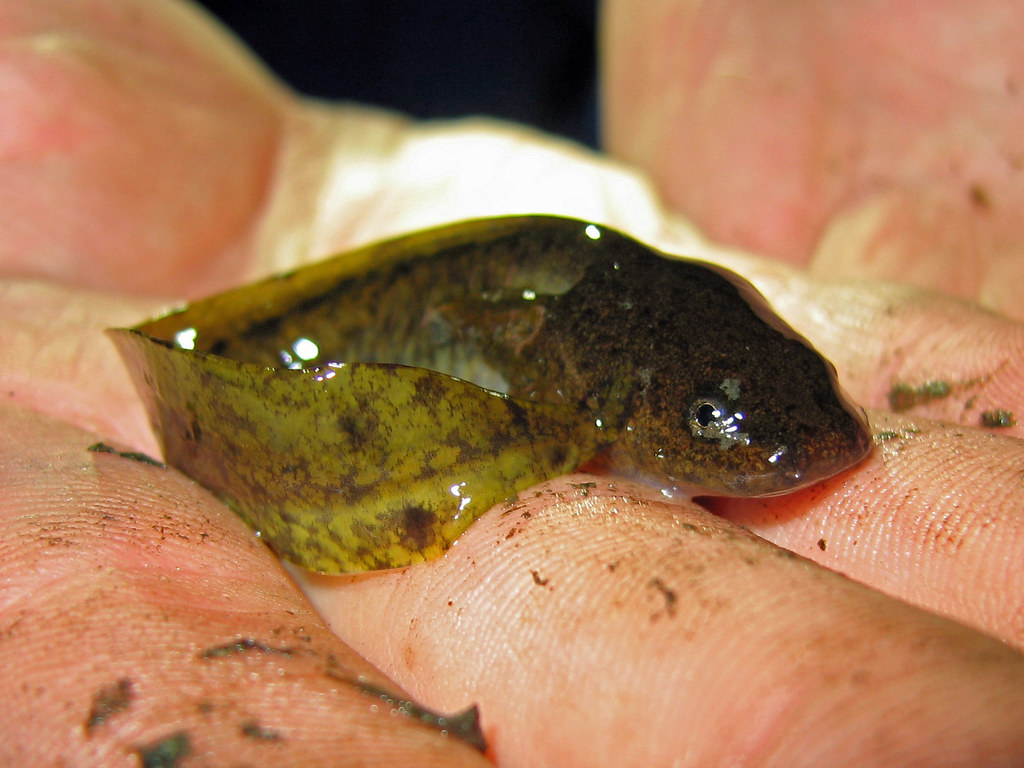
In the still waters of Oregon’s hidden ponds, Northwestern Salamanders commence their life journey as eggs, carefully laid by females among aquatic plants. Larvae hatch resembling tiny fish with gills, feeding on a diet rich in small aquatic organisms. As they grow, they undergo metamorphosis, gradually transitioning into terrestrial adults ready to explore their forest home during damp evenings.
Habitat Preferences and Range

While these salamanders are certainly aquatic at various life stages, they also occupy terrestrial environments. You might find them nestled within the damp leaf litter of moist forests. Northwestern Salamanders favor environments offering a blend of wet and dry habitats, relying on the dual resources for breeding and foraging purposes.
Unique Behavior and Adaptations
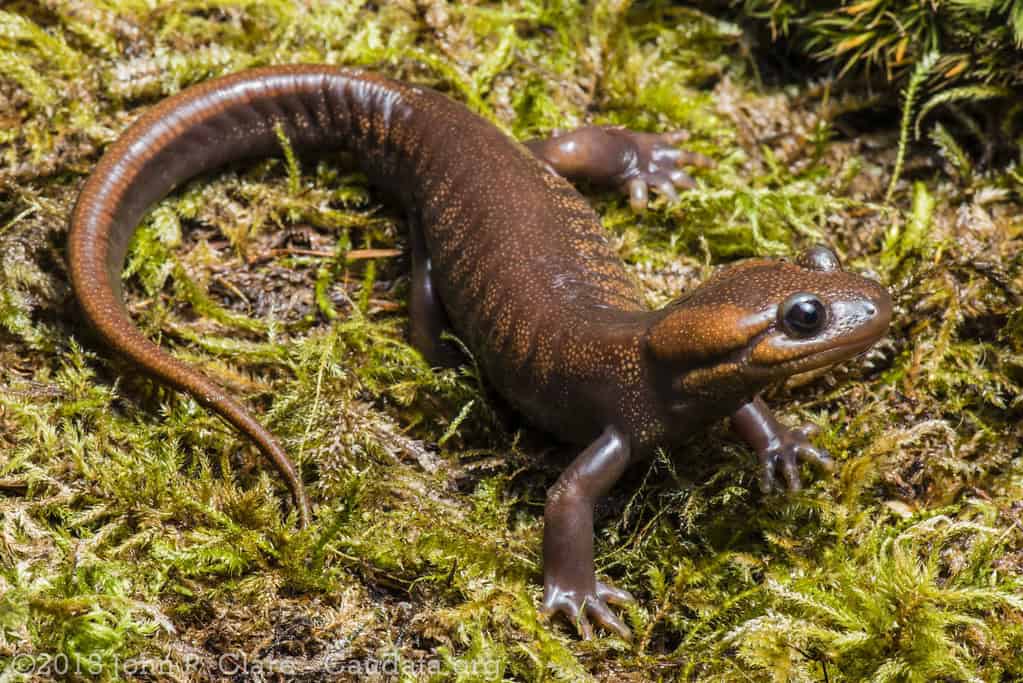
The Northwestern Salamander is primarily nocturnal, venturing out under the cover of darkness to feed and explore. This behavior allows it to avoid many predators, including larger amphibians, birds, and small mammals. Additionally, they produce a mild skin secretion that deters many predators, showcasing an impressive chemical defense mechanism.
Conservation Status and Threats
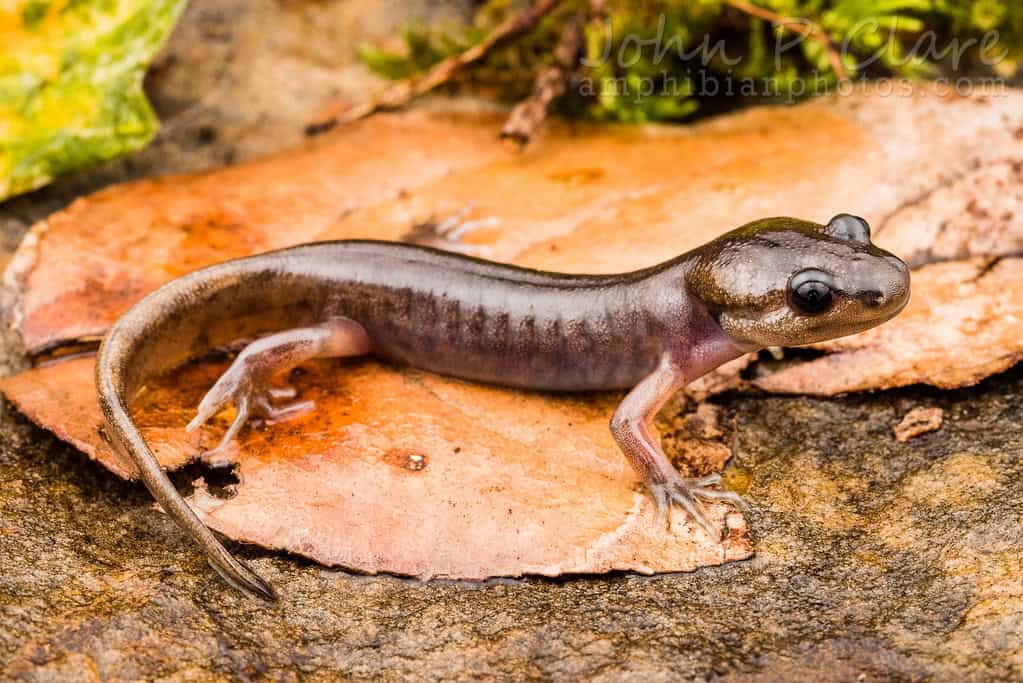
Though currently not listed as endangered, the Northwestern Salamander’s population faces threats from habitat destruction, pollution, and climate change. Urban development and logging activities near water bodies pose significant risks to their breeding grounds. Conservation efforts aim to protect these critical habitats and monitor population trends to ensure their survival.
The Importance of Biodiversity

This small salamander plays a crucial role in maintaining the ecological balance of its environment. As both predator and prey, the Northwestern Salamander helps control insect populations while serving as a food source for others. Its existence underscores the interconnectedness of all organisms within an ecosystem.
How to Observe Northwestern Salamanders Responsibly

For nature enthusiasts wishing to catch a glimpse of these fascinating creatures, it’s crucial to observe ethical wildlife viewing guidelines. Use low-intensity red lights to minimize disturbance, honor all park regulations, and never handle salamanders, as even small disruptions can have adverse effects on their delicate skin and overall health.
Educational Opportunities in Oregon
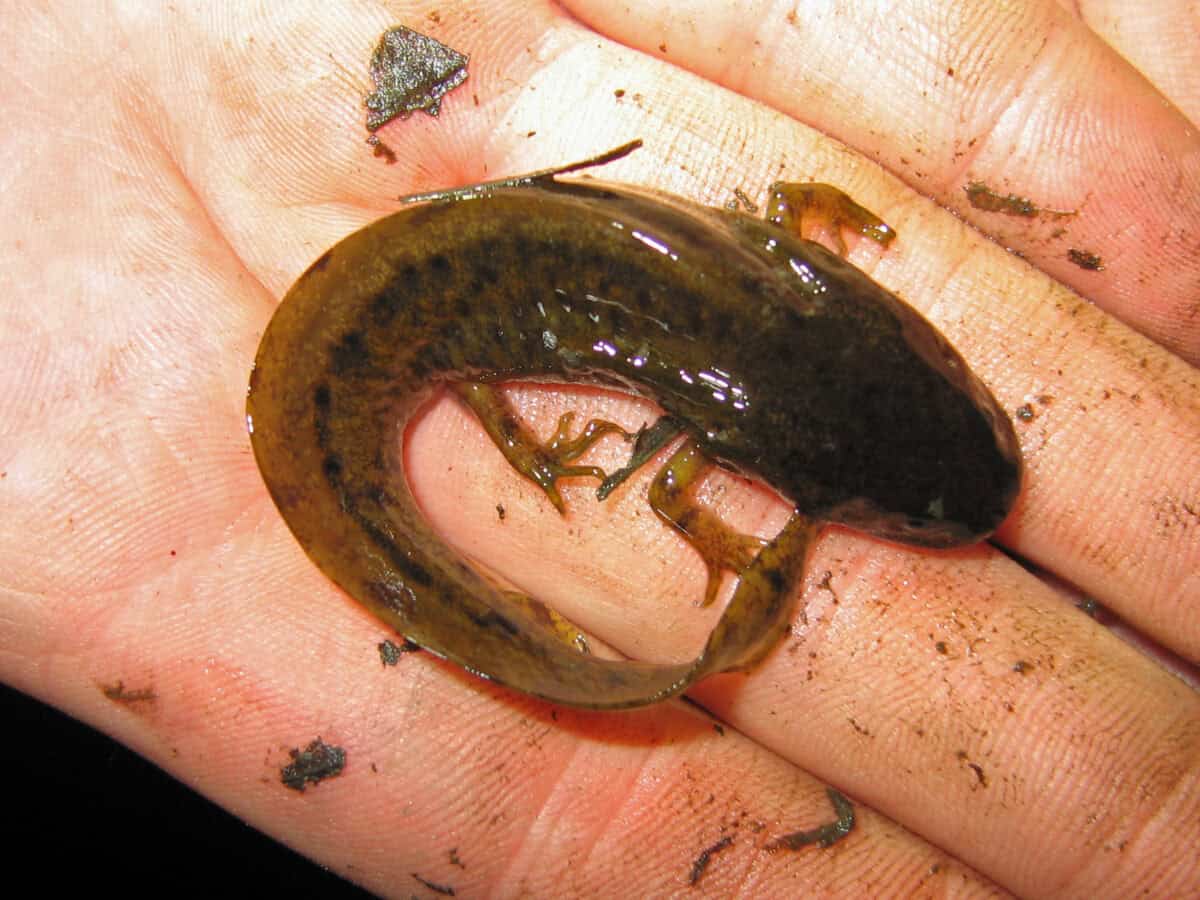
Oregon offers a range of educational programs and excursions for those interested in learning more about the Northwestern Salamander and its habitat. Nature reserves often host guided night hikes, workshops, and citizen science projects designed to foster appreciation and awareness of these unique amphibians.
Community Involvement in Conservation

Local communities play a vital role in protecting the Northwestern Salamander by advocating for sustainable development and preservation policies. Community-led initiatives, from habitat restoration projects to awareness campaigns, help secure a future for Oregon’s rare salamander populations.
Embracing the Mystery and Beauty of Hidden Ponds

The hidden pond in Oregon symbolizes nature’s resilience and the wonders that lie beyond the forest’s edge. By cherishing and protecting these tranquil habitats, we not only embrace the beauty and mystery they offer but also nurture the intricate web of life they sustain.
The rare Northwestern Salamander is more than just a hidden jewel of Oregon’s ecosystems—it’s a living testament to the importance of preserving our natural world. Understanding and conserving these amphibians ensures that they continue to enchant and educate future generations while contributing to the overall health of their habitats.

- The Perfect Pet for Each Zodiac Sign - July 7, 2026
- The Wild Animal That Embodies Your Zodiac Sign’s Spirit - July 6, 2026
- 7 Steps to Planting Admirably Beautiful Bluebonnets - July 6, 2026