


Sharks have long been painted as menacing predators of the deep, featured in countless films and stories as cold-blooded killers. However, the truth about sharks is a narrative often left untold: these misunderstood creatures have far more reasons to fear humans than the other way around. Understanding the nature and behavior of sharks can dispel myths and paint a truer picture of the ocean’s apex predators. Let’s dive into an exploration of why sharks are more afraid of us than we are of them.
Human Interactions With Sharks

Despite popular beliefs, human-shark interactions are exceedingly rare. Most species of sharks prefer to avoid contact with humans whenever possible. According to the International Shark Attack File, there are, on average, less than 80 unprovoked shark bites on humans annually worldwide. This number is minuscule compared to how many times humans enter shark habitats.
Shark Attacks: The Real Numbers
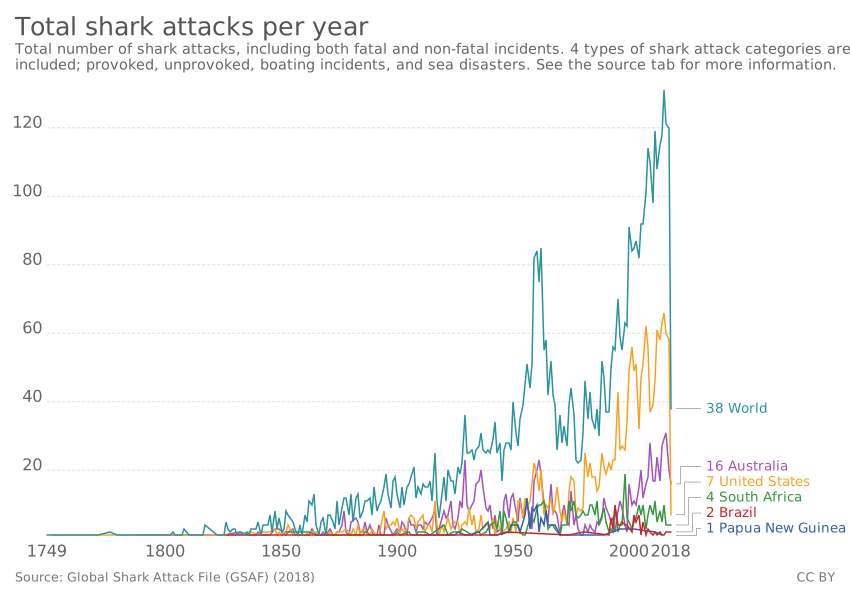
In comparison to other animal-related fatalities, shark attacks are exceedingly rare. For instance, statistics show that you are more likely to be struck by lightning than to be bitten by a shark. These figures highlight the discrepancy between the fear of shark attacks and their actual occurrence.
Misunderstanding Sharks’ Nature

Sharks are often misunderstood due to their portrayal in media. Films and television contribute significantly to the shark’s fearsome reputation, presenting them as aggressive hunters. In reality, many shark species are inherently shy and cautious, often steering clear of humans when they detect their presence.
The Role of Sharks in the Marine Ecosystem

As apex predators, sharks play a crucial role in maintaining the health of marine ecosystems. They help regulate the populations of various species, ensuring a balance that contributes to the overall vitality of ocean habitats. This natural regulation demonstrates how sharks contribute positively to biodiversity rather than destruction.
The Real Threat: Humans to Sharks
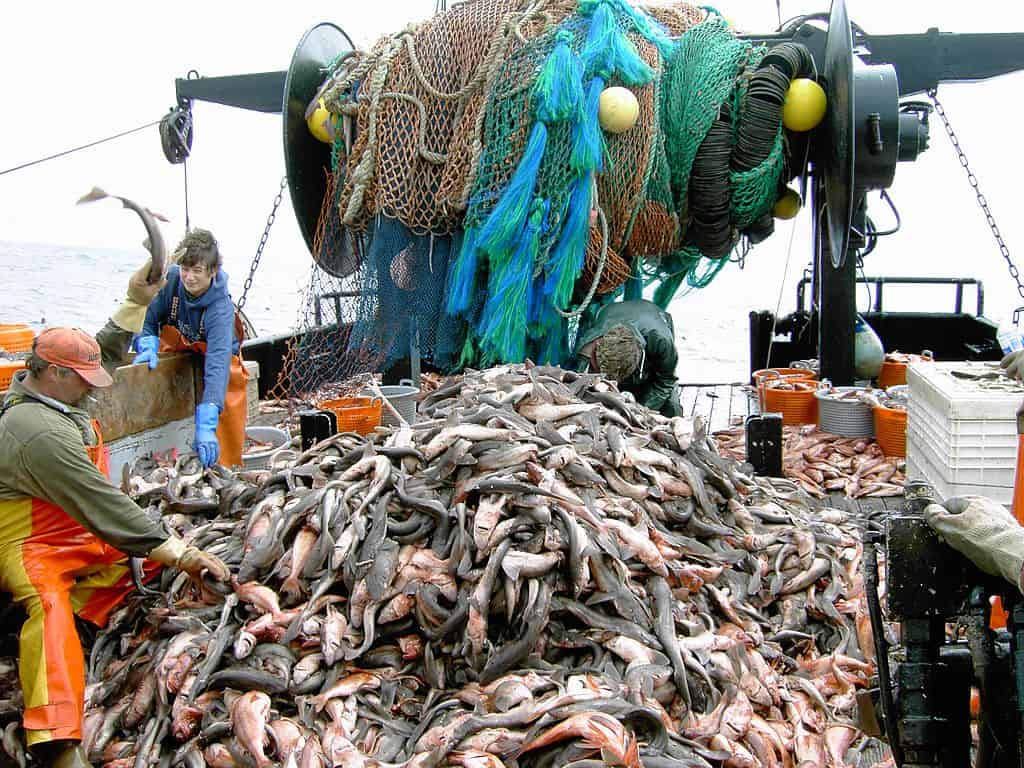
Contrary to popular belief, humans pose a much larger threat to sharks than the reverse. Overfishing, bycatch, and habitat destruction are major factors contributing to the decline of shark populations. Millions of sharks are killed each year due to the fin trade and commercial fishing industries. This has led to a significant decrease in shark populations worldwide.
Conservation Efforts and Shark Protection
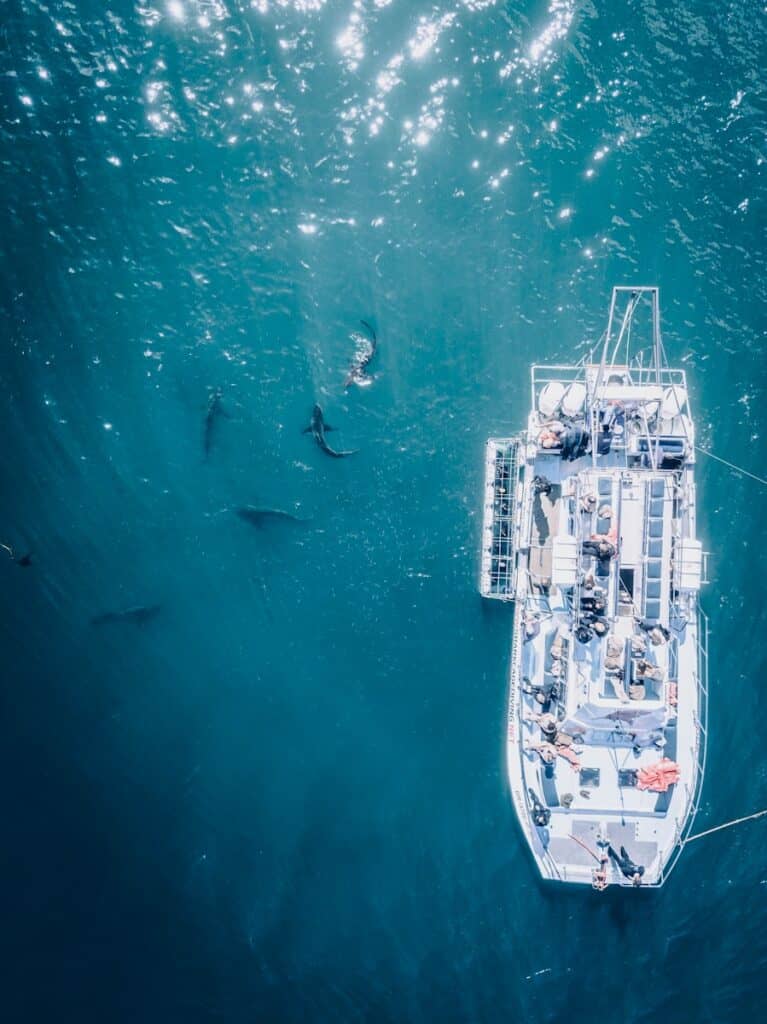
Numerous conservation organizations are striving to protect sharks and raise awareness about their importance to marine ecosystems. Conservation efforts focus on establishing marine protected areas, advocating for stricter fishing regulations, and educating the public about the vital role sharks play in the ocean.
Ecotourism and Shark Conservation

Ecotourism offers a promising avenue for shark conservation. By allowing people to witness sharks in their natural habitats, ecotourism can change perceptions and promote a more positive understanding of these creatures. This type of tourism also provides economic incentives for local communities to protect rather than exploit shark populations.
Scientific Research and Understanding Sharks Better

Advancements in technology and scientific research have significantly improved our understanding of shark behaviors and their environment. Studies utilizing satellite tracking and underwater acoustic monitoring are unveiling the mysteries of shark migration, diet, and habitat use, further dismantling myths surrounding these creatures.
Myth-busting: Sharks’ Diet and Human Attacks
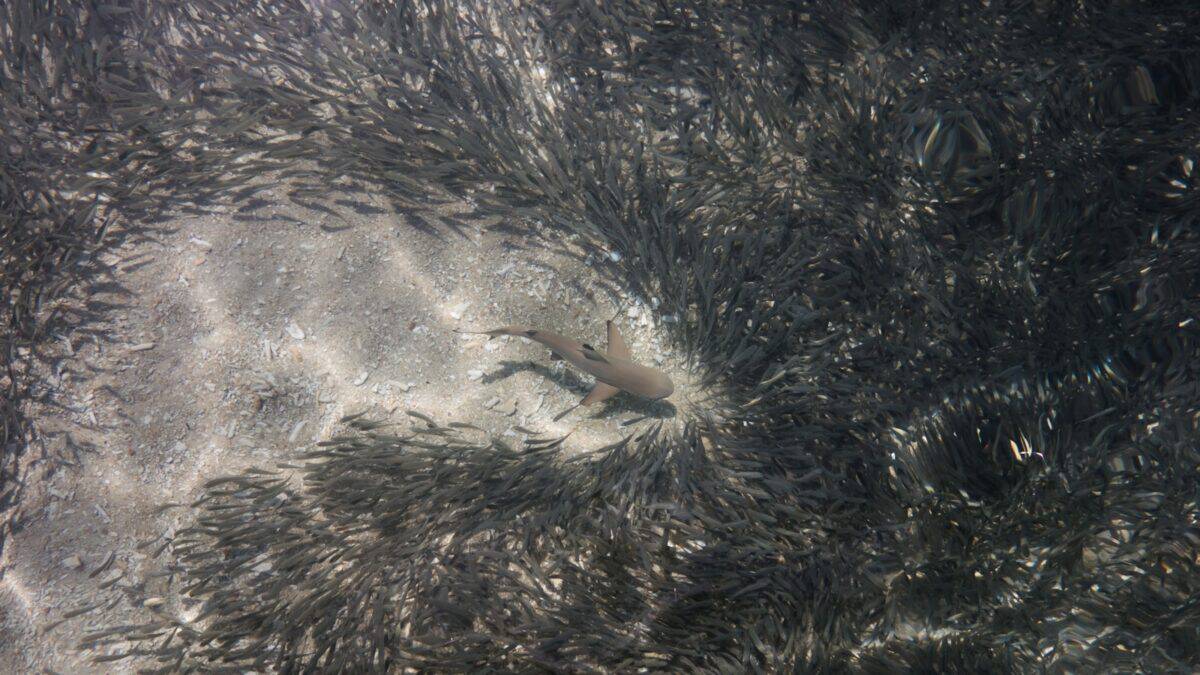
Contrary to the myth that sharks are man-eaters, humans are not part of a shark’s natural diet. Most sharks prefer smaller fish and marine mammals. Many incidents of shark bites occur because sharks mistake humans, especially surfers and swimmers, for their usual prey. Once they realize the mistake, they often retreat, delivering only exploratory bites rather than full attacks.
The Importance of Shark Education

Education plays a critical role in changing misconceptions about sharks. Programs that teach about shark behavior, biology, and the necessity of sharks for healthy oceans are vital in shifting public perception. Understanding reduces unfounded fears and encourages protective attitudes toward these essential marine animals.
The notion that sharks are bloodthirsty creatures solely intent on hunting humans is a misconception that does a disservice to the reality of their existence. In truth, sharks have many reasons to avoid human interaction, with their dread of humans justified by our substantial impact on their populations. By recognizing the importance of sharks to marine ecosystems and fostering a better understanding of these complex animals, we can bridge the gap of fear and work towards coexistence. Embracing conservation, education, and sustainable practices can ensure that these majestic creatures continue to roam the oceans for generations to come.

- 12 Endangered Animals Fighting for Survival Right Now - July 18, 2026
- This Ancient Supervolcano Might Be About to Erupt—Should We Worry? - July 18, 2026
- 12 Most Remarkable Animals Thriving in U.S. Wetlands - July 18, 2026