


Recreating extinct species has fascinated scientists and the public alike, and with the advent of advanced genetic technologies, the possibility seems more tangible than ever. Among the creatures that have sparked significant interest is the Dire Wolf, a formidable predator from the Pleistocene epoch. This article delves into the potential of de-extinction, focusing on the Dire Wolf, its significance, and the science behind these ambitious efforts.
The Majestic Dire Wolf: An Overview
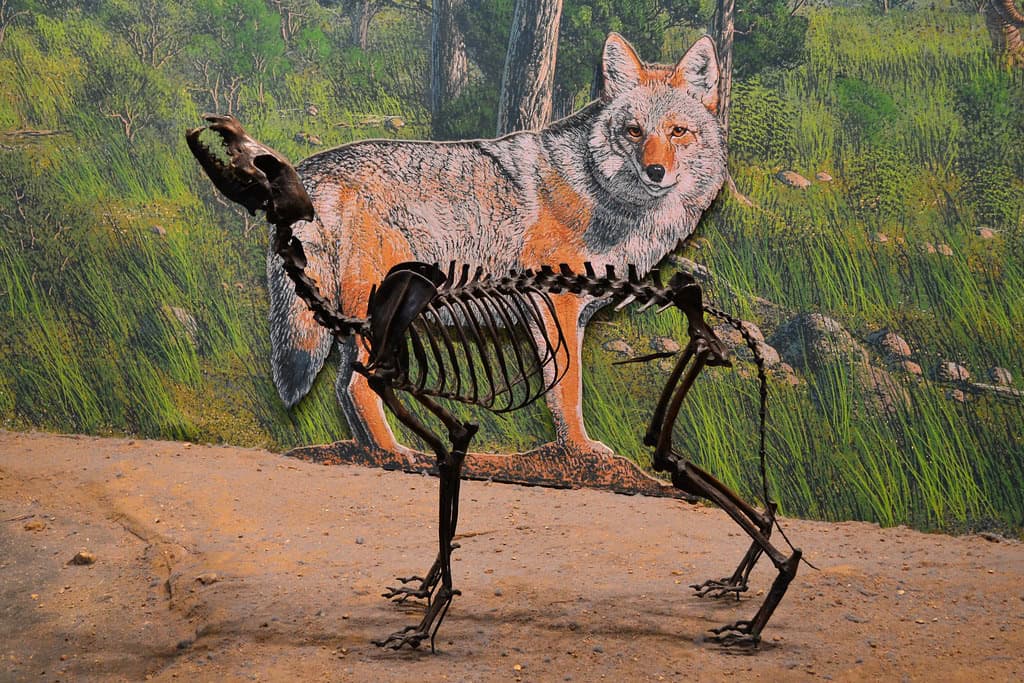
The Dire Wolf (Canis dirus) captivates the imagination, not only because of its role in various pop culture references but due to its real-world existence during the Pleistocene. Characterized by its robust build, the Dire Wolf was larger and heavier than today’s gray wolves. These predators roamed North America, preying on large herbivores until their extinction approximately 10,000 years ago, likely due to a combination of climate change and competition for food resources.
The Science of De-Extinction

De-extinction refers to the process of reviving extinct species through scientific methods. The primary techniques include cloning, selective breeding, and genetic engineering, with CRISPR technology playing a crucial role. By editing the genomes of closely related species, scientists aim to create living replicas of extinct animals. However, the ethical and ecological implications of such endeavors spark significant debate among experts.
The Role of Genetics in Revival Efforts

Understanding the genetic makeup of extinct species is pivotal. In the case of Dire Wolves, paleogenomics provides insights through the sequencing of ancient DNA sourced from fossils. By comparing these sequences with those of extant species such as gray wolves and domestic dogs, researchers can identify genes responsible for specific traits, paving the way for potential genetic reconstruction.
Challenges in Reviving the Dire Wolf

Despite technological advancements, the de-extinction of the Dire Wolf is fraught with challenges. One major hurdle is the degradation of DNA over millennia, complicating efforts to obtain complete genetic sequences. Furthermore, creating a viable population requires more than a single individual; it necessitates a genetically diverse group, which is currently beyond reach with available DNA samples.
Potential Ecological Impacts

Should scientists succeed in recreating the Dire Wolf, the ecological consequences would be substantial. Introducing a large predator back into ecosystems could help control prey populations and restore balance. However, it also poses risks, such as unforeseen interactions with contemporary species, habitat competition, and the challenge of integrating them into modern ecosystems.
Ethical Considerations in De-Extinction

The ethical implications of de-extinction are profound. Critics argue that resources might be better allocated towards conserving existing endangered species rather than resurrecting extinct ones. There’s also the moral question of whether humans should intervene in natural evolutionary processes and the responsibilities entailed in creating and managing newly reintroduced species.
Case Studies of Extinct Species Revivals

While the Dire Wolf remains a theoretical candidate, there are ongoing efforts to revive other extinct species, offering insights and lessons for future projects. The most notable attempts focus on the Woolly Mammoth and the Passenger Pigeon, each facing unique challenges but also yielding critical knowledge about cloning and genetic engineering techniques.
The Importance of Ancient DNA

Ancient DNA serves as the cornerstone for de-extinction projects. Extracted from bones, teeth, and other preserved materials, it offers a glimpse into an extinct species’ genetic code. However, contamination and degradation are significant obstacles, requiring meticulous laboratory work to ensure accuracy and reliability in data, crucial for any de-extinction endeavor.
Fossil Discoveries and Their Implications

Fossil finds continue to contribute to the understanding of Dire Wolves. Sites like the La Brea Tar Pits have yielded numerous well-preserved specimens, providing vital information about their anatomy, diet, and environmental conditions. These data are invaluable for reconstructing the lives of these ancient canids and informing de-extinction methodologies.
Public Fascination and the Role of Media

Public interest in extinct species like the Dire Wolf is fueled by popular media, from TV shows like “Game of Thrones” to documentaries. This fascination generates awareness and support for scientific research but also raises expectations, highlighting the need for clear communication about the realistic prospects and limitations of current technologies.
The Future of De-Extinction Technologies

The field of de-extinction is rapidly evolving, with continuous advancements in biotechnologies and genomics. Future developments may overcome current barriers, moving the notion of resurrecting extinct species from fiction to reality. However, these scientific strides must be matched with careful consideration of their broader effects on ecosystems and biodiversity.
Conclusion: The Dire Wolf’s Legacy

The quest to bring back the Dire Wolf symbolizes a broader scientific and ethical debate about our role in reversing extinction. While the technical challenges are formidable, the pursuit offers valuable insights into genetics and conservation. Ultimately, whether or not we see Dire Wolves roaming again, these efforts underscore the complex interplay between technology, nature, and humanity’s ambitions. By learning from past extinctions, we aim to safeguard the planet’s rich biodiversity for future generations.

From exploring the marine wonders in the Azores and witnessing the vast savannas of Kenya, to delving deep into the rich biodiversity of South Africa and traversing iconic landscapes in Australia and the US like Yellowstone, Chris's experiences are vast.
With a penchant for diving alongside sharks, the ocean holds a special place in his heart.
Through his academic insights, he champions wildlife conservation, striving with 'Animals Around The Globe' to cultivate a profound connection between humans and animals, enhancing our mutual appreciation.
Connect with him at Feedback@animalsaroundtheglobe.com.
- What Happens to Male Chicks in Egg Farming? - July 18, 2026
- How Close Are We to Cloning the Woolly Mammoth? - July 18, 2026
- The Most Venomous Creature in the U.S. - July 18, 2026