
Worried about unexpected vet bills?
Pet insurance can cover thousands in unexpected vet costs. Get a free quote from Lemonade in under 2 minutes.
Get My Free Quote →Sponsored · Opens Lemonade.com
In the remote reaches of the South Pacific Ocean lies one of Earth’s most extraordinary and terrifying natural wonders. Dominica’s Boiling Lake is a phenomenon that seems like it belongs in science fiction rather than our actual planet. This scalding cauldron, shrouded in volcanic steam and surrounded by lush rainforest, presents a lethal paradox: breathtaking beauty paired with deadly conditions. As the second-largest hot spring of its kind globally, the lake’s superheated waters maintain a consistent rolling boil that would instantaneously cook any living organism unfortunate enough to fall in. This natural wonder represents an extreme environment where the raw power of Earth’s geothermal forces manifests in spectacular and dangerous ways, offering scientists valuable insights while reminding visitors of nature’s awesome and sometimes frightening capabilities.
Location and Geography of Dominica’s Boiling Lake
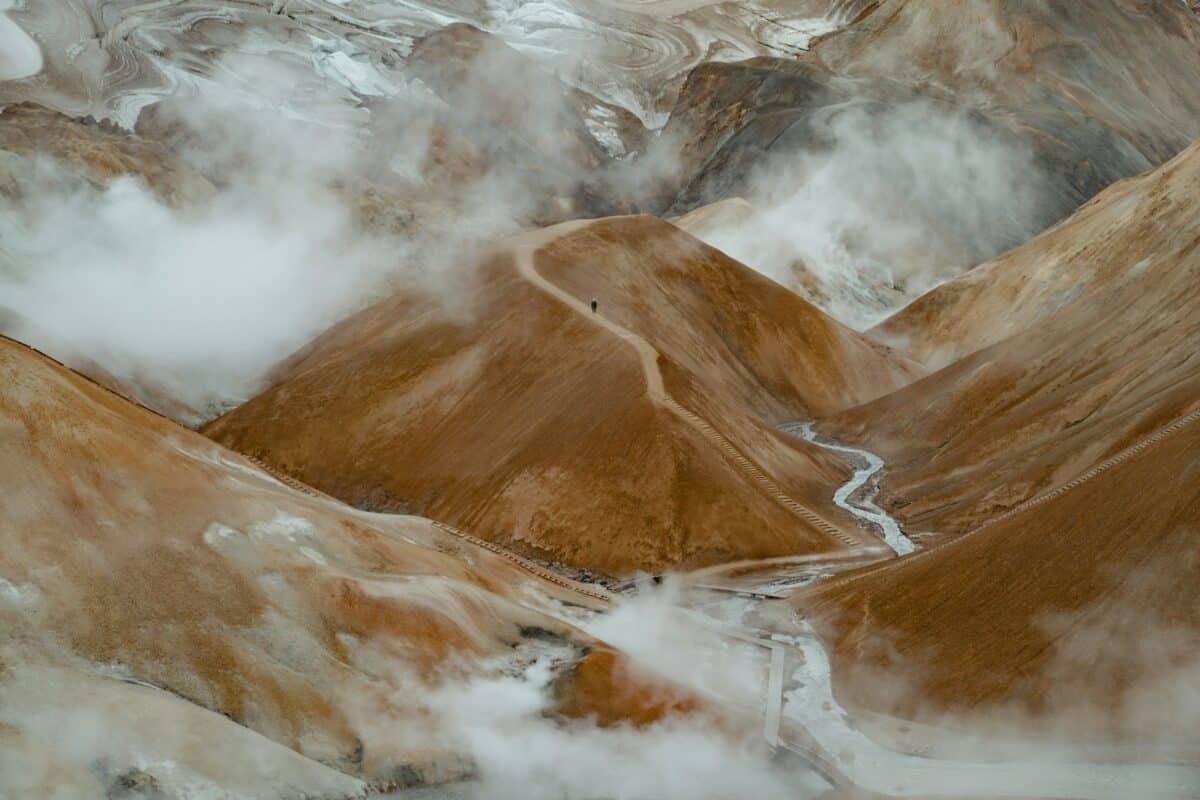
Dominica’s Boiling Lake is situated in Morne Trois Pitons National Park, a UNESCO World Heritage site located in the small Caribbean island nation of Dominica. Often called “The Nature Island,” Dominica is known for its spectacular volcanic features, unspoiled rainforests, and diverse ecosystems. The lake itself is nestled within the island’s mountainous interior, approximately 6.5 miles (10.5 km) east of the capital city Roseau.
The lake sits in a natural basin within a volcanic valley known locally as the Valley of Desolation. This dramatic setting is characterized by barren, rocky terrain, fumaroles (volcanic gas vents), hot springs, and mineral-stained surfaces. The area surrounding the Boiling Lake forms part of an active volcanic system connected to the Morne Watt volcano, creating a stark contrast to the verdant rainforest that dominates most of the island’s landscape.
Formation and Geothermal Activity
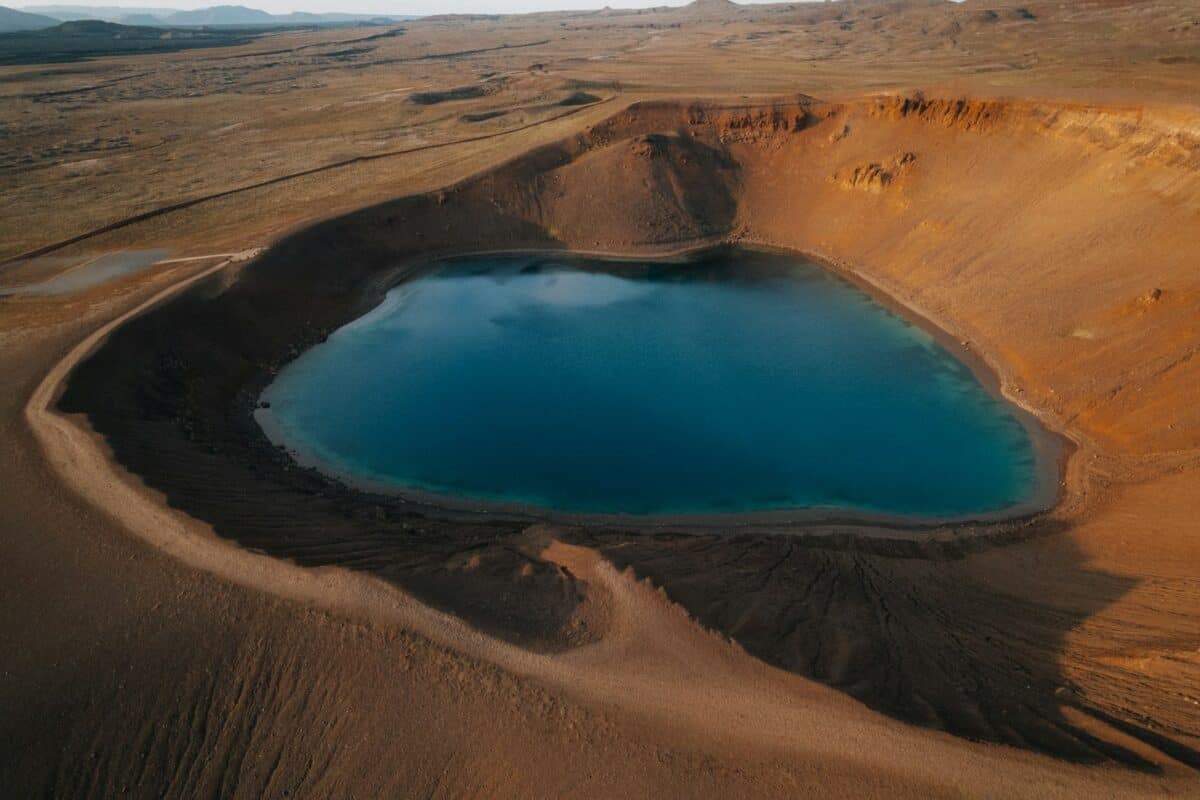
The Boiling Lake is a flooded fumarole, essentially a crack in the Earth’s crust that allows hot gases from a magma chamber to escape to the surface. Unlike traditional lakes formed by rainwater collection or river inflow, this extraordinary body of water exists because of intense geothermal activity beneath Dominica’s surface. The lake was likely formed when a volcanic eruption created a depression that subsequently filled with rainwater.
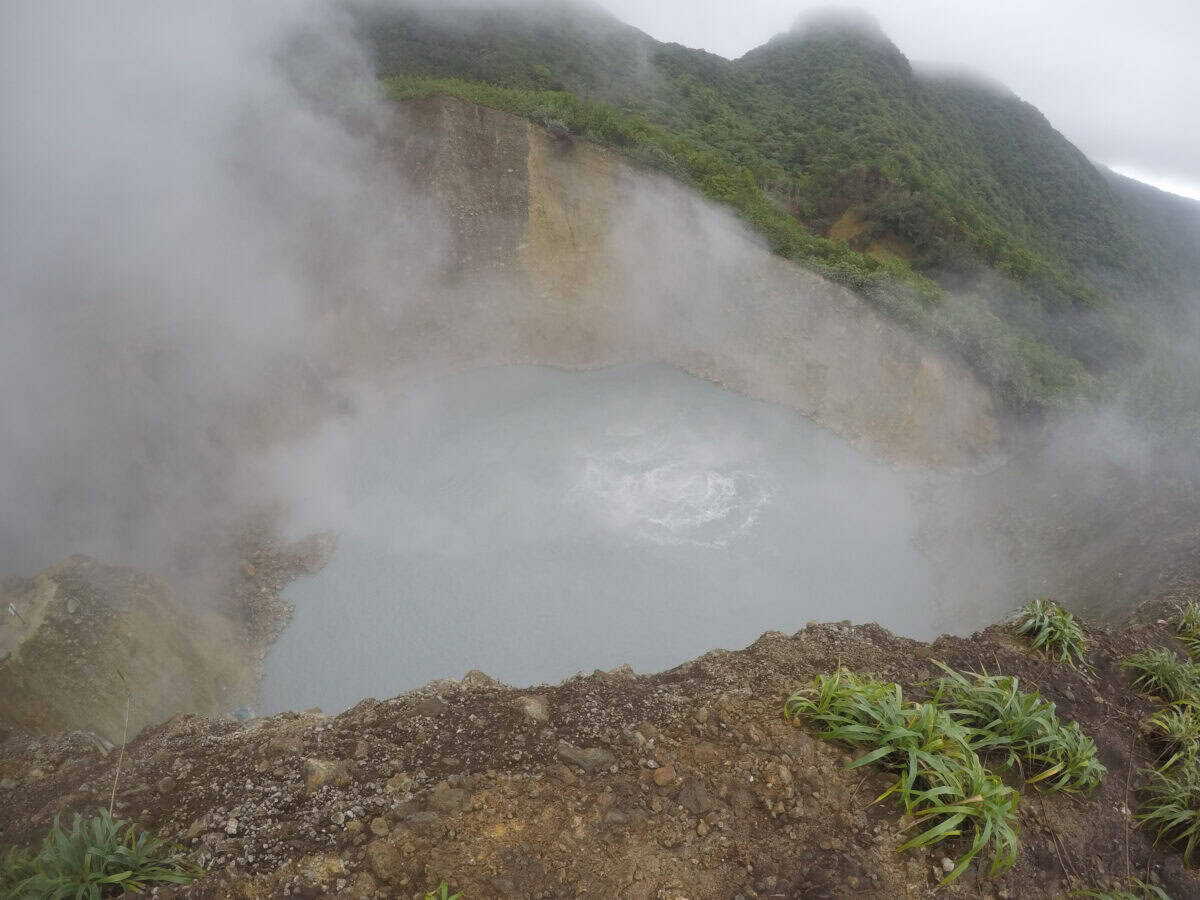
What makes the lake “boil” is not actual cooking-style boiling but rather the result of superheated gases rising from the magma chamber below. These gases, primarily steam, bubble up through the water, creating the appearance of constant boiling. The water temperature at the edges of the lake has been measured at approximately 180-197°F (82-92°C), while the center, which is impossible to measure directly due to the violent activity and dense steam, is believed to reach the full boiling point of 212°F (100°C) or higher. This continuous influx of thermal energy maintains the lake’s constant state of agitation and extreme temperature.
Physical Characteristics of the Boiling Lake
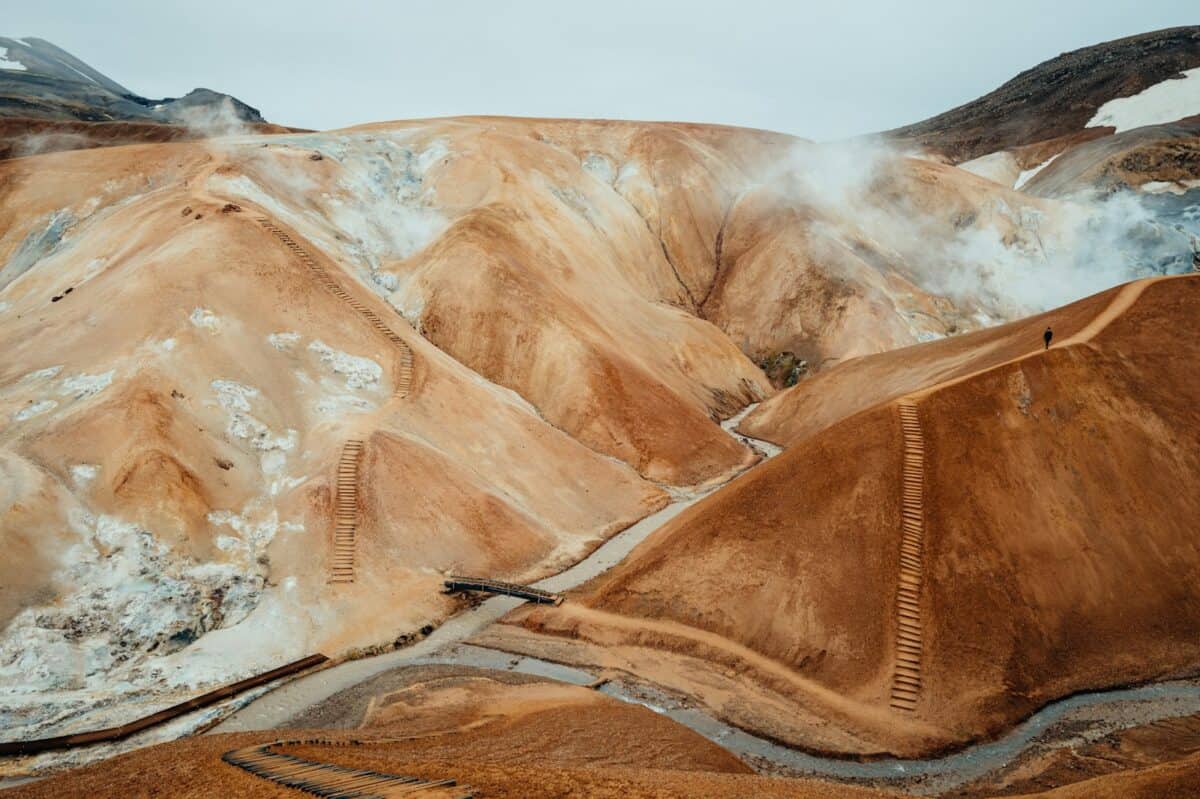
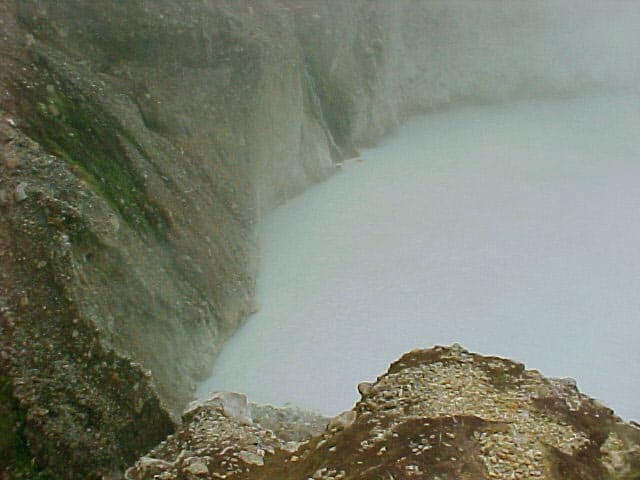
The Boiling Lake is approximately 200 feet (61 meters) across, making it the second-largest hot lake of its kind in the world, after Frying Pan Lake in New Zealand. Its depth remains unknown, as the dangerous conditions make it impossible to conduct proper measurements. The water has a distinctive grayish-blue color resulting from the high mineral content and dissolved gases.
The most striking visual feature is the perpetual cloud of steam that hovers above the lake, creating an otherworldly atmosphere. This vapor plume can be seen from considerable distances and often shifts with the prevailing winds. The lake’s water level fluctuates depending on rainfall and volcanic activity below. There have been documented instances where the lake has temporarily dried up or significantly lowered, usually coinciding with increased seismic activity in the region. The edges of the lake are lined with rocks stained yellow, orange, and red from the sulfur and other minerals present in the water and surrounding soil.
The Deadly Conditions for Living Organisms
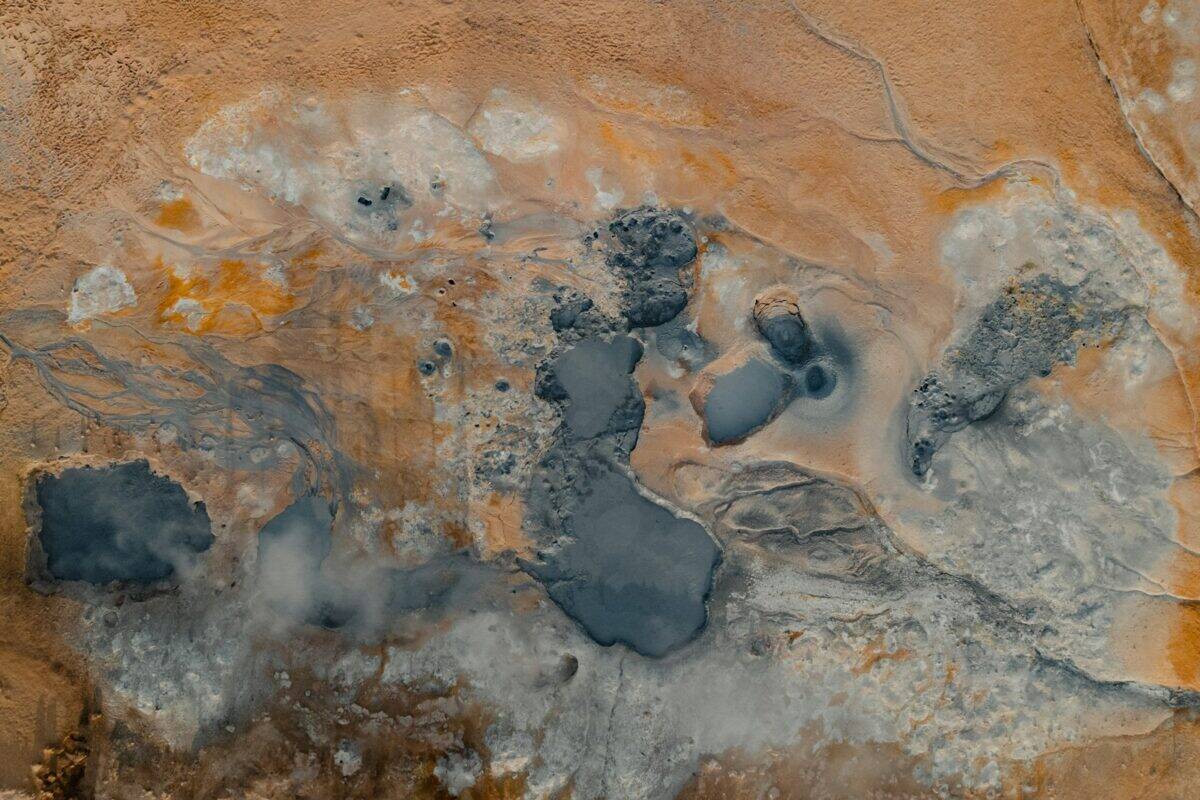
The Boiling Lake represents one of the most inhospitable environments for life on Earth. Any organism that falls into the lake would face immediate and fatal consequences. The extreme heat would cause instantaneous third-degree burns to human skin, while smaller organisms would be literally cooked within seconds. The water temperature is sufficient to denature proteins and destroy cellular structures almost instantly.
Beyond the heat, the water’s high mineral content and acidity create additional hazards. The lake contains elevated levels of sulfur compounds that create sulfuric acid, bringing the pH to dangerously acidic levels. This combination of extreme heat and acidity means that even microbial life forms that typically thrive in hot springs elsewhere cannot survive in the main body of the lake. The surrounding area does host some extremophile bacteria in cooler zones where temperatures are high but not lethal, but the lake itself remains a sterile zone within an otherwise biodiversity-rich island.
The Challenging Journey to Reach the Lake
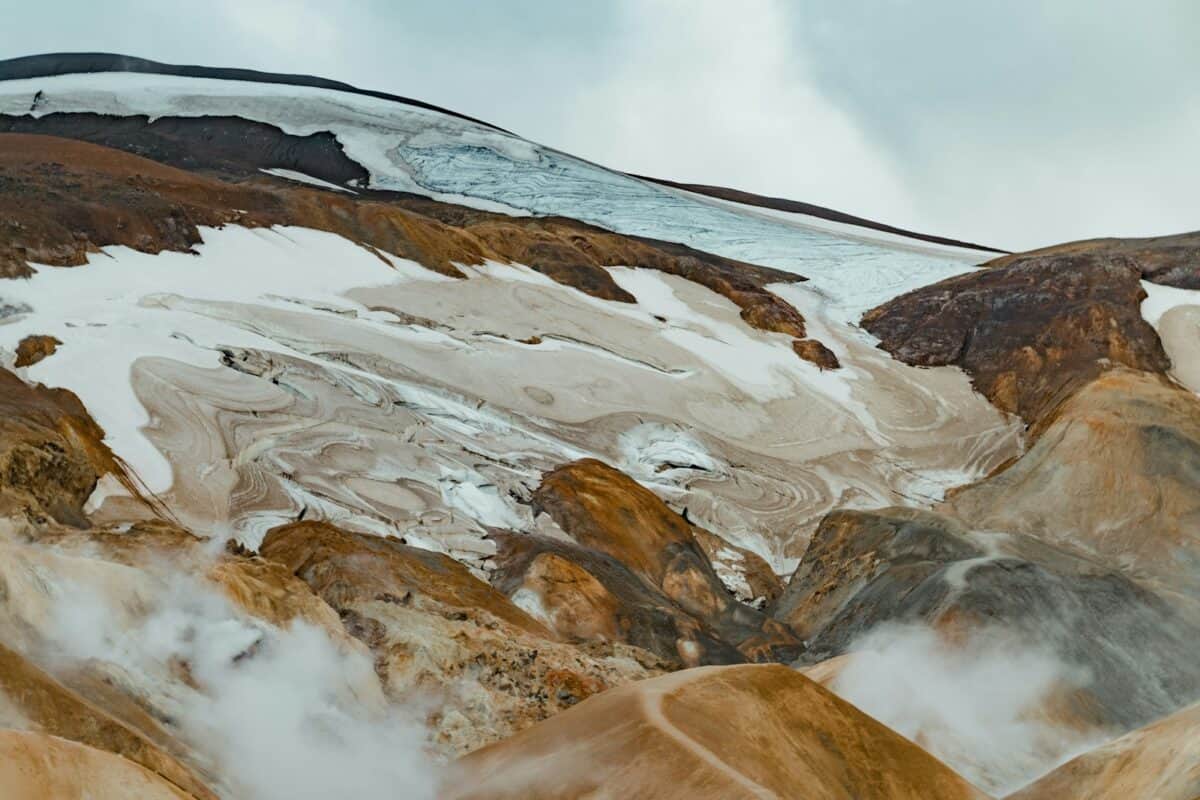
Visiting the Boiling Lake requires a challenging trek that takes approximately 3-4 hours each way through Dominica’s dense rainforest and varied terrain. The trail, while maintained, is considered difficult even for experienced hikers. It begins at the village of Laudat and passes through changing ecosystems, from rainforest to montane vegetation, before descending into the Valley of Desolation.
The hike involves steep ascents and descents, including the climb up Morne Nicholls with an elevation of approximately 3,000 feet (914 meters). Hikers must navigate narrow ridges, muddy paths, and slippery rock surfaces. Due to these challenges and the potential dangers, visitors are strongly advised to hire local guides who know the trail intimately and can provide safety instructions. The difficulty of accessing the lake has helped preserve it from over-tourism while adding to its mystique as one of nature’s most spectacular but hard-to-reach wonders.
Safety Precautions and Viewing Distance
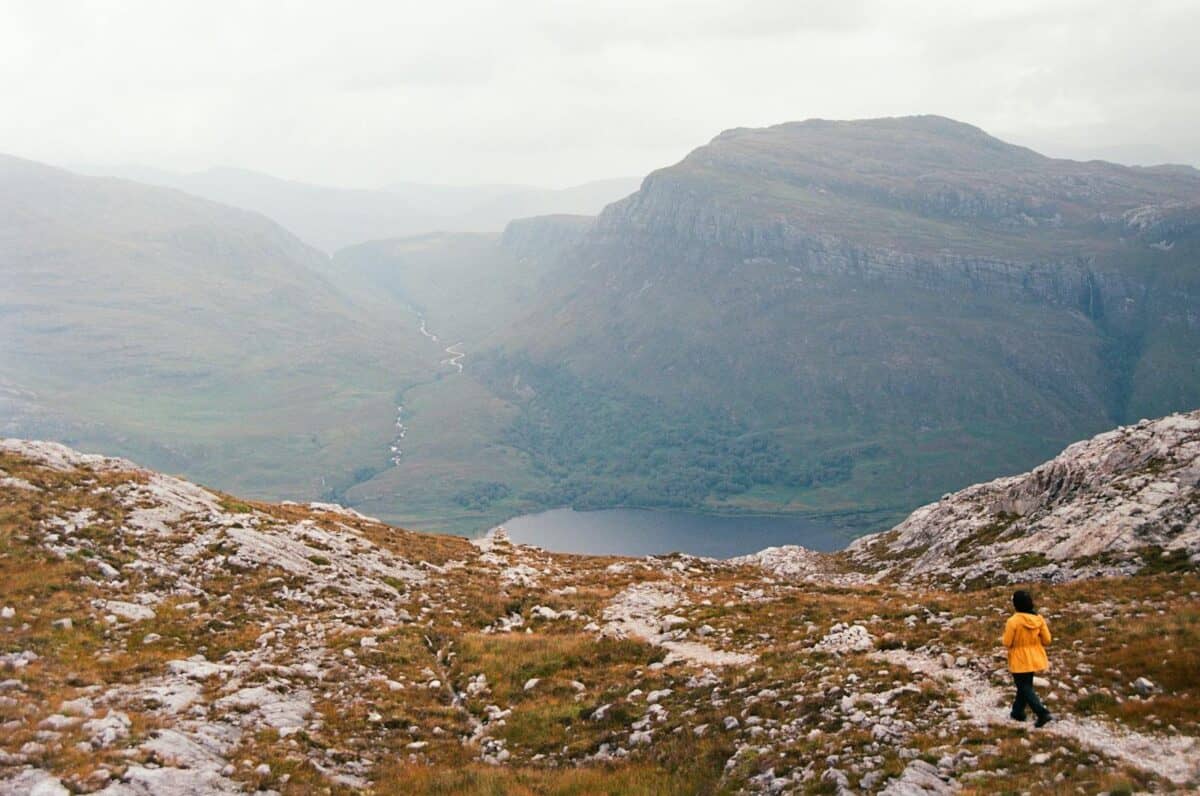
For those who successfully make the trek to the Boiling Lake, strict safety protocols must be observed. Visitors are instructed to maintain a minimum safe distance from the lake’s edge, typically at least 15-20 feet (4.5-6 meters). The ground surrounding the lake can be unstable and dangerously hot, with thin crusts potentially giving way to scalding mud or water beneath.
The steam from the lake contains sulfur dioxide and other volcanic gases that can cause respiratory irritation and, in high concentrations, more serious health effects. When winds shift suddenly, these gases can envelop visitors, creating hazardous breathing conditions. Experienced guides monitor wind patterns and will direct visitors to move if conditions become unsafe. Photography is permitted but must be done from safe distances, and drones are generally prohibited due to the steam’s corrosive effects on electronic equipment and the potential for sudden wind shifts to cause crashes.
Historical Discoveries and Local Legends

The first recorded European documentation of the Boiling Lake came in 1870 when two English men, Edmund Watt and Henry Alfred Alford Nicholls, ventured into Dominica’s interior and discovered this natural phenomenon. Their accounts described their astonishment at finding such an extreme natural feature hidden within the rainforest.
Local Kalinago (formerly known as Carib) people, who are the indigenous inhabitants of Dominica, have known about the lake for centuries. Their oral traditions include various legends explaining the lake’s formation. One common story tells of a giant who cooked his food in this natural cauldron. Another legend speaks of it as a gateway to the underworld or the dwelling place of powerful spirits. These cultural interpretations reflect the human tendency to create mythological explanations for dramatic natural phenomena, particularly those that exhibit such visible power and danger.
Scientific Significance and Research
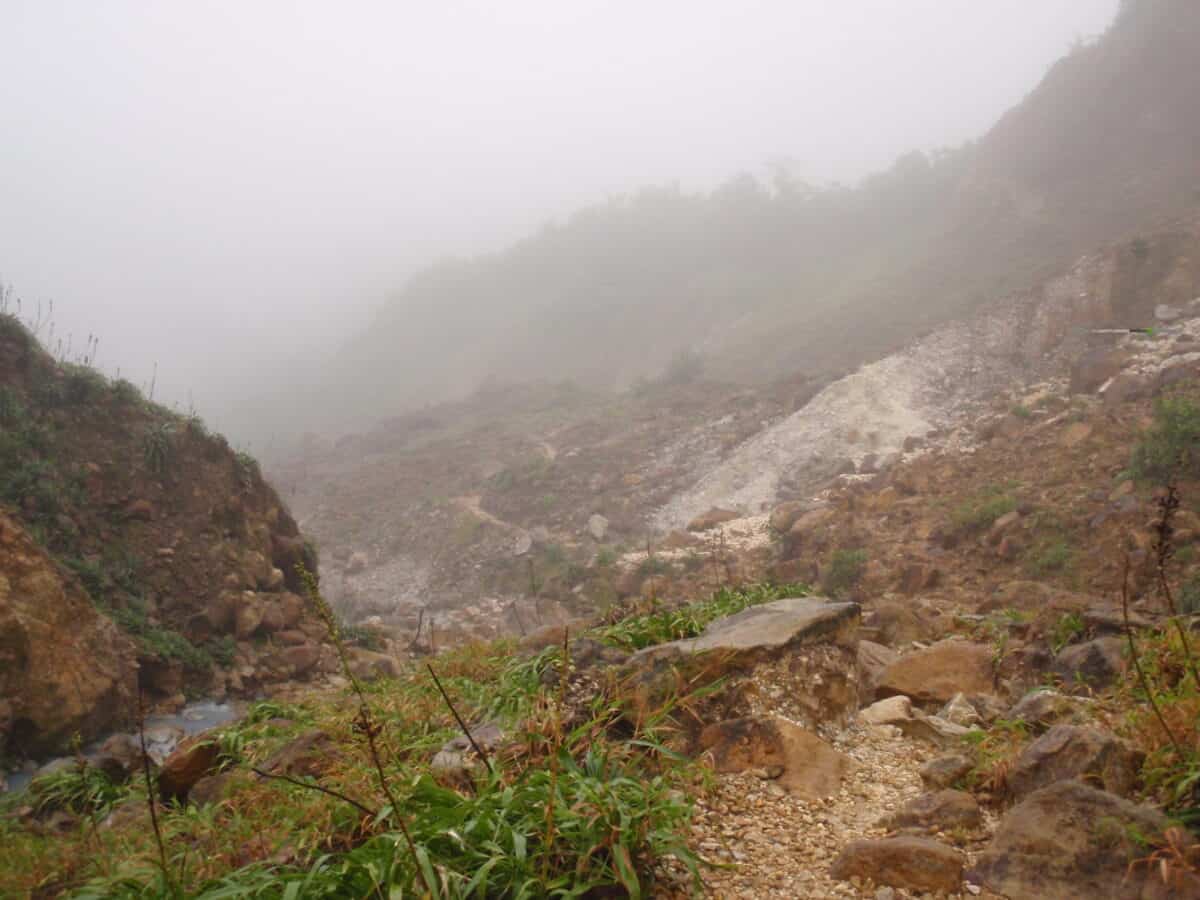
The Boiling Lake represents a valuable research site for geologists, volcanologists, and extreme environment biologists. Scientists study it to better understand volcanic systems, particularly the interaction between groundwater and magmatic heat sources. The lake provides insights into hydrothermal features and their behavior, which can help predict volcanic activity elsewhere.
Microbiologists have a particular interest in the surrounding areas where temperatures are high but not boiling. These zones harbor extremophile organisms that have evolved to thrive in conditions that would be fatal to most life forms. These organisms often possess unique enzymatic systems that function at high temperatures, which can have applications in industrial processes and biotechnology. Research on the lake’s water chemistry also provides information about the dissolution of minerals under extreme conditions and the natural acidification processes that occur in volcanic environments.
Variations in the Lake’s Activity
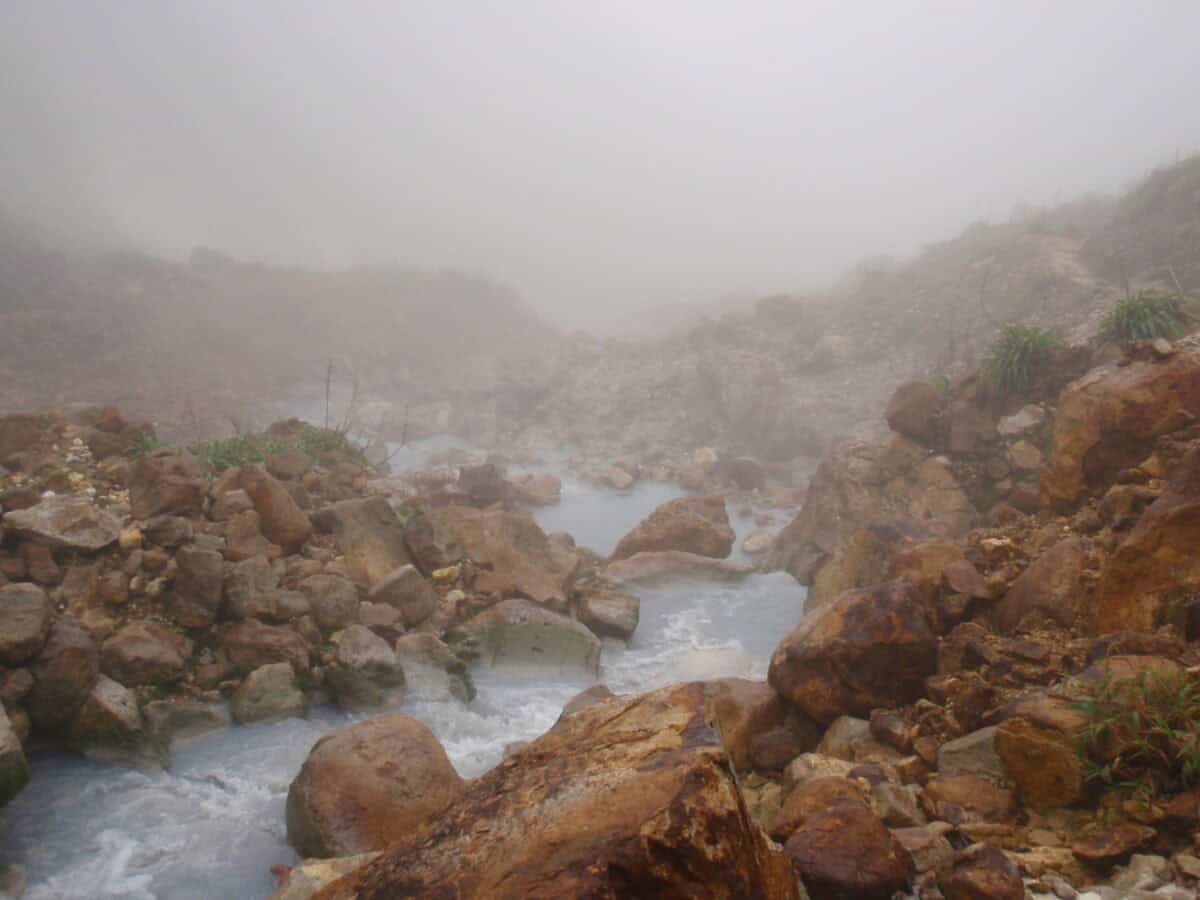
Despite its seemingly constant state, the Boiling Lake has shown significant variations in activity throughout recorded history. Several times, most notably in 1876, 1900, and more recently in 2004-2005, the lake has temporarily ceased its boiling activity or dramatically lowered its water level. These events typically coincide with increased seismic activity in the region, suggesting a direct connection to changes in the underlying volcanic system.
In late 2004, following a series of small earthquakes, the lake’s water level dropped significantly, and the boiling temporarily stopped. Scientists monitoring the phenomenon noted that this likely resulted from a blockage in the underground fissures that supply superheated gases to the lake. By early 2005, the lake had refilled and resumed its usual boiling state. These periodic changes make the lake an important indicator of volcanic activity beneath Dominica, providing scientists with valuable data about the island’s geological dynamics.
Similar Phenomena Around the World
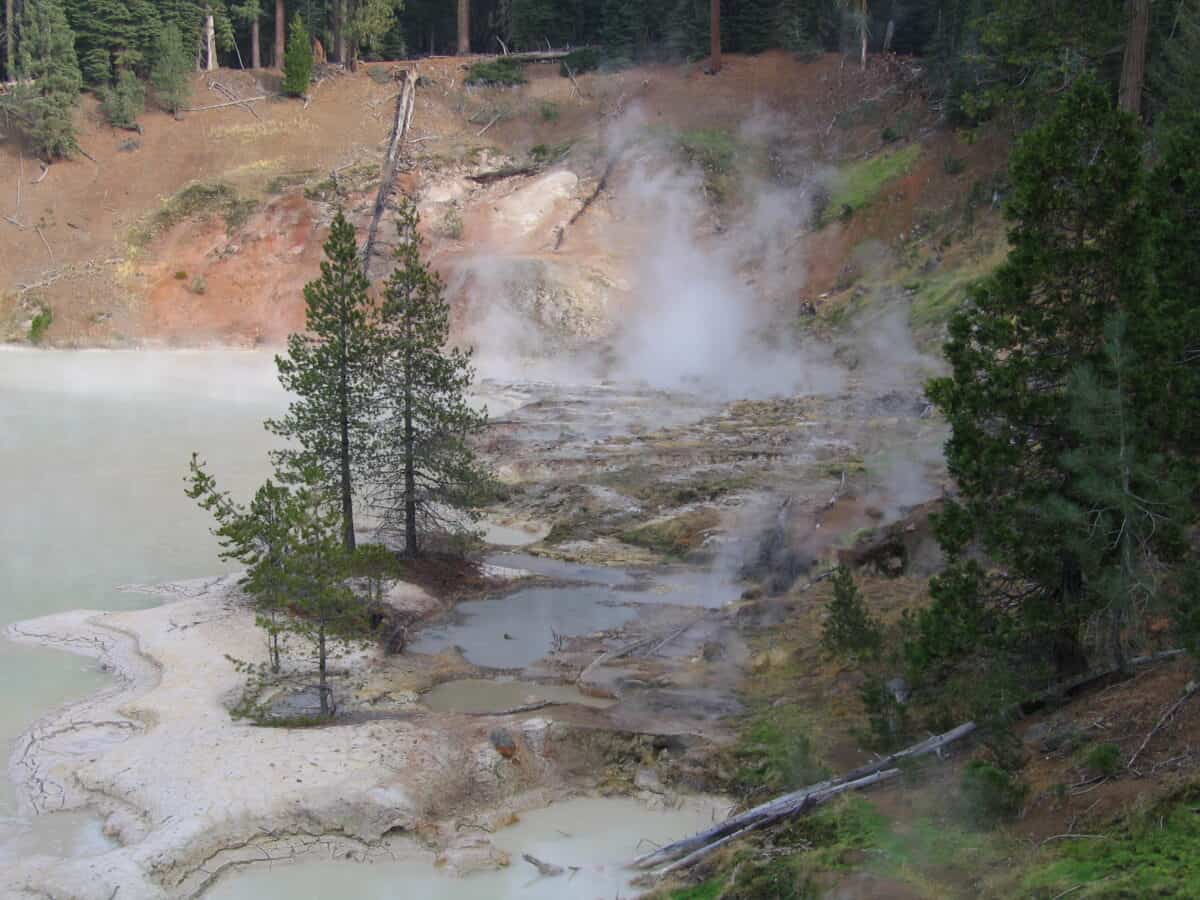
While Dominica’s Boiling Lake is extraordinary, it’s not the only example of such extreme hydrothermal features on Earth. The aforementioned Frying Pan Lake in New Zealand’s Waimangu Volcanic Valley is the largest hot lake in the world, covering approximately 38,000 square meters. Unlike Dominica’s lake, however, Frying Pan Lake maintains a slightly lower temperature of around 122-131°F (50-55°C), making it hot but not quite boiling.
Other notable examples include the El Chichón crater lake in Mexico, which has reached temperatures of 176°F (80°C), and the acid lakes of Kawah Ijen volcano in Indonesia, which combine extreme acidity with high temperatures. Yellowstone National Park in the United States features numerous geothermal pools with temperatures approaching boiling, such as the Grand Prismatic Spring. Each of these features showcases different aspects of geothermal activity, but Dominica’s Boiling Lake remains unique for its combination of size, consistent boiling activity, and dramatic setting.
Impact on Dominica’s Tourism and Economy
The Boiling Lake has become one of Dominica’s signature natural attractions, drawing adventure tourists and nature enthusiasts from around the world. Despite the challenging trek required to reach it, hundreds of visitors make the journey annually, contributing significantly to the island’s eco-tourism sector. Local guides who lead these expeditions provide valuable employment opportunities for Dominicans with expert knowledge of the terrain and natural features.
The lake’s international recognition has helped position Dominica as a destination for sustainable adventure tourism rather than mass beach tourism that characterizes many other Caribbean islands. This aligns with Dominica’s broader development strategy of marketing itself as “The Nature Island” and preserving its unique ecological features. Following the devastating impact of Hurricane Maria in 2017, which severely damaged Dominica’s infrastructure, the continued draw of attractions like the Boiling Lake has played an important role in the recovery of the tourism sector and the overall economy.
Conservation Challenges and Environmental Protection
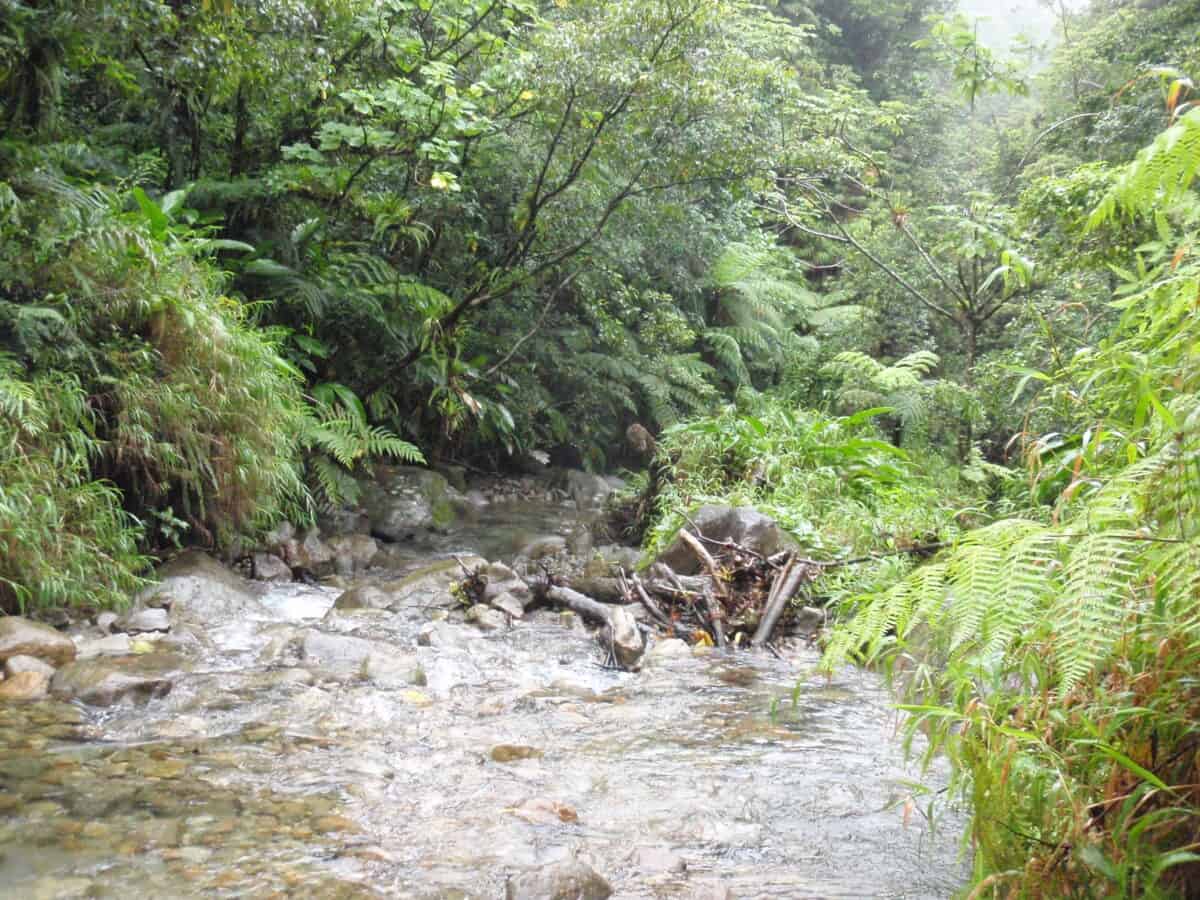
While the Boiling Lake faces no immediate threats due to its extreme nature and protected status within a national park, the surrounding ecosystem requires careful management. The increasing popularity of the site has led to concerns about trail erosion, vegetation damage, and improper waste disposal along the hiking route. Park authorities have implemented measures including trail maintenance, visitor education, and capacity limitations during peak seasons.
Climate change presents another potential challenge, as changes in precipitation patterns could affect the hydrology of the area, potentially altering the lake’s water level and the surrounding rainforest ecosystem. Additionally, more frequent and intense tropical storms and hurricanes, which are predicted as climate change progresses, could damage trail infrastructure and make access more difficult. Dominica’s government, recognizing these challenges, has incorporated the protection of the Boiling Lake and Morne Trois Pitons National Park into its broader climate resilience strategy.
Conclusion: Nature’s Awe-Inspiring Extremes
Dominica’s Boiling Lake stands as a powerful reminder of the extreme environments that exist on our planet and the raw geological forces that continue to shape Earth’s surface. This natural phenomenon, with its lethal temperatures and constant state of turbulent activity, represents one of nature’s most dramatic displays of geothermal power. The journey to witness this natural wonder, though challenging, offers visitors a rare opportunity to observe firsthand the dynamic processes that have formed our world over billions of years.
Beyond its immediate spectacle, the Boiling Lake serves multiple important functions: as a laboratory for scientific research, a protective feature for unique extremophile organisms, a cultural touchstone for local traditions, and an economic asset for Dominica’s sustainable development. In an age when much of the natural world has been tamed or altered by human activity, places like the Boiling Lake remind us that there remain phenomena beyond our control—environments so extreme that they command our respect and caution while simultaneously inspiring awe and wonder at the planet’s extraordinary diversity.
As climate change and other environmental challenges continue to transform many of Earth’s landscapes, protecting and studying unique features like the Boiling Lake becomes increasingly important. These natural wonders not only enrich our understanding of geothermal processes but also provide tangible, visceral connections to the powerful forces that have shaped our planet throughout its history and continue to influence its future.
In the end, the Boiling Lake of Dominica stands as both a warning and an invitation—a reminder of nature’s deadly power and an opportunity to witness one of Earth’s most spectacular and humbling displays, a place where the thin crust we inhabit reveals the restless, molten heart of our planet beating just below the surface.
Worried about unexpected vet bills?
Pet insurance can cover thousands in unexpected vet costs. Get a free quote from Lemonade in under 2 minutes.
Get My Free Quote →Sponsored · Opens Lemonade.com

- 15 Common Snake Species Found in the US - June 5, 2026
- Ancient DNA Found in Cave Dirt May Rewrite Animal History - June 5, 2026
- What Steve Irwin Taught Us About Crocodiles - June 5, 2026