

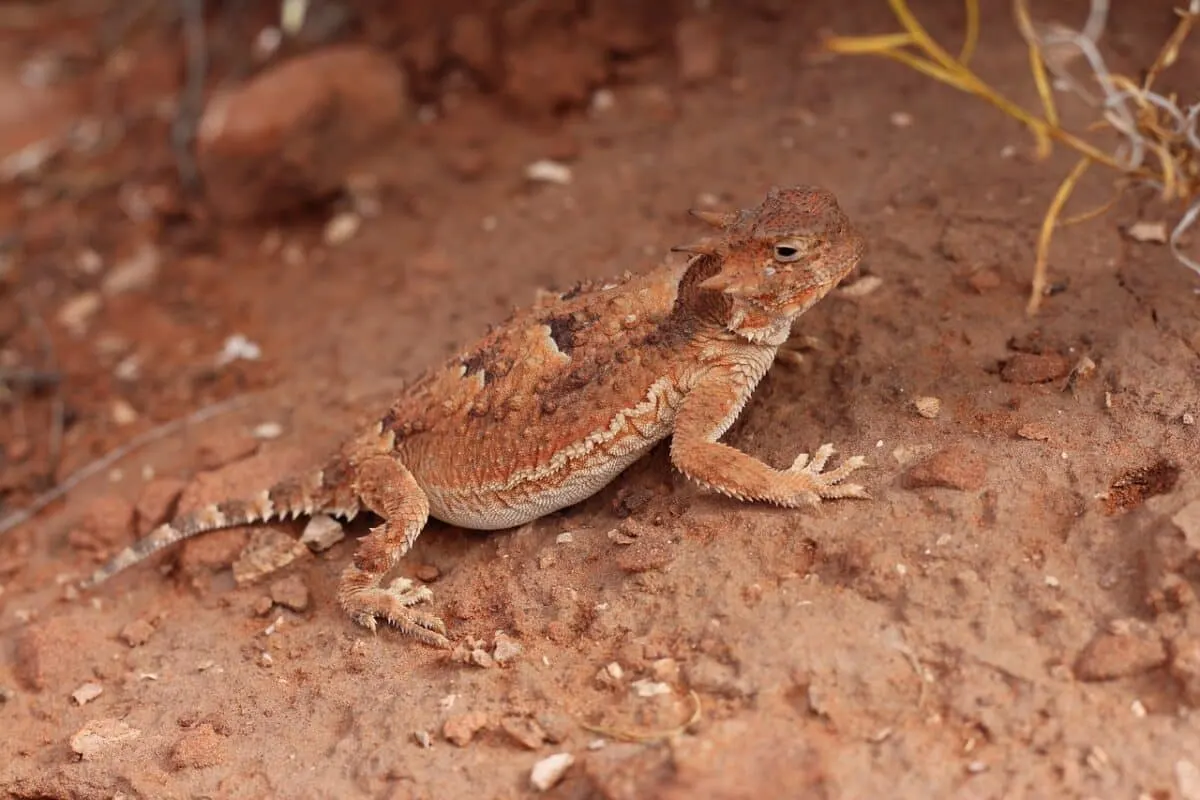
In the diverse world of reptiles, few creatures are as fascinating and mysterious as the horned lizard. Known for its unusual defense mechanisms, the horned lizard has captivated the attention of scientists and animal enthusiasts alike. Among its myriad of survival tactics, the most bizarre is its ability to squirt blood from its eyes. This article delves into the anatomy, behavior, and ecological significance of this remarkable reptile’s unique defensive strategy.
The Unique Habitat of Horned Lizards

Horned lizards, often mistakenly referred to as “horned toads,” are not amphibians but reptiles. These fascinating creatures primarily inhabit arid and semi-arid regions of North and Central America. Their natural surroundings include deserts, prairies, and scrublands, where they have adapted to survive in harsh environmental conditions. The distinct horn-like structures on their heads contribute to their camouflage and defense, blending seamlessly with the rocky, dusty landscapes they call home.
Distinguishing Features of the Horned Lizard

Horned lizards are easily identified by their broad, flattened bodies and crown of spines that frame their heads. These adaptations are not just for show; they play critical roles in the lizard’s survival. The spikes deter predators, while the flattened body allows the lizard to burrow easily into the sand for thermoregulation and concealment from threats.
The Legendary Blood Squirting Mechanism
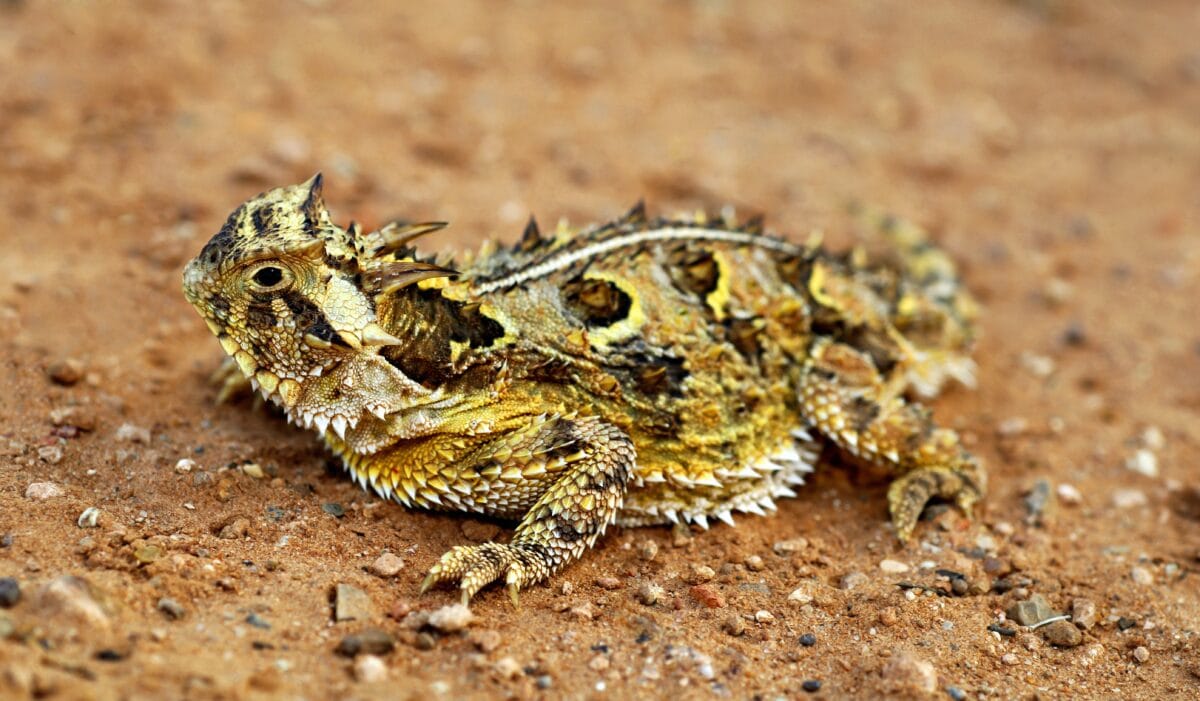
Perhaps the most astonishing feature of the horned lizard is its ability to expel blood from its eyes. This defense mechanism, known as “autohaemorrhaging,” is employed when all else fails. The lizard increases blood pressure in its head until the small blood vessels around the eyes burst, shooting blood distances of up to four feet. This incredible feat is both a deterrent to predators and a testament to the horned lizard’s evolutionary prowess.
The Science Behind Autohaemorrhaging

The biology of blood squirting involves intricate physiological processes. When a horned lizard senses danger, it contracts muscles around its eyes to restrict venous blood flow but allow arterial flow, thus increasing pressure. The result is a rapid destruction of small capillaries around the eye and forceful ejection of blood. This blood contains noxious chemicals that can dissuade many predators, especially canines, from pursuing further.
Effectiveness Against Predators

The defensive mechanism of blood squirting is particularly effective against mammalian predators, especially dogs and coyotes. The blood contains compounds that irritate the mouth and nasal passages, creating a strong aversive reaction. This bizarre but effective tactic has likely contributed to the horned lizard’s success in surviving in predator-rich environments.
Other Survival Tactics
Apart from their blood-squirting capability, horned lizards have a wide arsenal of defense strategies. These include freezing to avoid detection, burrowing to hide, and inflating their bodies to appear larger and more threatening. Each of these tactics enhances their ability to elude predators in different situations.
Dietary Preferences and Hunting Routines

Horned lizards are primarily insectivores, with ants forming the bulk of their diet. They employ a sit-and-wait hunting strategy, conserving energy in their harsh desert environment. Their tongues are sticky, a perfect adaptation for capturing unsuspecting ants and other small invertebrates.
Reproductive Behavior

The reproductive cycle of the horned lizard is as intriguing as their defense mechanisms. Breeding typically occurs in the spring, following which females lay a clutch of eggs. Depending on the species, the eggs can range from 6 to 21 per clutch. The maternal investment ends post-laying as lizards do not tend to their offspring, leaving the young to hatch and fend for themselves.
Environmental Challenges and Conservation

Despite their adaptive prowess, horned lizards face numerous environmental challenges. Habitat loss, climate change, and predation by invasive species like domestic cats and dogs threaten their populations. Conservation efforts are crucial in ensuring their survival, focusing on habitat restoration and public education to reduce human-induced threats.
Role in the Ecosystem

Horned lizards play a vital role in their ecosystems, predominantly as population control agents for ant populations. By regulating ant numbers, they help maintain balance in their habitats, demonstrating their ecological importance. Predators, such as birds and snakes, also rely on horned lizards as a food source, placing them as an integral part of the ecological food web.
Interaction with Humans

Horned lizards have long captured human fascination, inspiring folklore and becoming cultural icons in regions where they are found. However, human expansion poses significant threats to their habitats. Public awareness and respect for these creatures are essential for cohabitating peacefully and ensuring their preservation.
Future Prospects for Horned Lizards

The future of horned lizards largely depends on conservation strategies and habitat protection. Scientific research continues to uncover new facts about these intriguing reptiles, offering insights into their complex biology and behaviors. By promoting habitat sustainability and biodiversity conservation, we can hope to see horned lizards thrive for generations to come.
The horned lizard is a testament to nature’s incredible ingenuity. From their spiky armor to their unique blood-squirting defense, they demonstrate adaptability and survival in the face of numerous challenges. By understanding and conserving these remarkable reptiles, we not only protect an extraordinary species but also the delicate ecosystems they help balance.

From exploring the marine wonders in the Azores and witnessing the vast savannas of Kenya, to delving deep into the rich biodiversity of South Africa and traversing iconic landscapes in Australia and the US like Yellowstone, Chris's experiences are vast.
With a penchant for diving alongside sharks, the ocean holds a special place in his heart.
Through his academic insights, he champions wildlife conservation, striving with 'Animals Around The Globe' to cultivate a profound connection between humans and animals, enhancing our mutual appreciation.
Connect with him at Feedback@animalsaroundtheglobe.com.
- Spinosaurus Was the First Dinosaur That Loved Water - July 13, 2026
- Bison, Bald Eagles, and Wolves—How These Species Are Making a Comeback - July 13, 2026
- Are Captive Breeding Programs Helping or Hurting Endangered Species? - July 13, 2026