
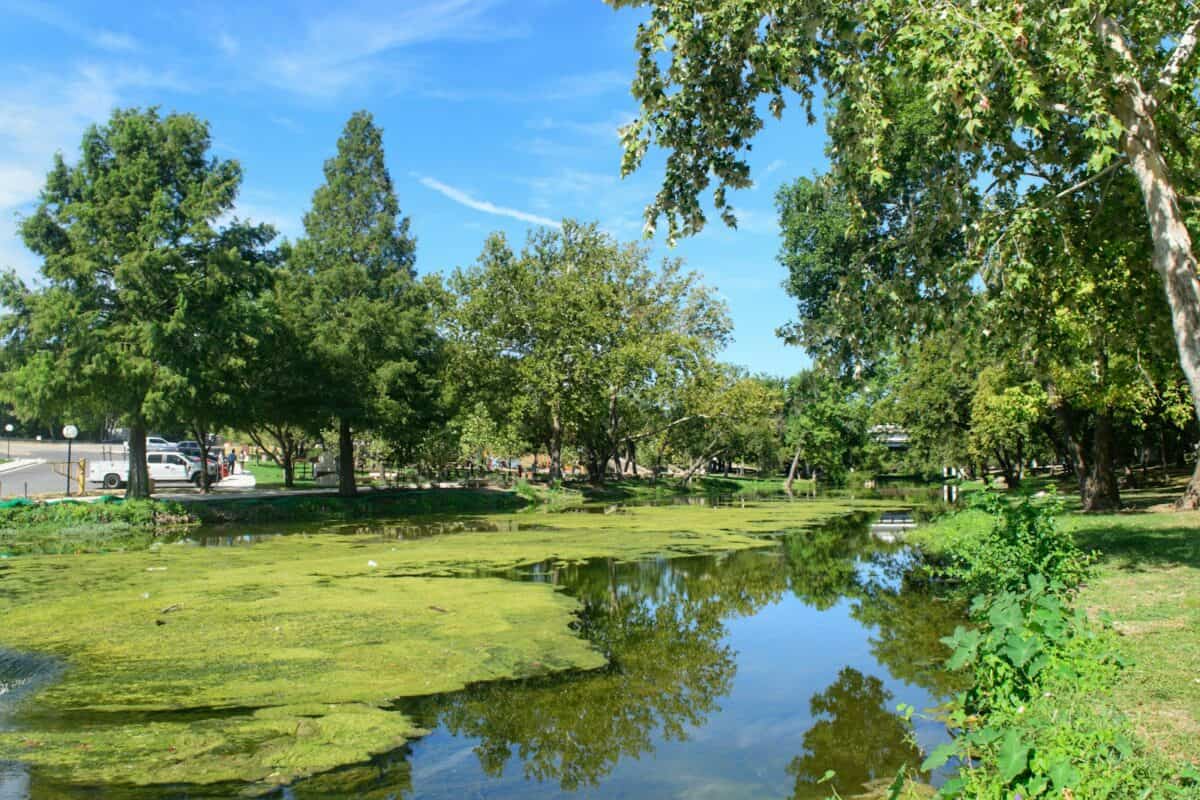
Deep in the heart of Texas, a river performs an awe-inspiring feat. For just one day every year, this river reverses its flow in a phenomenon that has intrigued scientists and locals alike. The river’s astonishing behavior stands as a testament to nature’s unpredictability. But what causes this aquatic anomaly? Let’s dive into the science and stories behind it.
What is the Mysterious Texas River?

The river in question is the Brazos River, one of Texas’s longest and most significant waterways. Stretching over 840 miles, it winds and weaves its way through the state, providing water resources crucial for agriculture, industry, and the daily lives of millions. Yet, its annual backward flow is what sets it apart from others.
The Geographical Setting
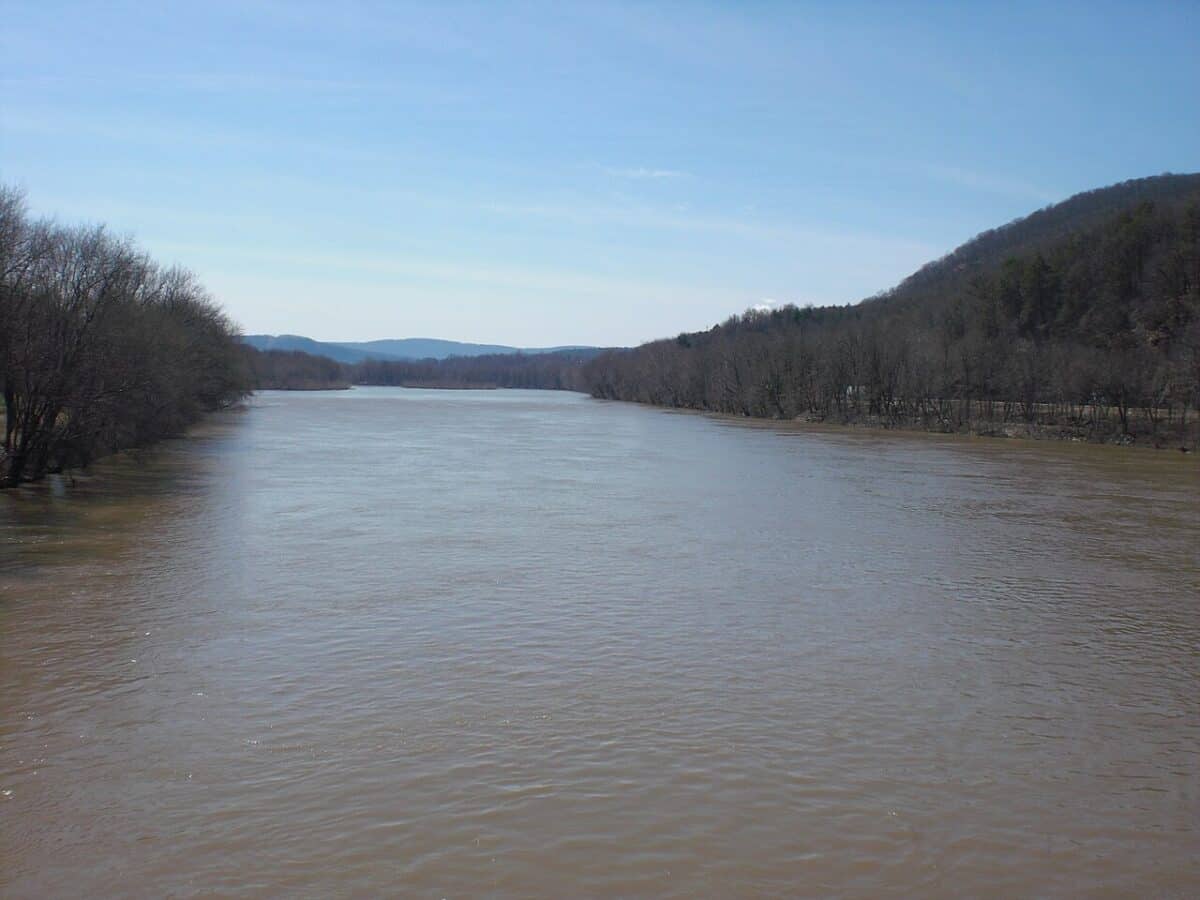
The Brazos River begins its journey in West Texas, then makes its way southeast to its mouth at the Gulf of Mexico. The diverse terrain it crosses includes dense forests, rolling hills, and arid plains. This geographical diversity plays a crucial role in the river’s unusual behavior.
The Phenomenon of Reversal
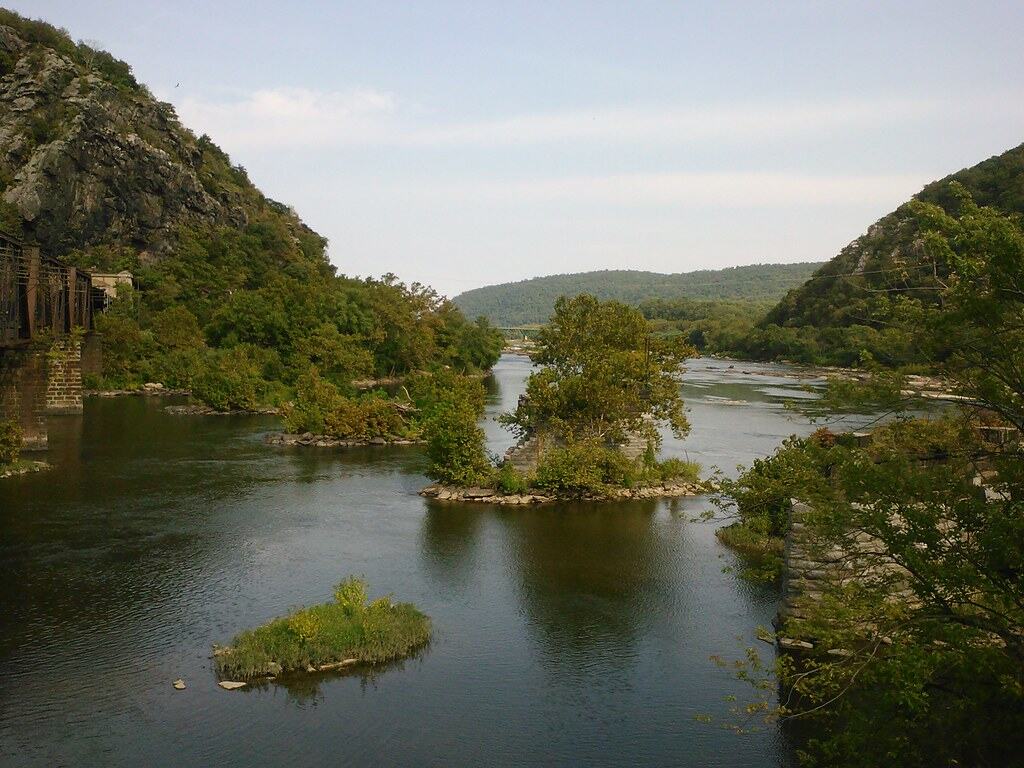
Every year, typically around the spring, a fascinating phenomenon occurs. The Brazos River begins to flow in the opposite direction. This reversal generally lasts for about 24 hours, causing both a natural spectacle and significant interest from the scientific community.
The Role of the Gulf of Mexico

The key to understanding this river’s backward flow lies with the Gulf of Mexico. During certain conditions, the Gulf experiences a significant rise in sea levels known as a tidal bore. This rise can cause river water to be pushed back upstream, hence causing the river to flow backwards temporarily.
Tidal Forces Explained
Tidal bores occur due to gravitational forces between the Earth, moon, and sun. When these bodies align in certain ways during the spring tide, higher than normal tides can displace massive amounts of water, affecting nearby river systems, including the Brazos River.
Weather’s Impact
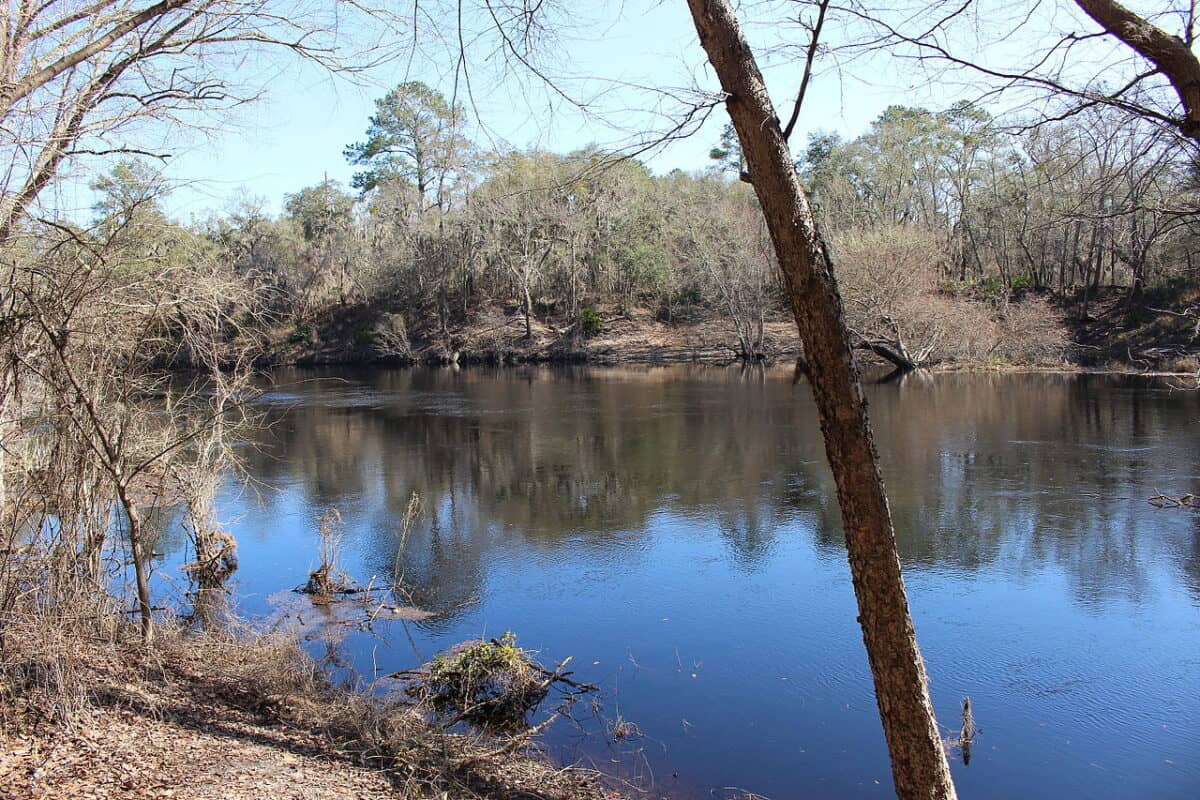
While tidal forces play a key role, local weather conditions also contribute. Heavy rainfall can exacerbate the backward flow, while droughts might minimize it. Each year’s conditions slightly alter the magnitude of this reverse flow event.
Impact on the Ecosystem
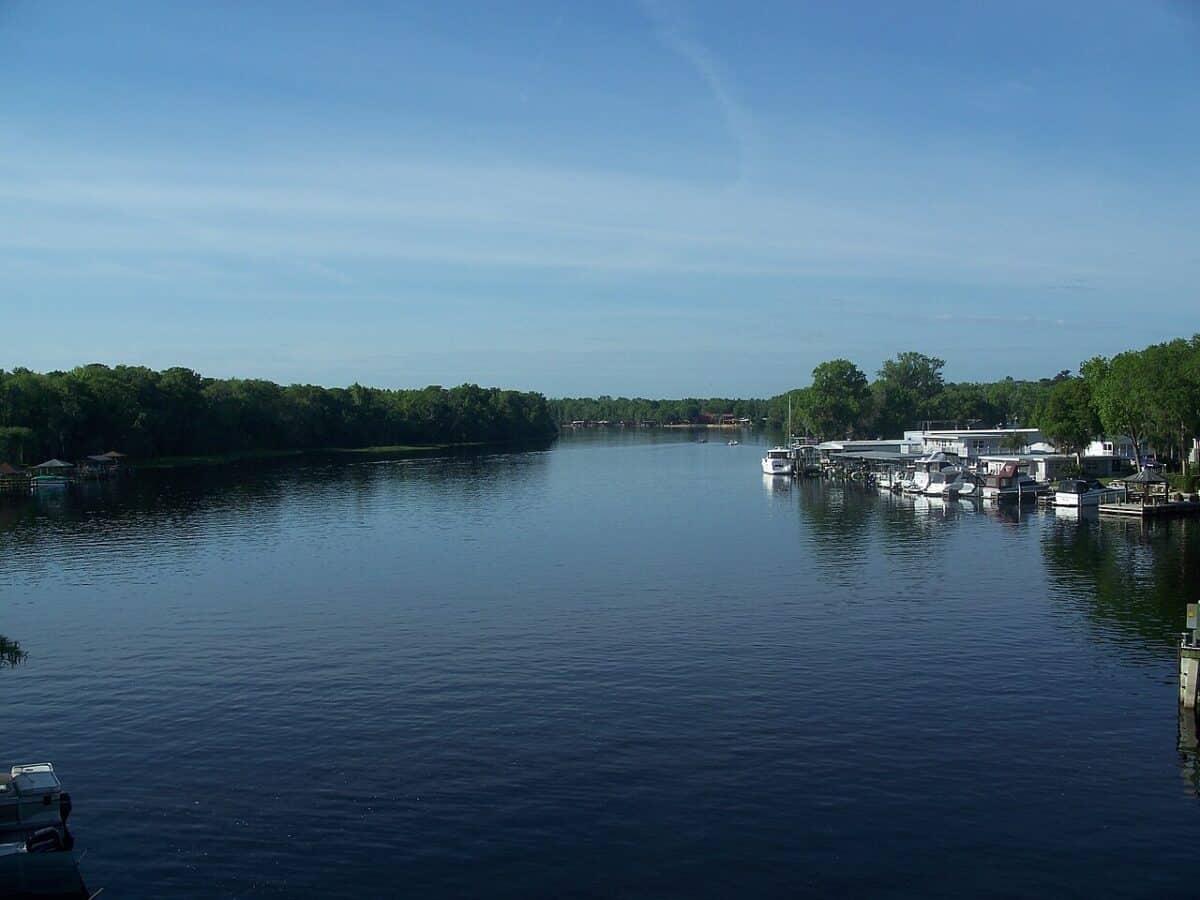
Though the phenomenon is short-lived, it can have notable impacts on the local ecosystem. Fish and other aquatic animals must quickly adapt to the sudden change in their environment, while plants along the banks may experience altered nutrient flows.
Historical Accounts
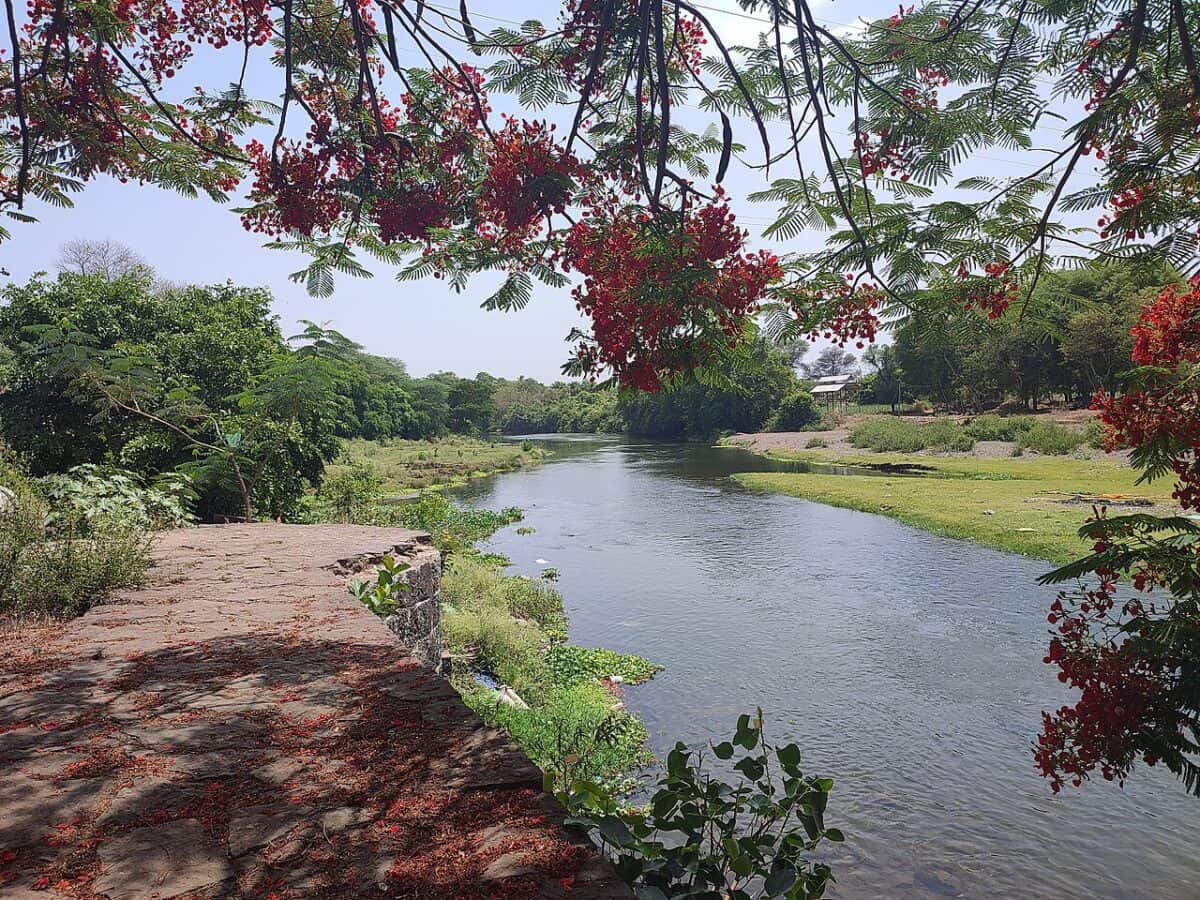
Local legends and stories have circulated about the river’s mysterious yearly reversal. Native American tribes and early settlers have various stories and beliefs about this natural wonder, viewing it with both awe and respect.
How Locals Celebrate
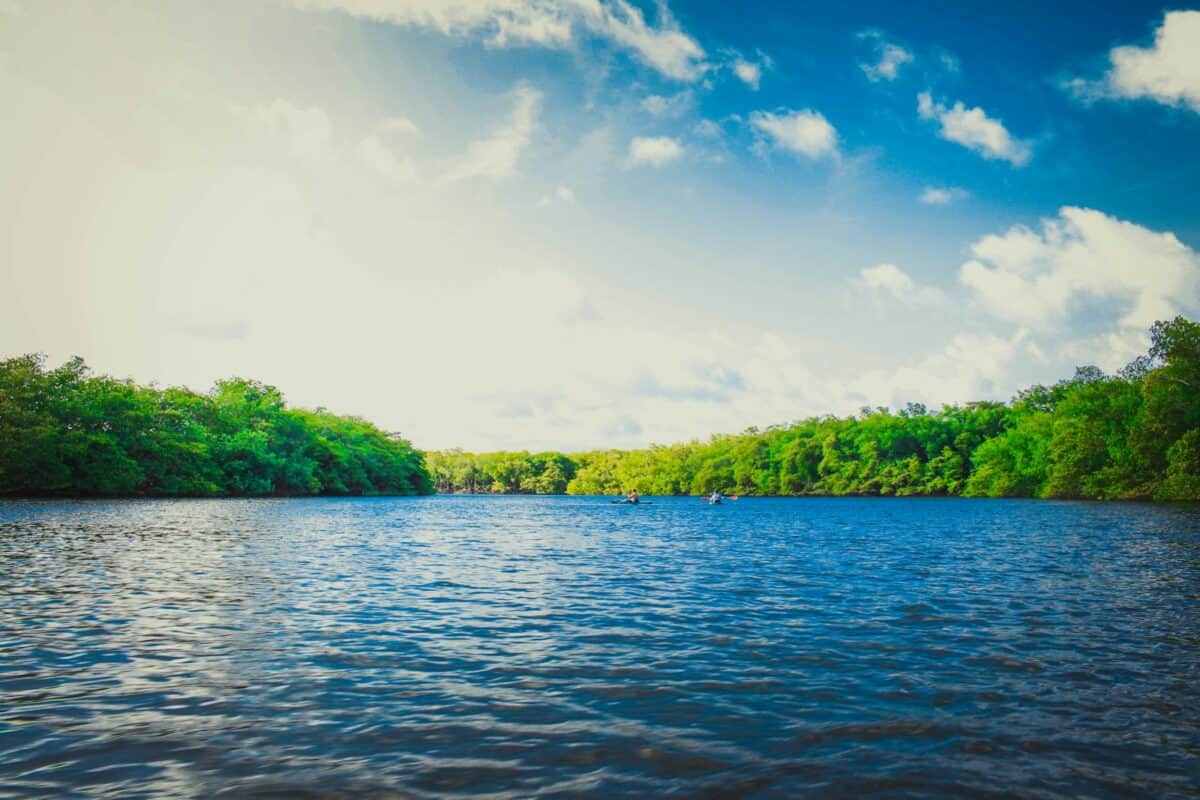
The reversal has become an event that locals eagerly anticipate. Community gatherings often occur along the riverbanks, where residents come together to witness the marvel and celebrate with festivals that include educational tours, local music, and art exhibits.
Navigation Adjustments
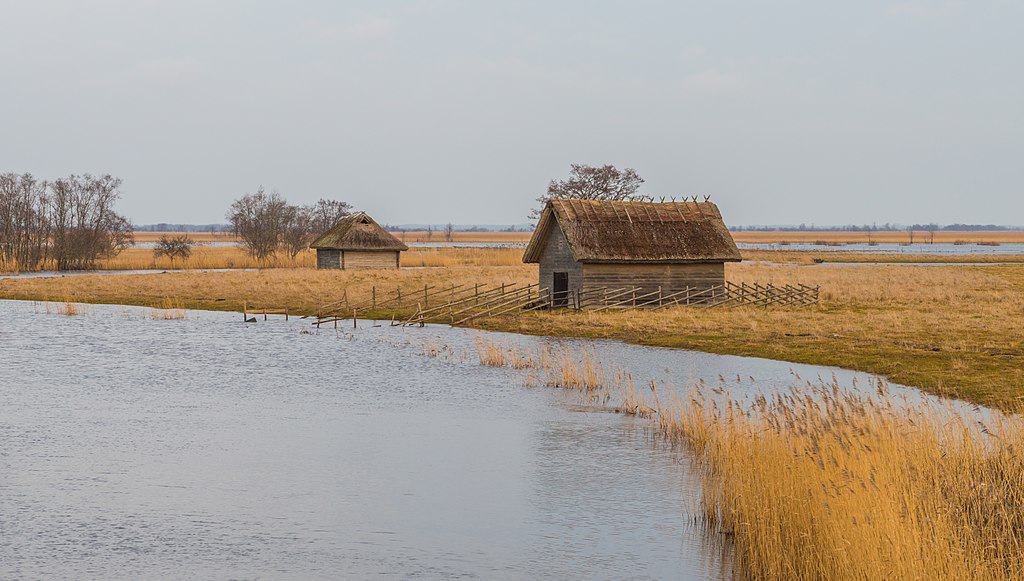
For those using the river for transportation or commerce, the reverse flow necessitates careful planning. Boaters and companies adjust schedules to accommodate the temporary period when normal navigation conditions are altered.
Is It Unique to Texas?
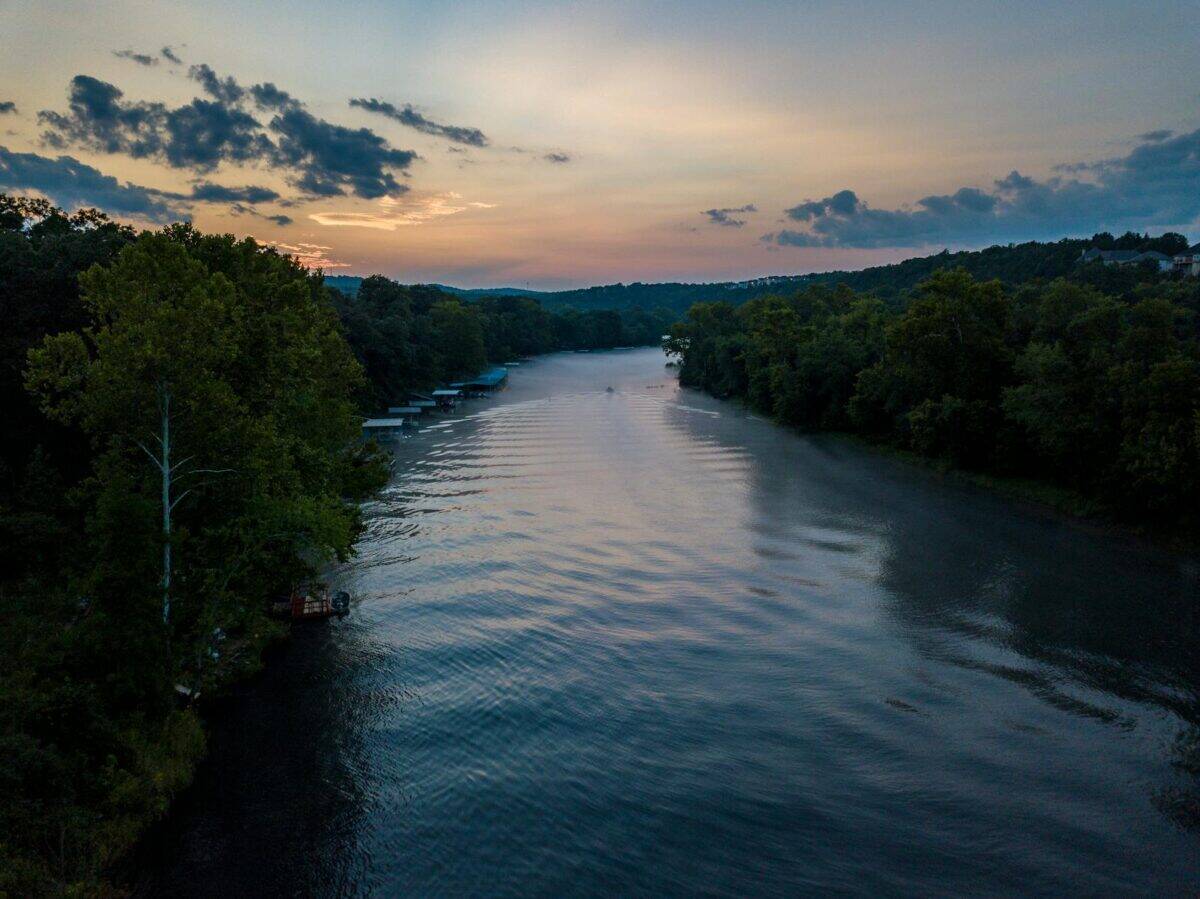
Interestingly, the Brazos River’s reversal is not entirely unique but is a relatively rare occurrence globally. Certain other rivers, such as China’s Qiantang River, experience similar tidal-induced flow reversals, though the Brazos is unique within the United States.
Why It Matters

The backward flow of the Brazos River serves as a reminder of the complex and interconnected systems governing natural phenomena. Understanding such events can deepen our appreciation and respect for Earth’s dynamic environments, influencing conservation efforts and environmental policies.
Conclusion
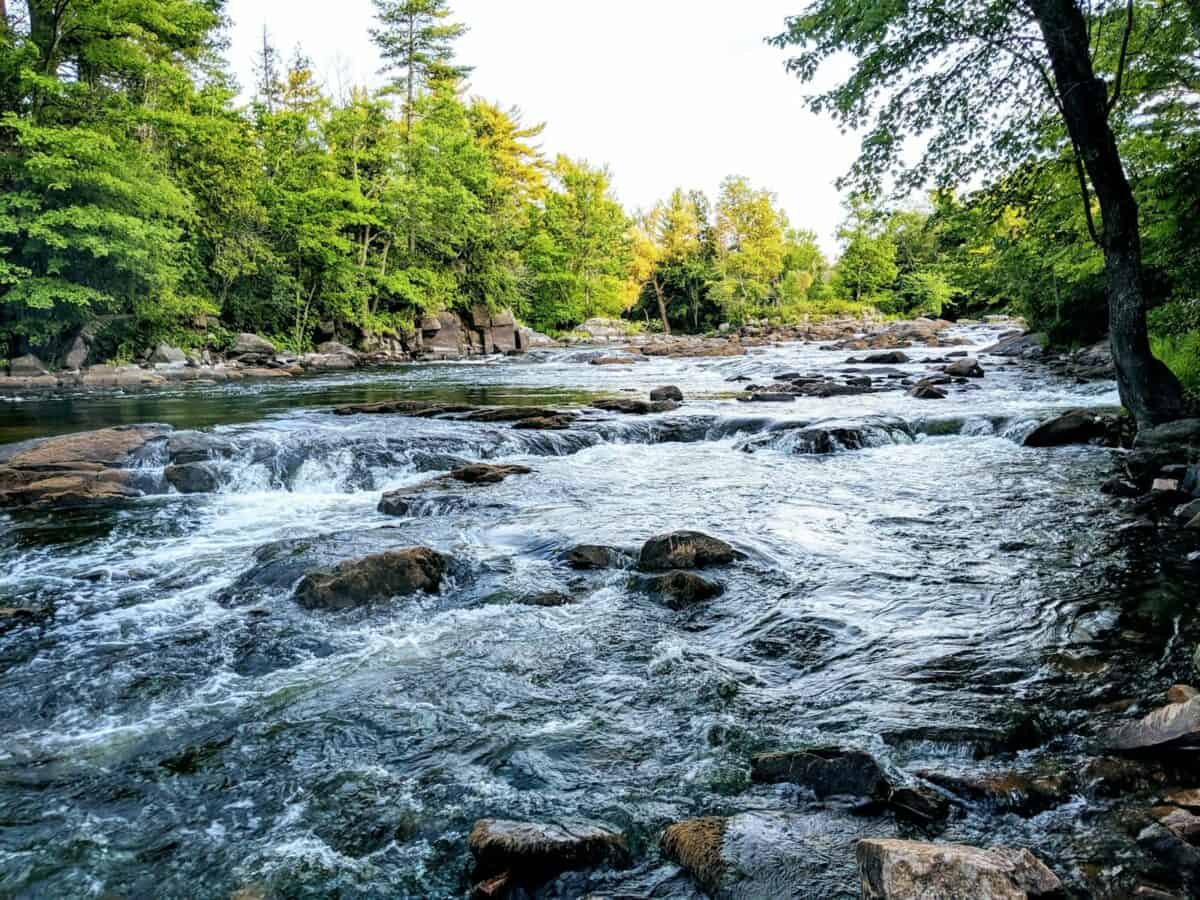
The mystery of the Brazos River’s annual backward flow is a captivating example of nature’s wonders. By shedding light on the scientific mechanisms behind this event, we gain insight into the Earth’s processes and reaffirm our respect for the natural world. As it continues its timeless cycle, the river weaves a story of power, beauty, and unpredictability for all who care to witness its extraordinary journey.

- Can Snakes Give Birth Without Mating? - July 15, 2026
- The Hidden Desert Beneath a U.S. Forest—A Strange Natural Twist - July 15, 2026
- Rare Shark Sighting Alarms Scientists Near Baja California - July 15, 2026