


Rivers are often seen as nature’s arteries, consistently flowing in one direction, creating a sense of order and reliability. Yet, the natural world occasionally defies expectations, revealing phenomena that bewilder and fascinate. One such anomaly is a river that flows backwards—not once, but twice a year. This captivating phenomenon invites an exploration into the underlying mechanisms that defy the typical processes of nature and offer a glimpse into the complexity of hydrological systems.
Introducing the Chicago River

The Chicago River, located in the heart of Chicago, Illinois, is the subject of this intriguing reversal. Historically significant and integral to the city’s development, the Chicago River has been engineered to flow backwards due to human intervention. This compelling alteration in its natural course is deeply linked to historical, environmental, and urban factors that have shaped its unique behavior.
Human Engineering to Manage Sanitation

In the late 19th century, the city of Chicago faced severe public health challenges due to pollution and sewage issues. The river, which originally flowed into Lake Michigan, carried waste into the lake, the city’s primary source of drinking water. To combat these dire sanitation problems, engineers devised a bold solution: reverse the river’s flow. By constructing the Chicago Sanitary and Ship Canal, completed in 1900, the river’s direction was altered to flow away from the lake, towards the Mississippi River basin. This monumental engineering feat not only improved public health but also established a precedent for anthropogenic alteration of natural waterways.
The Role of Gravity and Locks

The mechanics behind the Chicago River’s flow are primarily governed by gravitational forces and lock systems. Locks are artificial waterway sections that allow for controlled water levels and flow direction. By managing water levels with locks and dams, water is diverted efficiently from one point to another, accommodating heavy rainfalls or droughts while maintaining directional flow. This system becomes particularly crucial during periods of high water levels, ensuring that the city is not inundated by floods.
Seasonal Changes and River Reversals

The phenomenon of the Chicago River flowing backwards is also closely linked to seasonal changes. Each spring and autumn, the region experiences significant rainfall, resulting in high water levels that necessitate the reversal of the river’s flow. During these times, water is redirected into the older river branch towards Lake Michigan to prevent flooding and manage water distribution effectively.
Environmental Impact and Challenges
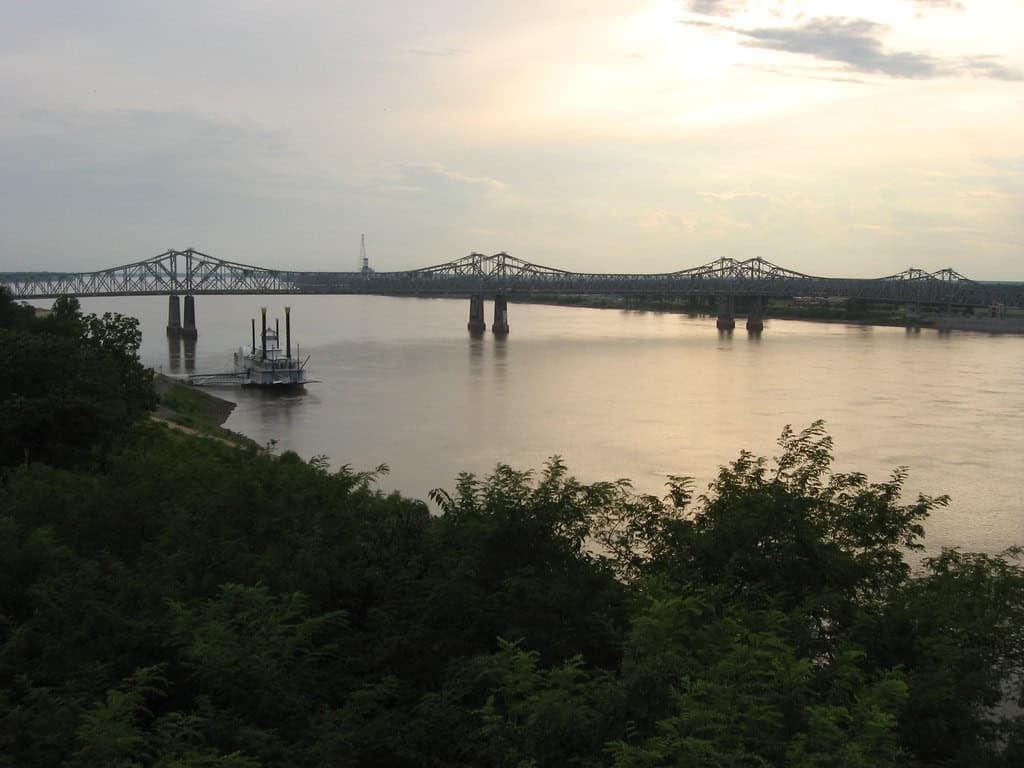
Despite offering remarkable sanitary improvements, reversing the Chicago River’s flow has not been without environmental ramifications. The interconnected waterways have facilitated the transfer of invasive species between the Great Lakes and the Mississippi River Basin. These species disrupt local ecosystems, leading to unforeseen challenges in maintaining biodiversity. In response, ongoing efforts to manage these introductions highlight the complexities of balancing human and environmental needs.
Hydrological Studies and Further Research

Understanding the mechanics behind the biannual reversal of the Chicago River continues to be an area of study for hydrologists and environmental scientists. By analyzing water flow patterns, equipment, and historical data, researchers seek insights into optimizing engineering solutions while minimizing ecological disruptions. Developments in predictive models and water management systems provide a basis for future innovations in urban waterway management.
Urban Development and Infrastructure

The reversal of the Chicago River stands as a testament to the impact of urban development on natural environments. This engineering marvel facilitated Chicago’s growth into a leading industrial and commercial hub. As the city expanded, engineers continuously modified infrastructure to mitigate the effects of urban sprawl on water resources, demonstrating adaptability in the face of evolving urban demands.
The Cultural and Recreational Transformation

Beyond its functional role, the Chicago River has undergone a cultural revitalization, embracing its place in the social and recreational fabric of the city. Waterfront development projects have transformed river banks into vibrant public spaces. Eco-friendly initiatives have enhanced water quality and aquatic life, inviting residents and tourists alike to explore the river through kayaking, fishing, and scenic tours—a symbol of successful urban rejuvenation.
Future Innovations in Waterway Management

Looking ahead, the Chicago River serves as an inspiring model for cities seeking sustainable solutions to urban water management challenges. With climate change intensifying weather patterns, cities are tasked with developing adaptive strategies to safeguard freshwater resources. Innovations in green technologies, infrastructure design, and community engagement promise a future where engineered waterways respectfully coexist with the natural environment.
Lessons from the Past and Present

The reversal of the Chicago River underscores the ingenuity of human engineering while simultaneously highlighting the intricacies of ecological stewardship. It prompts reflection on how our decisions influence natural systems and the importance of responsible planning in navigating the coexistence of urbanization and environmental preservation.
Concluding Thoughts: Embracing Change

The story of the Chicago River is a compelling narrative about adaptation and transformation, both human and natural. As we forge ahead, it stands as a reminder of the delicate balance between harnessing nature for human benefit and respecting the ecosystems that sustain us. By embracing the lessons learned from the river that flows backwards, we can strive towards a future where innovation and conservation walk hand in hand, ensuring the vitality of our waterways for generations to come.

From exploring the marine wonders in the Azores and witnessing the vast savannas of Kenya, to delving deep into the rich biodiversity of South Africa and traversing iconic landscapes in Australia and the US like Yellowstone, Chris's experiences are vast.
With a penchant for diving alongside sharks, the ocean holds a special place in his heart.
Through his academic insights, he champions wildlife conservation, striving with 'Animals Around The Globe' to cultivate a profound connection between humans and animals, enhancing our mutual appreciation.
Connect with him at Feedback@animalsaroundtheglobe.com.
- Spirit Animals: What Yours Means and How to Find It - July 31, 2026
- Why the World’s Loudest Animals Are Going Quiet - July 31, 2026
- This Animal Produces the Loudest Mating Call on Earth - July 31, 2026