


Sharks have always fascinated and terrified humans in equal measure, but one particular species has captured the imagination more than any other, often blurring the lines between myth and reality. Meet the colossal giant that has proven to be so enormous, it has been mistaken for a submarine: the whale shark. This article delves into the world of these magnificent creatures, exploring their size, behaviors, and the ways in which they continue to captivate our interest.
Majestic Giants of the Deep

The whale shark (Rhincodon typus) holds the title for the largest fish in the sea, a creature so majestic and immense that it can rival the size of a small submarine. These gentle giants can grow up to 40 feet in length and weigh as much as 20.6 metric tons, making them the undisputed titans of the ocean. Their sheer size and unique appearance make them stand out as they glide gracefully through the water.
A Gentle Giant
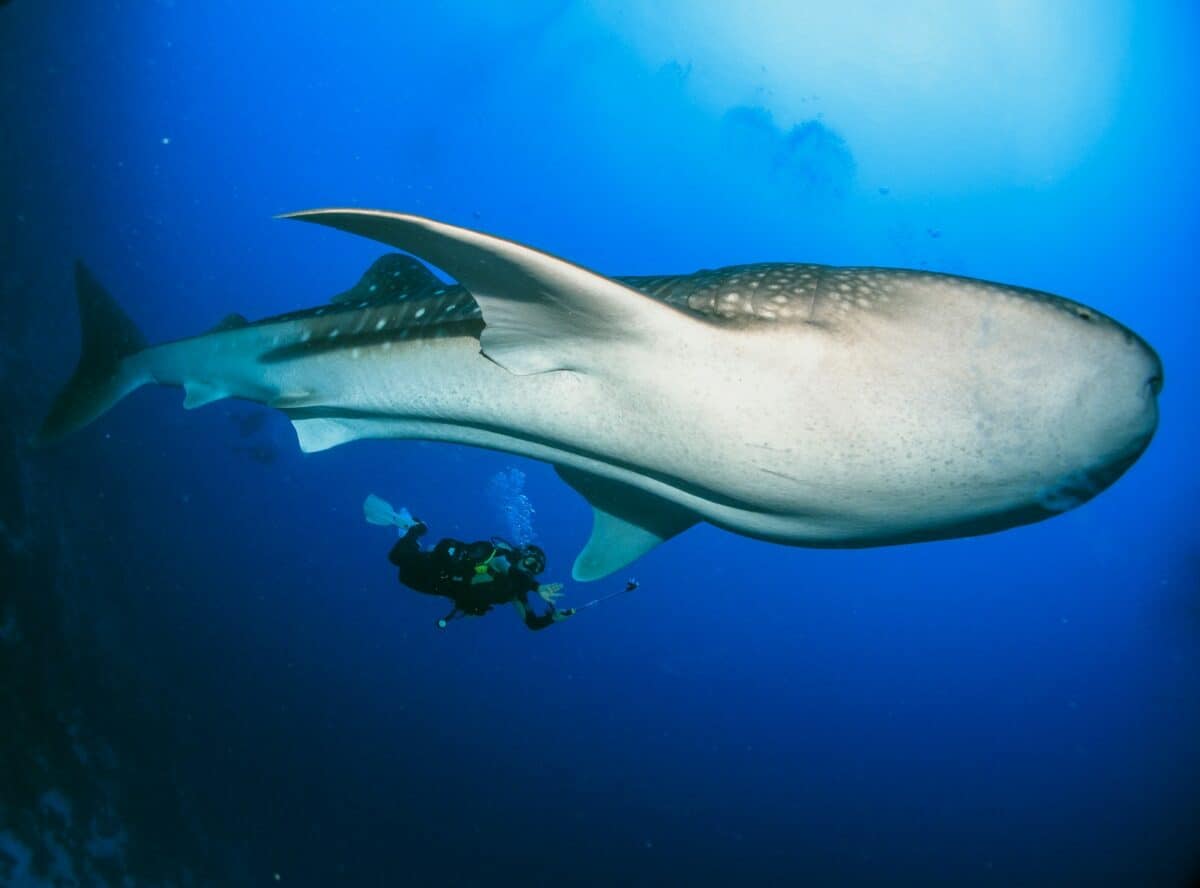
Despite their daunting size, whale sharks are known for their gentle nature. Unlike the fearsome reputation of their predatory shark cousins, whale sharks pose no threat to humans. They are filter feeders, a characteristic that sets them apart from most other sharks. These gentle creatures spend their lives traveling the world’s oceans, moving from one feeding ground to another in search of plankton and small marine organisms.
A Complex Feeding Mechanism

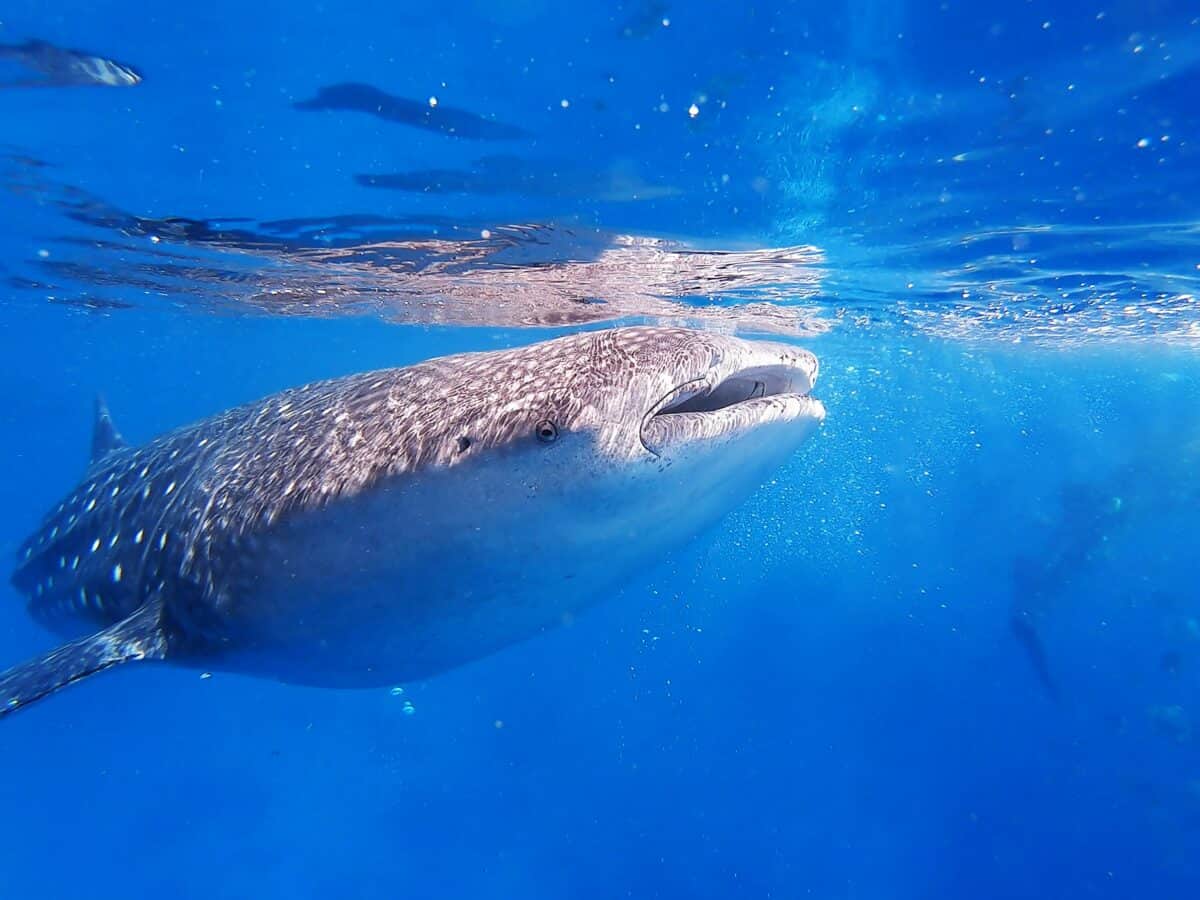
Whale sharks employ a fascinating method of feeding known as filter feeding. They swim with their mouths wide open, allowing water to enter and pass through their gill rakers, which trap the plankton and other tiny organisms for consumption. This method is highly efficient, enabling them to consume vast quantities of food despite their size. Their unique feeding habit makes them crucial players in maintaining the balance of marine ecosystems.
Habitat and Migration
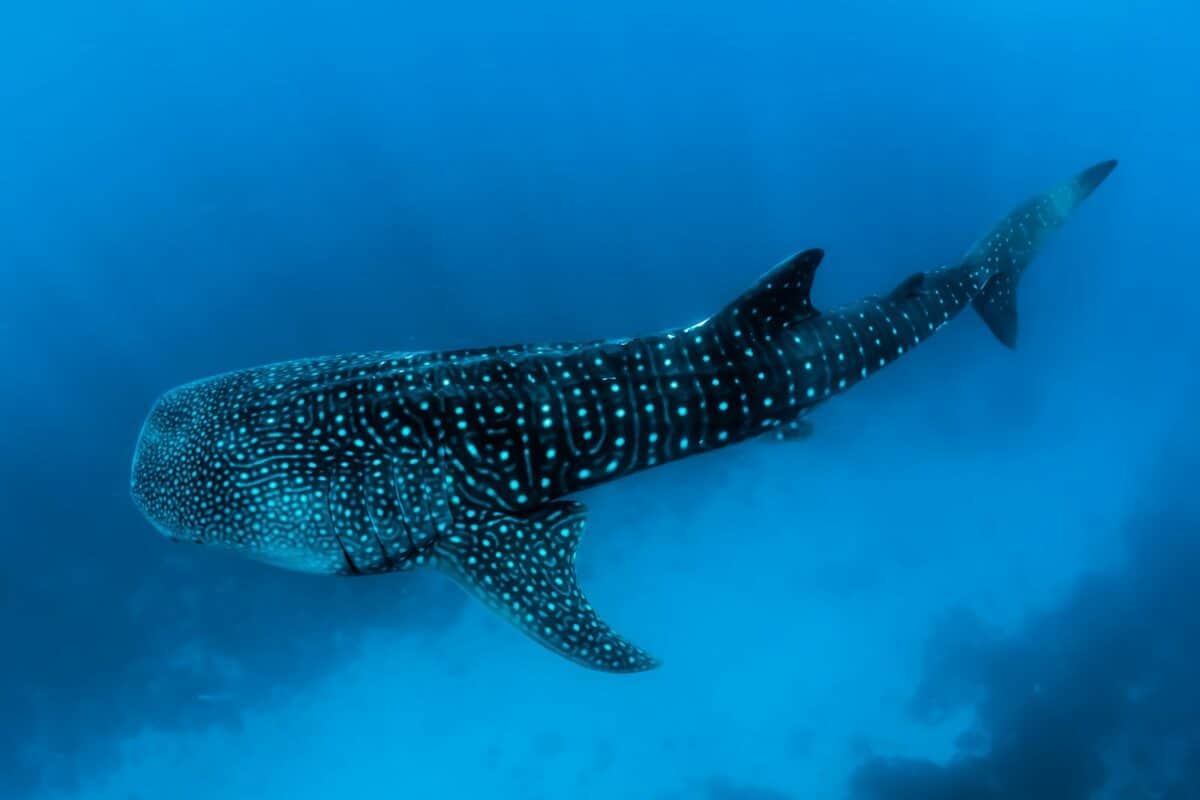
These ocean behemoths are found in the warm waters of the world’s tropical seas. Whale sharks are known for their extensive migratory patterns, often traveling thousands of miles in search of rich feeding grounds. They have a preference for warm, pelagic waters but are also known to congregate in coastal regions during certain times of the year.
The Mystery of Lifespan
Despite extensive research, much about the whale shark’s lifespan remains a mystery. Some studies suggest that they can live up to 70 years or more. Their long life expectancy, combined with significant and late sexual maturity, raises concerns about their vulnerability to environmental changes and human activities.
Distinctive Spot Patterns
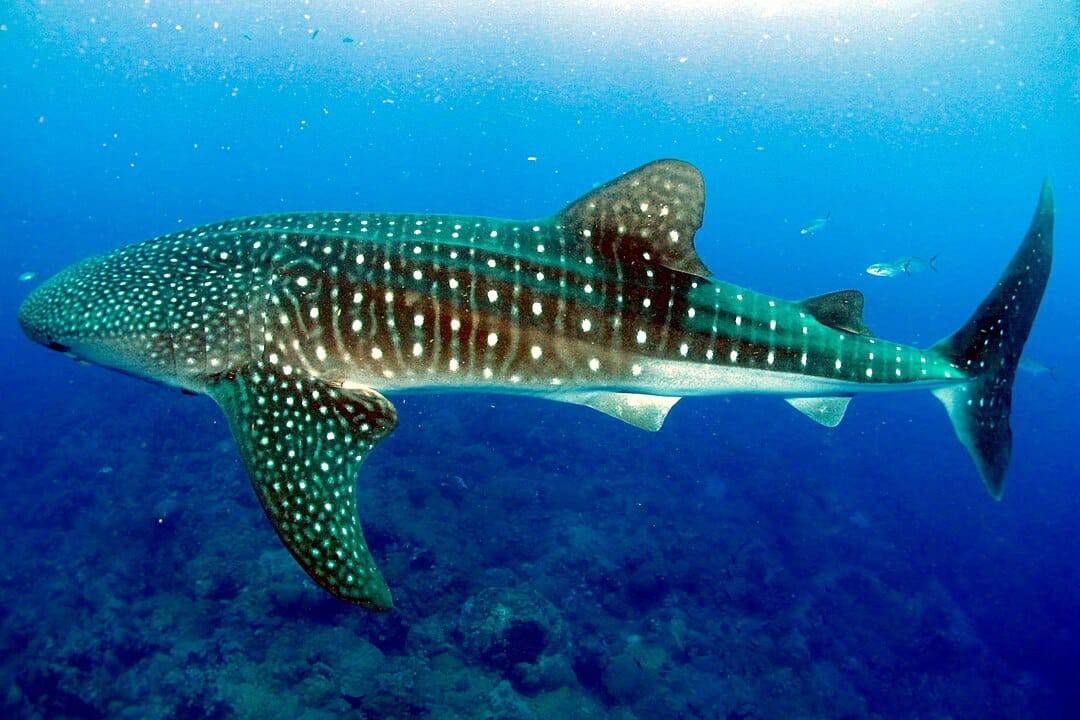
One of the most striking features of whale sharks is their unique spot pattern. Each whale shark has a distinct constellation of spots and stripes on its body, allowing scientists to identify and track individual sharks over time. These patterns are like fingerprints, making it possible to monitor populations and study their behaviors more effectively.
Conservation Challenges
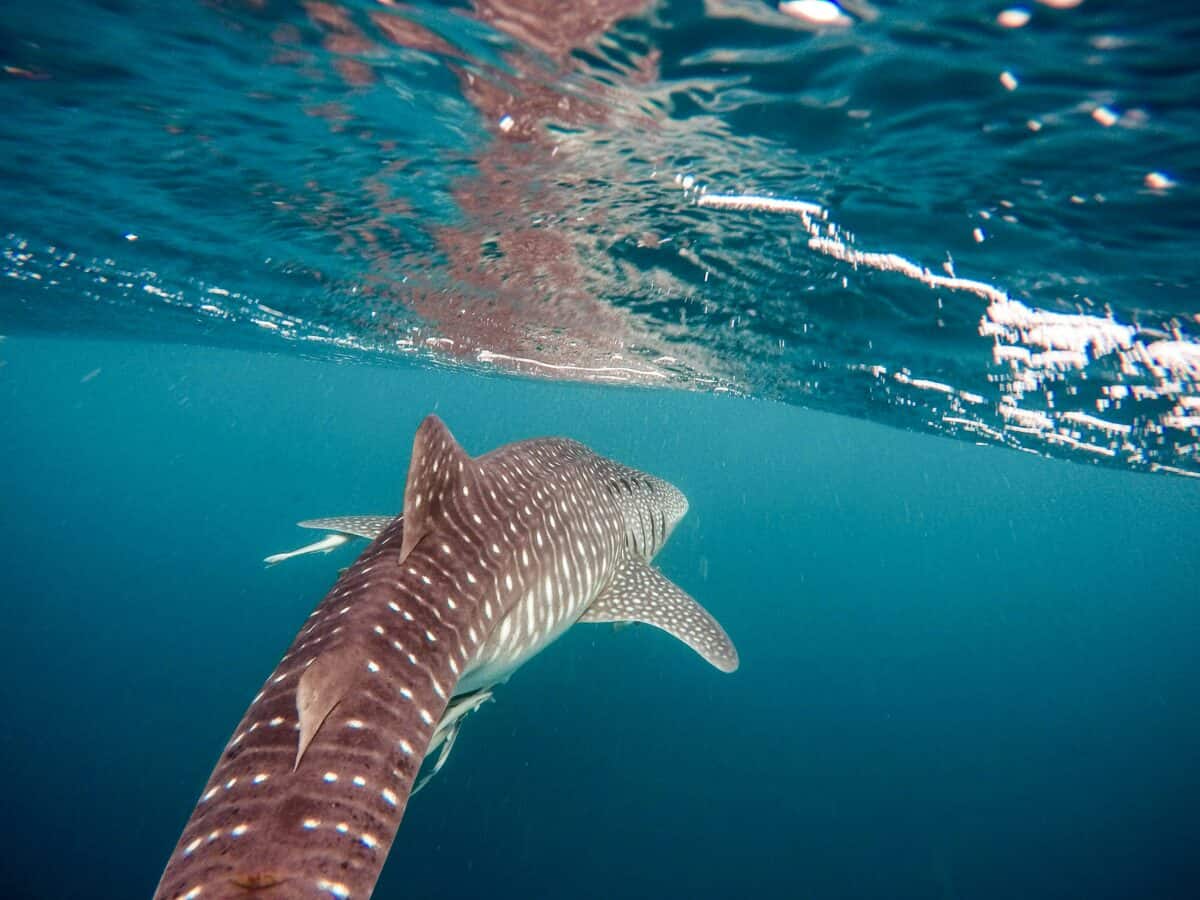
Despite their peaceful nature, whale sharks face numerous threats. Human activities such as commercial fishing, habitat destruction, and climate change pose significant risks to their populations. Moreover, because of their tendency to swim close to the surface, they are vulnerable to boat strikes, which can have fatal consequences.
Role in Ecosystems
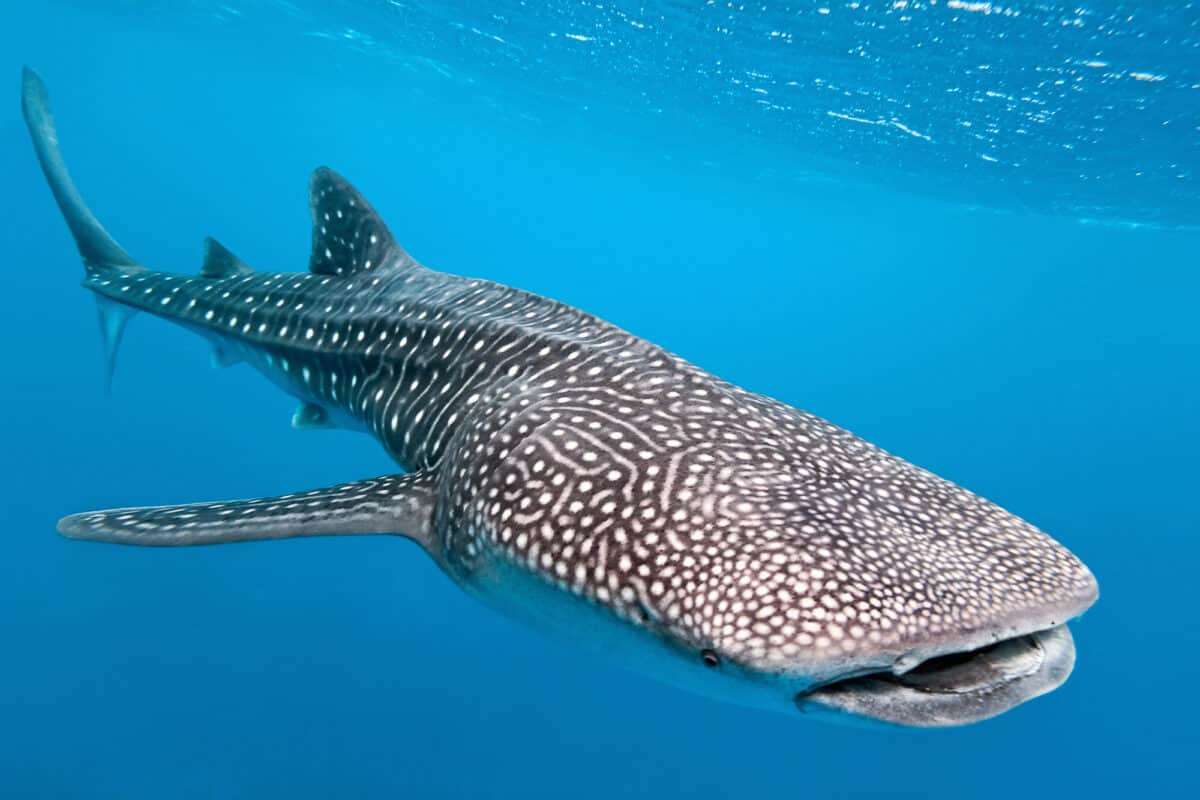
As filter feeders, whale sharks play a critical part in the ocean’s ecosystems. By consuming vast amounts of plankton, they help maintain the delicate balance of marine life. Understanding their ecological role is vital for the protection of ocean biodiversity and maintaining healthy marine ecosystems.
Research and Technology

Advancements in technology have made it easier for scientists to study these enigmatic creatures. Tagging and tracking technology have provided insights into their migratory behaviors, biology, and the challenges they face. Researchers continue to develop innovative methods to monitor these giants and ensure their conservation.
Community and Conservation Efforts
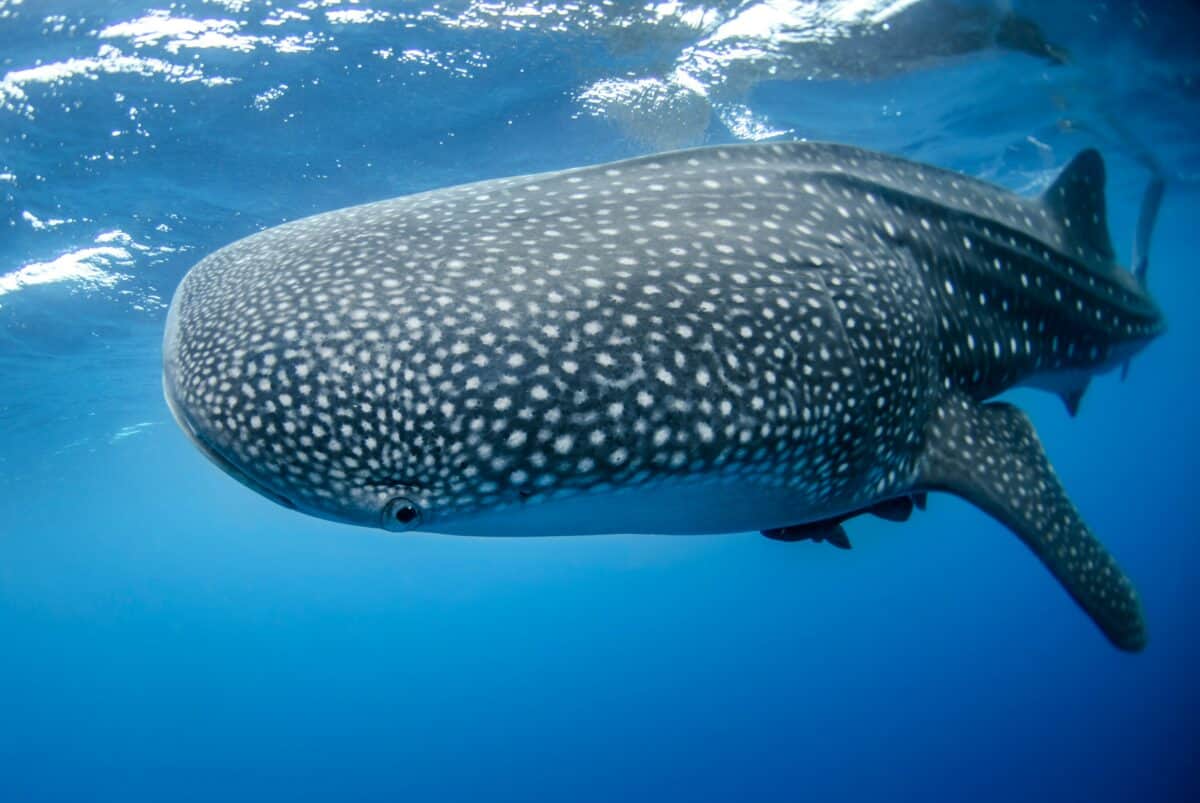
Various global initiatives focus on the conservation of the whale shark. These efforts include community-based programs that promote sustainable tourism and public awareness campaigns aimed at educating people about the importance of protecting these majestic creatures. Engaging local communities is essential to fostering a sense of stewardship towards marine life.
Ecotourism and Economic Benefits
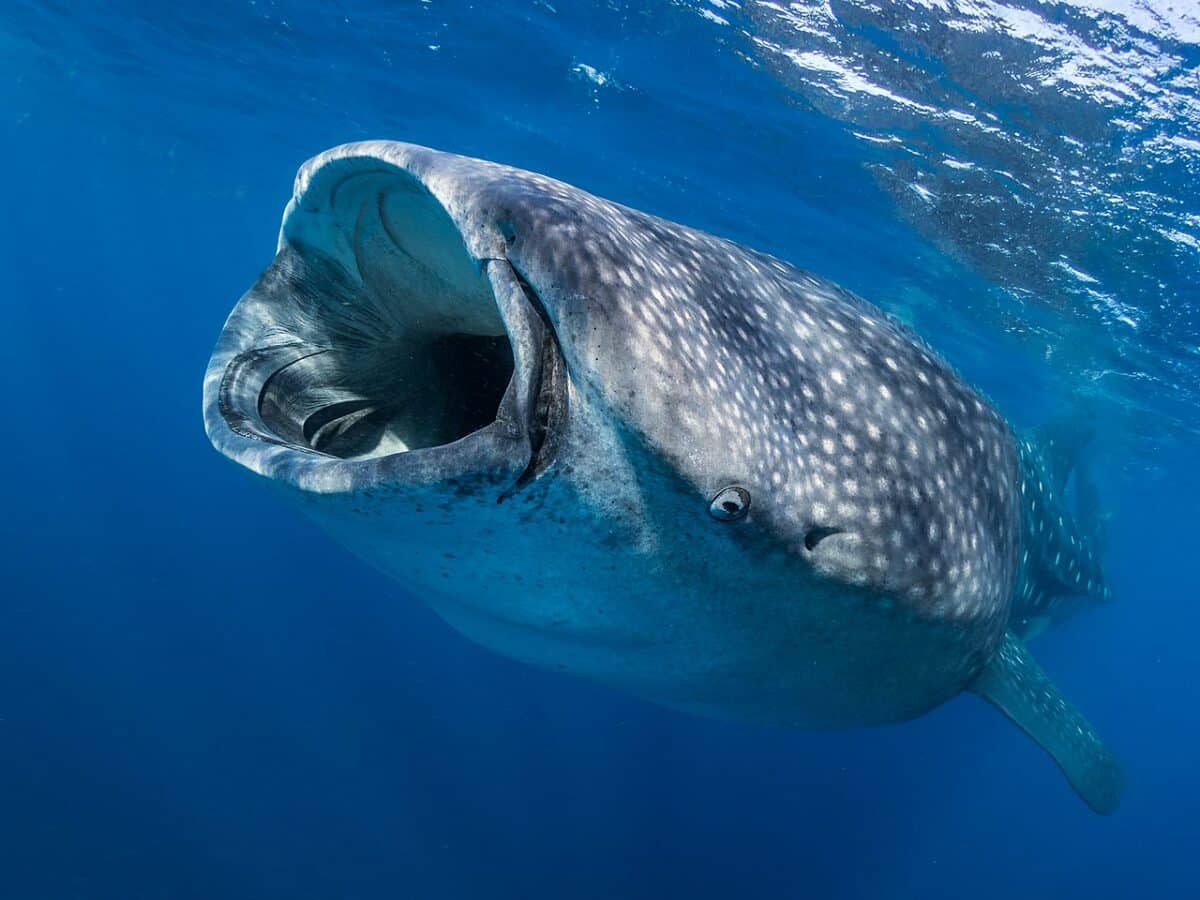
Whale sharks are a focal point for ecotourism in many regions of the world. Countries like Mexico, the Philippines, and Australia draw tourists from around the globe eager to experience a close encounter with these giants. Responsible ecotourism not only provides economic benefits to local communities but also serves as a powerful tool for conservation, highlighting the importance of preserving these natural wonders for future generations.
The Future of the Whale Shark

The future of the whale shark depends on our collective efforts to conserve and protect their environment. As global awareness grows, there’s hope that these magnificent creatures will continue to thrive in our oceans. It is crucial that we support conservation programs, promote sustainable practices, and educate others about the significance of protecting these giants of the deep.
The whale shark’s majestic presence in our oceans highlights the beauty and complexity of marine life. Although often mistaken for submarines due to their colossal size, their gentle nature and ecological importance are irreplaceable. By understanding and protecting these creatures, we ensure that future generations can marvel at their grandeur, preserving a vital part of our ocean’s heritage.

From exploring the marine wonders in the Azores and witnessing the vast savannas of Kenya, to delving deep into the rich biodiversity of South Africa and traversing iconic landscapes in Australia and the US like Yellowstone, Chris's experiences are vast.
With a penchant for diving alongside sharks, the ocean holds a special place in his heart.
Through his academic insights, he champions wildlife conservation, striving with 'Animals Around The Globe' to cultivate a profound connection between humans and animals, enhancing our mutual appreciation.
Connect with him at Feedback@animalsaroundtheglobe.com.
- The Lizard That Shoots Blood From Its Eyes - July 21, 2026
- What Happens If Fireflies Stop Glowing? - July 21, 2026
- Coyotes Are Thriving in Every U.S. State — Even New York City - July 21, 2026