

The moon, Earth’s celestial companion, has fascinated humanity since time immemorial. Beyond its silvery glow and poetic inspiration, the moon exerts a profound influence on our planet’s natural systems. Its gravitational pull shapes ocean tides, while its cyclical light patterns serve as a celestial timekeeper for countless species. From the depths of marine ecosystems to the heights of migratory bird pathways, the moon’s rhythmic presence orchestrates a symphony of biological responses that have evolved over millions of years. This intricate relationship between lunar cycles and wildlife behavior represents one of nature’s most fascinating examples of cosmic influence on earthly life.
The Gravitational Dance: Understanding Lunar Tides
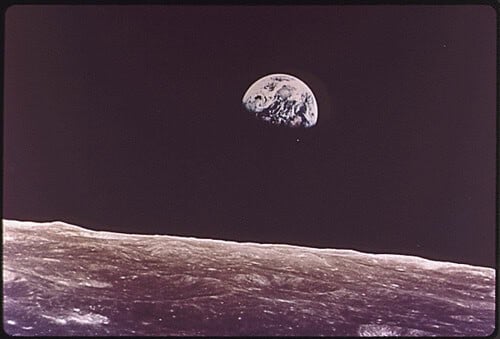
The most visible manifestation of the moon’s influence on Earth is the oceanic tides. These predictable rises and falls in sea level occur primarily due to the gravitational interaction between the Earth, moon, and sun. The moon’s gravitational pull creates a bulge in the ocean on the side facing the moon and another bulge on the opposite side of Earth. As our planet rotates, these bulges move across the oceans, creating the high and low tides we observe along coastlines.
When the sun, moon, and Earth align during new and full moons, their combined gravitational forces produce spring tides—the highest high tides and lowest low tides. Conversely, during quarter moons, when the sun and moon are at right angles to Earth, their gravitational forces partially cancel each other out, resulting in neap tides with less extreme variations. This predictable rhythm creates a pulsing marine environment that has profoundly shaped the evolution and behavior of coastal and marine wildlife.
Coastal Spawning: Marine Life Synchronized with Lunar Cycles
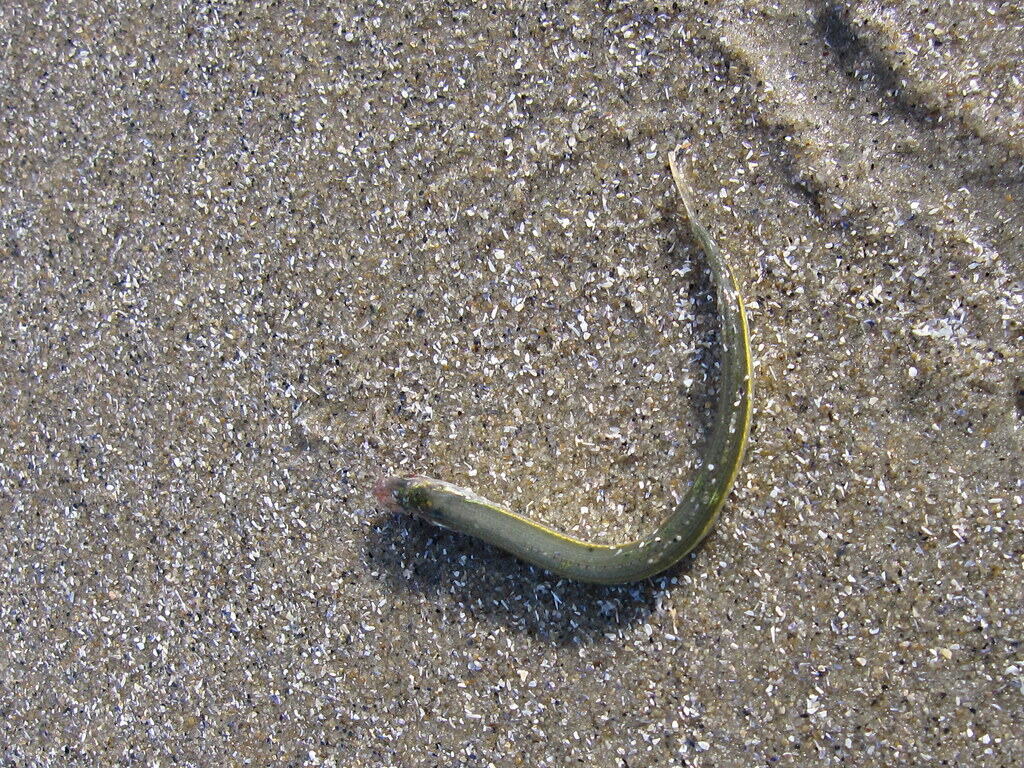
For many marine species, successful reproduction depends on precise timing with lunar cycles. The grunion, a small silverside fish found off the coast of California and Mexico, provides one of the most dramatic examples of lunar-synchronized spawning. During spring and summer months, on the nights of full and new moons, grunions ride high tides onto beaches, where females deposit eggs in the sand while males release sperm to fertilize them. The eggs develop safely buried in the sand until the next spring tide, approximately two weeks later, when the hatching eggs are washed back to sea by the next high tide.
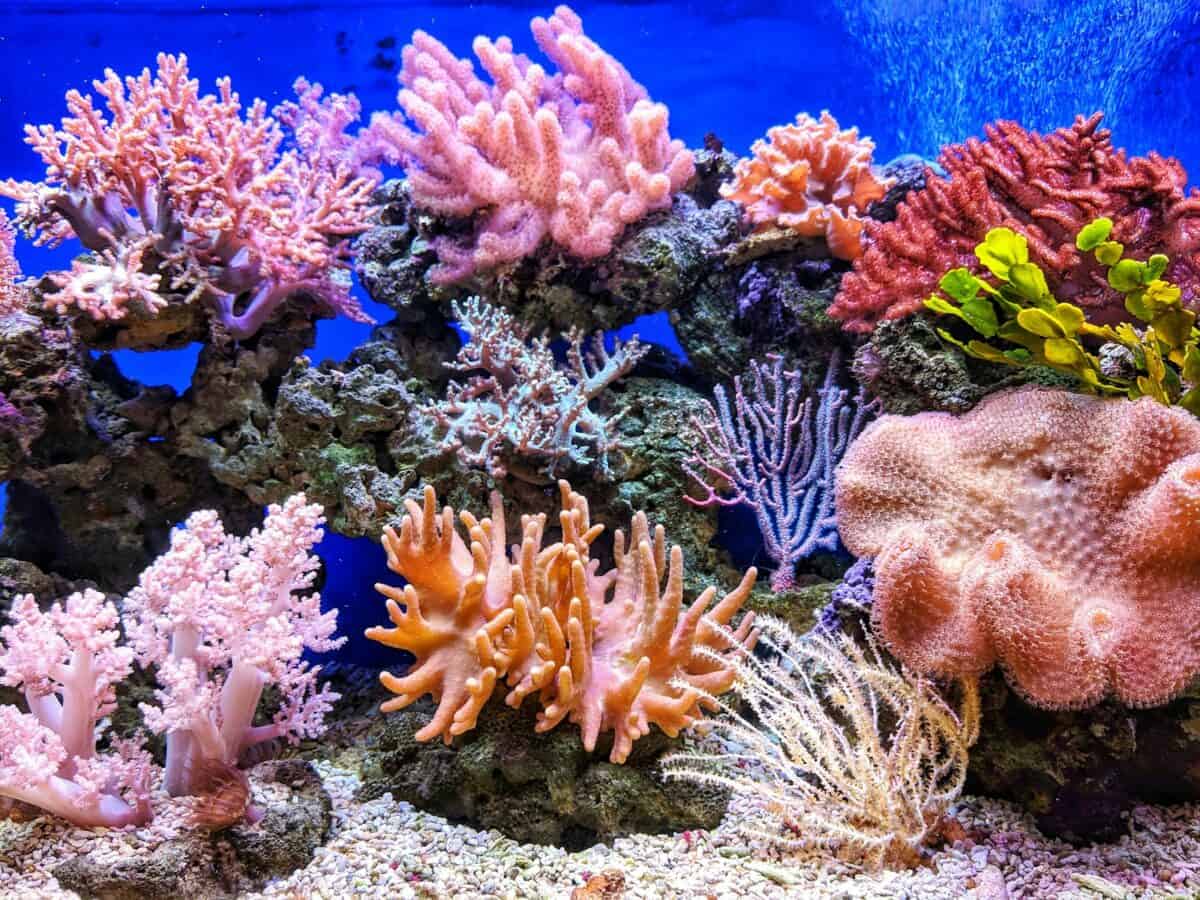
Coral species worldwide also exhibit spectacular mass spawning events timed to lunar cycles. The Great Barrier Reef experiences annual coral spawning a few nights after the full moon in late spring or early summer. Billions of coral polyps simultaneously release their gametes into the water in a synchronized reproductive event that looks like an underwater snowstorm. This timing ensures maximum fertilization success and genetic diversity for these reef-building organisms, demonstrating how lunar cycles serve as critical timing mechanisms for marine reproduction.
Tidal Zone Adaptations: Life in a Lunar-Driven Environment
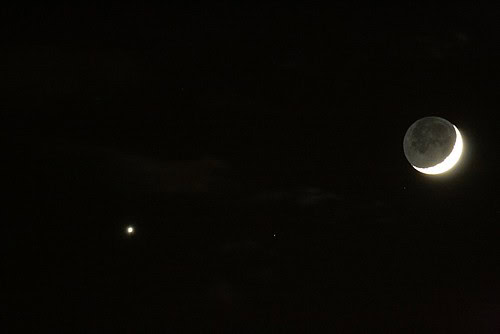
The intertidal zone—the area between high and low tide marks—is one of Earth’s most dynamic environments, experiencing dramatic changes in conditions with each tidal cycle. The organisms inhabiting this challenging ecosystem have evolved remarkable adaptations to sync their biology with the moon’s influence. Many intertidal creatures have internal biological clocks aligned with tidal rhythms, allowing them to anticipate and prepare for changing conditions even when removed from their natural environment and placed in laboratory settings with constant conditions.
Fiddler crabs exemplify this adaptation with their complex circatidal rhythms. These small crustaceans coordinate their feeding, burrowing, and courtship behaviors with the ebb and flow of tides. During low tide, they emerge to feed and engage in social activities, while high tide sends them retreating to the safety of their burrows. Barnacles, mussels, and other filter feeders time their feeding to coincide with high tides when food-rich waters cover them. The precision of these biological clocks, synchronized to lunar cycles, demonstrates the deep evolutionary integration between Earth’s wildlife and our nearest celestial neighbor.
Moonlight Navigation: Nocturnal Wildlife and Lunar Illumination

The moon’s illumination dramatically affects nocturnal wildlife behavior across terrestrial ecosystems. Many predator-prey dynamics shift with lunar cycles, creating what ecologists call “the landscape of fear.” During full moons, when nighttime illumination is at its maximum, nocturnal predators like owls and wolves often experience improved hunting success due to enhanced visibility. Conversely, prey species such as rodents typically reduce their activity during bright moonlit nights to minimize predation risk, often restricting their foraging to areas with dense cover.
For other species, moonlight serves as a crucial navigational tool. Dung beetles have been shown to use the polarization pattern of moonlight to maintain straight paths while rolling their dung balls. Nocturnal migratory birds use lunar landmarks for orientation during their long-distance journeys. The varying intensity of moonlight throughout the lunar cycle thus creates a dynamic nighttime environment that wildlife has adapted to over evolutionary time, with behavioral patterns closely tracking the moon’s phases.
Sea Turtle Hatchlings: Moonlight as a Survival Guide
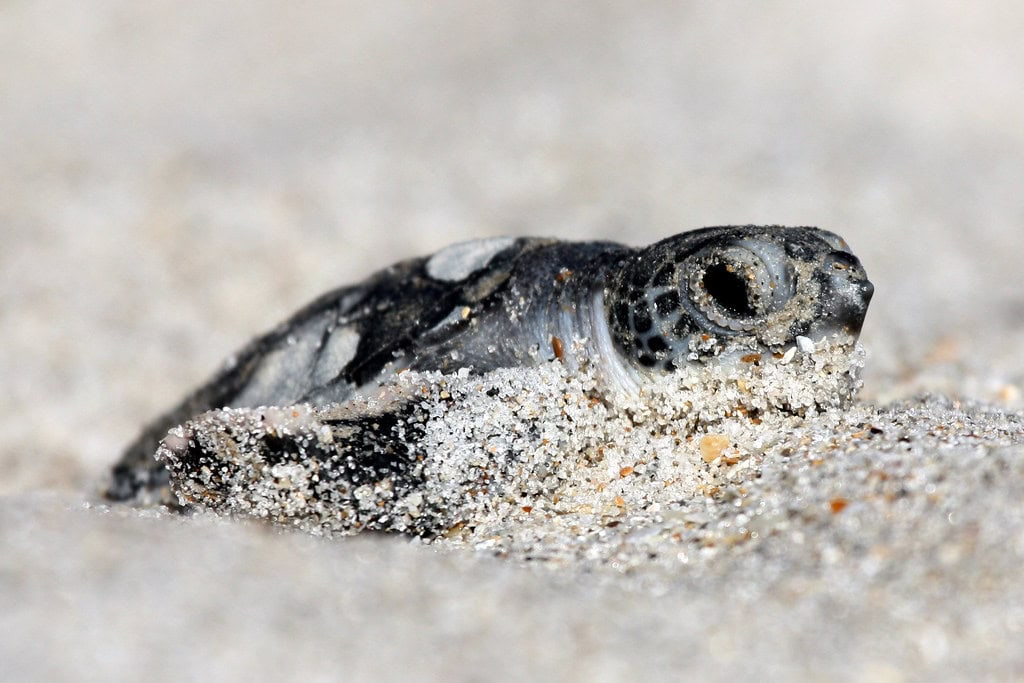
One of the most poignant examples of lunar influence on wildlife involves sea turtle hatchlings. After incubating in sandy nests for approximately two months, baby sea turtles typically emerge at night and instinctively head toward the brightest horizon—historically, the moonlight reflected on the ocean surface. This innate behavior evolved as a reliable navigation system, guiding hatchlings away from darker dunes and vegetation toward their marine home. The timing of nest emergence also appears connected to lunar cycles, with many mass hatchings occurring during or near new moons when predator visibility is reduced.
Tragically, this ancient lunar navigation system has been severely disrupted by coastal development and artificial lighting. Hatchlings often become disoriented by artificial lights, crawling toward roads, buildings, or other dangerous areas instead of the ocean. Conservation efforts now include “turtle-friendly” lighting ordinances in nesting areas and public education about turning off beachfront lights during hatching season. These measures aim to preserve the crucial relationship between sea turtle survival and natural lunar illumination that has persisted for millions of years.
Lunar Reproductive Timing in Mammals

The influence of lunar cycles extends to mammalian reproduction, though often in more subtle ways than seen in marine organisms. Studies have documented lunar synchronization in various mammal species, from primates to rodents. For instance, the Serengeti’s lion populations show higher rates of conception during the darkest nights around new moons, potentially an adaptation that provides maximum darkness for hunting and thus better maternal nutrition. Similarly, some bat species coordinate birthing with lunar phases, with evidence suggesting that predator avoidance drives this synchronization.
Even among non-human primates, research has identified lunar influences on reproductive biology. Studies of baboons have shown correlations between menstrual cycles and lunar phases, though the mechanism behind this synchronization remains debated. These patterns suggest that the moon’s influence on mammalian reproduction may operate through multiple pathways, including effects on light exposure, hormone regulation, and predator-prey dynamics. While less obvious than the dramatic spawning events of marine species, these mammalian lunar rhythms represent another dimension of the moon’s pervasive influence on Earth’s wildlife.
Lunar-Driven Mass Migrations

Some of the animal kingdom’s most spectacular mass movements occur in sync with lunar cycles. The Christmas Island red crab migration provides a stunning example of this phenomenon. Each year, an estimated 40-50 million adult red crabs march from the island’s forests to the ocean to breed, with their journey precisely timed to coincide with the last quarter of the lunar cycle during the wet season. This timing ensures that the female crabs can release their eggs during a nocturnal high tide of a waning moon, maximizing the survival chances of their offspring.
In marine environments, vertical migrations—the daily movement of organisms up and down the water column—are also influenced by lunar cycles. During full moons, many deep-sea organisms adjust their vertical migration patterns to avoid the increased light penetration in surface waters, which could expose them to predators. The Palolo worm of the South Pacific provides another dramatic example, with its famous mass spawning event occurring predictably during the last quarter moon of October or November. These synchronized movements, timed to lunar cycles, highlight how the moon serves as a global timekeeper for wildlife migrations across diverse ecosystems.
Bird Migration and the Lunar Connection
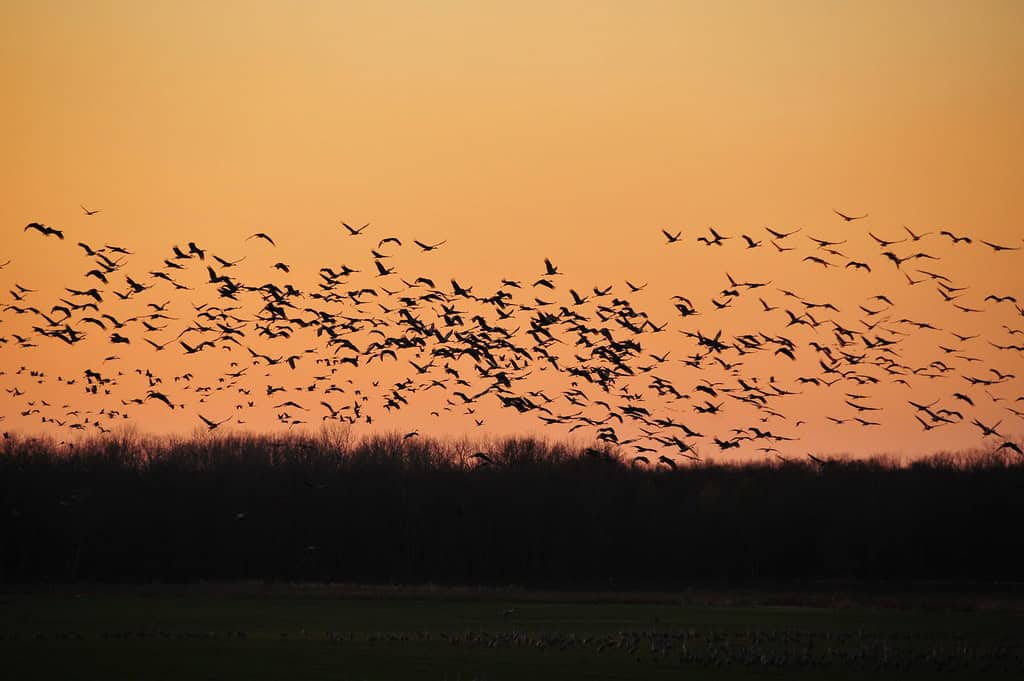
The relationship between bird migration and lunar cycles represents a fascinating area of ongoing research. Studies using radar technology have revealed that the intensity of nocturnal bird migration often correlates with lunar phases. Many species show increased migratory activity during particular moon phases, though the patterns vary by species and region. Some birds appear to take advantage of the navigational assistance provided by moonlight, while others may adjust their migration timing to minimize predation risk associated with different levels of nocturnal illumination.
Beyond timing, the moon also influences migratory navigation strategies. While stars provide critical navigational information for many migrating birds, the moon’s position can supplement these celestial cues, especially on partly cloudy nights when star visibility is limited. Research suggests that some birds use a combination of lunar position, polarized moonlight, and other environmental cues to maintain their course during long-distance migrations. This complex relationship between avian migration and lunar cycles demonstrates the moon’s multifaceted role in wildlife movement patterns across hemispheric scales.
The Moon and Insect Behavior
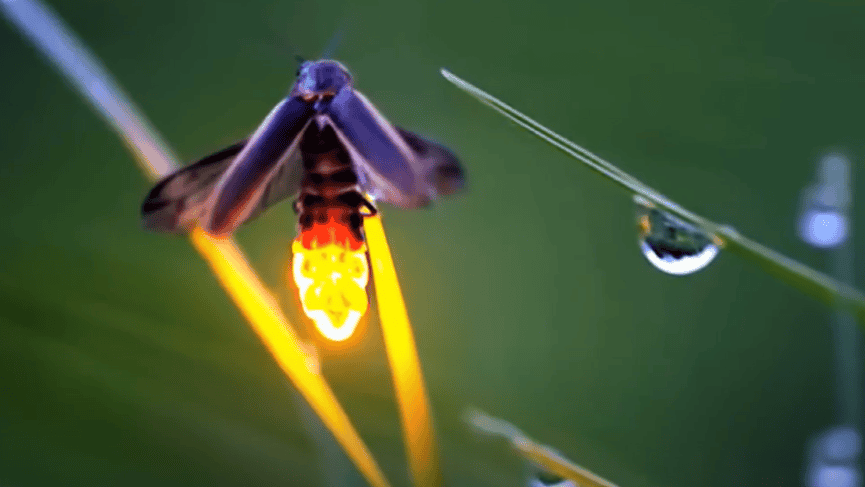
Insects display some of the most pronounced behavioral responses to lunar cycles of any terrestrial animals. Many species time their reproductive activities to specific moon phases, creating spectacular synchronized emergences. Mayflies in particular are known for their mass emergences, with some species coordinating their brief adult lives with specific lunar phases to maximize mating success. Similarly, certain firefly species synchronize their flashing patterns according to lunar cycles, creating mesmerizing light displays that peak during particular moon phases.
Lunar cycles also influence insect feeding patterns, particularly for nocturnal species. Moths and other night-flying insects often adjust their activity levels based on moonlight intensity, with many species showing reduced activity during the brightest nights of the full moon—likely an evolutionary adaptation to avoid increased predation risk. Agricultural researchers have observed that pest outbreaks sometimes correlate with lunar phases, prompting some farmers to time their pest management strategies according to the lunar calendar. These diverse responses highlight the pervasive influence of lunar cycles on the world’s most abundant animal group.
Human Disruption of Lunar-Wildlife Relationships
As human civilization has expanded across the globe, our activities have increasingly disrupted the ancient relationships between wildlife and lunar cycles. Light pollution represents one of the most significant disruptions, with artificial nighttime illumination obscuring natural moonlight signals that wildlife has evolved to depend upon. Coastal development with bright beachfront lighting disorients sea turtle hatchlings, while urban skyglow affects nocturnal migration patterns of birds and insects. Even in marine environments, artificial light from fishing vessels and offshore platforms can alter predator-prey dynamics that evolved under natural lunar illumination patterns.
Climate change poses another threat to lunar-synchronized wildlife behaviors. As ocean temperatures rise and weather patterns shift, the environmental cues that work in concert with lunar cycles may become misaligned. For example, coral spawning success depends not only on lunar timing but also on water temperature ranges that climate change is altering. Similarly, tidal patterns are changing with sea level rise, potentially disrupting the precise timing that intertidal species rely upon. Conservation efforts increasingly recognize the importance of preserving not just habitats but also the natural light cycles and environmental conditions that support wildlife’s lunar-synchronized behaviors.
The Future of Lunar-Wildlife Research

Emerging technologies are revolutionizing our understanding of the moon’s influence on wildlife. Satellite tracking devices, environmental DNA sampling, automated camera systems, and other monitoring tools now allow researchers to observe wildlife behavior across unprecedented spatial and temporal scales. These technologies are revealing previously undetected patterns of lunar synchronization across species and ecosystems. For example, recent studies using acoustic monitoring have identified lunar influences on the calling patterns of numerous frog and toad species, while satellite tracking has revealed how large marine predators adjust their hunting strategies across lunar cycles.
This research carries important implications for conservation planning and wildlife management. Understanding how species rely on lunar cycles helps identify vulnerable periods in their life cycles and informs protective measures like seasonal fishing restrictions or temporary beach closures. It also highlights the importance of preserving natural light cycles as an often-overlooked component of habitat conservation. As human activities continue to expand globally, incorporating knowledge about lunar-wildlife relationships into environmental planning will be crucial for effective conservation strategies that protect not just where animals live, but also the celestial rhythms that guide their lives.
Conclusion: The Enduring Cosmic Connection

The moon’s influence on Earth’s wildlife represents one of nature’s most profound cosmic connections, linking celestial mechanics to biological processes across ecosystems worldwide. From the tidal zones shaped by lunar gravity to the reproductive cycles timed to moonlight phases, this relationship has evolved over millions of years into a complex web of adaptations that continues to fascinate scientists and nature enthusiasts alike. As we deepen our understanding of these connections, we gain not only scientific knowledge but also a greater appreciation for the intricate ways that life on Earth is embedded in larger astronomical patterns.
The vulnerability of these lunar-wildlife relationships to human disruption underscores our responsibility as stewards of the natural world. By recognizing and protecting the moon’s role in wildlife cycles, we preserve not just individual species but entire ecological processes that depend on these ancient cosmic rhythms. In an age of unprecedented environmental change, maintaining these connections between the heavens and Earth may prove essential to the resilience and survival of countless species, including our own. The story of the moon and wildlife reminds us that even in our technologically advanced civilization, we remain part of a planetary system synchronized to the dance of celestial bodies.

- The Story of the Arctic Fox’s Incredible Seasonal Transformation - July 18, 2026
- 10 Most Venomous Snakes in US National Parks - July 18, 2026
- The Moth That Drinks Blood - July 18, 2026