
Worried about unexpected vet bills?
Pet insurance can cover thousands in unexpected vet costs. Get a free quote from Lemonade in under 2 minutes.
Get My Free Quote →Sponsored · Opens Lemonade.com
Picture this: two massive predators standing face to face in a hypothetical showdown. The air is thick with tension. One is a solitary hunter from the misty jungles of Asia, the other a social warrior from the open grasslands of Africa. It’s a question that has fascinated humanity for centuries and fueled countless debates around campfires, in Roman arenas, and now across internet forums. Tigers and s both command respect as apex predators, yet they’re fundamentally different animals shaped by vastly different worlds.
These apex predators, Panthera tigris (tiger) and Panthera leo (), often spark debates about their strength, speed and dominance. Each has evolved unique characteristics that make direct comparisons endlessly intriguing. Let’s be real, these creatures rarely cross paths in the wild anymore, so any talk of a direct confrontation is largely theoretical. Yet exploring what sets them apart reveals fascinating truths about survival, adaptation, and power in the natural world.
Size and Physical Build
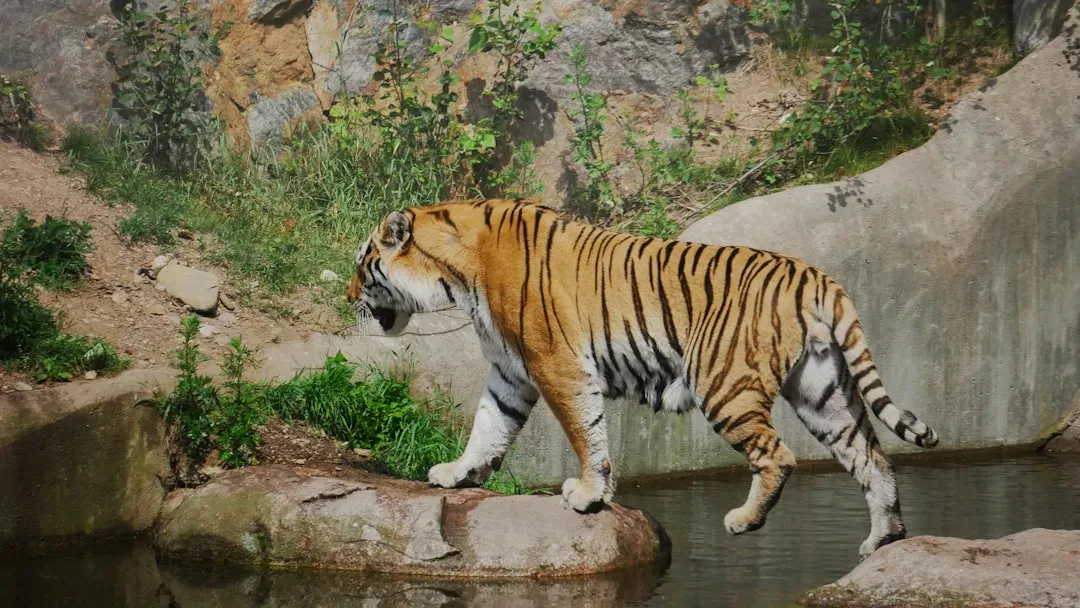
When it comes to sheer size, tigers generally take the crown. The average male tiger, weighing between roughly 220 to nearly 660 pounds and stretching up to 10 feet long, is larger than most s, while male s max out at just under 500 pounds. Siberian tigers especially can tip the scales at truly massive weights. Siberian tigers, the biggest cats in the world, are more robust and have coats that grow paler in winter to blend with snowy landscapes.
Bengal tigers are no lightweights either. A male Bengal tiger in India weighs between 220–270 kg, while the Siberian (Amur) tiger, native to Russia’s taiga, can reach a massive 300 kg or more. These cats possess heavily muscled shoulders and powerful forelimbs designed for dragging down large prey. s, on the other hand, have a more compact frame. The African , in contrast, averages 180–250 kg, with a more compact frame built for speed and bursts of energy.
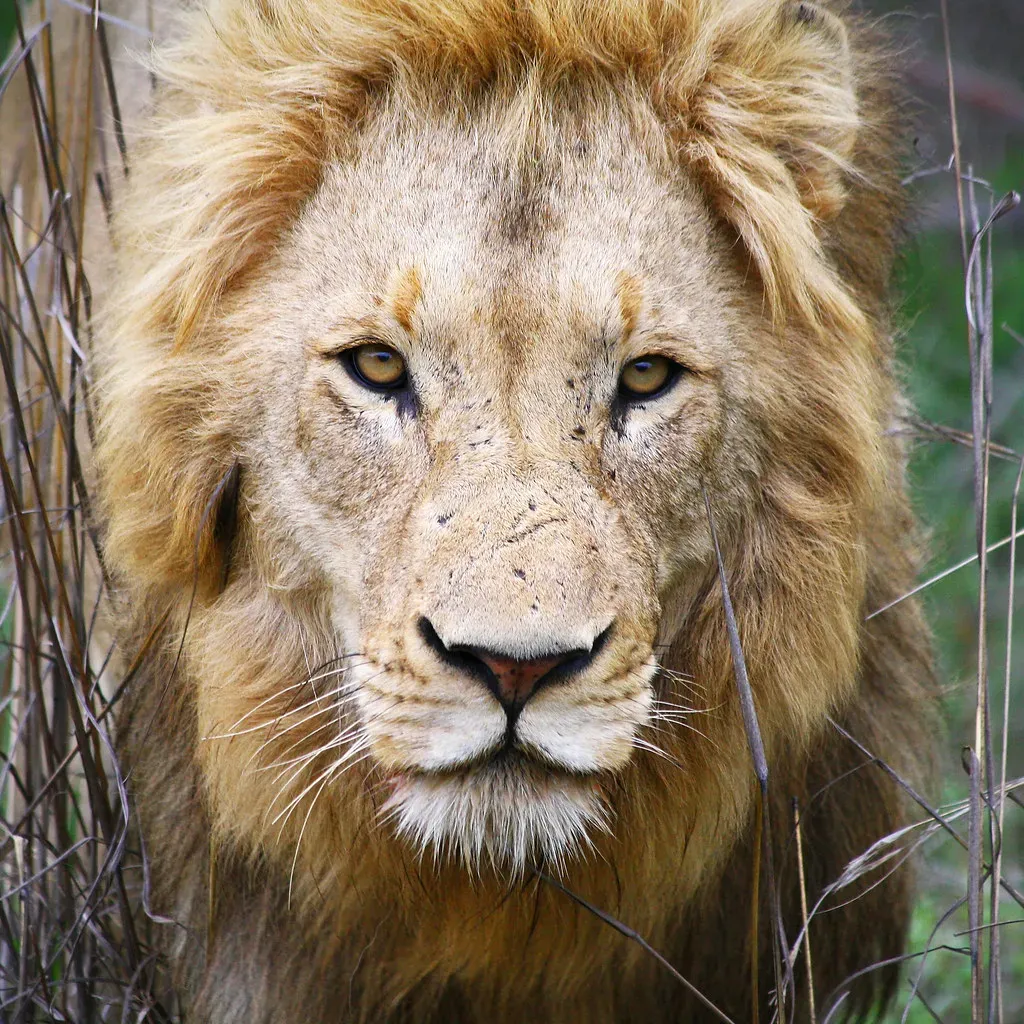
The male ‘s mane is iconic, serving both as protection during fights and as a signal of maturity and strength. Its majestic thick mane, which is almost absent from tigers, not only enhances its appearance but also protects the neck during fights. Tigers lack this feature but compensate with longer bodies and greater overall muscle mass. Body structure matters in combat: tigers have more flexible spines and can rear up on their hind legs more easily.
Honestly, if we’re talking about raw physical power, the tiger’s greater weight and muscle density give it an edge in isolated confrontations. Still, s aren’t pushovers – they’ve evolved to be battle-tested warriors in their own right.
Habitat and Territory
s rule the open savannah, where visibility stretches for miles and cooperation is key to survival. s primarily inhabit grasslands in Africa with the exception of the Asiatic , which survives in the Gir Forest of India. These wide-open spaces suit their hunting style, which relies on teamwork and coordinated attacks across flat terrain. The landscape shapes the ‘s entire way of life, from their social structure to their hunting methods.
Tigers, however, are masters of the jungle and forest. Tigers, on the other hand, are native to Asia, with habitats ranging from the tropical forests of India to the icy taiga of Siberia. Dense vegetation provides perfect cover for their ambush tactics. They need secrecy, shadows, and surprise to take down prey alone.
Territory size differs dramatically between the two. Tigers are solitary monarchs, patrolling vast territories that can span 60–100 square kilometers. They mark boundaries with scent and fiercely defend their space from intruders. s, living in groups, share territory collectively and patrol as a pride. Their social nature means they don’t need quite as much individual space, but they’ll still fight tooth and claw to protect their pride’s domain from rival coalitions.
The environments these cats inhabit have fundamentally molded who they are. A tiger wouldn’t thrive in open grasslands where stealth is impossible, just as a lone would struggle in thick jungle where coordinated hunting falls apart.
Social Behavior and Lifestyle
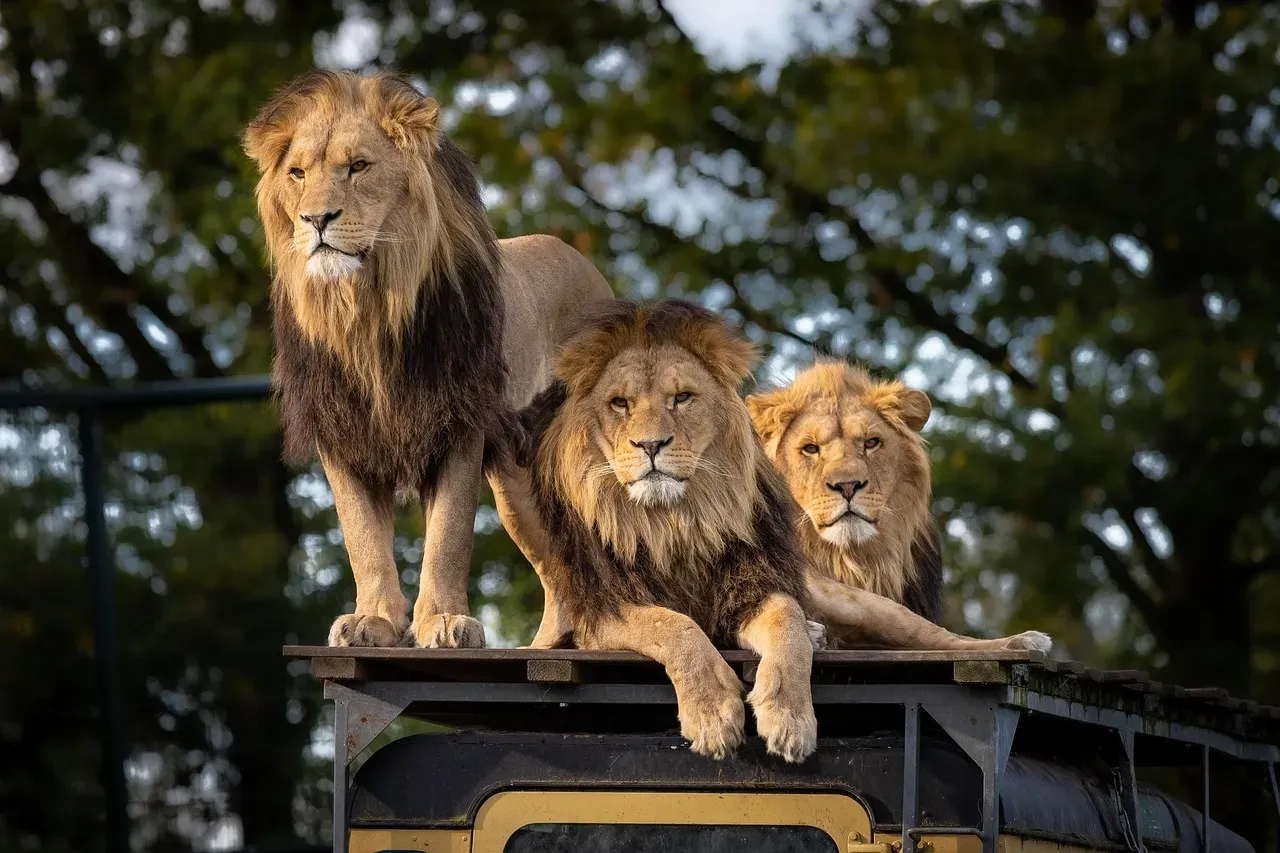
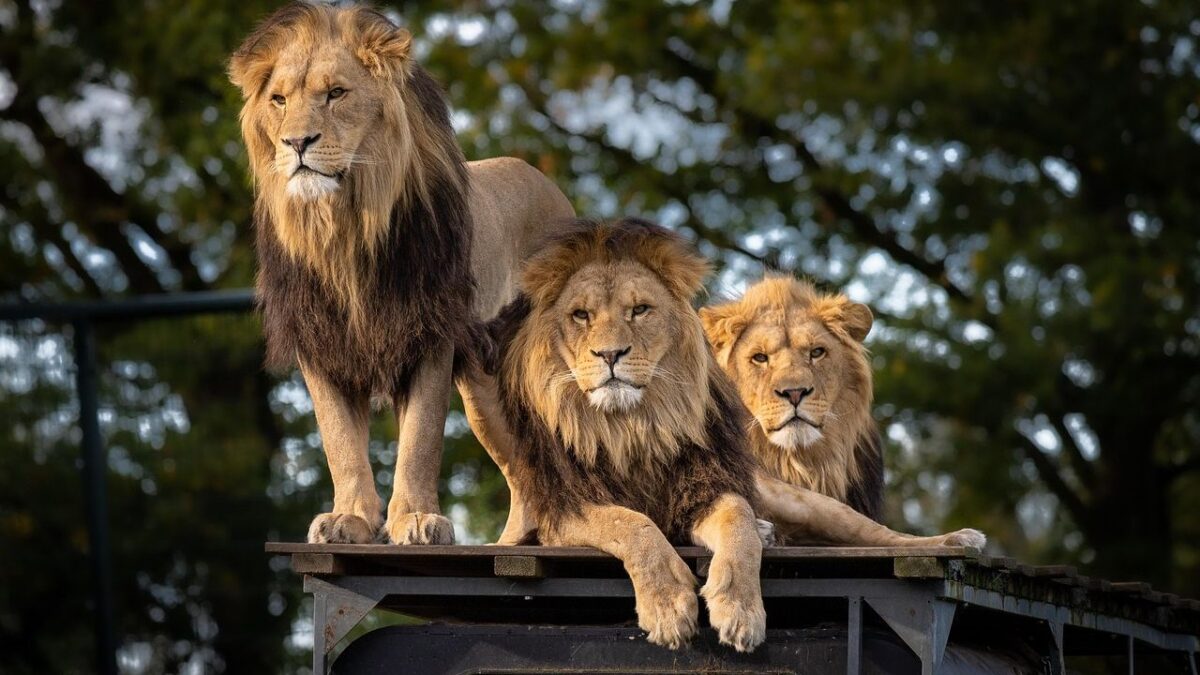
Here’s where things get really interesting. s are the only truly social big cats, living in prides that typically include multiple esses, their cubs and one or more dominant males, whereas tigers, in contrast, are solitary creatures who prefer to live and hunt alone except during mating or when a mother is raising her cubs. This difference is enormous when considering how each species operates day to day.
prides function like organized teams, with clear roles and responsibilities. Females do most of the hunting while males protect territory and offspring. This group dynamic allows s to coordinate hunts and defend their territory effectively. Cubs are raised communally, with multiple females nursing and protecting young that aren’t necessarily their own. It’s cooperation at its finest.
Tigers are loners by nature. This solitary nature requires tigers to be stealthier and more self-reliant than their counterparts. Every hunt, every territorial dispute, every survival challenge must be faced alone. There’s no backup, no pride to fall back on. This lifestyle demands different skills – patience, precision, and total self-sufficiency.
Social structure affects temperament too. s grow accustomed to constant interaction with pride members, learning to read social cues and navigate hierarchies. Tigers develop keen independence and wariness. Neither approach is better, just different strategies for different worlds.
What would happen if you threw a lone tiger into a situation with multiple s? The dynamics shift dramatically. A single tiger might dominate one , but a coordinated pride presents a completely different challenge.
Hunting Strategies and Prey
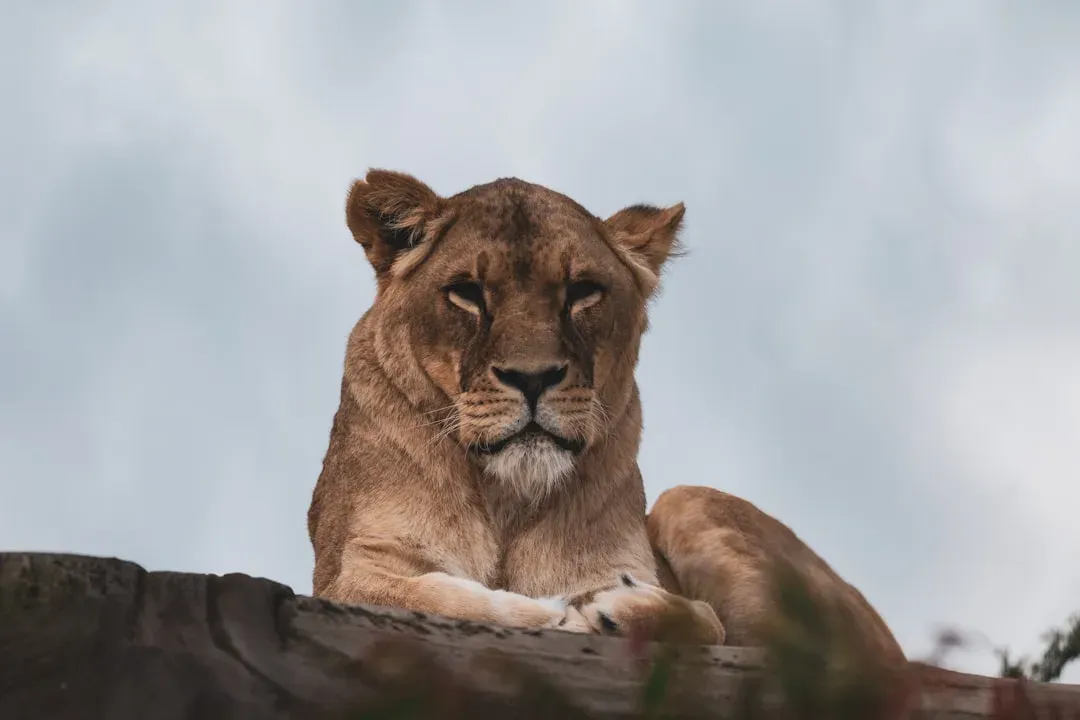
The way these predators hunt reveals much about their capabilities. In the pride, the female esses are the primary hunters, relying on teamwork and collaborating to hunt large prey such as zebras, wildebeest and gazelles. They spread out, surround their target, and close in from multiple angles. It’s strategic, coordinated, and devastatingly effective when executed properly.
Tigers employ entirely different tactics. Tigers, being solitary hunters, depend on their sheer strength and stealth, using their powerful hind legs to launch ambush attacks on prey such as deer, wild boar and even massive animals like gaur. They stalk patiently, sometimes for hours, waiting for the perfect moment to explode into action.
Success rates differ too. Tigers are known to be successful hunters, with a success rate of 50-60%. That’s impressive for a lone predator taking on large, dangerous prey without assistance. s hunting in groups can bring down bigger targets but individual hunts are often less successful than their feline cousins.
Diet varies by habitat. Both species are apex predators capable of taking down enormous prey. Tigers hunt gaur, which is the largest type of cattle in the world. They’ve even been known to tackle bears in Siberia. s focus on African megafauna – buffalo, zebra, and antelope primarily, though male s will occasionally hunt elephants or hippos when desperate.
The methods match the lifestyle: teamwork for social s, solo precision for independent tigers. Both are lethal in their own domains.
Fighting Style and Combat Ability
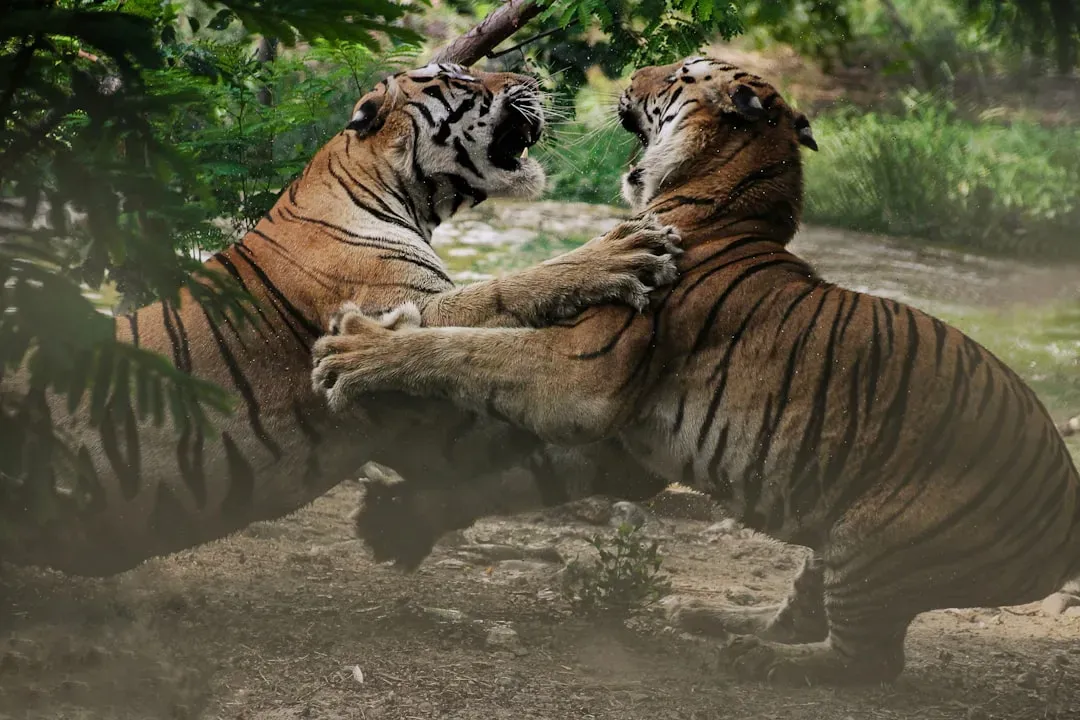
If these two titans actually fought, how would it unfold? Historical accounts from ancient Rome and colonial India provide clues. Historical records suggest that the tiger often prevailed due to its agility, solitary fighting style, and heavier build. Those barbaric spectacles, cruel as they were, showed tigers winning more often than not in one-on-one scenarios.
Fighting technique matters enormously. s tend to stand on three legs, and use one paw to fight, whereas tigers normally balance on their hind legs and use both front paws to fight, giving them a huge advantage. That’s a massive tactical edge – double the striking power and reach. Tigers also fight more strategically. Tigers use trickery, keep their heads back, and use well thought-out moves when fighting, while s are known for blindly charging.
Physical attributes play into combat effectiveness. Tigers have more muscle mass, making them stronger and more powerful, and can reach speeds of 60 mph compared to s’ top speed of 50 mph. Greater agility, faster reflexes, and superior muscle-to-bone ratios all favor the tiger in isolated combat.
However, s possess advantages too. Their mane provides genuine neck protection. They’re battle-hardened from constant territorial fights with rival males. s are battle-hardened by constant challenges from rival males and may be more resilient in territorial fights. Experience matters, and male s fight far more frequently than solitary tigers do.
Real documented encounters in captivity support the tiger’s edge. One famous incident at the Ankara Zoo in 2010 saw a tiger enter a ‘s exhibit, with a single swipe from the tiger severing the ‘s jugular, and another conflict at New York City’s Bronx Zoo in 1914 lasted much longer but had a similar result with the tiger eventually breaking the back of the . Nature wrote the script: tigers are simply better equipped for solo combat.
Strength, Speed, and Power
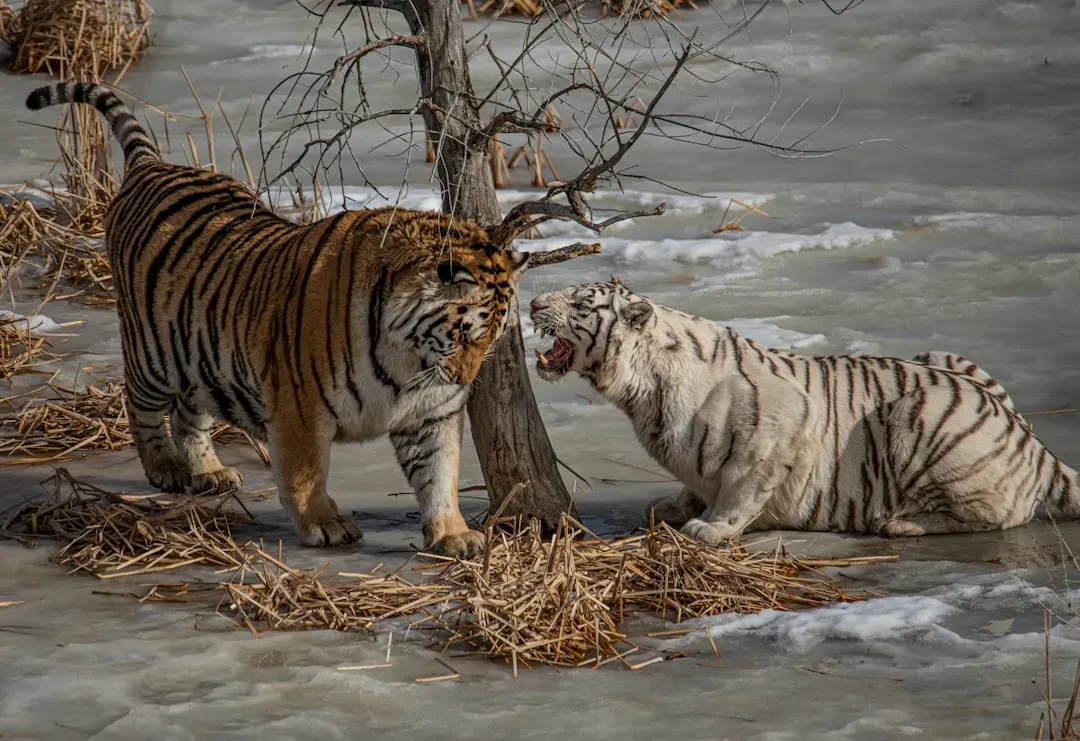
Let’s talk pure athleticism. Both species are phenomenally powerful, but measurements reveal interesting distinctions. Tigers’ longer limbs and higher muscle-to-bone ratios mean they can generate greater kinetic force in isolated confrontations. That translates to harder hits and more devastating attacks. Bite force comparisons are close, though some studies suggest s have slightly stronger jaw pressure while tigers have better overall body strength.
Speed gives tigers another edge. s are known to run at speeds of up to 50 mph, while tigers can reach speeds of 60 mph. That extra ten miles per hour matters when chasing prey or evading danger. Tigers are also superior swimmers and climbers, showing greater all-around athleticism.
Endurance is where things even out. s work as a team to reduce individual energy expenditure during hunts and rely on the cooperative strength of the pride to secure large prey. They can pursue targets for longer distances because they rotate who’s doing the chasing. Tigers must conserve energy carefully since every hunt demands maximum effort from a single animal.
Brain size is another factor. Tigers possess approximately twenty-five percent larger brains than s, potentially contributing to better problem-solving and hunting strategy. They need that extra cognitive power to survive alone, analyzing terrain, stalking routes, and prey behavior without any help.
It’s hard to say one is definitively stronger, yet the evidence tilts toward tigers when considering muscle mass, speed, agility, and tactical fighting ability. s counter with teamwork, experience, and the protection that comes from living in a group. Context determines the winner – one-on-one favors the tiger, but against a pride, even the mightiest tiger would struggle.
Conclusion
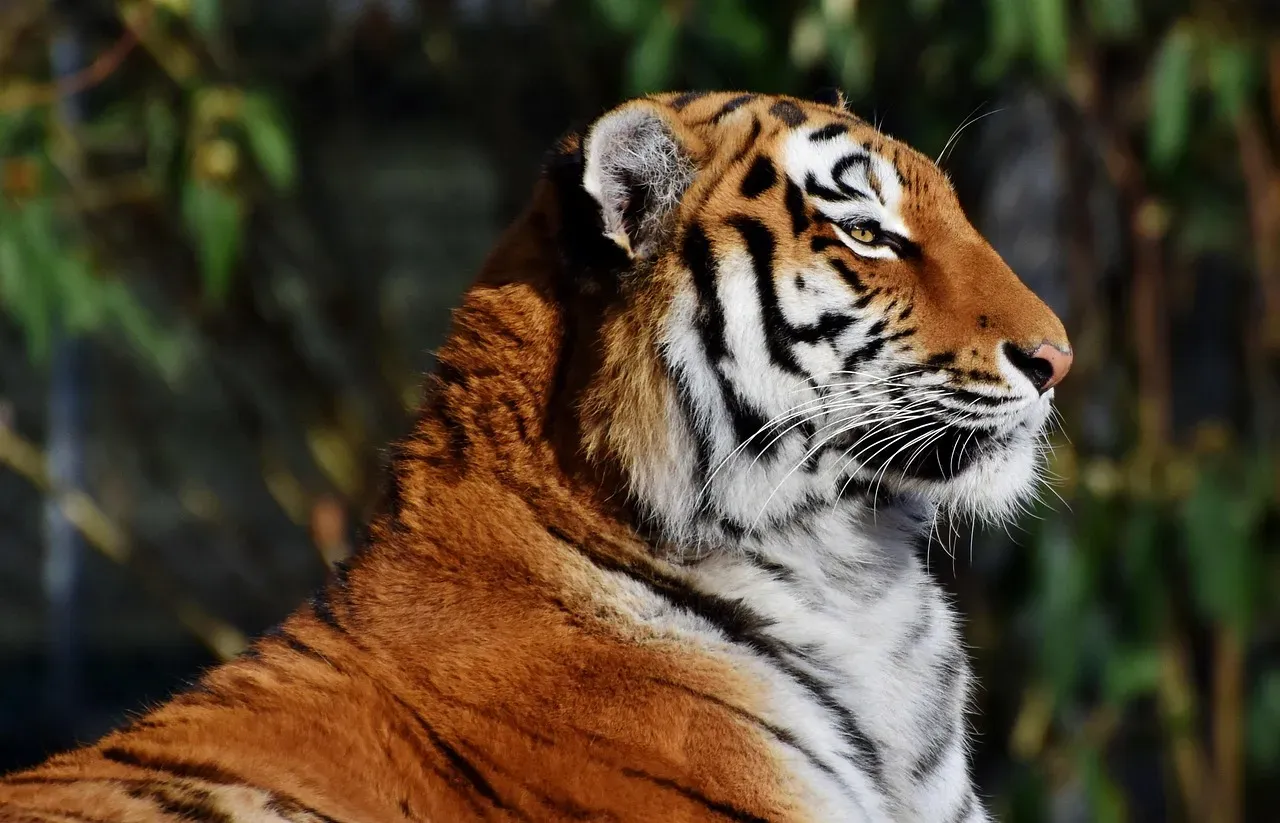
So who wins this ultimate battle of apex predators? The answer is: it depends. In one-on-one confrontations, tigers often have an advantage due to their size, strength, and solitary fighting style. Yet the scenario changes dramatically with numbers involved. In group dynamics, a pride of s, with coordinated tactics and numbers, can overcome the solitary tiger.
Both animals are perfectly adapted to their environments and lifestyles. Tigers are the ultimate solo warriors, relying on stealth, power, and precision. s are social strategists, leveraging cooperation and numbers to dominate their territory. Neither is inherently superior – they’re simply optimized for different challenges.
The real tragedy isn’t which would win in a fight, but that both species face extinction threats from habitat loss and poaching. The IUCN classifies s as Vulnerable, with only about 20,000 remaining in the wild, and lists tigers as Endangered, with fewer than 4,000 surviving. These magnificent creatures deserve our protection and respect, not speculation about manufactured battles.
What’s your take on these two incredible predators? Do you think the tiger’s power trumps the ‘s teamwork, or does the King of the Jungle still hold the crown? The debate will probably rage on for another few centuries, but one thing’s certain – both deserve their legendary status.
Worried about unexpected vet bills?
Pet insurance can cover thousands in unexpected vet costs. Get a free quote from Lemonade in under 2 minutes.
Get My Free Quote →Sponsored · Opens Lemonade.com
