

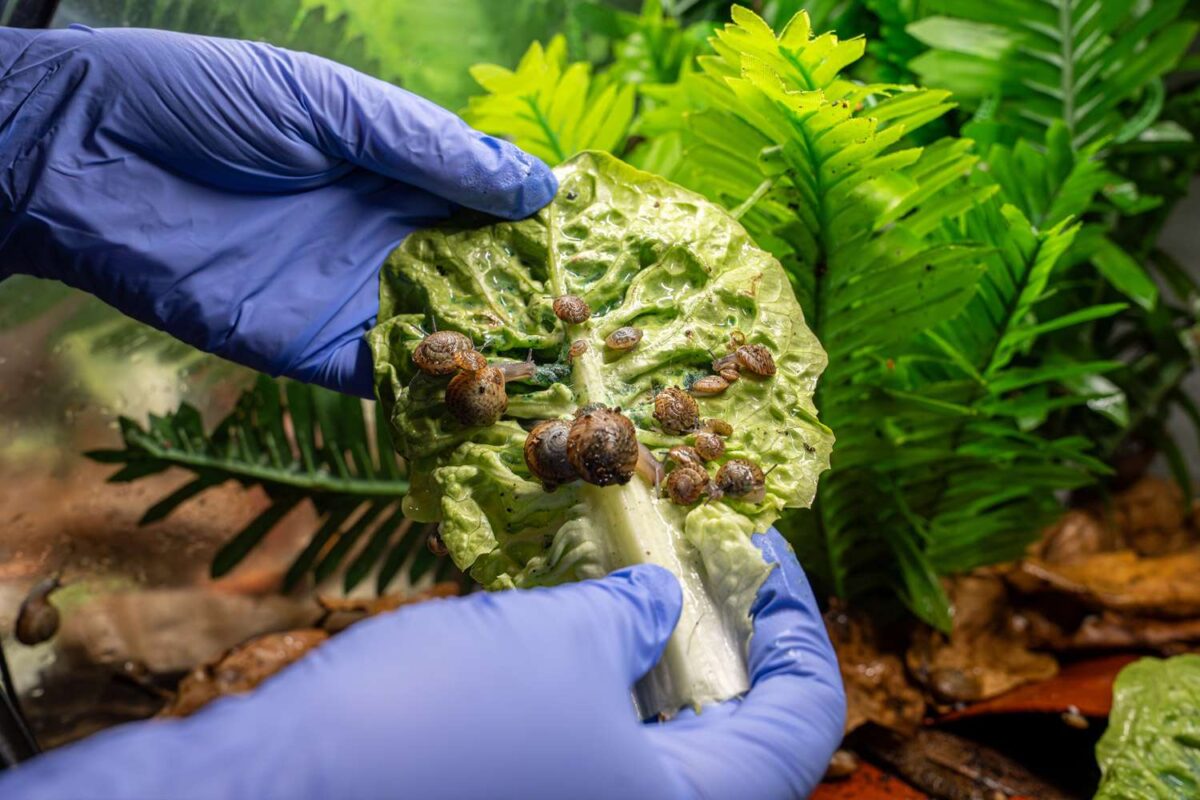

The Bermuda snail, Scientifically Known as Poecilozonites bermudensis (Image Credits: Chester Zoo)
It’s not every day you hear about a creature literally saved from extinction. Most of the time, when a species vanishes, it’s gone for good. Yet there’s something deeply moving about the story of a tiny snail in Bermuda that refused to stay extinct.
This isn’t just another feel-good animal story. It’s a genuine turning point in conservation history, proving that even the smallest creatures deserve our attention and effort. What happened on this small island could change how we think about saving species worldwide.
The Snail That Refused to Disappear
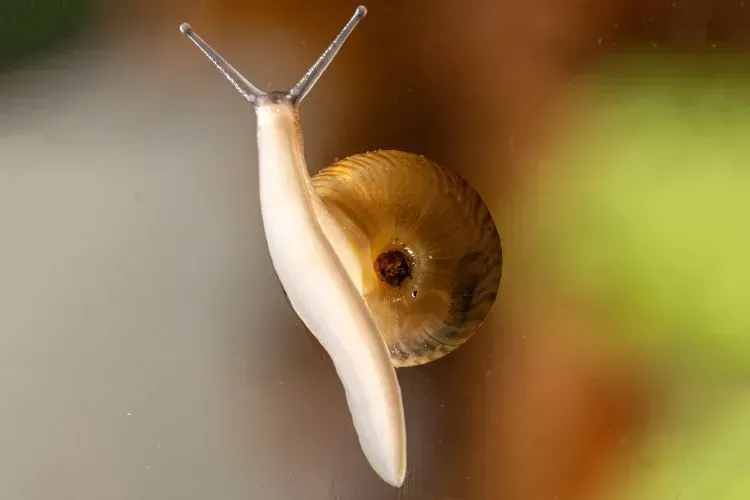
The Bermuda snail, scientifically known as Poecilozonites bermudensis, was officially declared extinct back in the 1990s. Scientists searched everywhere across the island’s limestone caves and forest floors, finding absolutely nothing. For years, it seemed like just another casualty of habitat loss and invasive species.
Then in 2014, something extraordinary happened. A small population was discovered clinging to life in a remote area. Honestly, finding them again felt like stumbling upon a ghost. These survivors represented the last chance to bring an entire species back from the brink.
Racing Against Time to Save a Species
Once the snails were rediscovered, conservationists knew they had to act fast. The remaining population was critically small, vulnerable to disease, predators, and weather events. One bad storm or invasive species outbreak could wipe them out permanently.
Experts from the Bermuda Aquarium, Museum and Zoo partnered with international conservation groups to create a captive breeding program. They carefully collected a handful of snails and began the delicate process of encouraging them to reproduce in controlled environments. It was tedious work requiring constant monitoring, precise temperature control, and specialized diets.
Breeding Snails Is Harder Than You’d Think
Most people probably don’t spend much time thinking about snail reproduction, but it’s surprisingly complex. These particular snails are incredibly slow to mature and produce relatively few offspring. Getting them to breed successfully in captivity took years of trial and error.
The team had to recreate the exact humidity levels, food sources, and habitat conditions these snails needed to thrive. Every detail mattered. Too dry, and the snails wouldn’t reproduce. Wrong food, and they’d starve. The margin for error was practically nonexistent, making every successful clutch of eggs feel like a major victory.
Releasing Thousands Back Into the Wild
After years of careful breeding, conservationists have now released more than 13,000 snails back into protected areas across Bermuda. That’s an astonishing number considering the species was functionally extinct just over a decade ago. These releases happened gradually, with monitoring at every stage to ensure survival rates stayed high.
The snails were placed in locations where invasive predators had been controlled and native vegetation restored. It wasn’t just about dumping snails into the wild and hoping for the best. Scientists tracked population growth, checked for disease, and adjusted strategies based on what they observed in real time.
Why Should Anyone Care About a Snail
Let’s be real, a tiny snail doesn’t seem as important as a panda or a tiger. But here’s the thing: every species plays a role in its ecosystem. The Bermuda snail helps break down decaying plant matter, recycling nutrients back into the soil. Without them, forest health suffers.
Beyond their ecological role, these snails represent something bigger. They’re proof that extinction doesn’t have to be permanent if we act quickly enough. Saving them sends a message that no species is too small or insignificant to protect. That mindset shift could be the difference between survival and extinction for countless other creatures.
Challenges That Still Remain
Despite the incredible success, the Bermuda snail isn’t completely out of danger yet. Invasive species like predatory flatworms and carnivorous snails still pose serious threats. Climate change adds another layer of uncertainty, potentially altering the humid forest conditions these snails depend on.
Conservationists continue monitoring populations closely, ready to intervene if numbers start declining again. Ongoing habitat restoration and invasive species management remain critical. The snail’s survival depends on sustained effort, not just a one-time rescue mission. It’s hard to say for sure, but experts remain cautiously optimistic about the species’ long-term prospects.
Conclusion
The Bermuda snail’s journey from extinction back to stable populations stands as one of conservation’s most remarkable achievements. It took vision, persistence, and genuine care for a creature most people would overlook. That’s what makes it so powerful.
This tiny snail’s survival is a testament to what’s possible when we refuse to give up on the natural world. It raises an important question: if we can save a species that was already declared extinct, what else might we accomplish if we truly tried? What do you think about conservation efforts like this? Tell us in the comments.

- Urban Coyotes Show Remarkable Adaptability, Learning to Thrive in City Environments - July 22, 2026
- Beavers Are Nature’s Engineers, Creating Vital Habitats for Other Wildlife Species - July 21, 2026
- The Recovery of the California Condor Offers Hope for Other Critically Endangered Birds - July 21, 2026