

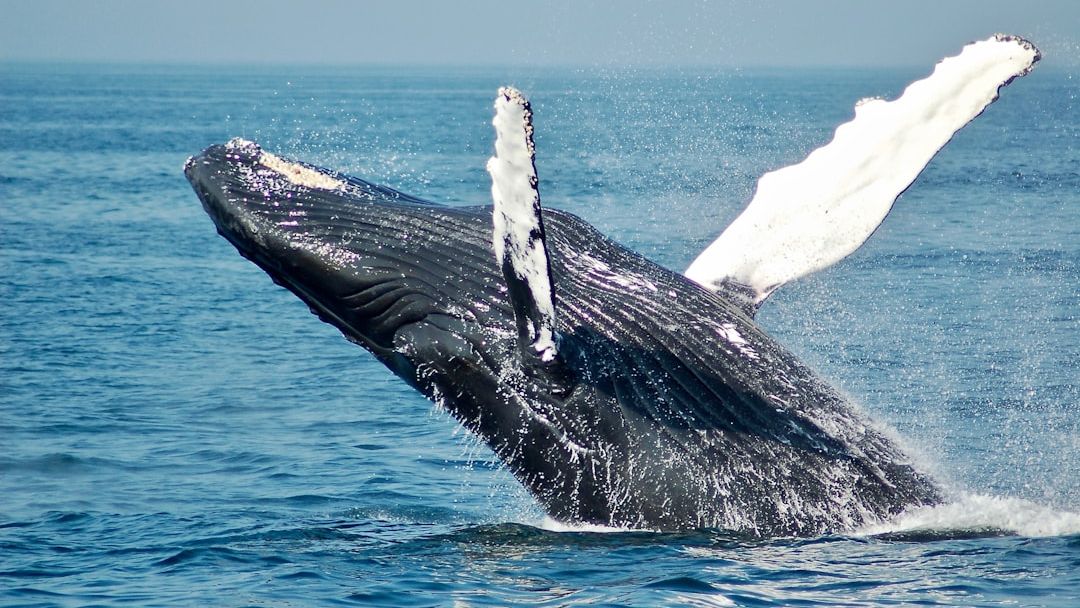
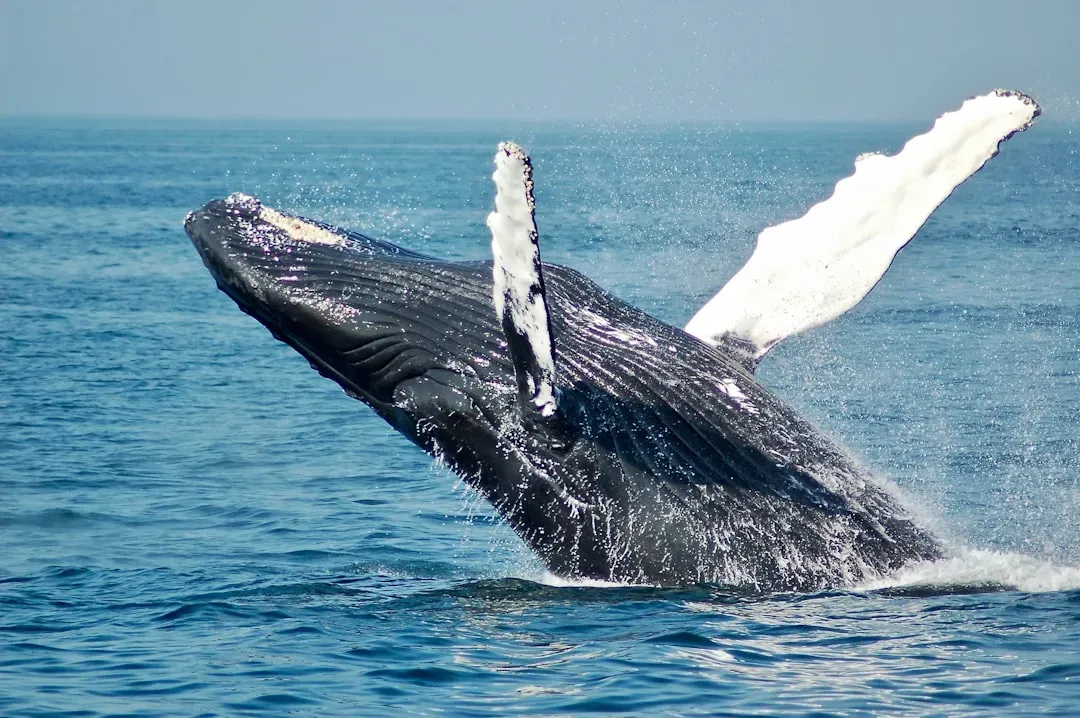
A colossal humpback whale turned a routine day at the harbor into pure spectacle, surging upward mere meters from a crowded dock to snag its meal. Onlookers could hardly believe their eyes as the 40-ton behemoth powered through the water, its massive frame sending ripples toward shore. This heart-pounding encounter, captured late last fall, has reignited conversations about whales venturing ever closer to human haunts. What draws these ocean giants so near, and what does it mean for coastal life?
Spectacular Breach Ignites Harbor Excitement
The whale’s dramatic surge captivated everyone in sight, its enormous body breaking the surface with thunderous force. Powerful flukes propelled it skyward before plunging back to corral fish in a frenzy of motion. Witnesses felt the dock shudder from the waves, a reminder of nature’s raw power up close. This wasn’t just any sighting; it marked one of the closest humpback interactions on record near populated areas. Local buzz spread quickly, turning the harbor into an impromptu wildlife hotspot. Here’s the thing: such boldness speaks volumes about recovering whale confidence in shared waters.
Masterclass in Humpback Feeding Tactics
Humpbacks excel at acrobatic hunts, lunging through fish schools with mouths wide open in classic breach-feeds. This one executed the maneuver flawlessly, its 16-meter length slicing near the dock’s edge while pectoral fins churned the sea. Bubble nets from expelled air trapped krill and prey, securing a hearty catch without straying offshore. These techniques peak during migrations when nutrient-packed waters lure them landward. Experts point out how efficient such displays are, burning massive energy for maximum reward. Let’s be real, witnessing this up close feels like peeking into an underwater strategy session.
Harbor Hotspot and Community Ripple Effects
The event played out at a bustling fishing and boating hub during prime feeding season along key migration paths. Humpbacks roam from polar breeding grounds to temperate zones, often shadowing coasts for easy meals. Authorities shut the dock briefly for safety, but no harm came to boats or people. The whale lingered over 20 minutes, circling and surfacing repeatedly with a bulging belly. This disrupted routines yet united the community in awe, boosting local chatter. In a broader context, it highlights how whale recoveries reshape everyday coastal rhythms.
Signs of Whale Recovery and Hidden Risks
Global humpback numbers have soared past 80,000 since the 1966 whaling protections kicked in, signaling robust ocean health. Abundant prey from upwelling currents draws them near docks like this one. Thrilling as it was, experts warn of vessel strike dangers, a top killer for these mammals. Conservationists push for speed limits in hotspots to protect both sides. Climate shifts could amp up these meetings by tweaking prey paths and routes. Proactive steps now could prevent tomorrow’s tragedies.
Vivid Eyewitness Tales Fuel Viral Fame
Fishermen and families froze as the blowhole’s misty plume erupted, followed by the dock-rocking breach. One angler called it a living nature doc in their backyard, phone in hand to record. The whale’s scarred flukes hinted at a survivor, its eye seemingly meeting the crowd’s gaze. No panic ensued, just shared wonder that exploded online. These stories humanize the giants, drawing millions to the footage. Personal accounts like these bridge the gap between ocean mysteries and shore life.
Final Thought
This dockside thriller underscores whales’ comeback amid expanding human shores, urging smarter coexistence. As encounters multiply, will communities adapt fast enough? Picture yourself there – what would your reaction be? Drop your thoughts below.
Source: Original YouTube Video

- Urban Coyotes Show Remarkable Adaptability, Learning to Thrive in City Environments - July 22, 2026
- Beavers Are Nature’s Engineers, Creating Vital Habitats for Other Wildlife Species - July 21, 2026
- The Recovery of the California Condor Offers Hope for Other Critically Endangered Birds - July 21, 2026