

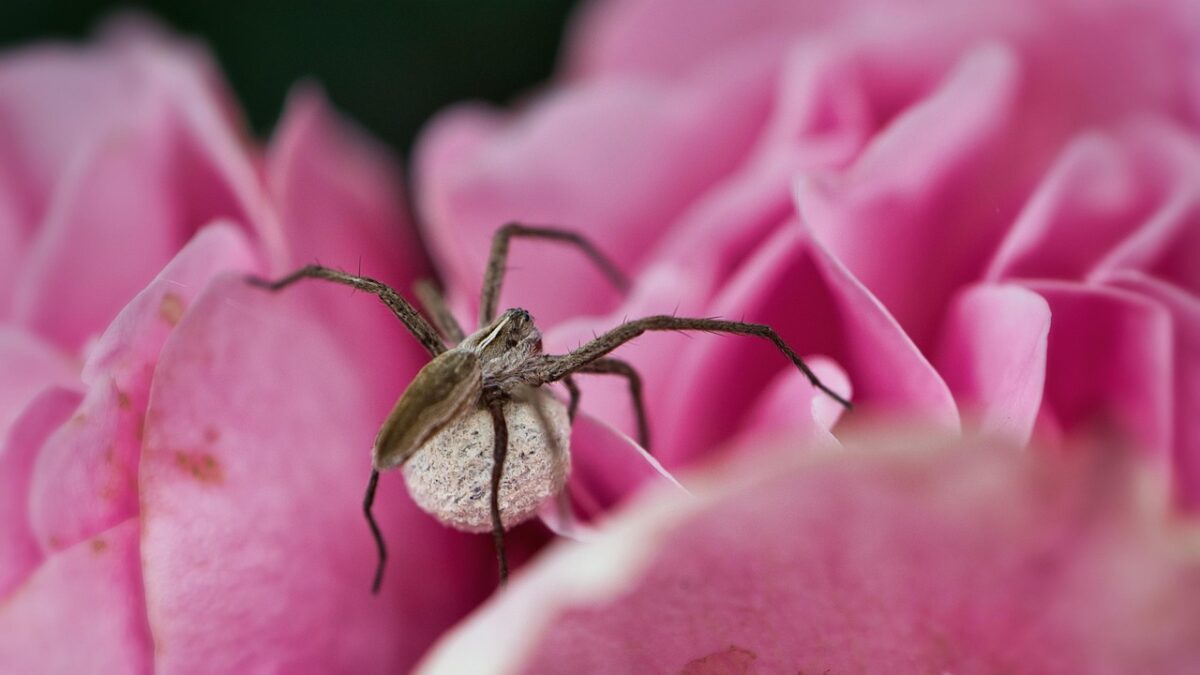
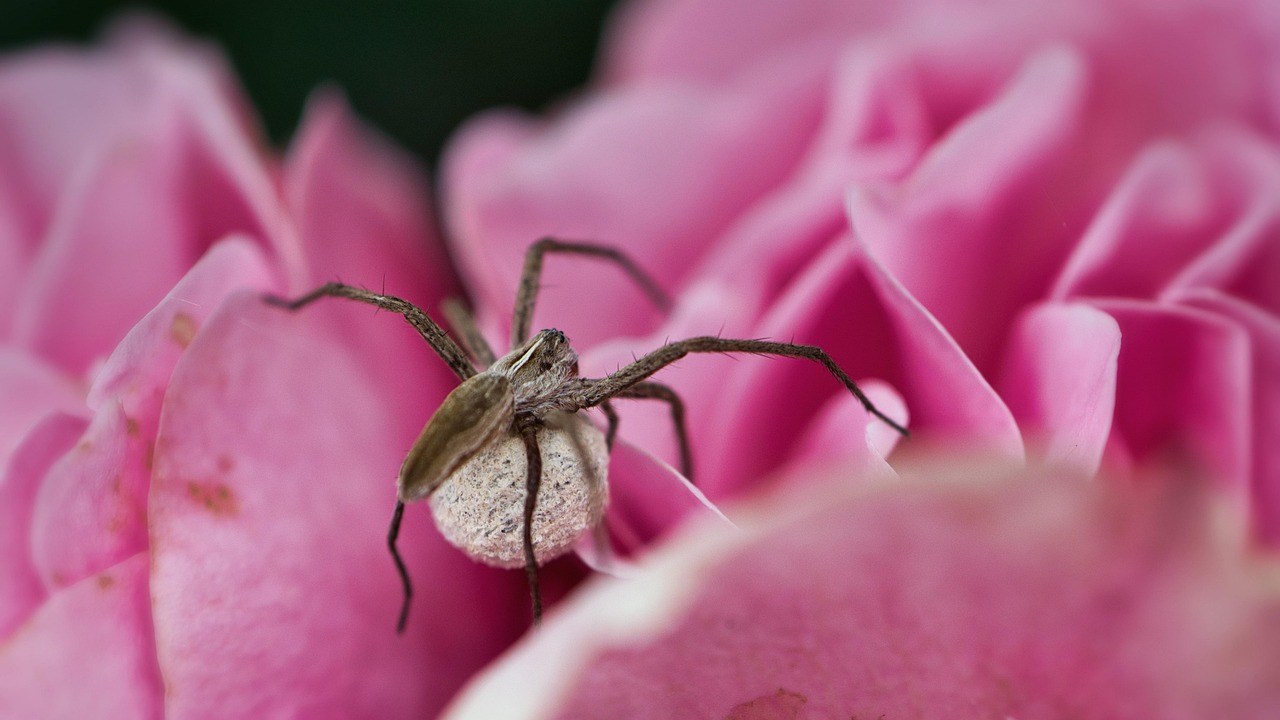
This “Pink Floyd” spider hunts prey 6x its size and lives in walls – Image for illustrative purposes only (Image credits: Pixabay)
Researchers have identified a diminutive spider that thrives in urban walls and preys on insects far larger than itself, offering fresh insights into city wildlife. Named Pikelinia floydmuraria in homage to the rock band Pink Floyd, this species demonstrates remarkable hunting skills against oversized ants. Its presence highlights how even the smallest creatures contribute to natural pest control in human environments. The find also prompts questions about broader evolutionary patterns among similar arachnids.
Discovery Sparks Interest in Wall-Dwellers
Scientists recently described Pikelinia floydmuraria, a spider so small it easily inhabits cracks in walls. The naming choice reflects its distinctive traits, drawing inspiration from the iconic band. This revelation came through detailed study of its morphology and behavior, revealing adaptations suited to built-up areas.
Unlike more visible spiders, this one remains hidden, emerging only to hunt. Its discovery underscores the overlooked biodiversity in everyday urban settings. Researchers noted its web-building habits near artificial lights, a strategy that maximizes encounters with flying insects.
Hunting Giants from Hidden Nooks
Despite its tiny stature, Pikelinia floydmuraria targets prey up to six times its own size, primarily ants. This feat relies on precise web placement and rapid response. The spider ambushes larger victims, overpowering them through entanglement and venom.
Such predation challenges assumptions about size limitations in arachnids. Observations showed consistent success against outsized foes, suggesting specialized silk properties or techniques. This behavior positions the spider as a bold survivor in competitive urban ecosystems.
Strategic Habitat in Human Spaces
Pikelinia floydmuraria favors walls near light sources, where insects gather. It constructs webs in these spots to intercept mosquitoes, flies, and ants drawn by illumination. This placement turns urban annoyances into reliable food sources.
The spider’s wall-dwelling lifestyle minimizes exposure to threats while optimizing hunting grounds. Its presence in buildings indicates tolerance for human activity. Such adaptations reveal how species evolve alongside city growth.
What matters now: In cities plagued by pests, this spider serves as a natural ally, reducing reliance on chemicals through targeted predation.
Links to Distant Islands Raise Questions
The species shares traits with spiders found in the Galápagos Islands, hinting at ancient connections or parallel evolution. This similarity puzzled researchers, who seek genetic and distributional evidence. Urban populations may represent a recent dispersal or long-term residency.
Further studies could clarify these ties, potentially reshaping understandings of spider dispersal. The Galápagos association adds intrigue to an already compelling profile. It emphasizes the need for ongoing surveys in both remote and populated areas.
This unassuming spider illustrates nature’s resilience amid urbanization. As cities expand, species like Pikelinia floydmuraria remind us of the quiet ecological balances at work. Their role in pest management offers a glimpse into sustainable coexistence.

As a little kid, I fell in love with nature, wildlife, and animals. Living in the USA, South Africa, Italy, China and Germany gave me the opportunity to discover the world's Wildlife. My favorite animals are Mountain Gorillas, Siberian Tigers, and Great White Sharks.
I'm a certified PADI Open Water Diver, went to Everest Base Camp and Trekked Gorillas in Uganda. I hold a Master of Science in Economics and Finance.
Please send any feedback to feedback@animalsaroundtheglobe.com
- The Best Ways to Introduce New Fish to an Existing Aquarium - July 30, 2026
- 10 Creatures With the Strongest Jaws on Earth - July 30, 2026
- 14 Animals Endangered in the U.S. And Whats Being Done - July 30, 2026