


Worried about unexpected vet bills?
Pet insurance can cover thousands in unexpected vet costs. Get a free quote from Lemonade in under 2 minutes.
Get My Free Quote →Sponsored · Opens Lemonade.com
Composting is an environmentally friendly way to recycle organic waste and enrich your garden with nutrient-rich soil. However, maintaining a healthy compost system can often attract wildlife, leading to potential disturbances in both your garden and the surrounding ecosystem. Ensuring your composting process is safe for wildlife not only helps in maintaining ecological balance but also protects your garden from being raided by curious critters. This guide will walk you through essential tips for wildlife-safe composting, transforming your garden into a thriving, harmonious space for both plants and animals.
Understand the Basics of Composting
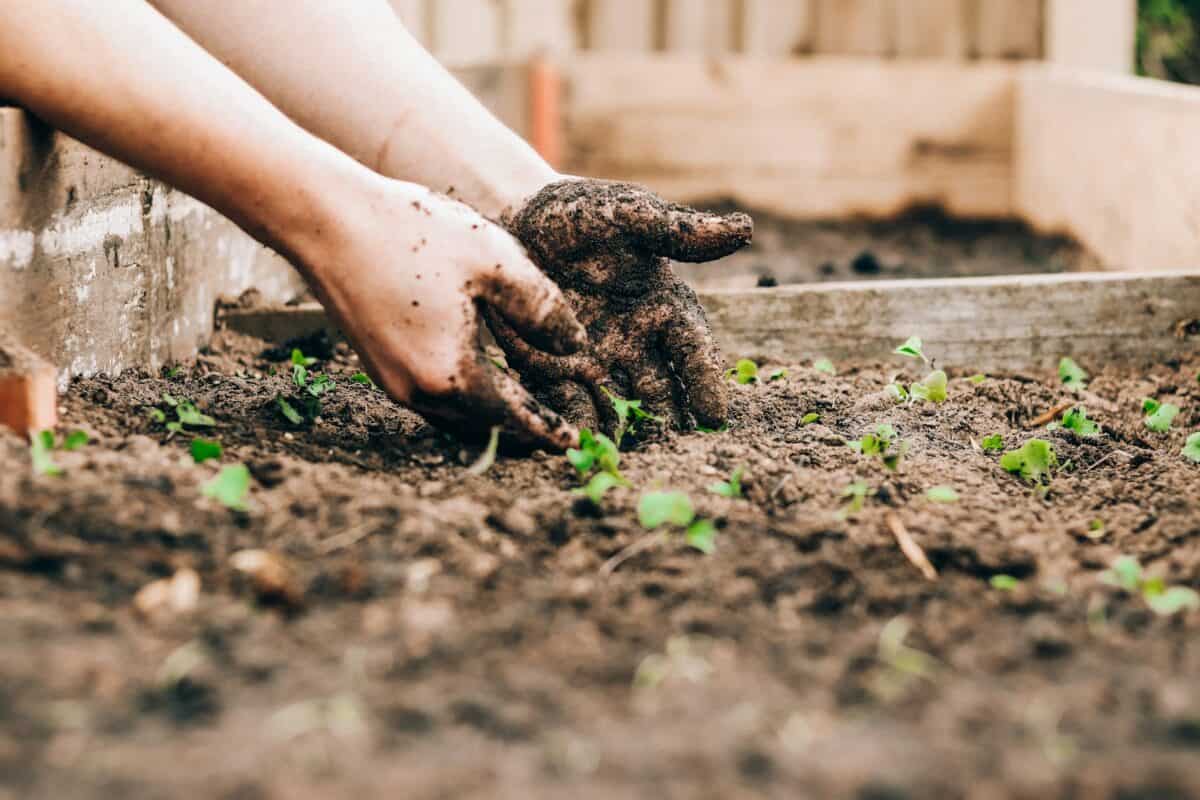
Before diving into wildlife-safe methods, it’s crucial to understand the fundamentals of composting. Composting involves breaking down organic matter into humus, a nutrient-rich soil amendment. This process requires a balance of greens (nitrogen-rich materials like fruit scraps and grass clippings) and browns (carbon-rich materials such as dried leaves and twigs) for effective decomposition. Over time, these materials decompose with the help of microbes, moisture, and aeration.
Avoid Composting Certain Foods
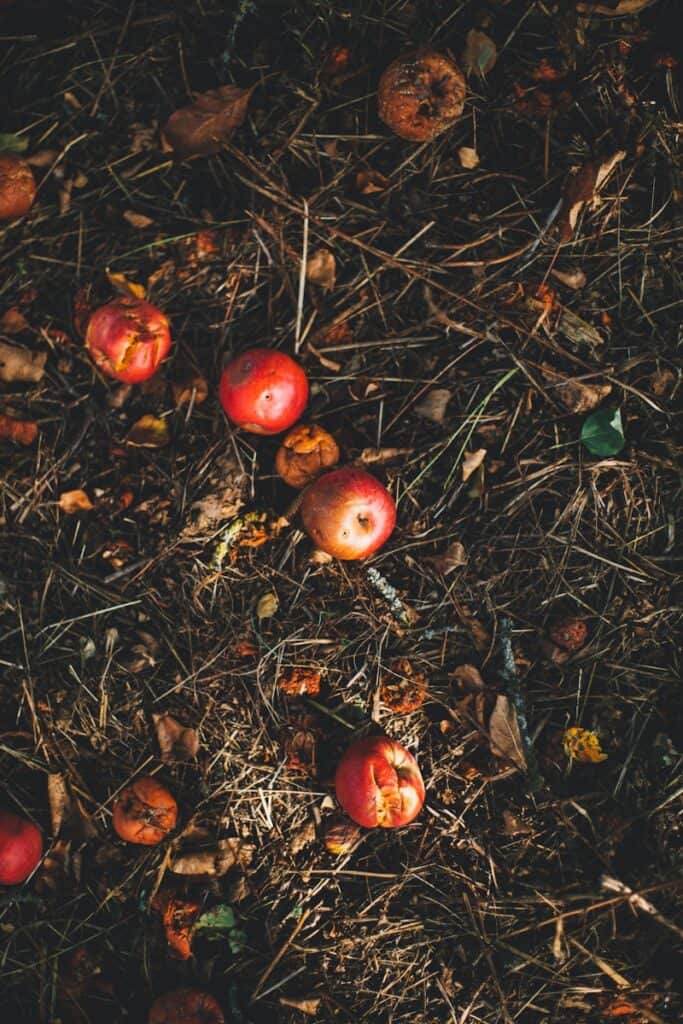
One of the primary factors that attract wildlife to compost piles is the presence of food scraps. To prevent this, avoid composting meat, dairy products, and oily foods, as these release strong odours that can entice animals. Stick to plant-based kitchen scraps such as vegetable peelings, fruit rinds, and coffee grounds, which decompose without attracting as much attention from curious animals.
Use a Secure Compost Bin
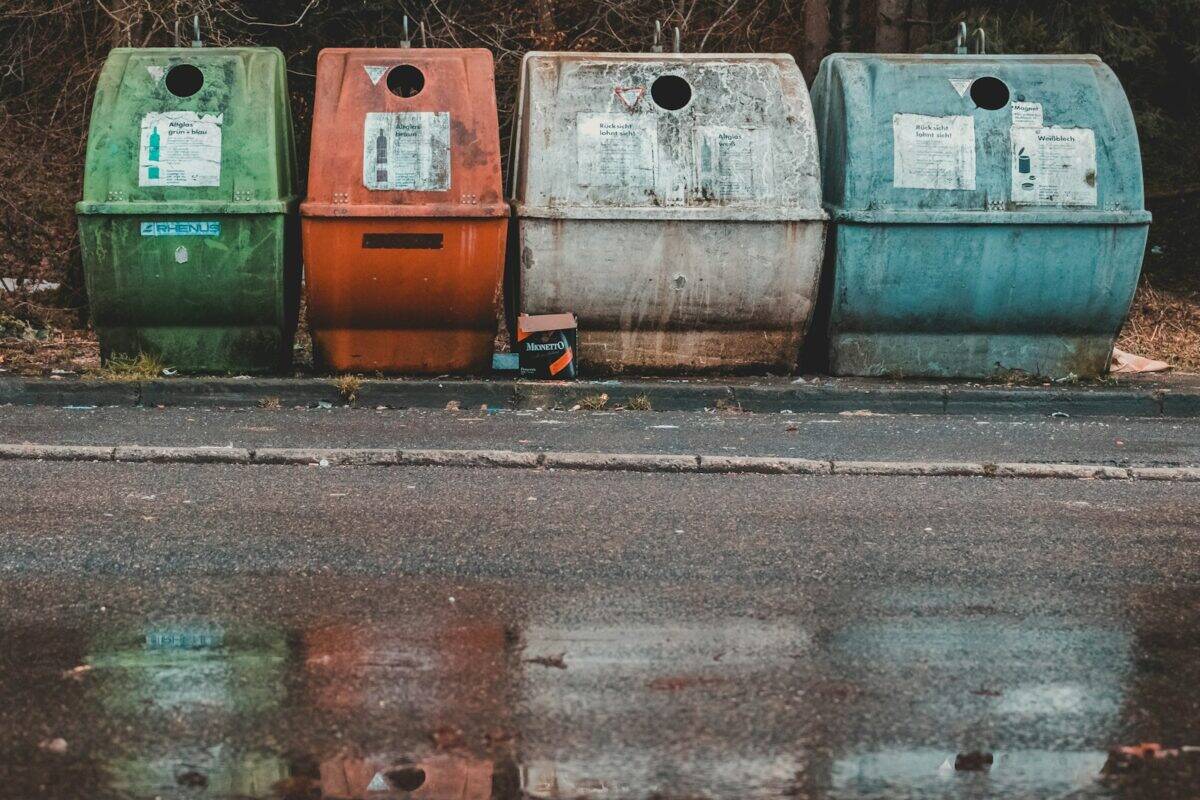
Choosing the right compost bin is crucial for keeping wildlife at bay. Opt for a sturdy, enclosed bin with a secure lid to prevent animals from accessing the contents. Tumbler-style composters are effective as they keep the material off the ground and are difficult for animals to infiltrate. Ensure there are no holes or gaps larger than an inch in diameter, which could allow small animals to sneak in.
Position Your Compost Bin Strategically
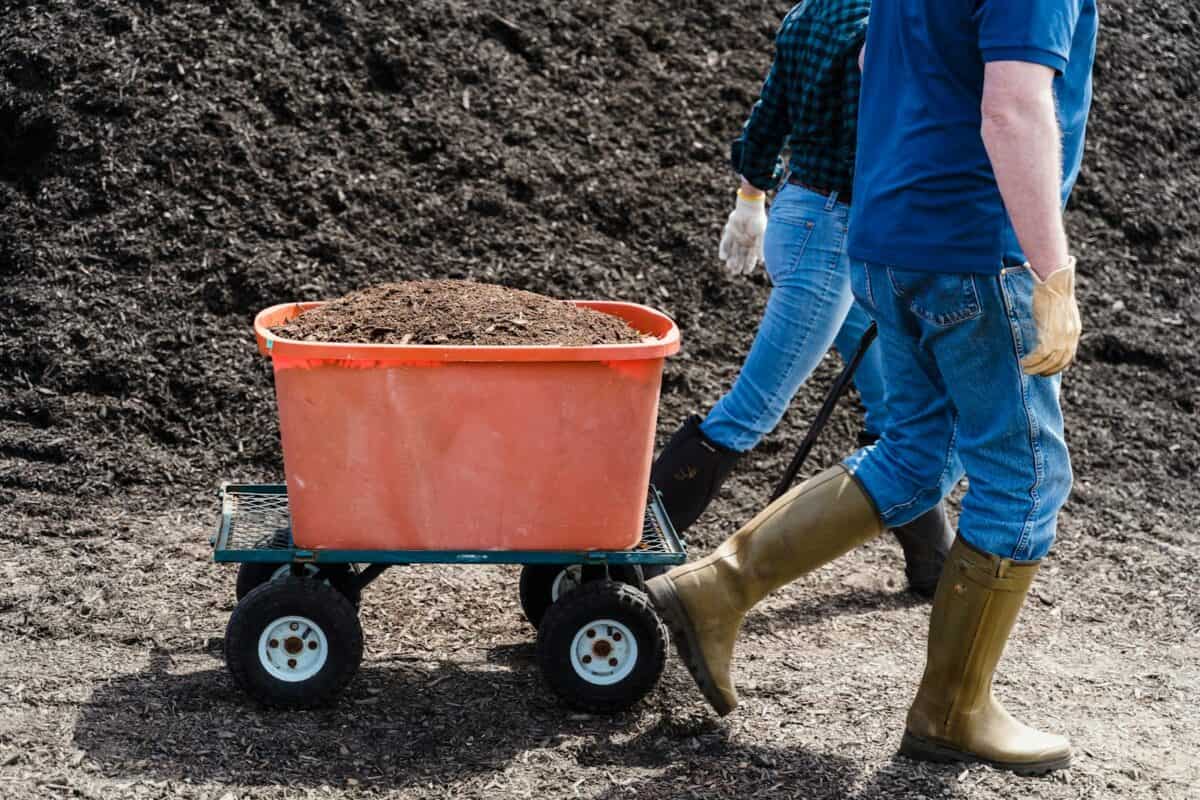
Placing your compost bin in the right location can deter wildlife visits. Ideally, situate the bin away from dense vegetation or woodland areas, which are common wildlife habitats. Placing it in a clear, open area in your garden tends to discourage animals from approaching, as they prefer to remain concealed from predators.
Maintain a Balanced Compost Pile
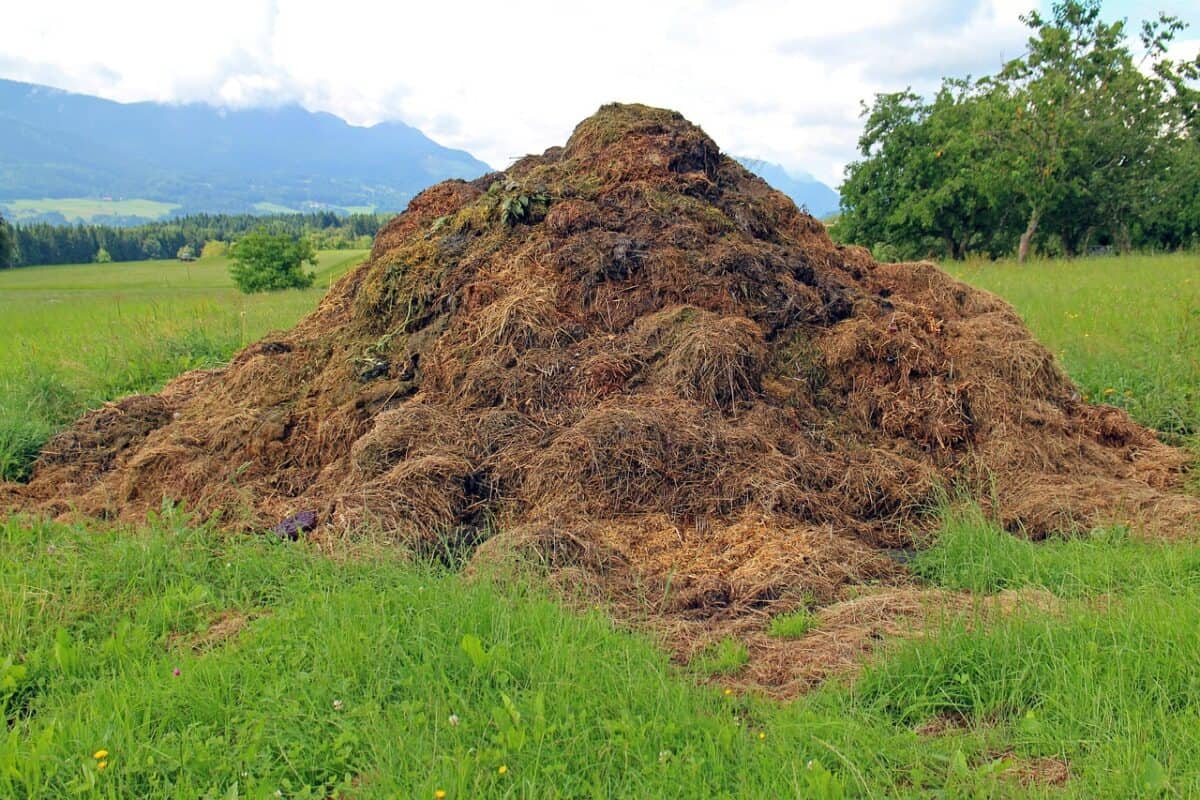
A well-balanced compost pile, with equal parts green and brown materials, will decompose more efficiently and emit fewer odors that attract wildlife. Avoid allowing the pile to become too wet or slimy, as this can lead to anaerobic decomposition, releasing unpleasant smells. Regularly turn the compost to aerate it, speeding up the decomposition process and reducing the pile’s attractiveness to animals.
Cover Food Scraps Immediately
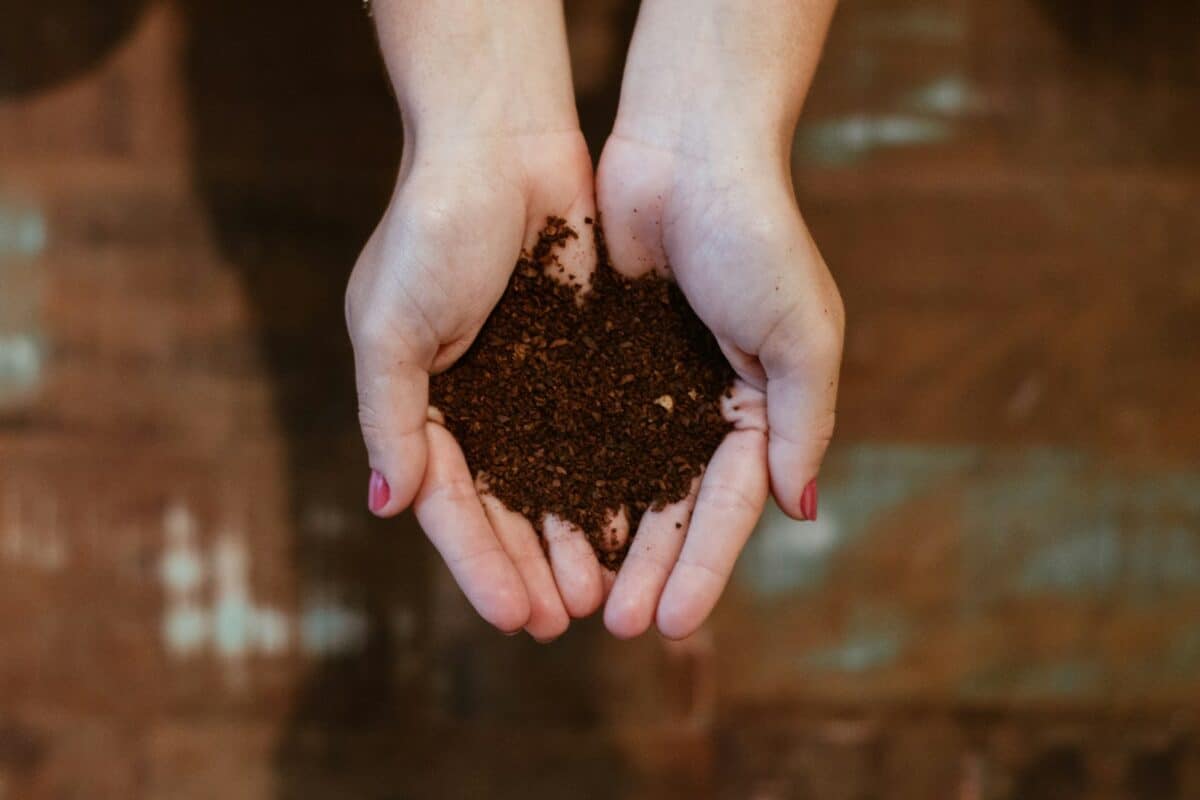
Whenever adding kitchen scraps to your compost, cover them immediately with a layer of browns, such as dried leaves or shredded paper. This not only helps balance the moisture in the pile but also masks food odours, reducing the chances of drawing in wildlife. Keeping the fresh scraps hidden will deter most animals from investigating further.
Use Natural Repellents
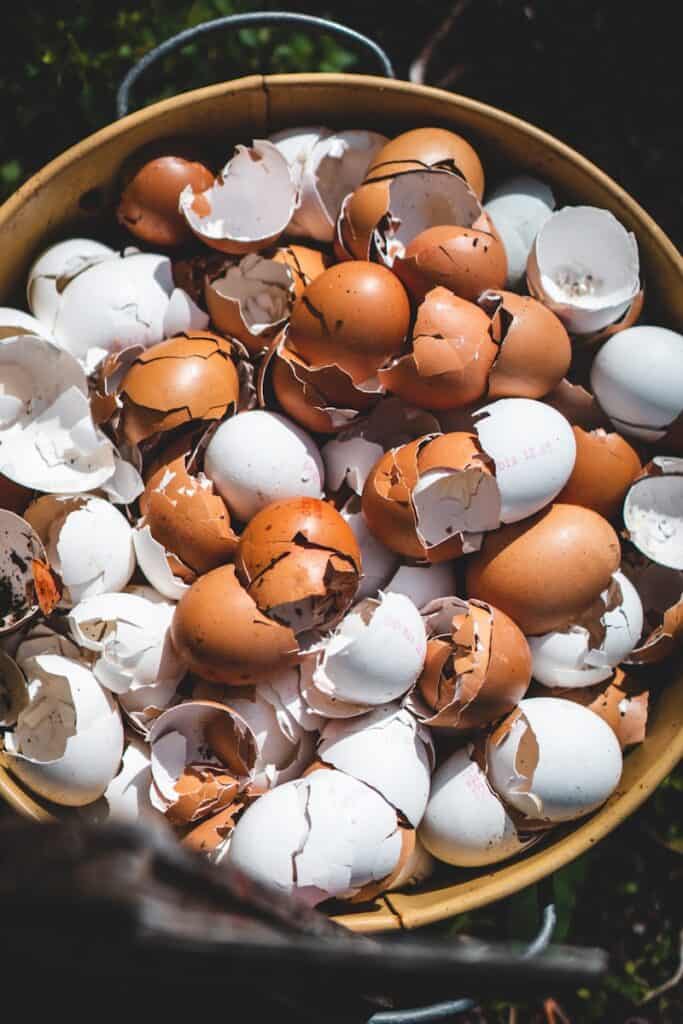
Incorporating natural deterrents around your compost can help keep wildlife away. Ingredients like crushed eggshells and citrus peels are unpleasant to many animals. You can also plant aromatic herbs like lavender, mint, and sage around the compost area to mask scents and discourage animal visits. These plants can double as beneficial components for your garden ecosystem.
Monitor and Adapt Your Approach
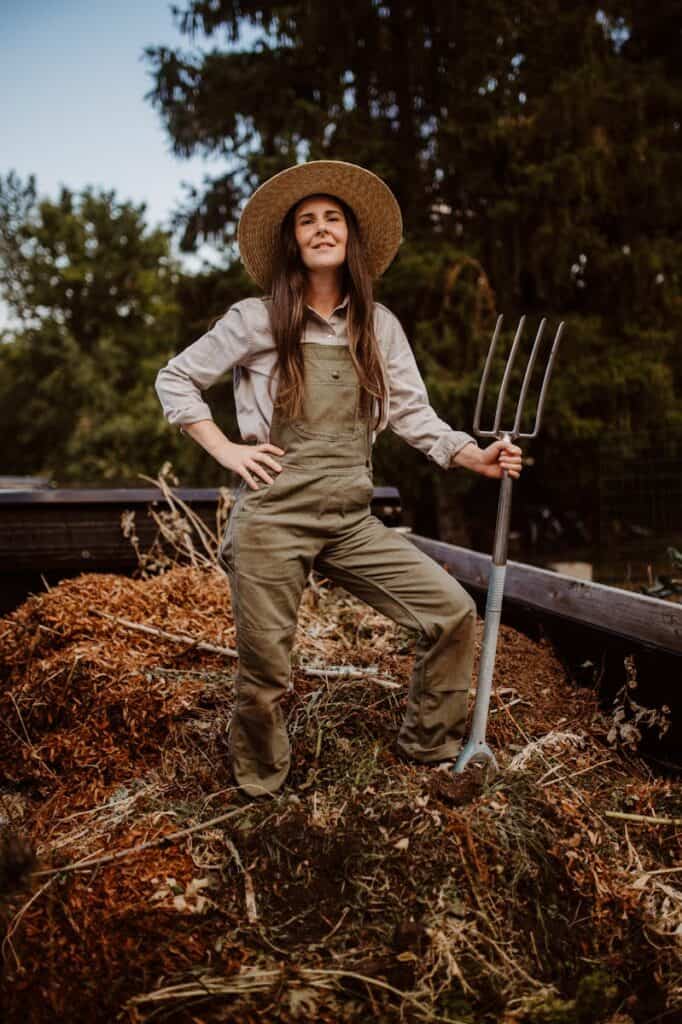
Regularly check your compost for signs of wildlife activity. If you notice disturbances, such as dug-up areas or overturned bins, adapt your composting strategy. Reinforce your bin, try different natural deterrents, or even relocate the compost to a less accessible area. The key is to remain flexible in your approach and responsive to the needs of your garden and local wildlife.
Use Wildlife Deterrents if Necessary
If natural methods aren’t enough to prevent wildlife disturbances, consider using more advanced deterrents. Motion-activated lights or sprinklers can startle and discourage animals from approaching your compost area. Always choose humane and environmentally friendly options to keep a balance between your garden activities and local wildlife safety.
Share Tips with Your Community

Composting is a community-friendly activity that can significantly contribute to local sustainability efforts. Share your experiences and tips for wildlife-safe composting with neighbors and gardening groups. This exchange of knowledge helps in creating wildlife-friendly neighborhoods, spreading awareness of ecological practices, and cultivating a more sustainable environment for everyone.
Take Local Wildlife Into Account
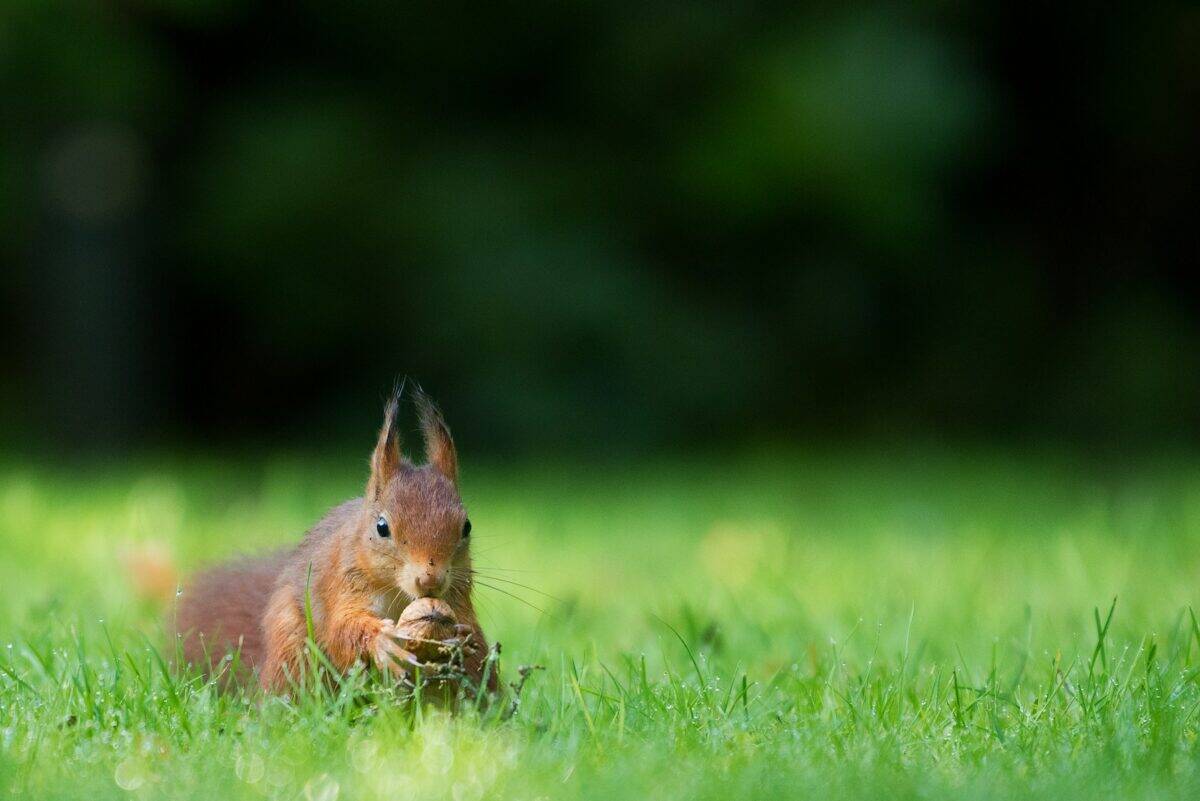
Understanding the species of wildlife that inhabit your area can inform how you manage your compost. Research local wildlife behaviour and the typical animals that may be interested in your compost. Tailoring your methods to deter specific animals ensures more effective management of your composting area.
Balance Ecosystem Health
Wildlife-safe composting isn’t just about keeping animals out; it’s about achieving balance within your garden’s ecosystem. A thriving compost system supports soil health, promotes beneficial microorganisms, and ultimately fosters a habitat that’s welcoming and inclusive. By following composting practices that protect wildlife, you contribute to a healthy garden environment that sustains a wide array of species.
In conclusion, composting doesn’t have to be an activity that disrupts local wildlife. With careful planning and thoughtful practices, creating a wildlife-safe compost system is entirely achievable. By making conscious choices, such as selecting appropriate materials, using secure bins, and deterring wildlife with natural methods, you maintain a balanced ecosystem in your garden that respects both the environment and the creatures that call it home. Embrace wildlife-safe composting, and watch your garden flourish into a welcoming, harmonious haven.
Worried about unexpected vet bills?
Pet insurance can cover thousands in unexpected vet costs. Get a free quote from Lemonade in under 2 minutes.
Get My Free Quote →Sponsored · Opens Lemonade.com

- Animals That Roam the U.S. Desert at Night - June 10, 2026
- Top Destinations for Birdwatchers to Spot Rare Species - June 10, 2026
- 17 Stunning Long-Haired Cat Breeds You’ll Adore - June 10, 2026