
Worried about unexpected vet bills?
Pet insurance can cover thousands in unexpected vet costs. Get a free quote from Lemonade in under 2 minutes.
Get My Free Quote →Sponsored · Opens Lemonade.com
1. They Are the World’s Largest Land Carnivore
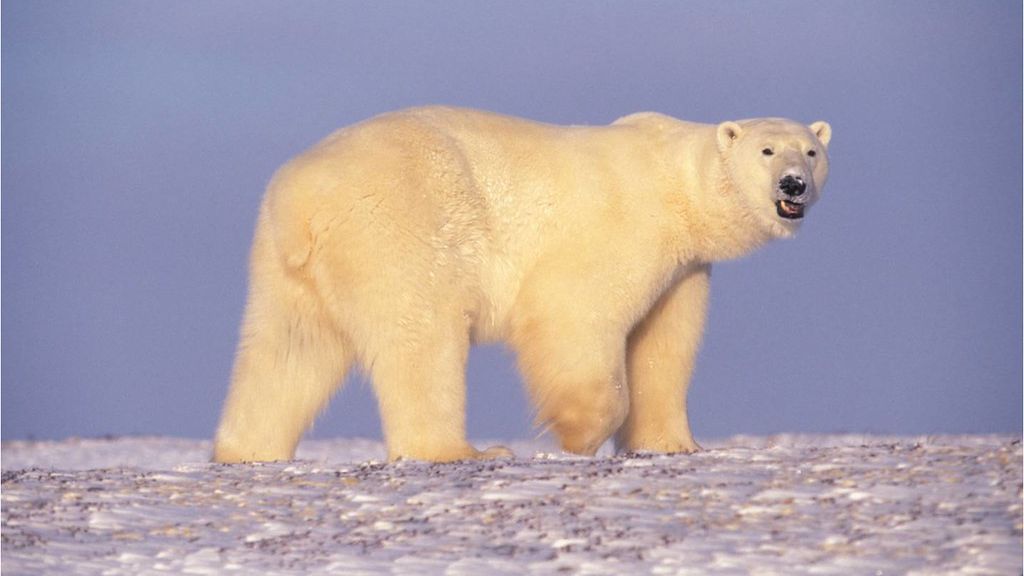
is the largest extant species of bear and land carnivore by body mass, with adult males weighing between 300 and 800 kilograms. To put that in a grounded perspective, a male polar bear can weigh up to around 1,700 pounds, which is roughly the combined weight of ten human men.
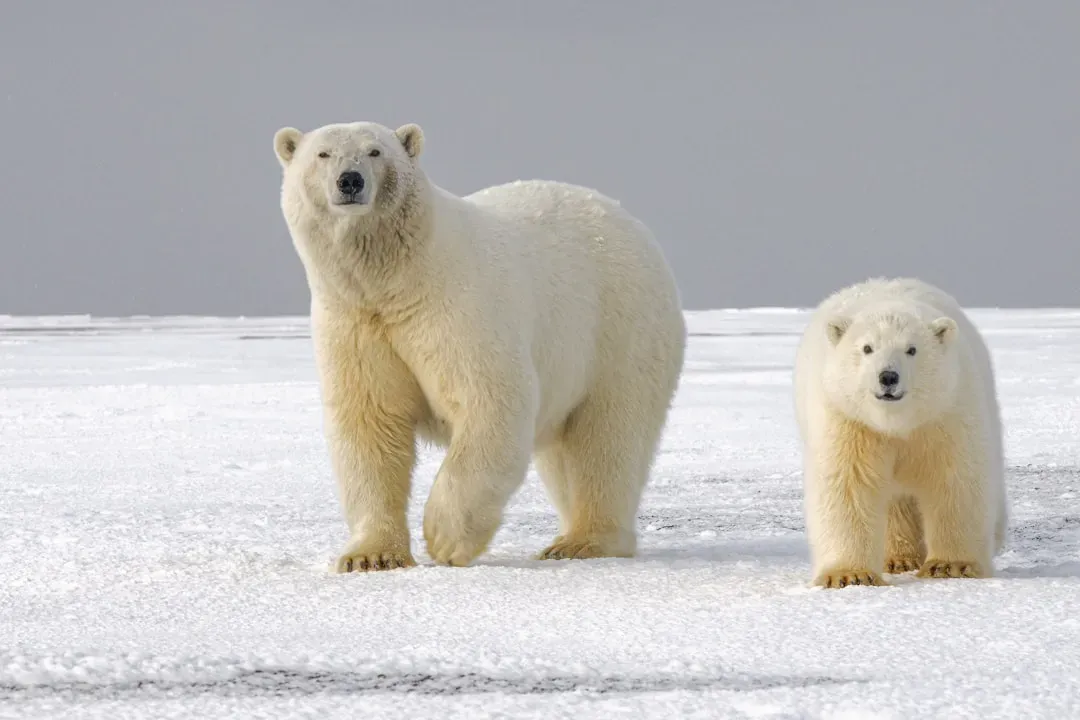
The species is sexually dimorphic, meaning adult females are much smaller. That gap is considerable. Female polar bears typically weigh roughly half as much as males, a difference that becomes particularly striking when you watch a mother bear navigate the ice with cubs barely the size of her paw.
2. Their Fur Is Not Actually White
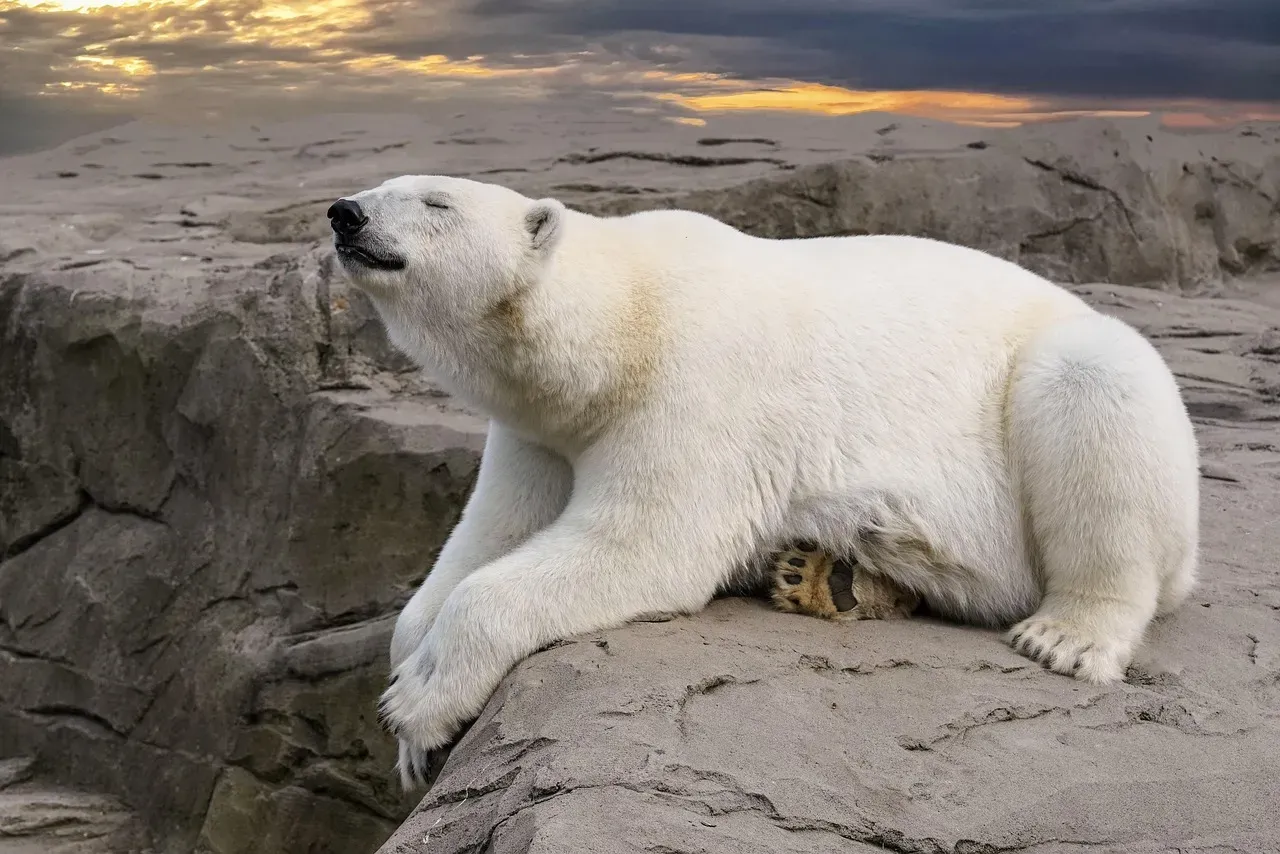
The bear’s outer layer of fur is hollow and reflects light, giving it a white color that helps the bear remain camouflaged. The skin under ‘s fur is actually black, though this is visible only on the nose.
Each hair shaft is hollow and pigment-free. It scatters visible light, making the coat appear white or yellow, but the fur itself is colorless. This is a genuinely clever trick of physics, not pigment. The dark skin underneath is thought to help absorb solar heat, giving the bear an extra edge in the coldest months.
3. They Are Classified as Marine Mammals
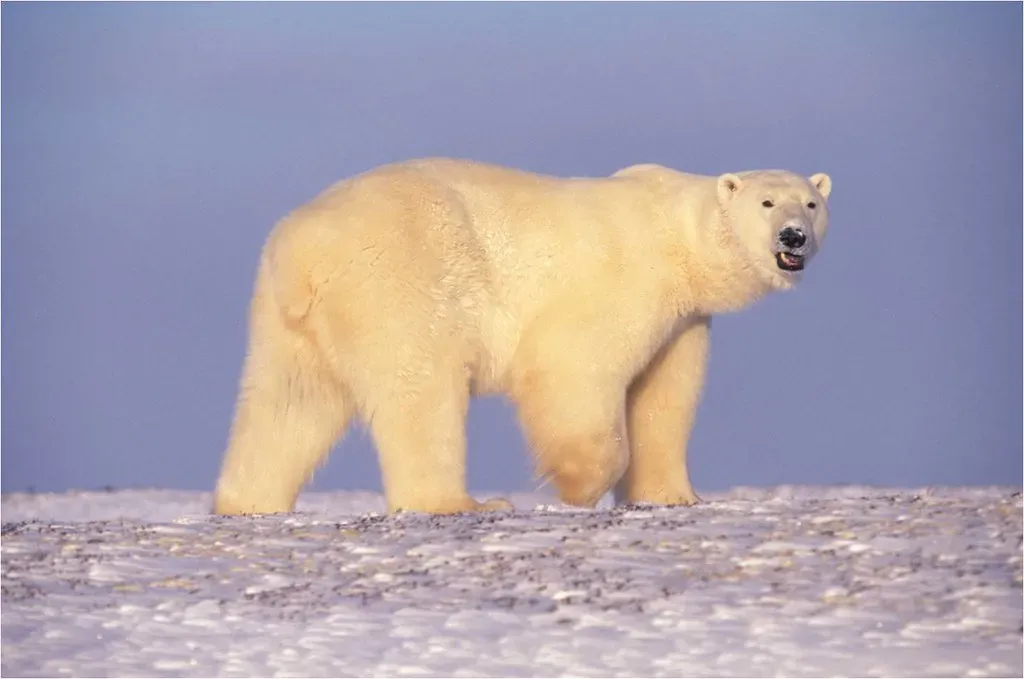
‘s Latin name, Ursus maritimus, means “sea bear.” It’s an apt name for this species, which spends much of its life in, around, or on the ocean, predominantly on or near the sea ice. is dependent enough on the ocean to be considered a marine mammal.
They use the ice as a platform to hunt seals, to breed, to roam, and sometimes to den. The sea ice is so vital to polar bears that they are considered marine mammals, also because their food primarily comes from the water and how much time they spend in water or on sea ice. It’s a classification that sets them apart from every other bear species on the planet.
4. Their Sense of Smell Is Extraordinary
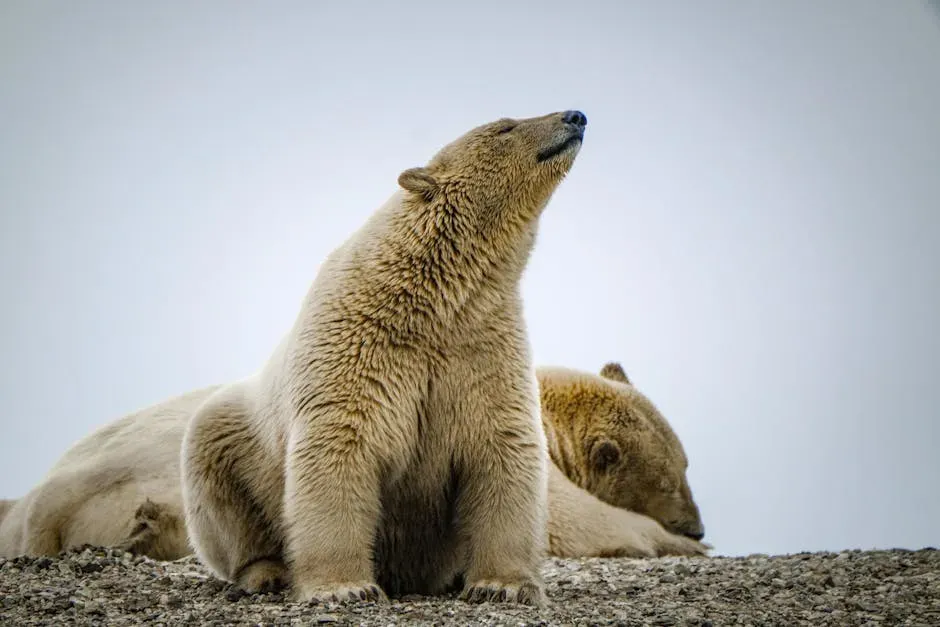
Polar bears have a very strong sense of smell. They can smell their prey up to 32 kilometres away, and can likely smell seals underneath compacted snow or ice from 1 kilometre away. That’s a detection range that stretches across distances most of us would need a car to cover.
While on the ice, polar bears use their sense of smell to find mates and avoid danger. Each bear leaves a distinct scent behind for others to pick up while traveling across the Hudson Bay icepack. Scientists discovered that the individual scents come from glands in the bears’ paws, marking a clear path while there is ice to follow it on. Smell, in other words, is not just a hunting tool. It’s a social network.
5. They Are Powerful and Surprisingly Swift Swimmers
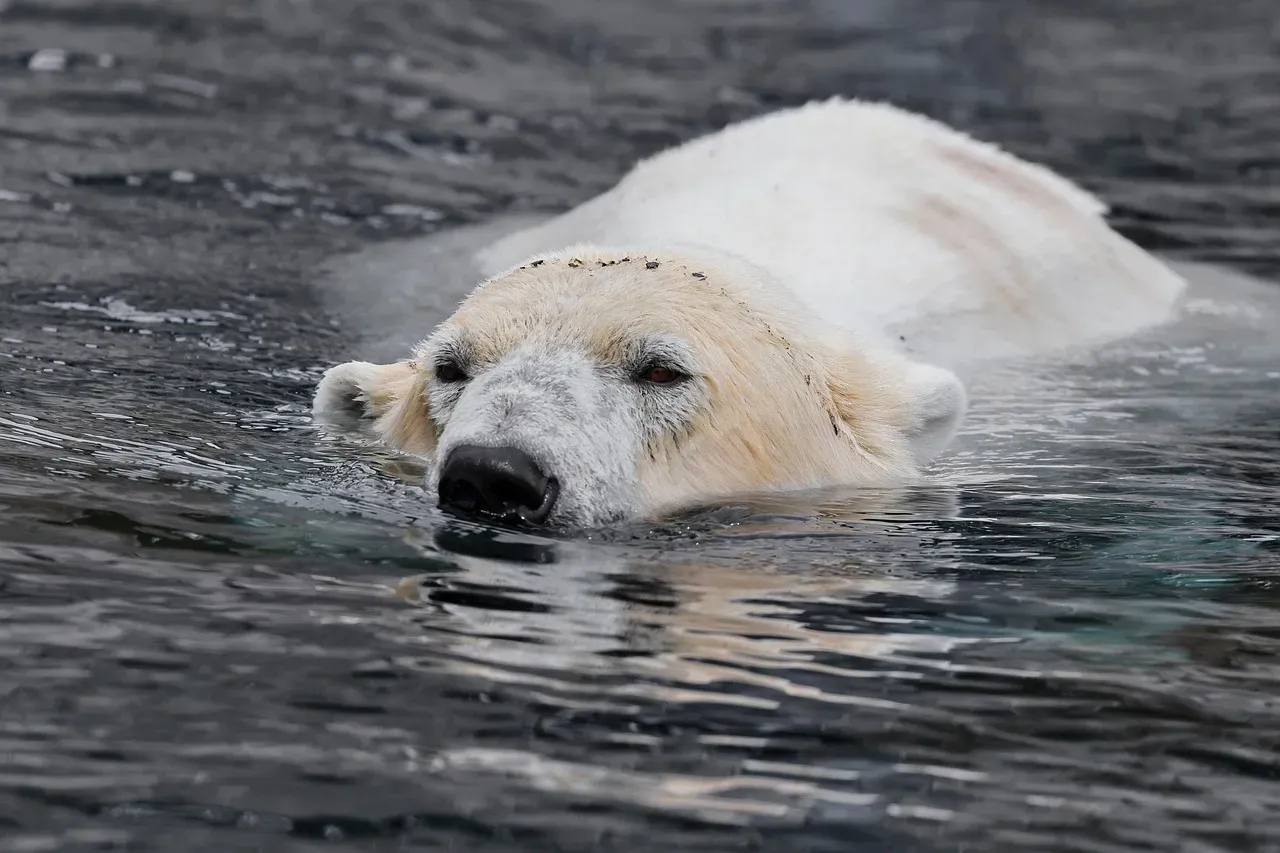
Considered talented swimmers, polar bears can sustain a pace of six miles per hour by paddling with their front paws and holding their hind legs flat like a rudder. One study found they can swim for an average of 3.4 days at a time and travel an average of around 154 kilometres.
‘s paws are also designed for swimming, with forepaws acting like large paddles and hind paws serving as rudders. While their fur is fantastic for insulation, polar bears rely on a hefty layer of body fat up to 11.4 centimetres thick. This fat is not just for keeping warm; it’s essential for survival in the cold Arctic waters. When polar bears swim, their fur gets wet and loses its insulating properties, so the fat takes over as the primary barrier against the cold.
6. Their Paws Are Remarkable Engineering
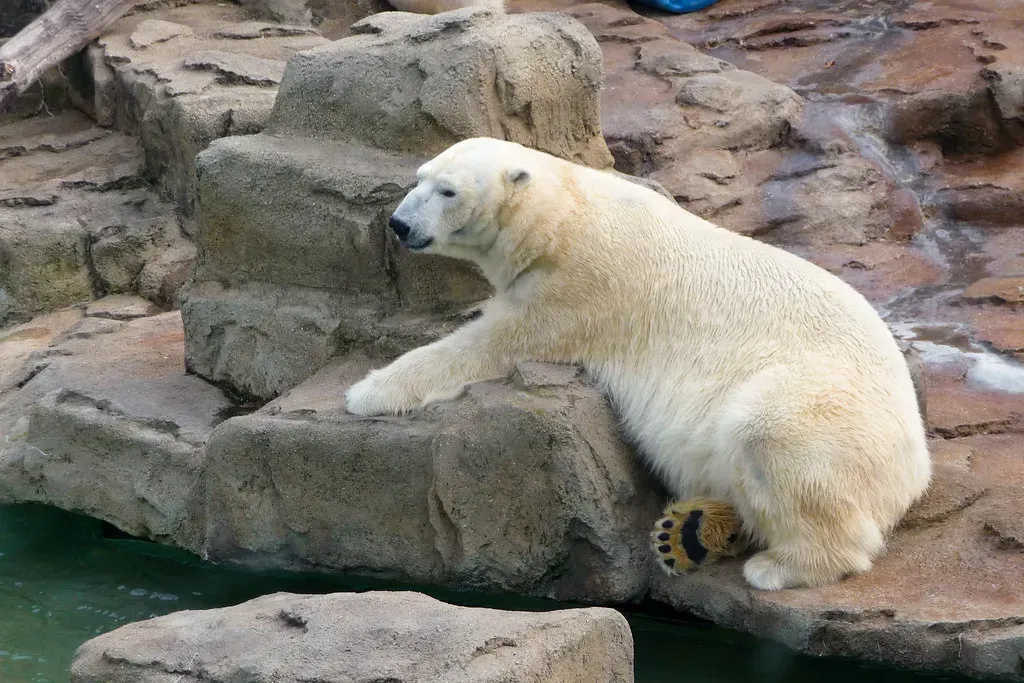
Polar bear paws are ideal for getting around in the Arctic. They’re huge, measuring up to 30 centimetres across. This helps the bears walk on thin ice without falling through. Think of them as natural snowshoes, wide enough to distribute the bear’s enormous weight across a fragile surface.
Black footpads on the bottom of each paw are covered by small, soft bumps known as papillae. Papillae grip the ice and keep the bear from slipping. Tufts of fur between their toes and footpads help with warmth as well. Each claw measures more than 5 centimetres long, thick, curved, and sharp. Polar bears use their claws to catch and hold slippery seal prey and to gain traction on ice.
7. They Don’t Truly Hibernate
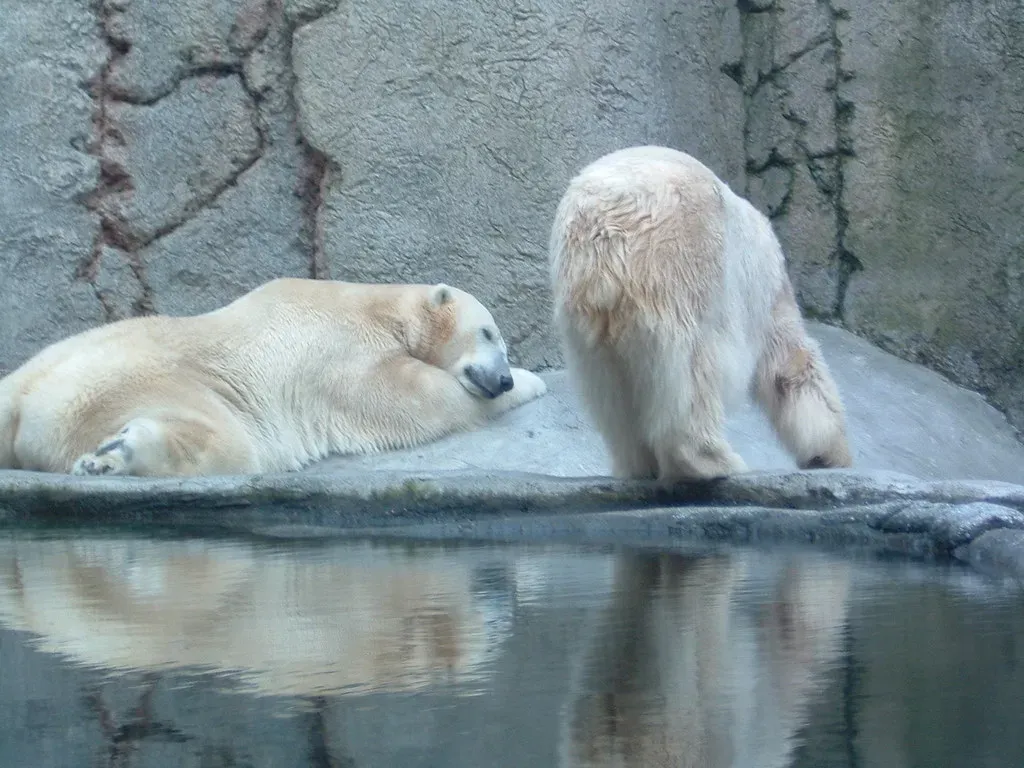
Other species of bears hibernate because food is scarce in the winter and snowfall can make traversing their habitats difficult. For polar bears, however, winter is the best time to catch their blubbery prey. More ice means a slower escape for seals after coming up for air, allowing polar bears a better shot at catching them. Because of this, polar bears don’t hibernate at all.
Most polar bears are active year-round, with hibernation occurring only among pregnant females. Polar bears sleep close to eight hours a day on average. They will sleep in various positions, including curled up, sitting up, lying on one side, on the back with limbs spread, or on the belly with the rump elevated. For an apex predator that needs to hunt in one of the coldest places on Earth, staying active through winter is not a choice. It’s a necessity.
8. Mothers Are Among the Most Devoted in the Animal Kingdom
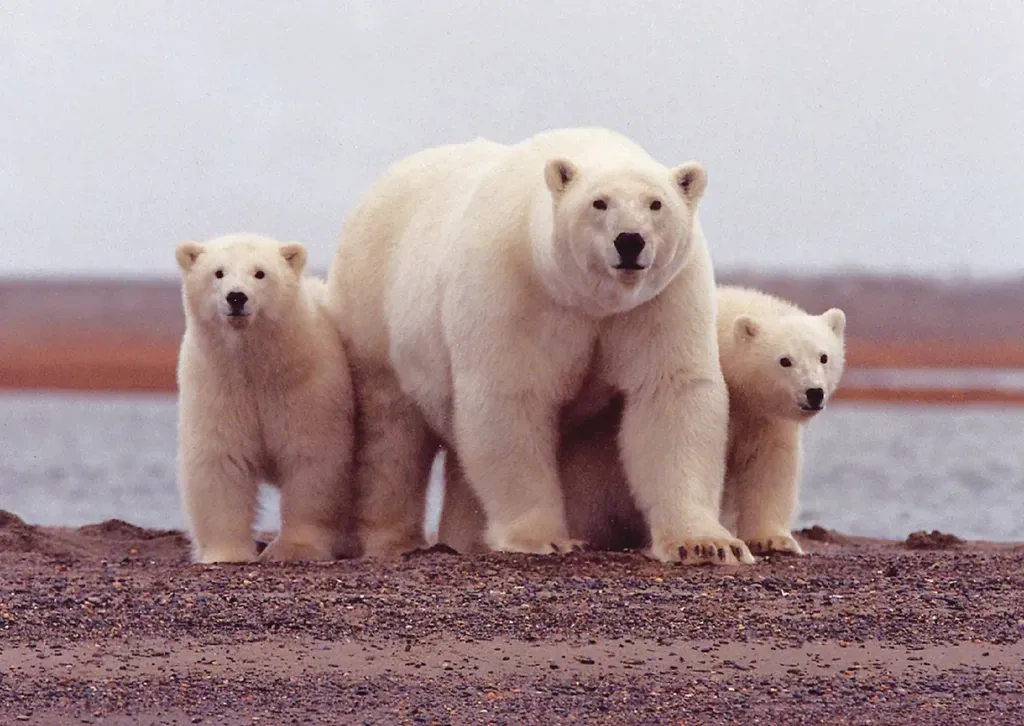
Females den by digging into deep snow drifts, which provide protection and insulation from the Arctic elements. They give birth in winter, usually to twins. The mother can go up to eight months without eating during this period, one of the most extraordinary feats of endurance in the animal kingdom.
Cubs typically stay with their mothers for two to two-and-a-half years, learning how to hunt, navigate the ice, and survive. The milk polar bear mothers give their newborn cubs is rich, about 32 percent fat. Females typically have their first litter around age five and reproduce slowly, with a new litter roughly every three years. That slow reproductive pace makes every single cub count enormously for the species as a whole.
9. They Evolved from Brown Bears in Relatively Recent Geological Time
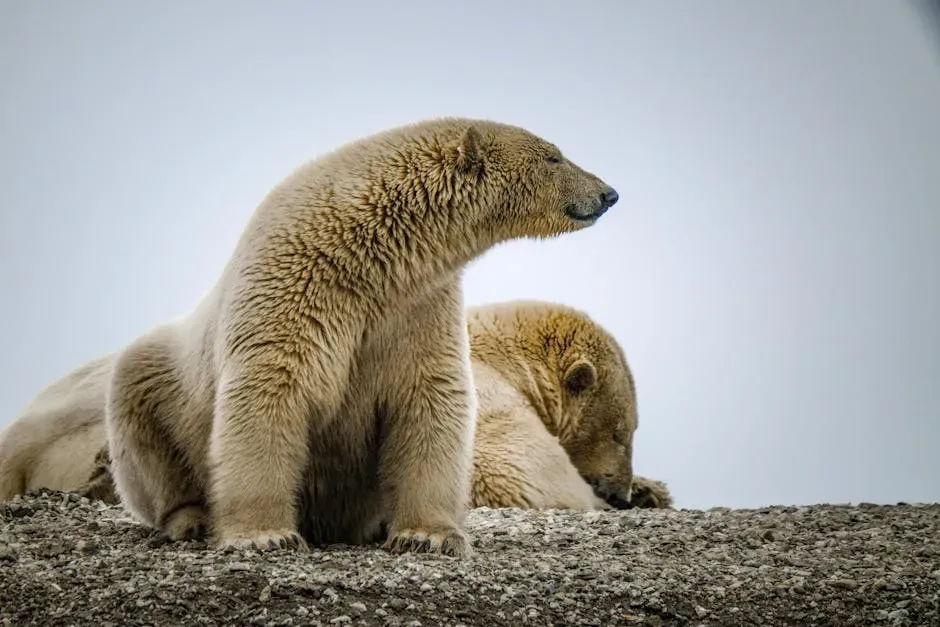
Polar bears evolved from brown bears, are very similar in many ways, and can even occasionally interbreed on the extreme edges of their ranges, producing fertile offspring. Recent studies on the genetics of polar bears showed that they split from brown bears between 343,000 and 479,000 years ago, much less than previous estimates. This is a very short time period in evolutionary terms and required major physiological changes to allow polar bears to survive on a very high fat seal-blubber diet.
The speed of that transformation is genuinely striking. Polar bears eat a very high fat diet and have adaptations that allow them to process this food. This enables them to eat the blubber of the seals they catch, which is the most energy-rich and abundant part of the seal. Other animals could simply not survive if they ate so much fat in their diet.
10. Their Future Is Deeply Tied to Sea Ice
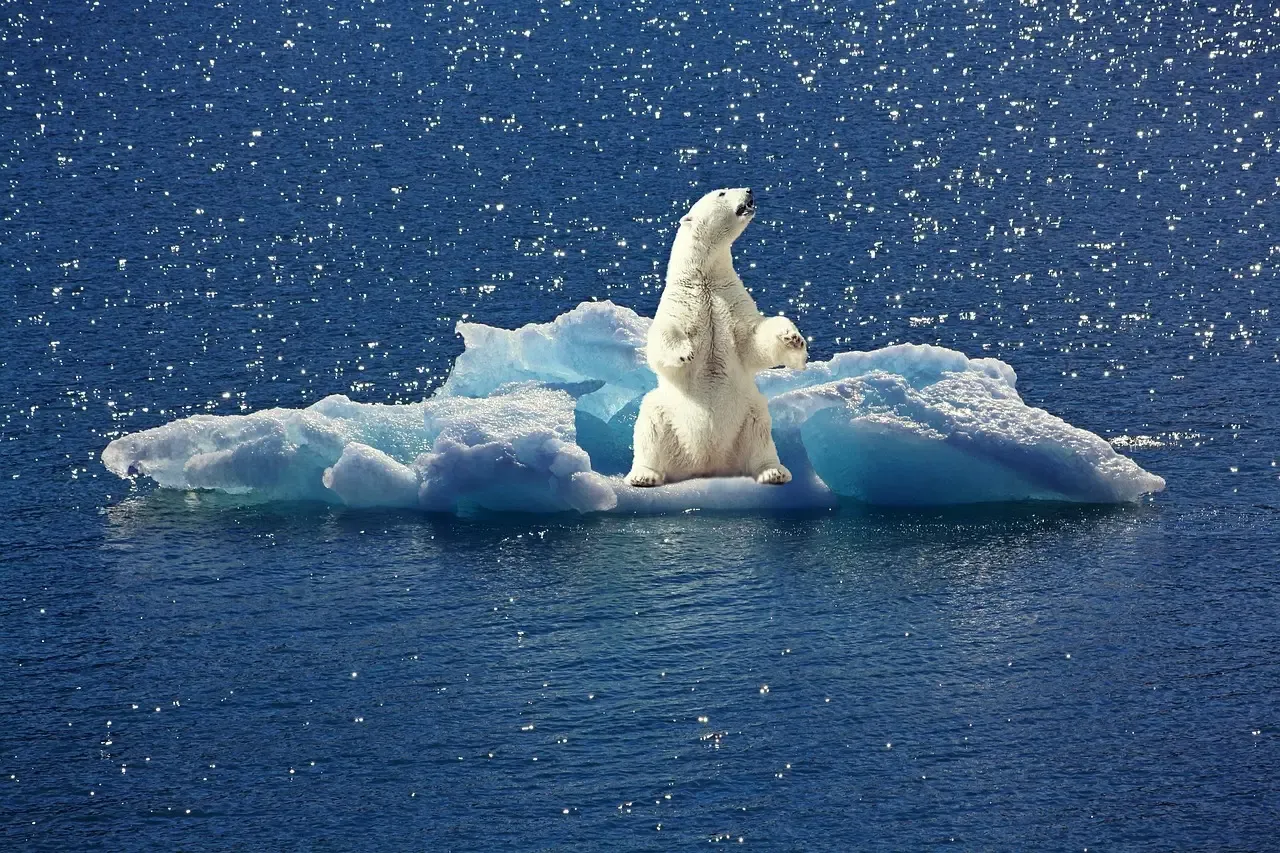
The key danger from climate change is malnutrition or starvation due to habitat loss. Polar bears hunt seals on the sea ice, and rising temperatures cause the ice to melt earlier in the year, driving the bears to shore before they have built sufficient fat reserves to survive the period of scarce food in the late summer and early fall.
In 2024, scientists found that polar bears living on land had been unable to adapt to land-based food sources such as bird eggs, berries, and grass, and thus faced rapid weight loss and starvation. The IUCN has classified polar bears as “vulnerable” for most of the past 40 years. Of the 19 subpopulations of polar bears globally, one is increasing, five are stable, and four are in decline, with the remaining nine lacking sufficient data. The picture is uneven, and some populations, like those around Svalbard, are showing more resilience than others. Still, the overall trajectory gives scientists genuine cause for concern.
Conclusion
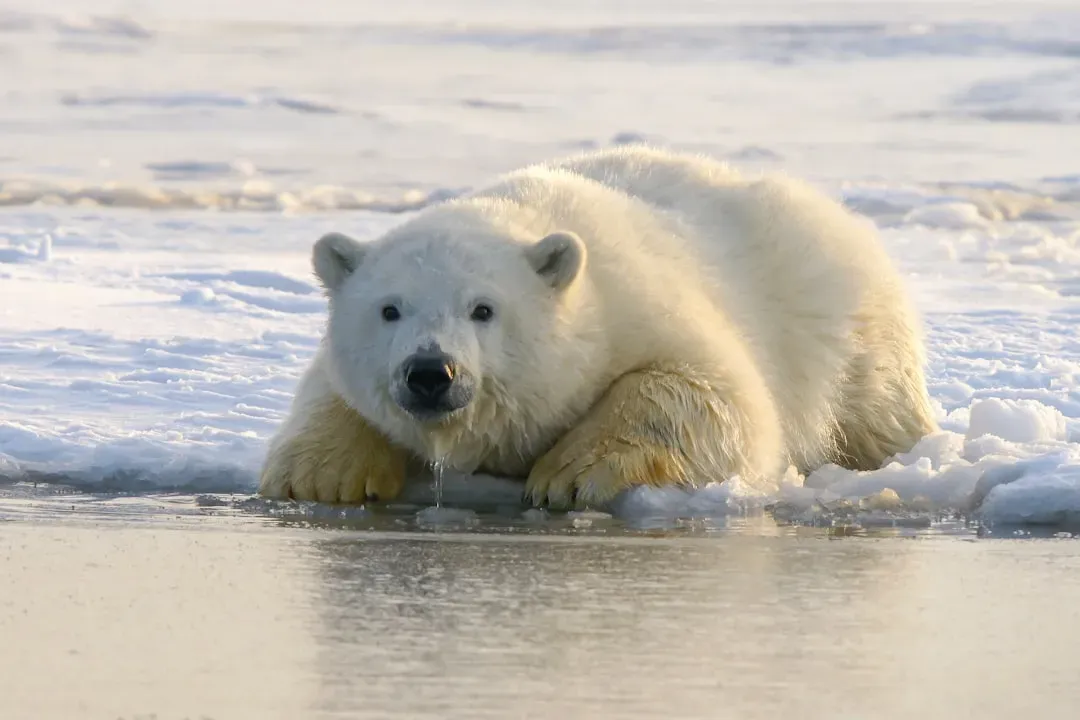
Polar bears are, in almost every sense, creatures of extremes. They are built for a world most life avoids, shaped by evolutionary pressures that produced one of the most physically impressive predators alive. Their fur that isn’t really white, their nose that can read a landscape from miles away, and their capacity to fast for months while nursing cubs all speak to an animal finely tuned to its environment.
What makes them so compelling in 2026 is the collision between that extraordinary biology and a world changing faster than evolution can keep pace with. The Arctic is warming nearly four times faster than the global average, causing the sea ice that polar bears depend on to hunt, rest, breed and den to melt away. ‘s story, for now, remains unfinished. How it ends will depend far less on the bear than on choices made well beyond the Arctic.
Worried about unexpected vet bills?
Pet insurance can cover thousands in unexpected vet costs. Get a free quote from Lemonade in under 2 minutes.
Get My Free Quote →Sponsored · Opens Lemonade.com
