


British Columbia, a vast and diverse province on Canada’s west coast, is renowned for its stunning landscapes and rich biodiversity. Home to a dynamic array of habitats ranging from lush temperate rainforests to mountainous terrains, British Columbia offers an impressive variety of wildlife. In this article, we will explore the top ten animals and wildlife this spectacular region has to offer, highlighting their unique characteristics and the habitats they call home.
10. Grizzly Bears

Grizzly bears are one of the most iconic wildlife species in British Columbia. These majestic creatures, with their distinct hump on their shoulders and massive paws, roam the expansive wilderness areas, especially in the Great Bear Rainforest. Weighing up to 800 pounds, grizzlies are omnivores and have a varied diet that includes berries, nuts, salmon, and small mammals. Observing these powerful animals in the wild is a memorable experience, drawing wildlife enthusiasts from around the globe.
9. Coastal Wolves
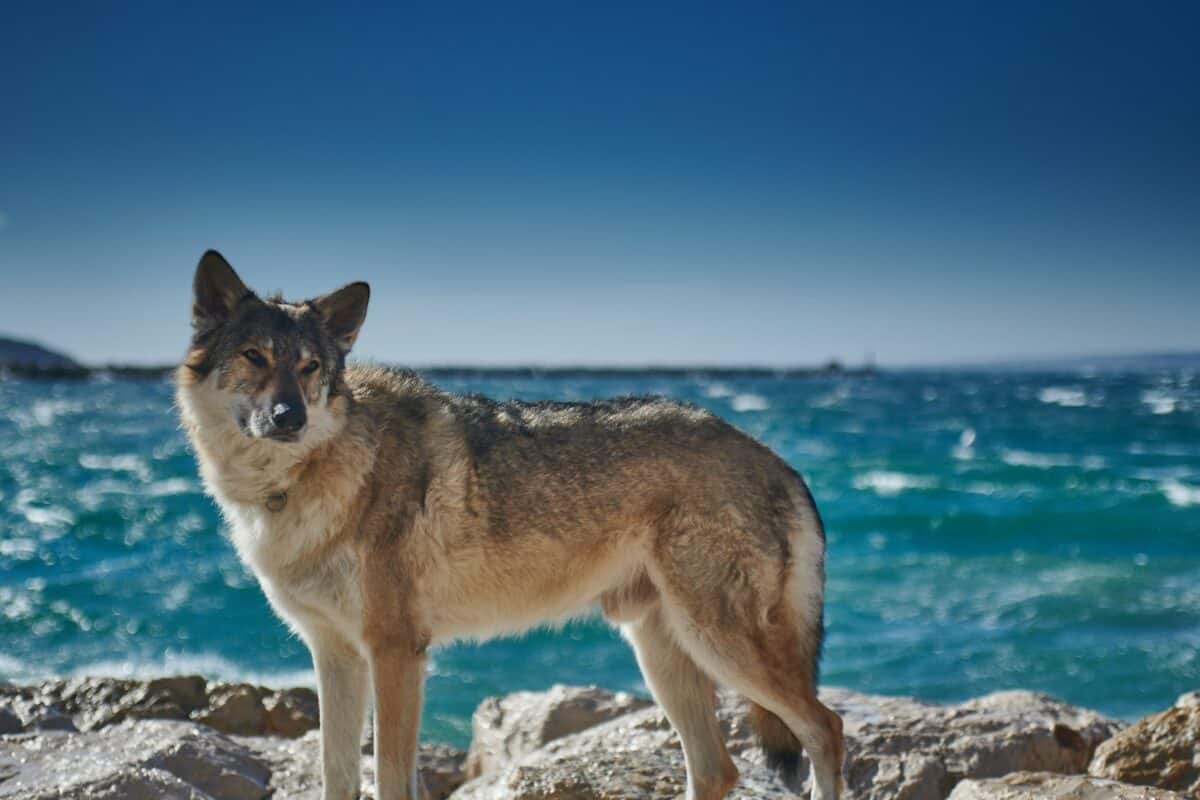
The rare coastal wolves of British Columbia, also known as sea wolves, are unique to the Great Bear Rainforest and nearby coastal islands. Unlike other wolf populations, these wolves have adapted to a lifestyle heavily reliant on marine resources. They are excellent swimmers and have diets primarily consisting of fish, including salmon and small marine mammals. Their distinctive grey-brown fur and strong pack dynamics make them a fascinating species to study.
8. Bald Eagles
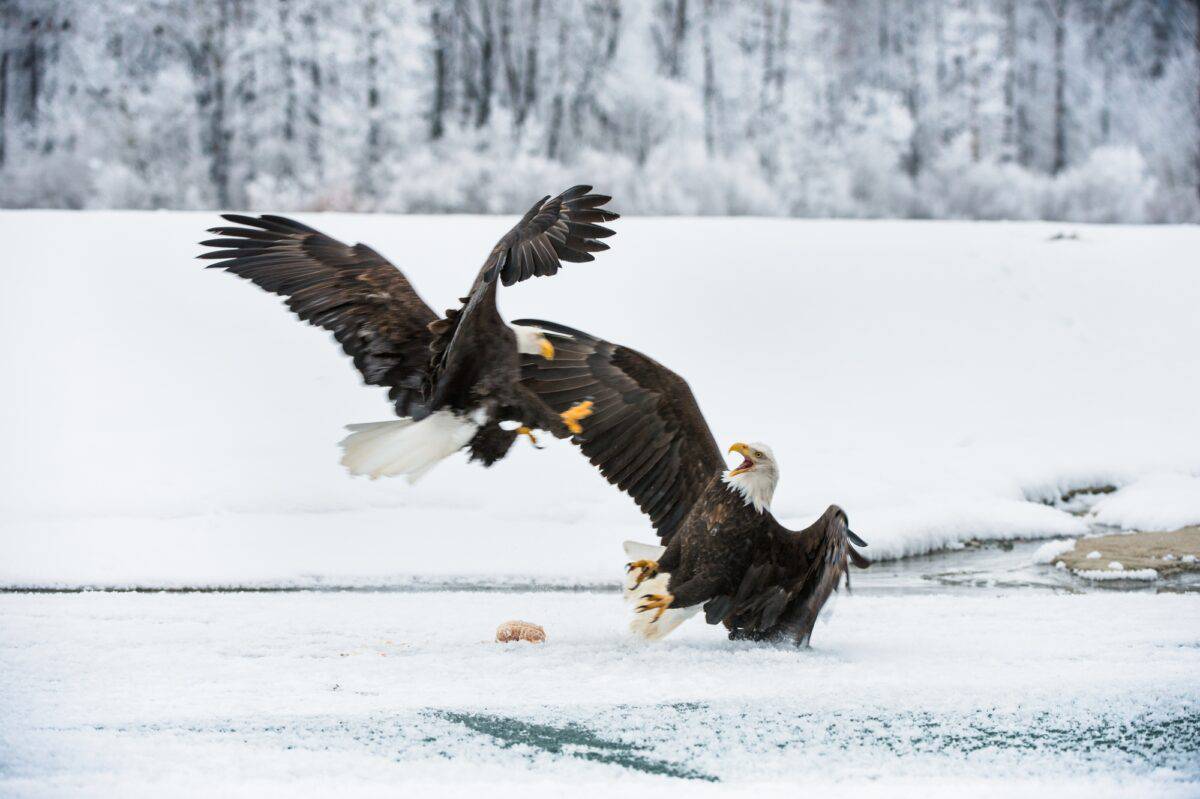
Bald eagles are a common sight along the coastal and interior regions of British Columbia. With their striking white heads and tails and a wingspan extending over seven feet, these majestic birds are a symbol of strength and freedom. British Columbia hosts one of the largest concentrations of bald eagles in the world, particularly during the salmon spawning season when they gather in large numbers to feed.
7. Orcas

The coastal waters of British Columbia are home to several pods of orcas, or killer whales, renowned for their intelligence and complex social structures. These marine mammals are easily recognized by their distinctive black and white coloration and tall dorsal fins. There are both resident and transient orca populations in the region, each with different hunting patterns and diets. Orcas are a flagship species for marine conservation efforts in the area.
6. Mountain Goats

Mountain goats are extraordinary climbers, perfectly adapted to the rugged mountainous terrain of British Columbia. Characterized by their shaggy white coats and black horns, these animals navigate steep, rocky slopes with ease. They primarily inhabit alpine and subalpine environments, where they feed on grasses, herbs, and other vegetation. Observing mountain goats deftly moving across perilous cliff faces is a testament to their incredible agility and resilience.
5. Cougars
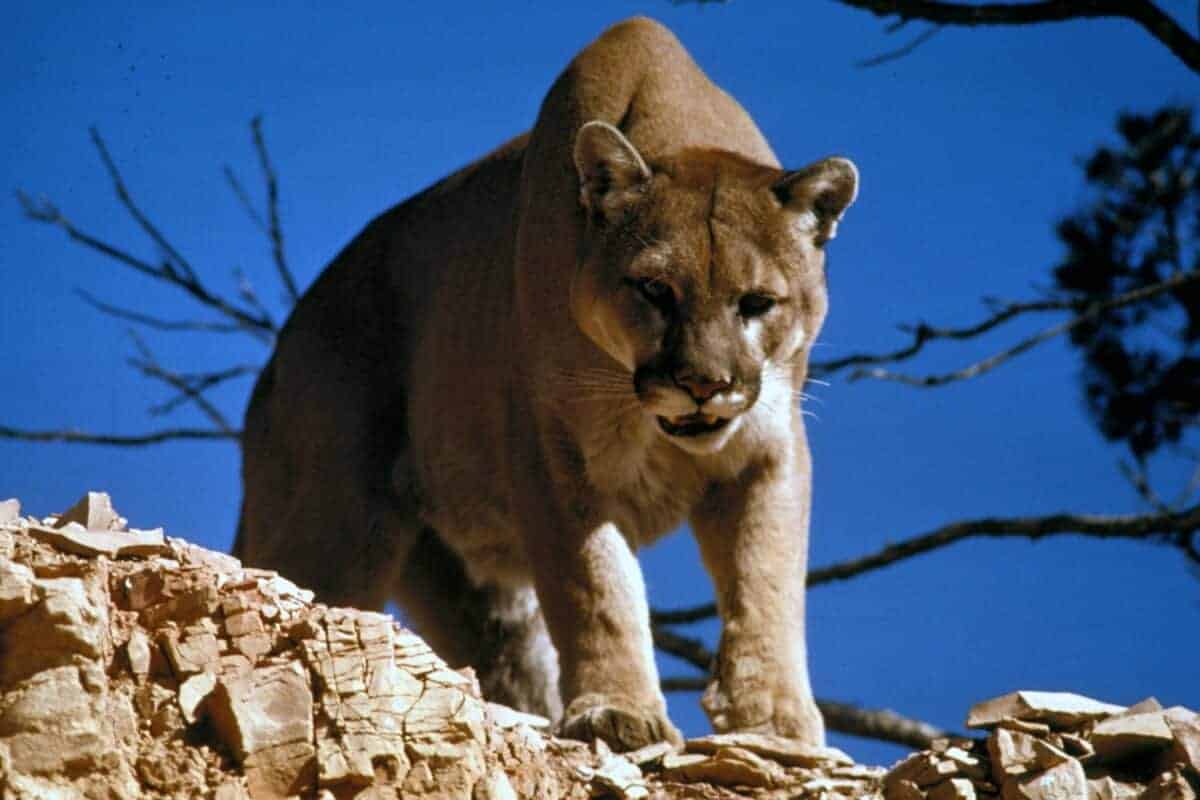
Cougars, also known as mountain lions or pumas, are elusive apex predators inhabiting the forests and mountains of British Columbia. These solitary animals are the largest wild cats in the region, known for their tawny coats and long tails. Cougars prefer hunting in dense forests where they can quietly stalk their prey, which mainly consists of deer and other ungulates. Due to their secretive nature, cougars are rarely seen by humans but play a crucial role in maintaining ecological balance.
4. Pacific Salmon

Pacific salmon are integral to the ecosystems and culture in British Columbia. Species such as Chinook, Coho, and Sockeye salmon undertake arduous migrations from the ocean to their freshwater spawning grounds, supporting numerous wildlife species, including bears and eagles, in the process. The salmon cycle is a cornerstone of the region’s natural heritage, influencing both ecological relationships and the lifestyle of indigenous communities. Conservation of salmon stocks is critical for sustaining biodiversity in British Columbia.
3. Spirit Bears

The Kermode bear, commonly known as the spirit bear, is a rare subspecies of the North American black bear found in British Columbia. These bears possess a unique genetic mutation that gives them a white or cream-colored coat, making them look strikingly different from their black-furred relatives. Spirit bears are found primarily in the Great Bear Rainforest, and they hold cultural significance for indigenous peoples. Protecting their habitat ensures the persistence of this rare genetic treasure.
2. Moose
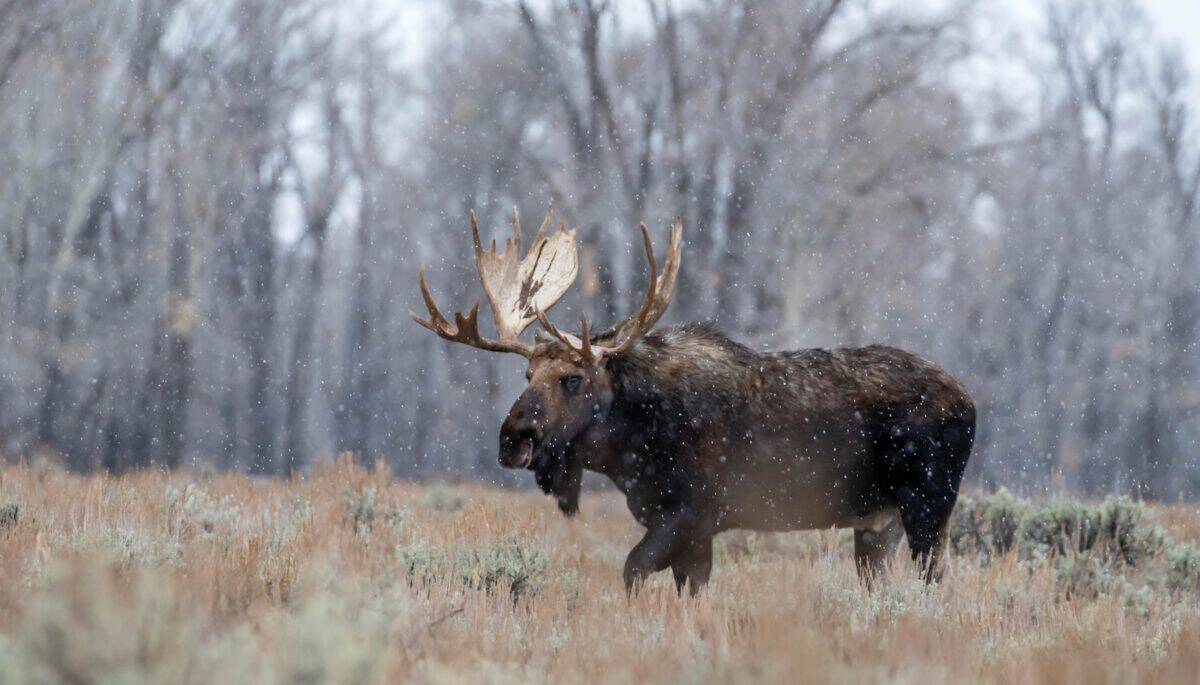
Moose are the largest members of the deer family and can be found in the northern and interior regions of British Columbia. Distinguished by their broad, palmate antlers, long legs, and drooping noses, moose thrive in boreal forests and wetlands. They are primarily browsers and feast on a variety of shrubs, trees, and aquatic plants. Moose are key species in their ecosystems, influencing vegetation dynamics and serving as prey for large carnivores like wolves and grizzly bears.
1. Humpback Whales
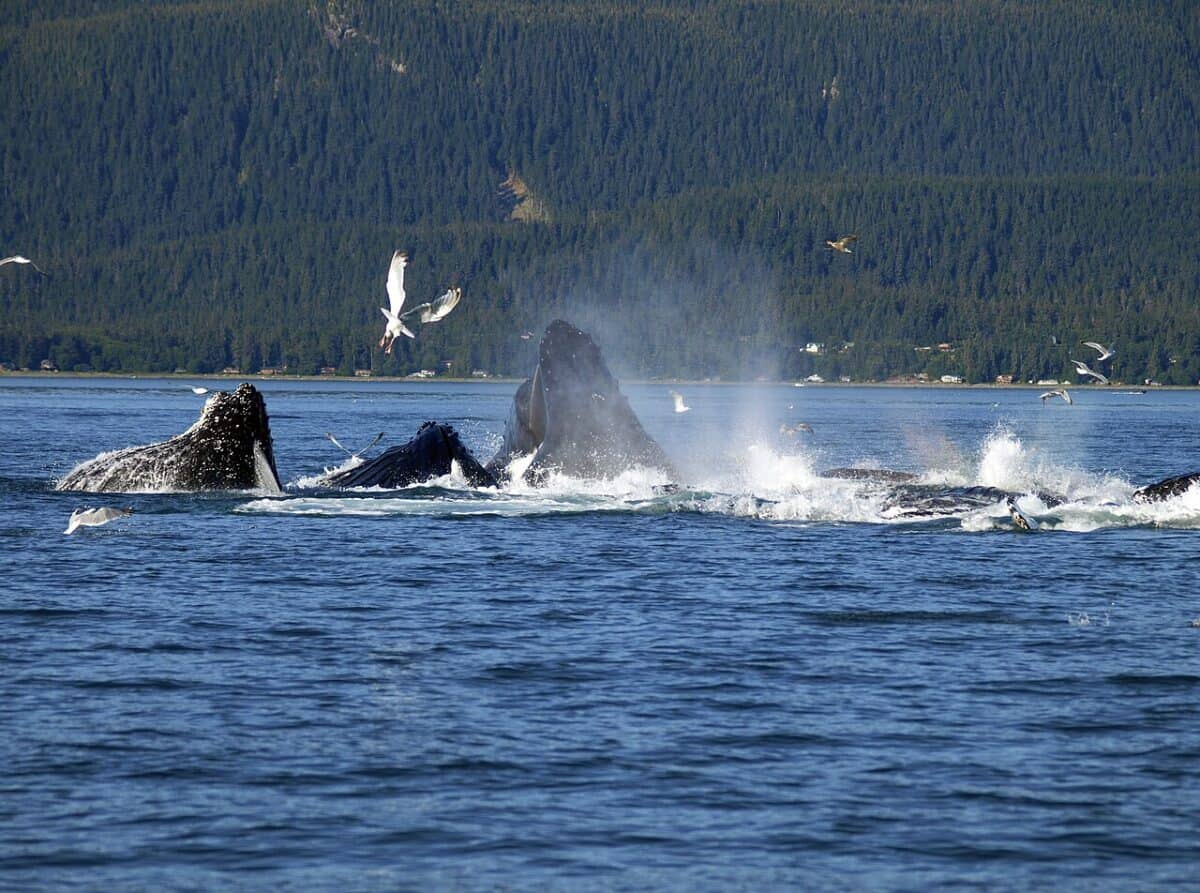
Humpback whales, with their distinctive long pectoral fins and acrobatic breaches, are a major attraction off the coast of British Columbia. These gentle giants embark on long migrations from tropical breeding grounds to the rich feeding waters of the North Pacific. Visitors can witness these majestic creatures lunge-feeding and engaging in complex vocalizations known as songs, contributing to the rich tapestry of marine life along British Columbia’s shores.
British Columbia’s diverse ecosystems provide a haven for an incredible variety of animals, each contributing uniquely to the natural heritage and ecological balance of the region. Whether it’s the awe-inspiring grizzly bears or the culturally significant spirit bears, the province’s wildlife offers endless opportunities for discovery and appreciation. Celebrating and protecting these magnificent creatures ensures that future generations can continue to enjoy the spectacular natural beauty of British Columbia.

- How Crickets Chirp Using Their Wings - July 20, 2026
- The Largest Sea Turtle Ever Rescued Off North Carolina - July 20, 2026
- The Ocean’s Escape Artist: Why Octopuses Outsmart Us All - July 20, 2026