

Montana, often referred to as “The Treasure State,” is home to a diverse array of wildlife species that thrive in its varied ecosystems, from vast prairies to rugged mountains. This rich biodiversity supports species ranging from the iconic bison to the elusive wolverine, making it a fascinating destination for wildlife enthusiasts. This article explores ten of Montana’s most remarkable animals, highlighting their unique characteristics and ecological significance.
1. American Bison
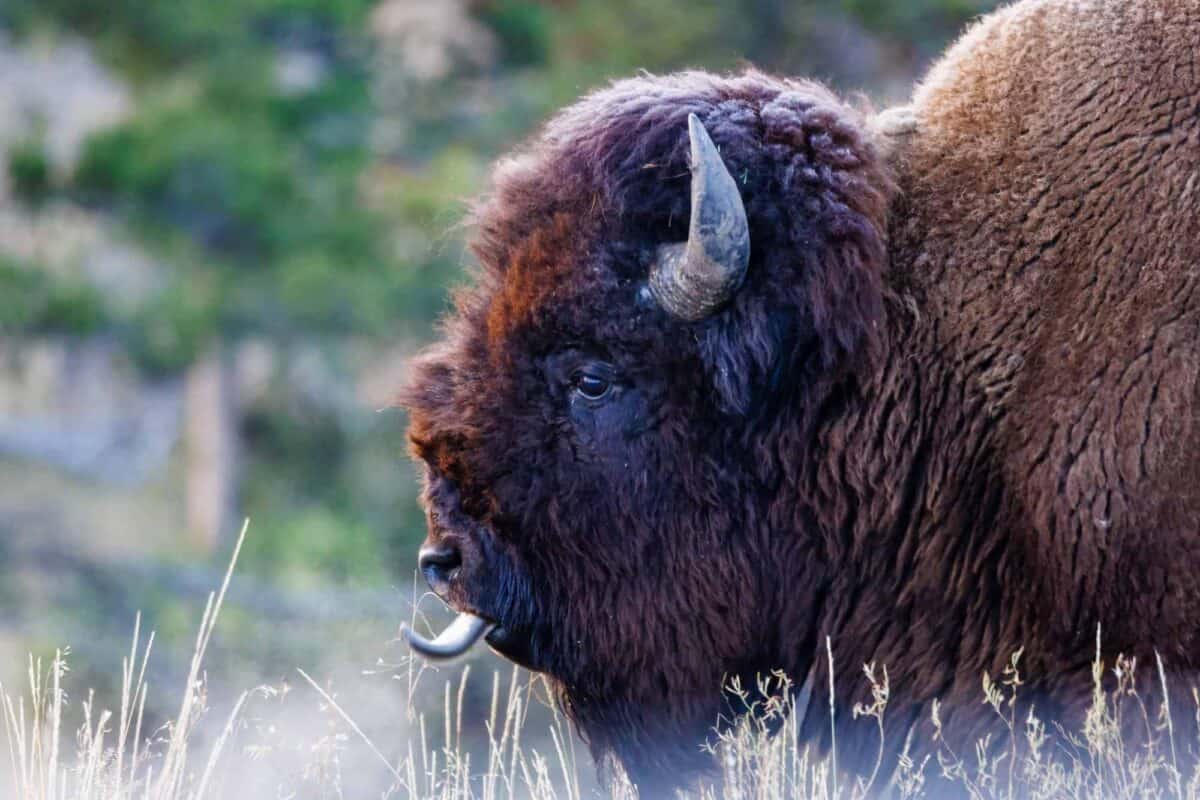
The American Bison, or buffalo, is an iconic symbol of the American West. Once nearly driven to extinction, bison populations have rebounded thanks to conservation efforts. In Montana, bison roam freely within places like Yellowstone National Park and the National Bison Range. With their massive, shaggy heads and powerful builds, they are the largest terrestrial animals in North America, and they play a critical role in maintaining the health of grassland ecosystems.
2. Grizzly Bear

The grizzly bear is one of the most formidable predators found in Montana. Known for their distinctive hump and powerful physique, grizzlies are most commonly found in western Montana’s wilderness areas, including Glacier National Park. These bears are omnivorous, feeding on a varied diet that includes plants, insects, and other animals. Despite their fearsome reputation, grizzlies are an essential component of their ecosystem, affecting plant and animal populations alike.
3. Gray Wolf
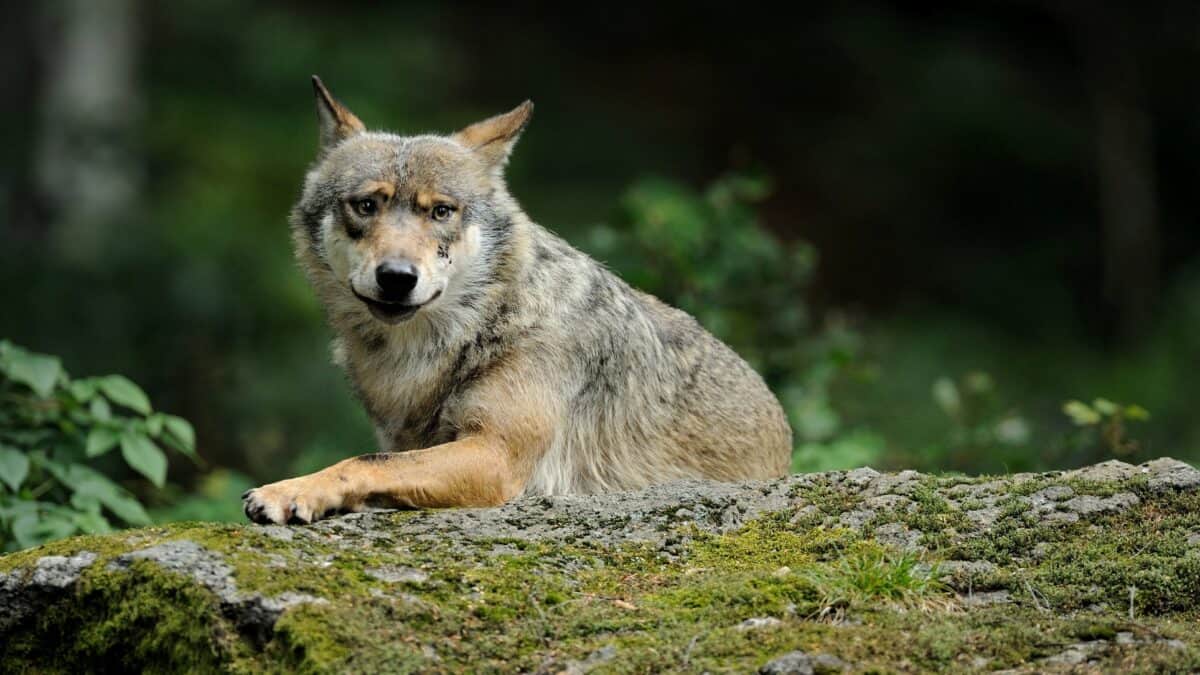
Gray wolves were reintroduced to Montana in the mid-1990s as part of a broader effort to restore balance to the region’s ecosystems. These apex predators primarily inhabit the forested and mountainous regions. Wolves play a crucial role in controlling populations of ungulates, such as deer and elk, thus maintaining ecological balance. Observing a pack of gray wolves in their natural habitat is a rare and thrilling experience for wildlife enthusiasts.
4. Mountain Lion
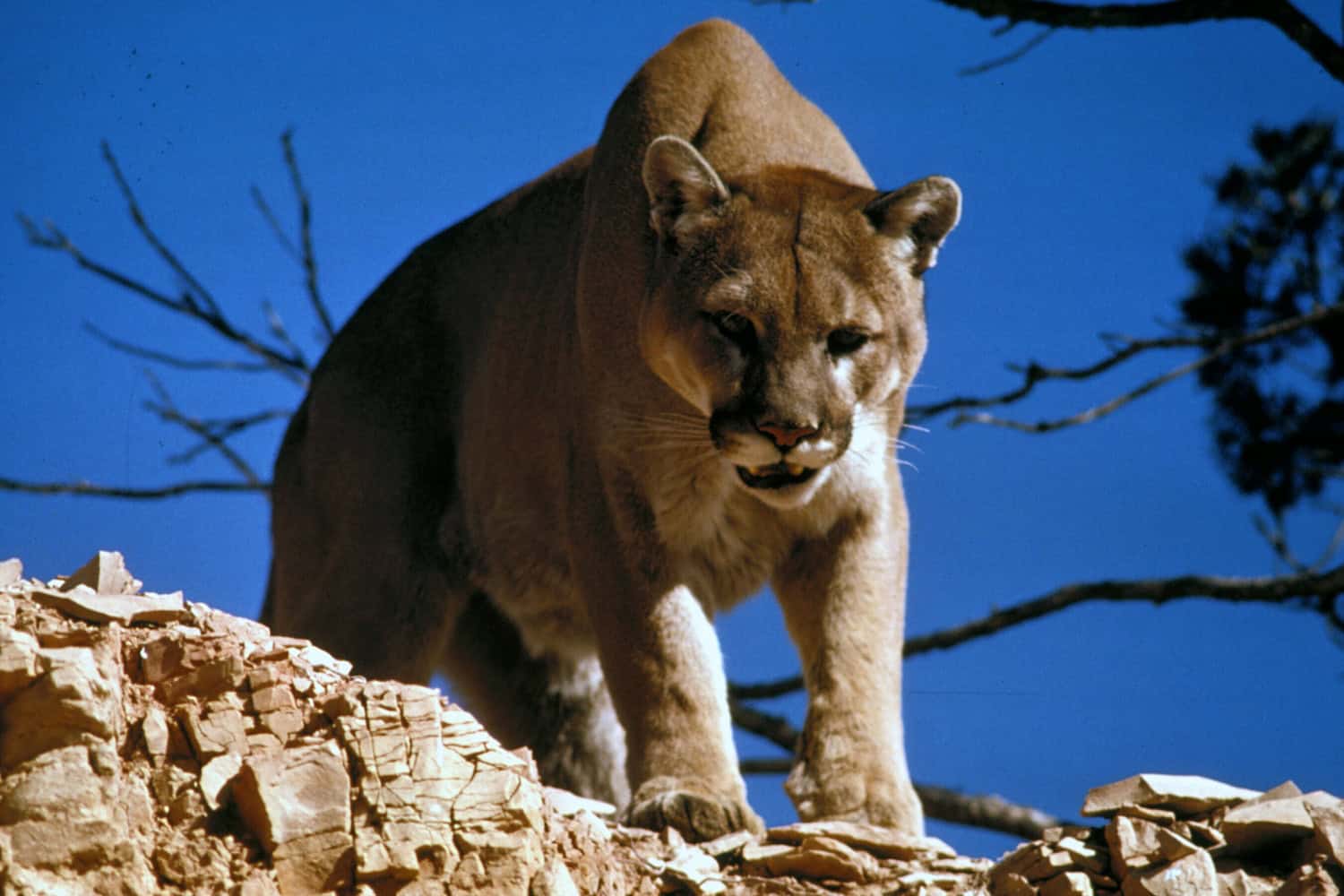
Also known as cougars or pumas, mountain lions are solitary predators found throughout Montana. These stealthy cats prefer rugged terrain, which provides ample cover for hunting. They are highly adaptable and can live in various environments, from forests to arid zones. Mountain lions are elusive and primarily nocturnal, making sightings relatively rare. Their presence is vital for controlling prey populations, which in turn supports biodiversity.
5. Bald Eagle
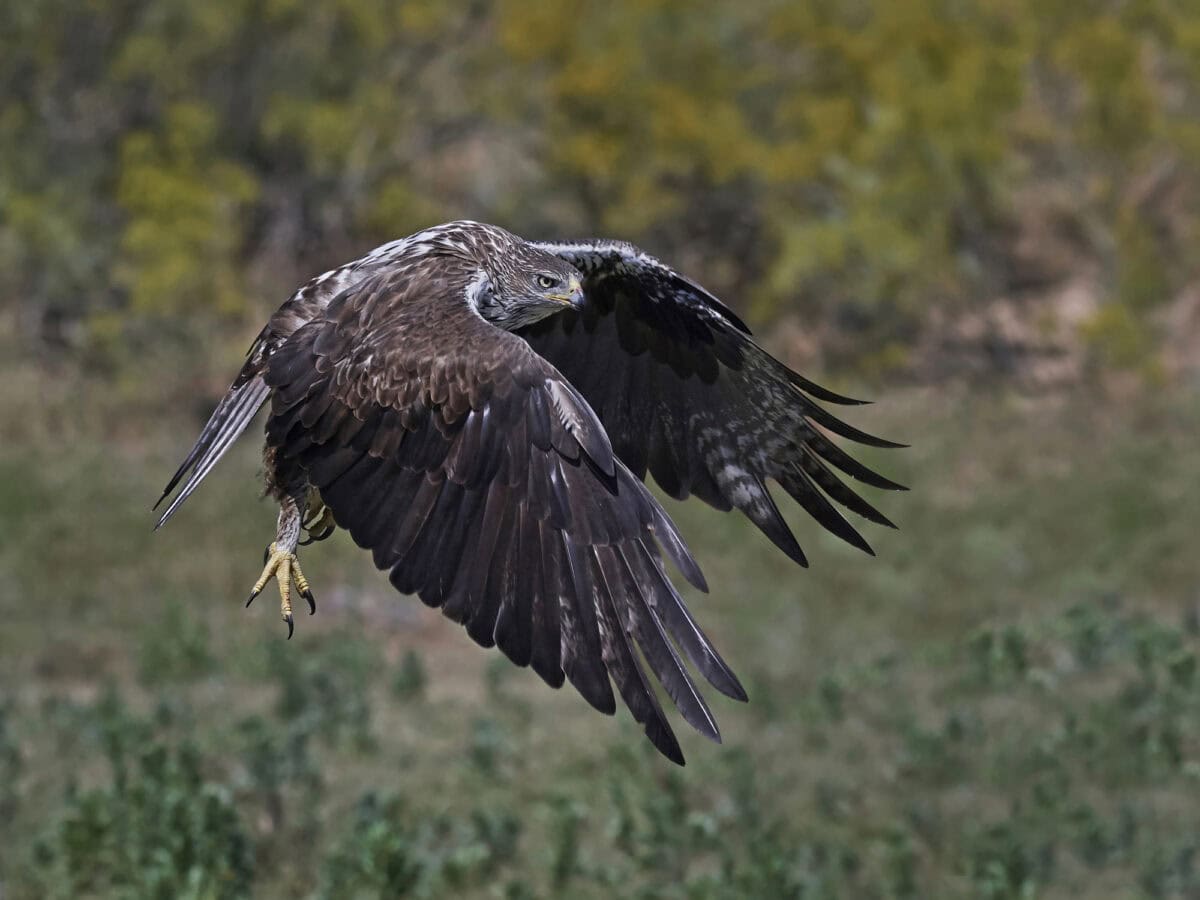
The bald eagle, America’s national bird, thrives in Montana’s diverse habitats. These majestic raptors are often seen soaring over large bodies of water, where they hunt for fish, their primary food source. Bald eagles are a conservation success story, having rebounded from the brink of extinction due to legal protection and habitat preservation. Their impressive wingspan and striking appearance make them a favorite among bird watchers.
6. Elk

Elk are one of the largest species within the deer family and are abundant across Montana. Known for their impressive antlers and distinctive bugling calls during the mating season, they inhabit wooded areas and open plains. Elk play a significant role in their ecosystems as grazers, influencing plant life and providing food for predators. Elk hunting is also a popular activity in Montana, drawing hunters from across the nation.
7. Moose

Montana is home to a healthy population of moose, the largest members of the deer family. These solitary animals are usually found in marshy areas, near lakes and streams. Moose are well adapted to cold climates, with thick fur and long legs suited for traversing deep snow. Due to their size and strength, moose have few predators other than humans and the occasional bear, playing a vital role in aquatic and terrestrial ecosystems.
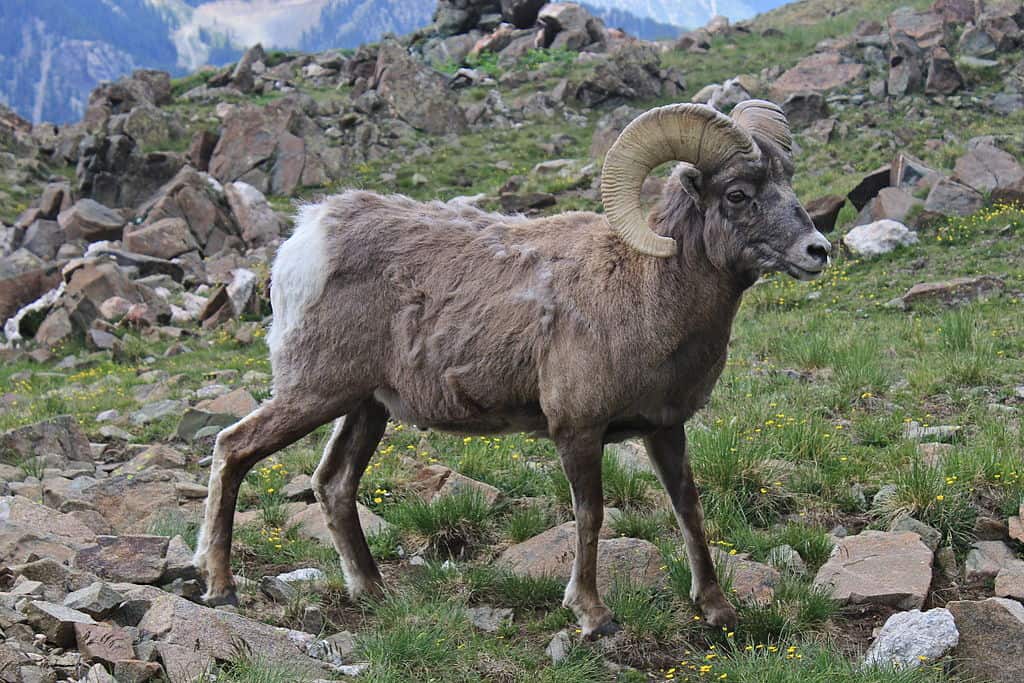
8. Bighorn Sheep
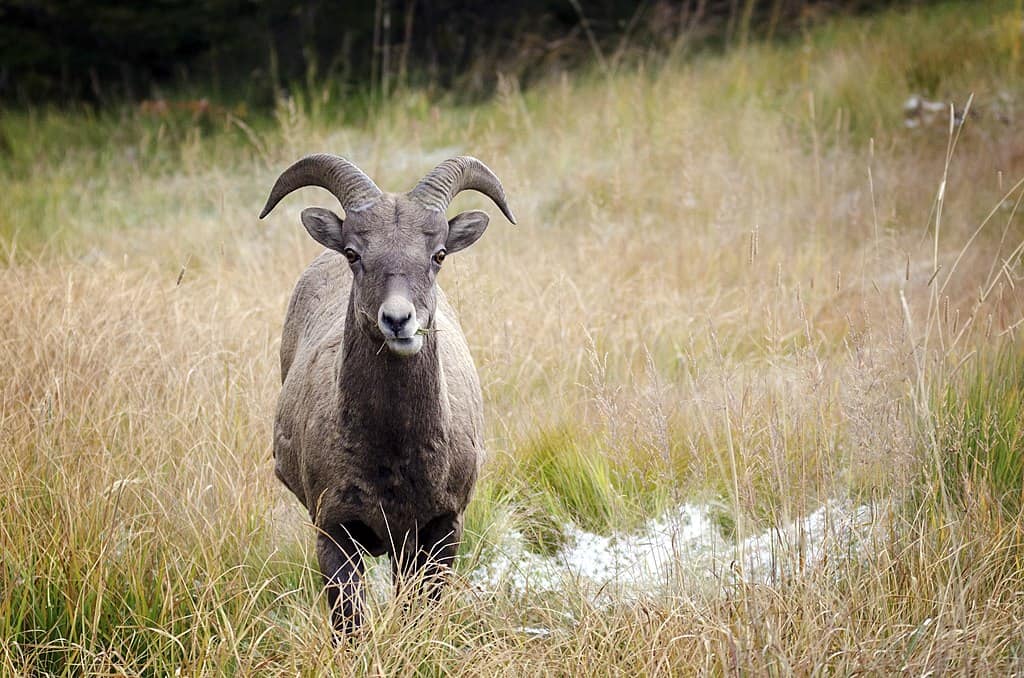
Bighorn sheep are remarkable for their impressive curved horns and agility in mountainous terrain. Found in various mountain ranges across Montana, these animals are well-adapted to steep and rocky environments. The diet of bighorn sheep varies seasonally, consisting mainly of grasses, plants, and shrubs. Their social structure and behaviors, such as head-butting contests during mating season, are fascinating to observe.
9. Wolverine

Wolverines are among the most elusive and rare carnivores in North America. These solitary animals are known for their strength and ferocity, often feared by other animals. Wolverines prefer remote, high-altitude areas and are seldom seen, making sightings a rare occurrence. They are scavengers as well as active hunters, playing a critical role in controlling populations of other animals and preventing disease spread through carrion consumption.
10. Trumpeter Swan

The trumpeter swan, North America’s largest swan species, is a conservation success story in Montana. Known for their all-white plumage and distinctive trumpet-like calls, they breed in wetlands and shallow lakes. Conservation efforts have been crucial in restoring their numbers, which had declined due to habitat destruction and hunting. These elegant birds are a vital part of aquatic ecosystems, contributing to the health of wetland environments.
Conclusion

Montana’s diverse wildlife continues to inspire and captivate all who are fortunate enough to observe it. From majestic predators like the grizzly bear to the graceful trumpeter swan, each species plays an essential role in maintaining the ecological balance of the region. Conservation efforts are critical to preserving these natural treasures, ensuring that future generations can continue to enjoy Montana’s extraordinary wildlife.

As a little kid, I fell in love with nature, wildlife, and animals. Living in the USA, South Africa, Italy, China and Germany gave me the opportunity to discover the world's Wildlife. My favorite animals are Mountain Gorillas, Siberian Tigers, and Great White Sharks.
I'm a certified PADI Open Water Diver, went to Everest Base Camp and Trekked Gorillas in Uganda. I hold a Master of Science in Economics and Finance.
Please send any feedback to feedback@animalsaroundtheglobe.com
- Top 20 Spots for Birdwatching in the U.S. - July 20, 2026
- 13 Secrets Behind the Bald Eagle Hunting Style - July 20, 2026
- Top 10 Reasons the Amur Leopard is Racing Against Time - July 20, 2026