

Newfoundland and Labrador, Canada’s easternmost province, is a region renowned for its breathtaking landscapes and abundant wildlife. This area offers a diverse range of ecosystems, from rugged coastlines and dense forests to serene inland areas. Within these habitats, a variety of fascinating animals thrive, drawing nature enthusiasts and researchers alike. This article will delve into the top 10 animals and wildlife species that inhabit Newfoundland and Labrador, providing intriguing insights into their unique characteristics and roles within the ecosystem.
1. Atlantic Puffin

The Atlantic Puffin, often referred to as Newfoundland’s unofficial bird, is a charismatic seabird known for its colorful beak and distinctive waddling walk. These birds are typically found nesting in large colonies on the rocky cliffs and islands around the province. Puffins are expert divers, using their wings to “fly” underwater while hunting for fish. Visitors to Newfoundland often seek out these delightful creatures, as they are emblematic of the province’s rich avian biodiversity.
2. Moose

The moose is a dominant presence in the forests and barrens of Newfoundland and Labrador. Introduced to the island of Newfoundland in the early 20th century, the moose population has thrived, growing to one of the densest concentrations in North America. These majestic animals are the largest members of the deer family and are often spotted grazing on forest edges and in wetlands. Known for their impressive antlers, male moose, or bulls, are a sight to behold during the autumn rutting season.
3. Caribou

A native species to the region, the caribou can be found roaming the tundra and boreal forests of Labrador. These majestic animals are well-adapted to the harsh climates of the north, migrating vast distances between their summer and winter feeding grounds. Caribou are culturally significant to Indigenous peoples in Newfoundland and Labrador, who rely on them as a food source and in traditional practices. Unfortunately, caribou populations have been declining due to habitat disturbance and climate change, making conservation efforts essential.
4. Bald Eagle

The bald eagle can be spotted soaring above Newfoundland’s coastal areas and taking up residence near inland lakes and rivers. As an apex predator, the bald eagle plays a critical role in the ecosystem by helping to control populations of fish and small mammals. Recognizable by their white heads and tails contrasted against dark brown bodies, these majestic birds have made a significant recovery in population after facing declines in the 20th century due to DDT exposure and habitat loss.
5. Humpback Whale

Each summer, the waters off Newfoundland and Labrador become a hotspot for humpback whales. These massive marine mammals migrate to the region to feed on the rich food supply provided by cold currents and abundant fish populations. Known for their acrobatic breaches and complex songs, humpback whales captivate both researchers and tourists who embark on whale-watching excursions along the coast. Observing these giants of the sea is a truly unforgettable experience.
6. Black Bear

The black bear is the only bear species found in Newfoundland and Labrador and is an important part of the province’s terrestrial ecosystems. These opportunistic omnivores consume a wide variety of foods, including berries, plants, insects, and even carrion. Black bears play an essential role in maintaining healthy ecosystems by helping to control populations of certain species and assisting in seed dispersal through their foraging habits.
7. Arctic Hare
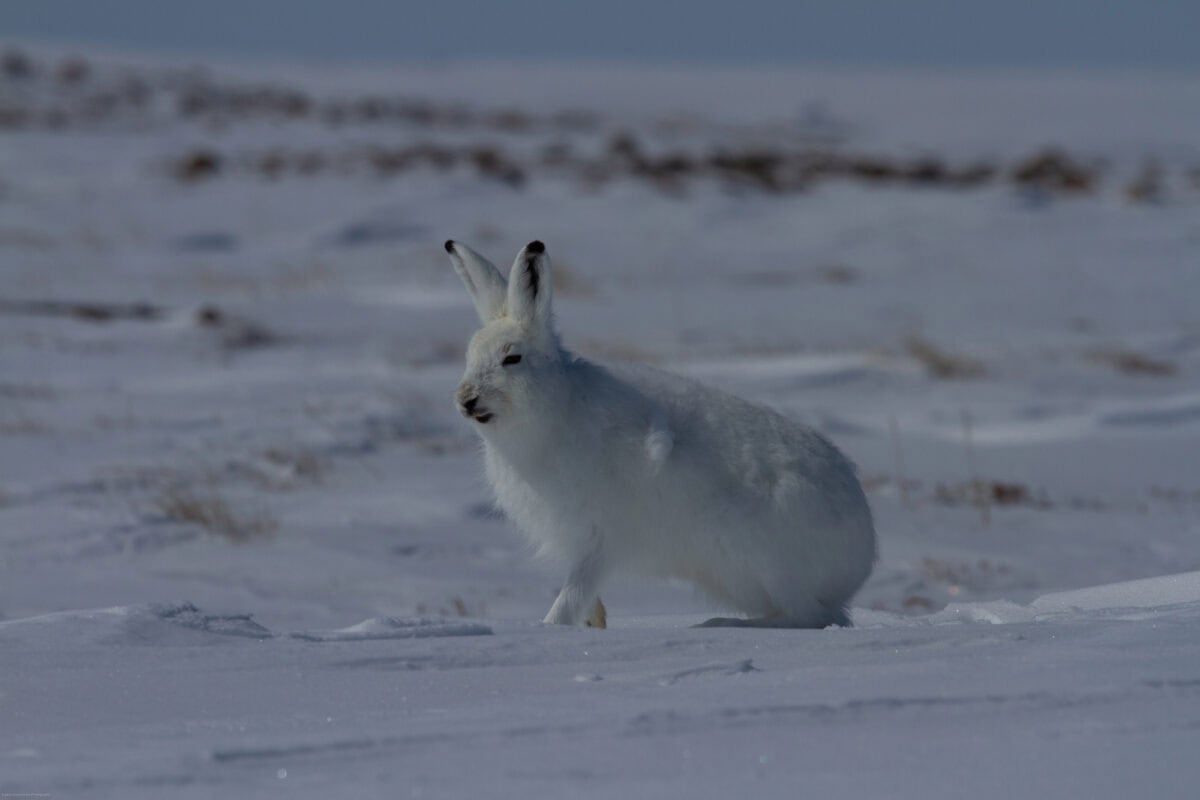
The Arctic hare is one of the few animals adapted to survive the harsh conditions of Newfoundland and Labrador’s northern regions. These hares have thick white fur that helps them blend into the snowy environment, providing camouflage from predators. During the summer months, their fur gradually changes to a greyish-brown to match the tundra landscape. Quick and agile, Arctic hares are a vital part of the food web, serving as prey for a range of larger predators.
8. Common Loon

The haunting call of the common loon is a familiar sound to those spending time near the lakes and rivers of Newfoundland and Labrador. With striking black and white plumage and piercing red eyes, loons are accomplished swimmers and divers, primarily feeding on fish. They are an indicator species, reflecting the health of aquatic ecosystems, and are highly sensitive to changes in water quality and habitat disturbances.
9. Red Fox

The red fox is a versatile and adaptable predator found throughout Newfoundland and Labrador. With its bushy tail and reddish fur, the red fox is both an iconic and enigmatic animal of the province. Foxes are known for their cunning hunting skills and play an essential role as both predators and scavengers. They help control populations of small mammals and birds, contributing to the balance of the ecosystems they inhabit.
10. Lynx
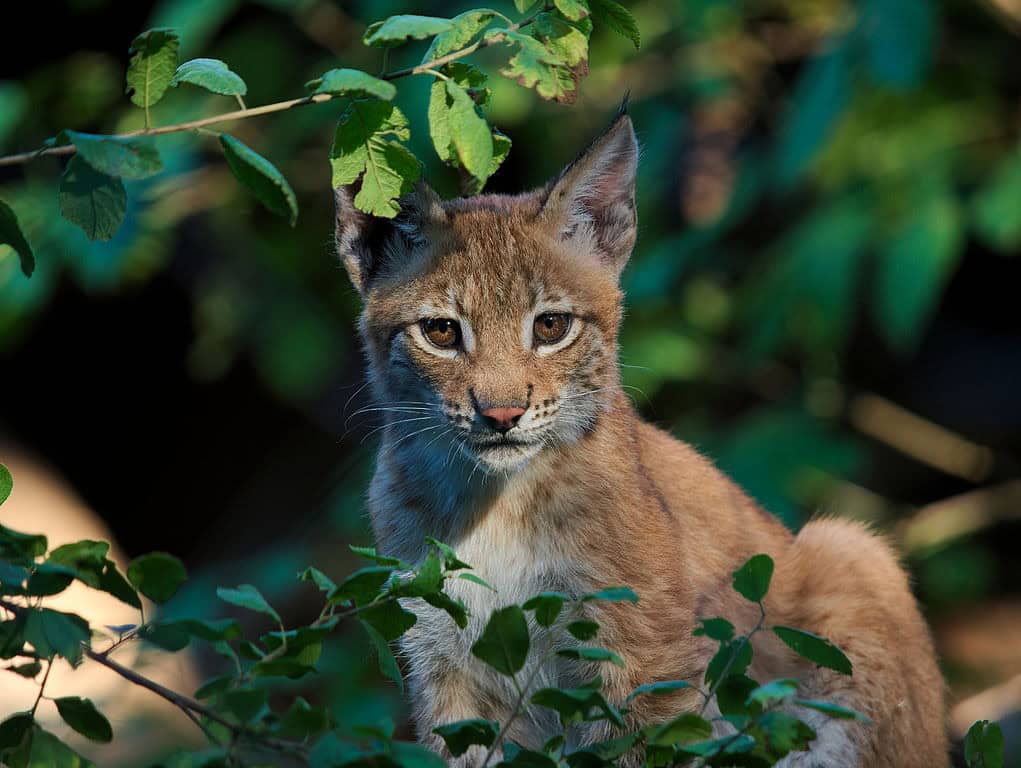
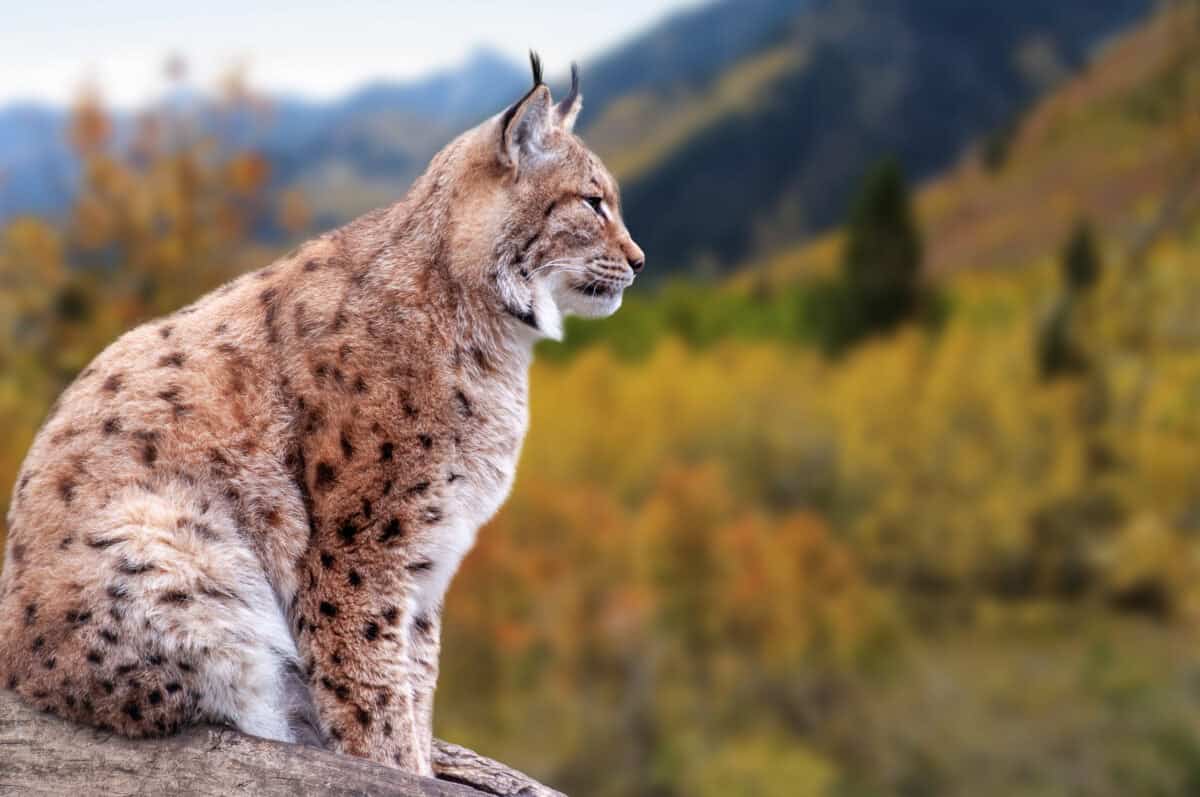
The lynx is a reclusive and elusive member of Newfoundland and Labrador’s wildlife community, primarily inhabiting the dense boreal forests of Labrador. Characterized by their tufted ears and short, black-tipped tails, lynxes are solitary hunters that specialize in capturing snowshoe hares. As an indicator of the health of forest ecosystems, the presence and prevalence of lynx populations offer insights into the impacts of climate change and human activity on these environments.
Conclusion
Newfoundland and Labrador is a haven for wildlife enthusiasts, offering remarkable opportunities to observe and appreciate a diverse range of animal species. From the iconic puffin and majestic moose to the elusive lynx and mighty humpback whale, the region’s wildlife is emblematic of its varied and rich natural heritage. Efforts to conserve and protect these species are essential to maintaining the ecological balance and ensuring that future generations can continue to experience the wonder of Newfoundland and Labrador’s wildlife.

As a little kid, I fell in love with nature, wildlife, and animals. Living in the USA, South Africa, Italy, China and Germany gave me the opportunity to discover the world's Wildlife. My favorite animals are Mountain Gorillas, Siberian Tigers, and Great White Sharks.
I'm a certified PADI Open Water Diver, went to Everest Base Camp and Trekked Gorillas in Uganda. I hold a Master of Science in Economics and Finance.
Please send any feedback to feedback@animalsaroundtheglobe.com
- 14 Spiders That Are Surprisingly Smart - June 27, 2026
- 12 Forest Dwellers That Are Harder to Find Than You Think - June 27, 2026
- 15 Wild Predators That Hunt at Night - June 27, 2026