

Pennsylvania, with its diverse landscapes ranging from mountainous terrains to verdant forests and sprawling rivers, is a haven for a wide variety of wildlife. Its ecosystems provide rich habitats for a plethora of animal species, offering ample opportunities for nature enthusiasts to observe and learn about the state’s natural inhabitants. This article highlights ten remarkable animal species that form a vital part of Pennsylvania’s wildlife tapestry. From the majestic white-tailed deer to the elusive bobcat, join us in exploring these fascinating creatures.
White-Tailed Deer

The white-tailed deer is perhaps the most iconic mammal in Pennsylvania’s wildlife. This graceful creature is easily recognizable by its reddish-brown coat in the summer, which turns grayish-brown in the winter, and the distinctive white underside of its tail. Highly adaptable, these deer are found throughout the state in forests, fields, and even suburban areas. They play a crucial role in local ecosystems, though their populations must be carefully managed to prevent overbrowsing and maintain ecological balance.
Black Bear
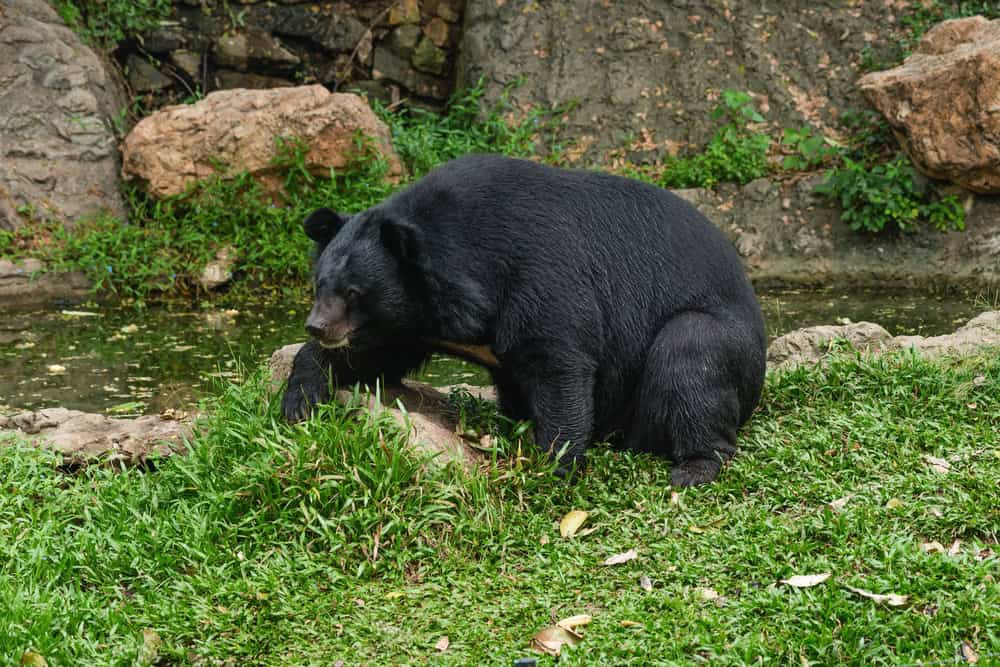
Another captivating presence in Pennsylvania’s woodlands is the black bear. Weighing up to 600 pounds, these bears are primarily found in remote forested areas, though due to habitat encroachment, sightings have become more common near human settlements. Black bears are opportunistic feeders with a varied diet that includes berries, nuts, insects, and occasionally small mammals. Their hibernation period during the winter makes Pennsylvania’s summer and fall prime times for potential sightings.
Bobcat

Solitary and elusive, the bobcat is Pennsylvania’s only native wild cat. These medium-sized felines are adept hunters, predominately nocturnal, and thrive in diverse environments such as deciduous forests, swamps, and even suburban settings. Their distinctive tufted ears, spotted coats, and short tails make them a fascinating subject for wildlife observers. Due to their secretive nature, bobcat sightings are rare, but their presence is an indicator of a healthy ecosystem.
Bald Eagle

The recovery of the bald eagle in Pennsylvania is one of conservation’s great success stories. Once on the brink of extinction, these majestic birds of prey can now be seen soaring over the state’s rivers and lakes. Their impressive wingspan and striking white head and tail feathers make them a symbol of strength and freedom. Eagles primarily feed on fish, using their keen eyesight and powerful talons to capture prey. Birdwatchers flock to areas like the Conowingo Dam and the Kettle Creek area for a chance to observe these magnificent birds.
Wild Turkey

Wild turkeys are a familiar sight in Pennsylvania. They are often seen foraging in woodlands and open fields. These large birds are known for their iridescent feathers and striking tails, which they fan out during courtship displays. Turkeys play a vital role in the ecosystem as seed dispersers, feeding on a diet that includes acorns, berries, and insects. Their distinctive gobble is a quintessential sound of the Pennsylvania wilderness.
Eastern Hellbender

The Eastern hellbender is North America’s largest salamander and an inhabitant of Pennsylvania’s clean, fast-flowing streams and rivers. Often dubbed the “snot otter” due to its slimy appearance, this amphibian is a specialist in water quality, relying on highly oxygenated waterways. Hellbenders are nocturnal and eat a variety of aquatic prey, primarily crayfish. Conservation efforts are crucial for this sensitive species, which faces threats from habitat destruction and water pollution.
Great Horned Owl
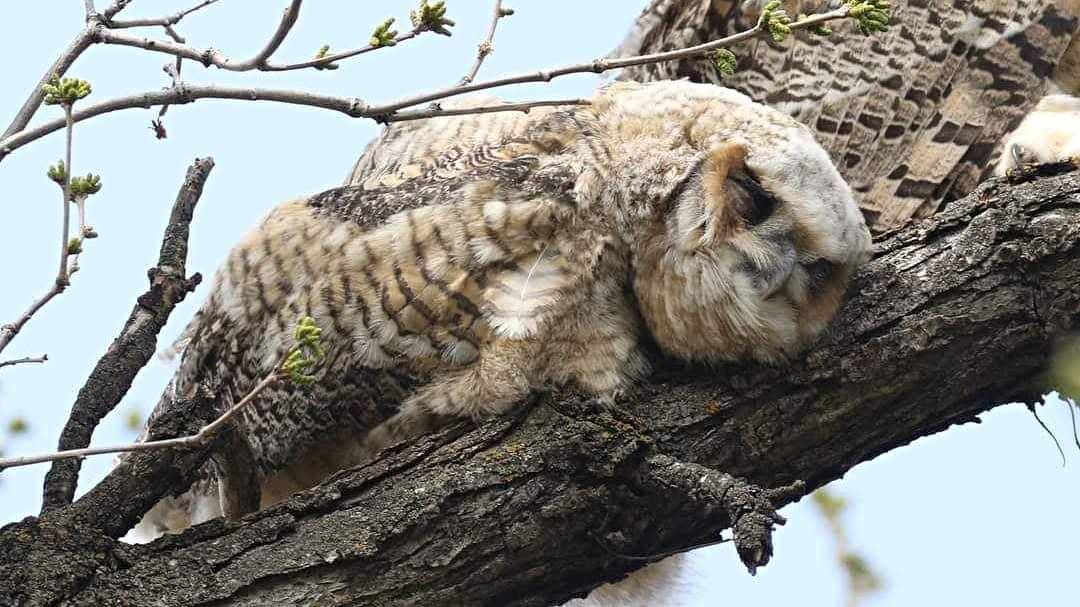
The great horned owl is a formidable predator known for its tufted “horns,” which are actually feathers, and its deep hooting call. Found throughout Pennsylvania, these nocturnal birds of prey have impressive adaptability, residing in forests, deserts, and urban areas. They hunt a wide range of prey, including rodents, birds, and even skunks. With excellent night vision and powerful talons, they are skilled hunters and important control agents for rodent populations.
Brook Trout

Designated as Pennsylvania’s state fish, the brook trout is a species cherished by anglers and conservationists alike. Found in the cold, clean streams of the state’s northern forests, these fish are a symbol of Pennsylvania’s wild waterways. Their vibrant colors and patterns, featuring spots and reddish fins, make them a beautiful sight. Unfortunately, brook trout populations are threatened by habitat degradation and climate change, highlighting the importance of ongoing environmental protection efforts.
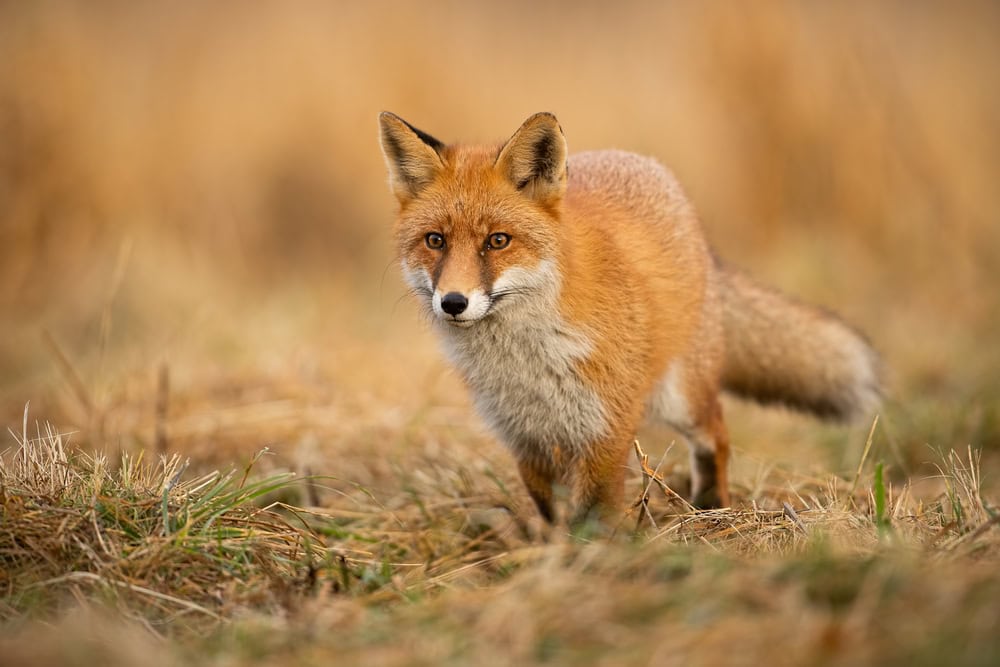
Red Fox
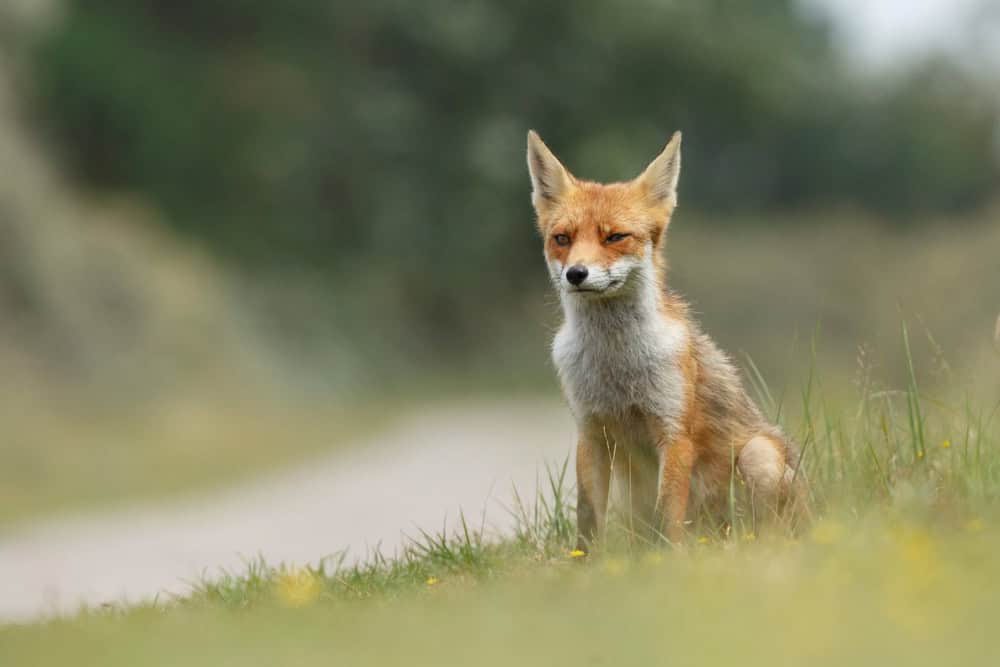
The red fox, with its striking reddish-orange coat, bushy tail, and black ears and legs, is a charming yet elusive sight in Pennsylvania. These cunning predators are highly adaptable and inhabit forests, farmlands, and urban areas. Known for their intelligence and agility, red foxes are expert hunters who feed primarily on small mammals and birds. Their playful and curious behavior makes them a favorite among wildlife photographers and enthusiasts.
Timber Rattlesnake
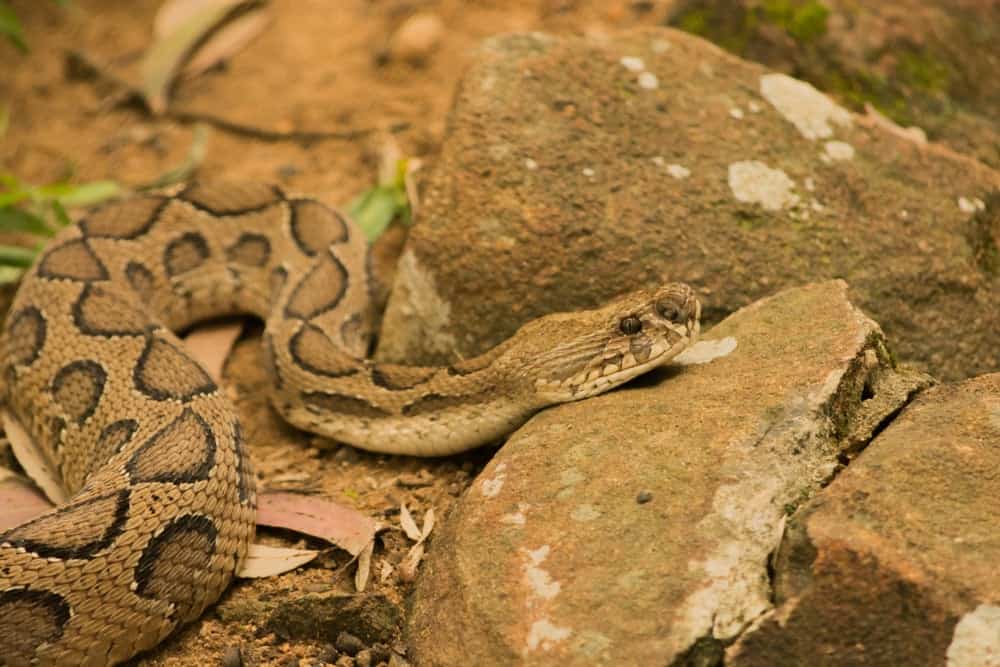
The timber rattlesnake is Pennsylvania’s only venomous snake species and a fascinating resident of its forests and rocky slopes. Recognizable by their dark bands and loud rattle warnings, these snakes play a critical role in controlling the state’s rodent populations. Timber rattlesnakes are generally shy and prefer to avoid human interaction, contributing to their role as less-understood but crucial components of Pennsylvania’s wildlife. Conservation efforts ensure that these misunderstood reptiles continue to thrive in their natural habitats.
Conclusion

Pennsylvania’s wildlife is a rich tapestry of life, offering glimpses into the fascinating dynamics of nature. From the white-tailed deer to the timber rattlesnake, these species exemplify the beauty, complexity, and interdependence of the state’s ecosystems. By appreciating and learning about these animals, we foster a deeper connection with the natural world and highlight the importance of conservation efforts to preserve these vital components of Pennsylvania’s biodiversity. Whether you’re an avid wildlife watcher or a casual nature lover, there’s always something new to discover in Pennsylvania’s abundant wild landscapes.

As a little kid, I fell in love with nature, wildlife, and animals. Living in the USA, South Africa, Italy, China and Germany gave me the opportunity to discover the world's Wildlife. My favorite animals are Mountain Gorillas, Siberian Tigers, and Great White Sharks.
I'm a certified PADI Open Water Diver, went to Everest Base Camp and Trekked Gorillas in Uganda. I hold a Master of Science in Economics and Finance.
Please send any feedback to feedback@animalsaroundtheglobe.com
- 13 Cat Breeds That Get Along with Dogs - July 20, 2026
- The 12 Largest Dog Breeds That Still Love to Cuddle - July 20, 2026
- 12 Pet Habits That Secretly Mean They Love You - July 20, 2026