

If you think Arizona is just about red rock canyons, saguaro silhouettes, and blazing sunsets, well, you’re only partially right. Beneath that stunning desert landscape lurks a jaw-dropping collection of venomous creatures that would make even the most seasoned outdoorsperson think twice before turning over a rock or reaching into a dark corner.
Arizona is, with all probability, the venomous animal capital of the United States. Honestly, that title is not hard to believe once you start counting. Add in the 17 venomous snakes, various arachnids, insects, bees and more, and Arizona ranks among the top states in the entire United States for how many venomous animals call it home. So whether you live there or are just visiting, knowing what’s out there could genuinely make a difference. Let’s dive in.
1. Arizona Bark Scorpion – The Tiny Terror of the Desert
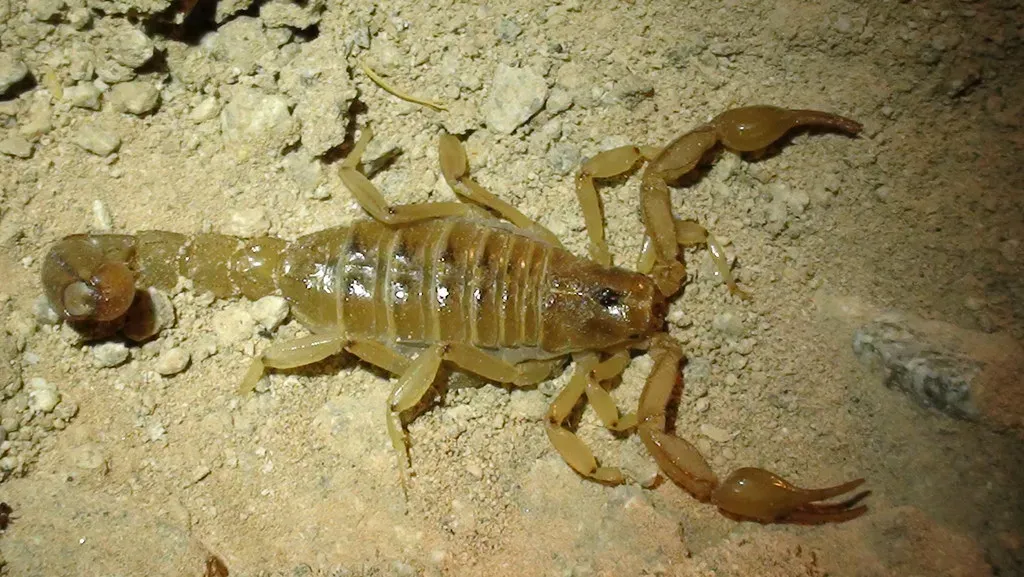
Here’s a fun fact that will stop you cold: the most dangerous scorpion in all of North America fits in the palm of your hand. The Arizona bark scorpion is the most venomous scorpion in North America, and its venom can cause severe pain, coupled with numbness, tingling, and vomiting in adult humans, typically lasting between 24 and 72 hours.
The Arizona bark scorpion holds the distinction as the most venomous scorpion in North America and the only scorpion species capable of delivering potentially fatal stings. Their neurotoxic venom primarily threatens children, elderly individuals, and people with compromised immune systems.
Due to the extreme pain induced, many victims describe sensations of electrical jolts after envenomation. Two recorded fatalities have occurred in the state of Arizona since 1968, and the number of victims stung each year and New Mexico is estimated to be in the thousands.
It is also important to remember that bark scorpions are the only US species that can climb vertical surfaces, meaning they might drop from a ceiling or wall if disturbed. I think that detail alone deserves to keep you up at night. Always shake out your shoes before putting them on.
2. Western Diamondback Rattlesnake – The Most Notorious Bite
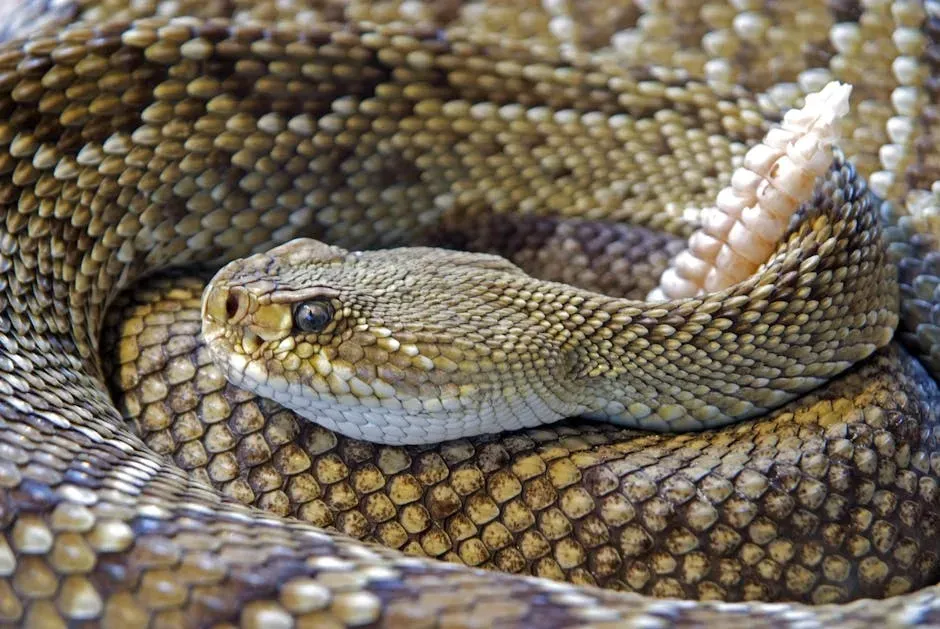
Few animals in the American West carry as much legend and raw danger as the Western Diamondback. The Western diamondback rattlesnake stands as Arizona’s most dangerous serpent, responsible for more venomous bites than any other species in the state.
Their hemotoxic venom destroys tissue and prevents blood from clotting, leading to severe internal bleeding, tissue damage, and potentially death if left untreated. Western diamondbacks are responsible for more snakebite fatalities in the United States than any other species.
This epic hunter grows four to six feet in length and weighs up to 15 pounds. ‘s deserts, rattlers hunt rabbits, gophers, lizards, and ground-dwelling birds in the underbrush at night, sensing their body heat with a pit located behind each nostril.
Their loud, buzzing rattle can be heard from 60 feet away and serves as your primary warning system. So the good news is you’ll likely hear them before you see them. Still, never assume silence means safety.
3. Mojave Rattlesnake – The Most Toxic Rattlesnake in the U.S.
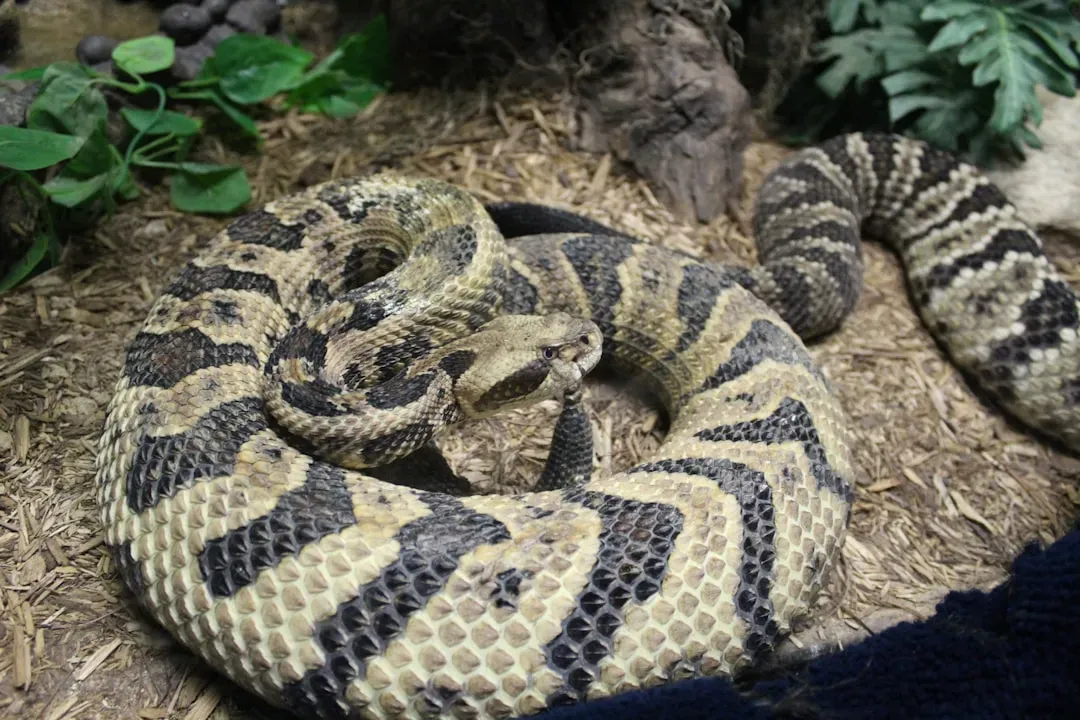
Let’s be real for a moment: if the Western Diamondback is the most common rattlesnake threat, the Mojave rattlesnake is the most frightening one on a purely chemical level. The Mojave Rattlesnake delivers the most potent venom of any North American rattlesnake.
Often considered the most dangerous rattlesnake in North America, the Mojave rattlesnake possesses both hemotoxic and neurotoxic venom components. This deadly combination attacks the nervous system while simultaneously destroying tissue and blood cells.
This species prefers higher elevation desert areas, particularly around creosote bush flats and Joshua tree forests in northwestern Arizona. They’re most active at dawn and dusk, seeking shelter during extreme temperatures.
Think of it like a double-punch knockout: first your tissue breaks down, then your nervous system starts to fail. That is exactly the kind of combination that demands immediate emergency care and no hesitation.
4. Black Widow Spider – Small Body, Shocking Venom
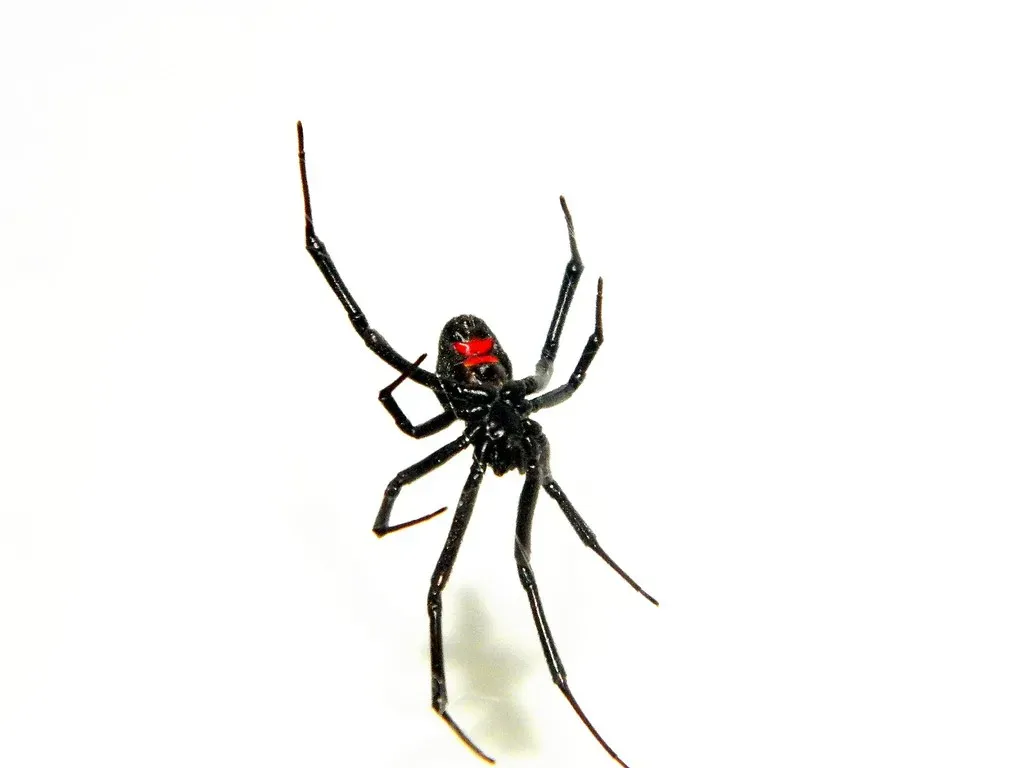
The black widow is arguably the most recognizable spider on the planet, and Arizona has plenty of them. The black widow is the most venomous spider in North America. The female black widow, marked by the distinctive red hourglass shape on its underside, is aggressive and has a powerful bite.
Black widow spiders inject neurotoxic venom 15 times more potent than rattlesnake venom, though in much smaller quantities. Their bites can cause latrodectism, a condition characterized by severe muscle cramps, abdominal pain, and potential respiratory complications.
They can be found all across Arizona, but are especially prevalent in metropolitan areas like Phoenix and Tucson, thanks to the availability of prey. Typically, Black Widows do not bite unless attacked or threatened, but when they do bite, their venom can cause breathing problems, muscle cramps, hypertension, nausea, and sweating.
Fifteen times stronger than rattlesnake venom. Let that sink in. The saving grace is the tiny quantity delivered, but that is cold comfort if you’re the one who just reached into a pile of firewood without gloves.
5. Arizona Brown Recluse (Desert Recluse) – The Silent Destroyer
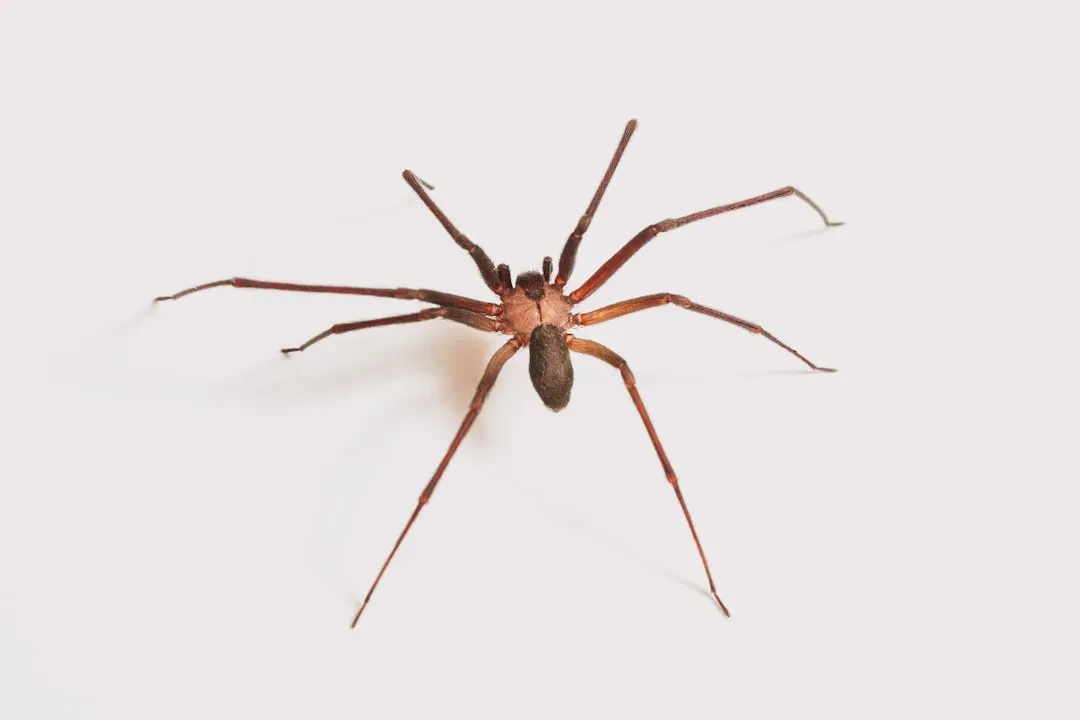
This one is particularly unsettling because you often won’t even know you’ve been bitten. There are five species of brown spider in the state and their bites can sometimes go unnoticed for up to eight hours before discomfort begins. Their bites are often distinguishable by a small sore that begins to spread from the bite site. If left untreated, these sores can grow, leading to permanent tissue damage or local necrosis.
This spider has markings that resemble the shape of a violin, but its bite is no laughing matter. According to the Arizona-Sonora Desert Museum, the bite of a brown recluse spider is very dangerous to humans and can result in amputation or death.
Their cytotoxic venom causes tissue death around bite sites if left untreated. These spiders seek dark, quiet spaces like closets, attics, and stored boxes. They’re most active at night and rarely bite unless directly pressed against skin.
It’s a creeping, flesh-eating kind of venom. Not fast. Not dramatic. Just quietly devastating if ignored. Shake out stored clothing, check boxes you haven’t opened in a while, and never reach blindly into dark spaces.
6. Gila Monster – The Chomping Venomous Lizard
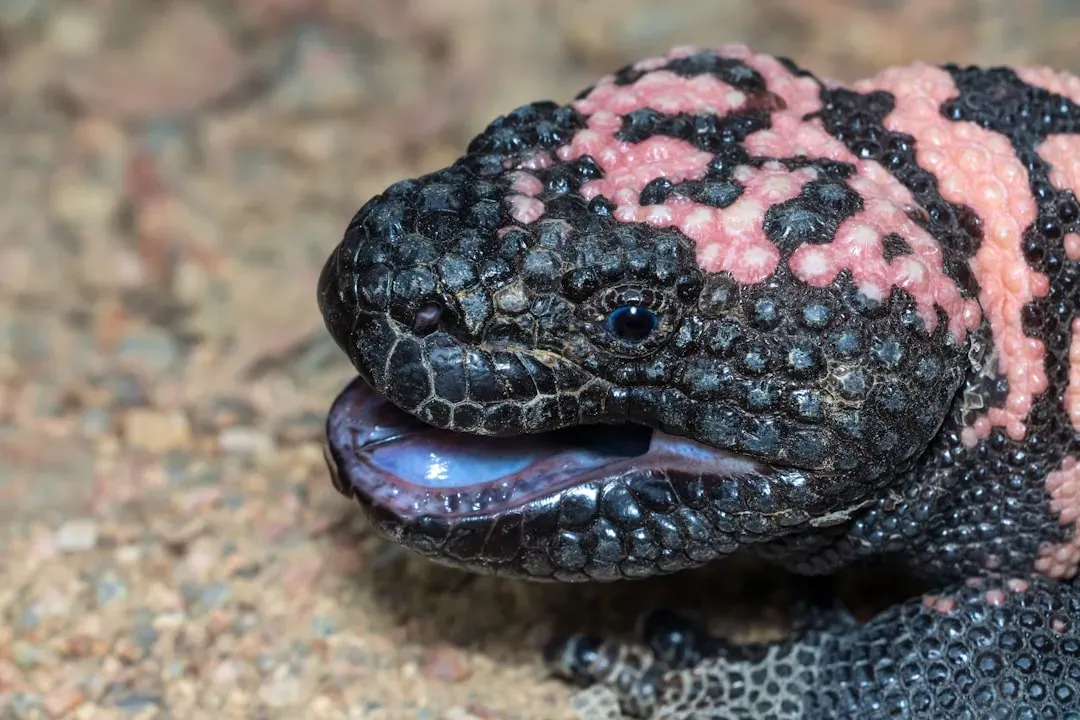
The Gila monster holds a truly unique title in the animal kingdom. The Gila monster is a heavy, slow-moving reptile, up to 22 inches long, and it is the only venomous lizard native to the United States. It looks almost cartoonishly colorful, like nature is showing off. Don’t be fooled.
It is generally regarded as producing the most painful venom of any vertebrate. More than a dozen peptides and other substances have been isolated from the Gila monster’s venom, including hyaluronidase, serotonin, phospholipase A2, and several kallikrein-like glycoproteins responsible for the pain and edema caused by a bite.
Unlike venomous snakes that inject venom through fangs, the Gila monster chews its venom in, meaning the longer it holds on, the worse it gets.
Gila monster bites are extremely rare, as these reclusive creatures spend up to 95% of their time underground and generally avoid human contact unless provoked or handled. Worth noting: In 1952, the Gila monster became the first venomous animal to be given legal protection. They are protected in all states of their distribution. So beyond the obvious pain of being bitten, harassing one could also land you in legal trouble.
7. Arizona Coral Snake – Cobra-Level Venom in a Small Package
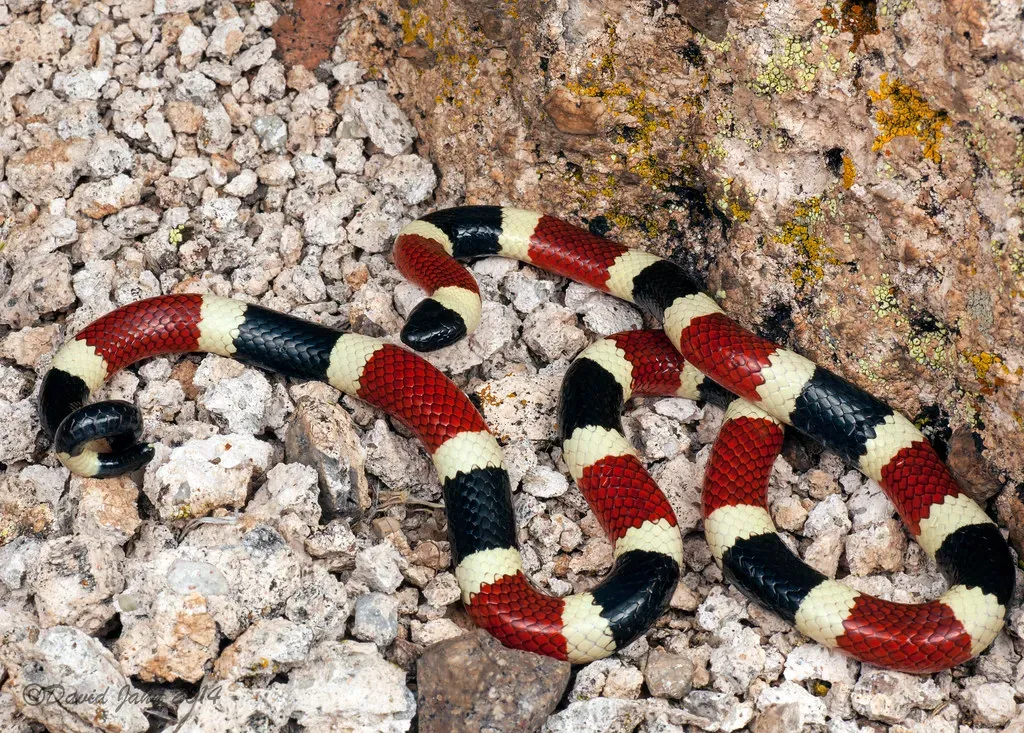
What this snake lacks in size, it more than makes up for in the potency of its venom. The Arizona coral snake is a small snake around 13 to 21 inches in length, identifiable through its brightly colored, alternating red and black thick strips buffered with thin yellow strips. These snakes have a venom comparable to that of a cobra’s but their delivery is less effective due to the small size of their head and fangs.
Arizona’s only coral snake species delivers highly potent neurotoxic venom through small, fixed fangs. Unlike rattlesnakes, coral snakes must maintain contact during bites to inject significant venom quantities, but their neurotoxin can cause respiratory paralysis.
Symptoms may not appear immediately but can progress rapidly to include slurred speech, drooping eyelids, and respiratory difficulty requiring ventilation. If bitten, seek emergency medical treatment immediately, as antivenom must be administered before severe symptoms develop.
The Arizona coral snake averages less than 2 feet in length. It is a shy animal, rarely responsible for significant bites, and there has never been a death attributed to the Arizona species. A comforting fact, though not a reason to pick one up.
8. Africanized Honey Bees – The Swarm You Cannot Outrun
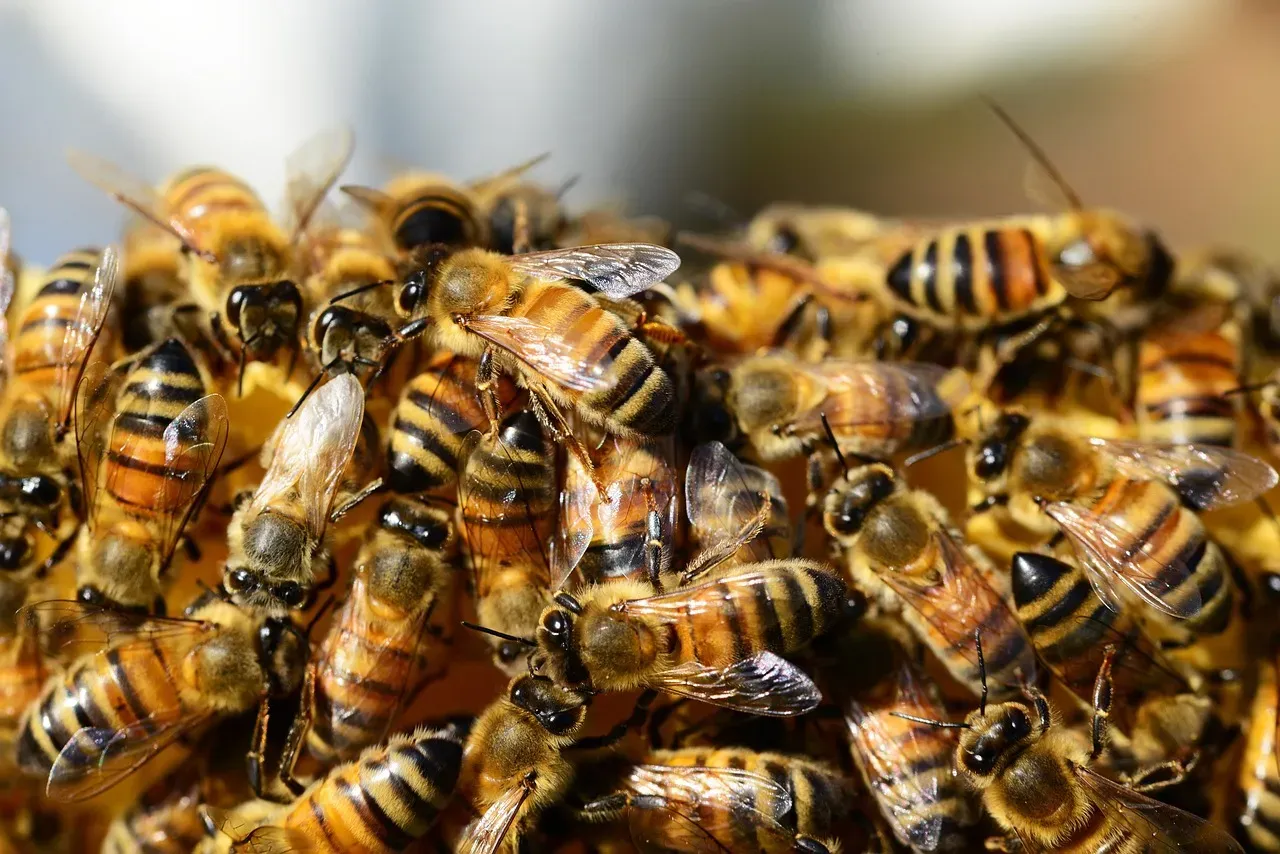
Here’s the thing about Africanized bees: a single sting is roughly the same as a regular bee. The danger is the swarm. Sometimes called “killer bees,” Africanized bees can swarm and attack in large numbers, posing a significant threat to those who disturb their nests. Since 1956, their attacks have killed more than 1,000 people.
While European honey bees might send out a few dozen defenders when their hive is disturbed, Africanized colonies can deploy thousands of aggressive guards that pursue threats for up to a quarter-mile. That is not an exaggeration. People have been chased that far.
Because they attack in swarms, it does not matter if you have a bee allergy. The sheer amount and force of the bee venom can be enough to send your system into shock. , it is now assumed that all bees you come across are some form of Africanized bee and are therefore best to keep away from.
Never jump into water, as the bees will wait above the surface for you to emerge and continue their attack. That survival tip alone might save your life someday.
9. Giant Desert Centipede – The Eight-Inch Nightmare
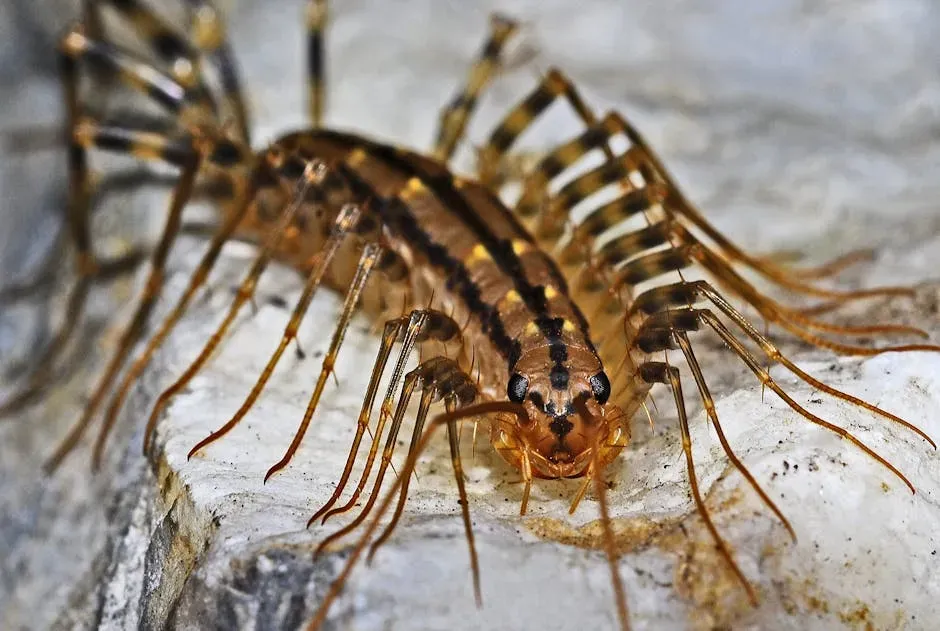
Most people underestimate centipedes. That is a mistake . The giant desert centipede reaches eight inches long and an inch wide. This fascinating creature walks on 42 legs and uses pinchers to grip its unfortunate insect, frog, and rodent victims before injecting venom. It’s not venomous enough to harm humans lethally, but the pinch is incredibly painful, so take care to avoid them.
The desert centipede can reach up to 8 inches in length. It can deliver venom both through a bite and through its gnathopods, a pair of legs under its head. These bites are often very painful and can remain very sensitive for weeks. Those sensitive or allergic to the venom will likely require medical attention.
These massive brown centipedes are preyed on by owls, coyotes, and bobcats, so they hide under rocks during the day and emerge to hunt at night. Imagine stepping barefoot outside at 2am for a glass of water and landing on one of these. It is a scenario best avoided entirely.
10. Desert Tarantula – Misunderstood but Still Venomous
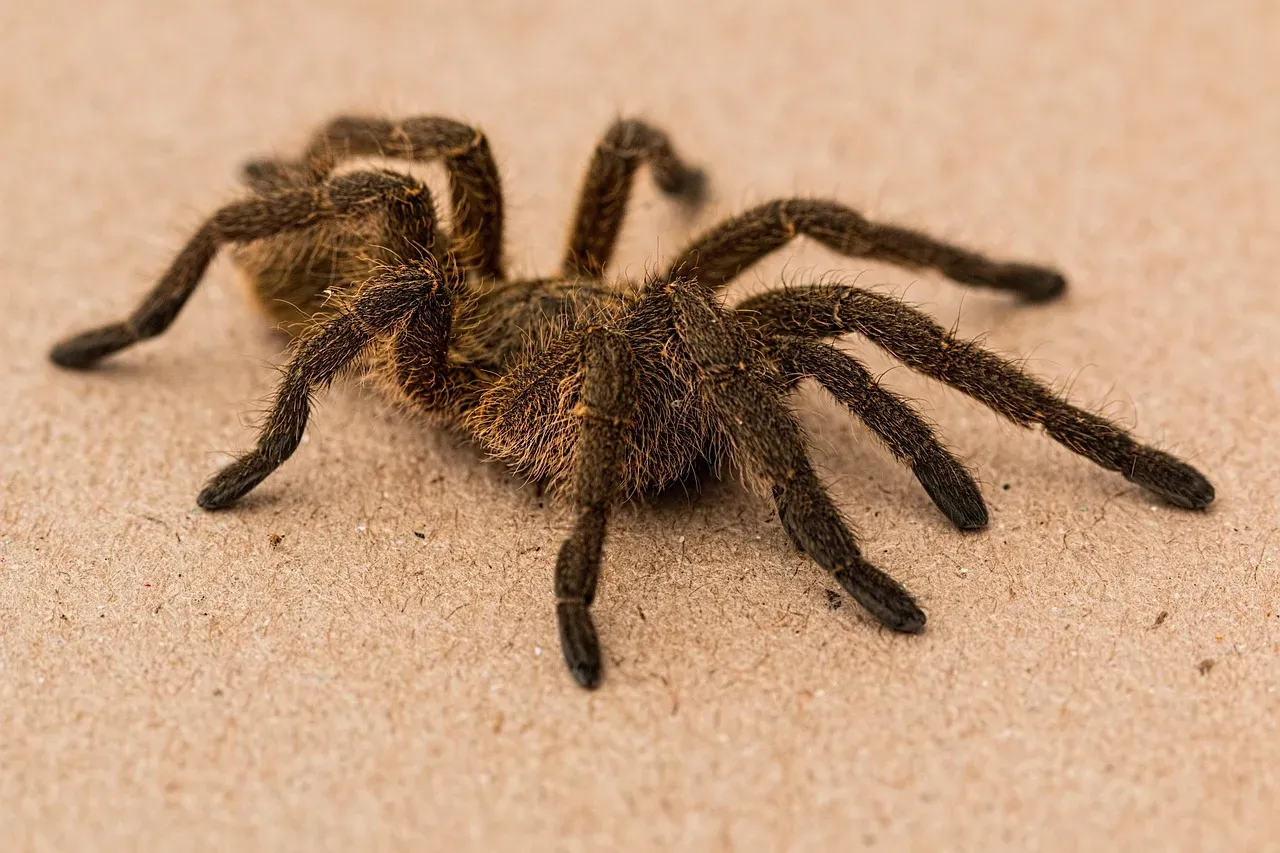
Honestly, the tarantula gets a far worse reputation than it deserves, but that does not mean it belongs on your arm. There are 30 species of tarantulas . The Desert Tarantula is the most common.
Besides having enough venom to subdue its prey, they also have urticating hairs on their backs, tipped with pointed barbs. When contact is made by a predator, these hairs penetrate the attacker. Because the tips are barbed and hard to remove, they are at minimum a serious irritant, causing some predators to instinctively avoid the tarantula.
The desert blonde tarantula has a venomous bite, but it’s a mild venom. In fact, the Arizona tarantula, also known as the desert tarantula, western tarantula, and Arizona blonde tarantula, is mostly harmless to humans.
When adequately provoked, they will bite, and their impressive fangs can produce painful puncture wounds. Tarantula bites are unlikely to cause serious health problems to people. So leave them alone when you find them on a trail, and they will happily ignore you too.
Conclusion: Respect the Desert, Know the Residents
Arizona is an extraordinary place. It is also a place that demands a certain awareness and genuine respect for what lives alongside you. Arizona ranks among the top three states in America for venomous wildlife diversity, harboring creatures capable of delivering fatal encounters to unsuspecting humans. While death from animal attacks remains statistically rare, Arizona’s dangerous animals demand respect, knowledge, and proper precautions.
The truth is, most of these animals are not hunting you. They bite or sting when cornered, startled, or handled. Generally, dangerous critters don’t want anything to do with you. If they can, they will move away at your approach. So be respectful and give them their space.
Stay alert, wear proper footwear on desert trails, shake out your shoes every morning, and never reach into dark spaces you cannot see into. Arizona is breathtaking, and with just a little knowledge, it is yours to explore safely. Which of these ten surprised you the most? Drop your thoughts in the comments below!

- 10 Emotional Things Cats Remember About Their Favorite Humans - July 19, 2026
- Animal Psychology Says Dogs Who Sleep on Your Pillow While You Are Away Are Not Being Rebellious – They Are Seeking Comfort From Your Scent to Soothe the Separation - July 19, 2026
- The Dog Breed That Mirrors Your Zodiac Sign - July 19, 2026