
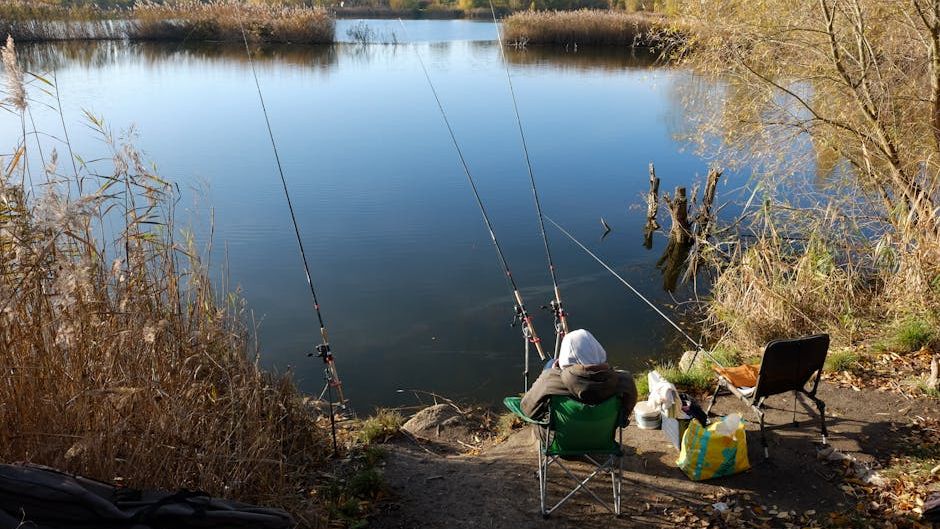
1. Santee Cooper Lakes, South Carolina: The Freshwater Legend Nobody Talks About Enough
There are fishing destinations, and then there are destinations that quietly rewrite your understanding of what freshwater fishing can be. Consisting of 110,000-acre Lake Marion and 60,400-acre Lake Moultrie, the Santee Cooper Lakes are legendary fishing destinations that consistently rank among the best lakes in America for largemouth bass, stripers, catfish, and crappie. The scale alone is staggering, but it’s what lives beneath the surface that truly earns this place its reputation.
Lake Marion’s over 100,000 acres of water are a timber-studded, aquatic vegetation-laden fish factory, while Lake Moultrie offers an incredible diversity of underwater cover and structure, making this twin-lake system provide unmatched freshwater diversity. The records these lakes have produced are almost absurd. The state record blue catfish was taken in 2017 and topped 113 pounds. Catfish in the 50 to 70-pound class are reasonable targets, and the system currently holds the world record channel catfish at 58 pounds. If you’re heading south and you skip this place, you’ll regret it.
2. Lake Jocassee, South Carolina: Crystal Clear and Record-Breaking
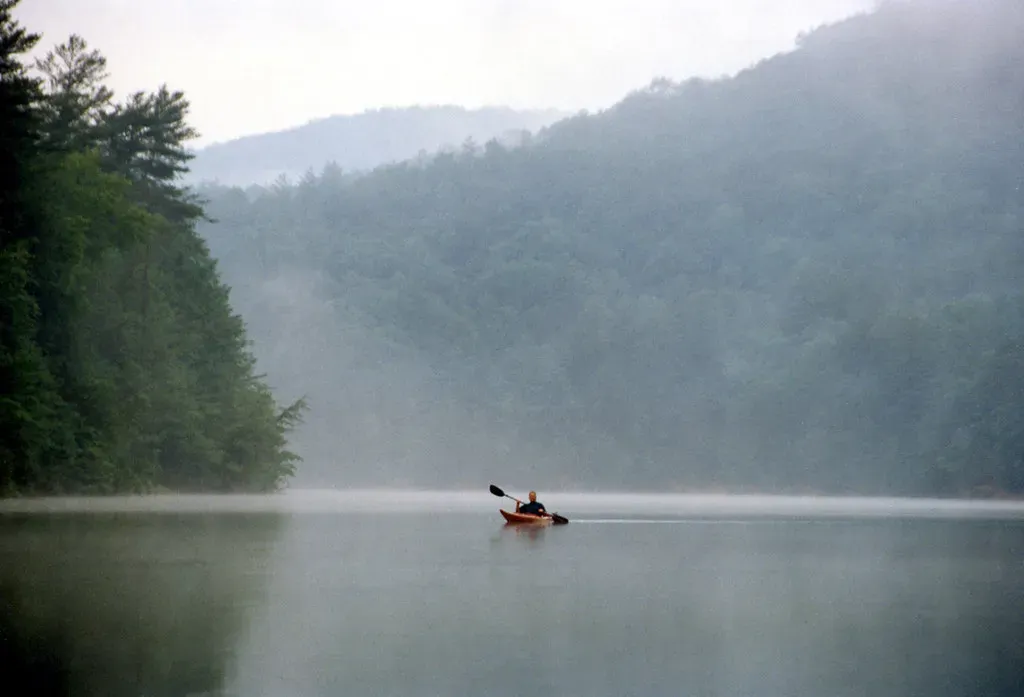
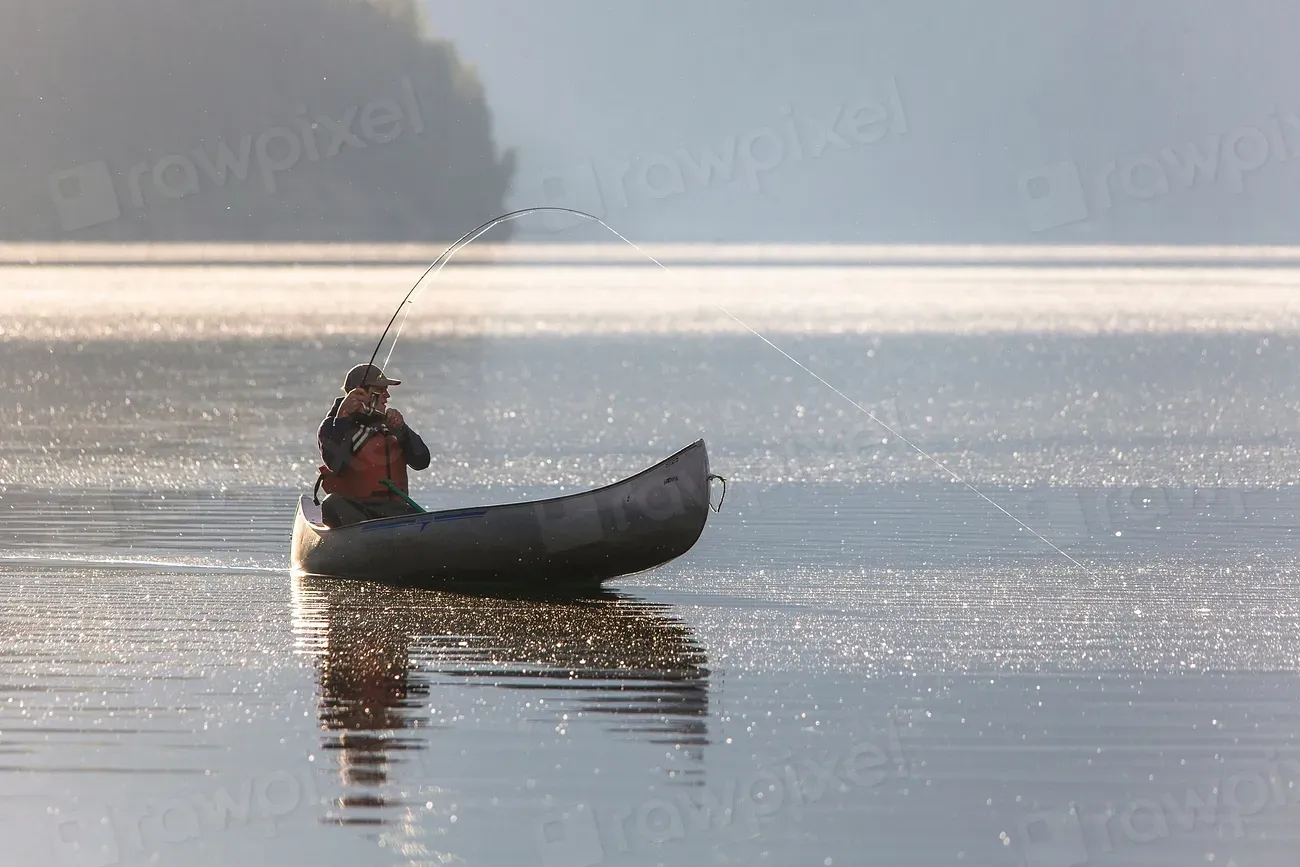
Located where the Blue Ridge Mountains meet South Carolina, Lake Jocassee is a beautifully clear lake nestled in rugged mountains, making it a very special place. An added bonus is that the lake is a fun, but challenging, trout fishery. It doesn’t look like the rest of South Carolina. The water runs so clear you can see structure at surprising depths, and the surrounding wilderness feels genuinely remote.
Lake Jocassee is the only lake in South Carolina offering both trophy trout and smallmouth bass. It is home to the current state records for redeye bass, smallmouth bass, spotted bass, brown trout, and rainbow trout. You can also find brook trout, sunfish, and deep-water catfish. Four mountain streams and several waterfalls feed into the lake, making it cooler than others and a great trout fishing spot. Few lakes anywhere in the country offer this kind of species diversity paired with scenery this dramatic.
3. Flaming Gorge Reservoir, Utah and Wyoming: Trophy Lake Trout in the High Desert
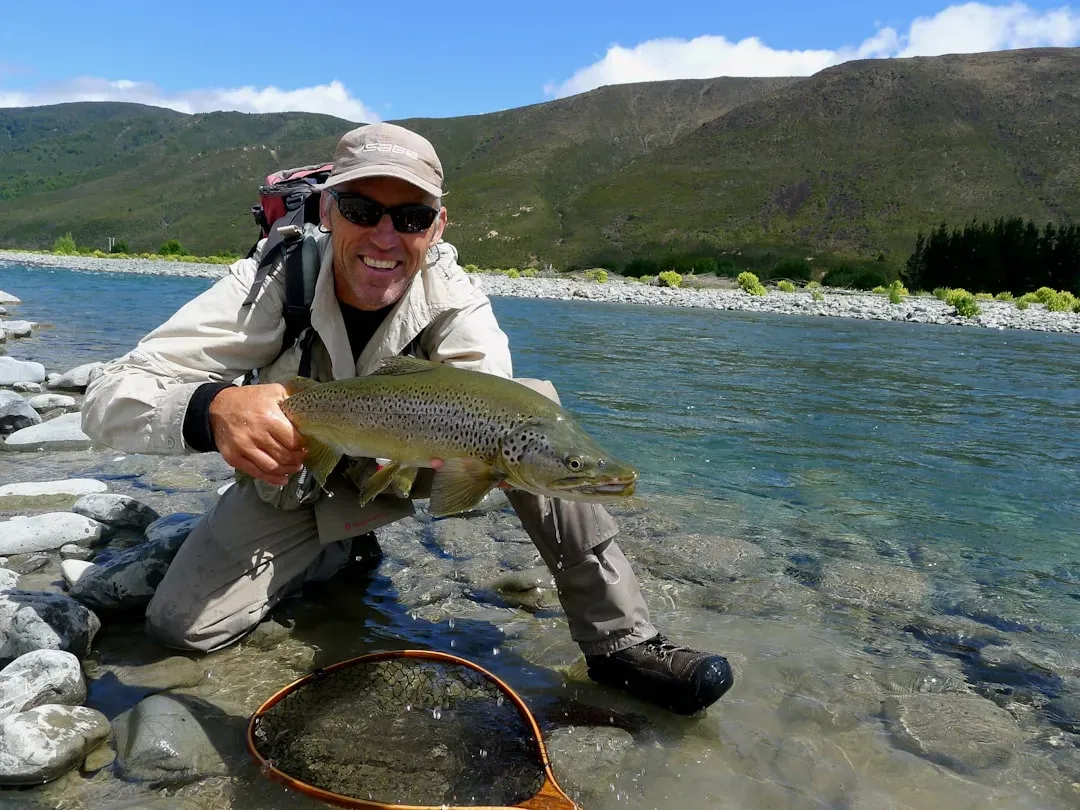
One of Utah’s premier outdoor destinations, Flaming Gorge Reservoir is a 42,000-acre lake with excellent fishing, located on the northern border of the state with over 350 miles of shoreline. The reservoir is known for its excellent trout fishing. The landscape here is dramatic in a way that almost distracts you from your rod. Red canyon walls drop straight into deep blue water, and the silence is the kind you don’t find near cities.
Flaming Gorge is known as one of the premier trophy lake trout waters in the country. Fish over 50 pounds have been caught on both sides of the state line. In addition to the main species, there are also cutthroat, brown trout, carp, and burbot, the latter made particularly famous by the Flaming Gorge Burbot Bash, one of the biggest ice fishing tournaments in the West. Flaming Gorge alone is worth the trip for big lake trout and kokanee salmon. This is one of those places that tends to make serious anglers go quiet when asked about it.
4. Upper Delaware River, New York and Pennsylvania: Wild Trout on the Border
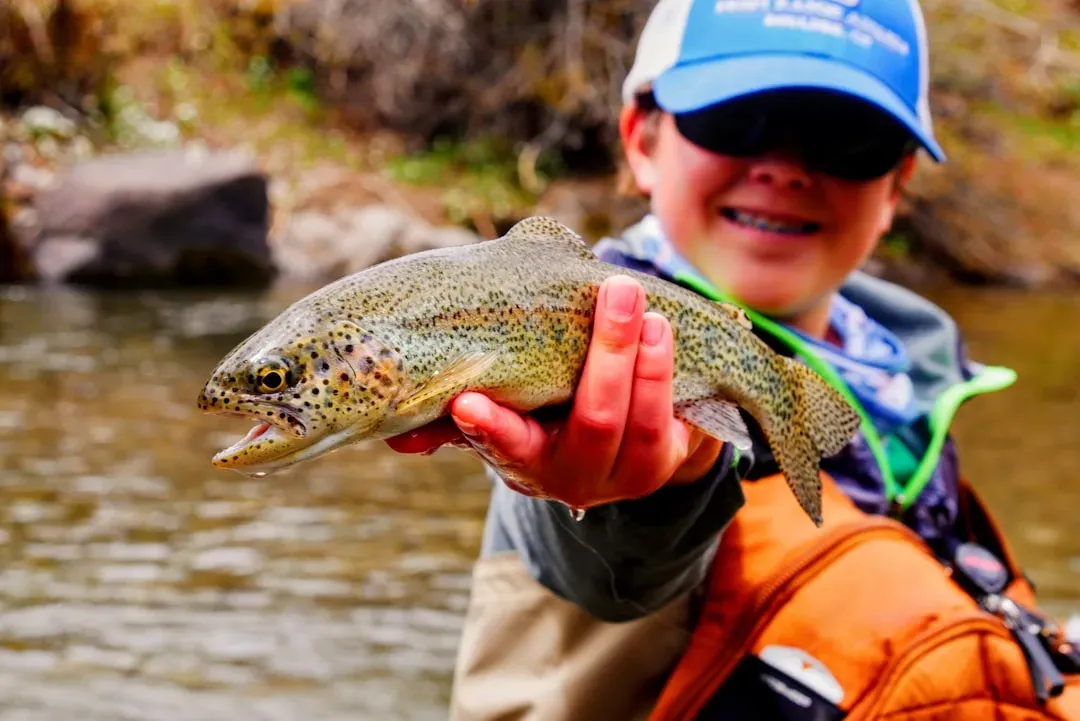
Anglers from both New York and Pennsylvania will find the Upper Delaware River, which is 73 miles long and runs through both states, to be a fantastic location. What makes it special is how wild it feels for a river sitting within driving distance of one of the largest metropolitan areas on the planet. The corridor is protected, the habitat is intact, and the fish know it.
Anglers select wild rainbow trout and brown trout as their primary species here because of the river’s superb trout fishing. In addition, smallmouth bass can be found in the Upper Delaware, making them a potentially interesting catch for anglers who want a change of pace. Fishing the Upper Delaware from a drift boat or kayak is one of the greatest methods, allowing anglers to cover more water and access sections that are tough to reach from the bank. There’s something quietly satisfying about catching a wild fish this close to so much civilization.
5. Savage River, Maryland: The Appalachian Fly Fishing Secret
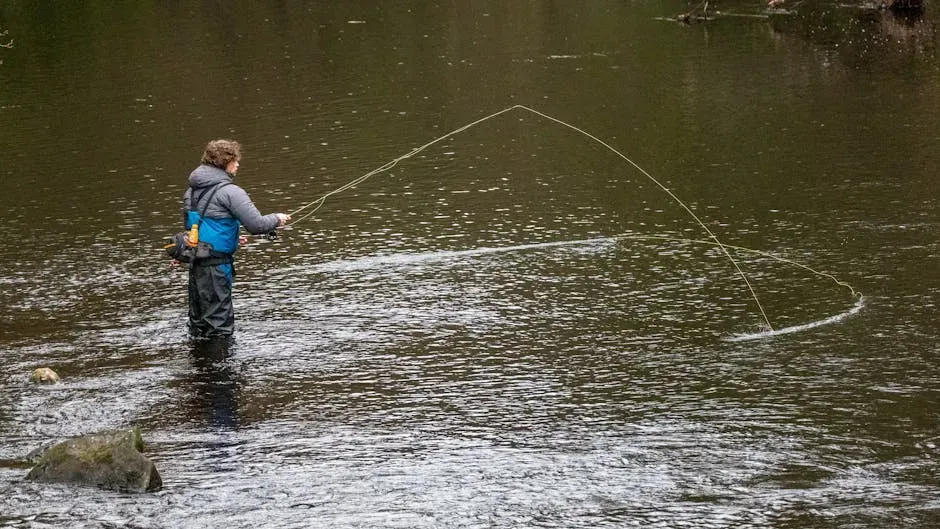
Your adventure at Savage River begins by heading to Raley Ave off Route 135 and meandering down Savage River Road. Just a short drive leads you to the Lower Fly Fishing Only area, a paradise for fly anglers. Maryland doesn’t always make the first-cut list for serious trout destinations, which is precisely why Savage River remains one of the better-kept secrets in the Mid-Atlantic region. The low-profile reputation has kept the banks relatively quiet.
Wild brown trout play hide and seek amongst the currents here, and spirited brook trout also call this river home. The Savage River State Forest, which surrounds the area, offers a rustic camping experience for a very reasonable fee per night. Pair an early morning on the river with a night under the trees and you’ve built something close to the ideal fishing trip without much fanfare or expense.
6. Devils Lake, North Dakota: The Walleye and Pike Wonderland
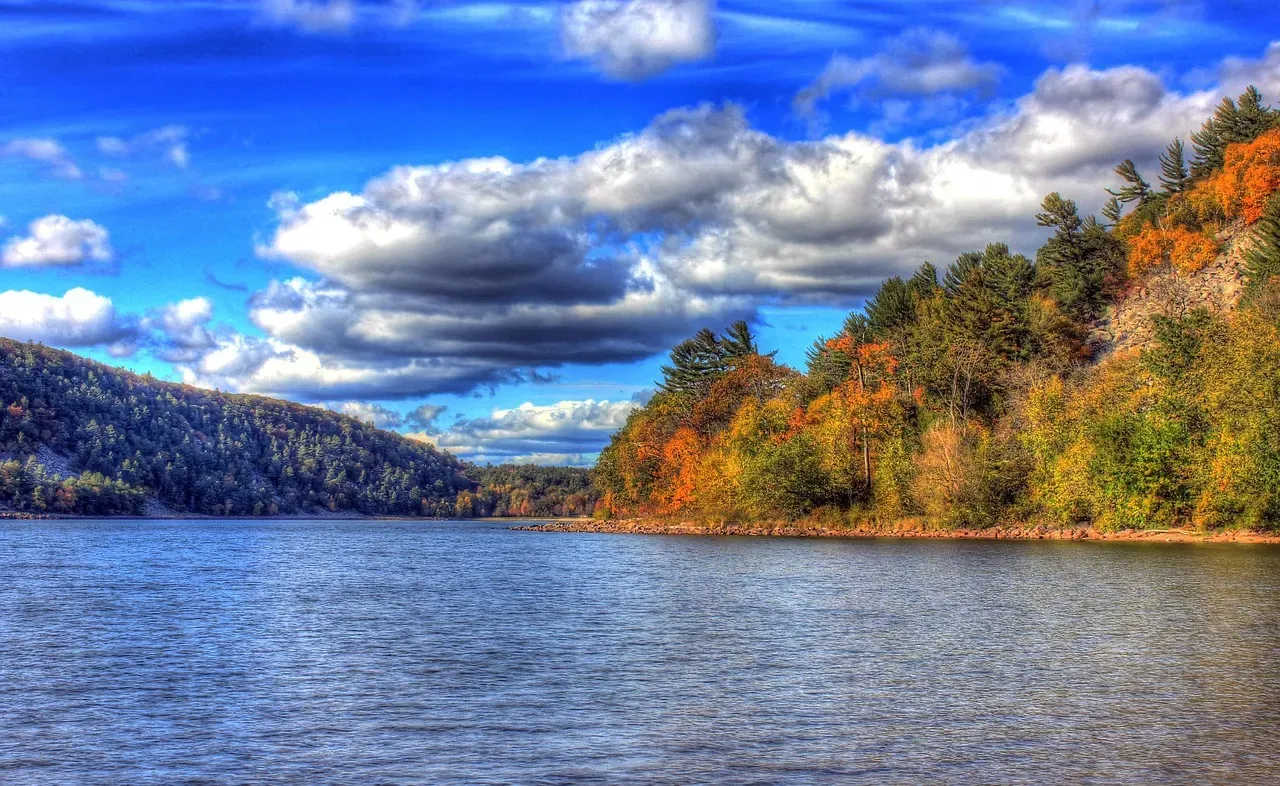
Devils Lake is one of the most underrated fishing destinations for pike and walleye. This sprawling, ever-changing lake, fed by natural springs and runoff, offers a unique ecosystem that breeds aggressive fish. The sheer number of fish and their frenzied feeding habits make Devils Lake a must-visit for anglers. Plus, the remote location and vastness of the lake add to its allure, making it truly a hidden gem.
Stretching over 231 miles and covering nearly 370,000 acres of fishing paradise, the greater Devils Lake system is a walleye wonderland. The fish here behave differently from the pressured populations in more publicized lakes. They’re aggressive, they’re numerous, and they tend to forgive minor mistakes in technique. For that secret edge, look for the hidden coves and inlets that are local anglers’ best-kept secrets and perfect places to cast for serious walleye action.
7. Thunder Bay River, Michigan: A Quiet Midwest Gem for Walleye
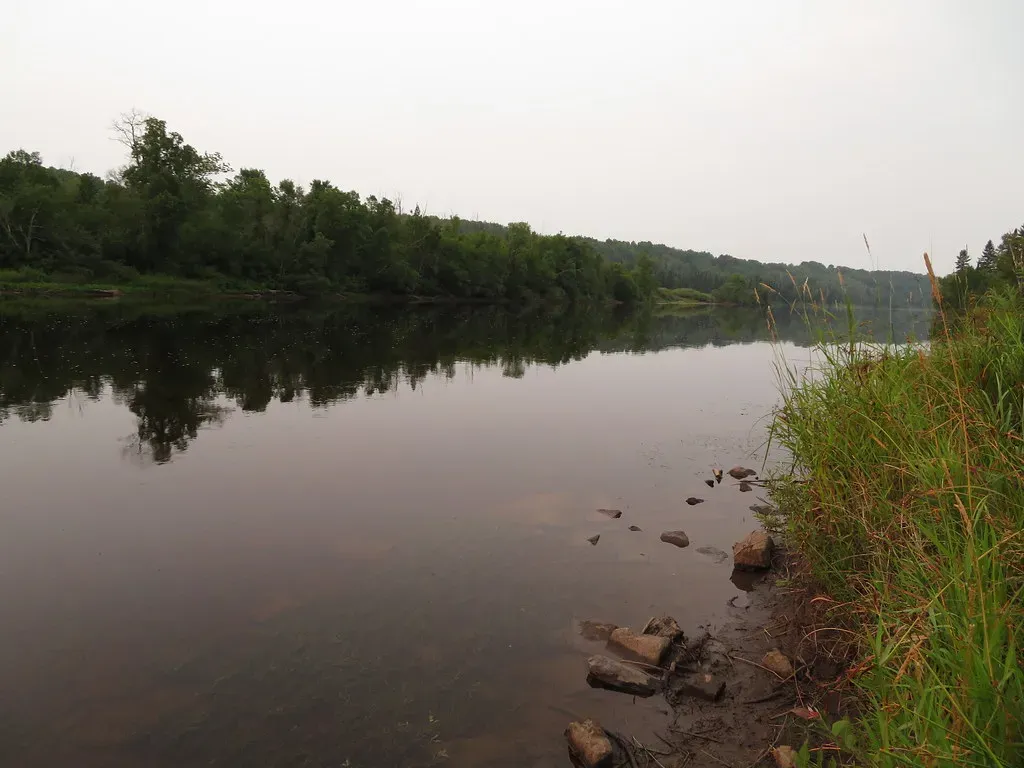
Michigan’s Thunder Bay River in Alpena is a quiet gem, perfect for walleye and Northern pike. The river flows through the Thunder Bay National Marine Sanctuary region, an area better known for its shipwreck diving than its fishing. That split identity has kept the fishing pressure lighter than it deserves. Most visitors arrive thinking about what’s underwater from a historical perspective, not what’s on the end of a line.
Hidden fishing spots like this usually mean fewer visitors, giving you more fish to hook onto. Whether it’s the rugged shores of a Montana river or the calm waters of a Midwest lake, you can enjoy a peaceful day filled with more fish and less stress. Less fishing pressure means healthier fish populations. You’re more likely to hook into bass, catfish, or pike in great condition. The scenery often feels untouched: fewer boats, fewer voices, more nature. Thunder Bay River is precisely that kind of place.
8. Lamoille Canyon, Nevada: The Grand Canyon of Nevada’s Trout Secret
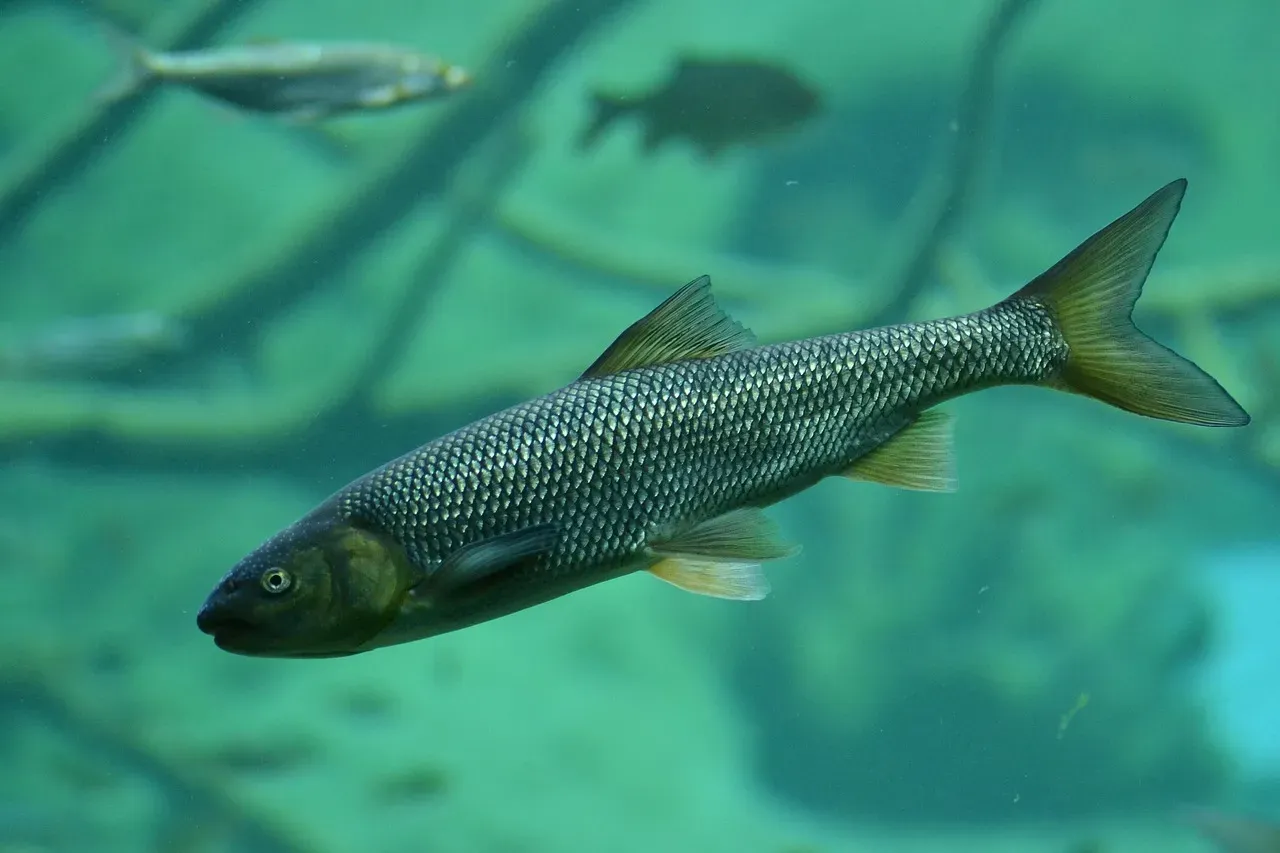
Lamoille Canyon in Nevada is known as the Grand Canyon of Nevada. It’s a tranquil paradise for those who know where to look. The trout are plentiful, the dramatic landscape is unforgettable, and it’s about as far from crowded waterways as you can get. Nevada doesn’t exactly scream trout fishing to most people. That’s the point. The state’s reputation for desert and casino resorts means the mountain fishing pockets stay quiet, and Lamoille Canyon is among the quietest and most beautiful of them all.
The Ruby Mountains surrounding the canyon create a cool, high-elevation microclimate that feeds the streams flowing through. Cutthroat and rainbow trout hold in pools that see relatively little pressure compared to equivalent waters in Colorado or Wyoming. If you’re willing to put in some effort, you can find water where the fish don’t see many people. That’s rare these days, and this part of the country has more of it than you’d expect.
9. White River, Arkansas: Trophy Brown and Rainbow Trout in the South
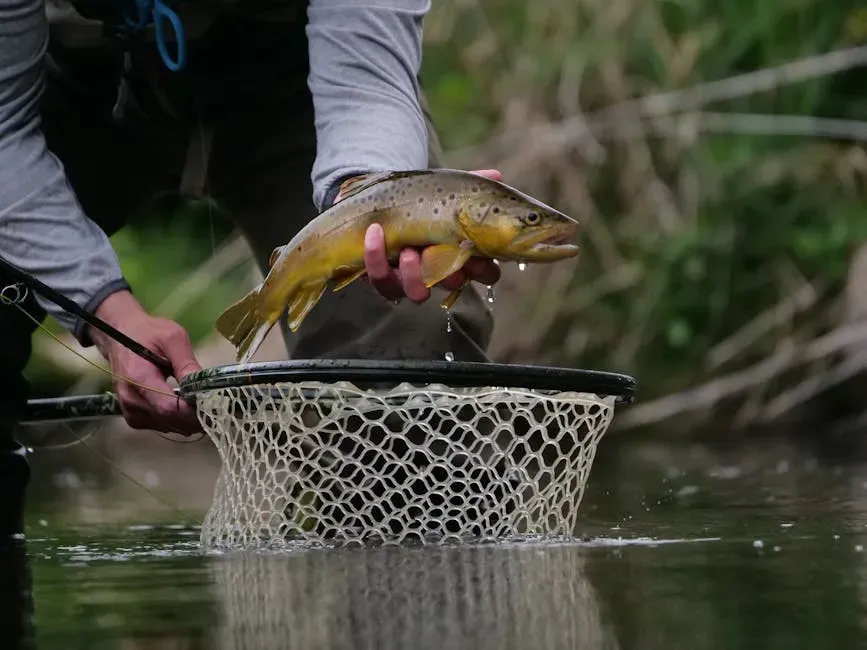
Arkansas doesn’t get enough credit. Between the White River, Buffalo River, and countless lakes, there’s year-round opportunity here. Trout, bass, stripers – you name it, it’s swimming in these waters. The White River tailwaters are especially solid for big browns and rainbows, and the fishing pressure is reasonable even during peak season. Finding world-class trout water in Arkansas isn’t something most anglers factor into their planning, which is exactly the advantage those who know it enjoy.
The cold water released from the bottom of Bull Shoals Dam creates ideal trout habitat far downstream, producing a tailwater fishery that stretches for miles. Some of the biggest rainbow trout and brown trout in the state live in these tailwaters. Fishermen can fish from the shore or from a boat while taking in the breathtaking views of the valley that surrounds them. The river is routinely stocked, so there are always plenty of fish available. The combination of consistent stocking, cold water, and low angler awareness in wider fishing circles makes this one of the true sleeper fisheries in the country.
10. Lake Pend Oreille, Idaho: Northern Idaho’s Trophy Trout Giant
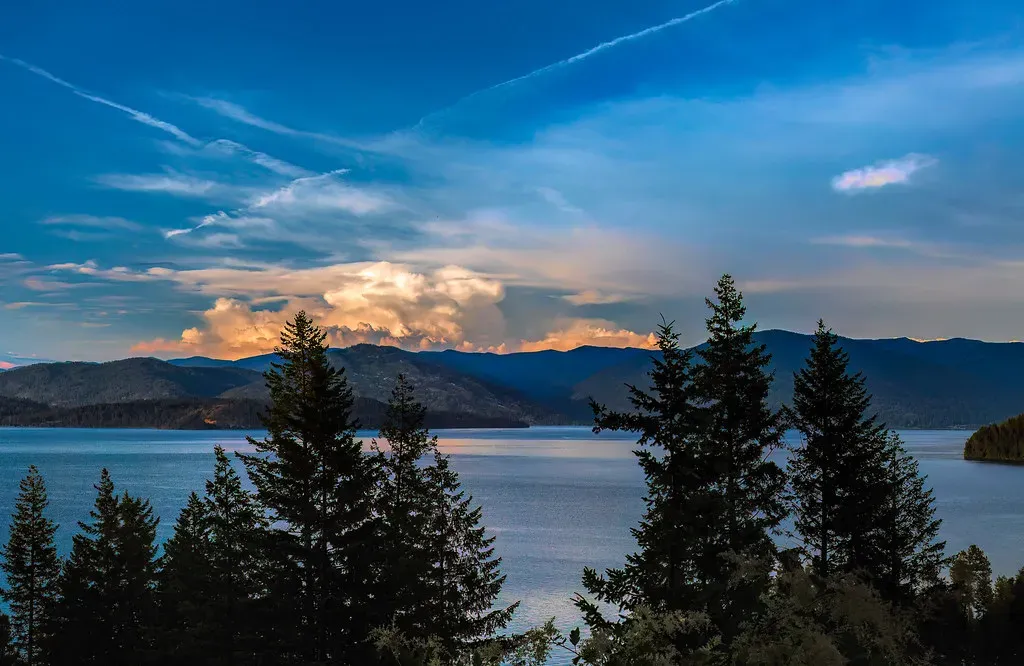
Lake Pend Oreille is not just the largest lake in Idaho, but also one of the deepest in the United States. With a depth reaching 1,152 feet, this lake is a paradise for anglers who enjoy the thrill of reeling in a big one. It sits tucked in the Idaho Panhandle, surrounded by the Selkirk and Cabinet mountain ranges, and it operates at a scale that feels almost oceanic for a freshwater destination. The geography alone is worth the drive.
Locals love the secluded spots around the lake, especially for kokanee salmon and rainbow trout. The hidden bays and quiet inlets are often missed by others but are buzzing with fish just waiting for your bait. This lake is known for trophy-sized fish that reward anglers willing to explore it. With that depth and that surface area, there’s always a new corner to try, always a bay that hasn’t been worked that morning. For those who want size and solitude in the same place, Lake Pend Oreille is genuinely hard to beat.
Conclusion: The Best Spots Are the Ones You Have to Earn
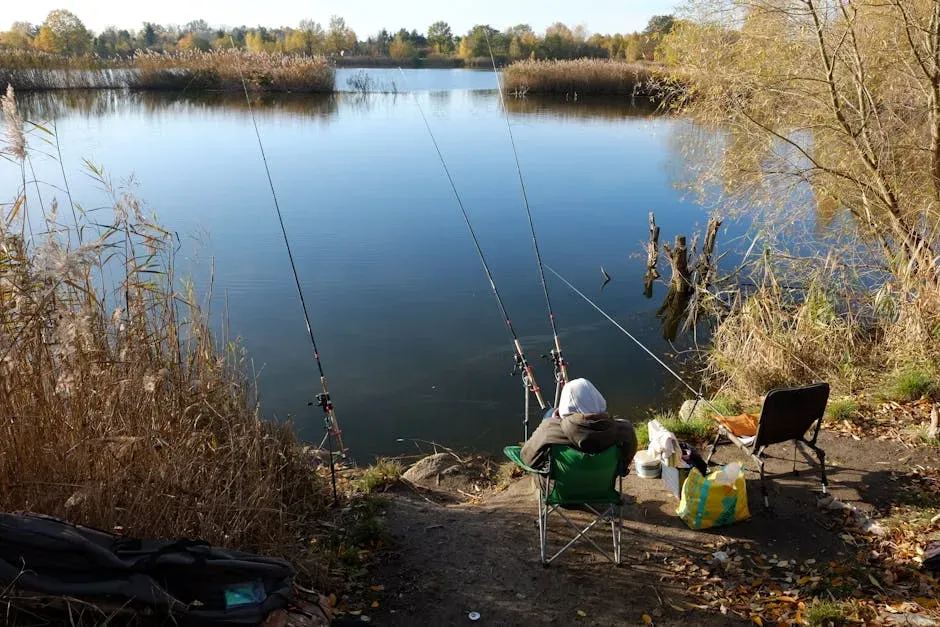
There’s a certain honesty to fishing that social media and tourist guides tend to wash out. The best water isn’t always the water everyone knows about. Fishing is more than just catching fish – it’s about the calm water, the fresh air, and finding spots where nature feels untouched. If you’ve been heading to the same crowded lakes or rivers, it’s time to look at those hidden gem fishing spots that few people talk about. These are the underrated lakes and rivers where the fish are active, the scenery is beautiful, and you can enjoy some real peace.
Every location on this list rewards preparation, patience, and the willingness to travel without a guarantee. That’s not a drawback. That’s the deal. Exploring America’s hidden fishing destinations opens your eyes to the incredible diversity and beauty that lies off the beaten path. Each spot offers its own unique charm and the chance to connect with nature in a more intimate way than the crowded, well-known locations.
The opinion here is simple: crowded fishing piers and over-documented hotspots rarely produce the best days on the water. The best fishing trips tend to happen in places where you had to work a little to find them, where the directions are slightly unclear, and where the person at the bait shop pauses before answering your question. Those pauses are always worth following. Go find yours.

- 14 Signs a Dog Near the Rainbow Bridge Is at Peace With Its Person - July 21, 2026
- 15 Ways a Shelter Animal Tells You It Was Always Meant to Be Yours - July 21, 2026
- 14 Ways a Dog Shows You Are the Center of Its Whole World - July 21, 2026