

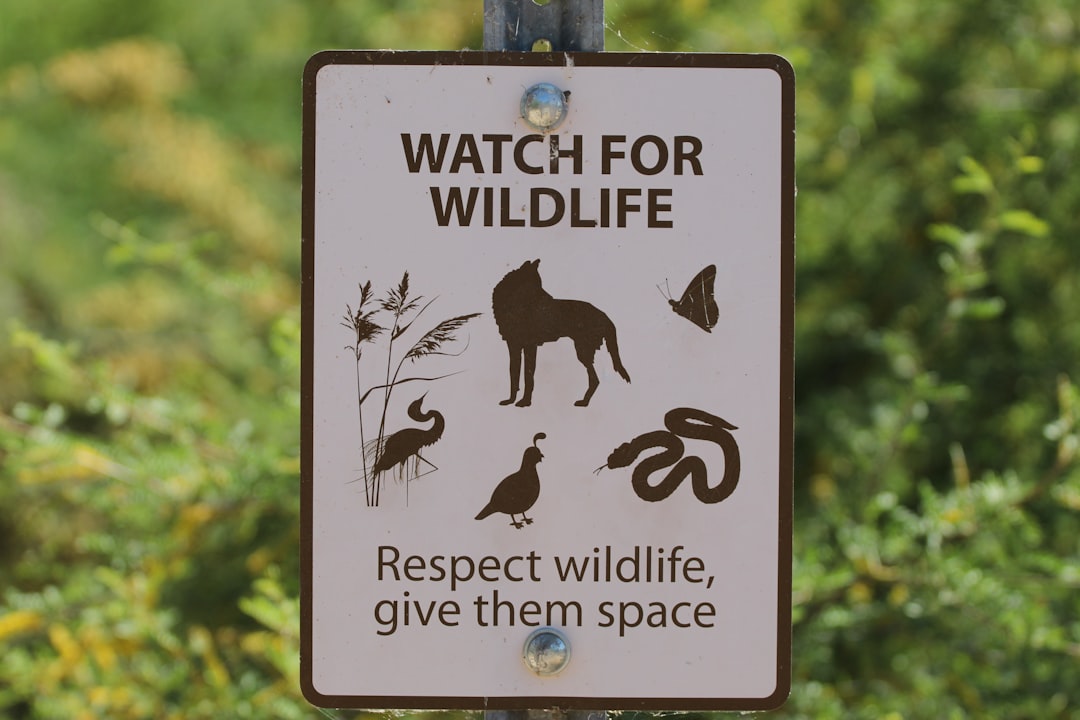

Key Milestones in Policy Evolution (Image Credits: Unsplash)
Global efforts to safeguard biodiversity reached critical junctures this year, as nations and organizations introduced policies that promise long-term protection for vulnerable ecosystems and species.
Key Milestones in Policy Evolution
Conservation advocates hailed 2025 as a watershed year when several landmark policies took effect, addressing long-standing threats to wildlife habitats. Governments worldwide responded to escalating environmental pressures by enacting measures that prioritize habitat restoration and stricter enforcement against poaching. These developments built on international agreements, such as those from the Convention on Biological Diversity, to create more robust frameworks.
One notable advancement came from the United States Fish and Wildlife Service, which outlined nine targeted strategies to preserve wild places across the country. Officials emphasized the integration of indigenous knowledge into these plans, ensuring culturally sensitive approaches to land management. Meanwhile, in Europe, amendments to planning bills strengthened protections for local wildlife sites, preventing urban sprawl from encroaching on essential green spaces.
Spotlight on Nongame Species Protection
Minnesota emerged as a leader in safeguarding nongame wildlife, a category often overlooked in favor of hunted species. State officials expanded programs initiated decades ago, focusing on creatures like otters and butterflies that play vital roles in ecosystems. This shift marked a broader recognition that conserving non-game animals benefits overall biodiversity and human well-being.
Through dedicated funding and monitoring, Minnesota’s initiatives demonstrated measurable gains, such as increased populations in restored wetlands. Similar efforts in Nepal revitalized snow leopard habitats, where community-led patrols reduced human-wildlife conflicts. These policies highlighted a growing emphasis on inclusive conservation, involving local stakeholders to foster sustainable outcomes.
Quiet Victories Amid Global Challenges
Beyond high-profile announcements, subtler policy wins underscored steady progress in 2025. Spain’s restoration of seagrass meadows not only bolstered marine life but also enhanced carbon sequestration, aligning wildlife protection with climate goals. In the United States, the Wildlife Society noted a turning point in federal approaches, with appropriations bills incorporating anti-poaching riders despite political hurdles.
However, challenges persisted, including industry pressures that influenced grazing regulations in regions like Nevada and Idaho. Conservation groups pushed back, advocating for balanced policies that protect species like sage grouse without unduly burdening ranchers. These negotiations revealed the delicate interplay between economic interests and ecological needs.
International collaborations amplified these efforts. The World Wildlife Fund celebrated achievements in ocean and forest conservation, from reducing illegal fishing to expanding protected areas. Such partnerships ensured that policies transcended borders, addressing transboundary threats like habitat fragmentation.
Emerging Strategies for Future Resilience
Looking ahead, policymakers focused on innovative tools to build resilience against climate change. In the United Kingdom, a new animal welfare strategy proposed bans on practices like trail hunting, aiming to minimize disturbances to wild populations. These measures incorporated advanced monitoring technologies, such as satellite tracking, to enforce compliance effectively.
Experts stressed the importance of adaptive policies that evolve with scientific insights. For instance, updates to wildlife management bills in countries like Kenya increased penalties for offenses while providing compensation for human-wildlife interactions. This dual approach encouraged community buy-in, reducing poaching incentives and promoting coexistence.
- Habitat restoration projects in coastal and forested areas gained momentum through federal funding.
- Legal protections for local sites prevented development in biodiversity hotspots.
- Community involvement programs mitigated conflicts between humans and animals.
- International treaties facilitated cross-border conservation initiatives.
- Technology integration improved enforcement and population monitoring.
Key Takeaways
- 2025 policies emphasized holistic protection, extending beyond game species to entire ecosystems.
- Collaborative efforts between governments, NGOs, and locals drove tangible progress.
- Balancing economic and environmental priorities remains essential for sustained success.
As 2025 drew to a close, these policy breakthroughs offered hope for reversing biodiversity loss, reminding us that committed action can yield enduring results. What steps do you believe should follow to build on this momentum? Share your thoughts in the comments.

- Urban Coyotes Show Remarkable Adaptability, Learning to Thrive in City Environments - July 22, 2026
- Beavers Are Nature’s Engineers, Creating Vital Habitats for Other Wildlife Species - July 21, 2026
- The Recovery of the California Condor Offers Hope for Other Critically Endangered Birds - July 21, 2026