

Gardening is not just about cultivating beautiful landscapes or growing delicious fruits and vegetables; it is also about fostering an ecosystem that includes a variety of living organisms. Among these, pollinators play a pivotal role in the healthy functioning of gardens. Understanding the importance of pollinators can transform how we approach gardening, leading to more productive and sustainable ecosystems.
Who Are the Pollinators?
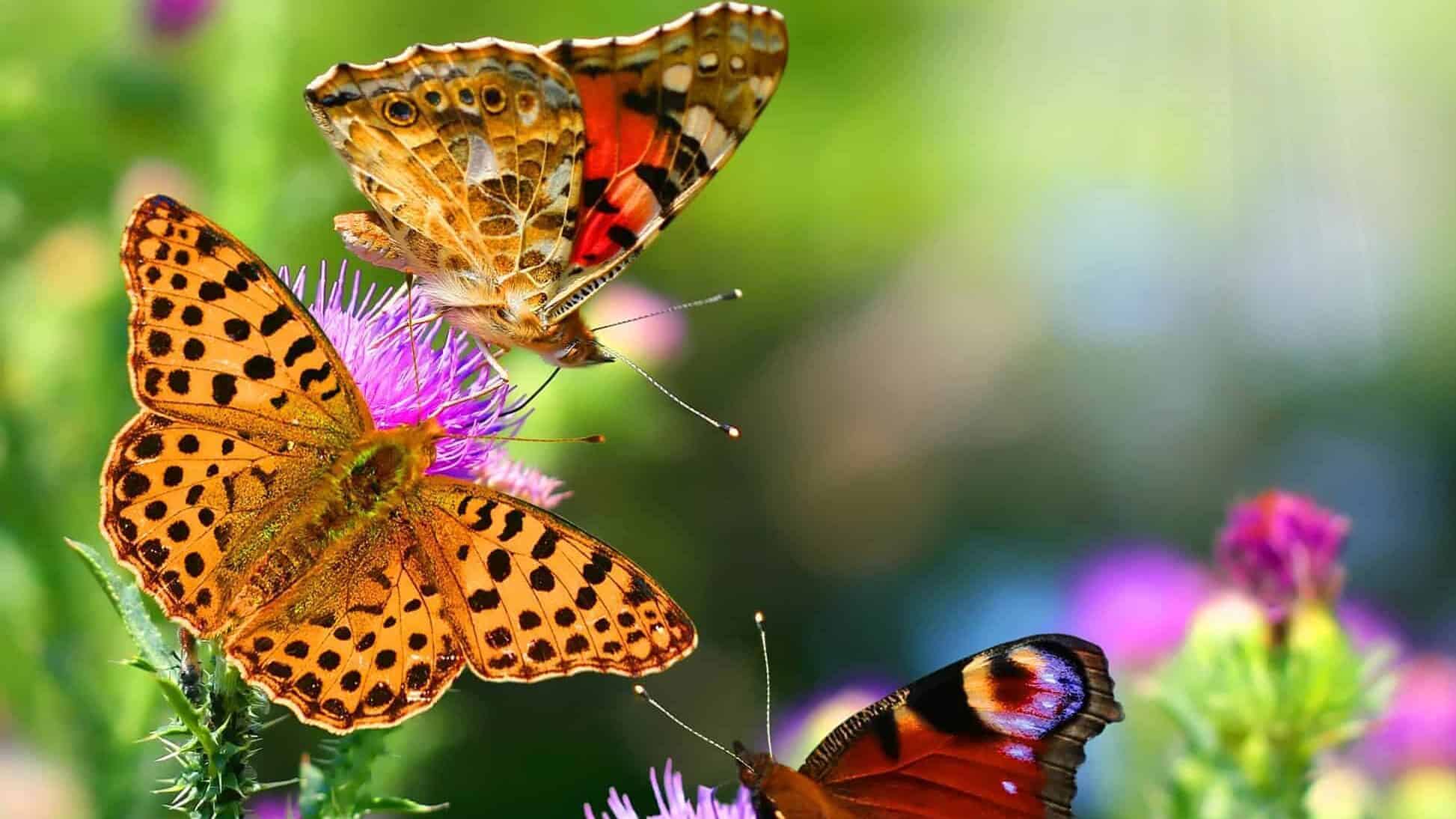
Pollinators encompass a wide range of creatures, but they are predominantly insects like bees, butterflies, moths, and beetles. Birds and bats are also significant pollinators, particularly in certain parts of the world. These animals facilitate the reproductive processes of plants by transferring pollen from one flower to another, thereby enabling fertilization and the production of seeds and fruits.
The Role of Pollinators in Plant Reproduction
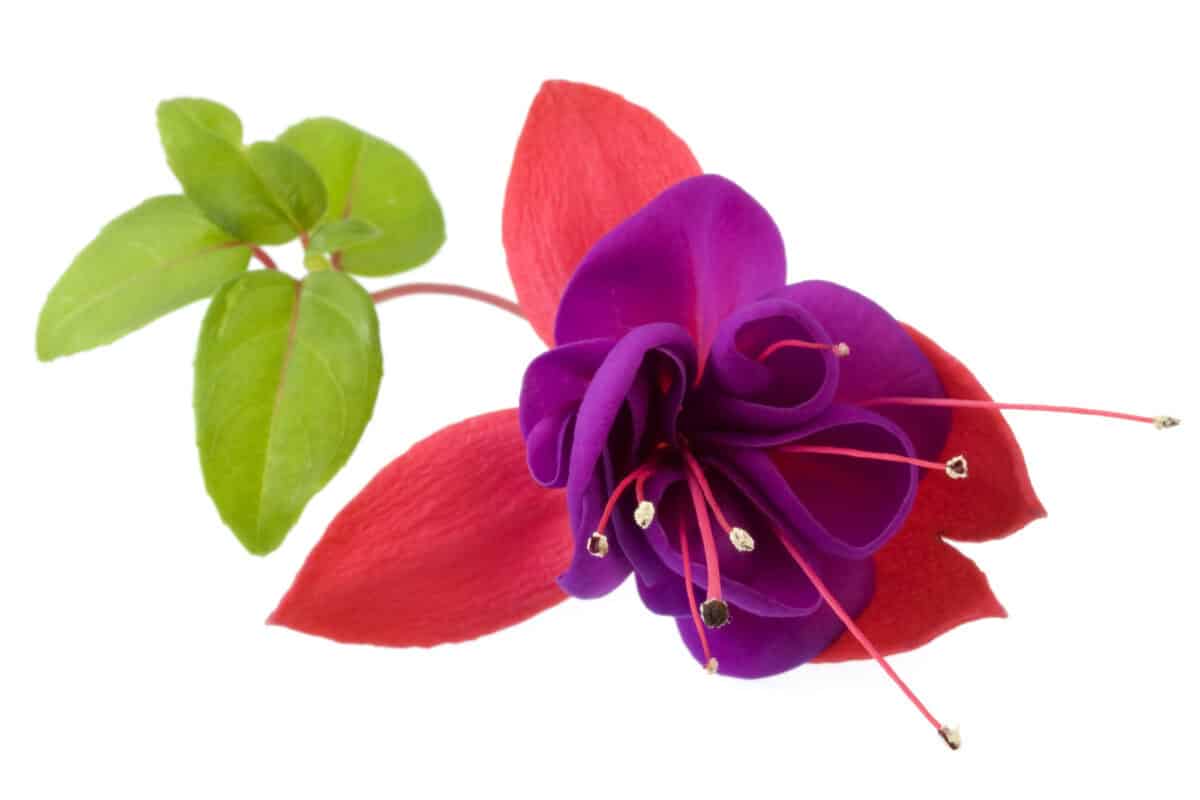
Pollination is the process through which pollen grains are moved from the male part of a flower (anther) to the female part (stigma). This movement can occur within the same flower, between different flowers of the same plant, or between flowers of different plants. Successful pollination leads to the formation of seeds and fruits, ensuring the continuation of plant species.
Without pollinators, many plants would be unable to reproduce effectively, which would lead to declines in plant populations. This, in turn, would affect the animals that depend on these plants for food and habitat, creating a ripple effect throughout the ecosystem.
The Impact on Food Production
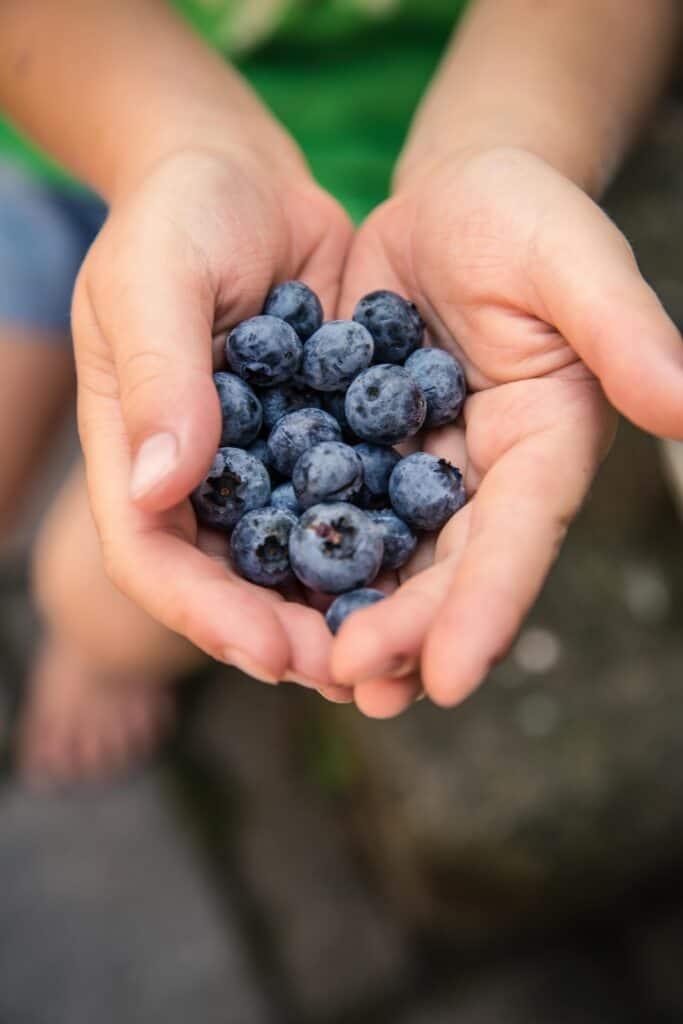
The contribution of pollinators extends beyond natural landscapes into agricultural settings. It is estimated that over a third of the world’s food crops rely on animal pollination. Crops such as apples, almonds, coffee, and blueberries are heavily dependent on pollinators for fruit production. Therefore, having a healthy population of pollinators is crucial for food security, as they directly influence the yield and quality of crops.
Pollinators and Biodiversity
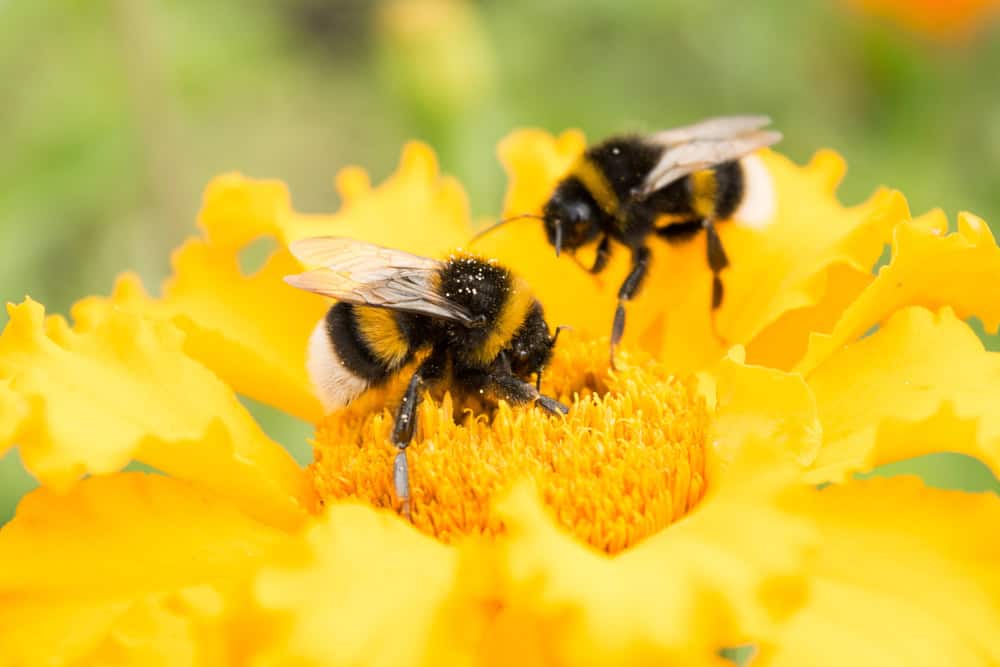
Pollinators are integral to maintaining biodiversity in ecosystems. By facilitating the reproduction of a wide variety of plants, they support the existence of diverse plant communities. These communities provide habitat and food for other organisms, including birds, insects, and mammals. A diverse ecosystem is more resilient to changes and disturbances, such as climate change, disease, and habitat destruction.
Creating a Pollinator-Friendly Garden

Gardeners can play a vital role in supporting pollinator populations. Creating a pollinator-friendly garden involves planting a variety of flowers that bloom at different times throughout the year to provide a continuous food source. Native plants are often best, as they are adapted to local climate conditions and provide resources for native pollinators.
Avoiding the use of chemical pesticides, which can be harmful to pollinators, is another crucial step. Instead, opt for integrated pest management strategies that are less damaging to the ecosystem. Providing habitat features such as bee hotels, water sources, and nesting sites can further enhance the attractiveness of your garden to pollinators.
The Threats Facing Pollinators
Despite their importance, pollinators face numerous threats, including habitat loss, pesticide exposure, disease, and climate change. Urban expansion and agricultural intensification have reduced the availability of natural habitats. Pesticides, especially neonicotinoids, are particularly harmful to bees and other pollinators. Climate change is also altering the distribution of plants and the availability of food resources, putting additional stress on pollinator populations.
Conclusion

The role of pollinators in gardening extends far beyond merely aiding in the reproduction of plants. Their presence is essential for healthy ecosystems, agricultural productivity, and biodiversity. By understanding their importance and taking action to support them, gardeners can make a significant impact. Whether you’re a novice gardener or a seasoned horticulturist, fostering an environment that supports pollinators is a crucial step towards a sustainable future.

- The Most Powerful Earthquake Ever Felt in the U.S. - July 19, 2026
- How Rhinoceros Males Compete for Mating Rights in the Wild - July 18, 2026
- 13 Spider Species Thriving in Changing Environments - July 18, 2026