

Dogs are often described as man’s best friend – loyal, loving, endlessly forgiving. Yet for all their natural warmth, dogs can become unpredictable, anxious, aggressive, or destructive when the people responsible for them simply don’t hold up their end of the deal. It’s a hard truth many pet owners would rather not face.
The connection between how you treat your dog and how your dog behaves is not just an opinion. It’s science. And the findings, honestly, are a little shocking. So if you’ve ever wondered why some dogs seem like absolute angels and others like four-legged chaos machines, the answer often lives right at the other end of the leash. Let’s dive in.
1. Skipping Early Socialization Shapes a Fearful Dog for Life

Here’s something that should stop every new dog owner in their tracks. Missing proactive exposure training during the critical “socialization window,” before 16 to 20 weeks of age, often results in a dog who exhibits fearful, anxious, over-excited, or aggressive behavior. That window is tiny. Miss it, and you’re playing catch-up for years.
Social fearfulness in dogs is associated with several factors, including poor socialization during puppyhood, infrequent participation in training and other activities, as well as small body size, female sex, and neutering. Think of it like learning a language. A puppy absorbs the world effortlessly in those early weeks. Deny them that exposure, and the world becomes a terrifying place.
Dogs that have not socialized adequately may be particularly reactive around other dogs or people they do not know. They may also not respond positively to unfamiliar people handling them, such as groomers, veterinarians, or pet sitters. Dogs can also exhibit anxiety whenever they leave their home environment and may respond badly to loud noises like construction, sirens, or fireworks. The owner’s early inaction becomes the dog’s lifelong struggle.
2. Failing to Train Creates Uncontrollable Chaos
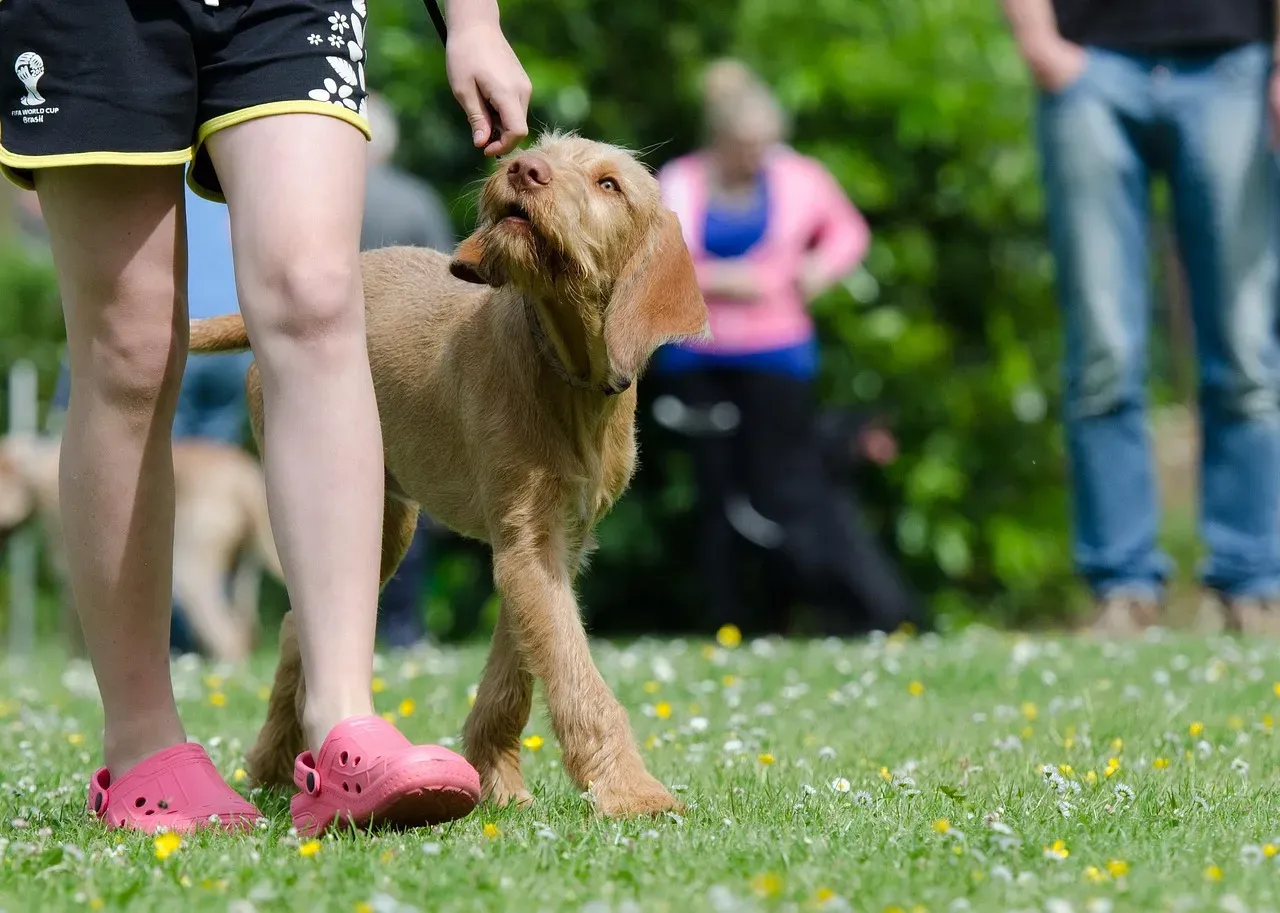
Let’s be real. A dog without training is not just inconvenient. It can be genuinely dangerous. Lack of obedience training leads to uncontrollable behaviors like jumping, pulling, and aggression. Imagine a 90-pound Labrador with zero impulse control around small children. It’s not cute anymore.
Many dog owners become frustrated when their pets jump, bark, chew, or ignore commands, assuming the dog is being naughty on purpose. The truth is, dogs are not born knowing how to behave in a human environment – they need to be taught with patience and consistency. Blaming the dog for what the owner never taught is one of the great injustices of pet ownership.
A study published by the Journal of Animal and Veterinary Advances found that the behavior of a dog owner has a direct impact on a dog’s aggression and personality. The study of roughly 50 purebred breeds concluded that the time an owner spends caring for and training a dog is inversely correlated to the level of aggressive behavior the dog exhibits. More time invested in training equals a calmer, safer dog. It really is that straightforward.
3. Using Physical Punishment Breeds Aggression
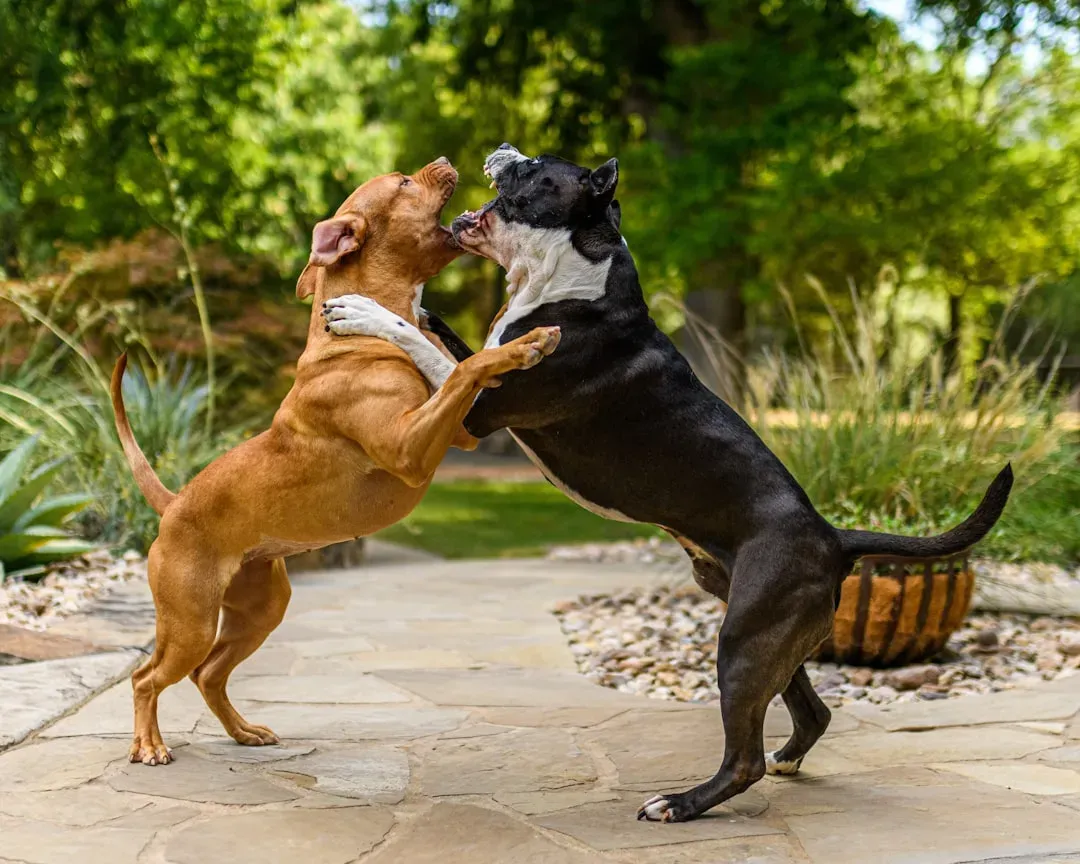
This one is both heartbreaking and infuriating. Many owners genuinely believe that physical correction is a fast fix. It isn’t. When a dog is physically punished for misbehaviors, the results are unambiguous – specifically, the more frequently a dog is punished, the higher the likelihood that the dog will be aggressive.
The increased aggression that the dog shows spans the full range of aggressive responses, making it more likely that the dog will be aggressive against strangers, its owner or family, and other dogs. So you’re not fixing the problem. You’re creating three new ones.
A dog subjected to punishment could end up with generalized anxiety, an increase in aggression or reactivity, a negative association with training, or a negative association with you. The ripple effect is enormous. A dog that fears its own owner is a dog that has already been failed. Research has shown that dogs learn best when they are rewarded for doing the right thing, not punished for misbehaving.
4. Inconsistent Rules Confuse and Destabilize Dogs

Dogs thrive on predictability. Think of rules as the architecture of their world. When that structure crumbles or shifts randomly, the dog has no idea how to navigate its own home. Owners tend to punish bad behaviors some of the time while inadvertently rewarding these same behaviors at other times. In this way, they accidentally set their pets up to receive punishment repeatedly by sometimes unintentionally rewarding the bad behavior. This inconsistency is confusing to the animal and can cause frustration or anxiety.
It’s like telling a child that running in the house is fine on weekdays but forbidden on weekends. The confusion doesn’t produce better behavior. It produces anxiety. From the dog’s view, the owner is inconsistent and unpredictably forceful or coercive. These characteristics can hinder the pet-to-human bond.
I’ve seen this play out with dogs who are completely calm in one room and frantic in another, simply because the rules changed depending on the owner’s mood. The dog didn’t change. The signals did. Stability is not a luxury for dogs. It is a necessity.
5. Neglecting Exercise Fuels Destructive Behavior
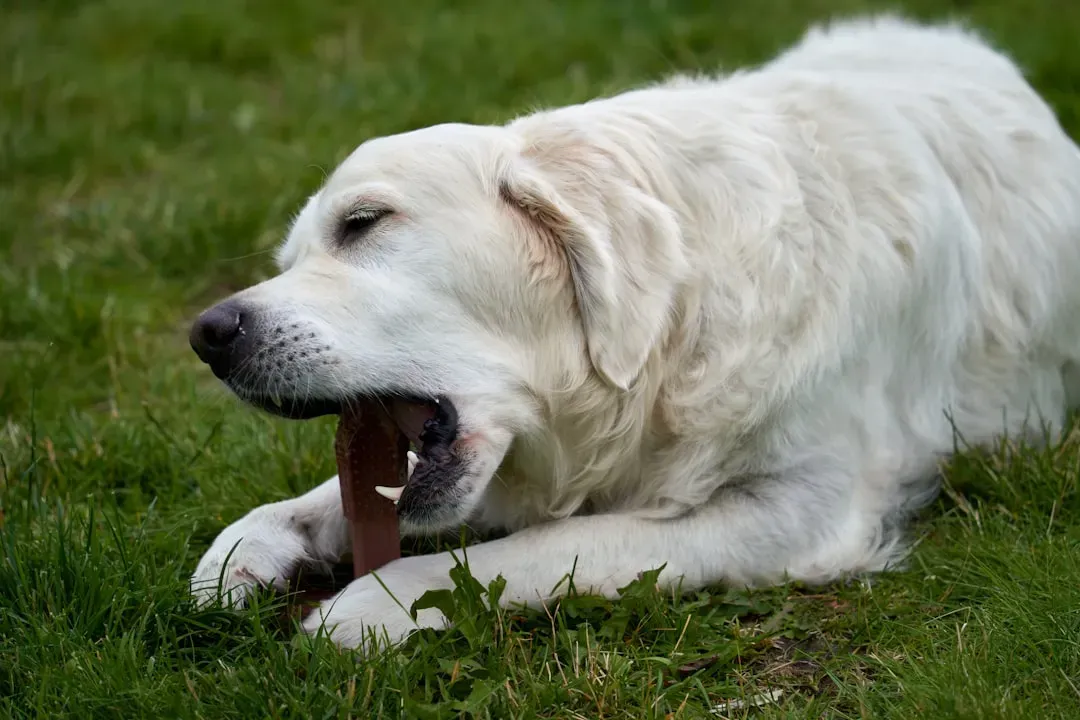
A bored dog with pent-up energy is essentially a small, furry wrecking ball. Dogs need mental stimulation, and some dogs can be disruptive when left alone because they’re bored. One of the most common complaints of pet owners is that their dogs are disruptive or destructive when left alone. Their dogs might urinate, defecate, bark, howl, chew, dig, or try to escape.
Owners who skip daily walks or skip any form of structured activity are, in effect, setting their dogs up to self-destruct. High-energy breeds especially need real outlets. This is especially true for large, high-energy dogs with a lot of energy to burn off. A tired, contented dog who has had a brisk walk and playtime is more likely to settle down. A dog that never tires is a dog that will find its own entertainment, and you won’t like what it chooses.
6. Leaving Dogs Alone Too Long Triggers Separation Anxiety
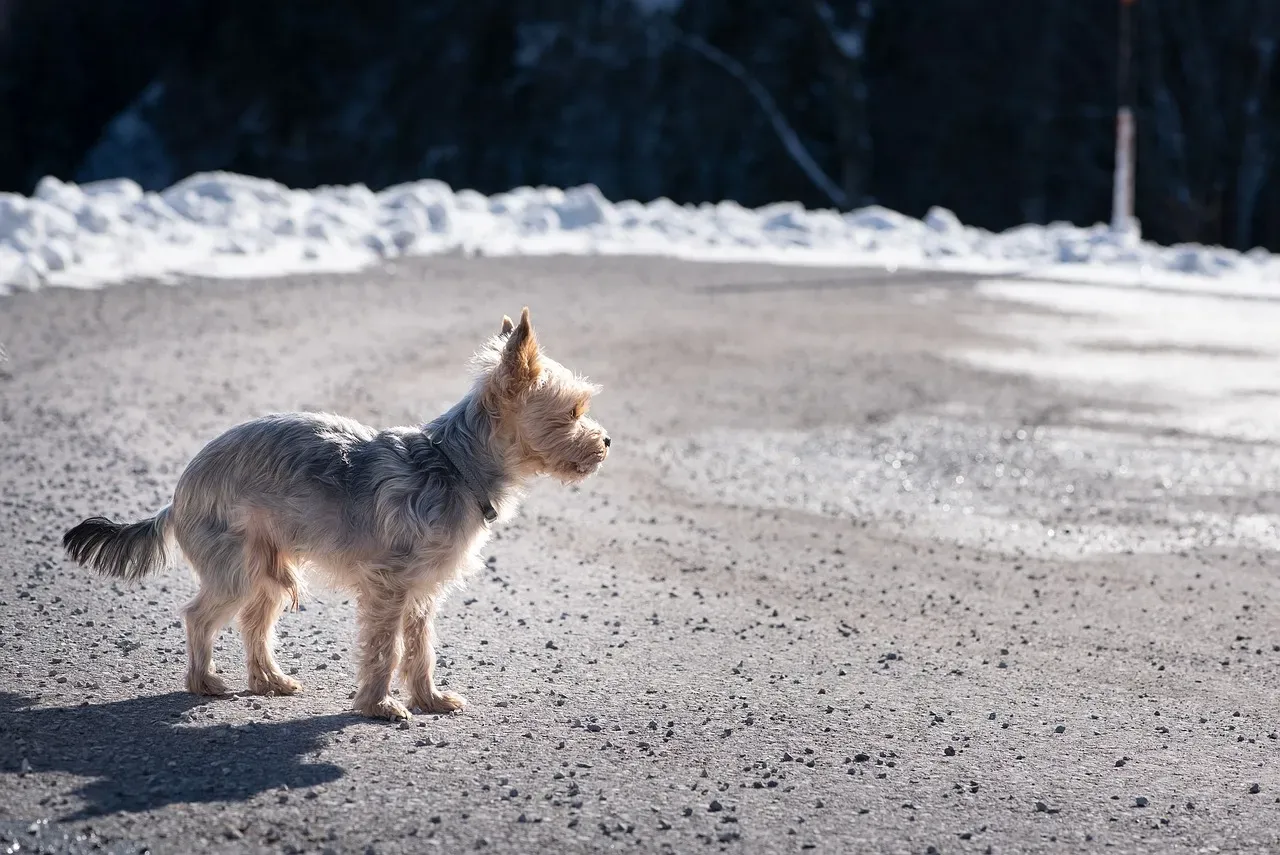
Here’s the thing about separation anxiety. It’s not drama. It’s genuine panic. Separation anxiety is a serious condition that goes beyond the occasional mournful whimper when you leave the house or the shredded sock waiting upon your return. It’s also not the same as boredom – separation anxiety is the result of legitimate stress.
Escape attempts by dogs with separation anxiety are often extreme and can result in self-injury and household destruction, especially around exit points like windows and doors. Some dogs with separation anxiety chew on objects, door frames, or window sills, dig at doors and doorways, or destroy household objects when left alone. These behaviors can result in self-injury, such as broken teeth, cut paws, and damaged nails.
Irresponsible owners who work long hours with zero provisions for their dogs, no dog walker, no enrichment, no preparation, are directly contributing to this condition. Dogs with separation-related behavior problems engage in unwanted behavior such as destruction of property and excessive vocalization when left alone, causing distress for both the dog and the owner, and often leading to the dog being relinquished or euthanized. That last part should give anyone pause.
7. Allowing Dogs to Roam Without Supervision Encourages Aggression
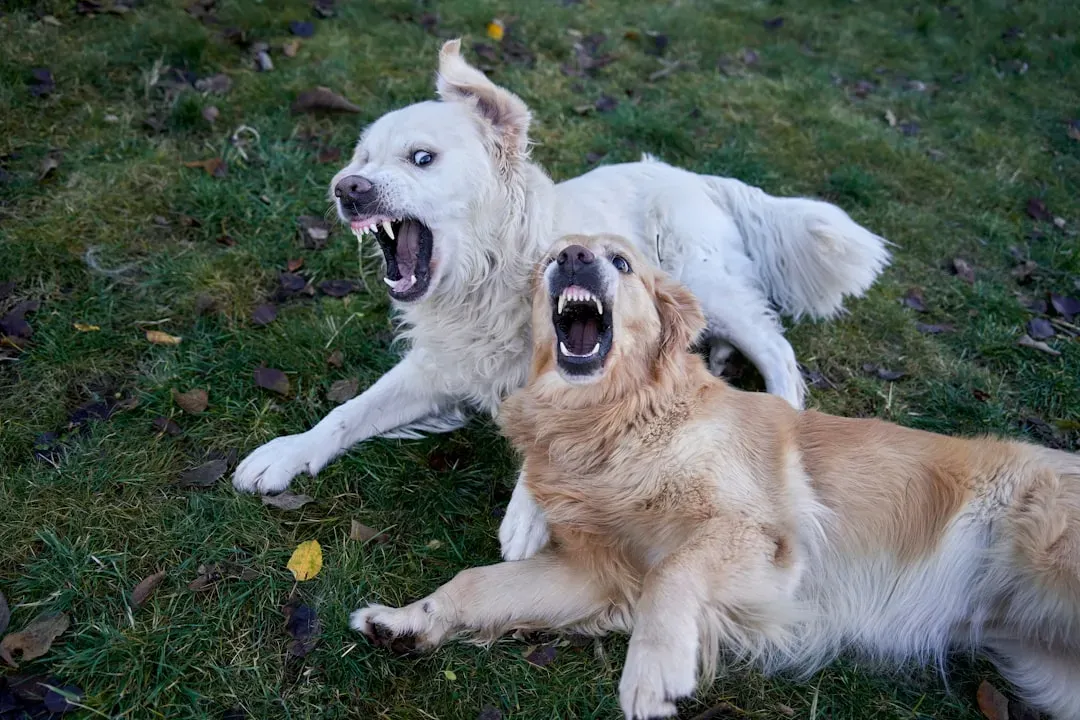
Letting a dog off leash if it has a history of aggression or running away is irresponsible and dangerous. Yet it happens constantly, in parks, on streets, in neighborhoods where unsuspecting people and other animals pay the price for someone else’s negligence.
Tying a dog up or fencing it in a location where other dogs can agitate the confined one is a classic recipe for dog aggression. By far the most common cause of inadvertently induced dog aggression is a lack of proper socialization. Unsupervised environments where dogs are agitated, taunted, or over-stimulated repeatedly teach dogs that the outside world is hostile and worth fighting.
Dog-related disturbances are commonly reported to animal control – they generate noise complaints when owners allow them to bark at all hours in neighborhoods or roam freely despite having a tendency to show aggression to other animals or people. The community suffers. The dog suffers. Only the irresponsible owner walks away unscathed, usually in denial.
8. Overlooking Mental Stimulation Leads to Neurotic Habits

Physical exercise is only half the story. Dogs have working brains that need real engagement. Owners who ignore this end up with dogs that obsessively lick themselves, spin in circles, or bark at walls. It’s not genetic madness. It’s manufactured boredom.
Dogs with low mental stimulation often display similar behaviors as dogs with separation anxiety, including destructive behaviors and escape attempts. The distinction matters, but both outcomes trace back to the same source: an owner who is not paying attention to their dog’s full range of needs.
Caring for a dog can be challenging, especially when they exhibit unacceptable behaviors, and our expectations regarding appropriate dog behavior sometimes appear unrealistic. It is now common for many companion dogs to be left alone for extended periods, expected to behave calmly and quietly, with little social contact. Expecting a calm dog without providing the conditions for calm is, to put it plainly, delusional. Puzzle toys, scent work, and even short training sessions cost nothing but time.
9. Reinforcing Bad Behavior Accidentally Locks It In
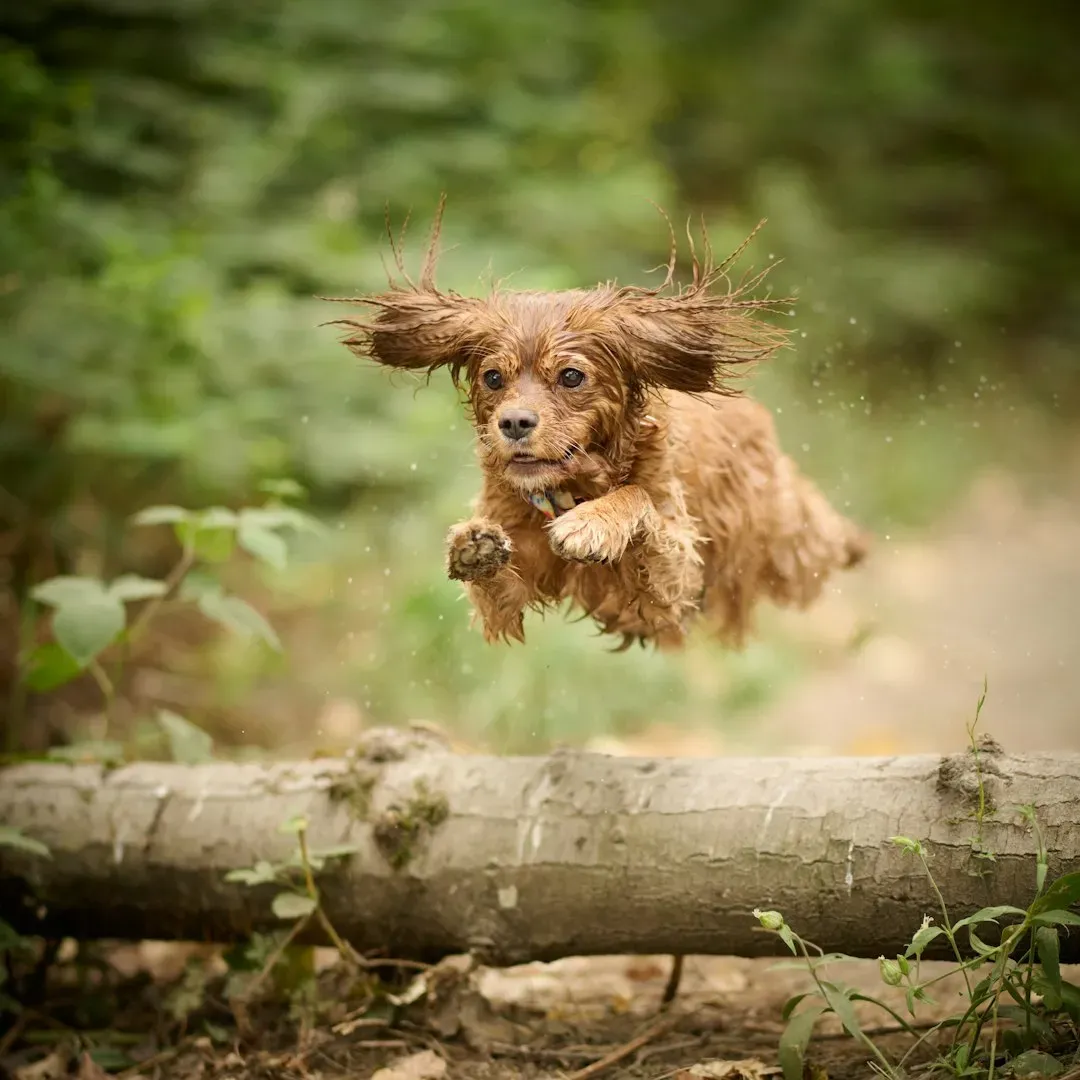
This one surprises people. You might think that ignoring bad behavior neutralizes it. Sometimes that’s true. Sometimes, however, owners unknowingly reward the exact behavior they hate. Many owners accidentally reinforce negative behaviors. Staying calm when leaving the house will help your dog remain calm, and it is equally important to remain calm when you return. While it may be hard to ignore a dog’s exuberant greeting, feeding into it can heighten the dog’s anxiety around arrivals and departures.
Puppies that control owner interactions with play biting, barking, or attention-seeking will quickly learn that these are effective behaviors to achieve what they want. Unfortunately, they do not learn that owners control rewards, nor do they learn that calm, obedient behaviors are how to earn good things. Every unplanned reward for a bad behavior is a tiny brick in a wall that becomes harder to tear down over time.
It’s a bit like laughing at a toddler’s tantrum. In the moment, it might seem harmless. Over weeks and months, it tells the child – or the dog – that the world bends to their outbursts. Breaking that pattern later becomes genuinely exhausting work.
10. Neglecting Veterinary and Health Care Masks Behavioral Root Causes
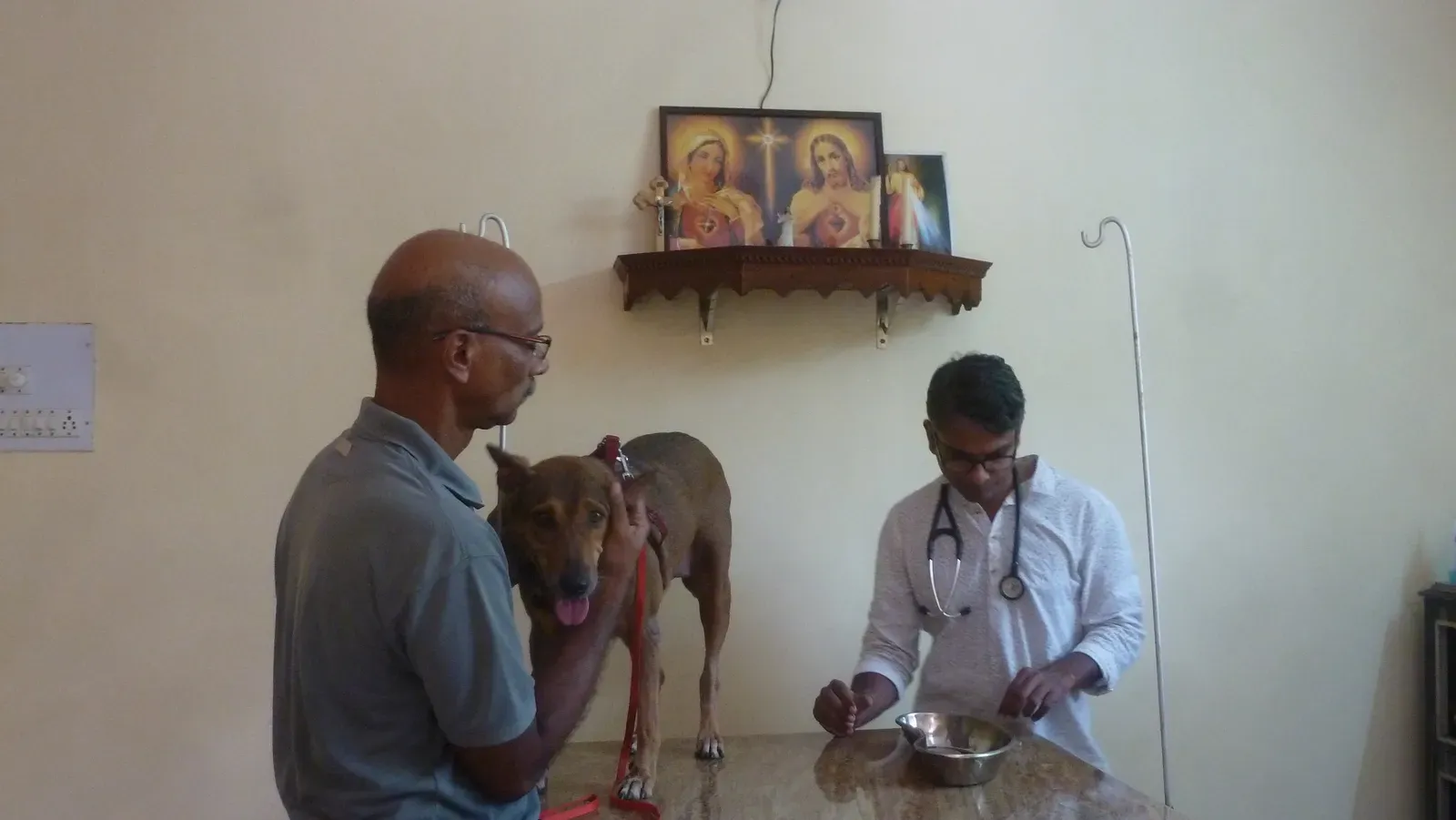
Not all bad behavior is purely behavioral. A dog in pain snaps. A dog with untreated anxiety destroys furniture. A dog with a thyroid imbalance may show sudden aggression that bewilders its owner. If your dog is acting hostile after getting hurt, it is most likely experiencing pain, and when the pain is relieved, the aggression will go away.
Irresponsible owners who skip vet visits don’t just risk their dog’s physical health. They risk completely misreading their dog’s behavioral signals. Genetic and environmental factors or early negative experiences in a dog’s life may contribute to the development of behavioral issues. Such factors might include the attitude and actions of a pet owner toward the dog, such as negative reinforcement or punishment, as well as changes in the family dynamic or frustration from a lack of enrichment activities.
It’s hard to say for sure in every case, but ruling out medical causes is always the first step. A vet who sees a dog regularly builds a baseline. That baseline becomes priceless the moment behavior starts to change. Skipping those appointments is not saving money. It’s spending it later, in bigger, more painful ways.
The Bottom Line: The Dog Reflects the Owner

Every point in this article circles back to the same uncomfortable truth. Dogs don’t create their own behavioral problems in isolation. Pet ownership isn’t a right – it’s a privilege that carries great responsibility. When that responsibility is taken with the requisite seriousness, an animal can be a wonderful addition to an individual’s life, a family, or even a society. Pet owners who turn a blind eye to their animals’ behavior are doing a disservice not only to themselves and the animal in question, but to everyone in the community where they live.
The science is consistent and the logic is simple. Starting socialization and obedience training early helps puppies grow into well-behaved, confident, and friendly dogs. These early lessons shape how they react to people, animals, and new situations throughout life. A dog is not a decoration or an accessory. It is a living creature with needs that demand consistent, daily attention.
Honestly, the most loving thing an owner can do is also the most responsible one – show up, consistently, every single day. Dogs don’t ask for much. They just ask for you. So here’s a question worth sitting with: if your dog could tell you one thing you’ve been getting wrong, what do you think it would say? Tell us in the comments.

- Why Veterinarians Say If Your Cat Sleeps With Their Back to You, It's the Highest Form of Trust in Feline Behavior - July 20, 2026
- The Zodiac Signs That Owls Avoid Completely (And What Folklore Says It Means About Your Energy) - July 20, 2026
- You Won’t Believe What These 5 Animals Eat for Dinner - July 20, 2026