

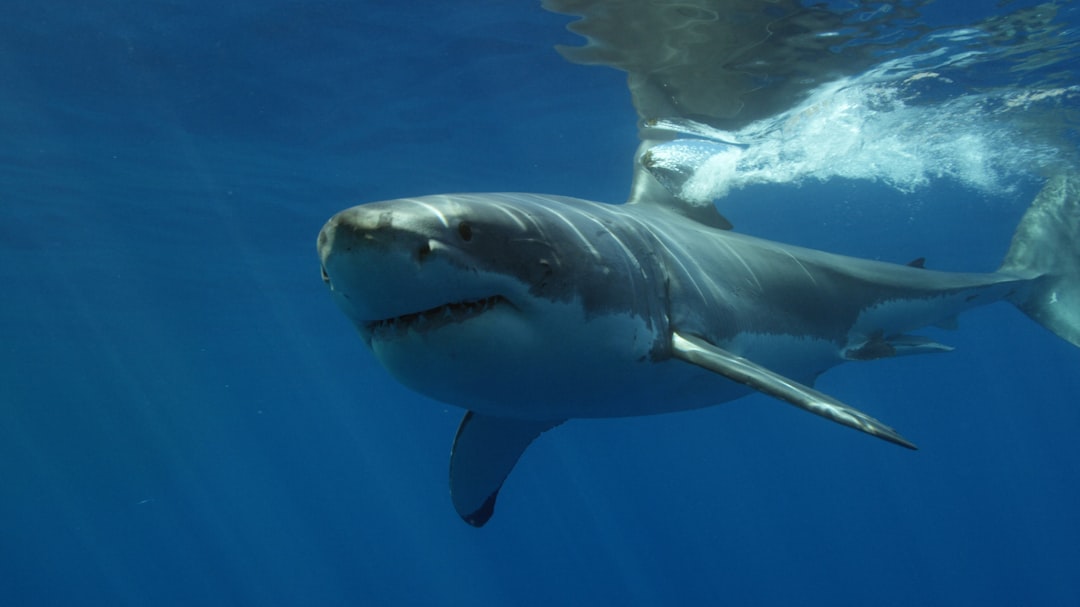
Great white sharks in the Mediterranean Sea—once a symbol of oceanic power and balance—are nearing regional extinction, scientists and conservationists warn, as illegal fishing and weak enforcement of protections continue unabated. Despite being listed as Critically Endangered in the Mediterranean and protected under regional laws, these apex predators still turn up in fish markets and landings, revealing enforcement failures and deepening concerns about their survival. The crisis reflects broader ecosystem imbalance in one of the world’s most exploited seas, where shark populations have plummeted dramatically over time.
Researchers highlight that at least 40 great white shark deaths have been documented in 2025 alone, with many likely linked to illegal, unreported and unregulated fishing—activities that kill sharks even though protections exist. This woeful scenario underscores the urgent need for coordinated multinational action, economic support for fishing communities, and improved compliance with conservation agreements to prevent total disappearance of great whites from these historic waters.
A Population in Peril
In the Mediterranean, great white sharks belong to a genetically distinct and isolated population that has existed for millions of years but now faces severe decline. Although protections under regional agreements such as the Barcelona Convention aim to shield these sharks from harm, enforcement remains patchy and largely ineffective in many parts of the basin.
Compounding the problem, scientists attempting to tag sharks for study have struggled to attract even a single individual, despite deploying tons of bait in known habitats like the Strait of Sicily—an ominous sign of how few remain. This startling lack of sightings contrasts sharply with historical records of broader distribution across the Mediterranean.
Illegal Fishing and Market Sightings
Illegal fishing remains a major driver of mortality, with reports indicating that protected sharks are still being sold and handled in markets despite regulations prohibiting such practices. In some North African fish markets, video evidence shows great white remains openly displayed and traded, highlighting the loopholes and enforcement gaps that allow exploitation to continue.
These violations not only undermine conservation efforts but also signal a broader problem of noncompliance with international protections. Without effective monitoring and penalties, fishing practices that catch and kill vulnerable sharks will persist, pushing them closer to extinction.
Role of Mediterranean Ecosystems
Great white sharks play a critical ecological role as apex predators, helping regulate the abundance and behavior of prey species and maintain balance within marine food webs. Their disappearance could trigger cascading effects throughout the Mediterranean ecosystem, affecting everything from tuna populations to the health of lower trophic levels.
The collapse of this predator in a semi-enclosed sea already facing pressure from overfishing, pollution and habitat degradation would represent not just a loss of biodiversity but a fundamental shift in ecosystem dynamics. Scientists warn that failure to curb current trends could result in irreversible changes.
Challenges to Conservation Enforcement
Despite existing legal protections, enforcement remains inconsistent across Mediterranean nations, complicating efforts to safeguard great whites and other threatened shark species. The General Fisheries Commission for the Mediterranean (GFCM) and similar bodies have recommended catch reporting, finning bans and research into shark nursery areas, but implementation has lagged.
Illegal, unreported and unregulated (IUU) fishing persists largely because high-seas governance in the Mediterranean involves many jurisdictions with varying levels of enforcement capacity. Without unified action and stronger compliance mechanisms, conservation measures risk remaining ineffective.
What Recovery Might Require
Experts say that reversing the decline of Mediterranean great whites will require multinational cooperation, enhanced monitoring and economic incentives for fishers to adopt sustainable practices. Training local communities, promoting alternative livelihoods, and strengthening surveillance of fishing zones are all part of a comprehensive approach to reduce shark bycatch and illegal harvest.
Public awareness campaigns, data sharing among research groups and consistent use of tracking technologies could also improve understanding of shark movements and critical habitats, helping target conservation action where it matters most.
The plight of Mediterranean great white sharks is a stark reminder of how fragile even long-resident marine giants have become under relentless human pressure. Their slide toward extinction is not a distant threat—it is happening now, driven by illegal fishing and insufficient enforcement of protections that should be safeguarding them. Beyond its tragedy for a majestic species, this decline signals deeper trouble for the Mediterranean’s ecological balance. Concerted, cooperative conservation efforts are urgently needed: fragmented, underfunded approaches will not suffice. Saving these apex predators will require political will, scientific investment, and community engagement across international borders. The cost of inaction is not just the loss of great whites—but a diminished, less resilient Mediterranean Sea for future generations.

- Urban Coyotes Show Remarkable Adaptability, Learning to Thrive in City Environments - July 22, 2026
- Beavers Are Nature’s Engineers, Creating Vital Habitats for Other Wildlife Species - July 21, 2026
- The Recovery of the California Condor Offers Hope for Other Critically Endangered Birds - July 21, 2026