
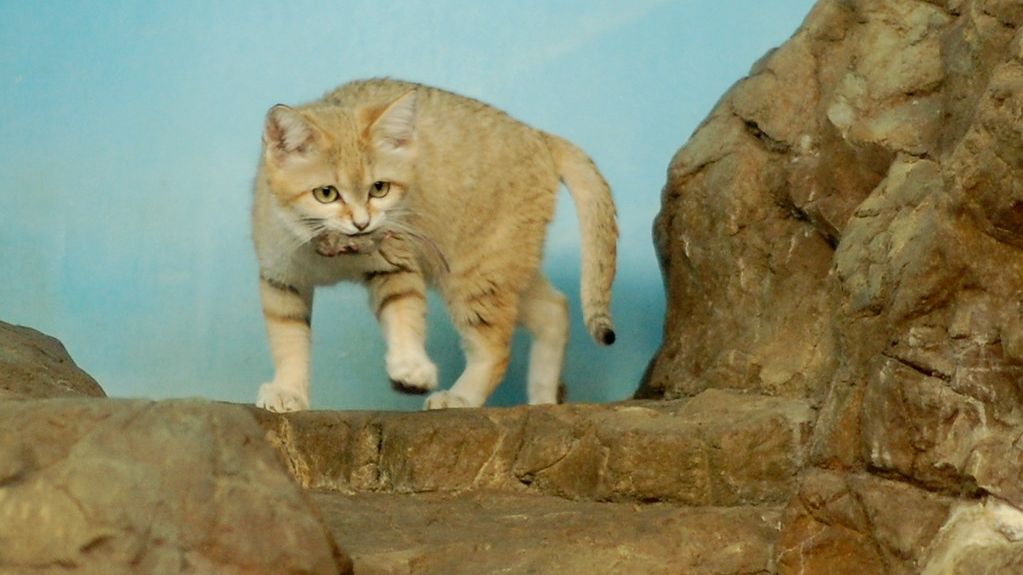
Cat owners often notice their pets settling into familiar spots night after night. One particular posture stands out to veterinarians as a potential signal worth watching closely.
Small shifts in how a cat rests can sometimes point to more than simple preference. Paying attention to these details helps catch issues before they grow larger.
The Subtle Clues in Feline Rest
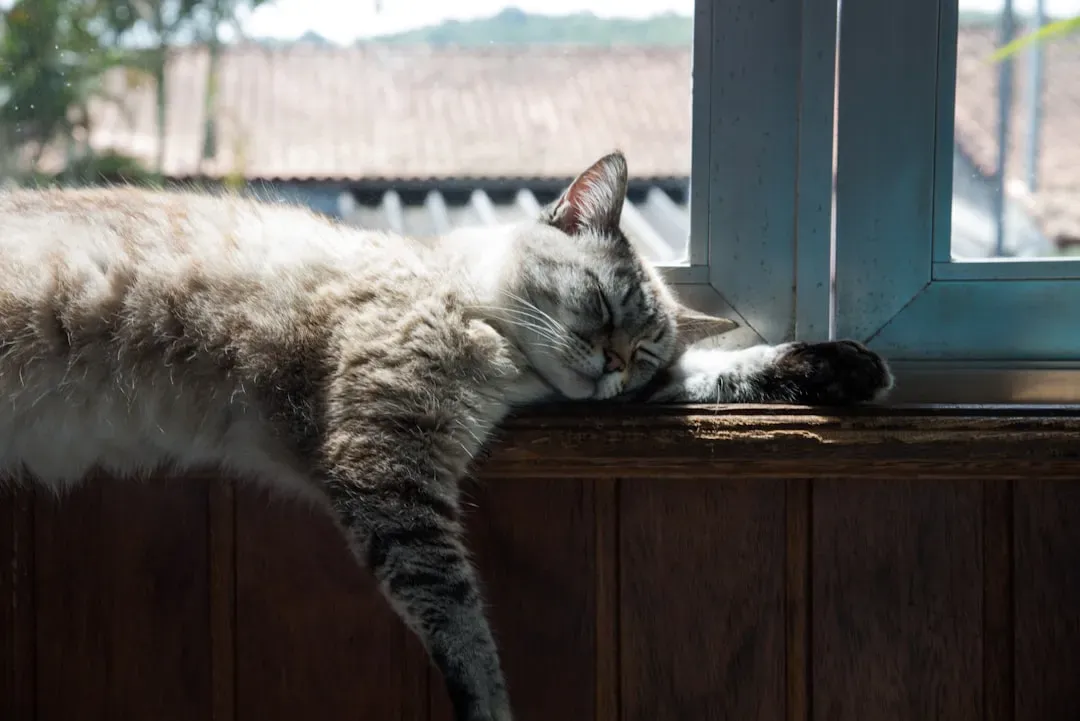
Cats spend a large portion of their day resting, and their chosen positions often reflect comfort levels and security. A relaxed cat might stretch out fully or curl loosely without tension in the body. Changes that appear consistent over several nights deserve a second look from someone familiar with feline behavior.
Owners who track these patterns over time notice when a once varied routine becomes fixed in one spot. This repetition can stem from physical discomfort rather than habit alone. Early observation allows for timely conversations with a professional.
Identifying the Concerning Posture
The position in question involves a cat resting in a hunched stance with the head lowered and limbs tucked tightly against the body. This differs from the typical loaf shape because the back arches more noticeably and movement seems restricted. Veterinarians flag this when it becomes the default every evening.
Such a posture may limit the cat’s ability to shift freely during sleep. It often appears alongside reduced grooming or reluctance to jump onto usual surfaces. Not every instance signals crisis, yet consistency raises the need for evaluation.
How Sleep Reflects Overall Well Being
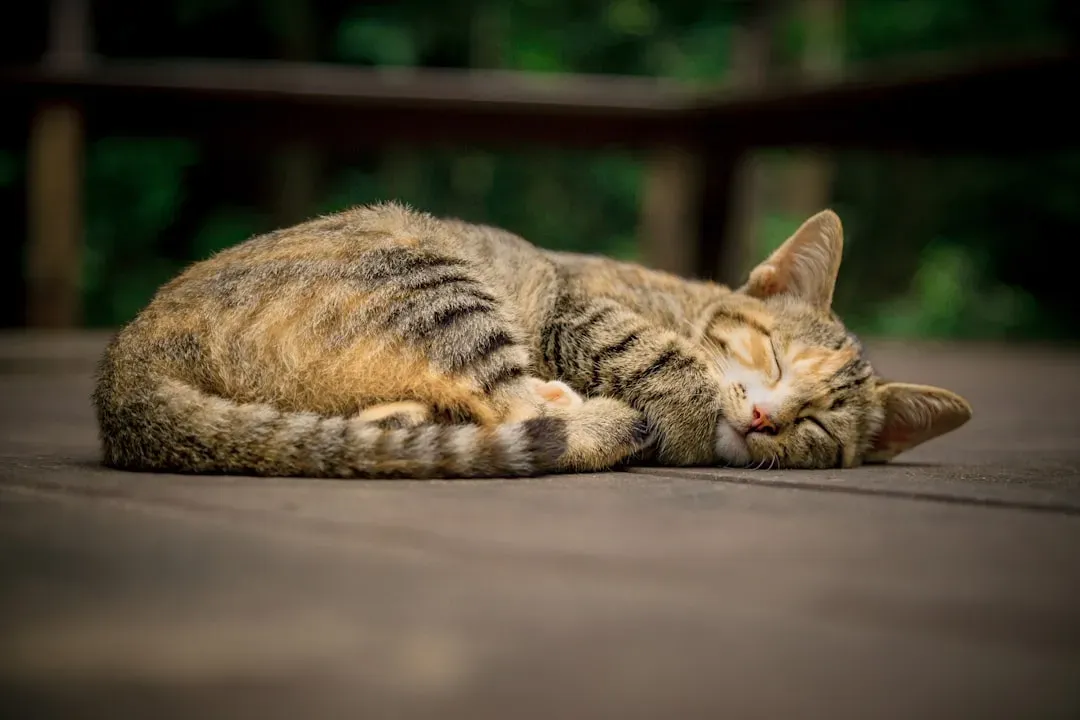
Rest serves as a window into a cat’s physical state because discomfort tends to alter both duration and style of sleep. A cat feeling off might seek out cooler floors or avoid soft beds that once appealed. These adjustments help maintain some ease but do not resolve the root cause.
Normal variation keeps things interesting, with cats rotating between side sleeping and gentle curls. When one rigid form dominates, it interrupts that natural flexibility. Monitoring brings clarity without overreacting to isolated nights.
Potential Underlying Conditions
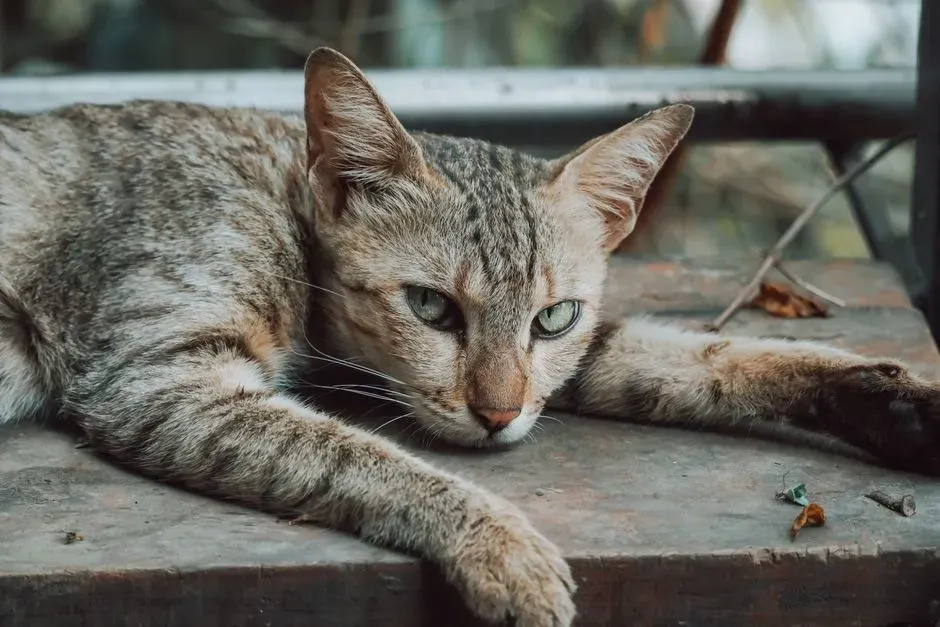
Joint stiffness from age or arthritis can encourage a more compact resting shape to ease pressure on sore areas. Digestive upset or urinary concerns sometimes lead cats toward unusual locations or postures that feel protective. Respiratory challenges may also influence how the neck and shoulders align during rest.
These connections remain general because each cat responds differently to discomfort. A single posture rarely points to one exact diagnosis on its own. Professional assessment sorts through possibilities with hands on examination and history.
Observing Other Behavioral Shifts
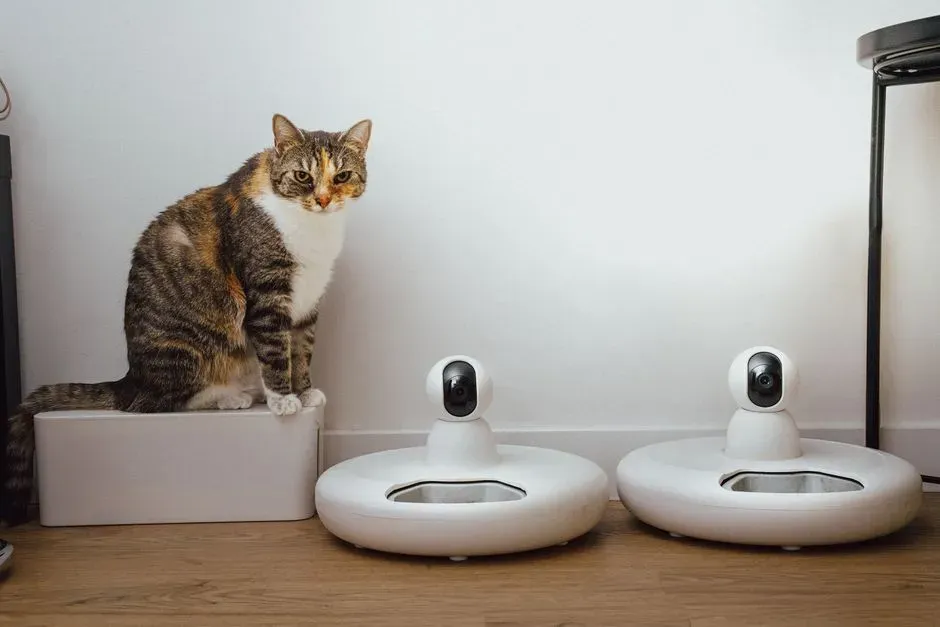
Sleep posture rarely changes in isolation. Appetite might dip slightly or play sessions shorten without obvious reason. Litter box habits can shift too, with more time spent near or inside the box itself.
Owners benefit from noting these details over a week or two rather than reacting to one evening. Patterns emerge more clearly with consistent records. This information proves useful during any veterinary visit.
Steps Toward Professional Evaluation
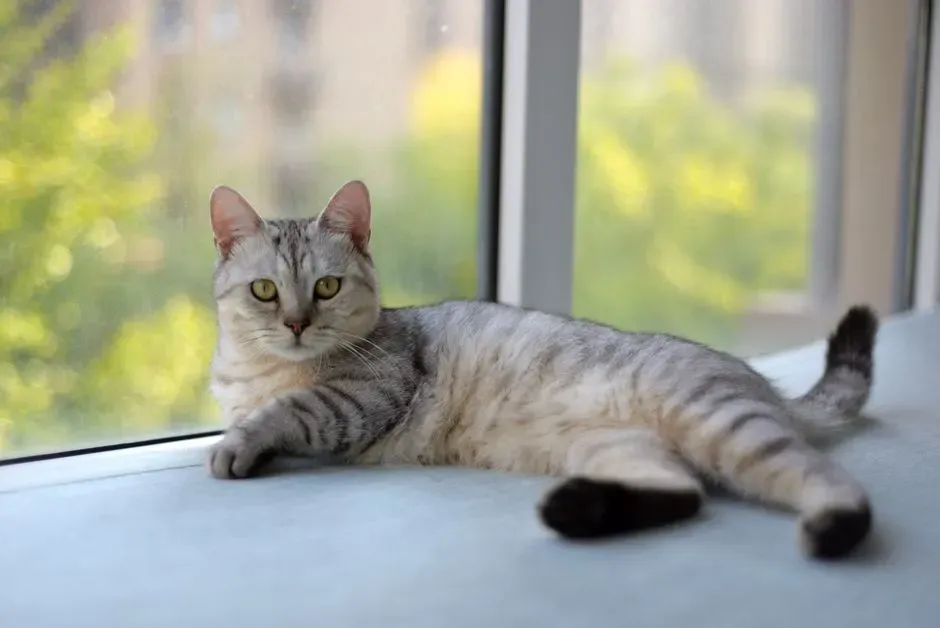
Scheduling a checkup starts with a calm call to the clinic describing the observed routine. The veterinarian will likely ask about recent diet changes, activity levels, and any vocalizations during rest. A physical exam follows to check mobility and vital signs.
Further tests such as blood work or imaging may come next if initial findings suggest deeper concerns. Most visits end with clear next steps rather than immediate alarm. Owners leave better equipped to support their cat at home.
Prioritizing Your Cat’s Long Term Comfort
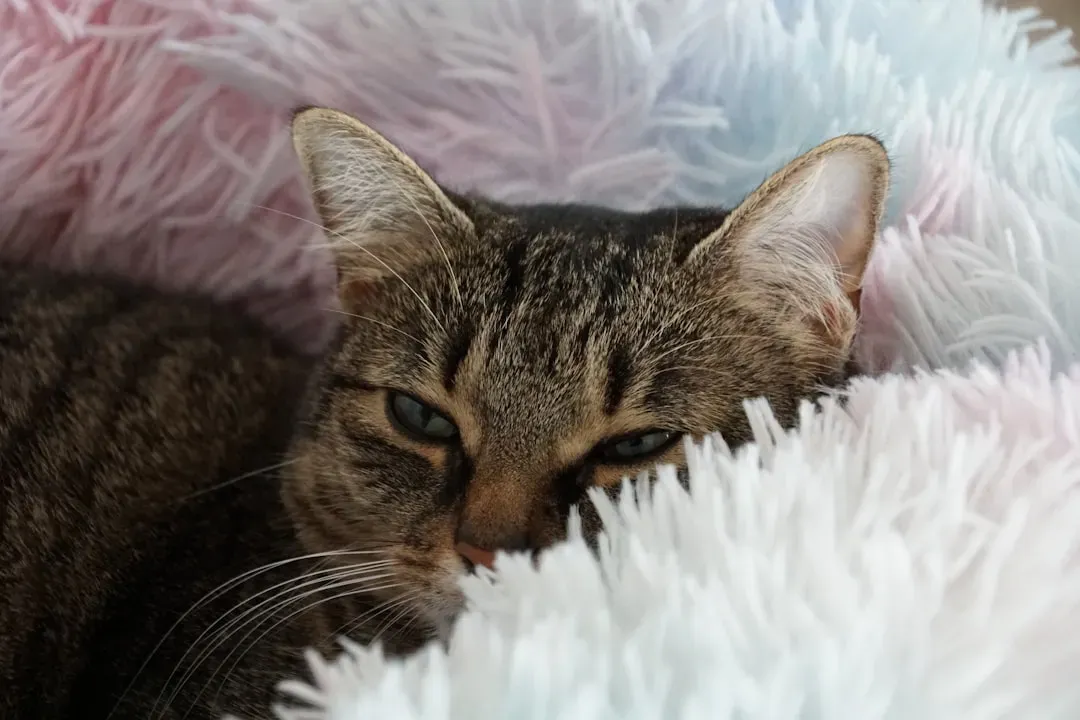
Regular attention to rest habits builds a stronger partnership between owner and pet. Small adjustments like softer bedding or easier access to favorite spots often improve daily life once health matters receive attention. The goal remains steady well being rather than perfection in every pose.
Cats thrive when their people stay observant without constant worry. This balanced approach turns routine nights into opportunities for connection and care. In the end, a watchful eye paired with professional guidance keeps the focus where it belongs on the cat’s steady comfort through the years.

- 16 Signs a Horse Has Handed Its Whole Trust to One Rider and Will Never Transfer It - August 1, 2026
- 20 Strange Hummingbird Behaviours Researchers Say Look Like Nothing Else Anywhere in the Entire Bird World - August 1, 2026
- 19 Gentle Signs Your Aging Cat Is Saying Goodbye in the Only Way It Knows How - August 1, 2026