
Common Nighttime Behaviors in Dogs

Dogs are crepuscular by nature, which means they tend to be more active around dawn and dusk. This internal rhythm can lead to bursts of energy or restlessness even when the household has settled for the night. Owners sometimes notice their pets carrying objects from room to room as part of this pattern.
Such actions rarely happen in isolation. They often tie into daily routines, recent changes in the home, or simple boredom that builds up during quiet hours. Paying attention to the timing and context helps owners see the bigger picture rather than focusing on a single incident.
Why Toys Become Comfort Objects

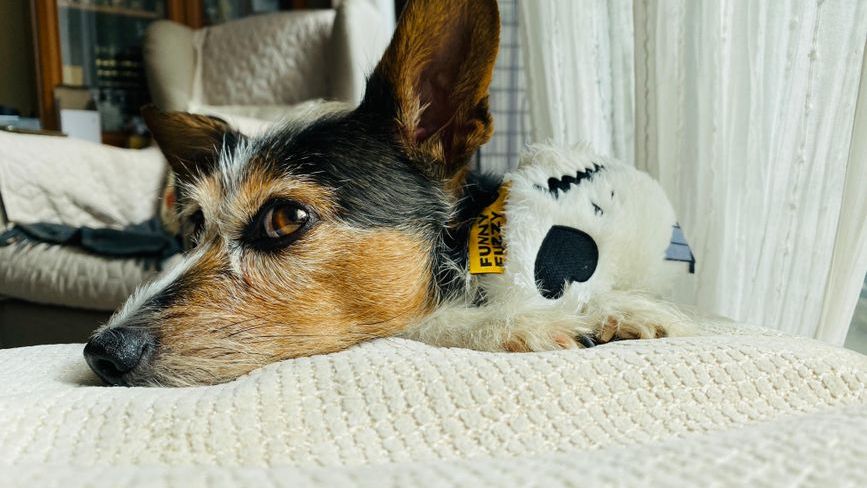
Many dogs form strong attachments to particular toys that provide a sense of familiarity and security. These items can serve as stand ins for social interaction when the rest of the family is asleep. The choice of toy and the way it is carried often reflect the dog’s individual preferences developed over time.
Bringing the toy to a person may represent an attempt to share that comfort or invite engagement. In some cases the behavior repeats because it has been reinforced by attention in the past. Understanding this cycle makes it easier to respond thoughtfully instead of reacting with frustration.
Possible Links to Past Experiences

Dogs that have experienced upheaval, such as rehoming or inconsistent care, sometimes develop habits that help them self soothe. Nighttime activity can surface when the quiet environment reminds them of earlier periods of uncertainty. Behaviorists note that these patterns vary widely from one dog to the next.
It is important to remember that not every unusual action points to deep seated issues. Many dogs simply enjoy the texture or sound of a toy and seek it out when they cannot settle. Distinguishing between normal variation and something more significant usually requires observation over several weeks.
Interpreting the Timing of the Behavior

The specific hour of three in the morning may coincide with lighter sleep stages for both dogs and people. During these periods a dog might wake, feel the need for reassurance, and reach for a familiar item. External factors like street noise or changes in household temperature can also play a role.
Tracking when the behavior occurs alongside other details, such as recent meals or exercise levels, often reveals patterns. Owners who keep simple notes find it easier to identify triggers. This information becomes valuable when discussing the situation with a professional.
How Owners Can Respond Effectively

A calm and consistent approach works better than sudden changes in routine. Leaving a few approved toys accessible in the bedroom can reduce the need for the dog to search elsewhere. Gentle redirection back to a resting spot helps reinforce that nighttime is for rest.
Some families find that a short, quiet walk before bed or an extra play session in the evening lowers overall arousal. The goal is to meet the dog’s needs without accidentally encouraging more nighttime movement. Small adjustments often make a noticeable difference within a few days.
When Professional Guidance Makes Sense

Board certified veterinary behaviorists are trained to evaluate the full context of a dog’s life rather than isolated actions. They consider medical factors, environment, and history before offering tailored recommendations. Early consultation prevents minor habits from becoming more entrenched.
Owners should not hesitate to reach out if the behavior is accompanied by other signs of distress, such as pacing or vocalizing. A thorough assessment can rule out underlying health concerns and provide practical strategies. Many practices now offer virtual appointments that make the process more accessible.
Strengthening the Human Canine Connection
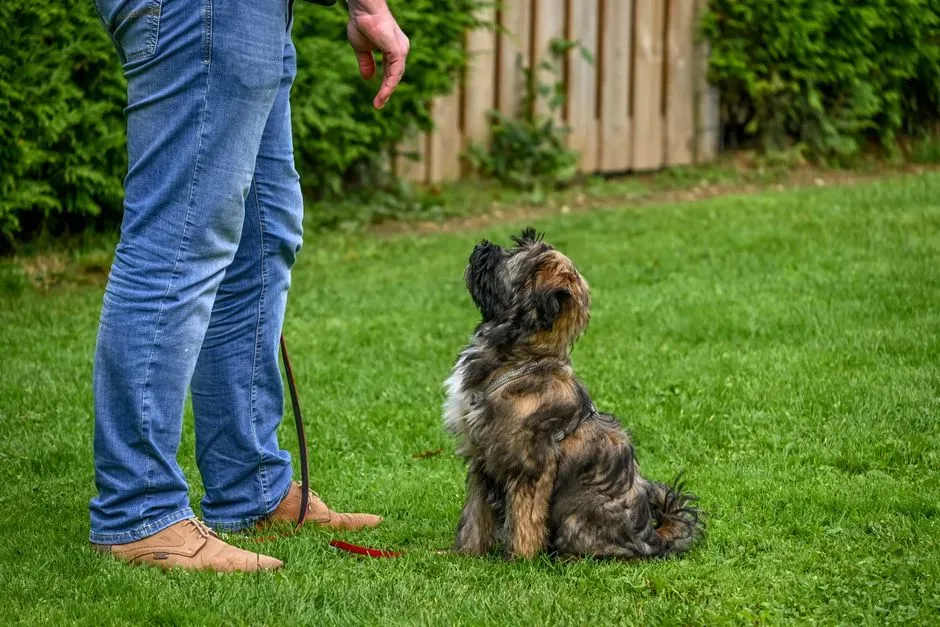
Daily interactions built on trust and predictability help dogs feel secure regardless of the hour. Simple rituals like consistent feeding times and positive reinforcement during the day carry over into calmer nights. The relationship benefits when both parties understand each other’s signals.
Over time these shared routines create a foundation that supports the dog through any changes that arise. The result is a more relaxed household where odd behaviors become less frequent and easier to manage when they do appear.
Dogs carry their histories in subtle ways, and nighttime toy deliveries are just one small window into that world. Paying attention with patience rather than alarm usually leads to better outcomes for everyone involved. In the end, the quiet work of understanding a pet’s needs deepens the connection that makes the relationship worthwhile.