


A rare and gripping encounter was captured on camera between two predators in nature, a python and a crocodile. Join us as we compare these two ferocious predators and their physical characteristics.
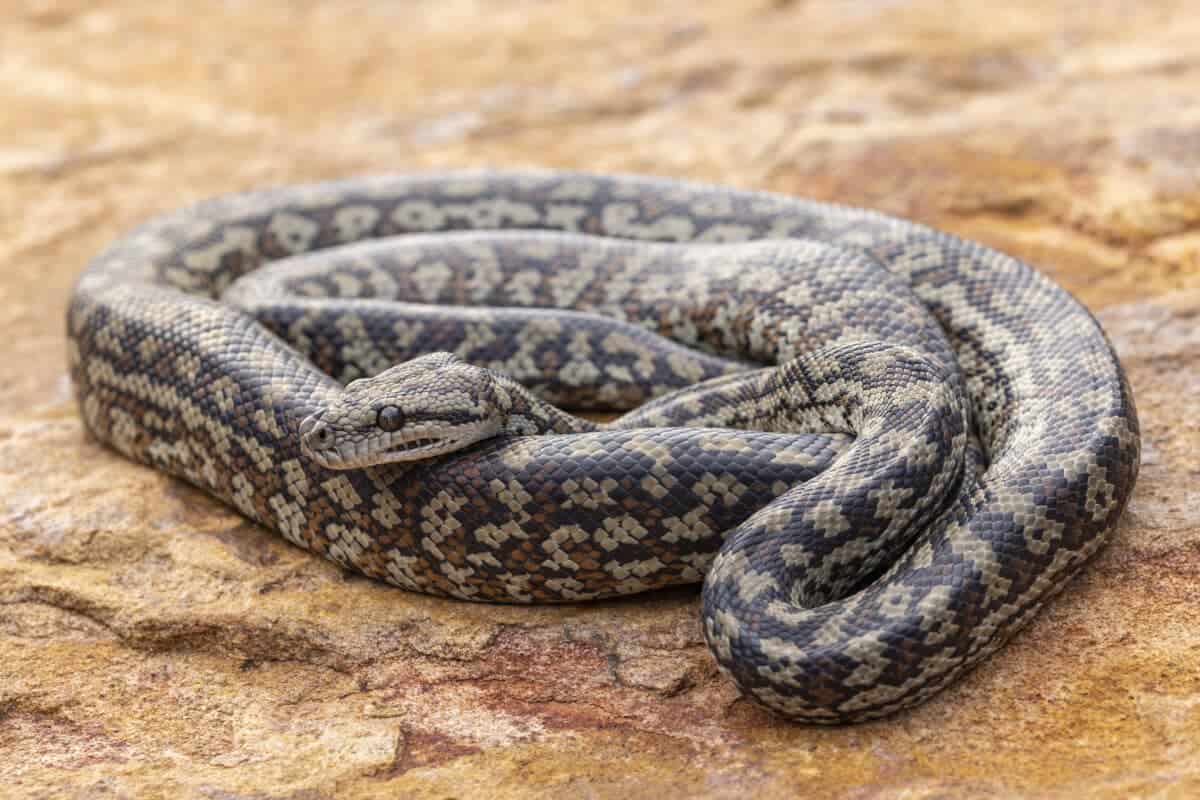
The Python
🔥 Would you like to save this?
We'll email this post to you, so you can come back to it later!
Our slithering protagonist, the Python, is a master of stealth and strength. With its sleek, muscular body, this constrictor is designed for the art of strangulation. Furthermore, boasting a keen sense of smell and heat-sensitive pits along its jaw, the Python is a silent and deadly hunter, capable of ambushing its prey with astonishing precision.
Length
🔥 Would you like to save this?
We'll email this post to you, so you can come back to it later!
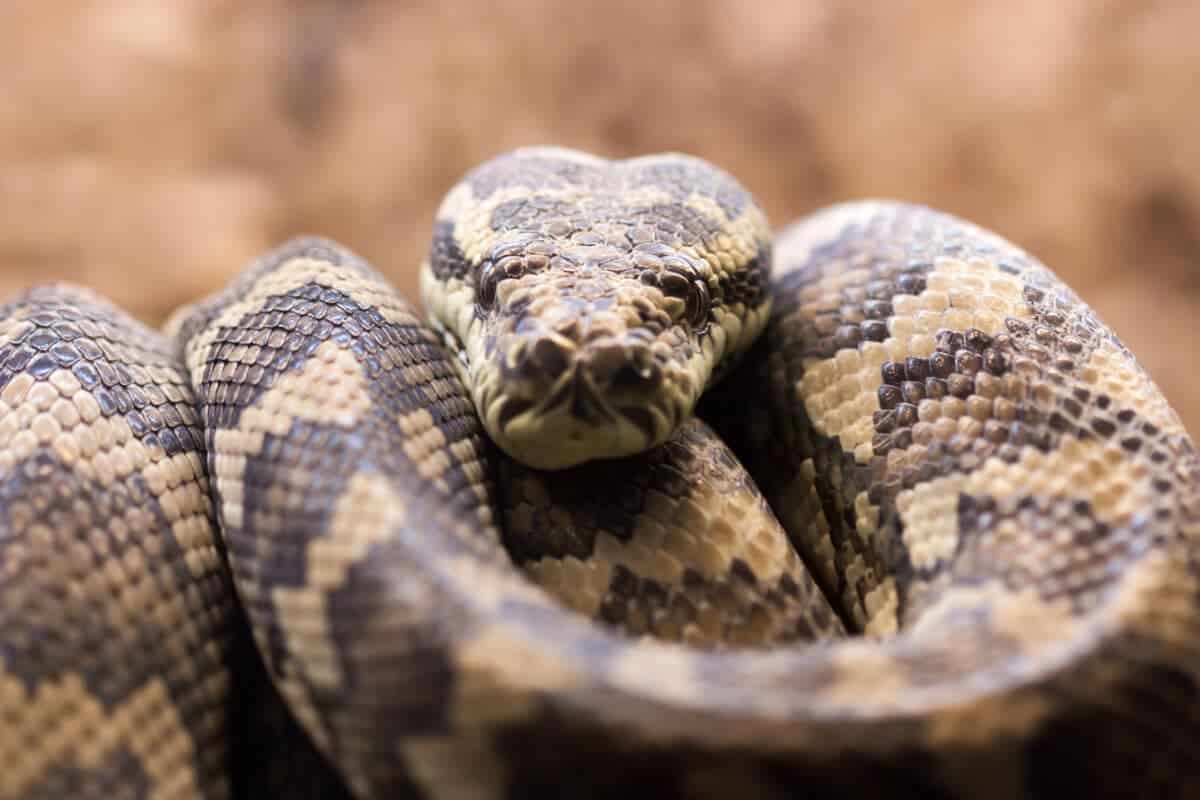
Pythons can grow to impressive lengths, with some species reaching over 20 feet. Moreover, this formidable size allows them to overpower a variety of prey, including crocodiles.
Constriction Technique

🔥 Would you like to save this?
We'll email this post to you, so you can come back to it later!
Pythons are renowned for their method of subduing prey—constriction. Therefore, by coiling their muscular bodies around the target, they cut off the blood supply, leading to a swift and effective takedown.
Adaptability

🔥 Would you like to save this?
We'll email this post to you, so you can come back to it later!
Found in a diverse range of environments, from dense rainforests to arid deserts, pythons are highly adaptable creatures. Additionally, this adaptability enables them to thrive in various ecosystems, showcasing the versatility of their hunting techniques.
Heat-Sensitive Pits

🔥 Would you like to save this?
We'll email this post to you, so you can come back to it later!
Pythons have specialized heat-sensitive pits along their jaws that detect infrared radiation. This adaptation allows them to sense warm-blooded prey even in complete darkness.
Strong Jaw Muscles

🔥 Would you like to save this?
We'll email this post to you, so you can come back to it later!
Pythons possess strong jaw muscles that enable them to open their mouths wide enough to swallow prey whole. Their jaws are highly flexible, allowing them to consume animals much larger than their head.
Smooth, Glossy Scales

🔥 Would you like to save this?
We'll email this post to you, so you can come back to it later!
The scales of a python are smooth and glossy, providing protection and reducing friction as they move through their environment. This feature helps them navigate through dense vegetation and tight spaces.
Lateral Undulation

🔥 Would you like to save this?
We'll email this post to you, so you can come back to it later!
Pythons use a form of movement called lateral undulation, where their body moves in a wave-like pattern. This method of locomotion is efficient for traveling across various terrains, including water, sand, and foliage.
Longevity

🔥 Would you like to save this?
We'll email this post to you, so you can come back to it later!
Pythons have a long lifespan, with some species living up to 30 years in the wild. Their longevity is a testament to their adaptability and survival skills.
Parental Care

🔥 Would you like to save this?
We'll email this post to you, so you can come back to it later!
Unlike many reptiles, some python species exhibit parental care. After laying eggs, the female python coils around them to protect and incubate them, ensuring a higher chance of survival for her offspring.
The Crocodile

🔥 Would you like to save this?
We'll email this post to you, so you can come back to it later!
On the flip side, our scaly contender, the Crocodile, is an ancient and powerful aquatic predator. With a set of formidable jaws and a reputation for stealth, these reptiles are masters of aquatic ambushes.
Jaw Strength

🔥 Would you like to save this?
We'll email this post to you, so you can come back to it later!
Crocodiles possess one of the most powerful bites in the animal kingdom. Their jaw strength allows them to crush bones and tear through tough prey effortlessly.
Armor-Like Scales

🔥 Would you like to save this?
We'll email this post to you, so you can come back to it later!
Thick, armor-like scales cover the crocodile’s body, providing protection from external threats and offering a tough exterior that can withstand the struggles of life in the wild.
Aquatic Prowess

🔥 Would you like to save this?
We'll email this post to you, so you can come back to it later!
Equally comfortable in water and on land, crocodiles are adept swimmers. Additionally, their streamlined bodies and powerful tails make them agile and efficient in aquatic environments.
Powerful Jaw Strength

🔥 Would you like to save this?
We'll email this post to you, so you can come back to it later!
Crocodiles possess one of the most powerful bites in the animal kingdom. Their jaw strength allows them to crush bones and tear through tough prey effortlessly.
Armor-Like Scales

🔥 Would you like to save this?
We'll email this post to you, so you can come back to it later!
Thick, armor-like scales cover the crocodile’s body, providing protection from external threats and offering a tough exterior that can withstand the struggles of life in the wild.
Aquatic Prowess

🔥 Would you like to save this?
We'll email this post to you, so you can come back to it later!
Equally comfortable in water and on land, crocodiles are adept swimmers. Additionally, their streamlined bodies allow them to move efficiently through water.
Stealthy Ambush Predator

🔥 Would you like to save this?
We'll email this post to you, so you can come back to it later!
Crocodiles are known for their stealth and patience. They can remain motionless for hours, waiting for the perfect moment to strike their prey, making them formidable ambush predators.
Powerful Tail

🔥 Would you like to save this?
We'll email this post to you, so you can come back to it later!
A crocodile’s tail is incredibly strong and muscular, enabling them to propel themselves quickly through water and deliver powerful strikes to their prey.
Enhanced Night Vision

🔥 Would you like to save this?
We'll email this post to you, so you can come back to it later!
Crocodiles have excellent night vision, allowing them to hunt effectively in low-light conditions. This adaptation is crucial for their nocturnal hunting habits.
Nictitating Membrane

🔥 Would you like to save this?
We'll email this post to you, so you can come back to it later!
Crocodiles have a transparent third eyelid, known as a nictitating membrane, which protects their eyes while they are underwater and allows them to see clearly in aquatic environments.
Thermoregulation

🔥 Would you like to save this?
We'll email this post to you, so you can come back to it later!
Crocodiles are ectothermic, meaning they rely on external sources of heat to regulate their body temperature. They bask in the sun to warm up and seek shade or water to cool down.
Vocal Communication

🔥 Would you like to save this?
We'll email this post to you, so you can come back to it later!
Crocodiles use a range of vocalizations to communicate with each other, including growls, hisses, and bellows. These sounds play a vital role in mating, territorial disputes, and signaling distress.
Wrapping Up
With each of them equipped with unique physical characteristics and have through millions of years of evolution. It reveals the raw power that govern the untamed wilderness.

For any feedback please message Feedback@animalsaroundtheglobe.com
- Venomous Spiders Found in America - November 5, 2026
- Top 10 Best Spots for Whale Watching in the US - November 4, 2026
- Alaskan Malamute Vs. Bearded Collie - November 2, 2026